Sisal Fiber Baling Press Machine Suppliers and Manufacturers
Explore 24 verified options for the Sisal Fiber Baling Press Machine, comparing locations in China, response times, lead times, and certifications like ISO 9001 and CE. Review product specifications and pricing to identify suitable factories or trading companies for your needs.
Updated
Suppliers List

Jiangyin Starshine Machinery Technology Co., Ltd.
- Verified by TUVRHEINLAND
- Manufacturer/Factory
- China Jiangsu
- Lead time23 days
- Avg. response≤ 1h
Main productsScrap Metal Baler, Metal Chip Briquette Machine, Scrap Metal Shear, Hydraulic Shearing Machine, Gantry Metal Shear, Steel Wire Drawing Machine, Copper Wire Granulation Recycling Machine, Container Metal Shear, Scrap Metal Shredder Machine, Wire Rod Hot Rolling Mill
Main marketsSouth America,Eastern Europe,Mid East,North America,Southeast Asia,Eastern Asia,Oceania,Western Europe,Africa


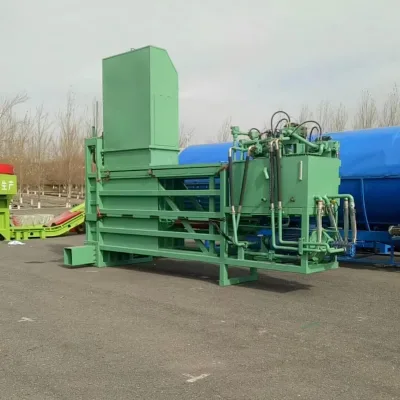
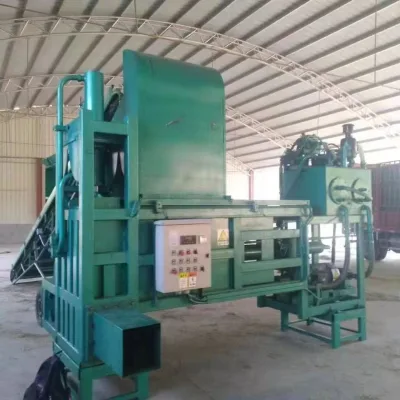
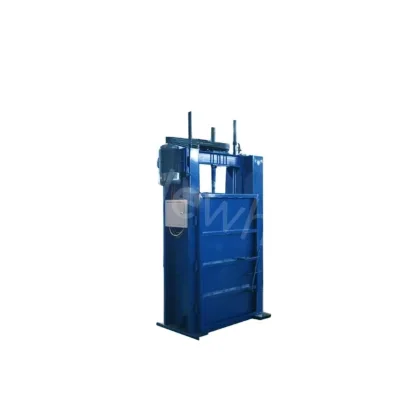
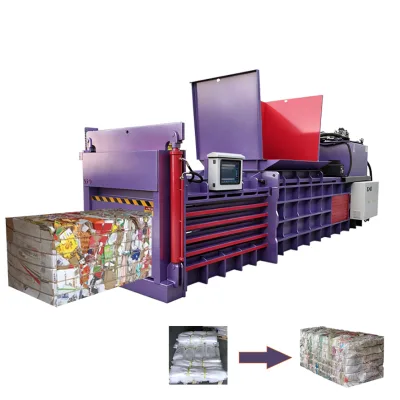
Sisal Fiber Baling Machine Vertical Waste Press Automatic Plastic Recycling Machine
$30000.00 - $120000.00
MOQ: 1 Pieces

Sisal Fiber Baling Machine Pet Bottle Press Baler Hay Pressing Baler
$30000.00 - $120000.00
MOQ: 1 Pieces

Sisal Fiber Baling Machine Textile Baling Compress Pet Bottle Press Machine
$30000.00 - $120000.00
MOQ: 1 Pieces

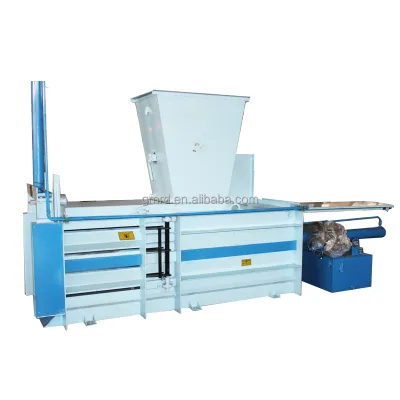
Sisal Fiber Baling Machine Horizontal Straw Baler Vertical Waste Press Automatic
$30000.00 - $120000.00
MOQ: 1 Pieces
Jining Shunyin Machinery Co., Ltd.
- Verified by TüVRheinland
- Trading Company
- Lead time5 days
- Avg. response≤ 2h
Main productsWrapping Machine, Pallet Wrapping Machine, Shrink Wrapping Machine, Baling Machine, Case Erector
Main marketsEastern Europe(20%), North America(15%), South America(15%)

Qingdao Huarui Jiahe Machinery Co., Ltd.
- Verified by TUVRHEINLAND
- Combined
- China Shandong
- Lead time60 days
- Avg. response≤ 17h
Main productsTextile Machine, Non-Woven Machinery, Needle Punching Machine, Hard Cotton Production Line, Polyester Wadding Felt Production Line, Non-Woven Fabric Production Line, Coconut Coir Mattress Production Line, Non Woven Drying Oven, Non Woven Carding Machine, Cotton Wool Quilts Production Line
Main marketsSouth America,Southeast Asia/ Mideast,Europe,Australia,North America
Henan Gems Machinery Co., Ltd.
- Verified by Intertek
- Trading Company
- Lead time15 days
- Avg. response≤ 2h
Main productsPasteurizer Tank, Homogenizer, Smoker Machine, Meat Grinder, CIP Cleaning Machine
Main marketsSoutheast Asia(20%), Africa(20%), Mid East(15%)

Henan Shuangshi Group Grain Oil Machinery Co., Ltd.
- Verified by CTI
- Combined
- China Henan
- Lead time60 days
- Avg. response≤ 3h
Main productsMaize Milling Machine, Flour Mill
Main marketsDomestic

$10599.00 - $14099.00
MOQ: 1 Sets

$10599.00 - $14099.00
MOQ: 1 Sets

China Baling Press Baler Machine Fiber Baler Machine China Hydraulic Baler Press Machine Price
$10899.00 - $15000.00
MOQ: 1 Pieces

Iron Baling Machine Metal Baling Press Machine Paper Baling Press Machine Supplier
$10899.00 - $15000.00
MOQ: 1 Pieces

Paper Baling Press Machine China Sawdust Baling Machine Paper Scrap Baling Machine Supplier
$10899.00 - $15000.00
MOQ: 1 Pieces

Zhengzhou Jili Machinery Co., Ltd.
- Trading Company
- Henan, China
- Lead time30 days
- Avg. response≤ 1h
Main productsConstruction Machinery,Mining Machinery,Road Machinery,Wood Working Machinery,package Machinery
Main marketsDomestic Market(55.00%), South Asia(8.00%), Africa(8.00%), Mid East(6.00%), Eastern Asia(4.00%), Southeast Asia(4.00%), North America(3.00%), South America(3.00%), Northern Europe(2.00%), Central America(2.00%), Oceania(2.00%), Western Europe(1.00%), Eastern Europe(1.00%), Southern Europe(1.00%)
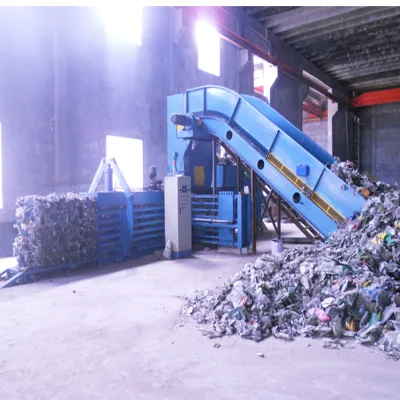
Hydraulic Cloths Baling Press Automatic Textile Baling Machine
$2000.00 - $3000.00
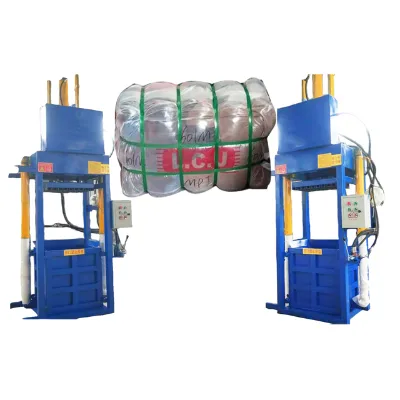
Convenient Electric Fiber Pressing Baler Clothes Compressing Baling Machine
$3095.1941 - $4126.9254
MOQ: 1 sets
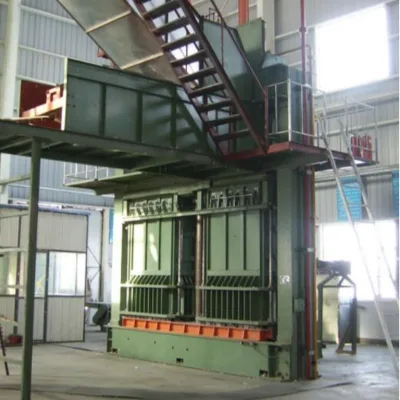
China BRAND Vertical Hydraulic Press for Cotton and Fiber Baling Machine
$1000.00 - $1500.00
MOQ: 1 sets
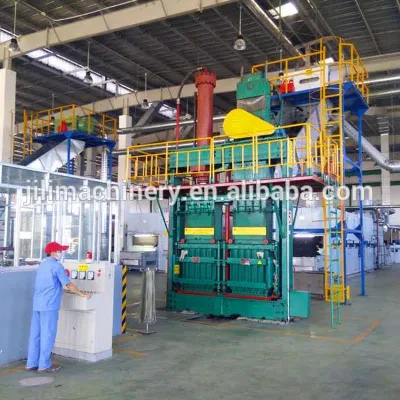
Large Capacity Hydraulic Cotton & Fibre Baling Press Machine for Packaging
$35000.00 - $45000.00
MOQ: 1 sets
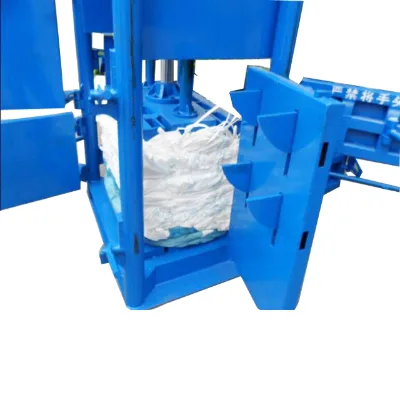
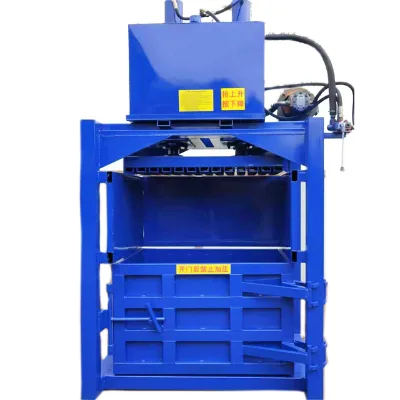
Double Cylinder Baling Press,Plastic Baler,Baler Machine for Sale
$1800.00 - $3500.00
Zhengzhou Mascot Environmental Technology Co., Ltd.
- Manufacturer, Trading Company
- Henan, China
- Lead time15 days
- Avg. response≤ 1h
Main productsRaymond mill,grinding mill,ball mill,Rotary Dryer,Generator set
Main marketsDomestic Market(30.00%), Eastern Asia(20.00%), Southeast Asia(20.00%), South America(10.00%), South Asia(10.00%), Africa(10.00%)
Jiaozuo Zhoufeng Machinery Co., Ltd.
- Trading Company
- Henan, China
- Lead time5 days
- Avg. response≤ 9h
Main productsFood machine,Farm machine,environmental protection machine,Home use machine,Biomass briquette production line
Main marketsMid East(10.00%), South Asia(10.00%), Africa(10.00%), Southeast Asia(10.00%), Domestic Market(10.00%), Central America(10.00%), North America(10.00%), South America(8.00%), Eastern Asia(7.00%), Northern Europe(5.00%), Western Europe(5.00%), Oceania(2.00%), Eastern Europe(2.00%), Southern Europe(1.00%)

Enerpat (Jiangsu) International Trading Co., Ltd
- Manufacturer
- China Jiangsu
- Lead time30 days
- Avg. response≤ 1h
Main productsBalers, Shredder, Metal Shears, Drum Crushers, Metal Shredders, Cardboard Baler, Hydraulic Balers, Wood Shaving Balers, Baling Press, Metal Chips Briquetting Machine
Main marketsOthers(foreignTradeCapacity.exportBusinessCapacityMarketOther),Domestic,Europe,North America
Jiangyin Aupu Machinery Co., Ltd.
- Verified by SGS Group
- Manufacturer, Trading Company
- Lead time15 days
- Avg. response≤ 7h
Main productsMetal Baling Machine, Hydraulic Baling Machine, Shearing Machine/Shearing Baler, Shredder Machine, Metal Briquetting Press
Main marketsSouth America(20%), North America(10%), Eastern Europe(10%)
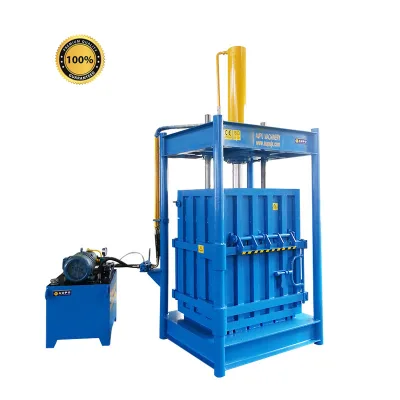
Strict test Press Hydraulic Press Baler Fiber Baling Machine for Wool
$5140.9292 - $15422.7876
MOQ: 1 Minimum
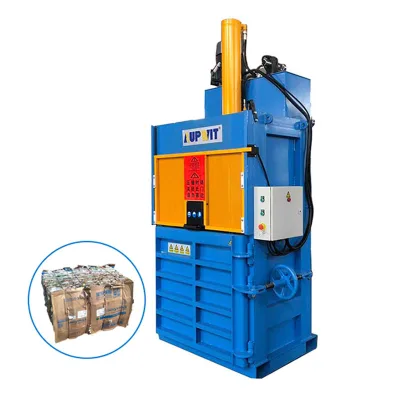
Vertical Baling Press Waste Paper Machine
$7200.00 - $8200.00

Dezhou Shengxin Machinery Equipment Co., Ltd
- Verified by SGS
- Combined
- China Shandong
- Lead time15 days
- Avg. response≤ 6h
Main productsBaler
Main marketsDomestic
Henan Gloyel Environmental Protection Technology Co., Ltd.
- Verified by SGS Group
- Trading Company
- Lead time0 days
- Avg. response≤ 5h
Main productsFilter Press, Drying Machine, Shredder Machine, Baler Machine, Packing Machine
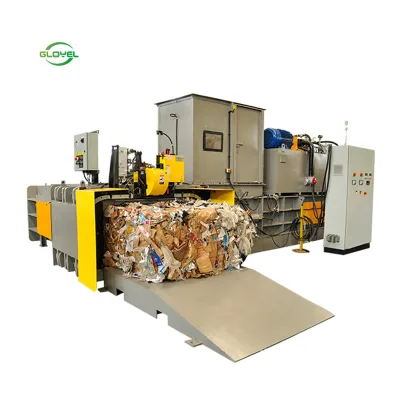
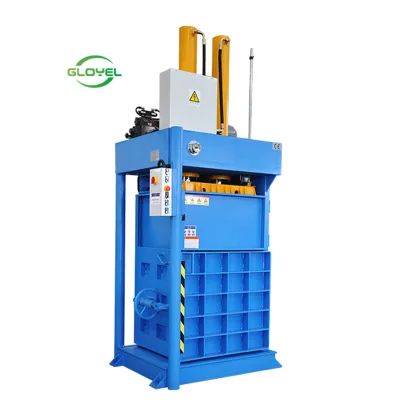
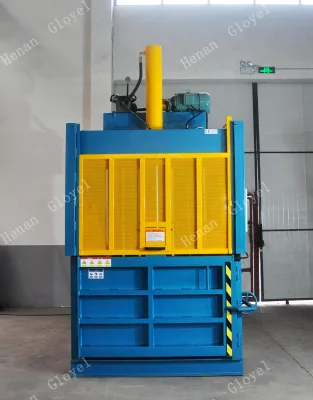
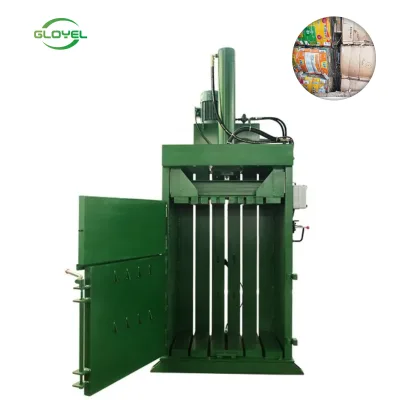
1200KG Weight Rice Straw Waste Paper Press Vertical Baling Machine
$18622.3277 - $20691.4752
MOQ: 1 Minimum
Gaomi Rongda Machinery Co., Ltd.
- Verified by TüVRheinland
- Manufacturer, Trading Company
- Lead time15 days
Main productsCutting Machine, Textile Waste Recycling Machine, Low Speed Needle Punching Machine Line, Nonwoven Equipment Product Line, Baling Machine
Main marketsSoutheast Asia(20%), Domestic Market(20%), Africa(10%)

Shandong Qunfeng Heavy Industry Technology Co., Ltd.
- Verified by BV
- Combined
- China Shandong
- Lead time30 days
- Avg. response≤ 1h
Main productsRecycling, Baler, Msw Sorting Waste, Baling Press, Garbage Sparate, Urban Solid Garbage Sorting Machine, Waste Garbage Recycling Machine Line, Waste Recycling Machine, Msw Treatment Line, City Garbage Sorting Machine and Hydraulic Baler
Main marketsSouth America,Southeast Asia/ Mideast,Domestic


Automatic Horizontal Baling Press Machine Waste Paper Rice Straw Textile Fiber Baler for Sale
$10000.00 - $30000.00
MOQ: 1 Sets
Zhengzhou Leabon Machinery Equipment Co., Ltd.
- Manufacturer, Trading Company
- Henan, China
- Lead time20 days
- Avg. response≤ 4h
Main productsPellet Making Line/ Baler Machine/ Dryer/ Packing Machine/ Crusher/ Mixer,packing machine,palletizer,TMR feed mixer,dryer machine
Main marketsEastern Europe(30.00%), Africa(12.00%), Mid East(10.00%), Southern Europe(9.00%), Southeast Asia(8.00%), South America(8.00%), Western Europe(7.00%), Eastern Asia(5.00%), Northern Europe(4.00%), North America(4.00%), South Asia(1.00%), Oceania(1.00%), Central America(1.00%)
Zhengzhou Caleb Machinery Co., Ltd.
- Verified by SGS Group
- Trading Company
- Lead time10 days
- Avg. response≤ 1h
Main productsAgricultural Machinery, Harvesting Machine, TMR Mixer, Silage Machine, Food Machinery
Main marketsSoutheast Asia(25%), North America(20%), Western Europe(15%)
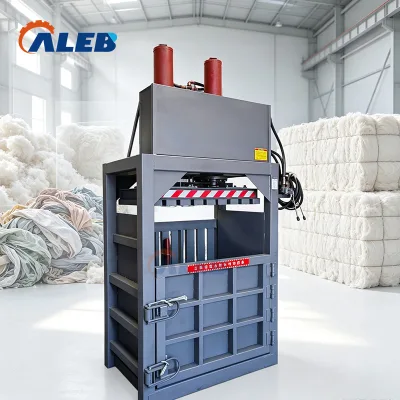
Wiping Rags Bailing Machine Press Automatic Cotton Bailing Press Machine
$1980.00 - $2340.00
MOQ: 1 sets
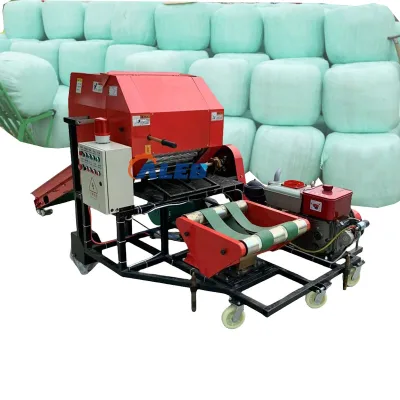
Best Quality Hydraulic Bailing Press Machine Bailing Machine Hydraulic
$1980.00 - $2340.00
MOQ: 1 sets
Henan Yishen Machinery Co., Ltd.
- Verified by Intertek
- Trading Company
- Lead time7 days
- Avg. response≤ 3h
Main productsMining Equipment, Brick-making Machine Production Line, Concrete Machinery, Shredder Machine, Oil Press Production Line
Main marketsAfrica(20%), Southeast Asia(15%), North America(10%)

Shandong New Haina Machinery Co., Ltd.
- Trading Company
- China Shandong
- Lead time15 days
- Avg. response≤ 6h
Main productsTextile Waste Recycling Machine, Non Woven Needle Punching Machine, Baling Machine, Fiber Cutting Machine, Carding Machine, Cross Lapper, Clender /Ironing Machine, Oven, Polyester Fabric Making Machine, Cotton Waste Recycling Machine
Main marketsAfrica,Others(foreignTradeCapacity.exportBusinessCapacityMarketOther),Southeast Asia/ Mideast


Textile Waste Baler Hydraulic Baling Press Cotton Fiber Paper Cloth Waste Baler
$10000.00 - $15000.00
MOQ: 1 Sets

Automatic Hydraulic Machine Cotton Baler Machine Press Machine Hydraulic Press Baling Machine
$10000.00 - $15000.00
MOQ: 1 Sets

Automatic Hydraulic Baling Machine Packing Machine Fiber Baling Machine
$10000.00 - $15000.00
MOQ: 1 Sets

Automatic Hydraulic Machine Packing Machine Fiber Baling Machine Textile Waste Pressing Machine
$10000.00 - $15000.00
MOQ: 1 Sets

Guangzhou Qiangye Machinery Technology Co., Ltd.
- Verified by TUVRHEINLAND
- Combined
- China Guangdong
- Lead time30 days
- Avg. response≤ 9h
Main productsIndustrial Washing Machine, Automatic Baler, Plastic Crusher, Pet Washing Line, Drying Machine
Main marketsDomestic


Baling Machine Baler Compress Machine for Waste Paper Waste Plastic
$30000.00 - $60000.00
MOQ: 1 Pieces
Shandong Former Machinery Co., Ltd.
- Verified by SGS Group
- Trading Company
- Lead time7 days
- Avg. response≤ 1h
Main productsWrapping machine, Baling machine, Strapping machine, Case erector, Recycling machine
Main marketsNorth America(37%), Domestic Market(25%), Western Europe(8%)
Jiangsu Kewosen Machinery Technology Co., Ltd.
- Trading Company
- Jiangsu, China
- Lead time0 days
- Avg. response≤ 2h
Main productshydraulic press,punch press,deep drawing hydraulic press,H Frame Gantry hydraulic press,hydraulic baler machine
Main marketsSoutheast Asia(50.00%), South Asia(25.00%), Eastern Europe(25.00%)
Jining Myway Intelligent Machinery Co., Ltd.
- Verified by SGS Group
- Trading Company
- Lead time7 days
- Avg. response≤ 1h
Main productsWrapping Machine, Pallet Wrapping Machine, Shrink Wrapping Machine, Baling Machine, Case Erector
Main marketsEastern Europe(20%), North America(15%), South America(15%)

Taixing Xianghong Environmental Protection Machinery Co., Ltd.
- Verified by TUVRHEINLAND
- Combined
- China Jiangsu
- Lead time60 days
- Avg. response≤ 1h
Main productsDust Collector, Full Automatic Hydraulic Baler, Baler Machine, Industrial Dust Collector, Hydraulic Baler
Main marketsOthers(foreignTradeCapacity.exportBusinessCapacityMarketOther),Southeast Asia/ Mideast,Domestic

Standard Specifications or Customized Baling Press Machine Automatic Horizontal Baler
$20000.00 - $100000.00
MOQ: 1 Pieces

Factory Direct Sell Automatic Horizontal Baling Press Machine Horizontal Baler
$20000.00 - $100000.00
MOQ: 1 Pieces

Standard Specifications or Customized Baling Press Machine Horizontal Nonwoven Baler
$20000.00 - $100000.00
MOQ: 1 Pieces

Gaomi Rongda Machinery Co., Ltd.
- Trading Company,Manufacturer/Factory
- China Shandong
- Lead time120 days
- Avg. response≤ 8h
Main productsTextile Recycling Machine Nonwoven Machine, Textile Recycling Machine, Nonwoven Felt Production Line, Needle Punching Machine, Fiber Cutting Machine, Baling Machine, Carding Machine, Quilting Machine, Card Clothing
Main marketsSouth America,Eastern Europe,Mid East,Southeast Asia,Eastern Asia,Oceania,Western Europe,Africa




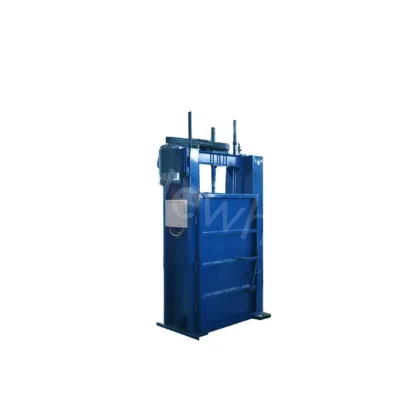
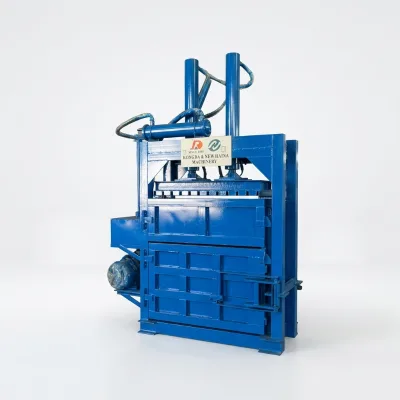

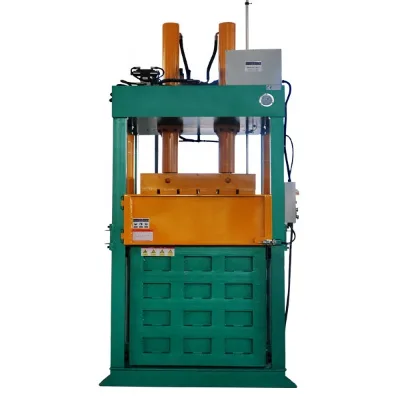
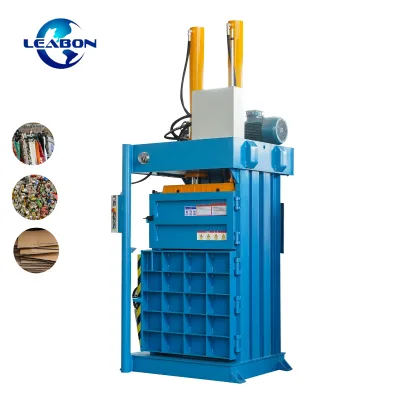


Comprehensive Sourcing Guide
Sisal Fiber Baling Press Machine Supplier Concentration and Factory Types
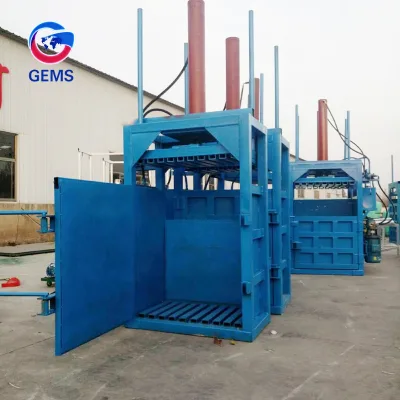
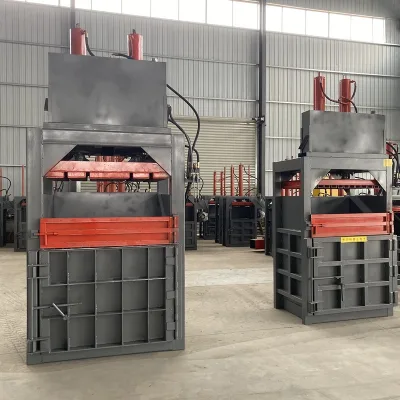
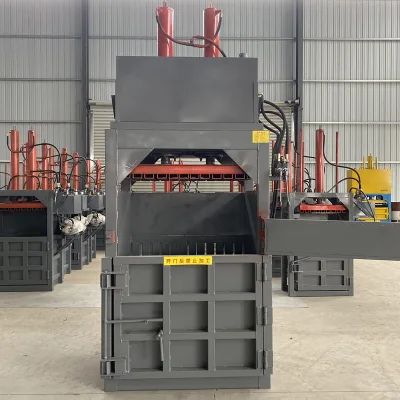
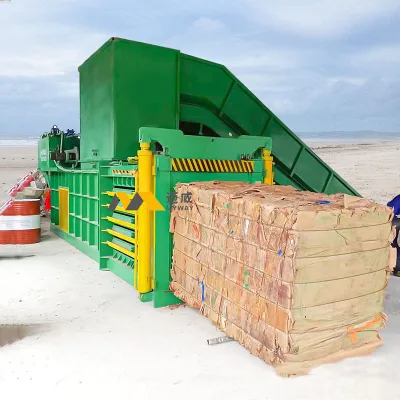
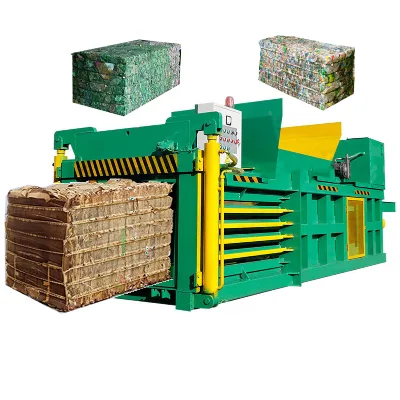
The current supplier landscape for sisal fiber baling press machines reveals a distinct split between manufacturing entities and trading companies, each offering different value propositions for buyers seeking industrial packaging solutions. Evidence indicates that manufacturers are primarily concentrated in China Jiangsu, where they operate as dedicated factories with specific capabilities in heavy machinery production. These suppliers often list main products that include scrap metal balers, hydraulic shearing machines, and wire rod hot rolling mills, suggesting a robust engineering background in hydraulic systems and metal processing. This technical foundation is critical for producing reliable baling presses, as the core mechanisms for compressing sisal fibers share similarities with those used for metal scrap and textile waste. The presence of an own brand, such as ACESUN, among these manufacturers highlights their capacity for original equipment development and proprietary design, which can be advantageous for buyers requiring customized bale sizes or specific pressure specifications.
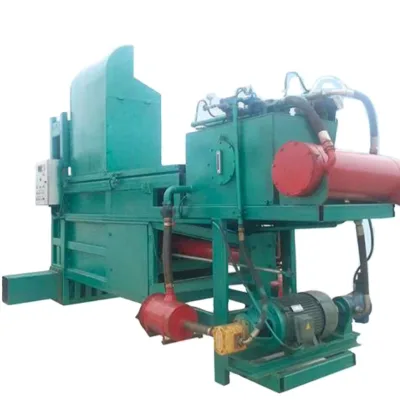
In contrast, trading companies located in China Shandong and other regions offer a different operational model, often focusing on a broader range of packaging equipment like wrapping machines and case erectors alongside baling machines. These entities may not possess the same deep manufacturing roots as the Jiangsu-based factories but provide flexibility through sample processing and graphic customization services. The supplier type classification as a trading company implies a focus on sourcing and logistics rather than direct fabrication, which can simplify communication for international buyers but may introduce additional layers in the supply chain. Some suppliers are classified as combined entities, indicating a hybrid approach that might blend manufacturing oversight with trading efficiencies. Understanding this distinction is vital for buyers, as the factory type directly influences the ability to customize machinery, the transparency of the production process, and the long-term support available for complex hydraulic systems used in sisal fiber compression.
How to Verify Sisal Fiber Baling Press Machine Suppliers
Verifying the legitimacy and capability of Sisal Fiber Baling Press Machine suppliers requires a careful examination of their certification status, verification badges, and response metrics. A key indicator of reliability is the presence of third-party verification, such as TUVRHEINLAND or TüVRheinland, which confirms that the supplier has undergone rigorous audits of their business operations and product quality. Additionally, system certifications like ISO 9001 for manufacturers and CE marking for products provide assurance that the company adheres to international quality management standards and European safety directives, respectively. Buyers should prioritize suppliers who display these credentials prominently, as they serve as objective evidence of compliance and operational maturity. The absence of certifications, indicated by NIL values, should prompt further due diligence to ensure that the supplier meets the necessary safety and quality benchmarks for industrial machinery.
Beyond static credentials, dynamic metrics such as response time and lead time offer insights into the supplier’s operational efficiency and customer service quality. A response time of 0.85 hours suggests a highly responsive team capable of addressing technical inquiries and negotiation points rapidly, which is crucial for resolving complex specifications related to bale size, pressure tonnage, and automation levels. Conversely, a response time of 16.02 hours may indicate a slower communication cycle, potentially delaying project timelines. Lead times also vary significantly, with some suppliers offering a 5-day turnaround while others require up to 60 days, reflecting differences in production capacity and inventory management. Buyers should verify these metrics against their own project schedules and consider the supplier’s ability to provide machinery test reports and video outgoing inspections, which serve as tangible proof of product functionality before shipment.
What to Compare Across Sisal Fiber Baling Press Machine Suppliers
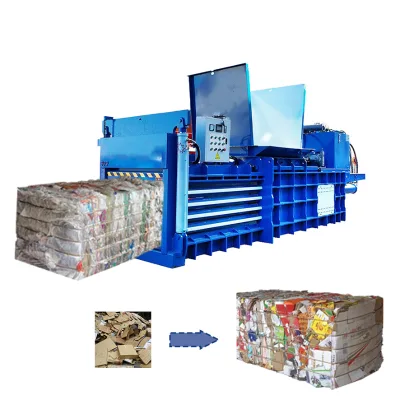
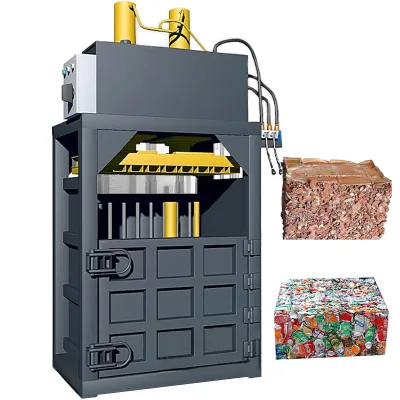
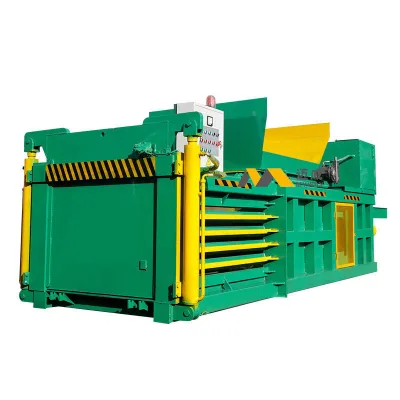
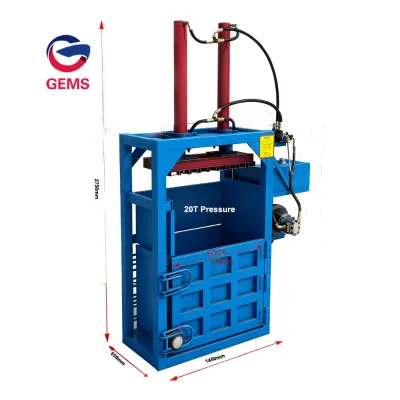
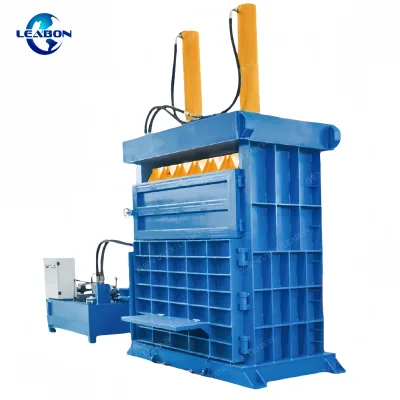
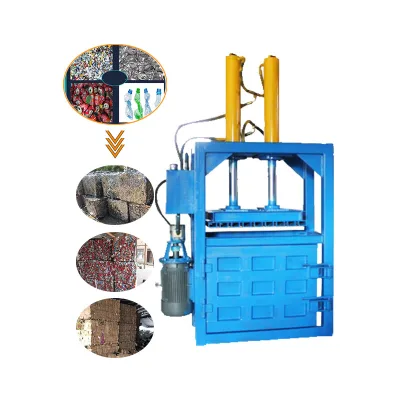
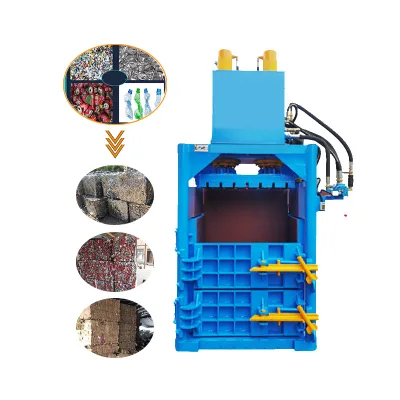
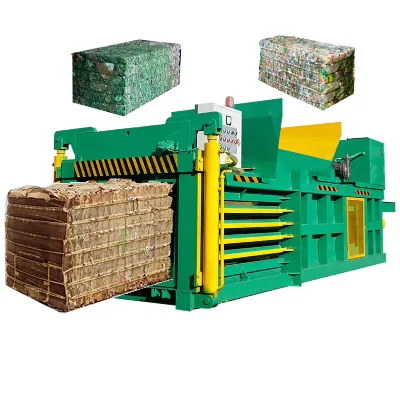
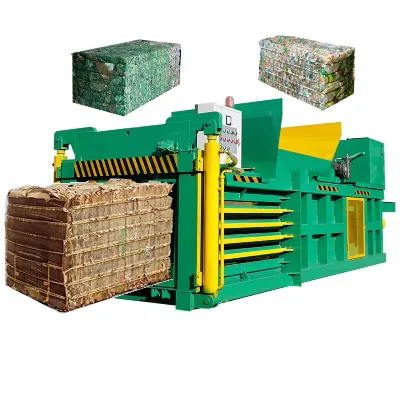
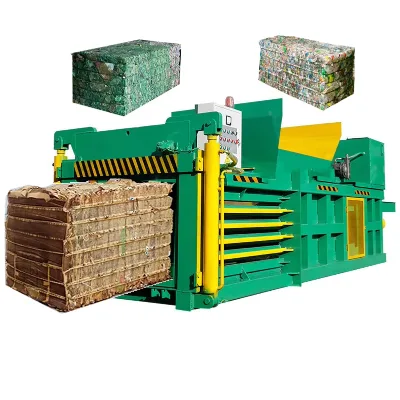
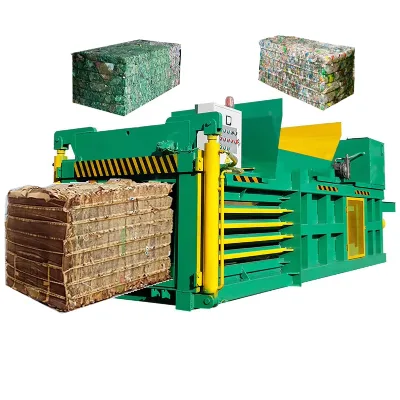
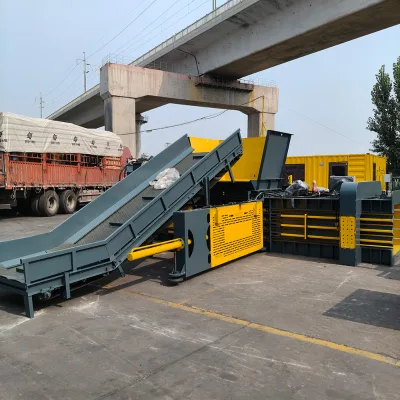
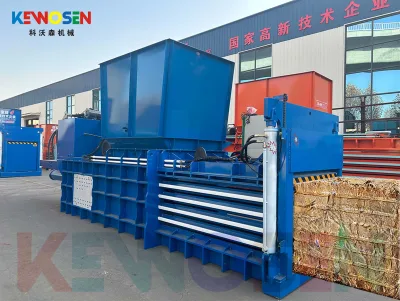
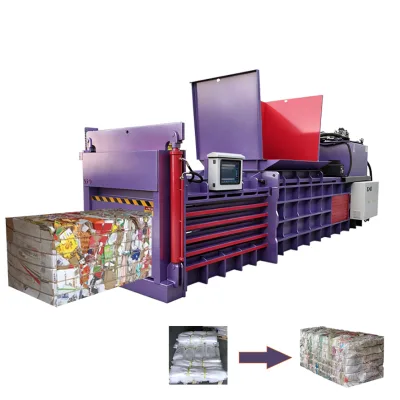
When evaluating multiple suppliers for sisal fiber baling press machines, buyers must compare a wide array of product attributes, including automation levels, power consumption, and bale dimensions. Products are available with varying specifications, such as 80-ton pressure capacity, PLC controls with touch screens, and air cooling systems, which directly impact the efficiency and ease of operation. The material processed can range from plastic bottles and waste paper to sisal fibers and textiles, so buyers must ensure the machine is specifically optimized for the density and fibrous nature of sisal. Automation features, described as fully automatic or computerized, reduce manual labor and increase throughput, while driven types, whether hydraulic or electric, determine the power source and maintenance requirements. Comparing these technical details is essential to select a machine that aligns with the buyer’s production volume and operational constraints.
Price and minimum order quantity (MOQ) are also critical factors in the comparison process, as they vary widely across the supplier base. Prices for sisal fiber baling machines can range from as low as $890 for smaller, specialized units to over $120,000 for large-scale, high-capacity industrial presses. This broad range reflects differences in build quality, component brands, and customization options. Most suppliers offer an MOQ of 1, allowing buyers to test the market or start with a single unit, which reduces initial capital risk. However, buyers should also consider the total cost of ownership, including energy consumption, spare parts availability, and warranty terms. Some suppliers offer a 2-year warranty and provide video outgoing inspections, while others may have different terms. Comparing these commercial and technical aspects side-by-side helps buyers identify the best value proposition that balances upfront cost with long-term reliability and performance.
Common Sisal Fiber Baling Press Machine Sourcing Risks
One significant risk in sourcing sisal fiber baling press machines is the potential mismatch between advertised capabilities and actual performance, particularly regarding bale density and machine durability. Suppliers may list generic keywords such as "vertical waste press" or "horizontal straw baler," which might not accurately reflect the machine’s suitability for dense sisal fibers. Buyers must verify that the machine’s pressure specifications, such as 80 tons, are sufficient for the specific material density to avoid underperformance. Additionally, the risk of receiving machinery with inadequate automation or control systems is heightened if buyers do not carefully review product attributes like PLC integration and touch screen interfaces. Without these features, operators may face difficulties in maintaining consistent bale sizes and pressures, leading to inefficiencies in the packaging process.
Another risk involves the variability in supplier response times and lead times, which can disrupt supply chain planning. A supplier with a slow response time of 16.02 hours and a lead time of 60 days may not be suitable for urgent orders or projects with tight deadlines. Conversely, a supplier with a 5-day lead time might be overwhelmed by demand, leading to delays. Buyers must also be cautious of suppliers who lack proper certifications or verification badges, as this could indicate lower quality standards or unreliable business practices. The absence of machinery test reports or video outgoing inspections further increases the risk of receiving defective equipment. To mitigate these risks, buyers should prioritize suppliers with clear verification statuses, responsive communication, and transparent production processes, ensuring that the machinery meets their specific operational needs.
Sisal Fiber Baling Press Machine Regional Sourcing and Logistics
Sourcing sisal fiber baling press machines from China offers access to established manufacturing clusters, particularly in Jiangsu and Shandong provinces, each with distinct logistical advantages. Suppliers in Jiangsu are often integrated into heavy machinery supply chains, benefiting from proximity to steel producers and hydraulic component manufacturers, which can reduce production costs and improve build quality. This region’s focus on scrap metal balers and hydraulic shears suggests a mature ecosystem for producing robust, high-pressure machinery suitable for sisal fiber compression. Buyers sourcing from this area may benefit from standardized packaging and established export routes, facilitating smoother logistics and faster delivery times. The presence of seaworthy packing options further ensures that the machinery arrives in optimal condition, minimizing the risk of transit damage.
In contrast, suppliers in Shandong may offer different logistical profiles, often associated with trading companies that aggregate products from various manufacturers. While this can provide access to a wider variety of packaging solutions, it may also introduce complexities in coordinating shipments and ensuring consistent quality. Buyers must consider the origin of the machinery, as some products are explicitly labeled as originating from Qingdao City, which is a major port for international shipping. Understanding the regional strengths of each supplier location helps buyers make informed decisions about where to source their equipment. Additionally, buyers should verify the supplier’s ability to handle customs documentation and export regulations, ensuring that the logistics process is seamless and compliant with international trade standards.
Sisal Fiber Baling Press Machine Commercial Terms and Order Planning
Commercial terms for sisal fiber baling press machines vary significantly, with prices ranging from $890 to $120,000 depending on the machine’s capacity, automation level, and customization options. Buyers must carefully plan their orders based on these price points, considering not only the initial purchase cost but also the long-term operational expenses. Some suppliers offer customized models, allowing buyers to tailor the machine to their specific bale size requirements, such as 1100800300-1800mm, which can enhance efficiency in the packaging process. The availability of customized packing options, such as standard or nude packages, also impacts the overall cost and logistics planning. Buyers should negotiate terms that include clear warranty provisions, such as a 2-year warranty, and ensure that the supplier provides comprehensive after-sales support.
Order planning should also account for the supplier’s production capacity and lead times, which can range from 5 to 60 days. Buyers must align their order schedules with the supplier’s ability to deliver, considering factors such as raw material availability and production bottlenecks. The MOQ of 1 for most suppliers allows for flexible ordering, enabling buyers to start with a single unit and scale up as needed. However, buyers should also consider the potential for bulk discounts or favorable terms for larger orders. Additionally, buyers must ensure that the supplier’s voltage specifications, such as 380V/440V or AC220V/50Hz, match their local power infrastructure to avoid costly modifications. By carefully evaluating these commercial terms and planning orders strategically, buyers can optimize their investment in sisal fiber baling press machines and ensure a smooth procurement process.
FAQs
What is the price range for sisal fiber baling machines?
Prices for these machines typically range from $890 to $120,000 depending on specifications. Basic models start near $890, while heavy-duty units with higher pressure reach $120,000. Buyers should verify exact costs based on their required bale size and automation level.
What is the minimum order quantity for these machines?
The minimum order quantity is generally one unit. Suppliers accept single-unit purchases, allowing buyers to test equipment before scaling up. This low MOQ supports small operations or initial procurement trials without requiring bulk commitments upfront.
How long does delivery take for these machines?
Lead times vary significantly, ranging from 5 to 60 days. Faster options are available from some suppliers, while others require up to two months. Buyers should confirm specific timelines with the manufacturer to align with their production schedules.
Are these machines certified for international standards?
Many machines carry CE certification and ISO 9001 system certification. Some suppliers also provide TÜV Rheinland verification. Buyers should request specific certificates to ensure compliance with local safety and quality regulations in their target markets.
What types of materials can these machines process?
These machines handle sisal fiber, plastic bottles, waste paper, textiles, and hay. They are versatile for recycling various materials including PET bottles and cardboard. Buyers should select models based on their primary material processing needs.
What warranty is provided for these machines?
Warranty periods typically range from 12 months to 2 years. Suppliers offer varying coverage terms depending on the machine type. Buyers should review specific warranty conditions to understand maintenance support and repair coverage.