Source Sisal Fiber Baling Press Machine for Textiles, Paper, and Plastic
Find and compare 30 Sisal Fiber Baling Press Machine options from verified suppliers. These hydraulic units feature PLC controls, CE certification, and customizable bale sizes for efficient processing in textile, paper, and plastic recycling applications; compare the available evidence and request quotations based on your requirements.
Updated
Key considerations
Products List


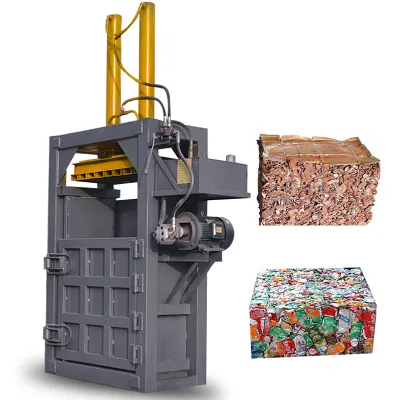
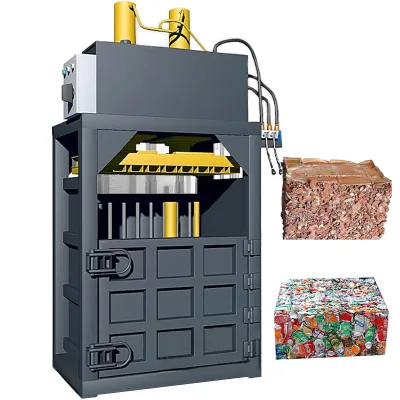
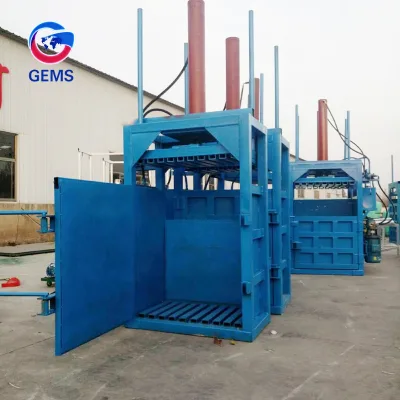
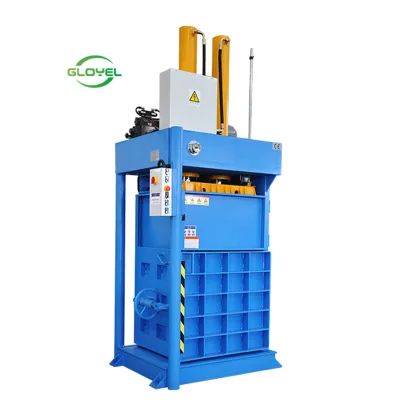
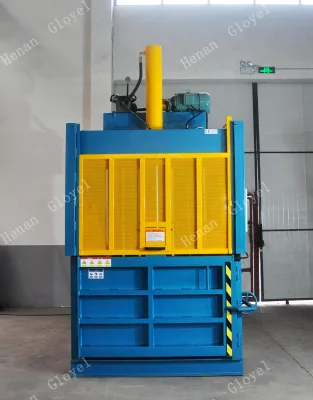
Sisal Fiber Baling Machine Vertical Waste Press Automatic Plastic Recycling Machine
$30000.00 - $120000.00
MOQ: 1 Pieces

Sisal Fiber Baling Machine Pet Bottle Press Baler Hay Pressing Baler
$30000.00 - $120000.00
MOQ: 1 Pieces

Sisal Fiber Baling Machine Textile Baling Compress Pet Bottle Press Machine
$30000.00 - $120000.00
MOQ: 1 Pieces

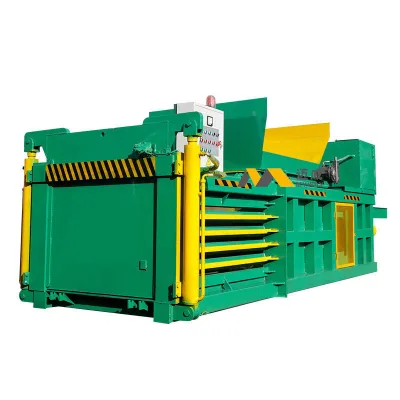
Sisal Fiber Baling Machine Horizontal Straw Baler Vertical Waste Press Automatic
$30000.00 - $120000.00
MOQ: 1 Pieces


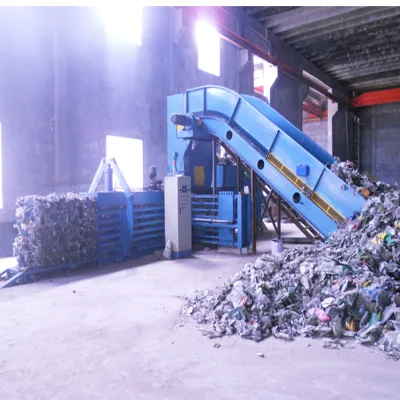
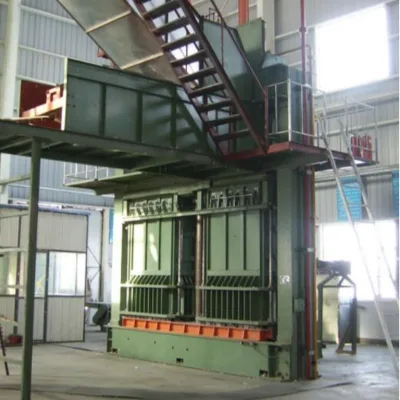
China BRAND Vertical Hydraulic Press for Cotton and Fiber Baling Machine
$1000.00 - $1500.00
MOQ: 1 sets
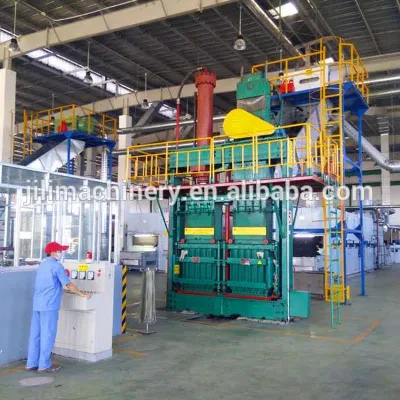
Large Capacity Hydraulic Cotton & Fibre Baling Press Machine for Packaging
$35000.00 - $45000.00
MOQ: 1 sets
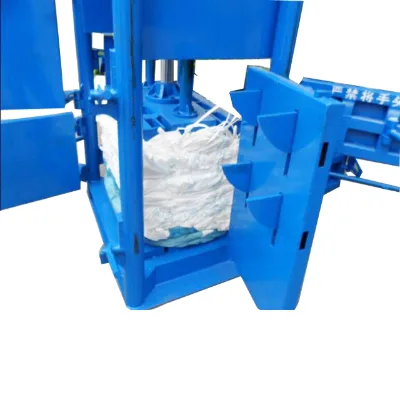
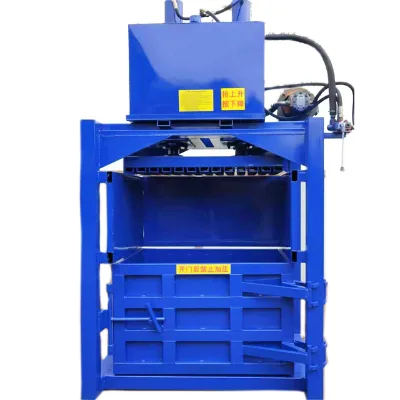
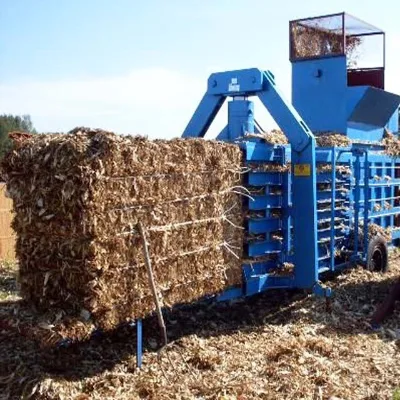
Hot Sale hay Grass Straw Silage Alfalfa Available hay Bale Compress Baler Machine
$1000.00 - $1500.00
MOQ: 1 sets
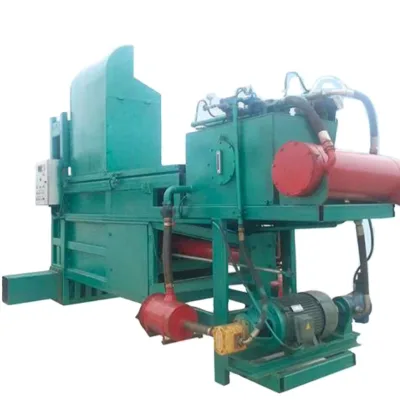
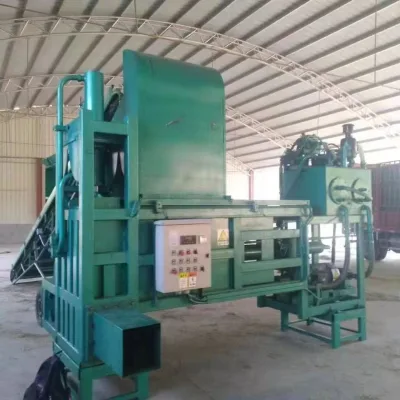
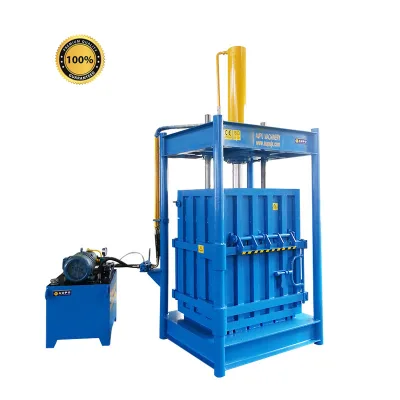
Strict test Press Hydraulic Press Baler Fiber Baling Machine for Wool
$5140.9292 - $15422.7876
MOQ: 1 Minimum
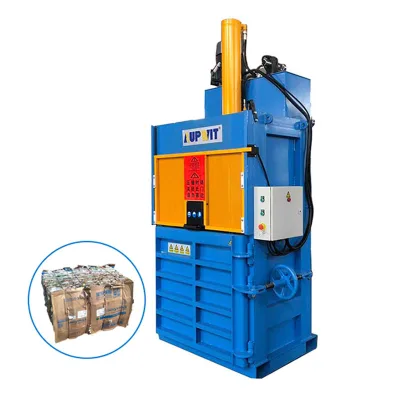


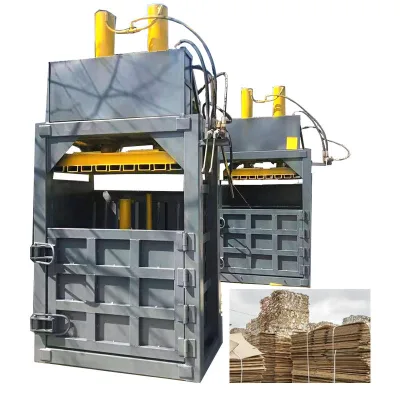
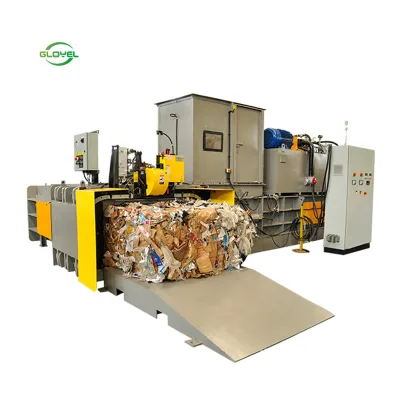
Comprehensive Sourcing Guide
Sisal Fiber Baling Press Machine Sourcing Guide
Procuring a sisal fiber baling press requires careful alignment of machine capabilities with the specific density and volume characteristics of natural fiber materials. Buyers must evaluate whether the equipment is designed for vertical or horizontal compression, as this dictates the footprint and operational workflow within the processing facility. The decision hinges on throughput requirements, as some units are rated for four to six pieces per hour, while others offer higher capacity for industrial-scale operations. Understanding these baseline performance metrics ensures that the selected press meets the daily production targets without creating bottlenecks in the supply chain.
Beyond raw capacity, the mechanical drive system and pressure specifications are critical for achieving consistent bale density. Hydraulic systems are commonly employed to deliver the necessary force, with observed specifications ranging from ten tons to eighty tons of pressure depending on the model. Buyers should verify the driven type and core components, such as pumps and PLCs, to ensure reliability and ease of maintenance. Selecting a machine with appropriate automation levels, including touch screen interfaces, can significantly reduce operator error and improve the consistency of the final baled product, which is essential for efficient storage and transportation.
Product Scope and Observed Listing Signals
The market for fiber baling equipment includes a variety of configurations tailored to different material types, including coconut fiber, fabric, and general textile waste. Listings often highlight multifunctional capabilities, allowing the machine to process various loose materials beyond just sisal, such as wool or paper-based packaging waste. Buyers should observe the product type classifications, which may range from square balers to specialized compactors, to ensure the machine’s chamber dimensions and compression mechanism are suitable for the fibrous nature of sisal. This versatility can be a significant advantage for facilities handling multiple waste streams or diverse raw material inputs.
Observed listing signals also reveal important details about the physical dimensions and weight of the equipment, which impact installation and logistics planning. Typical dimensions observed include lengths around 1450mm, widths near 650mm, and heights up to 2650mm, with machine weights varying from 270kg to 2000kg depending on the build quality and capacity. These physical attributes are crucial for determining the required floor space and structural support in the processing area. Additionally, the packaging type, often described as seaworthy or standard package, indicates how the machine is prepared for export, which is vital for preventing damage during international shipping from manufacturing hubs like Qingdao City.
Technical Specifications to Verify
Voltage and power requirements are primary technical considerations that must match the local electrical infrastructure to avoid costly retrofits or operational failures. Observed specifications include AC220V/50Hz single-phase options as well as 380V/440V configurations, with power consumption typically around 3KW for smaller units. Buyers must confirm the exact voltage and phase requirements with the supplier before ordering, as mismatches can lead to motor damage or inefficient operation. Verifying these electrical parameters ensures seamless integration into the existing plant power distribution system and prevents unexpected downtime due to electrical incompatibility.
The automation level and control interface are equally important for operational efficiency and safety. Many modern balers feature computerized controls with PLC systems and touch screens, allowing for precise adjustment of compression cycles and pressure settings. The presence of automatic grade features reduces manual intervention, streamlining the baling process and enhancing worker safety by minimizing contact with moving parts. Buyers should verify the specific automation features, such as whether the machine includes automatic feeding or ejection mechanisms, to determine the level of labor required and the overall throughput efficiency of the baling line.
Compliance and Safety Documentation
Certification status is a fundamental requirement for ensuring that the baling press meets international safety and quality standards. CE certification is a commonly observed compliance mark, indicating that the machine adheres to European health, safety, and environmental protection standards. Buyers should request valid certification documents and verify their authenticity with the issuing body to ensure regulatory compliance in their target markets. This documentation is essential for customs clearance and demonstrates that the manufacturer has undergone rigorous testing and quality assurance processes during production.
Video outgoing inspections provide an additional layer of transparency and quality assurance for remote buyers. These videos typically showcase the machine in operation, allowing buyers to visually verify the functionality of hydraulic systems, control panels, and compression mechanisms before shipment. Buyers should request detailed video evidence that highlights key selling points such as long service life and easy operation, ensuring that the machine performs as advertised. This visual verification helps mitigate the risks associated with purchasing heavy machinery from overseas suppliers by providing tangible proof of the product’s condition and operational readiness.
Cost Drivers and Commercial Terms
The price range for fiber baling presses is broad, reflecting variations in capacity, automation, and build quality. Observed listing prices span from approximately 890 USD to 200,000 USD, with the final cost heavily influenced by the machine’s tonnage, motor power, and control system sophistication. Buyers should align their budget with their specific production needs, avoiding over-specification that leads to unnecessary expenditure or under-specification that results in inadequate throughput. Understanding the cost drivers helps in negotiating fair pricing and evaluating the total cost of ownership, including maintenance and energy consumption.
Minimum order quantities and packaging terms also play a significant role in the commercial structure of the purchase. Most suppliers list an MOQ of one unit, making these machines accessible for individual facility upgrades or small-scale operations. The packaging method, whether standard, nude, or seaworthy, affects shipping costs and insurance premiums, so buyers should clarify these terms in the contract. Additionally, warranty periods, typically ranging from one to two years, should be clearly defined to protect against early failures, ensuring that the buyer receives adequate support and coverage for core components like the PLC and hydraulic pump.
Supplier Qualification and Quality Control
Supplier origin and manufacturing location are key indicators of the supply chain’s reliability and logistical efficiency. Many observed listings indicate origins in China, particularly from industrial hubs like Qingdao City, which are known for their machinery manufacturing capabilities. Buyers should verify the supplier’s production capacity and quality control processes to ensure consistent build quality across units. Engaging with suppliers who have established export experience can facilitate smoother communication, documentation handling, and after-sales support, reducing the administrative burden on the procurement team.
Quality control measures, such as video inspections and detailed specification sheets, are essential for verifying that the delivered machine matches the agreed-upon standards. Buyers should insist on comprehensive documentation that includes technical drawings, electrical schematics, and maintenance manuals to facilitate future servicing. Additionally, verifying the condition of the machine as new and checking for any customizations requested during the ordering process ensures that the final product meets specific operational requirements. Establishing clear quality acceptance criteria before shipment helps prevent disputes and ensures that the investment yields the expected performance and durability.
Long-Term Procurement Checks
Warranty and after-sales support are critical for maintaining the long-term reliability of the baling press. Observed warranty periods range from twelve months to two years, covering core components and general machine integrity. Buyers should clarify the scope of the warranty, including what parts are covered and the process for claiming repairs or replacements. A robust after-sales support structure, including access to spare parts and technical assistance, is vital for minimizing downtime and extending the machine’s service life, which is often highlighted as a key selling point by manufacturers.
Maintenance requirements and operational ease are also important considerations for long-term procurement success. Machines designed with easy-to-operate interfaces and accessible components reduce the learning curve for operators and simplify routine maintenance tasks. Buyers should evaluate the availability of replacement parts, such as seals, filters, and hydraulic hoses, to ensure that the machine can be kept in optimal working condition over time. By focusing on these long-term factors, buyers can ensure that their investment in a sisal fiber baling press delivers sustained value and operational efficiency throughout its lifecycle.
FAQs
What is the automation level of the Sisal Fiber Baling Press Machine?
The machine features full automation with computerized controls and a PLC system equipped with a touch screen for easy operation. This automatic grade ensures consistent performance and reduces manual labor requirements during the baling process. The hydraulic driven type provides reliable pressure for dense fiber compression.
Can the Sisal Fiber Baling Press Machine be customized for specific needs?
Yes, the equipment supports customized specifications and models to meet unique production requirements. Buyers can select from various bale sizes and bundle weights ranging from 50kg to 500kg. The standard package or nude package options allow for tailored seaworthy packing solutions to ensure safe transport.
What certifications does the Sisal Fiber Baling Press Machine hold?
The machine holds CE certification, ensuring compliance with relevant safety and quality standards for industrial equipment. This certification verifies that the hydraulic and electrical components meet established regulatory requirements. Buyers can rely on this documented compliance for international shipping and installation in regulated markets.
What is the warranty period for the Sisal Fiber Baling Press Machine?
The supplier offers a warranty of 12 months to 2 years for the machine. This coverage protects against manufacturing defects and ensures operational reliability during the initial usage period. Video outgoing inspections are provided to verify the machine's condition before shipment, adding an extra layer of quality assurance for the buyer.
What are the power and voltage specifications for the machine?
The machine operates with a power rating of 3KW and supports multiple voltage options including AC220V/50Hz single phase or 380V/440V configurations. These flexible electrical specifications allow the equipment to be adapted to different regional power grids. Customer specifications can also be accommodated to ensure seamless integration into existing facilities.
What is the typical bale size produced by the Sisal Fiber Baling Press Machine?
The machine produces bales with dimensions ranging from 1100*800*300mm to 1800mm in length. This adjustable bale size allows for versatile storage and transportation options depending on the specific fiber type and density requirements. The hydraulic pressure ensures consistent compression for stable and secure bales ready for shipment.