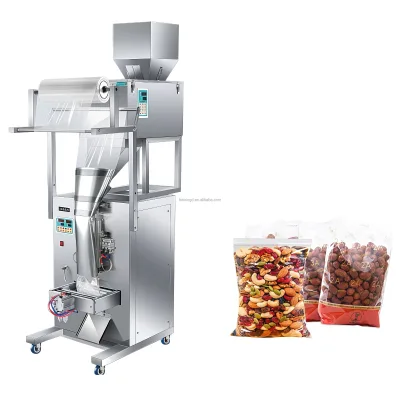
Automatic Powder Packing Machine for Food and Beverage Suppliers
Source 26 verified Automatic Powder Packing Machine for Food and Beverage suppliers in China. Compare lead times, MOQs, and response rates to find the right partner. Request quotes today; review the available evidence before requesting comparable quotations from suitable candidates.
Updated
Suppliers List

Zhuhai Ruichuang Technology Development Co., Ltd
- Verified by SGS
- Combined
- China Guangdong
- Lead time30 days
- Avg. response≤ 3h
Main productsAutomatic Packing for Granule, Automatic Packing Machine for Powder, Automatic Packing Machine for Liquid, Automatic Packing Machine for, Power Filling Machine, Printer/Laser Marking Machine, Check Weigher, Automatic Production Line
Main marketsSoutheast Asia/ Mideast,Domestic

Guangzhou Jinfeng Light Industry Machinery Equipment Co., Ltd.
- Combined
- China Guangdong
- Lead time45 days
- Avg. response≤ 4h
Main productsVacuum Emulsifying Machine, Liquid Washing Homogenizer Mixer, Water Treatment Machine, Filling Machines, Capping Machine, Perfume Machine
Main marketsSouth America,Africa,Southeast Asia/ Mideast,East Asia(Japan/ South Korea),Domestic,Europe,Australia,North America


$12500.00 - $13000.00
MOQ: 1 set / sets

Shenyang Innov Technology Co., Ltd.
- Verified by SGS
- Trading Company
- China Liaoning
- Lead time23 days
- Avg. response≤ 2h
Main productsInkjet Printer, Laser Marking Machine
Main marketsSouth America,North America

Automatic Powder Packing Packaging Machine for Milk Coffee Spice and Flour Powder
$10228.25 - $11046.51
MOQ: 1 Pieces

Automatic Powder Packaging Machine for Coffee Powder and Milk Powder
$10228.25 - $11046.51
MOQ: 1 Pieces

Chinese Automatic Packaging Machine for Milk Powder and Coffee Powder
$10228.25 - $11046.51
MOQ: 1 Pieces

High Quality Powder Packaging Machine for Milk Powder Coffee and Flour
$10228.25 - $11046.51
MOQ: 1 Pieces


ANHUI IAPACK MACHINERY CO., LTD.
- Verified by SGS
- Combined
- China Anhui
- Lead time30 days
- Avg. response≤ 3h
Main productsPacking Machine
Main marketsSoutheast Asia/ Mideast,Europe,North America
Zhengzhou Hongle Machinery Equipment Co., Ltd.
- Verified by SGS Group
- Manufacturer, Trading Company
- Lead time15 days
- Avg. response≤ 4h
Main productsFruit and Vegetables Production Line, Chicken Feet Production Line, Packing Machine Production Line, Nut Processing Line, Frying Production Line
Main marketsCentral America(20%), Africa(15%), Southern Europe(10%)

Shenzhen ES AQUA Machinery Co., Ltd.
- Verified by SGS
- Trading Company,Manufacturer/Factory,Group Corporation
- China Guangdong
- Lead time23 days
- Avg. response≤ 11h
Main productsWater Purifier System, Water Filling Plant, Water Filling Machine, 20L Water Filling Plant, Juice Filling Plant, Package Machine, Labeling Machine, Ozone Generator, Water Cooler, Carbonated Juice/Water Filling Plant
Main marketsSouth America,North America,Africa

Shanghai Tianjiu Machinery Manufactory
- Combined
- China Shanghai
- Lead time30 days
- Avg. response≤ 11h
Main productsMixer, Pharmaceutical Machinery, Tablet Press, Granulator, Pulverizer/Crusher, Coating Machine
Main marketsSouth America,Southeast Asia/ Mideast,Domestic,Europe
Shanghai Grepack Packing Machinery Co., Ltd.
- Verified by SGS Group
- Manufacturer, Trading Company
- Lead time30 days
- Avg. response≤ 2h
Main productsFilling Machines, Multi-Function Packaging Machines, Labeling Machine, Capping Machine, Palletizer
Main marketsNorth America(15%), South America(15%), Southeast Asia(15%)
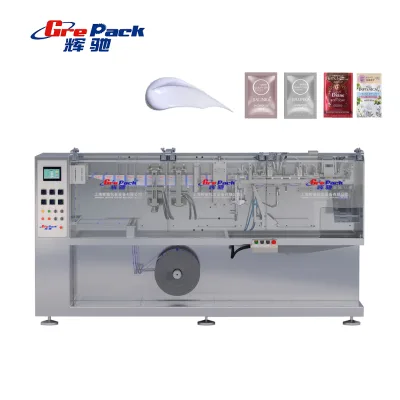
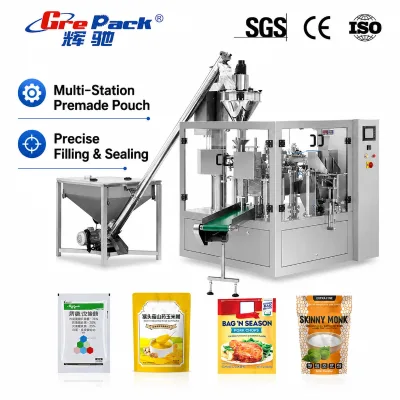
Washing Powder Packing and Sealing Machine Fully Automatic Powder Packing Machine
$20000.00 - $25000.00
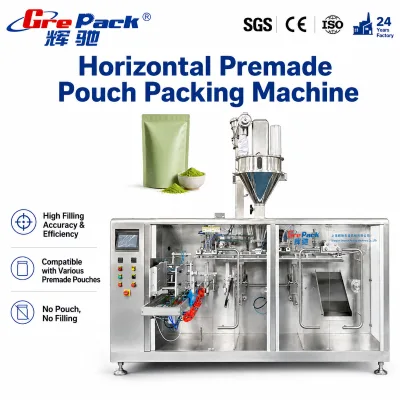
Chili Powder Packing Machine Premade Pouch Chicken Powder Packing Machines 200 gm
$23000.00 - $27000.00
Zhengzhou Hento Machinery Co., Ltd.
- Verified by SGS Group
- Trading Company
- Lead time5 days
- Avg. response≤ 2h
Main productsMeat Processing Machinery, Egg Processing Machinery, Dairy Processing Machinery, Fruit and Vegetable Processing Machinery, Grain Product Making Machines
Main marketsSoutheast Asia(14%), Western Europe(12%), North America(10%)
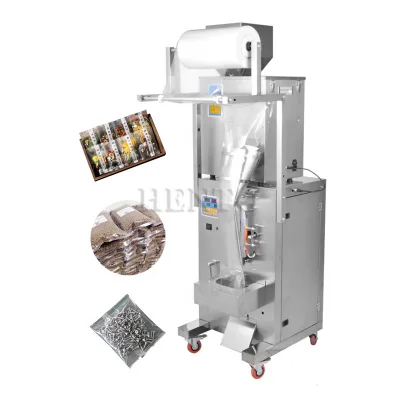
$1116.0938 - $1830.7225
MOQ: 1 sets
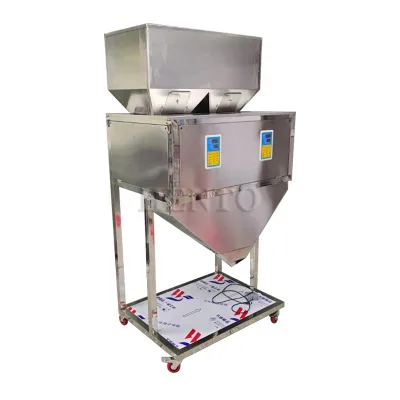
Good Quality Packing and Filling Machine / Weighing and Packing Machine / Food Packing Machinery
$685.9654 - $891.037
MOQ: 1 sets
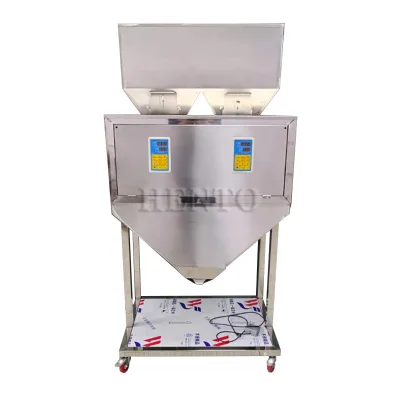
$685.4956 - $890.4267
MOQ: 1
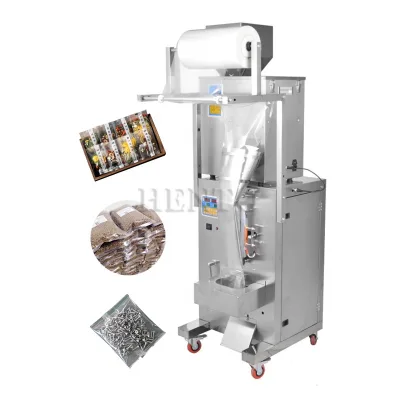
$1116.0938 - $1830.7225
MOQ: 1 sets

Anhui Hengkang Machinery Manufacture Co., Ltd.
- Verified by SGS
- Combined
- China Anhui
- Lead time30 days
- Avg. response≤ 4h
Main productsPacking Machinery
Main marketsDomestic

$3480.00 - $21800.00
MOQ: 1 Pieces

Automatic Multi-Functional Food Coffee Powder Filling Packaging Machine Packing Machinery
$2950.00 - $18500.00
MOQ: 1 Pieces


Automatic Filling Packaging Machinery for Coffee/ Seasoning/ Sugar/ Milk Powder Packing Machine
$3480.00 - $21800.00
MOQ: 1 Pieces
Xiamen Buyfook Machinery Co., Ltd.
- Manufacturer, Trading Company, Distributor/Wholesaler
- Fujian, China
- Lead time7 days
- Avg. response≤ 2h
Main productsPackaging machine,Quarrying tools,Mining machine,Flling machine,DTH drill bits
Main marketsAfrica(15.00%), Northern Europe(10.00%), Southern Europe(10.00%), Domestic Market(10.00%), Eastern Asia(10.00%), South America(10.00%), South Asia(5.00%), Southeast Asia(5.00%), Western Europe(5.00%), Eastern Europe(5.00%), Mid East(5.00%), Oceania(4.00%), Central America(4.00%), North America(2.00%)
Guangzhou Jiade Packaging Equipment Co., Ltd.
- Manufacturer
- Guangdong, China
- Lead time30 days
- Avg. response≤ 4h
Main productsIrregular shaped sachet packing machine,hair dye shampoo packing machine,Liquid&Paste packing machine,Power packing machine,Granule packing machine
Main marketsDomestic Market(40.00%), Eastern Asia(20.00%), North America(10.00%), South Asia(10.00%), Central America(10.00%), Eastern Europe(10.00%)
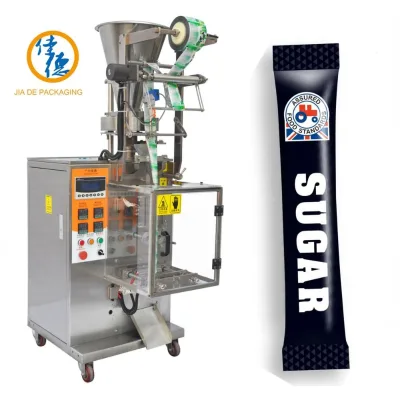
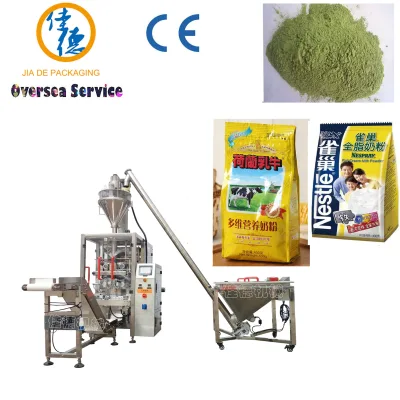
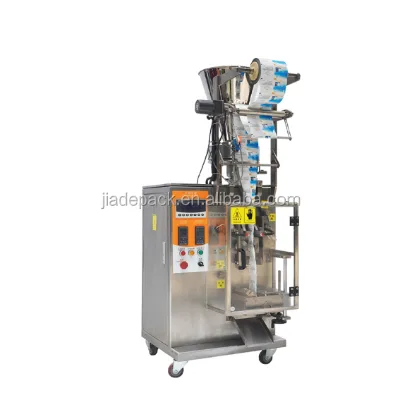
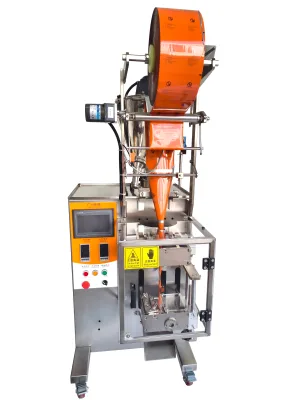
Fully Automatic Three-side Sealing Powder Packaging Machine
$5500.00 - $5600.00

Shanxi Jingwei Chemical Fiber Machinery Co.,Ltd
- Verified by BV
- Combined
- China Shanxi
- Lead time15 days
- Avg. response≤ 18h
Main productsgear pump
Main marketsOthers(foreignTradeCapacity.exportBusinessCapacityMarketOther),Domestic

Guangzhou Guanhe Light Industry Machinery Co., Ltd.
- Verified by SGS
- Trading Company,Manufacturer/Factory
- China Guangdong
- Lead time38 days
- Avg. response≤ 9h
Main productsFilling Machines, Packing Machine, Capping Machine, Sealing Machine, Labeling Machine, Bottle Washing Drying Machine, Bottle Unscrambling Machine, Conveying Machine, Filling Capping Machines, Mixing/Storage Tanks
Main marketsSouth America,Eastern Europe,Mid East,North America,Southeast Asia,Eastern Asia,Oceania,Western Europe,Africa
Guangdong Leva Packaging Equipment Co., Ltd.
- Manufacturer, Trading Company
- Lead time旺季: "1 - 1":30,"2 - 3":45,"> 3":"To be negotiated", 淡季: "1 - 1":30,"2 - 3":45,"> 3":"To be negotiated"
- Avg. response≤ 2h
Main productsCan Sealing Machine , Capping Machine , Labeling Machine , Round Accumulation Table , Filling Machine

Henan Xiwang Machinery Equipment Co., Ltd.
- Verified by SGS
- Trading Company
- China Henan
- Lead time23 days
- Avg. response≤ 4h
Main productsFood Machinery, Industrial Machinery, Commerical Equipment, Packaging Machinery, Agricultural Machinery, Snacks Machinery, Biscuit Machinery, Water/Beverage Production Line, Dairy Production Line, Packing Machine
Main marketsAfrica,Southeast Asia/ Mideast,Europe

Shanghai Dahe Packaging Machinery Co., Ltd.
- Combined
- China Shanghai
- Lead time45 days
- Avg. response≤ 25h
Main productsPacking Machine, Packaging Machine, Filling Machine, Mixing Machine, Screw Conveyor
Main marketsSouth America,Africa,Southeast Asia/ Mideast,East Asia(Japan/ South Korea),Domestic,Europe,Australia,North America
Henan Jinfuda Trading Co., Ltd.
- Trading Company
- Lead time旺季: "1 - 1":7,"> 1":"To be negotiated", 淡季: "1 - 1":7,"> 1":"To be negotiated"
- Avg. response≤ 3h
Main productsFruit Vegetables Processing Machines, Meat Processing Machines, Bakery Pastry Processing Machines, Snack Processing Machines, Packaging Machines
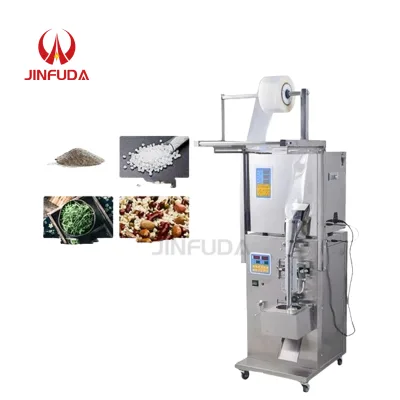
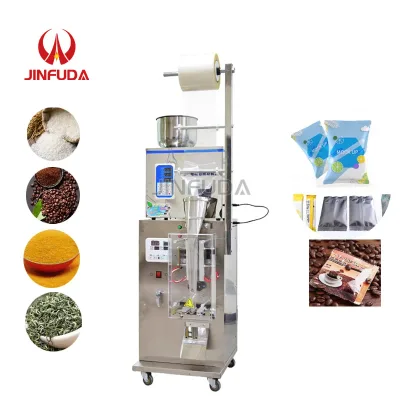
Automatic Vertical Packet Powder Packing Machine
$410.00 - $450.00

- Verified by BV
- Trading Company
- China Liaoning
- Lead time30 days
- Avg. response≤ 5h
Main productsTablet Press, Pulverizer, Drying Equipment, Granulator, Packaging Machine, Capsule Filling Machine, Powder Blender, Laboratory Instrument, Powder and Liquid Filling Machine, Tablet / Capsule Counting Machine
Main marketsAustralia
Henan Cyril Machinery Equipment Co., Ltd
- Trading Company
- He'nan, China
- Lead time10 days
- Avg. response≤ 4h
Main productsFilling Machine, Labeling Machine, Capping Machine, Packaging Machine, Coding Machine
Main marketsDomestic Market(40.00%), South America(15.00%), Mid East(10.00%), North America(5.00%), Western Europe(5.00%), Central America(5.00%), Southeast Asia(5.00%), South Asia(3.00%), Eastern Asia(2.00%), Oceania(2.00%), Southern Europe(2.00%), Northern Europe(2.00%), Africa(2.00%), Eastern Europe(2.00%)
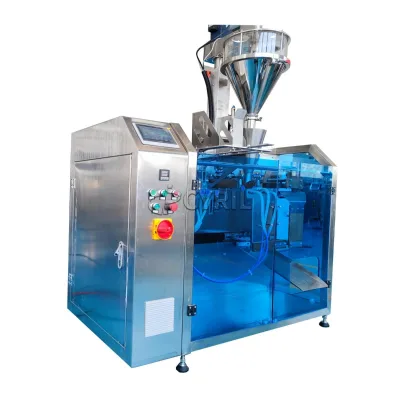
$19995.00 - $20000.00
MOQ: 1 sets
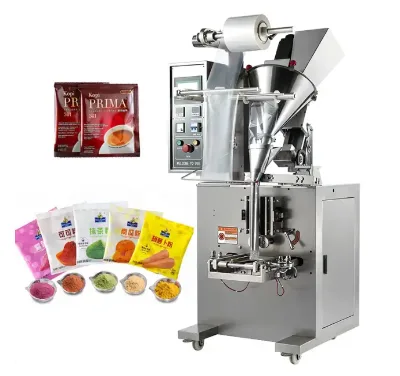
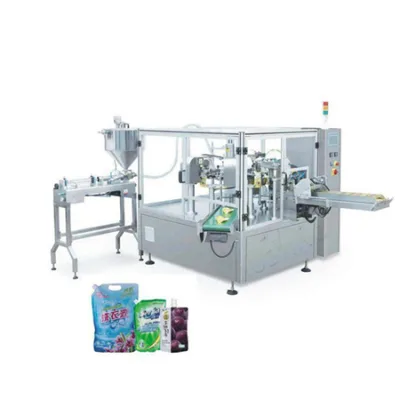
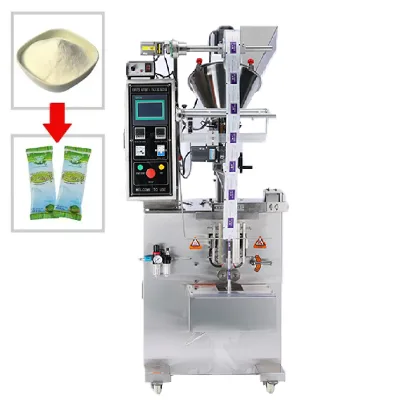

Ruian Onfocus Machinery Company Limited
- Verified by TUVRHEINLAND
- Combined
- China Zhejiang
- Lead time30 days
- Avg. response≤ 4h
Main productsAutomatic Packing Machine, Granule Packing Machine, Liquid Packing Machine, Power Packing Machine, Paste Packing Machine, Liquid Filling Machine, Automatic Packaging Machine, Liquid Packaging Machine, Vertical Packing Machine, Horizonal Packing Machine
Main marketsDomestic
Bremetz (shandong) Machinery Co., Ltd.
- Manufacturer, Trading Company
- Shandong, China
- Lead time15 days
- Avg. response≤ 6h
Main productsPalletizer,depalletizer,truck bag loader,filling machine,Large production line
Main marketsNorth America(20.00%), Southeast Asia(15.00%), Africa(11.00%), Eastern Europe(11.00%), Mid East(9.00%), Southern Europe(8.00%), Western Europe(5.00%), Central America(5.00%), South America(5.00%), Oceania(4.00%), Eastern Asia(3.00%), Northern Europe(3.00%), South Asia(1.00%)

Wenzhou Jenor Machinery & Technology Co., Ltd.
- Verified by BV
- Combined
- China Zhejiang
- Lead time30 days
- Avg. response≤ 2h
Main productsPacking Machine, Labeling Machines, Blister Packing Machine, Pouch Packing Machine, Vertical Packing Machine, Pillow Packing Machine, Vacuum Packing Machine, Capsule Filling Machine, Capsule Counting Machine, Capsule Polishing Machine
Main marketsAfrica,Southeast Asia/ Mideast,Europe,North America

Automatic Bagging Filling Weighing Packaging Machine Powder Packing Machine
$15000.00 - $20000.00
MOQ: 1 Sets


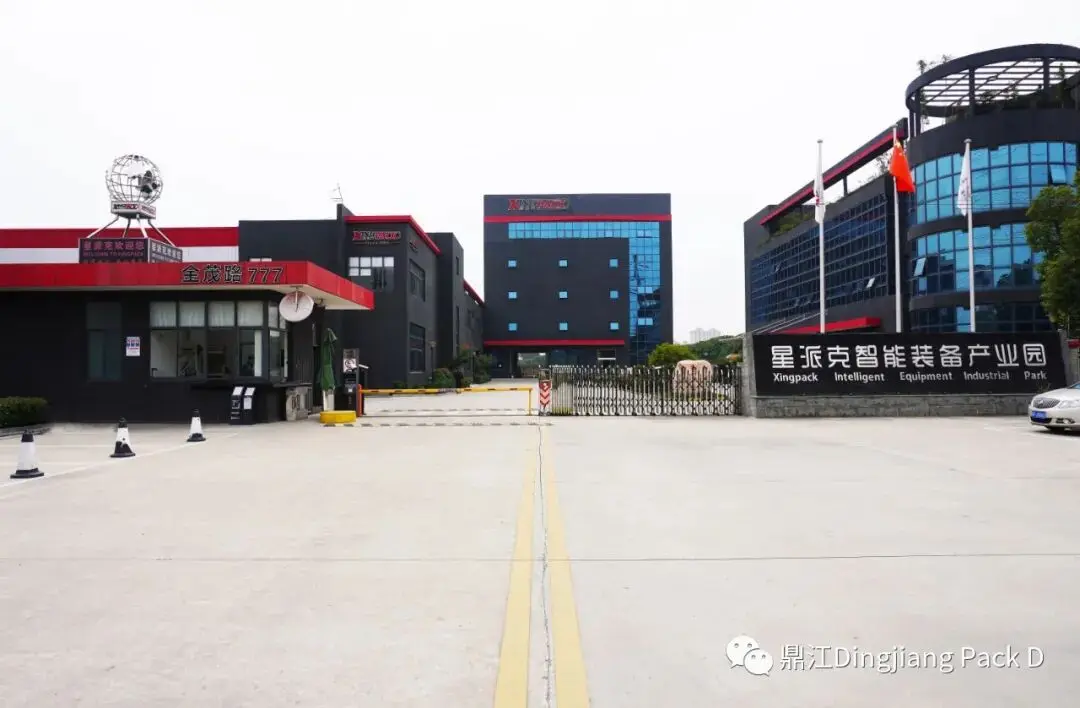
Shanghai Dingjiang Packaging Machinery Manufacturing Co., Ltd.
- Manufacturer, Trading Company
- Shanghai, China
- Lead time30 days
- Avg. response≤ 4h
Main productsPowder Packing Machine,Granule Packing Machine,Form Fill Seal Machines,Premade Pouch Packing Machines,Packing Auxiliary Equipment
Main marketsDomestic Market(20.00%), Northern Europe(15.00%), Western Europe(15.00%), Central America(10.00%), North America(10.00%), Southeast Asia(10.00%), Mid East(5.00%), Africa(5.00%), Eastern Europe(5.00%), South America(5.00%)
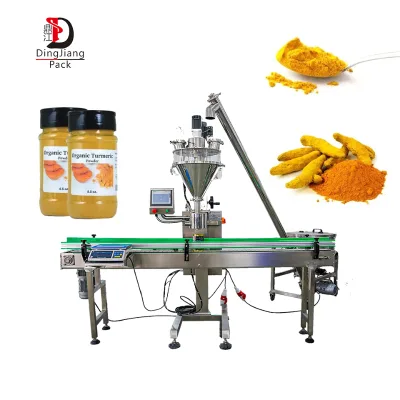
Automatic curry powder packaging kava powder cocoa powder packing machine
$6000.00 - $9500.00
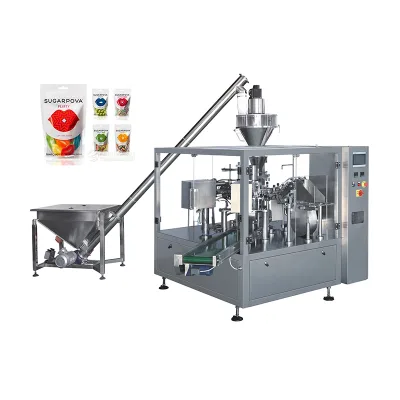
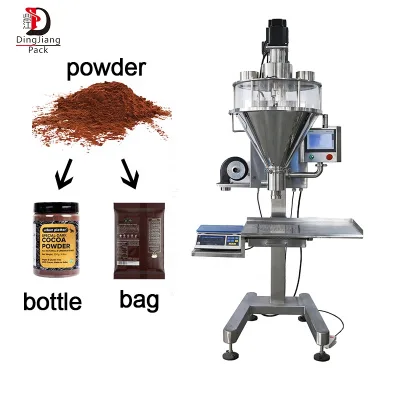
Semi-Auto Cocoa Powder Packing Machine Small Bottle Filling Machine
$5000.00 - $8500.00
MOQ: 1 Minimum

Shanghai Universal Pharmaceutical Machinery Co., Ltd.
- Trading Company,Manufacturer/Factory
- China Shanghai
- Lead time23 days
- Avg. response≤ 3h
Main productsPharmaceutical Machinery, Tablet Press, Tablet Coating Machine, Capsule Filling Machine, Blister Packing Machine, Pharmaceutical Machine, Horizontal Packing Machine, Drying Equipment, Packing Machine, Cartoning Machine
Main marketsSouth America,Eastern Europe,Mid East,North America,Southeast Asia,Eastern Asia,Oceania,Western Europe,Africa
Dongguan Haixingda Machinery Co., Ltd.
- Trading Company
- Lead time旺季: "1 - 1":7,"> 1":"To be negotiated", 淡季: "1 - 1":7,"> 1":"To be negotiated"
- Avg. response≤ 2h
Main productsFilling Machine, Packing Machine, Plastic Welding Machine, Multi-Function Packaging Machines, Labeling Machine










Comprehensive Sourcing Guide
Automatic Powder Packing Machine for Food and Beverage Supplier Concentration and Factory Types
The current supplier landscape for automatic powder packing machines for food and beverage reveals a distinct concentration of manufacturing capabilities within specific industrial regions. Data indicates that a significant portion of these suppliers are located in China, specifically within the Guangdong province. This geographic clustering is not arbitrary; it reflects a mature ecosystem where supply chains for industrial machinery, including stainless steel components, electronic control systems, and precision mechanical parts, are highly developed. Buyers evaluating these suppliers will often find that the location correlates with established logistics networks and a dense network of specialized subcontractors. When assessing potential partners, it is crucial to recognize that this regional concentration offers advantages in terms of component availability and reduced lead times for raw materials, which can subsequently impact the final delivery schedule of the machinery. However, buyers must also verify that the supplier’s stated location matches their actual production facility, as some entities may operate as trading companies rather than direct manufacturers.
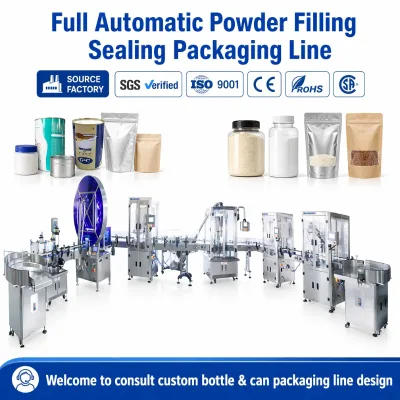
In terms of factory types, the market presents a mix of combined entities that may engage in both manufacturing and trading activities. The observed supplier data highlights that many of these companies offer a broad range of main products, extending beyond just powder packing machines to include automatic packing for granules, liquids, and powders, as well as related equipment like check weighers and laser marking machines. This diversification suggests that many suppliers are equipped to provide comprehensive packaging line solutions rather than isolated machines. For buyers seeking a single-source partner for an entire production line, this combined capability is a significant value proposition. It allows for better integration of filling, sealing, and coding technologies. However, it also requires careful due diligence to ensure that the supplier has dedicated expertise in powder handling, as the challenges of dust control and flowability differ significantly from those of liquid or granule packaging. Understanding the specific focus of each supplier’s R&D capacity, whether they prioritize OEM, ODM, or own-brand development, helps in aligning expectations regarding customization and intellectual property rights.
How to Verify Automatic Powder Packing Machine for Food and Beverage Suppliers
Verifying the legitimacy and capability of suppliers requires a multi-layered approach that goes beyond simple profile reviews. One critical step is to examine the verification status provided by third-party inspection agencies. In the current dataset, certain suppliers display verification badges from recognized entities such as SGS. This indicates that an independent party has audited the supplier’s business license, factory premises, or quality management systems. Buyers should prioritize suppliers with such verifications, as it provides a baseline level of confidence regarding the existence and operational status of the facility. However, verification is not a guarantee of product quality or financial stability. It is merely a starting point. Buyers must also look for evidence of past performance, such as detailed product specifications and customer testimonials, although the latter are not always available in initial search results. The presence of specific product evidence, such as detailed attributes for models like the DXDF50F or DXDMFII, suggests a level of transparency that buyers can use to assess technical competence.
Another essential verification step involves assessing the supplier’s responsiveness and communication efficiency. The data shows varying response times, with some suppliers responding within approximately 2.29 hours and others taking around 3.59 hours. While these metrics are relative, a faster response time often correlates with a more organized sales and technical support structure. Buyers should test this by sending detailed technical inquiries, such as requests for customizations or specific material compatibility questions. The quality and speed of the reply can reveal much about the supplier’s engineering support capabilities. Additionally, buyers should verify the supplier’s main product list to ensure it aligns with their specific needs. For instance, if a supplier lists vacuum emulsifying machines and liquid washing homogenizers as main products alongside powder packing machines, it may indicate a broader focus on cosmetic or pharmaceutical processing rather than dedicated food and beverage powder solutions. Cross-referencing these details helps in filtering out suppliers who may not have the specialized expertise required for high-speed, hygienic powder packaging applications.
What to Compare Across Automatic Powder Packing Machine for Food and Beverage Suppliers
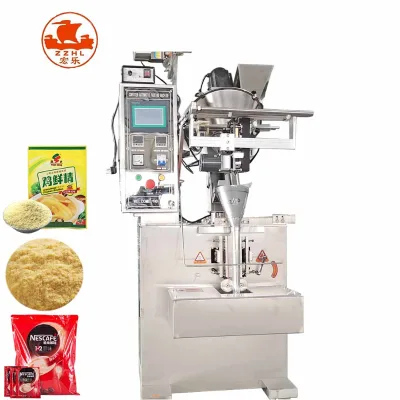
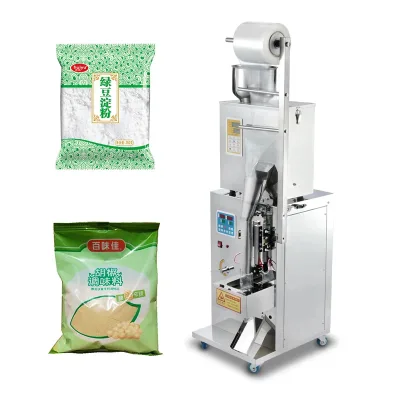
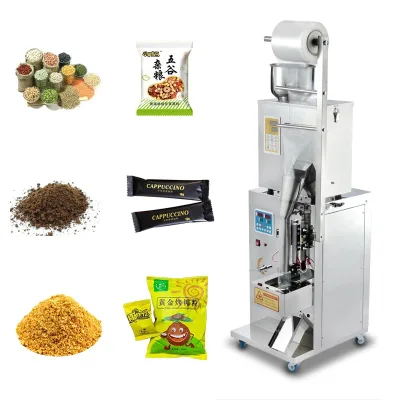
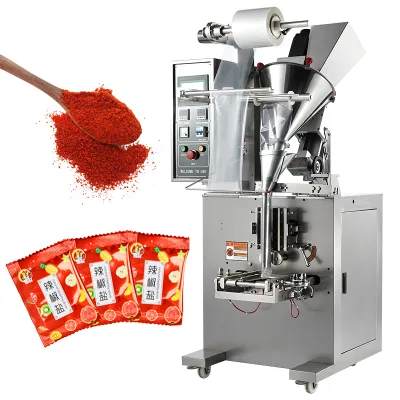
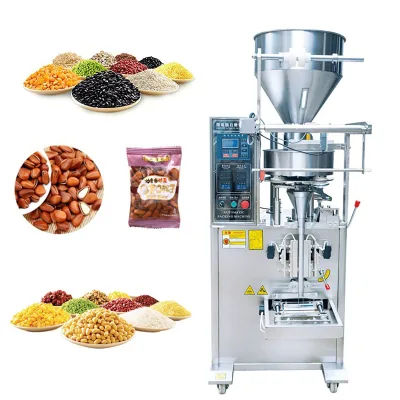
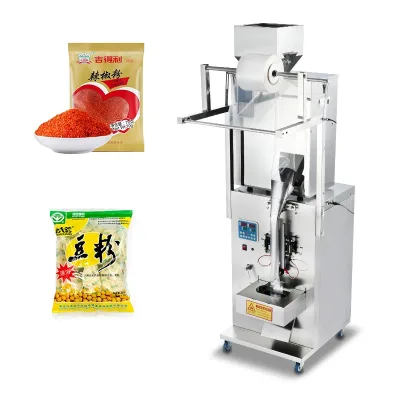
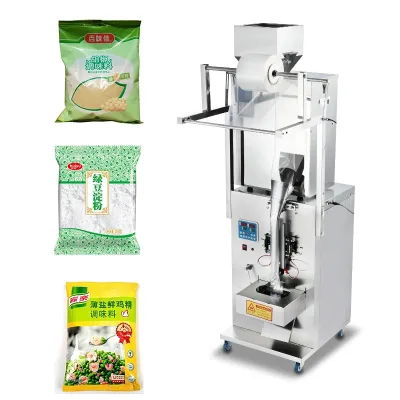
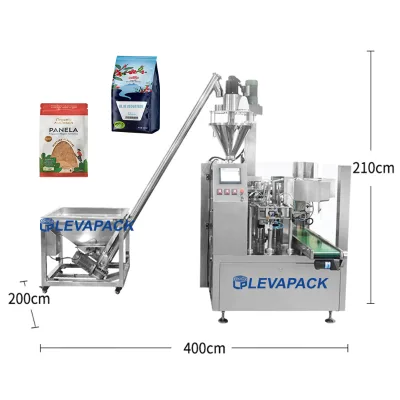
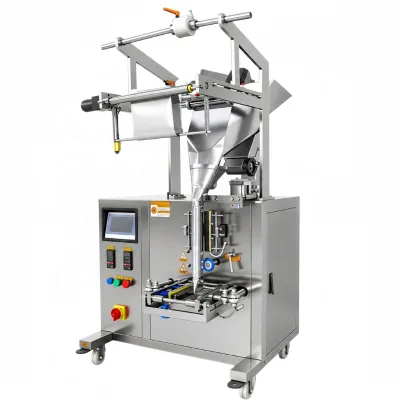
When comparing suppliers, buyers must evaluate a range of technical and commercial attributes to find the best fit for their production requirements. One of the most critical factors is the machine’s automation grade and control interface. The available product evidence shows that most suppliers offer automatic machines equipped with advanced touch human-machine interfaces and PLC controls. Buyers should compare the specific features of these interfaces, such as the ease of recipe management, alarm diagnostics, and data logging capabilities. Additionally, the filling method is a key differentiator. Some machines utilize high-precision screw filling, which is ideal for powders with poor fluidity, while others may use piston or pressure-based systems. Buyers need to match the filling mechanism to their specific product characteristics, such as particle size and density. The modular design of the machines is also important, as quick-change modular structures allow for faster changeovers between different product types, enhancing operational flexibility.
Commercial terms and production capabilities are equally important in the comparison process. Lead times vary significantly among suppliers, with some offering a 30-day turnaround and others requiring up to 45 days. This difference can impact project timelines and inventory planning. Buyers should also compare the minimum order quantities (MOQ), which in some cases are as low as one unit, allowing for pilot purchases or small-scale trials. Pricing is another variable, with observed ranges starting from approximately $8,500 for basic models up to $74,000 for more advanced, multi-function packaging machines. However, price should not be the sole determinant. Buyers must also consider the customization options available, such as the ability to adjust lane quantities, bag styles, and sealing modes. The material of construction, typically stainless steel grades like 304 or 316, is crucial for food safety and durability. Comparing these technical and commercial details side-by-side helps buyers make an informed decision that balances cost, performance, and service support.
Common Automatic Powder Packing Machine for Food and Beverage Sourcing Risks
Sourcing automatic powder packing machines for food and beverage applications comes with several inherent risks that buyers must actively manage. One significant risk is the mismatch between machine specifications and actual product characteristics. Powders can vary widely in density, flowability, and moisture content, which directly affects filling accuracy and sealing integrity. If a buyer selects a machine based solely on general descriptions without providing detailed product samples for testing, they may encounter issues such as bridging, rat-holing, or inconsistent fill weights. The data shows that some machines are designed for powders with poor fluidity, but buyers must verify that the supplier has experience with their specific material. Another risk is the quality of after-sales support and spare parts availability. Automatic machines are complex systems with electronic and mechanical components that require regular maintenance. Buyers should assess the supplier’s ability to provide timely technical support and a comprehensive list of spare parts to minimize downtime.
Intellectual property and customization risks are also prevalent in this sector. Many suppliers offer OEM and ODM services, which can lead to confusion regarding ownership of design modifications. If a buyer requests customizations, such as specific bag molding features or unique sealing modes, they must ensure that the contract clearly defines who owns the resulting design. Additionally, there is a risk of miscommunication regarding standards and certifications. While some suppliers may claim compliance with certain industry standards, the data indicates that system certifications are often listed as NIL or not explicitly detailed. Buyers must proactively request documentation for electrical safety, pressure vessel compliance (if applicable), and food-grade material certifications. Failure to verify these aspects can lead to regulatory hurdles in the buyer’s home market. Furthermore, the risk of logistical damage is heightened by the complexity of the machinery. Buyers should ensure that the supplier uses robust packing methods, such as wooden cases or plastic film, to protect the machine during transit, especially if it is being shipped internationally from manufacturing hubs like Guangdong.
Automatic Powder Packing Machine for Food and Beverage Regional Sourcing and Logistics
Regional sourcing decisions significantly impact the logistics, cost, and timeline of acquiring automatic powder packing machines for food and beverage applications. The concentration of suppliers in China, particularly in Guangdong, offers a strategic advantage due to the region’s advanced manufacturing infrastructure and proximity to major shipping ports. This geographic advantage often translates to shorter lead times for production and more efficient export processes. Buyers sourcing from this region can benefit from a mature supply chain that supports rapid prototyping and mass production. However, this also means that buyers must be vigilant about logistics planning. The weight and dimensions of these machines, which can range from approximately 200kg for smaller units to much larger sizes for multi-function lines, require careful consideration of freight options. Buyers should evaluate whether air freight, sea freight, or rail transport is most suitable based on their urgency and budget constraints.
Logistics also involve the packing and handling of the machinery. The data indicates that suppliers use various packing methods, including wooden cases and plastic film, to ensure safe transit. Buyers should verify that the packing method is suitable for the chosen mode of transport and destination country’s import regulations. For instance, wooden cases may require fumigation certificates to comply with international phyto-sanitary standards. Additionally, buyers should consider the installation and commissioning process upon arrival. Machines shipped from overseas often require on-site assembly and calibration by technical engineers. Buyers should clarify whether the supplier provides remote support, video guidance, or on-site installation services. The response time of the supplier, which can vary from 2.29 to 3.59 hours, is a critical factor in resolving any logistical or technical issues that arise during shipping or installation. By understanding the regional logistics landscape, buyers can better anticipate potential delays and costs, ensuring a smoother procurement process.
Automatic Powder Packing Machine for Food and Beverage Commercial Terms and Order Planning
Effective order planning for automatic powder packing machines for food and beverage applications requires a thorough understanding of commercial terms and payment structures. The observed price ranges, from approximately $8,500 to $74,000, indicate a wide spectrum of machine capabilities and configurations. Buyers must align their budget with the specific features required, such as high-speed filling, precise weighing, or advanced sealing modes. It is essential to request detailed quotations that break down the cost of the machine, customization fees, spare parts, and shipping. Some suppliers may offer flexible MOQs, allowing for the purchase of a single unit, which is beneficial for testing or small-scale operations. However, buyers should also consider the long-term cost of ownership, including energy consumption, maintenance, and spare parts availability. The power supply requirements, such as 380V or 220V, and power consumption, like 2.2kw, should be verified to ensure compatibility with the buyer’s facility infrastructure.
Payment terms and escrow services play a crucial role in mitigating financial risk. Buyers should inquire about the supplier’s preferred payment methods and whether they offer escrow services to protect their funds until the goods are received and verified. The lead time, which can range from 30 to 45 days, should be factored into the production schedule to avoid bottlenecks. Buyers must also consider the warranty period and the scope of coverage, including labor and parts. Clear communication regarding these commercial terms is essential to avoid disputes. Additionally, buyers should plan for the installation and training phase, which may require additional time and resources. By carefully evaluating the commercial terms and planning accordingly, buyers can ensure a smooth transaction and successful integration of the automatic powder packing machine into their production line. This proactive approach helps in managing expectations and ensuring that the investment delivers the desired return on investment.
FAQs
What is the price range for automatic powder packing machines?
Prices for automatic powder packing machines typically range from $8,500 to $74,000 depending on specifications. Basic models start around $8,500, while advanced multi-function units can reach $74,000. Buyers should verify exact pricing based on customization needs and specific production requirements.
What is the minimum order quantity for these machines?
The minimum order quantity is generally one unit for most automatic powder packing machines. This allows buyers to purchase single units for testing or small-scale production. Suppliers typically support this low MOQ to accommodate diverse business sizes and initial procurement needs.
How long does delivery take for these machines?
Lead times for automatic powder packing machines usually range from 30 to 45 days. This timeframe accounts for manufacturing, quality checks, and preparation for shipment. Buyers should confirm specific delivery schedules with suppliers to ensure alignment with their production timelines.
Are these machines suitable for food and pharmaceutical industries?
Yes, these machines are designed for food, pharmaceutical, cosmetic, and chemical industries. They handle powders with poor fluidity and mixtures using high-precision screw filling. Stainless steel construction ensures hygiene and durability for sensitive material packaging in regulated sectors.
What automation features do these machines include?
These machines feature automatic operation with advanced touch human-machine interfaces. They include batch coding, quick-change modular structures, and PLC control systems. Customization is available for specific applications, ensuring efficient and precise powder filling and sealing processes.
Where are these machines manufactured?
These machines are manufactured in Guangdong, China. Suppliers in this region specialize in industrial machinery and packaging equipment. Buyers can verify origin details and logistics options to ensure efficient shipping and compliance with international trade requirements.