skin-friendly antibacterial kids pants Suppliers and Manufacturers
Explore 24 verified options for skin-friendly antibacterial kids pants from Zhejiang and Guangdong factories. Compare response times, lead times, and certifications like SGS and CTI to find the right partner. Request samples to validate fabric quality and customization capabilities; review the available evidence before requesting comparable quotations from suitable candidates.
Updated
Suppliers List
- Verified by SGS Group
- Manufacturer, Trading Company
- Zhejiang, China
- Lead time15 days
- Avg. response≤ 3h
Main productsChildren's Clothing
Main marketsNorth America(85%), Oceania(10%), Africa(5%)
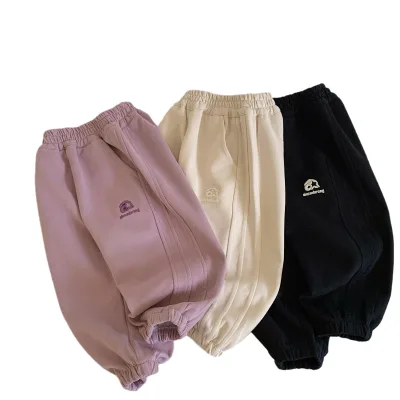
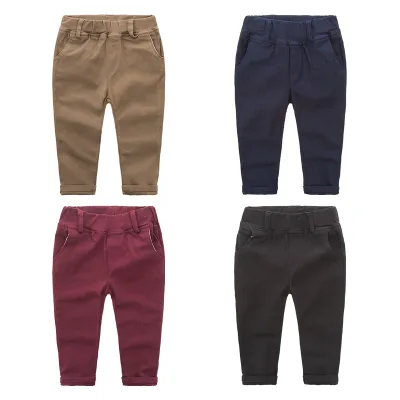
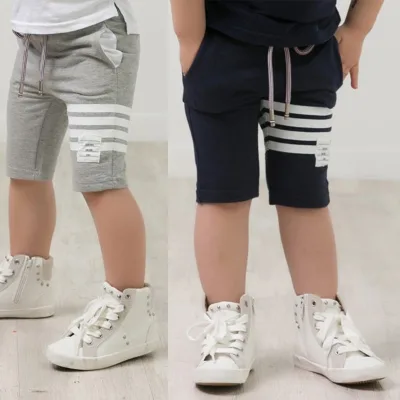
Premium Cotton Sweatshirt Pants Solid Color Pants for Kids Boys Elastic Waist Kids Pants
$5.65 - $5.87
MOQ: 2 pieces
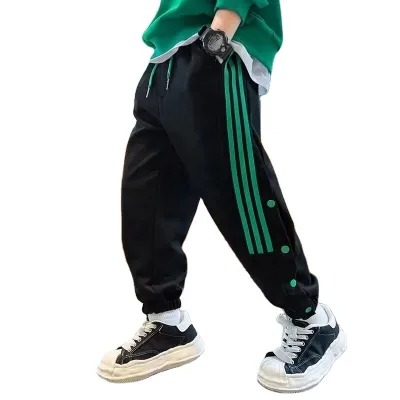
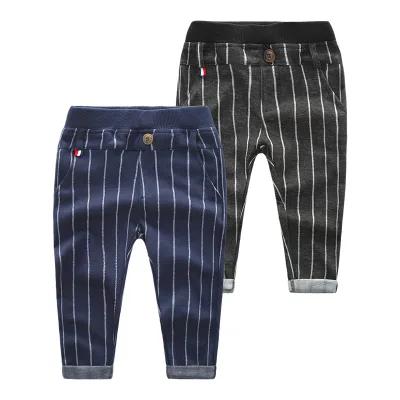
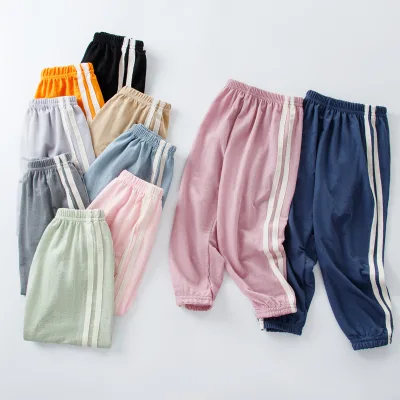
Children's Sports Polyester Pants Boy Children's Pants Single Breasted Striped Children's Pants
$6.5117 - $6.717
MOQ: 5 pieces
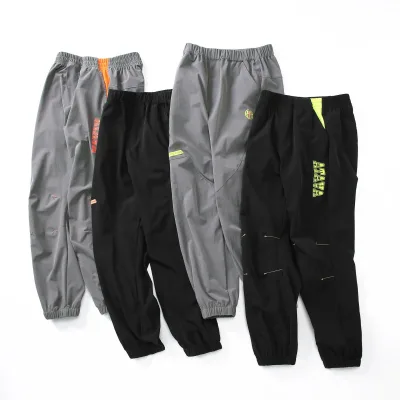
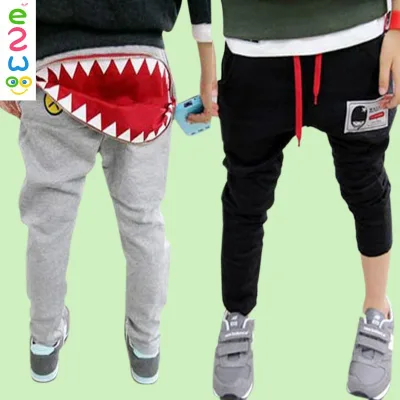
Summer Casual Children's Sports Pants Letter Boy Children's Pants Elastic Waist Children's Pants
$6.99 - $7.20
MOQ: 5 pieces

Guangzhou Ouzun Clothing Co., Ltd.
- Verified by CTI
- Combined
- China Guangdong
- Lead time23 days
- Avg. response≤ 2h
Main productsUniforms, Pants, Suits&Blazer, T Shirt, Polo Shirt, Sportswear, Jacket, Hoodies&Sweatshirts
Main marketsDomestic

Kids Boys' Cotton Blend Trousers Children's Wear School Uniform Pants Boys' Children's Pants
$3.99 - $5.99
MOQ: 100 Sets

Kids Boys' Cargo Trousers Multi Pocket Cotton Casual Pants Boys' Children's Pants
$3.99 - $5.99
MOQ: 100 Sets

Boys' Long Trousers School Pants Uniform Kids Cotton Pants Boys' Long Pants
$3.99 - $5.99
MOQ: 100 Sets

Children's Boys' Cotton Linen Pants Breathable Summer Trousers Boys' Children's Pants
$3.99 - $5.99
MOQ: 100 Sets

Children's Boys' Elastic Waist Trousers Kids Pants for Daily Wear Boys' Children's Pants
$3.99 - $5.99
MOQ: 100 Sets

Cute Baby Boys' Animal Print Sweatpants Soft Cotton Toddler Pants Cute Boys' Pants
$3.99 - $5.99
MOQ: 100 Sets

Guangzhou Yinimei Trading Firm
- Trading Company
- China Guangdong
- Lead time30 days
- Avg. response≤ 2h
Main productsApparel & Accessories, Men's Wear, Children's Clothing, Ladies' Clothing, Shoes, Children's Toys, "Bag", Hair
Main marketsSouth America,Eastern Europe,Mid East,North America,Southeast Asia,Eastern Asia,Oceania,Western Europe,Africa
Shanghai Jingzhi Apparel Co., Ltd.
- Manufacturer, Trading Company
- Lead time旺季: , 淡季:
- Avg. response≤ 5h
Main productsKid Clothes

- Verified by TUVRHEINLAND
- Combined
- China Shanghai
- Lead time15 days
- Avg. response≤ 3h
Main productsInfant Clothes, Baby Clothes, Kids Wear, Underwear, Sock, Pajama, Night Dress, Sleep Bag, Yoga Clothes, Nursing Tee
Main marketsEurope,Australia,North America

Skin-Friendly Bamboo Antibacterial Girl's Pants for Toddlers and Children
$3.00 - $4.99
MOQ: 100 Pieces

Full Length Stretch Leggings Sustainable Soft Bamboo Viscose Pants for Kid
$3.29 - $3.75
MOQ: 100 Pieces

Girl Pant Performance Leggings Kids Classic Pants Bamboo Organic Cotton Spandex
$3.51 - $6.22
MOQ: 50 Pieces

Kids Performance Leggings Pants Basic Bamboo Fiber Solid Sweatpant with Solid Color
$3.99 - $9.99
MOQ: 100 Pieces

Mace Quanzhou Clothing Co., Ltd.
- Verified by SGS
- Combined
- China Fujian
- Lead time30 days
- Avg. response≤ 5h
Main productsBaby Clothing, Baby Wear, Other Baby Accessories
Main marketsDomestic,Europe,Australia,North America
- Trading Company
- Zhejiang, China
- Lead time20 days
- Avg. response≤ 2h
Main productschildren clothes,kids clothes,baby clothes,children outfit /dress,baby outfit /dress
Main marketsNorth America(30.00%), Central America(10.00%), Oceania(10.00%), Eastern Europe(8.00%), South America(8.00%), Southern Europe(8.00%), Western Europe(8.00%), Southeast Asia(6.00%), South Asia(3.00%), Northern Europe(3.00%), Mid East(2.00%), Africa(2.00%), Eastern Asia(2.00%)
Yiwu City Huorong Clothing Co., Ltd.
- Verified by SGS Group
- Manufacturer, Trading Company
- Lead time30 days
- Avg. response≤ 4h
Main productsBaby Clothing Sets, Baby Pants, Baby Dress
Main marketsNorth America(80%), South America(10%), Western Europe(10%)
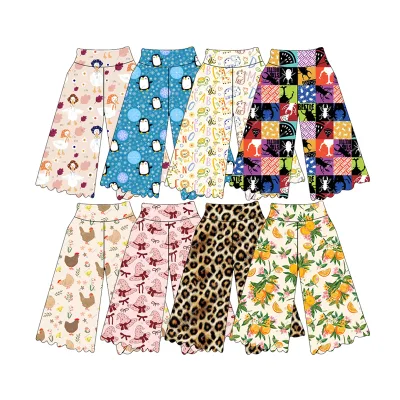
$4.29 - $5.49
MOQ: 5 pieces
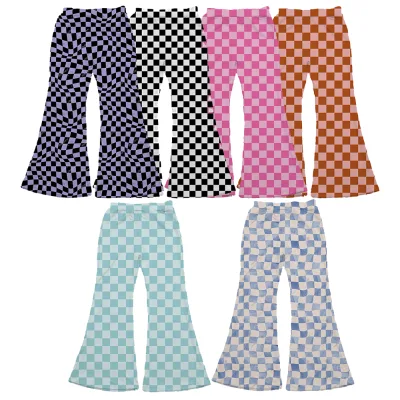
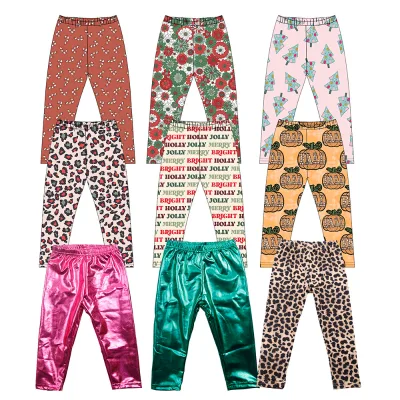
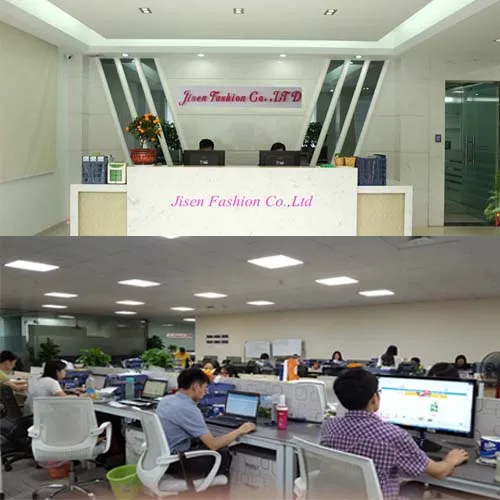
Dongguan Jisen Fashion Co., Ltd.
- Manufacturer
- Guangdong, China
- Lead time20 days
- Avg. response≤ 10h
Main productskids dress,children pajamas,baby outfits,baby bubbles,lady ruffle pants
Main marketsNorth America(43.00%), Oceania(30.00%), Northern Europe(5.00%), Western Europe(5.00%), Southern Europe(5.00%), Eastern Europe(5.00%), Central America(4.00%), South America(3.00%)
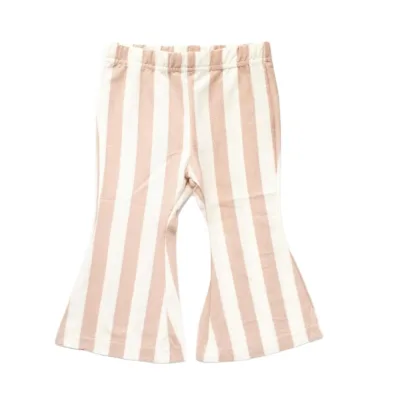
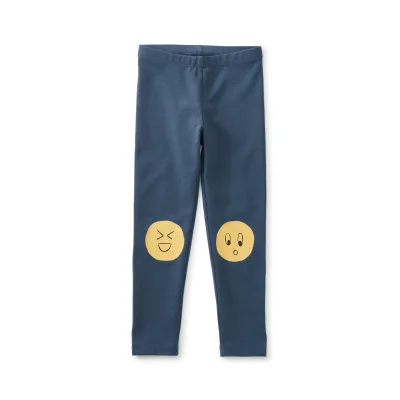
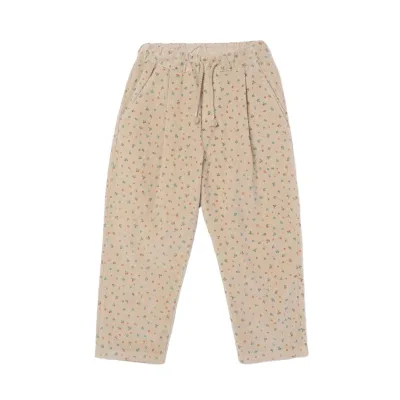
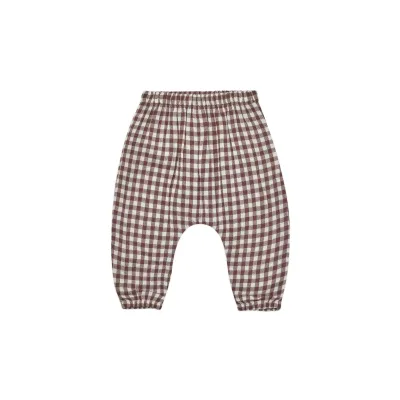
$3.30 - $6.10
MOQ: 100 pieces
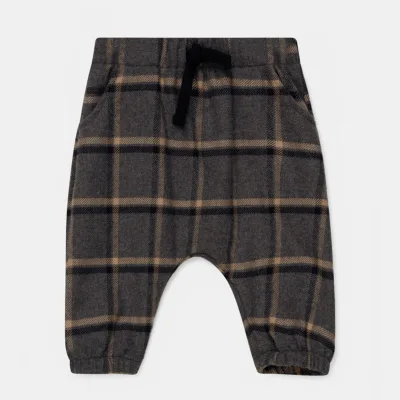
2023 Custom wholesale plaid unisex baby girl flannel pant infant child boy wide leg pants for winter
$3.30 - $6.10
MOQ: 100 pieces

Shanghai Jspeed Industry Co., Ltd.
- Verified by BV
- Trading Company
- China Shanghai
- Lead time60 days
- Avg. response≤ 7h
Main productsMen/Women Swimwear, Underwear, Bra, Socks, Men/Women Pants, Men/Women Jackets, Dress, Sportwear, Skirt, Shirt
Main marketsEurope

Children's Triangle Pants Pure Cotton Class a Antibacterial Girls' Shorts
$1.00 - $3.00
MOQ: 200 Pieces


XIAMEN TOPSUN APPAREL CO., LTD.
- Verified by TUVRHEINLAND
- Trading Company,Manufacturer/Factory
- China Fujian
- Lead time60 days
- Avg. response≤ 20h
Main productsJacket, Sport Wear, Swimwear, Workwear, Trouser, Casual Wear, Sweatshirt, T Shirt, Jogging Suit, Yoga Wear
Main marketsSouth America,Eastern Europe,Mid East,North America,Southeast Asia,Eastern Asia,Oceania,Western Europe,Africa

Spring Autumn Fashion Solid Color Children's Baby Pants Kids Boys Leggings Trousers Pants
$1.77 - $2.23
MOQ: 1500 PCS


Shanghai Jingzhi Apparel Co., Ltd.
- Verified by Intertek
- Manufacturer, Trading Company
- Lead time30 days
- Avg. response≤ 8h
Main productsKid Clothes
Main marketsMid East(20%), Africa(15%), North America(10%)
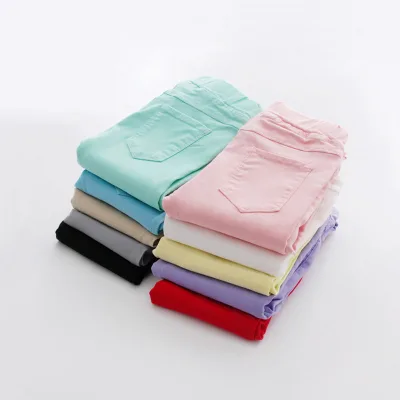
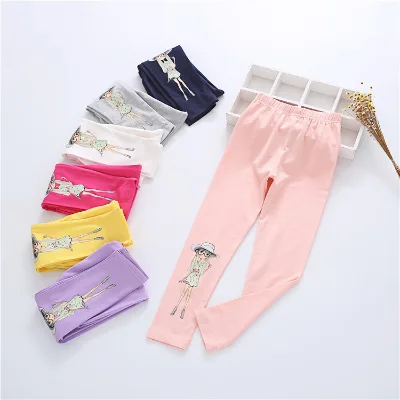
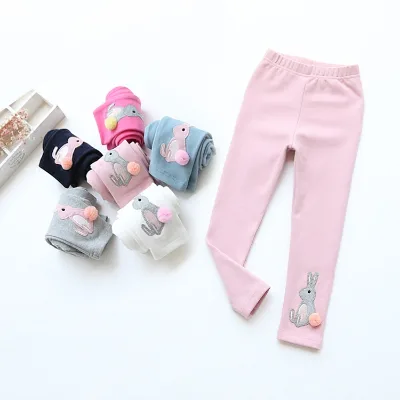
Wholesale Hot Sell Kids Child Clothes Sport Cargo Pants From China Suppliers
$2.00 - $3.50
MOQ: 200 Minimum
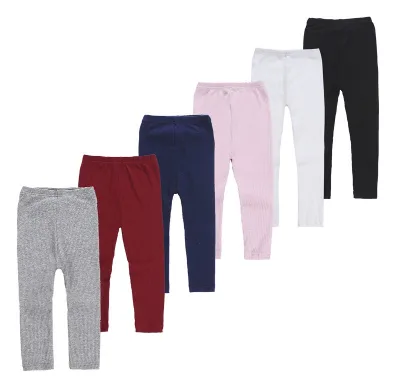
Kaiping Lianwang Garment Co., Ltd.
- Verified by TüVRheinland
- Manufacturer, Trading Company
- Lead time55 days
- Avg. response≤ 3h
Main productsDenim Wear, Children Wear, Sportswear
Main marketsNorth America(50%), Oceania(30%), Western Europe(20%)
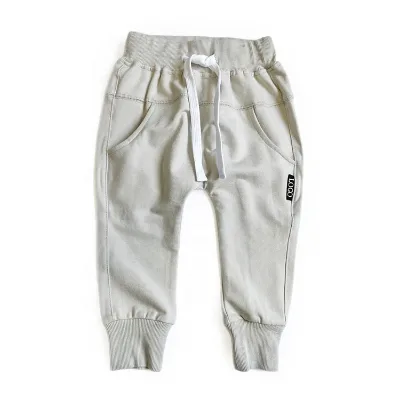
Custom logo High Quality Children Boys Casual Pants Soft Touch Comfortable Kids Pants
$5.50 - $8.50
MOQ: 100 pieces
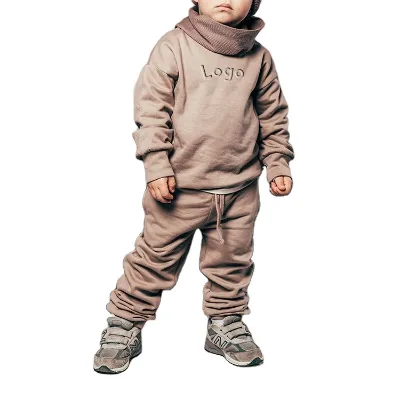
Shenqiguodu (shangqiu) Clothing Co., Ltd.
- Manufacturer
- Henan, China
- Lead time15 days
- Avg. response≤ 4h
Main productsBaby Pajamas, Children Dresses, Romper, Children Home Clothes Iapel, Kids Clothing Set
Main marketsSoutheast Asia(40.00%), South Asia(20.00%), Mid East(20.00%), Africa(10.00%), Eastern Asia(5.00%), North America(5.00%)
$0.96 - $1.44
MOQ: 2 Minimum
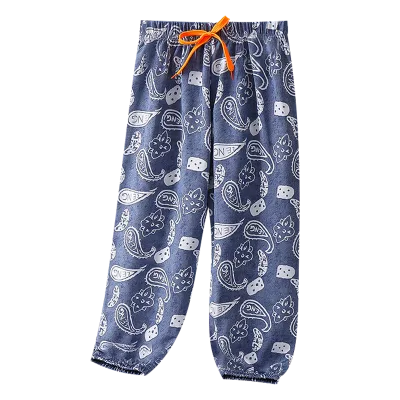
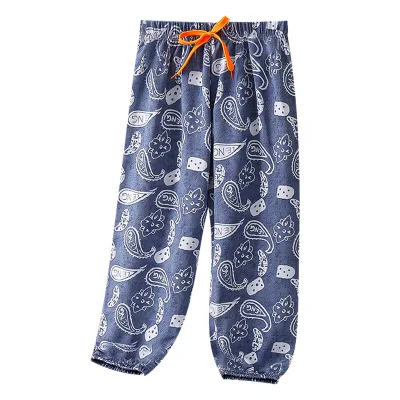
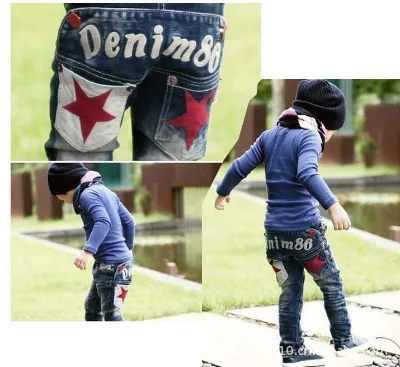
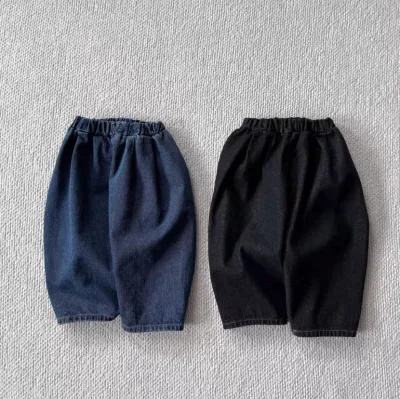
Summer New Anti-mosquito Jeans Lightweight Casual Boys and Girls Loose Printed Jeans
$0.96 - $1.44
MOQ: 2 Minimum
$2.178 - $3.1704
MOQ: 2 Minimum
Huzhou Zhili Jingcheng Apparel Co., Ltd.
- Verified by Intertek
- Manufacturer, Trading Company
- Lead time0 days
- Avg. response≤ 6h
Main productsKid Clothes, Apparel Accessory, Baby Supplies, Kids Shoes
Main marketsMid East(45%), Africa(30%), North America(15%)

Huzhou Truly Clothing Co., Ltd.
- Verified by SGS
- Combined
- China Zhejiang
- Lead time15 days
- Avg. response≤ 4h
Main productsKids Clothes, Boys Clothes, Kids Down Jackets, Kids Jackets, Kids T-Shirts, Kids Sweatshirts, Kids Pants, Kids Shorts, Kids Tracksuits, Kids Outdoor Clothing
Main marketsDomestic


Children's Elastic Cuff Casual Sport Pants for Children's Wear with Loose-Fit Design
$4.88 - $5.49
MOQ: 200 piece
Huzhou Hanyi Pony Clothing Co., Ltd.
- Trading Company
- Zhejiang, China
- Lead time0 days
- Avg. response≤ 2h
Main productsChildren's wear,Children's Socks,children's shoes,Children's accessories
Main marketsSouth America(30.00%), North America(30.00%), South Asia(20.00%), Western Europe(20.00%)
$7.6089 - $7.7124
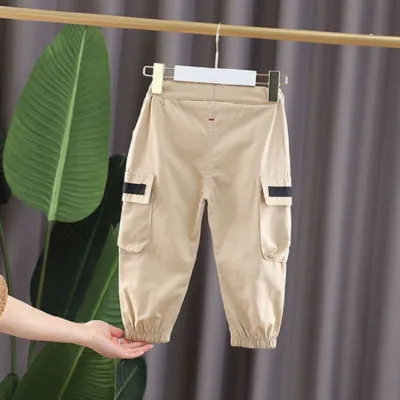
MOQ: 1 pieces
Jiangxi Lebond Textile Co., Ltd.
- Verified by SGS Group
- Trading Company
- Lead time60 days
- Avg. response≤ 4h
Main productsFashion T-shirt, Hoodies, Pants, Active Wear, Work Uniforms
Main marketsNorth America(50%), Eastern Europe(20%), Oceania(20%)
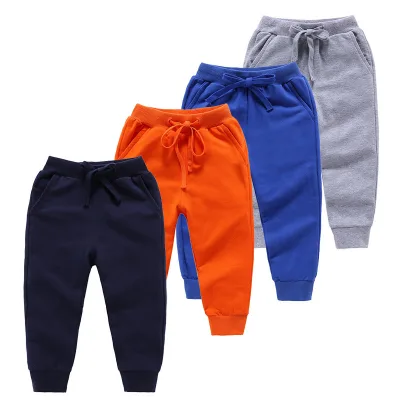
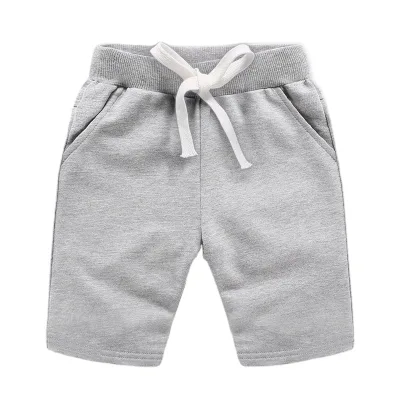
High Quality 100%cotton Custom Print Baby Kid Short Pants Children Wholesale Boys Short
$2.5468 - $3.9948
MOQ: 2 pieces

- Verified by CTI
- Trading Company
- China Anhui
- Lead time23 days
- Avg. response≤ 2h
Main productsFurniture, Home Furniture
Main marketsSoutheast Asia/ Mideast
Yiwu Sophia Garments Co., Ltd.
- Verified by SGS Group
- Trading Company
- Lead time14 days
- Avg. response≤ 1h
Main productsBaby Rompers, Children Clothing, Baby Hats
Main marketsNorth America(60%), Oceania(40%)

Shanghai Hexuan Baby Products Co., Ltd.
- Verified by SGS
- Trading Company
- China Shanghai
- Lead time15 days
- Avg. response≤ 5h
Main productsBaby Wear Baby Cloth Diaper Bibs Baby Rompers
Main marketsSouth America,Africa,Southeast Asia/ Mideast,East Asia(Japan/ South Korea),Europe,Australia,North America
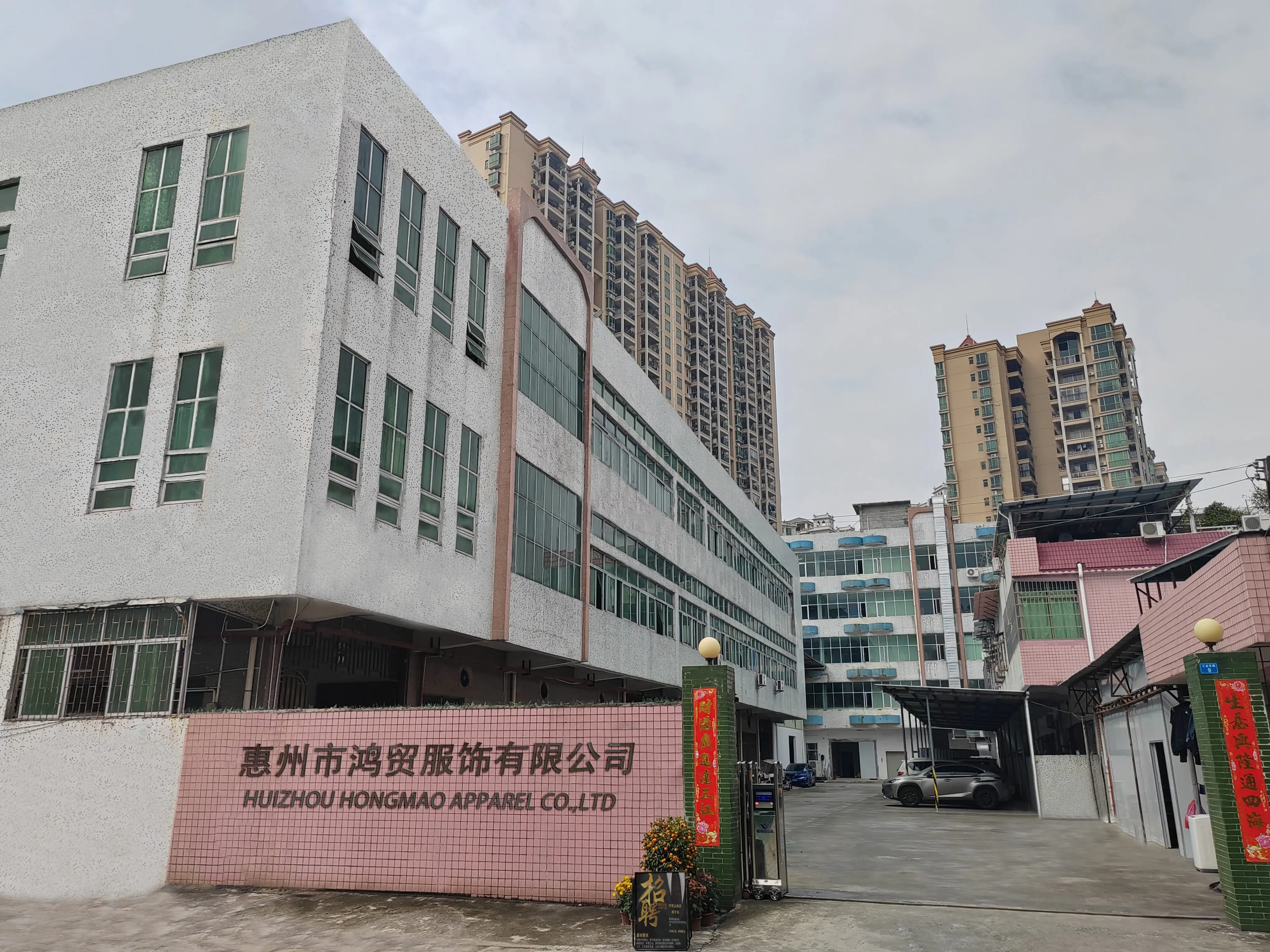
Huizhou Hongmao Apparel Co., Ltd.
- Manufacturer, Trading Company
- Guangdong, China
- Lead time30 days
- Avg. response≤ 10h
Main productsbaby Clothing,kids Clothing,Toddler Clothing,kids dresses,Children's pajamas
Main marketsNorth America(27.00%), Oceania(20.00%), Eastern Europe(19.00%), Western Europe(14.00%), Southeast Asia(6.00%), Eastern Asia(4.00%), South America(4.00%), Southern Europe(2.00%), Domestic Market(1.00%), South Asia(1.00%), Mid East(1.00%), Northern Europe(1.00%)
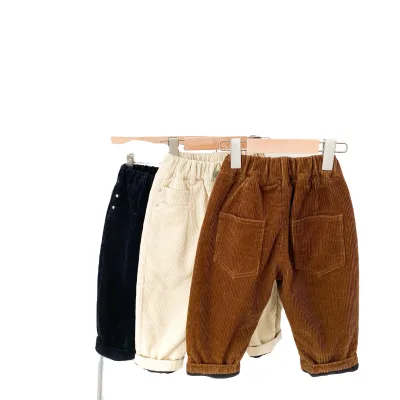
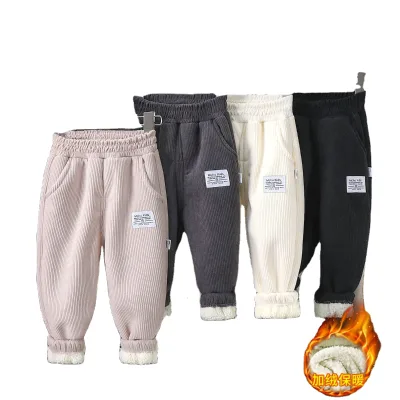
Winter Kids Pants Baby Boy Casual Fleece Corduroy 100% Cotton Warm Pants
$8.4993 - $10.547
MOQ: 5 pieces
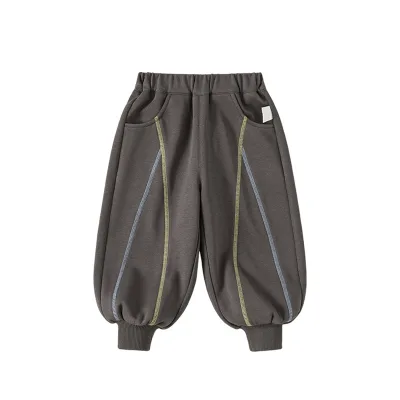
$8.4783 - $11.0626
MOQ: 50 pieces
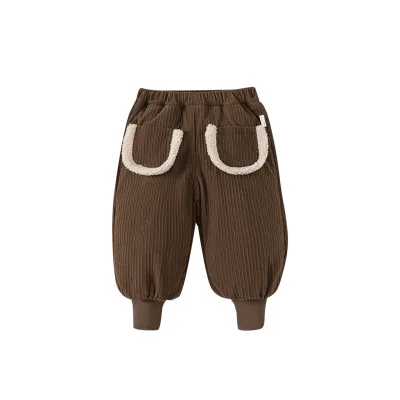
$10.4945 - $13.0668
MOQ: 50 pieces
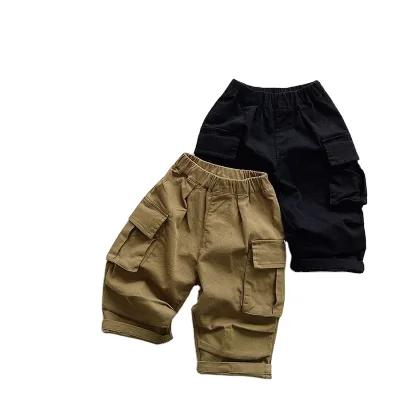
$7.2402 - $9.79
MOQ: 50 pieces

Chiaus (Fujian) Industrial Development Co., Ltd.
- Verified by BV
- Combined
- China Fujian
- Lead time23 days
- Avg. response≤ 2h
Main productsBaby Diapers, Disposable Diapers, Nappy Pads, Adult Diapers, Wet Wipes, Baby Wipes, Pet Diapers, Baby Nappies, Baby Goods, Incontinent Products
Main marketsSouth America,Africa,Southeast Asia/ Mideast,East Asia(Japan/ South Korea),Europe,Australia,North America


Premium Disposable Breathable Baby Pants with Elastic Waistband for Active Kids
$0.065 - $0.075
MOQ: 100000 pcs


Evansine Clothing (dongguan) Co., Ltd.
- Manufacturer, Trading Company
- Guangdong, China
- Lead time30 days
- Avg. response≤ 7h
Main productsGirls Dress, Baby Romper, Children Tracksuit, Yoga Wear, Outdoor Sportswear
Main marketsNorth America(67.00%), Oceania(33.00%)
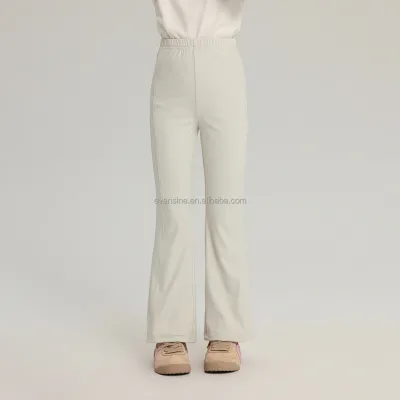
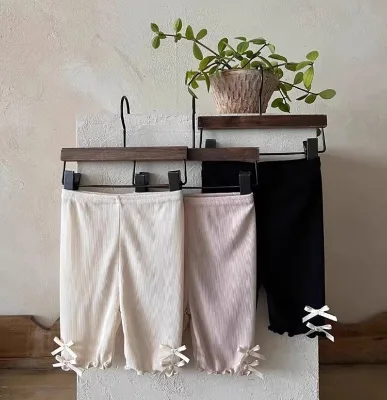
Customizable Kids Girls Soft High Elastic Micro-flare Casual Pants 7A Antibacterial Skin-friendly
$8.204 - $10.2577
MOQ: 50 pieces




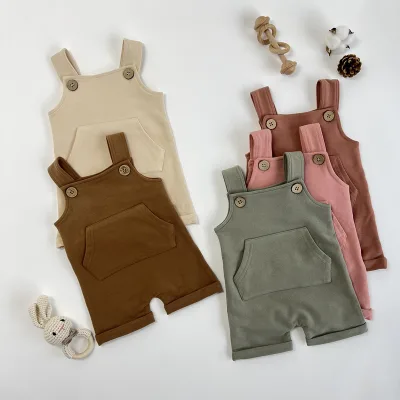
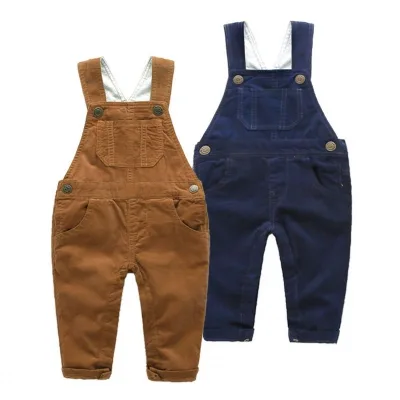
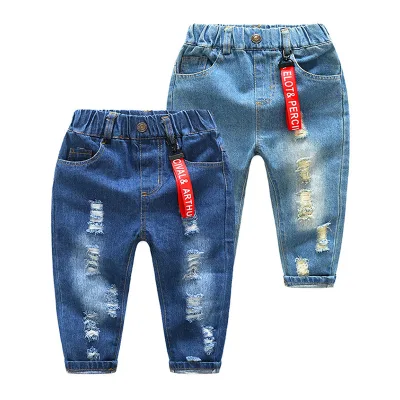
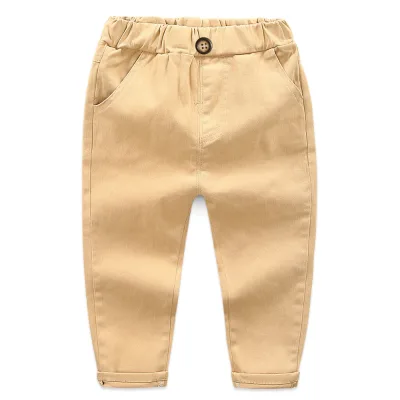
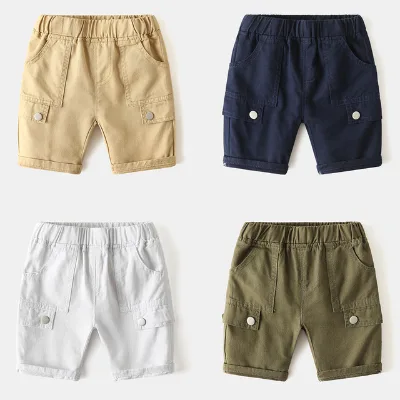
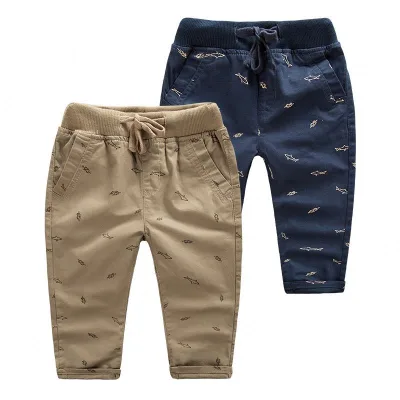
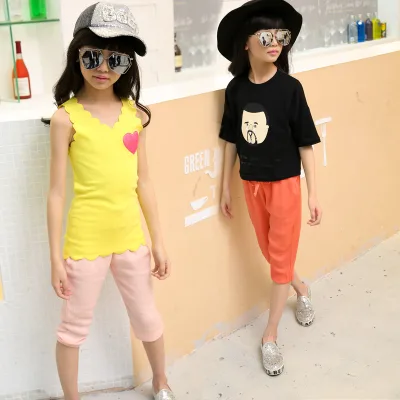


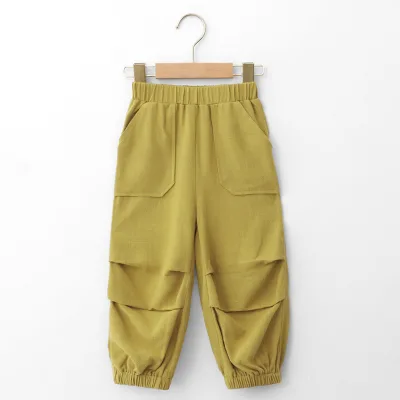


Comprehensive Sourcing Guide
Skin-Friendly Antibacterial Kids Pants Supplier Concentration and Factory Types
The current supplier landscape for children's apparel reveals distinct manufacturing clusters, with Zhejiang, China, emerging as a primary hub for specialized production. Suppliers located in this region often focus on specific niches within the broader children's clothing market, such as girls' pants and trousers or boys' casual wear. This geographic concentration suggests a mature supply chain ecosystem where raw material sourcing, particularly for cotton and polyester blends, is streamlined. Buyers seeking skin-friendly and antibacterial properties should note that while the specific antibacterial certification is not explicitly listed in the provided facts, the presence of manufacturers in Zhejiang indicates access to advanced textile processing technologies. These factories frequently offer light customization, sample processing, and graphic processing capabilities, allowing for tailored solutions that meet specific comfort and hygiene standards. The concentration of these entities in one province facilitates easier quality control visits and faster communication, which is critical when sourcing products that require precise fabric treatments to ensure they remain gentle on sensitive skin.
In addition to Zhejiang-based entities, the market includes suppliers from Guangdong, China, who operate as combined entities capable of handling both manufacturing and trading functions. These suppliers often specialize in a wider array of products, including uniforms, suits, and sportswear, which may include children's pants as part of a broader catalog. The company type for these Guangdong-based suppliers is listed as "Combined," suggesting they may act as intermediaries or have integrated production lines that serve multiple product categories. This diversity in supplier types, ranging from pure manufacturers to trading companies and combined entities, offers buyers flexibility in how they engage with the supply chain. Pure manufacturers might offer better pricing for large volumes, while trading companies could provide more diverse product selections and easier communication for smaller orders. Understanding this mix helps buyers identify whether they need a dedicated factory for custom antibacterial treatments or a versatile partner who can source from various mills to meet specific fabric requirements.
How to Verify Skin-Friendly Antibacterial Kids Pants Suppliers
Verification is a critical step when sourcing children's apparel, especially when claims about skin-friendly and antibacterial properties are involved. Buyers should prioritize suppliers who have undergone third-party verification processes, as this adds a layer of credibility to their operational standards. For instance, some suppliers in the current results are verified by SGS Group, a globally recognized inspection and certification company. This verification indicates that the supplier has met certain quality and safety benchmarks, which is essential when dealing with products intended for children. Additionally, other suppliers may be verified by CTI, another reputable testing and certification body. These verifications do not automatically guarantee that every product is antibacterial, but they do signal that the supplier adheres to rigorous quality management systems. Buyers should request specific test reports for antibacterial efficacy and skin irritation, as these are not always included in the standard verification badge. It is crucial to ask for recent lab results from accredited laboratories to confirm that the fabric treatments meet international safety standards for children's clothing.
Beyond third-party verification, buyers should assess the supplier's response time and communication efficiency as indicators of their reliability. Suppliers with faster response times, such as those averaging under two days, are often more responsive to inquiries and potential issues. This responsiveness can be a proxy for their overall operational efficiency and willingness to engage in detailed discussions about product specifications. Buyers should also look for suppliers who provide clear information about their main products and company types. A supplier that clearly states its focus on children's clothing or uniforms is likely more specialized and knowledgeable about the specific requirements of this market. Furthermore, buyers should verify the supplier's ability to provide samples, as many suppliers in the current results support seven-day sample order lead times. This capability allows buyers to physically test the fabric for softness and check for any potential irritants before committing to a larger order. Ensuring that the supplier can deliver high-quality samples quickly is a practical way to verify their commitment to product quality and customer satisfaction.
What to Compare Across Skin-Friendly Antibacterial Kids Pants Suppliers
When evaluating multiple suppliers, buyers should compare key operational metrics such as lead times, minimum order quantities (MOQs), and pricing structures to determine the best fit for their business needs. Lead times vary significantly among suppliers, with some offering production times of around fifteen days, while others may require up to twenty-three days. This difference can impact inventory planning and time-to-market, especially for seasonal children's apparel. Buyers should also consider the MOQs, which can range from as low as two pieces to five pieces or more. Lower MOQs are advantageous for testing new designs or for small-batch orders, while higher MOQs may offer better unit pricing for larger volumes. Pricing is another critical factor, with unit costs varying based on material composition and customization options. For example, cotton-blend pants may have different price points compared to polyester-based options. Buyers should request detailed quotes that include all costs, such as shipping and taxes, to ensure accurate comparison.
In addition to operational metrics, buyers should compare the customization capabilities and product attributes offered by each supplier. Some suppliers provide extensive customization options, including logo placement, embroidery, and printing methods, which are essential for brand differentiation. The fabric type is also a key differentiator, with options ranging from knitted cotton to polyester blends. Buyers should assess which fabric types best meet the skin-friendly and antibacterial requirements of their target market. For instance, cotton is often preferred for its breathability and softness, while polyester may offer durability and quick-drying properties. The supply type, whether in-stock items or made-to-order, also influences lead times and flexibility. Suppliers offering in-stock items may provide faster delivery for standard designs, while those specializing in custom orders can accommodate unique specifications. By comparing these attributes, buyers can identify suppliers that align with their specific product requirements and business strategy, ensuring they select partners who can deliver the desired quality and service levels.
Common Skin-Friendly Antibacterial Kids Pants Sourcing Risks
One of the primary risks in sourcing children's apparel is the potential discrepancy between claimed fabric properties and actual product performance. Suppliers may advertise skin-friendly or antibacterial features, but without verified test reports, these claims may not hold up under scrutiny. Buyers must be cautious of suppliers who do not provide transparent information about their fabric treatments and certifications. Another risk is the variability in quality control across different production batches. Even if a sample meets all requirements, mass production may introduce inconsistencies in stitching, fabric weight, or color fastness. This is particularly relevant for suppliers with high production volumes or those who outsource certain processes. Buyers should implement strict quality assurance protocols, including pre-shipment inspections, to mitigate these risks. Additionally, the reliance on in-stock items may limit customization options, forcing buyers to compromise on specific design elements or fabric blends that are crucial for their brand identity.
Communication and logistical challenges also pose significant risks, especially when dealing with suppliers in different regions. Language barriers and time zone differences can lead to misunderstandings regarding product specifications and delivery schedules. Buyers should establish clear communication channels and request regular updates on production progress to stay informed. Another risk is the potential for hidden costs, such as unexpected shipping fees or customs duties, which can impact the final landed cost of the products. Buyers should work with suppliers who provide transparent pricing and offer assistance with logistics to avoid these surprises. Furthermore, the rapid changes in fashion trends and consumer preferences mean that inventory management is critical. Overstocking can lead to financial losses, while understocking can result in missed sales opportunities. Buyers should collaborate with suppliers who offer flexible order quantities and quick turnaround times to adapt to market demands effectively. By proactively addressing these risks, buyers can build a more resilient and reliable supply chain for their children's apparel business.
Skin-Friendly Antibacterial Kids Pants Regional Sourcing and Logistics
Sourcing from specific regions like Zhejiang and Guangdong offers distinct logistical advantages and challenges that buyers must consider. Zhejiang, as a major manufacturing hub, provides access to a dense network of suppliers and raw material providers, which can reduce lead times and transportation costs. However, buyers should be aware of the potential for congestion during peak seasons, which can delay shipments. Guangdong, on the other hand, is known for its efficient port infrastructure and export capabilities, making it a convenient location for international shipping. Buyers should evaluate the proximity of the supplier to major ports to minimize inland transportation costs and time. Additionally, the choice of region can impact the availability of specialized labor and expertise in children's apparel production. Suppliers in these regions may have more experience with international standards and compliance requirements, which is beneficial for buyers targeting global markets.
Logistics planning should also account for the packaging and shipping requirements of the products. Suppliers often provide specific packaging dimensions and weights, which can influence shipping costs and storage requirements. For example, some suppliers use box packaging, which offers better protection but may increase volumetric weight. Buyers should negotiate packaging solutions that balance protection and cost-efficiency. Furthermore, buyers should consider the supplier's experience with international shipping and their ability to handle customs documentation. Suppliers who are familiar with export procedures can streamline the clearance process, reducing the risk of delays at the destination port. Buyers should also explore options for consolidated shipping if they are sourcing from multiple suppliers, as this can reduce overall logistics costs. By carefully planning the regional sourcing and logistics strategy, buyers can optimize their supply chain for efficiency and cost-effectiveness, ensuring timely delivery of high-quality children's apparel to their customers.
Skin-Friendly Antibacterial Kids Pants Commercial Terms and Order Planning
Commercial terms and order planning are essential components of a successful sourcing strategy, particularly when dealing with customized children's apparel. Buyers should negotiate clear payment terms that protect their interests, such as using escrow services or partial payments upon order confirmation and completion. This approach minimizes financial risk and ensures that the supplier is committed to delivering the agreed-upon quality. Additionally, buyers should establish clear delivery schedules and penalties for delays to maintain accountability. Order planning should also consider the supplier's production capacity and lead times to avoid bottlenecks. For instance, suppliers with shorter lead times may be preferred for urgent orders, while those with longer lead times might be suitable for planned inventory builds. Buyers should also discuss customization options and associated costs upfront to avoid surprises later in the process.
Furthermore, buyers should plan for post-order activities, such as quality inspections and customer feedback collection. Establishing a feedback loop with the supplier can help identify areas for improvement and strengthen the partnership over time. Buyers should also consider the scalability of the supplier, ensuring they can handle increased order volumes as the business grows. This includes assessing their ability to maintain quality consistency and meet deadlines during peak periods. Additionally, buyers should explore opportunities for long-term contracts or volume discounts, which can provide cost savings and greater stability. By carefully managing commercial terms and order planning, buyers can build a robust and flexible supply chain that supports their business objectives and ensures the consistent delivery of high-quality, skin-friendly antibacterial kids pants to their market.
FAQs
Are these kids pants skin-friendly and antibacterial?
The available children's pants feature breathable, anti-pilling, and eco-friendly properties suitable for sensitive skin. While specific antibacterial certifications are not listed in the current product data, the knitted cotton and polyester blends offer comfort and durability. Buyers should verify specific fabric treatments with the supplier to confirm antibacterial claims before ordering.
What is the minimum order quantity for kids pants?
The minimum order quantity varies by product style. Some in-stock items require a minimum of two pieces, while others may require five pieces. These low MOQs allow for small trial orders. Buyers should check the specific product page for the exact MOQ applicable to their chosen style and size requirements.
How long does production take for custom pants?
Standard lead times range from 15 to 23 days depending on the supplier and product type. Sample orders are supported within seven days for quick evaluation. For bulk custom production, buyers should confirm the exact timeline with the supplier, as capacity and customization needs can affect the final delivery schedule.
Where are these children's pants manufactured?
The suppliers are located in Zhejiang, China, and Guangdong, China. These regions are known for their textile manufacturing capabilities. Buyers can verify the specific place of origin for each product listing to ensure it meets their sourcing preferences and logistical requirements for international shipping.
What materials are used in these kids pants?
The pants are made from various materials including 59.5% cotton blends and 100% polyester. Some options feature 95% polyester for quick-dry performance. The fabrics are described as knitted, breathable, and eco-friendly. Buyers should select the material that best suits their needs for comfort, durability, and specific weather conditions.
Can I get a sample before placing a bulk order?
Yes, sample orders are supported with a lead time of seven days. This allows buyers to evaluate the quality, fit, and fabric of the pants before committing to a larger purchase. Buyers should contact the supplier directly to arrange sample shipping and confirm any associated costs or policies.