Source skin-friendly antibacterial kids pants for school, sports, and play
Compare 30 listings of skin-friendly antibacterial kids pants from verified suppliers. Explore options featuring polyester cotton denim, water washing, and custom labels for children's leisure and running activities. These items include various models like 822 and 2021093003, offering free sizes and OEM services for girls and boys.
Updated
Key considerations
Products List


Skin-Friendly Bamboo Antibacterial Girl's Pants for Toddlers and Children
$3.00 - $4.99
MOQ: 100 Pieces

Full Length Stretch Leggings Sustainable Soft Bamboo Viscose Pants for Kid
$3.29 - $3.75
MOQ: 100 Pieces

Girl Pant Performance Leggings Kids Classic Pants Bamboo Organic Cotton Spandex
$3.51 - $6.22
MOQ: 50 Pieces
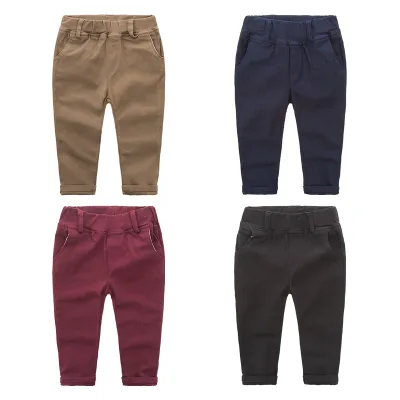
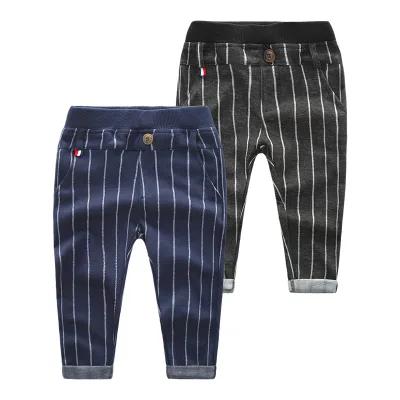
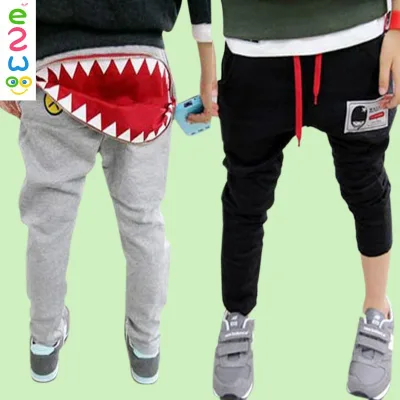
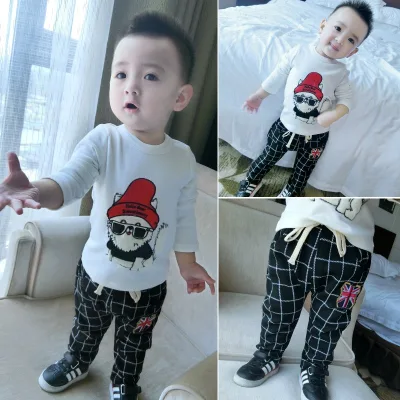
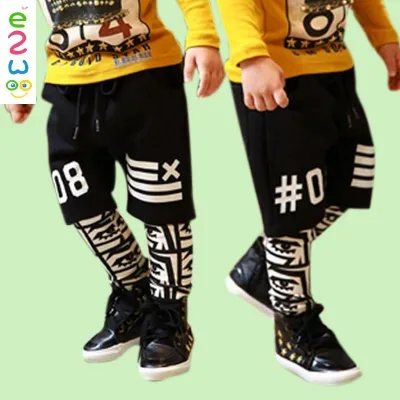
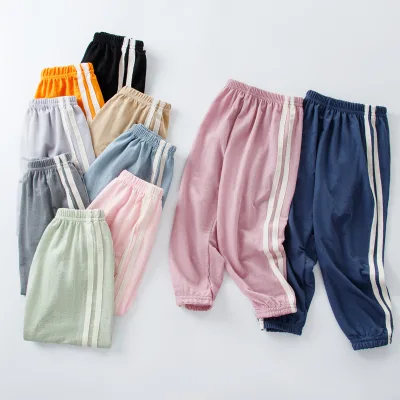
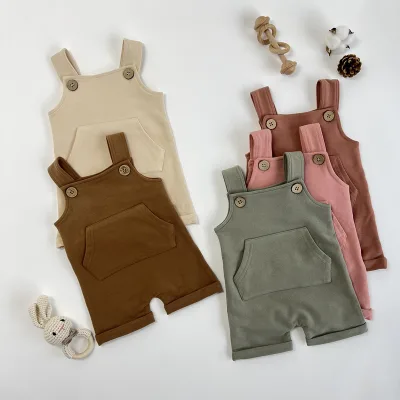


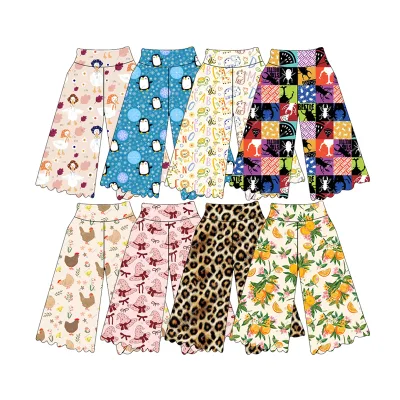

Children's Triangle Pants Pure Cotton Class a Antibacterial Girls' Shorts
$1.00 - $3.00
MOQ: 200 Pieces




Comprehensive Sourcing Guide
Skin-Friendly Antibacterial Kids Pants Sourcing Guide
Procuring children’s apparel requires a meticulous balance of comfort, durability, and safety, with a specific focus on materials that support sensitive skin. The market offers a diverse range of options, from casual leisure wear to more structured trousers, each serving distinct lifestyle needs for young consumers. Buyers must navigate this landscape by prioritizing fabric composition and finishing techniques that ensure the garment remains gentle against the skin while maintaining its structural integrity through repeated washing and active use.
This guide outlines the critical verification steps for sourcing these products, emphasizing the importance of aligning supplier capabilities with specific brand requirements. By focusing on observable listing signals, technical specifications, and commercial terms, procurement teams can mitigate risks associated with quality inconsistencies and supply chain delays. The following sections provide a structured approach to evaluating potential suppliers and ensuring that the final product meets both regulatory standards and consumer expectations for comfort and performance.
Product Scope and Observed Listing Signals
Current market listings indicate a strong presence of polyester-cotton-denim blends and knitted fabrics, catering to varied aesthetic and functional demands. Suppliers frequently highlight customization options, including spliced decorative methods and water washing crafts, which allow for unique visual textures and soft hand-feels essential for children’s wear. The observed product range includes long pants and skinny trouser legs, often marketed under leisure styles, suggesting a focus on everyday comfort and ease of movement for active children.
Listing data reveals a wide spectrum of model numbers, such as 822, 824, and 830, alongside specific identifiers like NX-15001, indicating a high degree of product variety. Pricing observations range from $0.8 to $12.35 USD, with minimum order quantities varying significantly from 5 to 1500 units, reflecting both sample-friendly and bulk-order opportunities. Buyers should note that while some listings claim eco-friendly or quick-dry features, these attributes require independent verification to ensure they align with actual material properties and manufacturing processes.
Technical Specifications to Verify
Fabric composition is a primary technical consideration, with many suppliers offering polyester-cotton blends or knitted materials that promise breathability and softness. It is crucial to verify the exact percentage of cotton versus synthetic fibers, as this ratio directly impacts the garment’s skin-friendly characteristics and moisture-wicking capabilities. Additionally, the weaving process, often described as striped or checked, should be examined for consistency and durability, ensuring that the pattern does not compromise the fabric’s integrity or cause irritation through rough seams or loose threads.
Fit and sizing specifications also play a vital role in consumer satisfaction, with options ranging from slim models to free-size offerings. Buyers must confirm the availability of accurate size charts, particularly for children’s apparel where growth rates vary significantly. The presence of features like regular sleeves and long pants lengths should be cross-referenced with seasonal appropriateness, ensuring that the garments are suitable for summer wear or other specific climate conditions as intended by the product design.
Compliance and Safety Documentation
Safety standards are non-negotiable in children’s apparel, requiring rigorous documentation to ensure compliance with international regulations. Buyers must request certificates of conformity that verify the absence of harmful substances, such as heavy metals or allergenic dyes, which could pose health risks to sensitive skin. Although some listings mention standards like XS-XXXL or specific packaging dimensions, these do not substitute for chemical safety certifications, which must be obtained from accredited third-party laboratories to guarantee product safety.
Labeling and logo customization options offer branding flexibility but must adhere to strict regulatory requirements regarding content information and care instructions. Suppliers should provide clear evidence that their labeling processes comply with local and international laws, including accurate fiber content disclosure and origin marking. Buyers should also verify that any printed or embroidered logos do not introduce additional irritants or sharp edges that could compromise the garment’s skin-friendly claim.
Cost Drivers and Commercial Terms
Pricing structures in the children’s apparel market are influenced by material costs, customization complexity, and order volume. The observed price range of $0.8 to $12.35 USD reflects significant variation based on fabric quality, decorative methods, and production scale. Buyers should analyze cost drivers carefully, recognizing that lower prices may correlate with reduced material quality or limited customization options, while higher prices often reflect superior craftsmanship and stricter quality control measures.
Minimum order quantities (MOQs) ranging from 5 to 1500 units provide flexibility for both trial orders and large-scale production runs. Suppliers offering low MOQs are ideal for testing new designs or responding to fast-changing market trends, whereas higher MOQs may offer better unit economics for established product lines. Lead times, typically cited as 3-7 days for samples, should be factored into overall procurement planning, with bulk production timelines requiring separate negotiation to ensure timely delivery and inventory management.
Supplier Qualification and Quality Control
Supplier qualification involves assessing manufacturing capabilities, particularly for OEM/ODM services that require precise adherence to design specifications. Buyers should verify the supplier’s experience in producing children’s wear, focusing on their ability to handle delicate fabrics and complex decorative techniques like splicing and water washing. The presence of support for seven-day sample orders indicates a responsive supply chain, but buyers must also evaluate the consistency of sample quality compared to bulk production outputs.
Quality control protocols must be clearly defined and enforced throughout the production process. Buyers should request detailed inspection reports that cover fabric strength, colorfastness, and dimensional stability, ensuring that the final product meets specified standards. Additionally, verifying the supplier’s origin, such as Shanghai, China, can provide insights into their logistical capabilities and access to raw materials, which may impact overall product quality and delivery reliability.
Long-Term Procurement Checks
Sustaining a successful procurement strategy requires ongoing monitoring of supplier performance and product quality over time. Buyers should establish regular review cycles to assess consistency in material quality, adherence to safety standards, and fulfillment of delivery schedules. This proactive approach helps identify potential issues early, allowing for corrective actions before they impact the broader supply chain or brand reputation.
Continuous engagement with suppliers regarding market trends and consumer feedback can drive product innovation and improvement. By leveraging insights from customer reviews and sales data, buyers can guide suppliers in refining designs and materials to better meet the evolving needs of children’s apparel consumers. This collaborative approach fosters long-term partnerships that prioritize quality, safety, and customer satisfaction, ensuring sustained success in the competitive children’s wear market.
FAQs
Can these kids pants be customized with logos?
Yes, labels and logos can be customized for these garments. The supplier offers OEM service to meet specific branding needs. This customization is available for both boys and girls styles. Buyers can request specific designs to match their brand identity. The process supports various customization requirements for wholesale orders.
What is the sample lead time for these pants?
The sample lead time is typically 3-7 days. This allows buyers to review quality before placing bulk orders. The supplier supports 7-day sample order lead times. This quick turnaround helps in accelerating the sourcing process. Buyers can receive samples efficiently to verify product specifications.
What materials are used in these children's trousers?
The pants are made from a blend of polyester, cotton, and denim. This fabric choice offers durability and comfort for children. The material is suitable for summer wear due to its breathability. The construction ensures the pants are skin-friendly for young users. This blend balances softness with the strength needed for active play.
Are these pants available in different sizes?
Available sizes include free sizing options to accommodate various body types. The standard range covers XS to XXXL for broader fit options. This flexibility helps in reducing return rates for online retailers. Buyers can select the most appropriate size for their target demographic. The sizing strategy simplifies inventory management for wholesale purchasers.
What is the minimum order quantity for these pants?
The minimum order quantity ranges from 5 to 1500 units. This wide range accommodates both small trial orders and large bulk purchases. Buyers can start with a low MOQ to test market response. Higher volumes may offer better pricing tiers for wholesale clients. The flexible MOQ supports diverse business models and order scales.
Where are these kids pants manufactured?
These pants are manufactured in China, with specific origins in Shanghai. This location provides access to established textile supply chains. Buyers can leverage the manufacturing hub for efficient logistics. The production facilities are equipped to handle OEM and ODM orders. Sourcing from this region offers competitive pricing and reliable output.