Snack Food Factory Apple Peeler and Cutting Machine Suppliers and Manufacturers
Find 32 verified suppliers offering Snack Food Factory Apple Peeler and Cutting Machine units with ISO 9001 and CE certifications. Compare response times, lead times, and capacity specs to source durable equipment for your production line today; review the available evidence before requesting comparable quotations from suitable candidates.
Updated
Suppliers List

Zhengzhou Hento Machinery Co., Ltd.
- Verified by SGS
- Trading Company,Manufacturer/Factory,Group Corporation
- China Henan
- Lead time15 days
- Avg. response≤ 6h
Main productsMeat Processing Machinery, Egg Processing Machinery, Dairy Processing Machinery, Fruit & Vegetable Processing Machinery, Grain Product Making Machines, Snack Machines, Nuts Processing Machinery, Packing Machines, Drying Machines, Commodity Making Machines
Main marketsSouth America,Eastern Europe,Mid East,North America,Southeast Asia,Eastern Asia,Oceania,Western Europe,Africa

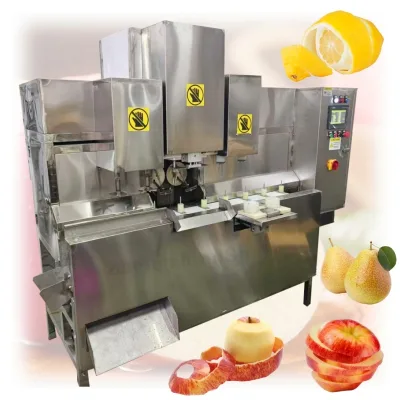
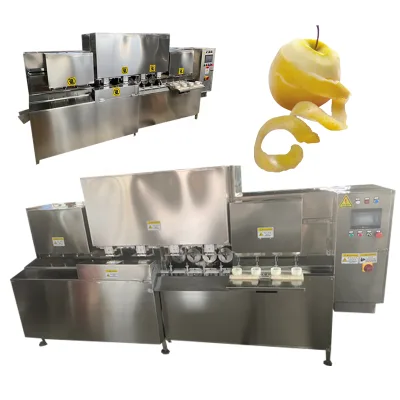
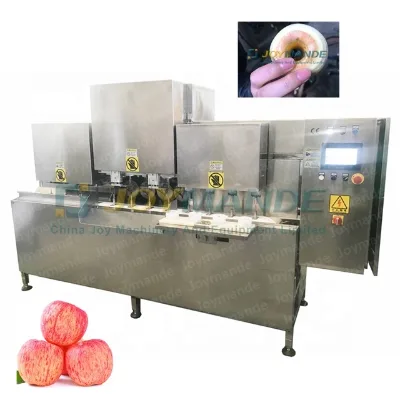
Durable Apple Peeler Cutter Machine / Pear Apple Peeler Slicer and Corer
$1459.00 - $1895.00
MOQ: 1 Sets

Industrial Apple Peeling and Coring Machine / Apple Slicer / Pear Peeler Corer
$2989.00 - $4389.00
MOQ: 1 Sets


High Automation Fruit Apple Peeling Machine / Apple Peeler Corer Slicer
$11805.00 - $14165.00
MOQ: 1 Sets
Henan Jinfuda Trading Co., Ltd.
- Trading Company
- Lead time旺季: "1 - 1":15,"> 1":"To be negotiated", 淡季: "1 - 1":15,"> 1":"To be negotiated"
- Avg. response≤ 3h
Main productsFruit Vegetables Processing Machines, Meat Processing Machines, Bakery Pastry Processing Machines, Snack Processing Machines, Packaging Machines
Tianjin Sure International Trading Co., Ltd.
- Verified by SGS Group
- Manufacturer, Trading Company
- Lead time30 days
- Avg. response≤ 4h
Main productsFreezing Equipment, Meat Processing Equipment, Fruits & Vegetables Processing Machinery, Bakery Equipment, Potato French Fries Production Line
Main marketsNorth America(20%), South America(20%), Southeast Asia(15%)
Henan Domax Machinery Co., Ltd.
- Trading Company
- Henan, China
- Lead time20 days
- Avg. response≤ 4h
Main productsMeat Processing Machinery,Fruit & Vegetable Machinery,Nuts & Grains Machinery,Snack Machinery,Recycling Machinery
Main marketsDomestic Market(15.00%), Africa(15.00%), North America(15.00%), Mid East(10.00%), Southeast Asia(10.00%), South America(10.00%), Oceania(5.00%), South Asia(5.00%), Southern Europe(5.00%), Central America(5.00%), Western Europe(5.00%)

Henan Chuang Qin Mechanical Equipment Co., Ltd.
- Verified by TUVRHEINLAND
- Manufacturer/Factory
- China Henan
- Lead time15 days
- Avg. response≤ 4h
Main productsCoffee Roaster, Meat Processing Machinery, Flour Food Machinery, Vegetable and Fruit Processing Machine, Egg Processing Machine, Snack Food Machinery, Packaging Machine
Main marketsSouth America,Eastern Europe,Mid East,North America,Southeast Asia,Eastern Asia,Oceania,Western Europe,Africa

Apple Peeler and Corer Machine Apple Cutter and Slicer Machine Apple Skin Removing Machine
$500.00 - $2500.00
MOQ: 1 Pieces


Apple Peeling Coring Machine Apple Peeling Coring Slicing Machine Apple Peeler and Corer Machine
$500.00 - $2500.00
MOQ: 1 Pieces


$500.00 - $2500.00
MOQ: 1 Pieces
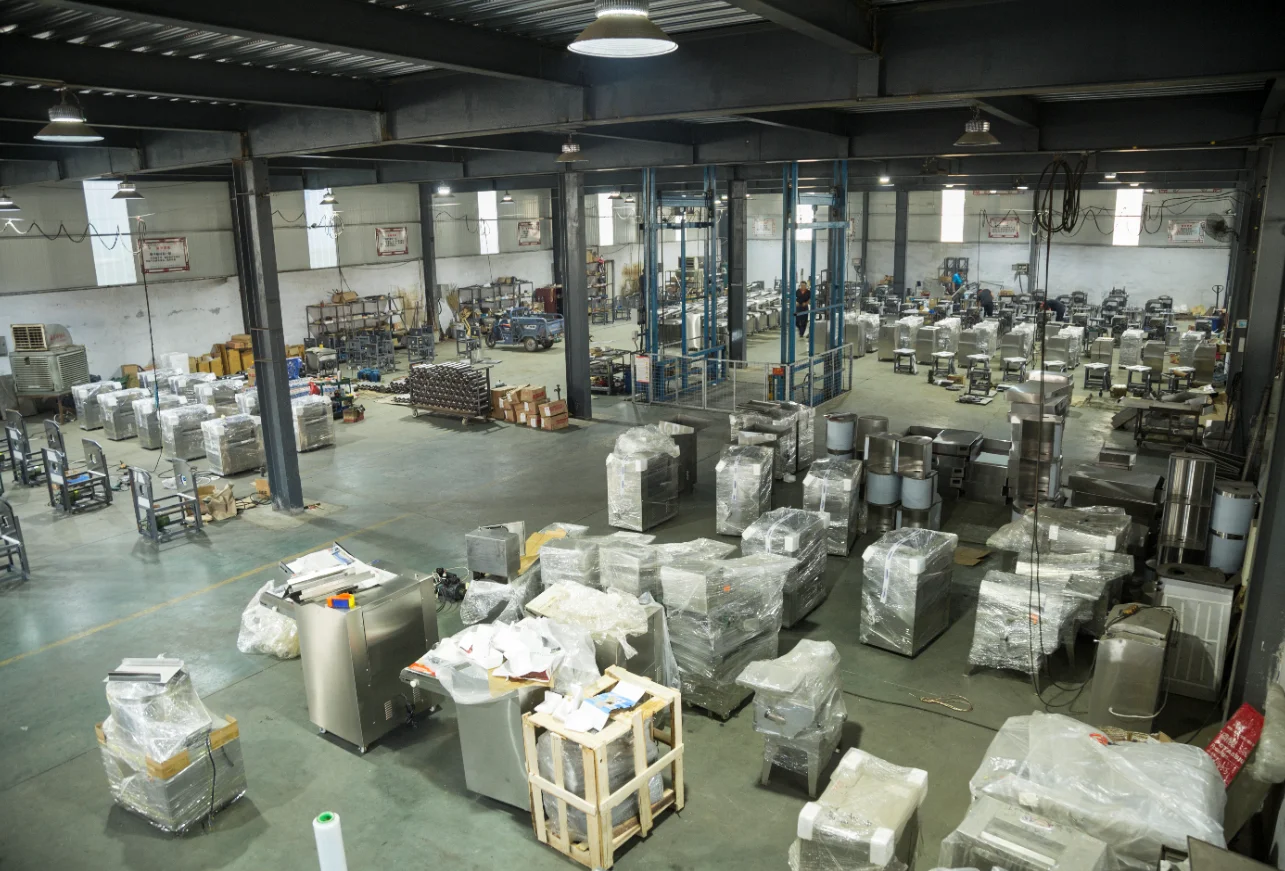
Jinan Star Bake Machinery Equipment Co., Ltd.
- Manufacturer, Trading Company
- Shandong, China
- Lead time7 days
- Avg. response≤ 4h
Main productsTortilla Making Machine; Pita Bread Machine; Dumpling Machine; Bakery Machine; Vegetable Processing Machine,cooking mixer machine,pita bread making machine,french fries line,bakery
Main marketsSoutheast Asia(20.00%), North America(20.00%), Oceania(10.00%), South Asia(10.00%), South America(10.00%), Mid East(10.00%), Africa(5.00%), Western Europe(5.00%), Eastern Asia(5.00%), Eastern Europe(5.00%)
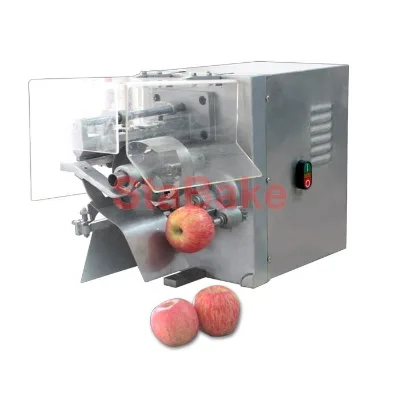
Industrial Apple Peeler for Apple Peeling and Cutting
$2000.00 - $2650.00
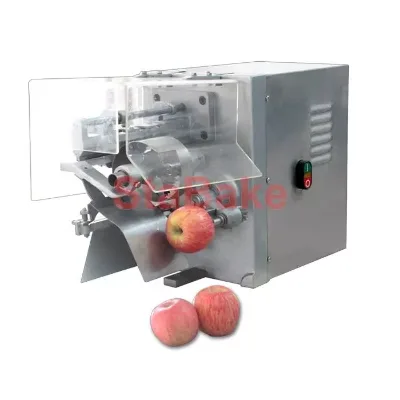
Desktop Apple Peeler & Core Remover Machine for Peeling Fruit & Vegetables
$1800.00 - $2200.00
MOQ: 1 sets
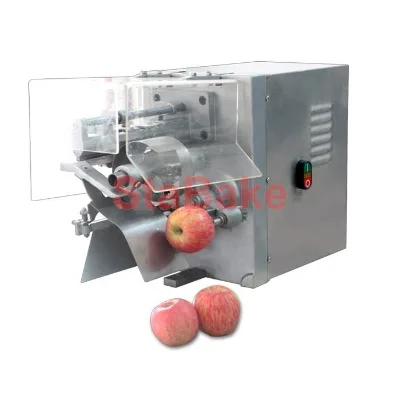
Commercial Electric apple Peeler Corer Slicer Machine for Apples Peach
$2000.00 - $2650.00
MOQ: 1 sets
Henan Share M&E Equipment Co.,Ltd
- Verified by SGS Group
- Trading Company
- Lead time7 days
- Avg. response≤ 3h
Main productsTextile Machinery, Printing Machinery, Construction Machinery, Wood Machinery
Main marketsNorth America(20%), South America(20%), Eastern Europe(10%)
Zhengzhou Bingrong Information Technology Co., Ltd.
- Trading Company
- Henan, China
- Lead time0 days
- Avg. response≤ 3h
Main productscloth end cutter,donut machine,thin film cutter,paper roll to sheet cutter
Main marketsNorth America(48.00%), Africa(33.00%), Eastern Europe(15.00%), South America(2.80%), Western Europe(1.20%)

Zhaoqing Hexu Machinery Co., Ltd.
- Verified by SGS
- Trading Company,Manufacturer/Factory
- China Guangdong
- Lead time15 days
- Avg. response≤ 4h
Main productsCheese Cutting Machine, Vegetable and Fruit Washing Machine, Vegetable and Fruit Cutting Machine, Vegetable and Fruit Peeling Machine, Vegetable Dehydrating Machine, Juice Extractor Machine, Meat Cutting Machine, Fish Peeling Machine, Vegetable Processing Line, Potato Chips French Fries Processing Line
Main marketsSouth America,Eastern Europe,Mid East,North America,Southeast Asia,Eastern Asia,Oceania,Western Europe,Africa

Multifunctional Peeling Cutting Slicing Machine for Apple and Pear
$11980.00 - $15800.00
MOQ: 1 Pieces

Automatic Apple Peeling Machine Electric Apple Peeling Coring Slicing Machine for Food Factory
$1880.00 - $1980.00
MOQ: 1 Pieces

Guangdong Shenghui Machinery Co., Ltd
- Verified by TUVRHEINLAND
- Combined
- China Guangdong
- Lead time23 days
- Avg. response≤ 9h
Main productsFood Machine, Vegetable Cutting Machine, Vegetable Washing Machine, Fruit Cleaning Machine, Bone Sawing Machine, Grinding Machine, Peeling Machine, Packing Machine, Fish Skinning Machine, Fish Extraction Machine
Main marketsSoutheast Asia/ Mideast,Domestic

Factory Apple Peeling Machine Food Machinery Apple Fruit Peeler Apple Skin Removing Machine
$2190.00 - $2550.00
MOQ: 1 pc


Automatic Apple Peeler Corer Slicer Machine Pear Fruit Peeling Equipment Cutter
$2190.00 - $2550.00
MOQ: 1 pc


Henan Baixin Machinery Equipment Co., Ltd.
- Verified by SGS
- Combined
- China Henan
- Lead time15 days
- Avg. response≤ 2h
Main productsMesh Belt Continuous Dryer, Heat Pump Dryer, Microwave Dryer, French Fries Production Line
Main marketsSouth America,Africa,Southeast Asia/ Mideast,Europe


Banana Slicer Machine Plantain Slicer Machine Apple Chips Cutting Machine
$3300.00 - $3500.00
MOQ: 1 Pieces

Zhaoqing Tengsheng Machinery Co., Ltd.
- Verified by SGS
- Combined
- China Guangdong
- Lead time15 days
- Avg. response≤ 6h
Main productsVegetable Machine
Main marketsSoutheast Asia/ Mideast,Europe,North America
Yantai Jett Machinery Co., Ltd.
- Manufacturer, Trading Company
- Shandong, China
- Lead time0 days
- Avg. response≤ 5h
Main productsEmma: Thicknesser,Planer,Band saw,Edge banding machine
Main marketsCentral America(14.00%), South Asia(12.00%), Oceania(11.00%), South America(10.00%), Africa(9.00%), Southern Europe(8.00%), Western Europe(7.00%), Mid East(6.00%), Eastern Europe(5.00%), Northern Europe(5.00%), Eastern Asia(4.00%), Southeast Asia(4.00%), Domestic Market(3.00%), North America(2.00%)
Guangzhou Gelgoog Foods Co., Ltd.
- Verified by Intertek
- Manufacturer, Trading Company
- Lead time15 days
- Avg. response≤ 2h
Main productsMultifunction Packing Machine, Tomato Paste Making Machine, Nuts Roasting Seasoning Machine, Fruit And Vegetable Washing Sorting Machine, Full Automatic Ice Cream Cone Machine
Main marketsSouth America(40%), Southeast Asia(30%), Western Europe(5%)
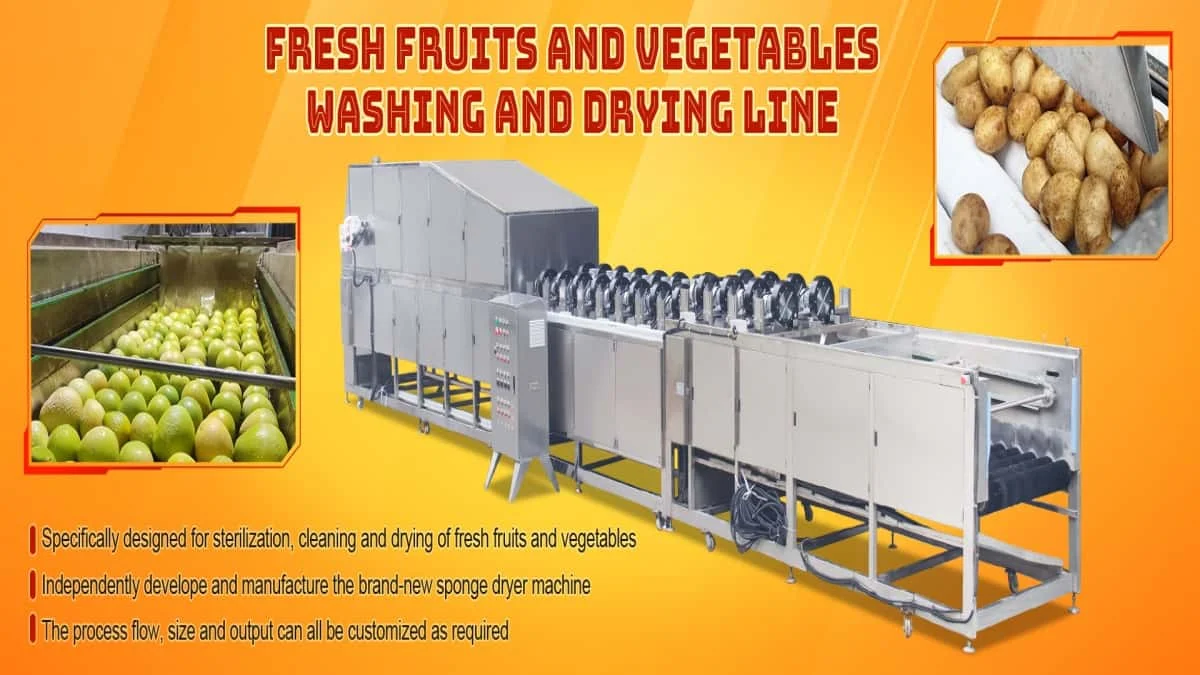
Zhaoqing Hexu Machinery Co., Ltd.
- Manufacturer, Trading Company
- Guangdong, China
- Lead time0 days
- Avg. response≤ 3h
Main productsvegetable processing machine,fruit processing machine,cheese cutting machine,meat processing machine,fish processing machine
Main marketsMid East(10.00%), Domestic Market(10.00%), Southern Europe(10.00%), Southeast Asia(10.00%), Central America(10.00%), South America(10.00%), North America(10.00%), Oceania(5.00%), South Asia(5.00%), Africa(5.00%), Northern Europe(5.00%), Eastern Europe(5.00%), Western Europe(5.00%)
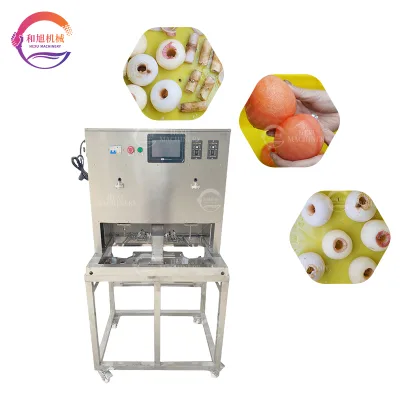
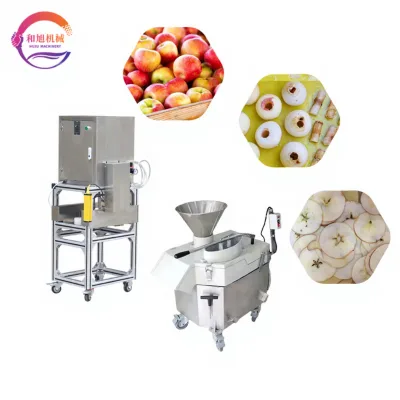
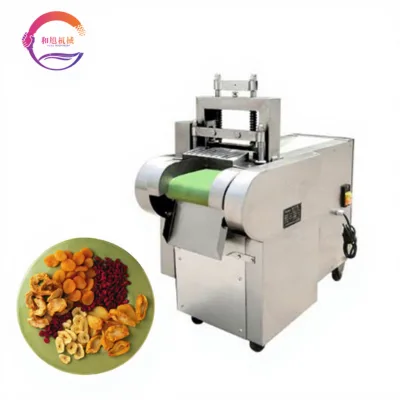
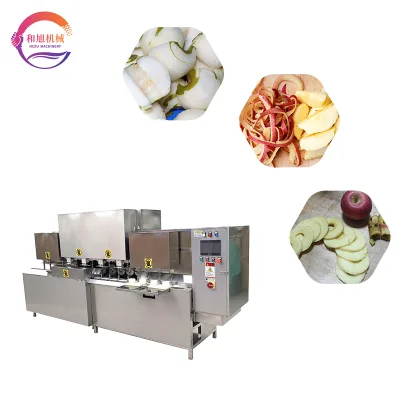
Automatic Fruit Peeling Machine Apple Skin Peeler and Core Remove Machine Apple Ring Slicing Machine
$5098.00 - $5198.00
MOQ: 1

Zhengzhou Honest Machinery Co., Ltd.
- Trading Company,Manufacturer/Factory
- China Henan
- Lead time15 days
- Avg. response≤ 5h
Main productsFood Machinery, Packing Machines, Microwave Equipment, Drying Machines, Grain Product Making Machines, Commodity Making Machines, Texitle Machines, Construction Machinery
Main marketsSouth America,Eastern Europe,Mid East,North America,Southeast Asia,Eastern Asia,Oceania,Western Europe,Africa

Pear Cutter / Potato Peeling Machine / Apple Slicing Machine / Apple Peeler / Fruit Peeler
$8999.00 - $13899.00
MOQ: 1 set

Electric Apple Peeler Corer Slicer / Fruit Cutting Machine / Apple Peeler
$1089.00 - $1689.00
MOQ: 1 set

Fruit Processing Machine / Fruit Peeler / Apple Peeling Machine / Apple Peeler Corer Slicer
$1089.00 - $1689.00
MOQ: 1 SET

Apple Corer Slicer / Fruit Slicer / Orange Peeler / Potato Peeler / Fruit Peeling Machine
$8999.00 - $13899.00
MOQ: 1 set

Kiwi Peeler / Fruit Slicer Cutter / Lemon Peeling Machine / Apple Cutter / Fruit Peeler
$8999.00 - $13899.00
MOQ: 1 set

Automatic Electric Apple Peeler Corer Slicer / Fruit Peeler Machine / Orange Peeling Machine
$8999.00 - $13899.00
MOQ: 1 set
ZHENGZHOU HONGSHI MACHINERY CO.,LTD
- Verified by TüVRheinland
- Manufacturer, Trading Company
- Lead time15 days
- Avg. response≤ 4h
Main productsAgricultural Machinery, Food Machinery, Paraffin Machinery, Textile Machinery, Environmental Protection Machinery
Main marketsNorth America(36%), Southeast Asia(15%), South America(12%)
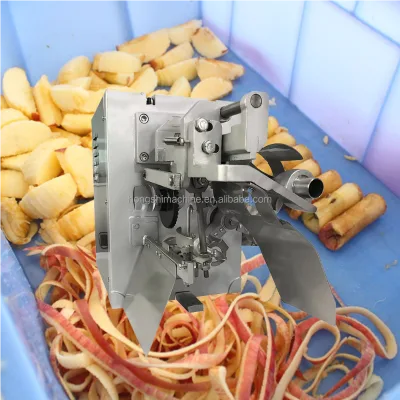
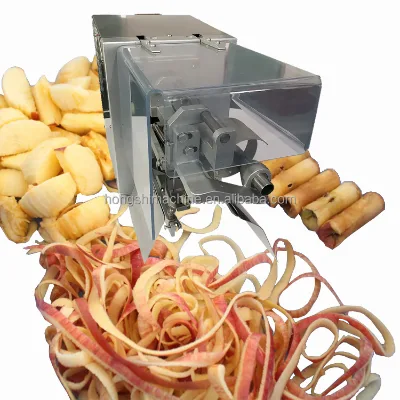
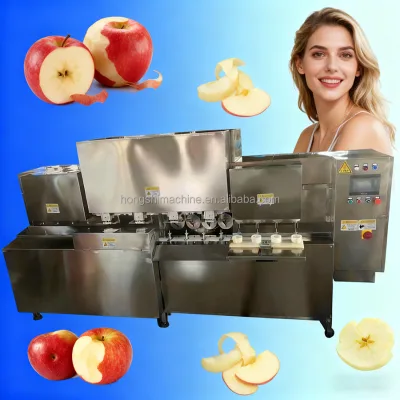
$1639.4484 - $1741.914
MOQ: 1 sets
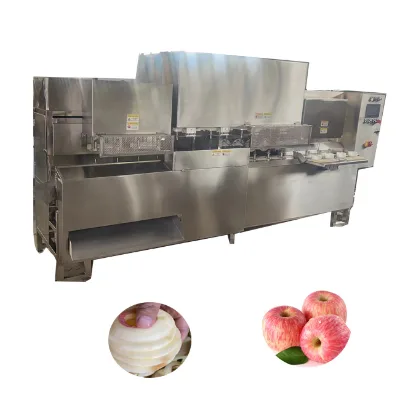
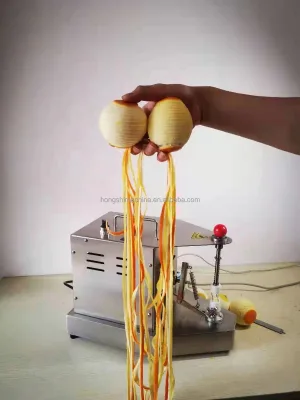
$5655.0221 - $17273.5221
MOQ: 1 Minimum
Zhengzhou Megaplant Imp. & Exp. Co., Ltd.
- Verified by TüVRheinland
- Trading Company
- Lead time5 days
- Avg. response≤ 2h
Main productsElectric Trolley, Rice Processing Machine, Packing Machine, Food And Beverage Machinery, Electric Surfboard
Main marketsNorth America(42%), Africa(22%), Southeast Asia(12%)

Luohe Juyou Commercial & Trading Co., Ltd.
- Verified by BV
- Trading Company,Manufacturer/Factory
- China Henan
- Lead time15 days
- Avg. response≤ 6h
Main productsDumpling Machine, Tortilla Pita Bread Machine, Meat Cutting Machine, Dough Divider Machine, Dough Mixer Machine, Meat Dicing Machine, Potato Chips Machine, Frying Machine, Packing Machine, Juice Machine
Main marketsSouth America,Eastern Europe,North America,Southeast Asia,Eastern Asia,Western Europe,Africa

Commercial Apple Peeler Corer Slicer Peeling Machine Mango Peeler Machine
$4400.00 - $4800.00
MOQ: 1 Pieces

Automatic Apple Pear Slicer Corer Peeler Peeling Core Removing Machine
$4400.00 - $4800.00
MOQ: 1 Pieces

Jinan Damatic Machinery Equipment Co., Ltd.
- Verified by SGS
- Trading Company,Manufacturer/Factory
- China Shandong
- Lead time45 days
- Avg. response≤ 8h
Main productsBakery Machinery Machines, Grain Product Processing Machines, Meat Processing Machines, Fruits and Vegetable Processing Machines, French Fries and Potato Chips Line, Pita Bread Line, Vegetable Washing and Sorting Line, Biscuit Making Line, Bread Making Line
Main marketsSouth America,Eastern Europe,Mid East,North America,Southeast Asia,Eastern Asia,Oceania,Western Europe,Africa

Electric Fruit Apple Pear Core Remover Cut Peeler Slice and Core Removing Half-Cutting Machine
$11000.00 - $12600.00
MOQ: 1 Pieces


$11000.00 - $12600.00
MOQ: 1 Pieces
Zhengzhou Share Machinery Co., Ltd.
- Trading Company
- Henan, China
- Lead time7 days
- Avg. response≤ 3h
Main productsConstruction Machinery/Industrial Machinery/Printing Machinery
Main marketsSouth America(20.00%), North America(20.00%), Africa(10.00%), Southeast Asia(10.00%), Eastern Europe(10.00%), Oceania(7.00%), South Asia(5.00%), Southern Europe(5.00%), Central America(5.00%), Western Europe(2.00%), Eastern Asia(2.00%), Northern Europe(2.00%), Mid East(2.00%)
Dongguan City Strong Machinery Co., Ltd.
- Verified by TüVRheinland
- Trading Company
- Lead time0 days
- Avg. response≤ 5h
Main productsWrapping Machines
Main marketsNorth America(15%), South America(10%), Southeast Asia(10%)
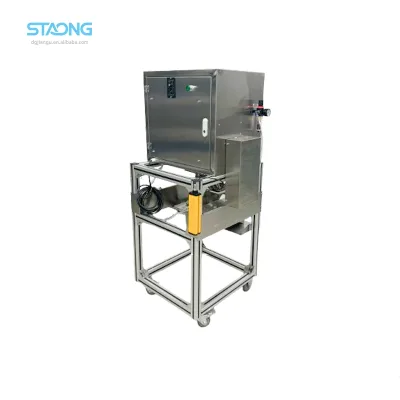
Stainless Steel Apple Peeler Corer Slicer Apple Peeler Corer Slicer Machine
$2380.00 - $2980.00
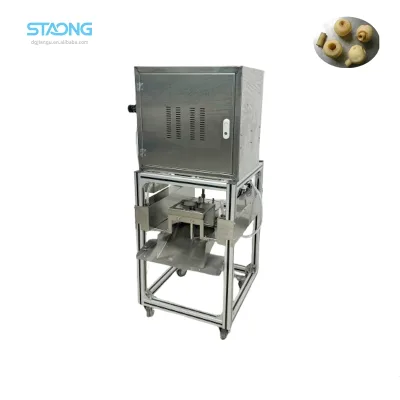
Peer Apple Peeling Machine Semi Automatic Apple Core Cutting Machine
$2380.00 - $2980.00

Tianjin Sure International Trading Co., Ltd.
- Verified by SGS
- Combined
- China Tianjin
- Lead time30 days
- Avg. response≤ 3h
Main productsFood Processing Machinery, Refrigeration & Heat Exchange Equipment, Agricultural & Food Processing Machinery, Meat Processing Machinery, Vegetables & Fruits Processing Line, Bakery Machinery, Quick-Freezing Equipments
Main marketsSouth America,Europe,North America

Apple Peeler Machine Apple Peeler Machine Automatic with Coring Slicing Function
$12000.00
MOQ: 1 Pieces


High Production Fruit Peeling Slicing Machine Apple Peeling Core Removing Machine
$11300.00
MOQ: 1 Pieces

Henan Chanda Machinery Co., Ltd
- Verified by TUVRHEINLAND
- Trading Company,Manufacturer/Factory
- China Henan
- Lead time15 days
- Avg. response≤ 4h
Main productsFood Machine, Vegetable Cutting Machine, Bun Making Machine, Roti Making Machine, Samosa Making Machine, Skin Vacuum Packing Machine, Peeling Machine, Tablet Press Machine, Noodle Boiler, Meat Cutting Machine
Main marketsSouth America,Eastern Europe,Mid East,North America,Southeast Asia,Eastern Asia,Oceania,Western Europe,Africa

Apple Peeling Coring Slicing Machine/Industrial Apple Peeler/Apple Peeler Corer Slicer
$1800.00 - $2200.00
MOQ: 1 Pieces

Industrial Apple Peeler/Orange Peeling Machine/Fruit Processing Machine
$1800.00 - $2200.00
MOQ: 1 Pieces

- Verified by SGS
- Combined
- China Shandong
- Lead time30 days
- Avg. response≤ 3h
Main productsCrate/Can/Pallet /Basket Washing Machine, Vegetable /Fruit Washing Cutting Production Line, Continuous Frying Machine, Blanching Machine, Steam Peeling Machine, Vegetable Salad Processing Line, Vegetable /Fruit Peeler, Frozen French Fries Production Line, Garlic Production Line, Vacuum Marinator
Main marketsSouth America,Domestic,Europe

Commercial Fruit Peeling Machine Automatic Apple Skin Remover Pear Peeler
$8000.00 - $12500.00
MOQ: 1 Sets

Commercial Apple Peeler High Efficiency Fruit Skin Core Removing Machine
$8500.00 - $12000.00
MOQ: 1 Sets

Commercial Fruit Peeling Machine Apple Skin Removing Machines Lemon Peeler
$8500.00 - $12000.00
MOQ: 1 Sets
Tianjin Joy Machinery And Equipment Co. Ltd
- Manufacturer, Trading Company
- Tianjin, China
- Lead time25 days
- Avg. response≤ 1h
Main productsFruit and vegetable processing machines,Meat processing machines,Food processing machines,High pressure pump,Crate washing machine
Main marketsNorth America(20.00%), Northern Europe(15.00%), South America(15.00%), Eastern Asia(10.00%), Southeast Asia(8.00%), Eastern Europe(5.00%), Domestic Market(5.00%), Western Europe(5.00%), Southern Europe(5.00%), Mid East(5.00%), South Asia(3.00%), Central America(2.00%), Africa(2.00%)
ZHE CHENG HONGXIN MACHINRERY FACTORY
- Verified by TüVRheinland
- Manufacturer, Trading Company
- Lead time15 days
- Avg. response≤ 3h
Main productsIntestine Case Cleaning Machine, Sesame Peeling Machine, Cardboard Expanding Shredder Machine, Flax Brake, Grain Thresher Machine
Main marketsNorth America(20%), Southeast Asia(20%), Africa(20%)
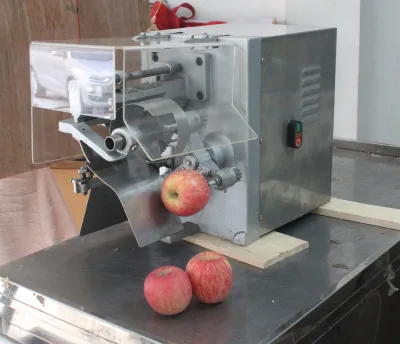
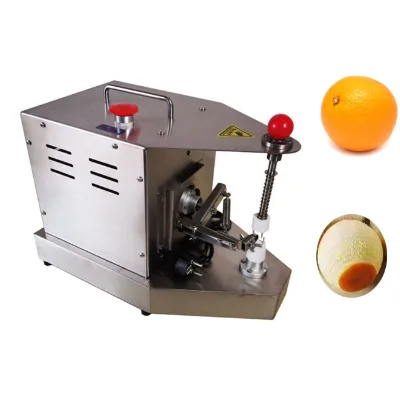
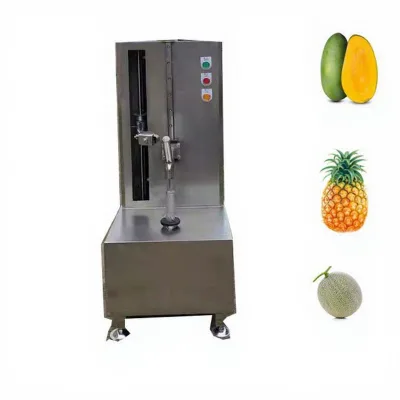
$1499.00 - $1800.00
MOQ: 1 sets
Zhengzhou Hongle Machinery Equipment Co., Ltd.
- Verified by SGS Group
- Manufacturer, Trading Company
- Lead time15 days
- Avg. response≤ 4h
Main productsFruit and Vegetables Production Line, Chicken Feet Production Line, Packing Machine Production Line, Nut Processing Line, Frying Production Line
Main marketsCentral America(20%), Africa(15%), Southern Europe(10%)

ZHENG ZHOU XINKE MACHINERY AND EQUIPMENT CO.,LTD
- Verified by TUVRHEINLAND
- Trading Company
- China Henan
- Lead time0 days
- Avg. response≤ 3h
Main productsFood Processing Machine, Industrial Material Producing Machine, Hardware Processing Machine, Paper Prodcut Processing Machine, Filling and Packing Machine, Farm and Agriculture Machine, Bread and Baking Machine, Fruit and Vegetable Processing Machine, Grain and Bean Peeling Machine, Meat and Seafood Equipment
Main marketsSouth America,Eastern Europe,Mid East,North America,Africa

Multifunctional Fruit Peeling Machine Apple Coring Machine Apple Peeler Corer Slicer Machine
$15000.00 - $17000.00
MOQ: 1 set

Multifunctional Stainless Steel Apple Peeler Apple Corer Pineapple Peeling Machine
$15000.00 - $17000.00
MOQ: 1 set

Hot Selling Commercial Apple Slicer Machine Apple Peeler Corer Mango Peeling Machine
$15000.00 - $17000.00
MOQ: 1 set

High Quality Apple Peeler Machine Apple Slicer Lemon Peeling Machine for Sale
$15000.00 - $17000.00
MOQ: 1 set

Hot Selling Apple Pineapple Slicer Corer Pear Peeling Machine Pear Slicing Machine
$15000.00 - $17000.00
MOQ: 1 set

High Quality Orange Peeler Apple Peeling Machine Multifunctional Fruit Slicing Machine
$15000.00 - $17000.00
MOQ: 1 set
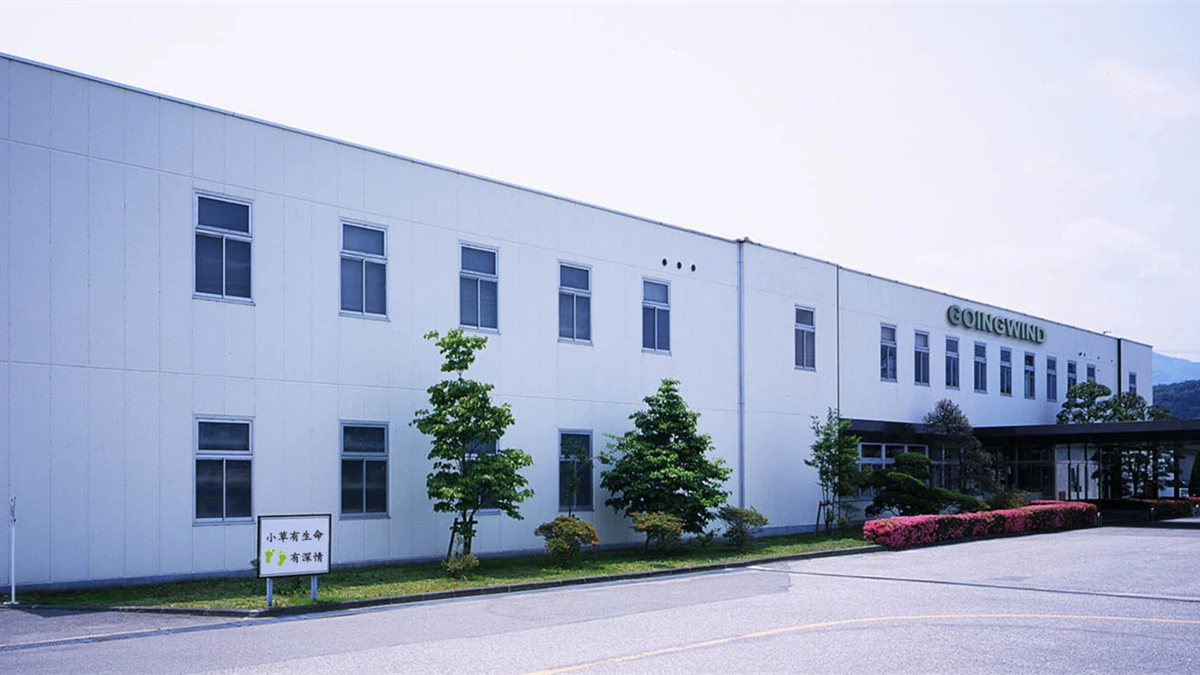
Shanghai Goingwind Machinery Co., Ltd.
- Trading Company
- Shanghai, China
- Lead time30 days
- Avg. response≤ 2h
Main productsMilk & Yogurt Processing Plant,Fruit Juice Processing Plant,Tomato Paste & Ketchup Processing Plant,Powder & Flour Grinding Equipment,Essential Oil Distillation Equipment
Main marketsEastern Europe(15.00%), Southeast Asia(15.00%), North America(15.00%), Mid East(12.00%), Africa(10.00%), Central America(5.00%), Northern Europe(5.00%), Eastern Asia(5.00%), Domestic Market(5.00%), Oceania(5.00%), Western Europe(3.00%), South Asia(2.00%), South America(2.00%), Southern Europe(1.00%)

Shandong Shengtu Bufan Intelligent Technology Co., Ltd.
- Verified by SGS
- Combined
- China Shandong
- Lead time30 days
- Avg. response≤ 1h
Main productsMeat Processing Machine, Fruit and Vegetable Processing Machine, Filling and Packaging Machine, Cleaning Equipment, Sterilization Equipment, Dairy Processing Equipment, Freeze Drying Equipment, Deep Fryer, Snacks Production Line, Cutting Machine
Main marketsSouth America,East Asia(Japan/ South Korea),Europe,North America

Food-Grade Auto-Load Apple Peeler: High-Yield Processing System for Jam Factory Equipment
$12700.00 - $16400.00
MOQ: 1 Pieces

Commercial Industrial Kitchen Electric Professional High-Speed Automatic Apple Food Peeler
$13200.00 - $16700.00
MOQ: 1 Sets
- Trading Company
- Henan, China
- Lead time10 days
- Avg. response≤ 2h
Main productsGrain Product Making Machines,Industrial Sewing Machine,Bakery Dough Mixer,Snack Machines,Dumpling Making Machine
Main marketsEastern Europe(14.00%), Eastern Asia(12.00%), Southeast Asia(10.00%), North America(10.00%), Oceania(8.00%), Western Europe(7.00%), Southern Europe(7.00%), Africa(7.00%), Mid East(6.00%), Northern Europe(6.00%), South America(6.00%), Central America(3.00%), Domestic Market(2.00%), South Asia(2.00%)
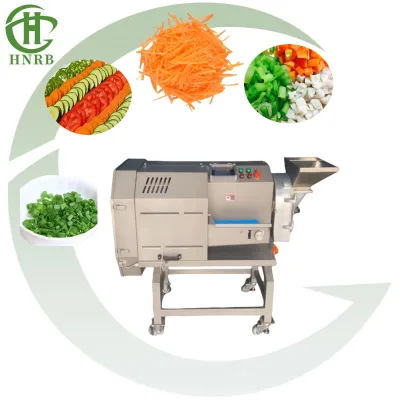
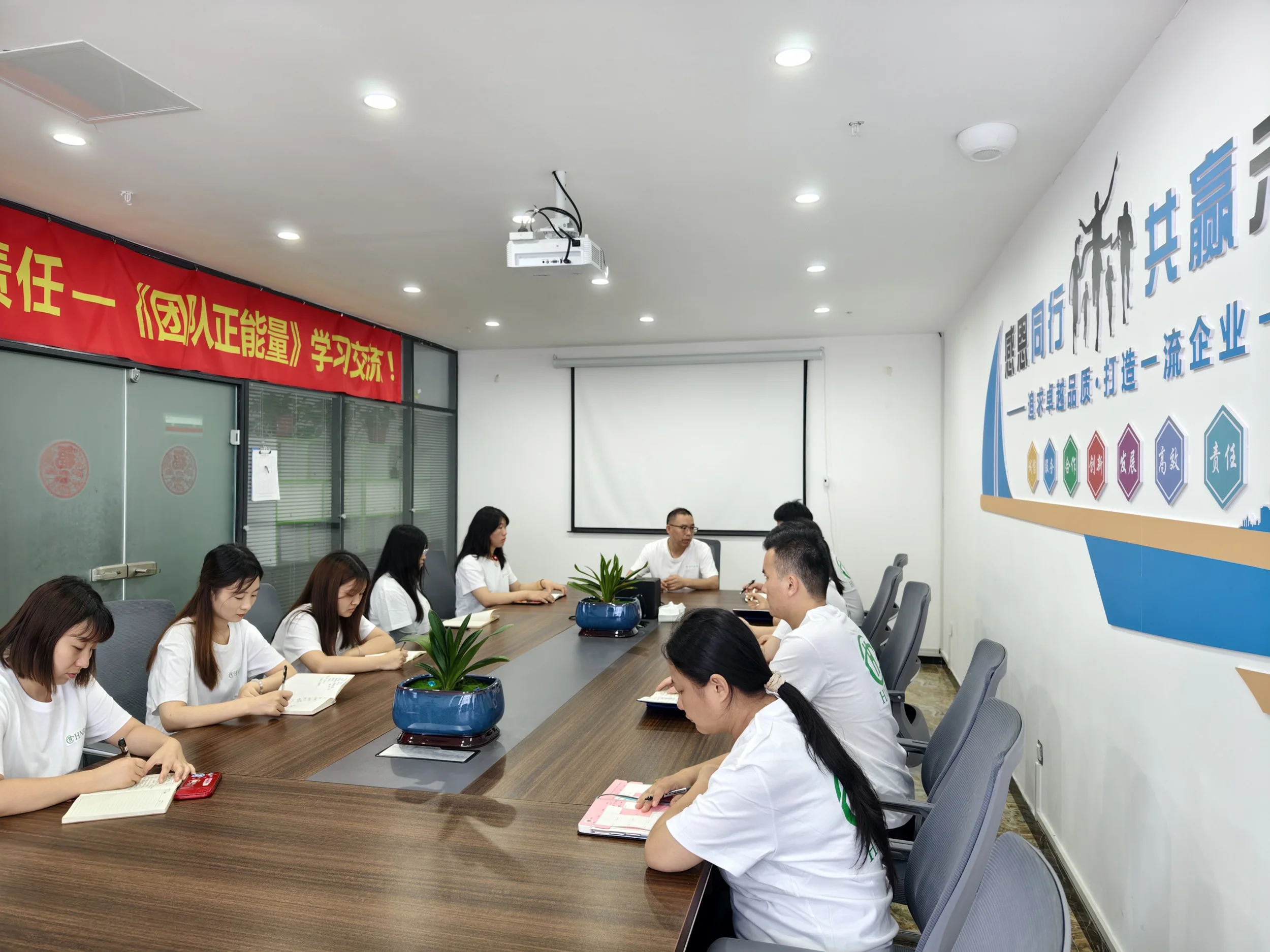
$3600.00 - $4000.00
MOQ: 1 sets
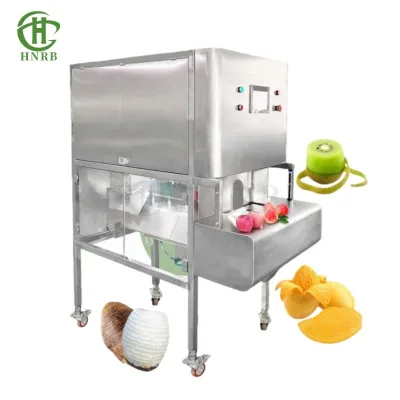
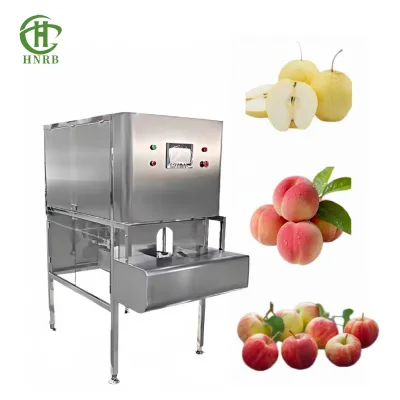
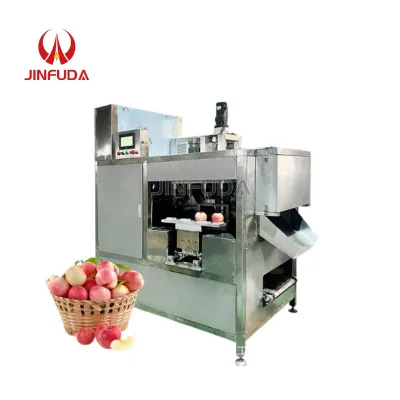


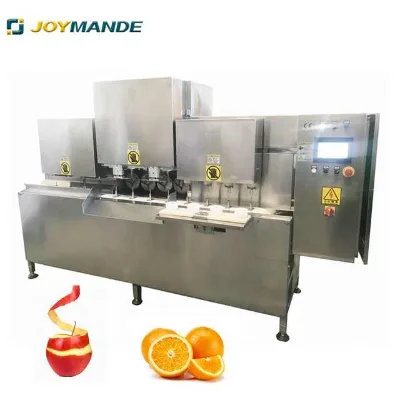
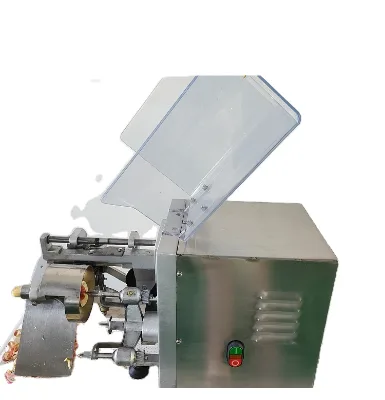
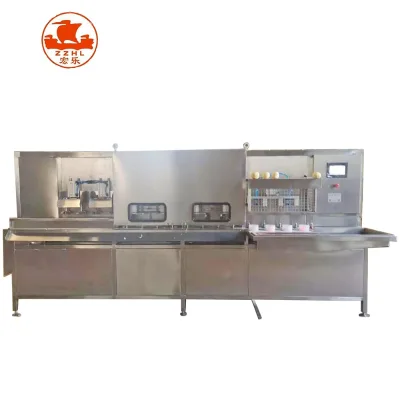
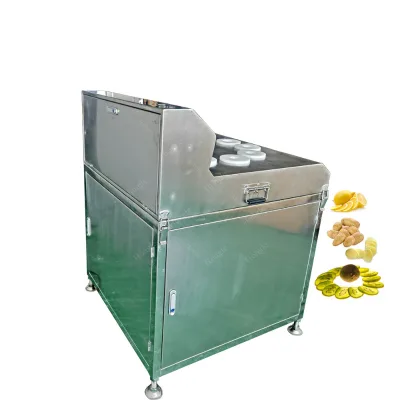
Comprehensive Sourcing Guide
Snack Food Factory Apple Peeler and Cutting Machine Supplier Concentration and Factory Types
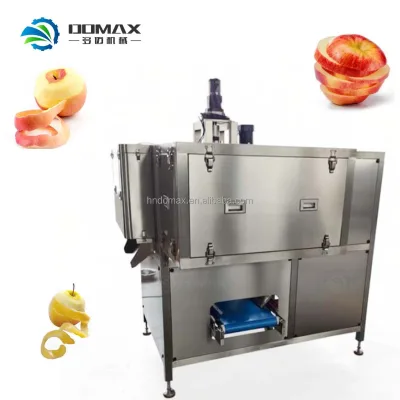
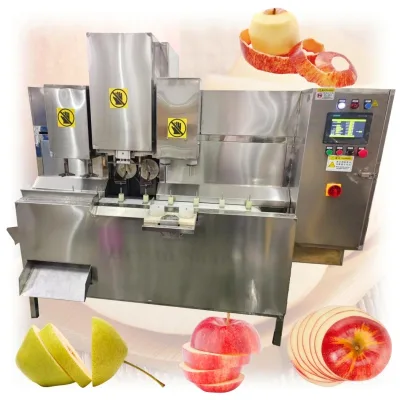
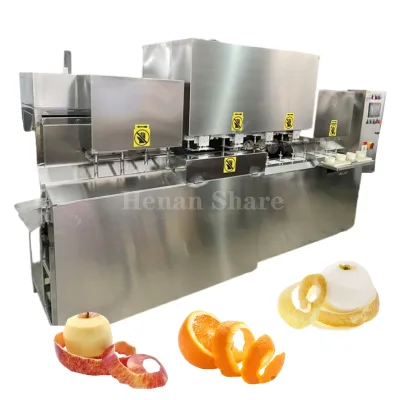
The current supplier landscape for industrial fruit processing equipment reveals a distinct concentration of manufacturing capabilities within China, specifically in the Henan region. This geographic clustering suggests a specialized industrial ecosystem where suppliers have developed deep expertise in meat, dairy, and fruit processing machinery. Buyers evaluating these facilities will encounter a mix of company types, including trading companies, manufacturer/factories, and larger group corporations. This diversity in organizational structure impacts how production is managed and how quality control is enforced. The presence of group corporations often indicates a more robust supply chain and potentially greater capacity for large-scale orders, while trading companies may offer broader product ranges but less direct control over the manufacturing process. Understanding this structural variety is crucial for aligning supplier capabilities with specific production volume requirements.
Within this concentrated region, suppliers offer a wide array of main products that extend beyond simple apple peelers to include comprehensive processing lines. Many factories specialize in meat processing machinery, egg processing equipment, and grain product making machines, indicating a versatile engineering capability that can be applied to fruit processing tasks. This versatility often translates to higher build quality and more durable machinery, as the same engineering principles apply across different food processing sectors. The availability of OEM and ODM services, along with own brand capabilities like HENTO, suggests that many of these factories are equipped to customize machinery for specific operational needs. Buyers should recognize that a supplier’s ability to produce diverse machinery types often correlates with a more mature manufacturing infrastructure, which can be a significant advantage when sourcing complex automated peeling and cutting systems for high-volume snack food production environments.
How to Verify Snack Food Factory Apple Peeler and Cutting Machine Suppliers
Verification of supplier credentials is a critical step in mitigating risk when sourcing industrial food processing equipment. Buyers should prioritize suppliers who hold recognized system certifications, such as ISO 9001, which demonstrates a commitment to standardized quality management processes. Additionally, third-party verification badges like SGS provide an external layer of trust, confirming that the supplier has undergone rigorous audits of their business operations and product quality. These verification markers are essential indicators of reliability, especially when dealing with high-value machinery that will operate continuously in a snack food factory setting. The presence of these certifications suggests that the supplier adheres to international standards for manufacturing and quality control, reducing the likelihood of receiving substandard equipment that could disrupt production lines.
Beyond certifications, buyers must assess the supplier’s responsiveness and technical support capabilities. Response times, such as those recorded at 5.92 hours or faster, indicate a supplier’s readiness to engage with potential clients and address technical queries promptly. This responsiveness is particularly important during the pre-sales phase, where detailed specifications and customization requirements need to be discussed. Furthermore, the availability of machinery test reports and video outgoing-inspections provides tangible evidence of product quality before shipment. Suppliers who provide these documents demonstrate transparency and confidence in their manufacturing processes. Buyers should also verify the warranty terms and after-sales service provisions, such as online support, to ensure long-term operational stability. These verification steps collectively help buyers distinguish between reputable manufacturers and less reliable entities in the competitive snack food machinery market.
What to Compare Across Snack Food Factory Apple Peeler and Cutting Machine Suppliers
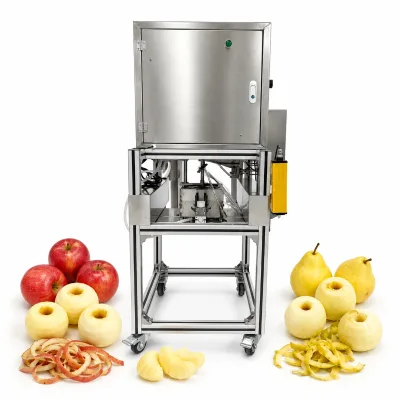
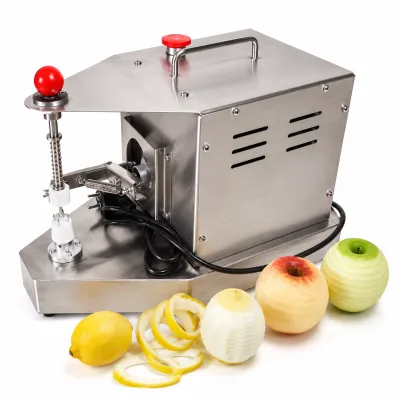
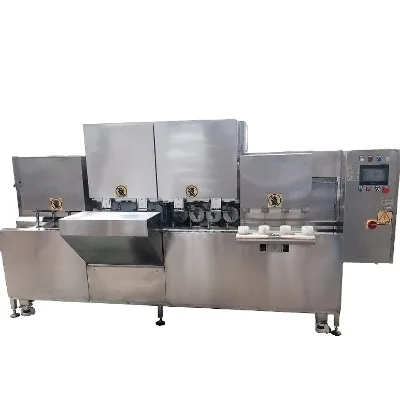
When evaluating multiple suppliers, buyers must compare key operational metrics to determine the best fit for their production needs. One of the most significant differentiators is the machinery capacity, which ranges from small-scale units processing 5-10 pieces per minute to high-automation lines capable of handling 2400-3600 pieces per hour. This wide variance allows buyers to select equipment that precisely matches their throughput requirements, avoiding both underutilization and bottlenecks. Additionally, the physical dimensions and weight of the machines, such as a 36kg unit versus an 800kg industrial line, impact factory floor planning and installation logistics. Buyers should carefully assess these physical attributes to ensure compatibility with their existing infrastructure and space constraints. Comparing these technical specifications ensures that the selected machinery aligns with both current production volumes and future scalability plans.
Price and minimum order quantity (MOQ) are also critical factors in supplier comparison. Prices for apple peeling and cutting machines vary significantly, ranging from under $100 for small electric units to over $14,000 for fully automated industrial lines. This price disparity reflects differences in automation level, material quality, and processing capacity. Buyers should evaluate the cost per unit of output rather than just the total machine price to determine true value. Furthermore, MOQs as low as one unit offer flexibility for small-scale operations or testing, while larger orders may require negotiation. Lead times, which can range from 15 days to 30 days or be subject to seasonal fluctuations, also impact procurement planning. By comparing these commercial and technical parameters side-by-side, buyers can make informed decisions that balance cost, capacity, and delivery speed to optimize their snack food production efficiency.
Common Snack Food Factory Apple Peeler and Cutting Machine Sourcing Risks
One of the primary risks in sourcing industrial fruit processing machinery is the variability in lead times, which can be influenced by seasonal demand and production capacity. Suppliers may indicate lead times of 15 days during off-peak seasons, but these can extend to 30 days or become "to be negotiated" during peak periods. This unpredictability can disrupt production schedules in snack food factories, leading to potential downtime and missed delivery deadlines for finished goods. Buyers must account for these fluctuations in their procurement planning and maintain open communication with suppliers to anticipate delays. Additionally, the complexity of automated machinery increases the risk of installation and operational errors if proper training and support are not provided. Ensuring that the supplier offers comprehensive after-sales service, such as online support or on-site assistance, is essential to mitigate these operational risks and maintain continuous production flow.
Another significant risk involves the mismatch between supplier claims and actual product performance, particularly regarding customization and material quality. While many suppliers advertise customizable features, such as adjustable cutting thickness or specific apple diameter applications, the actual implementation may vary. Buyers must verify that the machinery meets their specific operational requirements, such as the ability to handle different fruit varieties or achieve precise slice counts. The use of materials like Stainless Steel 304 is a common specification, but buyers should confirm this through test reports or direct inspection. Furthermore, the risk of receiving machinery that does not integrate seamlessly with existing processing lines is heightened when dealing with diverse product ranges. Suppliers offering a wide array of machinery types may lack specialized expertise in fruit processing, potentially leading to suboptimal performance. Thorough due diligence and clear contractual specifications are necessary to manage these risks effectively.
Snack Food Factory Apple Peeler and Cutting Machine Regional Sourcing and Logistics
Sourcing machinery from concentrated manufacturing regions like Henan, China, offers logistical advantages but also presents specific challenges related to transportation and installation. The proximity of suppliers within this cluster can facilitate easier coordination and potentially lower shipping costs for bulk orders. However, the weight and dimensions of industrial apple peeling machines, which can range from 36kg to 800kg, require careful logistics planning. Larger units often require fumigation-free wooden case packaging to ensure safe transit, adding complexity to the shipping process. Buyers must consider the total landed cost, including freight, insurance, and customs duties, when evaluating supplier quotes. The origin of the machinery, such as Henan or Guangxi, may also influence shipping routes and transit times, impacting the overall delivery schedule. Understanding these logistical factors is crucial for accurate budgeting and timeline management.
International shipping of heavy industrial machinery also requires attention to compliance and handling procedures. Suppliers must provide accurate documentation, including machinery test reports and video inspections, to facilitate customs clearance. The voltage specifications of the equipment, such as 220V or multi-voltage options, must match the electrical infrastructure of the snack food factory to avoid compatibility issues. Buyers should verify that the supplier’s packaging standards meet international shipping requirements to prevent damage during transit. Additionally, the availability of local service partners or the supplier’s ability to provide remote technical support can mitigate the challenges of installing complex machinery in a foreign location. By carefully planning the logistics and ensuring compliance with local regulations, buyers can streamline the import process and ensure that their new apple peeling and cutting machines are operational with minimal delay.
Snack Food Factory Apple Peeler and Cutting Machine Commercial Terms and Order Planning
Effective order planning requires a clear understanding of the commercial terms offered by suppliers, including payment structures, warranty provisions, and after-sales support. Many suppliers offer flexible payment terms and provide warranties, such as a one-year coverage for core components like motors, which protects buyers against early failures. The availability of online support for troubleshooting and maintenance is a valuable commercial term that reduces long-term operational costs. Buyers should negotiate these terms to ensure they align with their risk tolerance and operational needs. Additionally, the ability to customize machinery, such as adjusting cutting thickness or slice counts, often comes with specific commercial conditions that must be clarified upfront. Understanding these terms helps buyers avoid unexpected costs and ensures that they receive the level of support necessary for sustained production efficiency.
Lead time negotiation is another critical aspect of commercial planning, especially for large-scale orders. Suppliers may offer different lead times based on order quantity, with smaller orders processed in 15 days and larger orders requiring negotiation. Buyers should plan their procurement cycles to account for these variations, ensuring that machinery arrives in time for production schedules. The MOQ of one unit allows for initial testing and validation, which can inform larger subsequent orders. Buyers should also consider the total cost of ownership, including energy consumption and maintenance requirements, when evaluating supplier quotes. By carefully managing commercial terms and order planning, buyers can optimize their investment in apple peeling and cutting machinery, ensuring a smooth transition from procurement to full-scale production in their snack food factory operations.
FAQs
What is the price range for apple peeler and cutting machines?
Prices for these machines range from approximately $69 to over $14,000 depending on automation level. Entry-level electric models start near $69, while industrial automatic units cost between $1,459 and $4,389. High-capacity lines with multiple workstations can exceed $11,800, reflecting their increased throughput and features.
What is the minimum order quantity for these machines?
The minimum order quantity is typically one unit for most listed models. Buyers can purchase single pieces for testing or small-scale operations. This low MOQ allows for flexible procurement without requiring bulk commitments, making it suitable for startups or facilities evaluating equipment performance before scaling up.
How long does delivery take for these machines?
Standard lead times are generally around 15 days for most suppliers. Some manufacturers indicate a 30-day production window for larger orders. During peak seasons, delivery may require negotiation, while off-peak periods often maintain the standard two-week schedule. Buyers should confirm specific timelines with the supplier before ordering.
What certifications do these suppliers hold?
Suppliers commonly hold ISO 9001 system certification and CE marks for machinery safety. Many are verified by SGS for quality assurance. These certifications ensure that the manufacturing processes and final products meet international standards for quality and safety, providing buyers with confidence in the reliability and compliance of the equipment.
Where are these apple processing machines manufactured?
Most of these machines are manufactured in China, specifically in the Henan province. Some smaller electric units originate from Guangxi. The Henan region is a known hub for food processing machinery, offering a wide variety of industrial-grade equipment tailored for fruit and vegetable processing applications.
What is the processing capacity of industrial apple peelers?
Industrial capacities vary significantly, ranging from 5 pieces per minute to 3,600 pieces per hour. Smaller units handle 8-10 pieces per minute, while high-automation lines with four workstations can process up to 3,600 pieces hourly. Buyers should select capacity based on their daily production volume requirements.