Soil Tobacco Leaf Moisture Meter Suppliers and Manufacturers
Compare 14 verified suppliers offering Soil Tobacco Leaf Moisture Meter units with varying lead times, response speeds, and certifications. Review product specifications like accuracy and measurement range before contacting vendors for quotes; review the available evidence before requesting comparable quotations from suitable candidates.
Updated
Suppliers List

Guangzhou Amittari Instruments Co., Ltd.
- Trading Company
- China Guangdong
- Lead time0 days
- Avg. response≤ 12h
Main productsPaint Thickness Meter, Coating Thickness Gauge, Roughness Tester, Hardness Tester, Moisture Meter, Vibration Meter, Tension Tester, Window Tint Meter, Glossmeter, Anemometer
- Verified by SGS Group
- Manufacturer, Trading Company
- Lead time6 days
- Avg. response≤ 2h
Main productsRefractometer, Fiber Microscope, Soil Detector, Diamond Detector, Gem Loupe
Main marketsNorth America(50%), Domestic Market(40%), Western Europe(10%)
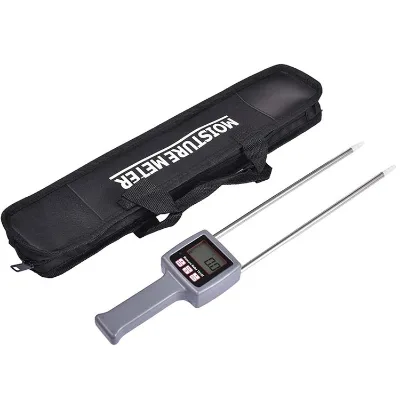
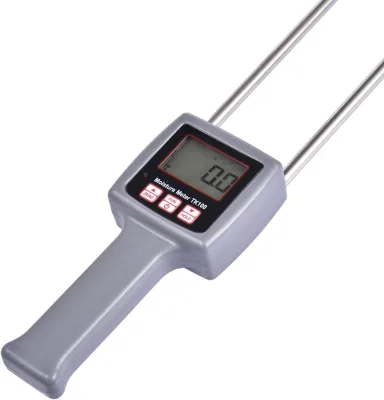
TK100 Digital Moisture Meter Professional Portable Meter Analyzer 8%-40% Tobacco Humidity Analyzer
$31.8517 - $41.0986
MOQ: 5 pieces
Dongguan Right Instrument Co., Ltd.
- Verified by SGS Group
- Trading Company
- Lead time15 days
- Avg. response≤ 1h
Main productsPlastic Test Equipment, Rubber Test Equipment, Metal Detector, Paper & Cardboard Tester, Fabric Test Equipment
Main marketsNorth America(16%), Southeast Asia(15%), Western Europe(13%)

WANT Balance Instrument Co., Ltd.
- Verified by TUVRHEINLAND
- Combined
- China Jiangsu
- Lead time15 days
- Avg. response≤ 9h
Main productsElectronic Balance, Electronic Scale, Moisture Analyzer, Viscometer, pH Meter, Weighing Scale, Precision Balance, Analytical Balance, Industry Scale, Commercial Scale
Main marketsEast Asia(Japan/ South Korea),Domestic,Europe,North America

Shijiazhuang Sanli Grain Sorting Machinery Co., Ltd.
- Verified by SGS
- Manufacturer
- China Hebei
- Lead time15 days
- Avg. response≤ 6h
Main productsSeed Processing Equipment, Seed Cleaning Machine, Seed Gravity Separator, Seed Coating Machine, Bucket Elevator, Destoner, Grains Polishing Machine, Seed Grading Machine, Seed Combined Cleaner, Agricultural Testing Instruments
Main marketsAfrica,Others(foreignTradeCapacity.exportBusinessCapacityMarketOther),Southeast Asia/ Mideast


Tk100t Portable Tobacco Bale Moisture Meter Hygrometer Tabacco Leaf Humidity Analyzer
$117.00 - $123.00
MOQ: 1 Pieces


Ningbo Kairuida Import Export Co., Ltd.
- Trading Company
- Zj, China
- Lead time60 days
- Avg. response≤ 1h
Main productsindoor and outdoor environmental thermometers and hygrometers,barbecue thermometers,swimming pool thermometers,garden thermometers,kitchen power tools
Main marketsNorth America(50.00%), Western Europe(30.00%), Northern Europe(10.00%), South America(10.00%)

Zhejiang Top Cloud-Agri Technology Co., Ltd.
- Combined
- China Zhejiang
- Lead time15 days
- Avg. response≤ 7h
Main productsSoil Nutrient Analyzer, Seed Tester Meter, Chlorophyll Meter, Leaf Area Meter, Fat Analyzer, Fruit Hardness Tester, Incubator, Grain Testing Meter Tester, Plant Physical Tester, Flour and Oil Testing Instrument
Main marketsAfrica,Southeast Asia/ Mideast,Europe

Wuxi Serve Real Technology Co., Ltd.
- Verified by BV
- Trading Company,Manufacturer/Factory
- China Jiangsu
- Lead time15 days
- Avg. response≤ 4h
Main productsConstruction Material Test Equipment, Physical Property Testing Equipment, Quality Test Instruments, Oil Analysis Instruments, Coal & Coke Instruments, Analytical Instruments, General Lab Equipment, Agricultural Instruments
Main marketsSouth America,Eastern Europe,North America,Southeast Asia,Eastern Asia,Oceania,Western Europe,Africa


High Capacity Storage Digital Moisture Tester Measure Wood Building Soil Tobacco
$205.00
MOQ: 1 Pieces

- Verified by TUVRHEINLAND
- Trading Company,Manufacturer/Factory
- China Shandong
- Lead time15 days
- Avg. response≤ 6h
Main productsThermal Analysis, Water Quality Analyzer, Textile Testing, Pulp Testing, Rubber and Plastictesting, Density Meter, Electronic Balance, Gas Detector, Moisture Meter, Paper and Paperboard Testing
Main marketsSouth America,Eastern Europe,Mid East,North America,Southeast Asia,Eastern Asia,Oceania,Western Europe,Africa

Skz111d 1 Year Warranty Moisture Tester Meter Tobacco Leaf Moisture Sensor
$350.00 - $390.00
MOQ: 1 Pieces


Shenzhen Danlin Jiye Electronic Co., Ltd.
- Manufacturer
- Guangdong, China
- Lead time3 days
- Avg. response≤ 8h
Main productsBluetooth,Bluetooth earphone,Computer Accessories,Power Cable
Main marketsEastern Europe(20.00%), Eastern Asia(15.00%), North America(15.00%), South America(15.00%), Mid East(10.00%), Western Europe(5.00%), South Asia(5.00%), Southern Europe(5.00%), Oceania(5.00%), Africa(3.00%), Southeast Asia(2.00%)

Wuxi Imhoo Technology Co., Ltd.
- Manufacturer, Trading Company
- Jiangsu, China
- Lead time30 days
- Avg. response≤ 7h
Main productsPanel Meter, Multimeter, Battery Tester, Moisture Tester
Main marketsNorth America(40.00%), South Asia(20.00%), Domestic Market(20.00%), Oceania(5.00%), Western Europe(5.00%), Eastern Europe(5.00%), Southeast Asia(5.00%)
Guangzhou Juanjuan Electronic Technology Co., Ltd.
- Verified by TüVRheinland
- Trading Company
- Lead time10 days
- Avg. response≤ 3h
Main productsRefractometer, Thermometer, Dog Training Collar, Laboratory Scale, Laboratory Centrifuge
Main marketsAfrica(18%), Mid East(12%), North America(10%)
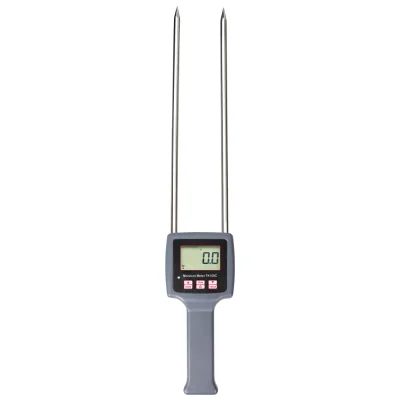
$69.7243 - $80.0805
MOQ: 1 pieces
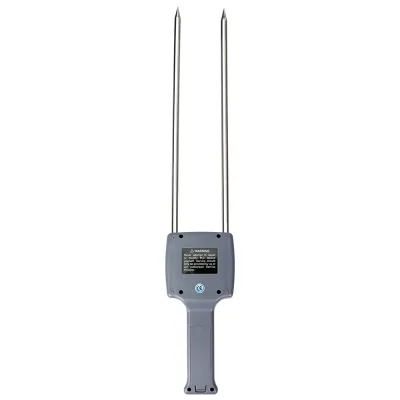
Digital Pin Type TK100T Tobacco Moisture Meter Sensitive Probe Measuring 8%-40% Tool for Tobacco
$69.868 - $80.2452
MOQ: 5 pieces
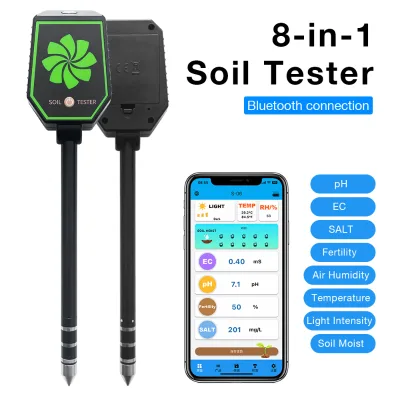
Shenzhen Handiier Technology Co.,Ltd
- Manufacturer, Trading Company
- Guangdong, China
- Lead time10 days
- Avg. response≤ 13h
Main productsshaver,shaving accessories,hair trimmer,Vacuum Cleaner Parts,Air Purifier Parts
Main marketsNorth America(50.00%), Eastern Europe(10.00%), South America(10.00%), Northern Europe(5.00%), Central America(4.00%), Western Europe(3.00%), South Asia(3.00%), Southern Europe(3.00%), Oceania(3.00%), Eastern Asia(2.00%), Mid East(2.00%), Southeast Asia(2.00%), Domestic Market(2.00%), Africa(1.00%)
Shenzhen Feng Chipsource Electronic Co., Ltd.
- Manufacturer, Trading Company, Distributor/Wholesaler
- Guangdong, China
- Lead time2 days
- Avg. response≤ 9h
Main productsIntegrated Circuit,Electronic Components,Development Board,Wifi module,Bluetooth module
Main marketsNorth America(20.00%), Northern Europe(16.00%), Southern Europe(10.00%), South America(10.00%), Western Europe(10.00%), Eastern Europe(10.00%), Domestic Market(3.00%), South Asia(3.00%), Oceania(3.00%), Africa(3.00%), Central America(3.00%), Southeast Asia(3.00%), Eastern Asia(3.00%), Mid East(3.00%)
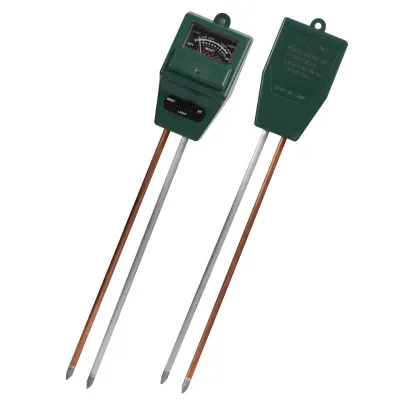
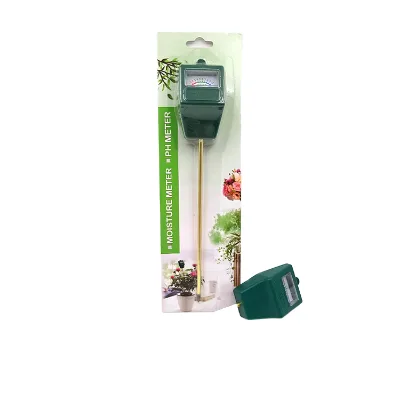
Three-in-one soil tester square head soil thermometer soil acidity meter PH meter
$1.0359 - $3.1048
MOQ: 1 Minimum
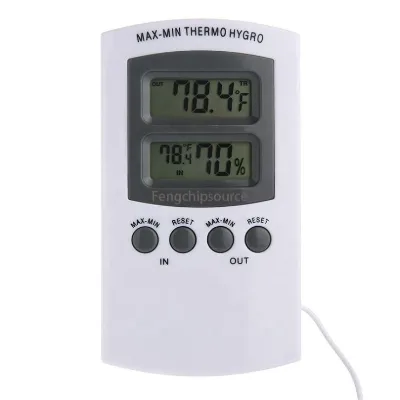
$1.6826 - $3.3742
MOQ: 10 Minimum


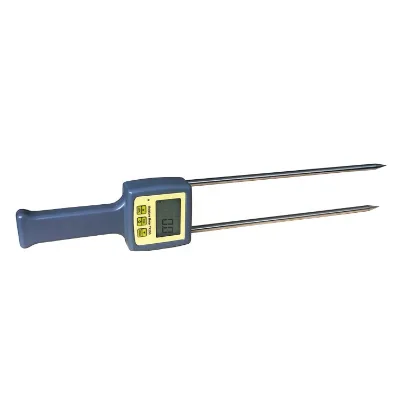
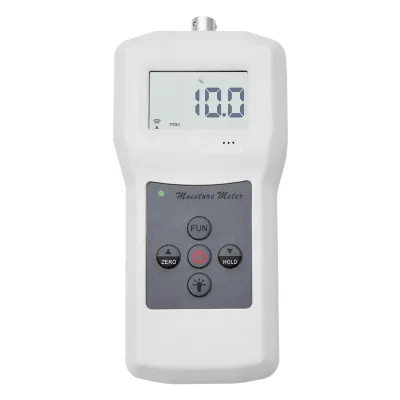


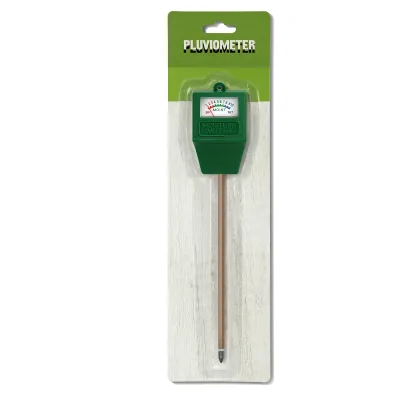
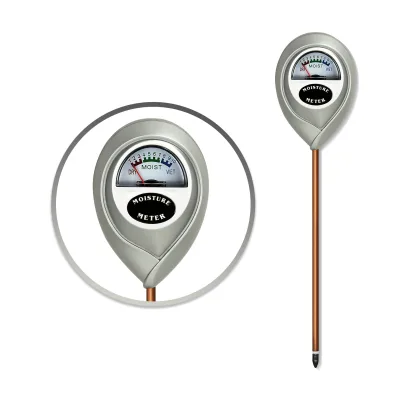
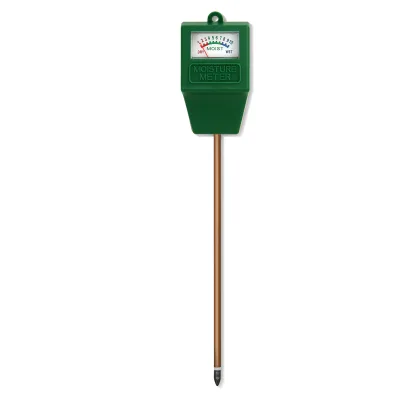


Comprehensive Sourcing Guide
Soil Tobacco Leaf Moisture Meter Supplier Concentration and Factory Types
Listings for soil tobacco leaf moisture meters in current supplier results cluster around instrument makers and traders based in China, with high-confidence location data pointing to Guangdong and Fujian provinces. Guangdong appears in supplier profiles as a base for testing instrument specialists whose main products include moisture meters alongside coating thickness gauges, hardness testers, glossmeters and similar handheld devices. Fujian appears as the stated place of origin for a portable digital analyzer aimed at tobacco leaf, grain and soil measurement. This concentration matters because regional clusters in testing instrumentation tend to concentrate both calibration know-how and component supply, so buyers sourcing several probe-based meters can often consolidate within one province.
Factory types in these results split into two categories that behave differently in trade. One profile is labeled purely a Trading Company, which may resell instruments under its own brand or offer OEM production; its main product list is broad, covering many meter types beyond moisture measurement. Other profiles combine Manufacturer and Trading Company status, and their main product ranges also extend to refractometers, fiber microscopes, soil detectors and gem loupes, signaling an instrument house rather than a single-product factory. A third profile type focuses on broader test equipment—plastic, rubber, paper and fabric testers—where moisture meters are one line among many. Buyers should treat company type as a signal of who controls production and calibration, then confirm directly which entity actually assembles and tests the unit being quoted.
How to Verify Soil Tobacco Leaf Moisture Meter Suppliers
Verification should start with the platform labels themselves, then move to evidence the supplier can produce on request. In the current results, one supplier profile carries third-party verification by an SGS Group audit, and another displays system certifications including CE, RoHS, EN IEC 61326, REACH and IEC 62321. These are displayed attributes, not universal ones—do not assume every profile shows them, and do not assume absence means a supplier is unreliable. Ask each candidate to send the certificate numbers behind any claimed CE or RoHS marking and to state which body issued them. For a resistance-type moisture meter, also request the accuracy statement and how it was validated, since listed specs such as ±(0.5%N+1) should be traceable to a calibration method.
The second verification layer concerns who you are actually buying from. When a profile is labeled Trading Company, ask whether the meter is produced in-house, made by a partner factory, or sourced on the open market, and request the manufacturing entity's name for records. When a profile claims Manufacturer status, confirm the factory address and whether an audit report covers that address. Response-time labels in the results range from roughly one hour to about eleven hours on average; use these as a screening signal, but test real responsiveness with a technical question about measurement codes or species calibration, not a generic price inquiry. Suppliers who answer calibration questions precisely are far more likely to honor warranty claims than those who reply only with a catalog sheet.
What to Compare Across Soil Tobacco Leaf Moisture Meter Suppliers
Build a comparison table from the dimensions the listings actually expose. Lead times in the current results vary widely: one supplier shows roughly six days, another around fifteen days, and a trading company profile displays zero, which usually means the field is unpopulated rather than same-day shipping. Quoted prices on comparable portable tobacco and soil moisture meters range from roughly the low thirties of US dollars up to about 176 dollars, and MOQs range from a single unit to five units, so entry barriers are low for sampling but differ per supplier. Response-time labels span about one to eleven hours. Use these values as a starting grid, then re-confirm every number in writing, because displayed fields can be stale.
Beyond price and speed, compare product substance. Measurement ranges differ across the results—one resistance meter lists 0–80%, a needle type lists 0–70%, and another lists 8–40%—so match the range and accuracy figure to your tobacco leaf and soil moisture levels rather than buying on price alone. Compare warranty terms too: one listing states a 1-year warranty while another claims 2 years, which materially affects post-sale risk. Compare main-product focus as well; a supplier whose catalog is centered on moisture and testing instruments is more likely to support species calibration codes and probe replacements than a diversified trader. Finally, compare customization capability—several listings state OEM, ODM or OBM support and customization availability, which matters if you need branding or specific measurement presets.
Common Soil Tobacco Leaf Moisture Meter Sourcing Risks
The most common risk in this category is accuracy ambiguity. Listings show overlapping specifications—ranges of 0–80%, 0–70% and 8–40%, and accuracy figures such as ±(0.5%N+1) or ±0.5%—but a displayed number is not proof of performance for tobacco leaf, whose bale density and surface condition can skew resistance readings. A supplier may quote a grain-tested accuracy that does not hold for cured leaf. Mitigate this by requesting sample units and validating against your own reference method before scaling orders, and by asking which of the listed measurement codes covers tobacco specifically, since one listing mentions ten codes covering up to 150 material species.
The second risk cluster concerns identity and consistency. When the listed product name says "Soil Moisture Meter" but the keyword set targets tobacco leaf and bale measurement, the listing may be a repackaged generic instrument; confirm the exact model, such as the model numbers shown in results, and the included probes. Trading-company status adds a chain-of-supply risk: warranty promises of one or two years may be hard to enforce if the actual maker is unnamed. Protection-class claims like IP55 and operating-condition ranges such as 0–50°C or −10–60°C should also be checked against your field conditions—tobacco barns and curing sheds can exceed both humidity and temperature assumptions. Finally, low MOQs invite over-ordering of untested variants; keep first orders to sampled models only.
Soil Tobacco Leaf Moisture Meter Regional Sourcing and Logistics
The supplied high-confidence locations place this category firmly in southern and eastern China: Guangdong for the testing-instrument trading profile and its resistance-type pin meters, and Fujian for the portable analyzer line marketed toward tobacco leaf, grain and soil. Buyers should plan logistics around these origins. Guangdong offers dense access to Shenzhen-area freight forwarders and electronics component supply, which suits mixed-container consolidation if you also source other test instruments. Fujian origins for the listed analyzer models similarly sit within reach of major coastal ports, so sea freight is the default for volume orders while courier express is realistic given the small unit sizes—stated single-package dimensions for one model are 46×8×4 cm with roughly 1 kg gross weight.
Because the visible evidence covers only these two provinces, buyers should not assume the entire supply base is mapped. When researching beyond these results, identify clusters by searching for testing-instrument industrial belts in China, checking which cities appear repeatedly in moisture meter catalogs, and asking suppliers directly where their meters are assembled and calibrated. Domestic Chinese logistics also matter: a supplier in one province may source probes or housings from another, so confirm the shipping origin matches the manufacturing origin to avoid transshipments that add cost and delay. For international buyers, ask whether export documentation, battery shipping declarations—units use 4×1.5V AAA batteries—and CE marking paperwork are handled by the supplier, since small handheld instruments still need compliant air-freight declarations.
Soil Tobacco Leaf Moisture Meter Commercial Terms and Order Planning
Order planning in this category can start small. The observed MOQs—one unit for a resistance-type pin meter and five units for a portable analyzer—make pilot purchases inexpensive, with sample pricing roughly between 31 and 176 US dollars depending on model and supplier. Structure your first order as a paid sample of each shortlisted model, test them against your own cured-leaf reference samples, then negotiate volume pricing for the winning unit. Ask whether the quoted price includes the portable plastic case shown in packing details, spare pins, and a calibration certificate, since these accessories affect landed cost more than in bulkier categories. Lead times of roughly six to fifteen days apply to stock models; customization or OEM branding will extend these, so build a calendar that separates sampling, validation and production phases.
On terms, use platform protections where available—one profile is SGS-verified, and verified or escrow-backed transactions reduce counterparty risk, though not every supplier offers the same structure. Confirm warranty handling in writing: stated warranties of one to two years mean little without a defined repair-or-replace process and who pays return freight. For repeat orders, agree on a fixed specification sheet covering model number, measurement range, accuracy figure, operating conditions and packaging so later shipments cannot drift. Payment splits of deposit plus balance against shipment inspection are standard; consider third-party inspection before balance payment on first production runs. Finally, confirm the production entity's name and origin province—Guangdong or Fujian on the current evidence—on the commercial invoice for customs clarity.
FAQs
What is the price range for soil tobacco leaf moisture meters?
Prices for these meters typically range from $31 to $176 per unit. Specific models like the TK100 are priced between $31 and $40, while the AM-128P is listed at $176. Buyers should verify exact costs based on the selected model and quantity.
What is the minimum order quantity for these moisture meters?
Minimum order quantities vary by supplier. Some suppliers require a minimum of 5 units, while others accept orders starting from just 1 piece. Buyers should check the specific product listing to confirm the applicable MOQ before placing an order.
How long does it take to manufacture and ship these meters?
Lead times differ among suppliers, with some offering a 6-day turnaround and others requiring up to 15 days. Buyers should confirm the specific production schedule with the supplier to ensure timely delivery for their procurement needs.
What accuracy levels do these moisture meters provide?
Most meters offer an accuracy of ±0.5% or ±(0.5%N+1). The measurement range typically spans from 0% to 80%, allowing for precise readings across various materials like tobacco, soil, and grains. Buyers should verify the specific accuracy rating for their application.
Are these moisture meters portable and battery-powered?
Yes, these devices are designed to be portable and are typically powered by batteries, such as 4x1.5V AAA batteries. They feature digital displays and compact sizes, making them suitable for field use in agriculture and food testing environments.
What certifications do these testing instruments hold?
Suppliers may provide instruments certified under CE, RoHS, EN IEC 61326, REACH, and IEC 62321 standards. Buyers should request specific certification documents to ensure compliance with regional safety and environmental regulations for their intended market.