Stainless Steel Bar Stool Suppliers and Manufacturers
Explore 29 verified options for Stainless Steel Bar Stool from Guangdong factories. Compare response times, lead times, prices, and supply abilities to find the right partner. Contact suppliers directly to request quotes; review the available evidence before requesting comparable quotations from suitable candidates.
Updated
Suppliers List

Champion (Shenzhen) Import & Export Co., Limited
- Manufacturer
- Guangdong, China
- Lead time35 days
- Avg. response≤ 5h
Main productsOutdoor Chair,Outdoor Furniture,Garden furniture,Patio furniture,garden table
Main marketsWestern Europe(60.00%), Eastern Europe(15.00%), Oceania(10.00%), Southern Europe(5.00%), Northern Europe(5.00%), Mid East(5.00%)

Foshan Shuaige Furniture Co., Ltd.
- Verified by TUVRHEINLAND
- Combined
- China Guangdong
- Lead time23 days
- Avg. response≤ 4h
Main productsWedding Chair, Wedding Table, Dining Furniture, Dining Chair, Dining Table Set, Stainless Steel Chair, Wedding Furniture, Wedding Backdrop, Banquet Furniture, Hotel Chair and Table
Main marketsDomestic


Hot Sale Bar Furniture Stainless Steel Black Bar Table Black Bar Stool
$180.00 - $400.00
MOQ: 2 Pieces


Cocktail Furniture Round Backrest Stainless Steel Modern Bar Stool Chair
$35.00 - $65.00
MOQ: 2 Pieces


Guangzhou Mega Import and Export Co., Ltd.
- Verified by TUVRHEINLAND
- Trading Company
- China Guangdong
- Lead time30 days
- Avg. response≤ 6h
Main productsOffice Chair, Office Table, Office Cubicle, Restaurant Furniture, Conference Table, Office Sofa, Executive Desk, Restaurant Sofa, Hotel Furniture, Executive Furniture
Main marketsEurope,North America

Foshan Hardware Furniture Co., Ltd.
- Manufacturer
- Guangdong, China
- Lead time25 days
- Avg. response≤ 2h
Main productsWedding table,Wedding decoration,Bar table and stools,Stainless steel chair,Banquet chair
Main marketsWestern Europe(15.00%), Northern Europe(15.00%), Africa(15.00%), Eastern Europe(15.00%), South America(15.00%), North America(15.00%), Mid East(10.00%)

QINGDAO XINGHEXING PRECISION INDUSTRY CO., LTD
- Verified by SGS
- Combined
- China Shandong
- Lead time30 days
- Avg. response≤ 7h
Main productsCasting Parts, Machining Parts, Sheet Metal Parts, Aluminium Welding Parts, Mold &Tools, Machine Parts, Auto Parts, Truck Parts, Vehicle Parts, Valve & Pump Parts
Main marketsEurope,Australia,North America
Foshan Yulin Furniture Co., Ltd.
- Trading Company, Buying Office, Distributor/Wholesaler
- Guangdong, China
- Lead time0 days
- Avg. response≤ 6h
Main productsoutdoor tables,outdoor chairs,sofas,daybed,swing
Main marketsNorth America(20.00%), Western Europe(20.00%), Mid East(15.00%), Oceania(10.00%), Central America(10.00%), Northern Europe(10.00%), Eastern Europe(5.00%), Southern Europe(5.00%), Domestic Market(3.00%), South Asia(2.00%)
Foshan Dominate Furniture Co., Ltd.
- Verified by TüVRheinland
- Manufacturer, Trading Company
- Lead time20 days
- Avg. response≤ 4h
Main productsWedding Furniture, Event Furniture, Party Furniture, Hotel Chair, Hotel Table
Main marketsNorth America(35%), Africa(8%), Mid East(8%)
- Verified by SGS Group
- Manufacturer, Trading Company
- Lead time30 days
- Avg. response≤ 4h
Main productsBar Stool, Bar Chairs, Gaming Chairs, Dining Chairs, Leisure Chair
Main marketsNorth America(20%), Western Europe(16%), Eastern Europe(12%)

Zhongshan Uptop Furnishings Co., Ltd.
- Verified by BV
- Combined
- China Guangdong
- Lead time15 days
- Avg. response≤ 2h
Main productsRestaurant Furniture, Restaurant Table and Chair, Hotel Table and Chair, Cafeteria Table and Chair, Bar Table and Chair, Canteen Furniture, Plastic Chair, Cafe Furniture, Contract Furniture, Commercial Furniture
Main marketsSouth America,Africa,Southeast Asia/ Mideast,East Asia(Japan/ South Korea),Europe,Australia,North America


Luxury Rotating Black Stainless Steel Metal Bar Stools High Chair Bar Chair
$55.00 - $65.00
MOQ: 5 Sets


- Verified by TUVRHEINLAND
- Combined
- China Guangdong
- Lead time30 days
- Avg. response≤ 6h
Main productsStainless Steel Table, Marble Dining Table, Dining Chair, Coffee Table, Occasional Table, Steel Dining Table, Dining Room Furniture, Metal Dining Table, Steel Dining Chair, Chrome Steel Dining Table
Main marketsEurope


Modern Cheap Velvet High Bar Stool with Black Metal Legs Bar Chair Hotel Club Leisure Armchair
$105.00 - $125.00
MOQ: 20 Pieces
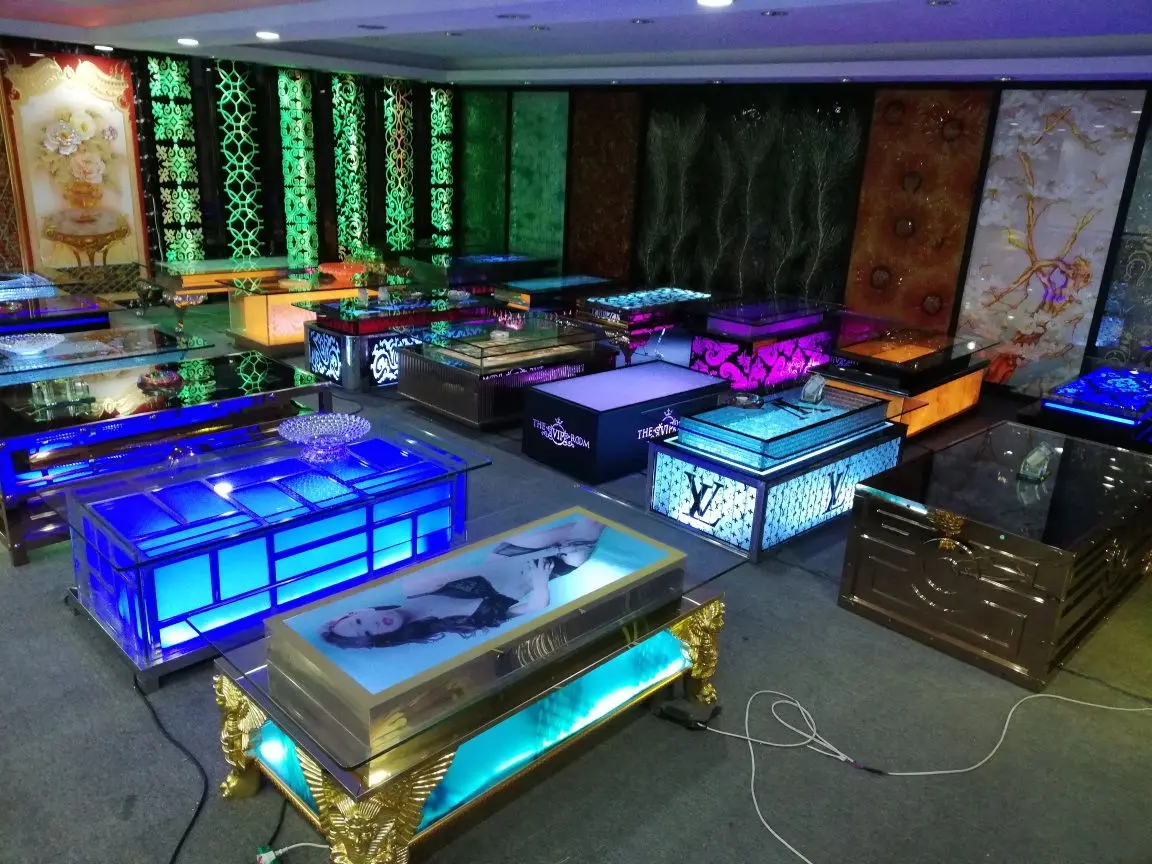
Foshan Linhao Art Glass Co., Ltd.
- Manufacturer
- Guangdong, China
- Lead time25 days
- Avg. response≤ 2h
Main productsBar Furniture,Decorative Glass,Bar Table,Stainless Steel Door,Bar Decoration
Main marketsNorth America(30.00%), Southeast Asia(20.00%), Africa(20.00%), Eastern Europe(10.00%), Domestic Market(2.00%), South Asia(2.00%), Southern Europe(2.00%), Northern Europe(2.00%), Central America(2.00%), Western Europe(2.00%), Eastern Asia(2.00%), Mid East(2.00%), Oceania(2.00%), South America(2.00%)

Foshan Dawo Furniture Co., Ltd.
- Manufacturer, Trading Company
- Guangdong, China
- Lead time0 days
- Avg. response≤ 4h
Main productsWedding Chair, Wedding Table, Bar Furniture, Wedding Backdrop, Wedding Sofa
Main marketsNorth America(52.00%), Northern Europe(11.00%), Eastern Europe(11.00%), Southern Europe(10.00%), Western Europe(8.00%), South America(4.00%), Oceania(4.00%)
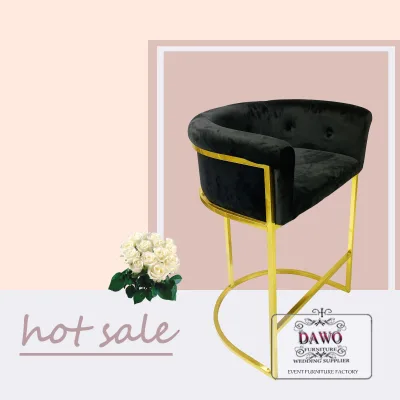
Luxury Design Stainless Steel Low Back Black Velvet Armrest bar Stool
$98.9625 - $119.7956
MOQ: 2 Minimum
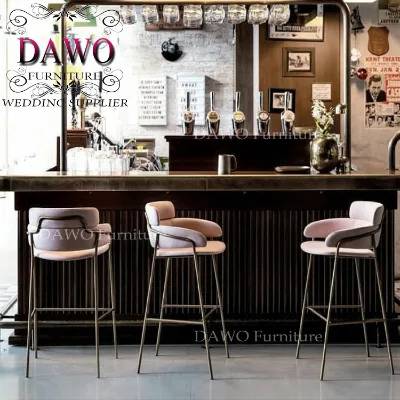
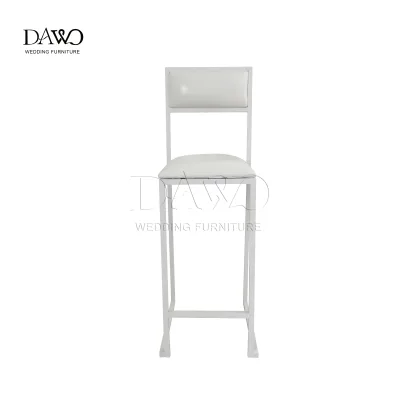
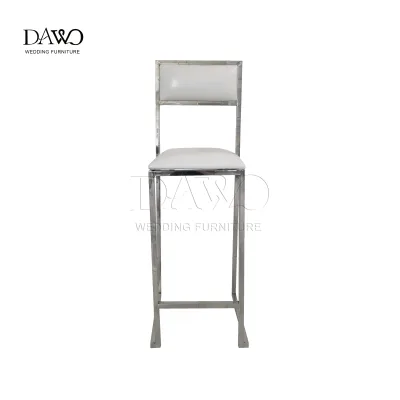
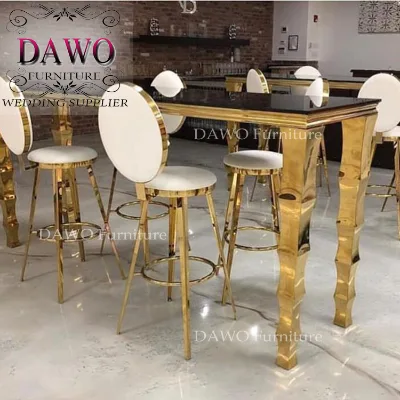
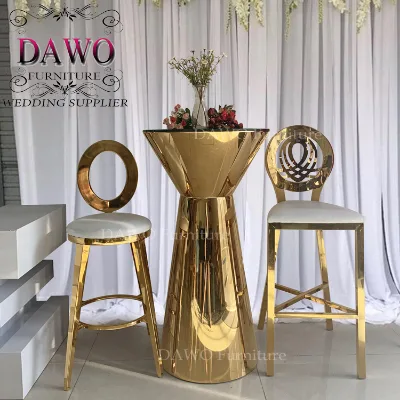
Luxury Modern Metal Stainless Steel High Foot Stool bar Counter Height Stools for Living Room
$56.977 - $67.3366
MOQ: 1 Minimum
Chaozhou Yazhiyi Medical Device Co., Ltd.
- Manufacturer, Trading Company
- Guangdong, China
- Lead time10 days
- Avg. response≤ 1h
Main productsMedical equipment,Medical trolley,Medical furniture,medical apparatus and instruments,furniture
Main marketsSoutheast Asia(35.00%), Africa(25.00%), Mid East(23.00%), Southern Europe(9.00%), South Asia(8.00%)

Langfang Ruiyi Furniture Co., Ltd.
- Verified by TUVRHEINLAND
- Trading Company,Manufacturer/Factory
- China Hebei
- Lead time60 days
- Avg. response≤ 3h
Main productsDining Chair, Dining Table, Accent Chair, Sofa Chair, Coffee Table, Lounge Chair, Cabinet, Glass TV Stand, Side Table, Tea Table
Main marketsSouth America,Eastern Europe,Mid East,North America,Southeast Asia,Eastern Asia,Oceania,Western Europe,Africa

Tianjin Kingnod Furniture Co., Ltd.
- Verified by BV
- Manufacturer/Factory
- China Tianjin
- Lead time23 days
- Avg. response≤ 4h
Main productsDining Chair, Restaurant Chair, Office Chair, Bar Stool, Game Chair, Plastic Chair, Metal Chair, Dining Table, Gaming Table, Barstool
Main marketsSouth America,Eastern Europe,Mid East,North America,Southeast Asia,Eastern Asia,Oceania,Western Europe,Africa


Modern Bar Furniture Stackable Cushioned Metal Wire Outdoor Counter Bar Stool
$20.48 - $22.42
MOQ: 200 Pieces

Modern Plastic Steel Legs PP Bar Chairs Low Back Bar Chair Stool for Bar Furniture
$13.71 - $14.58
MOQ: 200 Pieces

Fashionable Backless Stackable Metal Bar Stool for Bar Counter Metal with Painted Bar Chair
$8.71 - $10.59
MOQ: 200 Pieces


- Verified by SGS
- Combined
- China Guangdong
- Lead time15 days
- Avg. response≤ 9h
Main productsWedding Chair, Banquet Chair, Wedding Table, Church Chair, Event Chair, Outdoor Chair, Hotel Chair, Banquet Table, Dining Chair, Dining Table
Main marketsAfrica,Europe

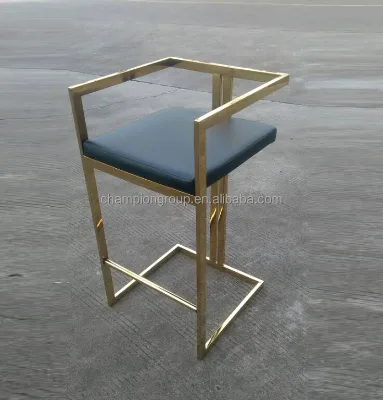
Contemprary Design Hotel Furniture Golden Stainless Steel High Bar Stool
$38.00 - $45.00
MOQ: 20 Pieces


Hebei ChangXin Import and Export Trade Co., Ltd.
- Verified by SGS
- Trading Company
- China Hebei
- Lead time15 days
- Avg. response≤ 19h
Main productsTV Stand, Dining Chair, Office Chair, Dining Table, Bar Chair, Coffee Table
Main marketsEurope

Hengshui Lihao Import And Export Trading Co., Ltd.
- Trading Company
- Hebei, China
- Lead time15 days
- Avg. response≤ 4h
Main productsMen's clothing,Women's clothing,Underwear,watch,socks
Main marketsNorth America(50.00%), Eastern Europe(10.00%), Southeast Asia(9.00%), Western Europe(5.00%), South America(5.00%), Africa(4.00%), Eastern Asia(4.00%), Mid East(4.00%), Oceania(4.00%), Domestic Market(1.00%), South Asia(1.00%), Southern Europe(1.00%), Northern Europe(1.00%), Central America(1.00%)
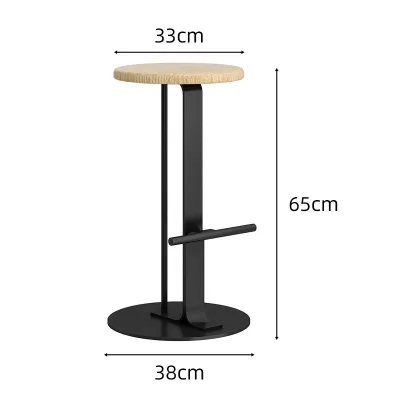
$20.96 - $39.00
MOQ: 2 Minimum
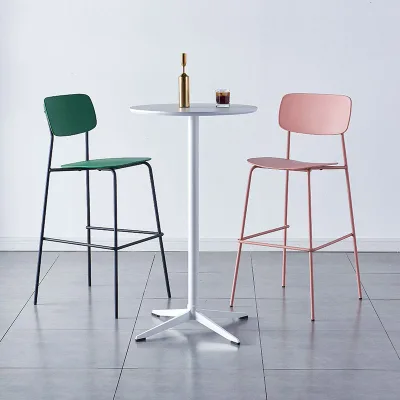
Customized Popular Design Counter Height Black bar Stool High Chair with Footrest
$50.21 - $51.66
MOQ: 10 pieces
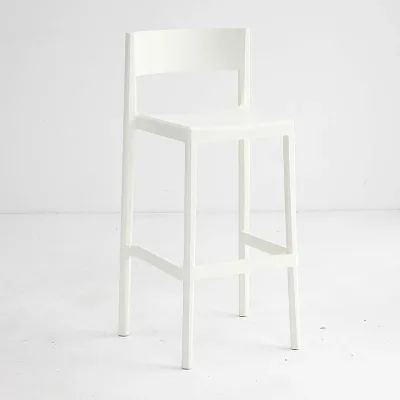
Customized Original Design Modern PP High Bar Stool Bar Chair with Low Back
$25.55 - $29.55
MOQ: 10 Minimum
Foshan Meishi Meike Home Furnishings Co., Ltd.
- Manufacturer, Trading Company
- Guangdong, China
- Lead time0 days
- Avg. response≤ 5h
Main productsSofa,bed,dining table and chairs,coffee table,TV cabinet
Main marketsSouth America(30.00%), Mid East(20.00%), Northern Europe(10.00%)
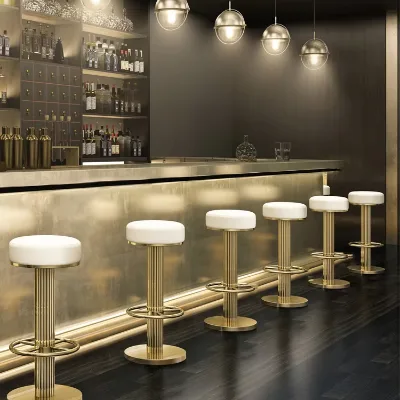
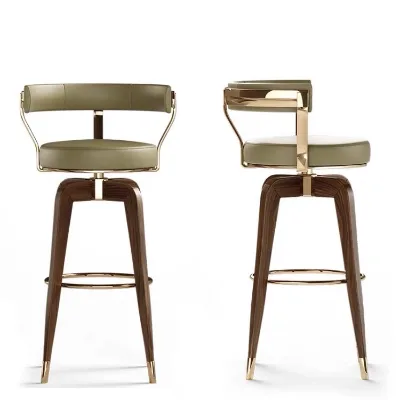
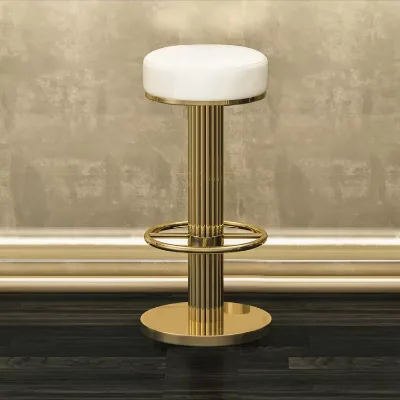
$154.1152 - $287.4917
MOQ: 2 Minimum
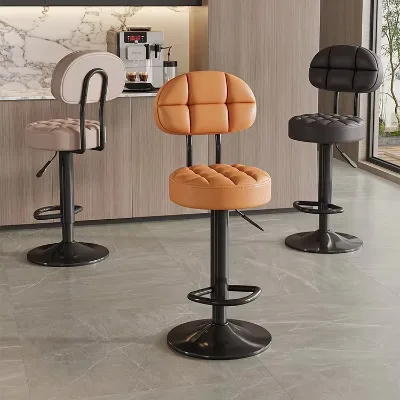
Modern Home Bar Stool with Simple Backrest High-Grade Adjustable Lifting Chair
$18.6386 - $29.6412
MOQ: 2 Minimum

Langfang Airun Imp. & Exp. Co., Ltd.
- Verified by BV
- Trading Company
- China Hebei
- Lead time15 days
- Avg. response≤ 7h
Main productsDining Table, Coffee Table, Dining Chair, Hotel Chair, Leisure Chair, Plastic Chair, Metal Chair, Fabric Covered Chair, TV Stand, Sideboard
Main marketsSouth America,Africa,Southeast Asia/ Mideast,Europe,North America


Popular Sale Modern Stainless Steel High Counter Leather Adjustable Swivel Bar Stool Bar Chair
$16.30 - $25.00
MOQ: 100 Pieces


Luxury Modern Metal Bar Furniture Bar Chair Metal High Bar Stool Pure Metal Chairs
$18.70 - $30.00
MOQ: 100 Pieces

Fujian Quanzhou Runwan Crafts Co., Ltd.
- Trading Company
- Fujian, China
- Lead time0 days
- Avg. response≤ 7h
Main productsfurniture
Main marketsNorth America(50.00%)

- Verified by TUVRHEINLAND
- Combined
- China Guangdong
- Lead time30 days
- Avg. response≤ 2h
Main productsDesigner Replica Chairs, Designer Tables, Fiberglass Chairs, Lounge Chairs, Leisure Chairs, Metal Wire Chairs, Office Sofas, Living Room Sofas, Commercial Furniture, Furniture
Main marketsEurope
Foshan Feixiao Furniture Co., Ltd.
- Manufacturer
- Guangdong, China
- Lead time20 days
- Avg. response≤ 3h
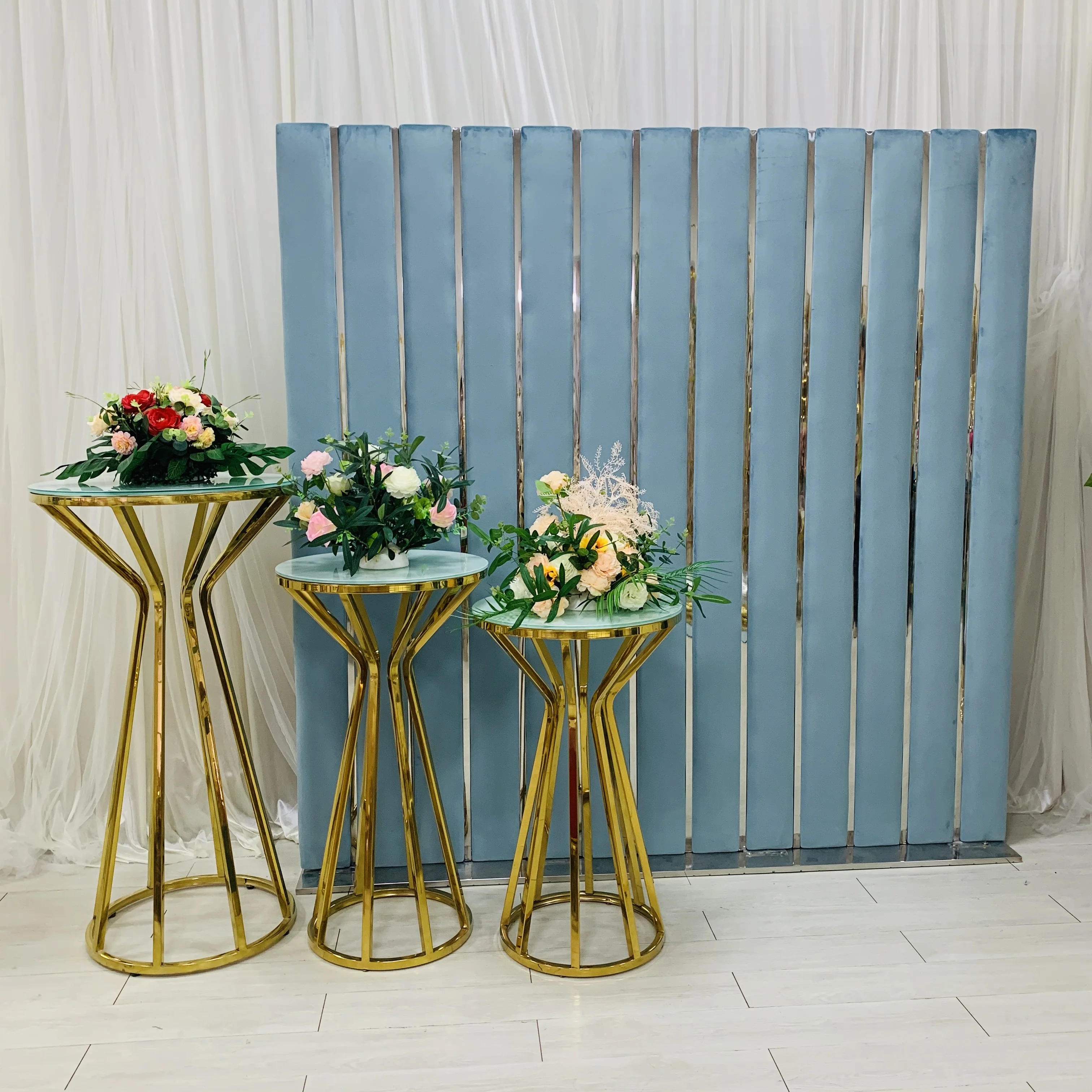
Main productswedding Table,wedding background,Event Chair,Event furniture,Wedding Furniture
Main marketsSouth America(20.00%), Africa(10.00%), Western Europe(10.00%), Southern Europe(10.00%), South Asia(8.00%), Mid East(7.00%), Southeast Asia(5.00%), Central America(5.00%), Eastern Europe(5.00%), North America(5.00%), Oceania(5.00%), Domestic Market(2.00%), Northern Europe(2.00%), Eastern Asia(2.00%)

Guangzhou Panyu District Shawan Hongyi Metal Products Factory
- Verified by BV
- Combined
- China Guangdong
- Lead time15 days
- Avg. response≤ 3h
Main productsOutdoor Furniture, Landscape Facilities, Metal Planter Box, Metal Trash Can, Metal Sculpture, Outdoor Bench, Planter Box, Flower Pot, Bench, Trash Bin
Main marketsSoutheast Asia/ Mideast,Europe,Australia,North America


Black Backless Galvanize Steel Bar Stools Set Counter Height Bar Stools with Footrest
$79.00 - $85.00
MOQ: 1 Pieces

Hangzhou Realsun Industrial Co., Ltd
- Verified by SGS
- Trading Company,Manufacturer/Factory
- China Zhejiang
- Lead time60 days
- Avg. response≤ 1h
Main productsHotel Furniture, Hotel Lightings, Hotel Chairs, Hospitality Furniture
Main marketsSouth America,Eastern Europe,Mid East,North America,Africa

Stylish Modern Retro Brass Bar Stools with Durable Stainless Steel Base
$168.00 - $198.00
MOQ: 20 Pieces

China Manufacture Minimalism Modern High Bar Stool with Leather Seat and Metal Leg for Hotel
$53.00 - $58.00
MOQ: 20 Pieces
Shenzhen Bangyuan Furniture Co., Ltd.
- Verified by SGS Group
- Manufacturer, Trading Company
- Lead time10 days
- Avg. response≤ 3h
Main productsLED Commercial Furniture, Indoor & Outdoor Lighting, Led Lights, Landscape Lighting, Decorative Lighting
Main marketsNorth America(60%), South America(7%), Mid East(6%)
Chengdu Xingyi Zhishang Furniture Co., Ltd.
- Trading Company
- Sichuan, China
- Lead time25 days
- Avg. response≤ 1h
Main productsFurniture Customization,Bar Furniture,KTV Furniture,Outdoor Furniture,Restaurant Furniture
Main marketsWestern Europe(30.00%), Central America(20.00%), North America(10.00%), South America(10.00%), Eastern Europe(10.00%), Southern Europe(5.00%), Eastern Asia(5.00%), Mid East(5.00%), Southeast Asia(5.00%)

Fujian Dongyi Shenghui International Trade Co., Ltd.
- Verified by SGS
- Combined
- China Fujian
- Lead time15 days
- Avg. response≤ 2h
Main productsHotel Furniture, Apartment Furniture, Dining Restaurant Banuqet Furniture, Church Furniture, Movie Theater Furniture, Opera House Furniture, KTV Furniture, Office School Stadium Furniture
Main marketsEurope

Guangdong Hongye Furniture Group Co., Ltd.
- Combined
- China Guangdong
- Lead time30 days
- Avg. response≤ 4h
Main productsOffice Furniture, Office Table, Office Chair, Meeting Table, Meeting Chair, Executive Table, Executive Chair, File Cabinet, Executive Desk, Staff Chair
Main marketsDomestic,Europe,Australia,North America










Comprehensive Sourcing Guide
Stainless Steel Bar Stool Supplier Concentration and Factory Types
The current supplier landscape for stainless steel bar stools is heavily concentrated in Guangdong, China, a region that serves as a primary manufacturing hub for commercial and residential furniture. This geographic clustering allows for efficient supply chain management, where raw material sourcing, metal fabrication, and finishing processes are often located in close proximity. Buyers evaluating suppliers should note that the majority of results indicate a location within this specific province, which suggests a mature ecosystem for metalworking and furniture production. When assessing potential partners, it is crucial to distinguish between pure manufacturers and combined entities that may offer broader product ranges. The data shows a mix of company types, including dedicated manufacturers focused on specific items like outdoor and garden furniture, as well as combined suppliers who handle wedding chairs, dining sets, and banquet furniture alongside bar stools. Understanding this distinction helps buyers determine whether they are dealing with a specialized factory capable of deep customization or a trading-oriented entity that aggregates products from various sources. The presence of manufacturers in Guangdong implies access to established industrial infrastructure, which can influence production quality and scalability. However, buyers must verify the actual operational capacity of each supplier, as the label of "manufacturer" does not always guarantee direct control over the entire production line. The concentration in this region also means that many suppliers share similar logistical advantages, such as proximity to major ports like Guangzhou and Shenzhen, which facilitates international shipping. Buyers should leverage this geographic insight to prioritize suppliers who can demonstrate direct factory access, ensuring better control over quality assurance and production timelines. The diversity in company types within this cluster offers flexibility, allowing buyers to choose between specialized metalwork experts and versatile furniture providers based on their specific project needs.
How to Verify Stainless Steel Bar Stool Suppliers
Verification is a critical step in mitigating risk when sourcing stainless steel bar stools, particularly given the variation in supplier credentials and verification statuses observed in the current results. Buyers should prioritize suppliers who have undergone third-party verification processes, such as those certified by TÜV Rheinland, which provides an additional layer of trust regarding business legitimacy and operational standards. The presence of such certifications indicates that the supplier has met specific criteria for business operations, which can be a significant differentiator in a market with many unverified entities. In addition to third-party verification, buyers should carefully examine the response time metrics provided by suppliers, as these can serve as an indicator of operational efficiency and customer service quality. For instance, some suppliers demonstrate response times as low as 3.20 hours, while others may take up to five hours, suggesting differences in staffing levels and customer support infrastructure. A faster response time often correlates with a more agile supply chain, which can be beneficial for addressing urgent inquiries or resolving issues during the production process. Buyers should also look for clear indications of supply ability, such as monthly production capacities, which help gauge whether a supplier can handle large orders without compromising quality or delivery schedules. Some suppliers list supply abilities of up to 10,000 sets per month, which is a substantial capacity that suggests robust manufacturing capabilities. However, buyers should not rely solely on these figures and should request recent production records or references to validate these claims. Additionally, checking for specific product attributes, such as material composition and warranty terms, can provide insights into the supplier's commitment to quality. Suppliers offering warranties of more than three years or specifying materials like solid steel and PU leather demonstrate a confidence in their product durability. By combining verification status, response speed, and supply capacity data, buyers can build a comprehensive profile of each supplier's reliability and operational strength.
What to Compare Across Stainless Steel Bar Stool Suppliers
When evaluating multiple suppliers for stainless steel bar stools, buyers must compare a range of operational and product-specific metrics to identify the best fit for their requirements. Key dimensions for comparison include lead times, minimum order quantities (MOQs), and pricing structures, all of which vary significantly across the supplier base. For example, lead times can range from 23 days to 35 days, with some suppliers offering delivery windows of 20-25 days, which impacts inventory planning and project timelines. Buyers should align these lead times with their specific delivery deadlines, considering that shorter lead times may come with higher costs or limited customization options. MOQs also differ, with some suppliers requiring as few as two units, while others may have higher thresholds, affecting the feasibility of small-scale orders or sample purchases. Pricing is another critical factor, with price ranges varying from approximately $35 to over $250 per unit, depending on the complexity of the design, material quality, and finish. Buyers should analyze these prices in the context of the product specifications, such as the use of stainless steel frames, gold plating, or specific dimensions, to ensure they are receiving fair value. Additionally, comparing main product offerings can reveal a supplier's expertise; those specializing in commercial furniture or bar stools may offer better quality control than generalist suppliers. The availability of customization options, such as color choices or size adjustments, should also be evaluated, as this can influence the final product's suitability for the buyer's target market. Suppliers offering standard sizes alongside customized options provide flexibility, allowing buyers to balance cost and specificity. By systematically comparing these attributes, buyers can create a weighted scoring system to objectively rank suppliers based on their priorities, whether those are cost, speed, or customization capabilities. This structured approach ensures that decisions are data-driven and aligned with the buyer's strategic goals.
Common Stainless Steel Bar Stool Sourcing Risks
Sourcing stainless steel bar stools from international suppliers introduces several risks that buyers must proactively manage to ensure successful procurement outcomes. One significant risk is the variability in product quality, particularly regarding the finish and durability of the stainless steel components. While some suppliers specify materials like solid steel and PU leather, others may use lower-grade alternatives that do not meet the expected standards for commercial use. Buyers should be cautious of suppliers who do not provide detailed material specifications or warranty information, as this lack of transparency can lead to receiving products that are prone to corrosion or structural failure. Another risk is the discrepancy between advertised lead times and actual delivery schedules, which can disrupt business operations and customer satisfaction. Suppliers may quote attractive lead times but fail to meet them due to production bottlenecks or logistical issues, resulting in delayed shipments. Buyers should mitigate this risk by establishing clear communication channels and requesting regular production updates. Additionally, the risk of intellectual property infringement exists, especially when dealing with customized designs or branded products. Buyers should ensure that their designs are protected and that suppliers adhere to confidentiality agreements. The variability in packaging standards is another concern, as improper packaging can lead to damage during transit. Some suppliers use standard export packages, while others may have less robust solutions, increasing the likelihood of product damage. Buyers should verify packaging methods and consider insurance for high-value shipments. Furthermore, the risk of non-compliance with international standards or certifications cannot be overlooked. Buyers should verify that suppliers meet relevant safety and quality standards for the target market. By identifying and addressing these risks early in the sourcing process, buyers can protect their interests and ensure a smoother procurement experience.
Stainless Steel Bar Stool Regional Sourcing and Logistics
The regional concentration of Stainless Steel Bar Stool suppliers in Guangdong, China, offers distinct logistical advantages that buyers should leverage to optimize their supply chain. Proximity to major ports such as Guangzhou, Shenzhen, and Foshan facilitates efficient export processes, reducing transit times and shipping costs. Buyers should prioritize suppliers who list these ports as their loading points, as this indicates established relationships with freight forwarders and streamlined customs clearance procedures. The geographic clustering also enables faster sample delivery and easier factory audits, allowing buyers to conduct due diligence more efficiently. However, buyers must also consider the potential for congestion and seasonal fluctuations in port capacity, which can impact shipping schedules. To mitigate these risks, buyers should work with suppliers who have experience in international logistics and can provide accurate shipping estimates. Additionally, the regional focus on metalworking and furniture manufacturing means that buyers have access to a wide range of raw materials and components, which can reduce lead times for customized orders. Buyers should explore opportunities for consolidating shipments from multiple suppliers within the same region to achieve economies of scale in freight costs. The availability of combined suppliers who offer a variety of furniture products can also simplify logistics by allowing buyers to source complementary items from a single source. This approach reduces the complexity of managing multiple shipments and ensures consistency in packaging and handling. Buyers should also consider the environmental impact of their sourcing decisions, as regional suppliers may have varying sustainability practices. By understanding the logistical landscape of Guangdong, buyers can make informed decisions that balance cost, speed, and reliability. Engaging with local freight partners and staying informed about port conditions can further enhance the efficiency of the sourcing process.
Stainless Steel Bar Stool Commercial Terms and Order Planning
Effective order planning for stainless steel bar stools requires a thorough understanding of commercial terms, including payment structures, warranty policies, and after-sales support. Buyers should negotiate clear payment terms that align with their cash flow needs, such as partial upfront payments and balance upon shipment, to manage financial risk. It is essential to verify the supplier's warranty offerings, as some provide warranties of more than three years, which indicates confidence in product durability and reduces long-term maintenance costs. Buyers should also inquire about the supplier's policy for handling defective items, including replacement procedures and cost responsibilities. The availability of customization options, such as specific colors or sizes, should be confirmed in writing to avoid misunderstandings during production. Buyers should also consider the supplier's supply ability, ensuring that they can meet the required volume within the desired timeframe. Some suppliers offer supply abilities of up to 10,000 sets per month, which is suitable for large-scale projects, while others may have lower capacities. Buyers should align their order quantities with the supplier's production capabilities to avoid delays. Additionally, buyers should evaluate the supplier's packaging details, such as the number of units per carton, to optimize shipping space and reduce costs. Clear communication regarding these commercial terms is crucial to ensure a smooth transaction and minimize the risk of disputes. Buyers should also consider the potential for future orders and establish a long-term relationship with suppliers who demonstrate reliability and quality. By carefully planning commercial terms and order logistics, buyers can secure a stable supply of stainless steel bar stools that meet their business needs.
FAQs
What is the price range for stainless steel bar stools?
Prices typically range from $35 to $259 per unit depending on the specific model and customization options. Basic metal bar chairs start around $35, while gold-plated stainless steel options with PU leather can reach up to $92. Higher-end party tables with matching stools may cost between $169 and $259. Buyers should verify exact quotes based on quantity and color preferences.
What is the minimum order quantity for these stools?
Minimum order quantities vary by supplier, generally starting at 2 units for some manufacturers and 20 units for others. Some suppliers offer flexible MOQs for standard items, while custom designs may require higher volumes. Buyers should confirm the specific MOQ with the supplier before placing an order to ensure it aligns with their procurement needs and budget constraints.
How long does production and delivery take?
Lead times typically range from 20 to 35 days depending on the supplier and order volume. Some manufacturers offer faster turnaround times of around 23 days, while others may require up to 35 days for production. Delivery times are often estimated at 20-25 days after order confirmation. Buyers should confirm specific timelines with the supplier to plan inventory effectively.
Where are these bar stools manufactured?
Most stainless steel bar stools are manufactured in Guangdong, China, a major hub for furniture production. Some suppliers list their origin as China or other regions, but Guangdong remains the primary source. Buyers can expect products to ship from ports like Guangzhou, Shenzhen, or Foshan. Verifying the exact place of origin ensures alignment with quality standards and logistics preferences.
What materials are used in these bar stools?
Common materials include stainless steel frames, solid steel, and PU leather upholstery. Some models feature gold or chrome plating for a modern aesthetic. Frames are often described as metal or stainless steel, with options for different colors like gold, silver, or rose gold. Buyers should check specific product attributes to ensure the material meets their durability and design requirements.
Are these bar stools suitable for commercial use?
Yes, many stainless steel bar stools are designed for commercial use in restaurants, hotels, and bars. They are often categorized as commercial furniture with warranties exceeding three years. Some models are stackable and suitable for indoor or outdoor settings. Buyers should verify the specific use case and warranty terms to ensure the stool meets their commercial environment needs.