Foldable Metal Steel Luggage Trolley Suppliers and Manufacturers
Explore 24 verified suppliers offering Foldable Metal Steel Luggage Trolley options with varying capacities, materials, and certifications. Compare response times, lead times, and MOQs to select the right partner for your needs; review the available evidence before requesting comparable quotations from suitable candidates.
Updated
Suppliers List

YONGKANG JEK INDUSTRY AND TRADE CO., LTD
- Verified by SGS
- Combined
- China Zhejiang
- Lead time30 days
- Avg. response≤ 4h
Main marketsSouth America,Southeast Asia/ Mideast,Europe

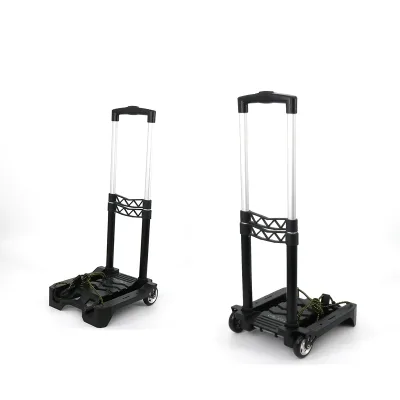
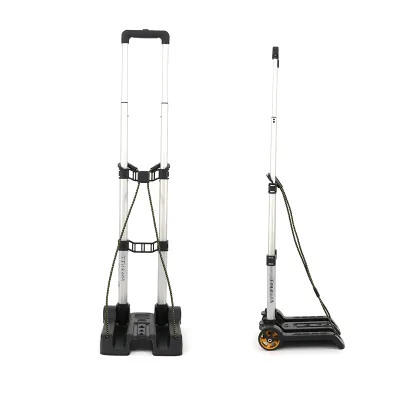
120kg Sturdy Aluminum Foldable Folding Hand Trolley, Hand Trolley, Luggage Trolley
$10.88
MOQ: 100 Pieces


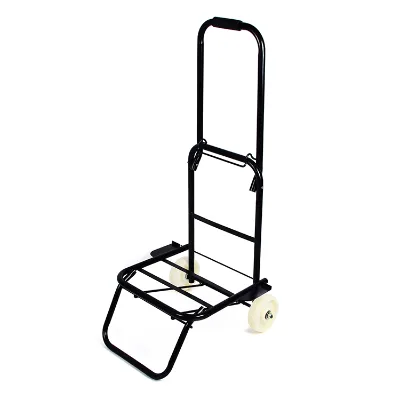
Rustproof Powder-Coated Steel Foling Hand Trolley, Luggage Trolley, Hand Trolley
$24.88 - $25.98
MOQ: 50 Pieces

Collapsible Folding Luggage Cart - Space Saving, Easy Storage, Heavy Duty Steel
$6.58 - $7.38
MOQ: 50 Pieces

120kgs Space-Saving Steel Folding Luggage Cart with Quick-Release Mechanism
$10.98 - $15.98
MOQ: 50 Pieces

QINGDAO GOLDEN SOURCE INDUSTRY CO., LTD.
- Verified by TUVRHEINLAND
- Combined
- China Shandong
- Lead time30 days
- Avg. response≤ 4h
Main productsOil Boom, Rubber Wheel, Wheel Barrow, Hand Trolley, Rubber Mat, Rubber Product, Wheelbarrow, Dustbin Wheel, Pneumatic Wheel, PU Foam Wheel
Main marketsSouth America,Southeast Asia/ Mideast,Europe
- Verified by SGS Group
- Trading Company
- Lead time30 days
- Avg. response≤ 5h
Main productsAirport Waiting Chairs, Hotel Furniture, Office Furniture, Kindergarten Furniture, Office Pod
Main marketsSouth America(14%), Africa(11%), South Asia(11%)
Suzhou Highbright Enterprise Limited
- Manufacturer, Trading Company
- Lead time旺季: , 淡季:
- Avg. response≤ 2h
Main productsSupermarket Shelf, Shopping Cart, Roll Container, Display Hook, Plastic Crate
Jinhua Juxin Machinery Manufacture Co., Ltd.
- Manufacturer
- Lead time旺季: , 淡季:
- Avg. response≤ 19h
Main productsLuggage Cart,Shopping Trolley,Aluminium Cart

Suzhou Shunhong Metallic Products Co., Ltd.
- Trading Company,Manufacturer/Factory
- China Jiangsu
- Lead time23 days
- Avg. response≤ 9h
Main productsShopping Cart, Roll Container, Warehouse Trolley, Storage Cage, Shopping Basket, Shopping Trolley, Supermarket Cart, Hand Push Cart, Wire Mesh Cages, Checkout Counter
Main marketsSouth America,Eastern Europe,Mid East,North America,Southeast Asia,Eastern Asia,Oceania,Western Europe,Africa

Xiaogan Ruisheng Mech Elec Mfg Ltd.
- Combined
- China Hubei
- Lead time23 days
- Avg. response≤ 2h
Main productsProtective Clothing, Protective Suit, Isolation Gown, Disposable Coverall, Protective Mask, 3ply Mask, KN95 Mask, Goggle, Face Shield, Gloves
Main marketsSouth America,Africa,Southeast Asia/ Mideast,Domestic,Europe,Australia,North America

Suzhou Jintu Metal Working Co., Limited
- Manufacturer/Factory
- China Jiangsu
- Lead time23 days
- Avg. response≤ 4h
Main productsSupermarket Shelf, Storage Rack, Shopping Trolley, Display Stand, Airport Trolley, Shop Fittings, Wire Shelving, Check out Counter, Supermarket Shopping Basket, Pallet Racking
Main marketsSouth America,Eastern Europe,Mid East,North America,Southeast Asia,Eastern Asia,Oceania,Western Europe,Africa

Foldable Aluminium Trolley Luggage / Trolley / Utility Baggage Carts
$110.00 - $190.00
MOQ: 100 Pieces


Airport Terminal Baggage Trolley Stainless Steel and Aluminum Luggage Trolley
$112.50 - $210.40
MOQ: 50 Pieces

Stainless Steel Airport Trolley/Airport Luggage Trolley with Three Wheels/Baggage Trolley
$110.00 - $190.00
MOQ: 100 Pieces


Hubei Space Double Rhombus Logistics Technology Co., Ltd.
- Manufacturer/Factory,Group Corporation
- China Hubei
- Lead time23 days
- Avg. response≤ 13h
Main productsCaster, Wheel, Airport Trolley, Check-in Counter, Queue Stand, Airport Chair, Wheelchair, Commode Chair, Walker, Walking Sticker
Main marketsSouth America,Eastern Europe,Mid East,North America,Southeast Asia,Eastern Asia,Oceania,Western Europe,Africa

Guangzhou Jingxiang Luggage & Bag Accessory Co., Ltd.
- Manufacturer, Trading Company
- Guangdong, China
- Lead time25 days
- Avg. response≤ 3h
Main productstrolley handles,telescopic luggage handles,luggage wheels,bag accessories,zipper
Main marketsDomestic Market(60.00%), Northern Europe(5.00%), Eastern Asia(5.00%), South America(5.00%), North America(4.00%), Africa(3.00%), Southeast Asia(3.00%), Eastern Europe(3.00%), Mid East(3.00%), South Asia(3.00%), Southern Europe(2.00%), Western Europe(2.00%), Central America(1.00%), Oceania(1.00%)

Suzhou Highbright Enterprise Limited
- Combined
- China Jiangsu
- Lead time30 days
- Avg. response≤ 5h
Main productsShopping Trolley, Shopping Cart, Gondola Shelf, Display Shelf, Shop Fittings, Store Fixtures, Roll Container, Shopping Basket, Checkout Counter, Swing Gate
Main marketsSouth America,Africa,Southeast Asia/ Mideast,East Asia(Japan/ South Korea),Europe,Australia,North America

Suzhou Malltek Supply China Co., Ltd.
- Verified by BV
- Trading Company
- China Jiangsu
- Lead time15 days
- Avg. response≤ 2h
Main productsShopping Trolley, Shopping Bakset, Airport Trolley, Supermarket Cart, Supermarket Shelf, Mannequin, Wire Container, Storage Rack, Shopping Cart, Checkout Counter
Main marketsSouth America,Africa,Others(foreignTradeCapacity.exportBusinessCapacityMarketOther),Southeast Asia/ Mideast,East Asia(Japan/ South Korea),Europe,Australia,North America


Airport Stainless Steel Luggage Trolley Hotel Luggage Trolley Airport Type
$140.00 - $154.00
MOQ: 50 pcs


Changshu Jinsheng Metal Products Factory
- Verified by TUVRHEINLAND
- Trading Company,Manufacturer/Factory
- China Jiangsu
- Lead time23 days
- Avg. response≤ 20h
Main productsShopping Cart, Shopping Trolley, Warehouse Rack, Supermarket Shelf, Wire Shelf, Display Shelf, Pallet Rack, Storage Rack, Shop Fittings, Airport Luggage Trolley
Main marketsSouth America,Eastern Europe,Mid East,North America,Southeast Asia,Eastern Asia,Oceania,Western Europe,Africa
Shenzhen Pailox Industrial Co., Ltd.
- Verified by SGS Group
- Trading Company
- Lead time25 days
- Avg. response≤ 4h
Main productsLuggage, Backpack, Bag
Main marketsNorth America(20%), South America(15%), Eastern Europe(10%)

- Verified by TUVRHEINLAND
- Trading Company,Manufacturer/Factory,Group Corporation
- China Zhejiang
- Lead time23 days
- Avg. response≤ 18h
Main productsLuggage, Shool Bag, Suitcase, Packpack, Trollycase, Kids Bag, Schoolbag, Luggage Set, Children Backpack, Kids Luggage
Main marketsSouth America,Eastern Europe,Mid East,North America,Southeast Asia,Eastern Asia,Oceania,Western Europe,Africa

Portable Small New Folding Trolley Luggage Travel Business Light Weight Collapsible Luggage
$59.68 - $67.64
MOQ: 100 Pieces

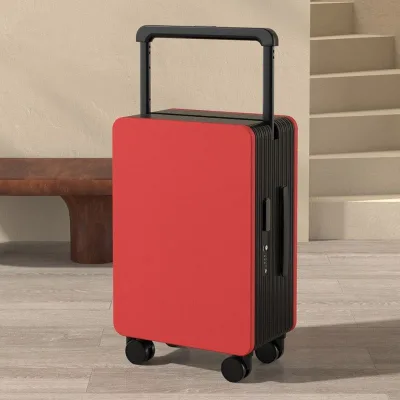
Custom Travel Trolley with Fashionable Aluminum Frame ABS & PC Material Luggage
$66.71 - $75.61
MOQ: 100 Sets
Ruian Huasaiya Import&export Co.,ltd.
- Verified by SGS Group
- Manufacturer, Trading Company
- Lead time30 days
- Avg. response≤ 5h
Main productsLuggage
Main marketsNorthern Europe(30%), North America(30%), Mid East(20%)
Jiangxi Greatchip Group Technology Co.,Ltd
- Verified by SGS Group
- Manufacturer, Trading Company
- Jiangxi, China
- Lead time15 days
- Avg. response≤ 4h
Main productsLuggage
Main marketsNorth America(30%), Western Europe(17%), Eastern Europe(13%)
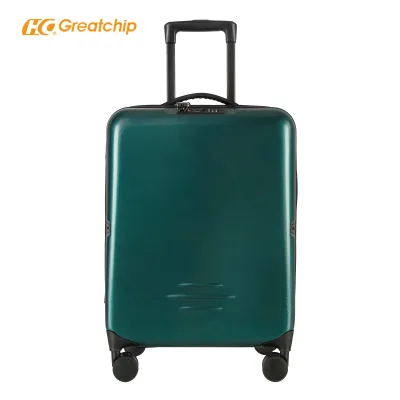
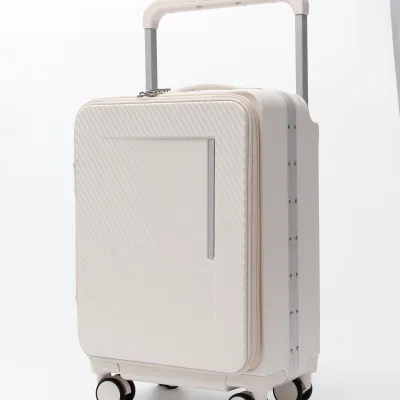
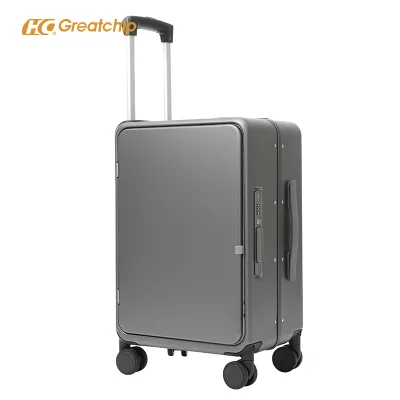
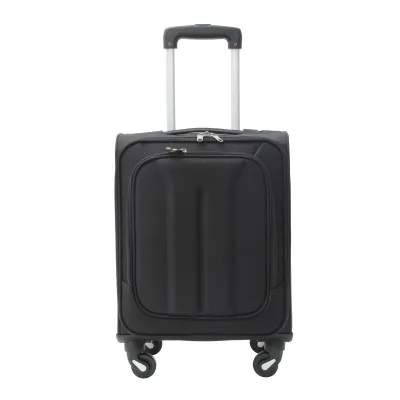
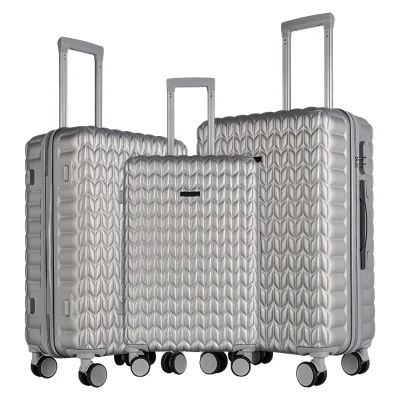
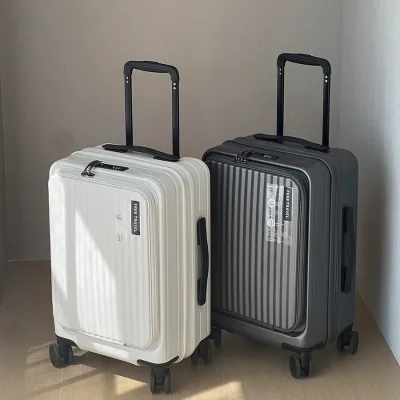
Side-Opening Luggage with Tsa Lock Dry-Wet Separation Lugggae Ride-on Suitcase
$36.28 - $41.00
MOQ: 580

Easton Hotel Supplies Co., Ltd.
- Verified by TUVRHEINLAND
- Trading Company
- China Guangdong
- Lead time15 days
- Avg. response≤ 3h
Main productsHotel Accessories, Hotel Amenity, Hotel Supplies, Wall Mounted Hair Dryer, Magnifying Mirror, Ironing Board, Welcome Tray, Wooden Hanger, Digital Safe, Luggage Rack
Main marketsSoutheast Asia/ Mideast


Wholesale Stainless Steel Hotel Luxury Luggage Trolley with 8` Solid Wheels
$179.81 - $269.72
MOQ: 1 Pieces

Dongguan Dwl Travel Products Co., Ltd.
- Verified by TüVRheinland
- Manufacturer, Trading Company
- Lead time30 days
- Avg. response≤ 2h
Main productsTrolley Luggage, Carry Suitcase, Cosmetic Case, Laptop Bag, Tool Case
Main marketsNorth America(20%), Mid East(20%), Eastern Asia(15%)

- Verified by TUVRHEINLAND
- Trading Company
- China Guangdong
- Lead time15 days
- Avg. response≤ 5h
Main productsCustomize Suitcase, Trolley Bag, Travel Bag, Hand Trunk, Luggage Parts, Luggage, PC Luggage, OEM PP Luggage, Aluminum Suitcase, Metal Luggage
Main marketsSouth America,Africa,Southeast Asia/ Mideast,East Asia(Japan/ South Korea),Domestic,Europe,Australia,North America

Jiangxi Huakui Industrial Co., Ltd.
- Trading Company
- Jiangxi, China
- Lead time15 days
- Avg. response≤ 3h
Main productsluggage,suitcase,travel bags,trolley bags,backpack
Main marketsMid East(20.00%), South Asia(15.00%), Western Europe(10.00%), South America(10.00%), North America(10.00%), Africa(10.00%), Southern Europe(10.00%), Eastern Asia(5.00%), Eastern Europe(5.00%), Northern Europe(5.00%)
Chongqing Peterpan Technology Co., Ltd.
- Trading Company
- Chongqing, China
- Lead time20 days
- Avg. response≤ 1h
Main productspet bed&Mat,Pet Collar & Leash,Pet Feeder,Pet Toy,Tactical dog products
Main marketsNorth America(30.00%), Eastern Europe(20.00%), South America(15.00%), Western Europe(10.00%), Central America(10.00%), Southern Europe(5.00%), Northern Europe(5.00%), Mid East(5.00%)
Dongguan Dizhen Travel Products Co., Ltd.
- Trading Company
- Guangdong, China
- Lead time0 days
- Avg. response≤ 4h
Main productsPP Luggage, ABS Luggage , ABS+PC Luggage, Nylon Luggage, Cosmetic Bags
Main marketsSouth America(20.00%), Western Europe(20.00%), Eastern Europe(20.00%), Southeast Asia(20.00%), Oceania(10.00%), Domestic Market(10.00%)

Jiangxi Chengleke Leather Co., Ltd
- Verified by BV
- Combined
- China Jiangxi
- Lead time23 days
- Avg. response≤ 3h
Main productsLuggage, Luggage Set, Suitcase, Carry on, PC Luggage, SKD, OEM/ODM Luggage, Trunk, Valise, Travel Bag
Main marketsSouth America,Southeast Asia/ Mideast,Europe


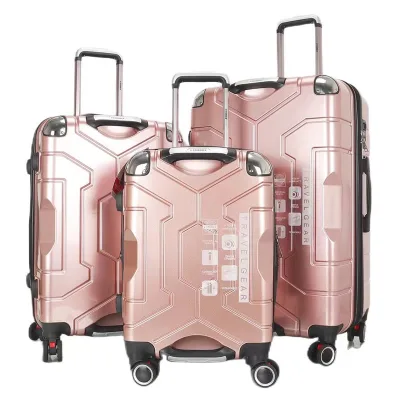
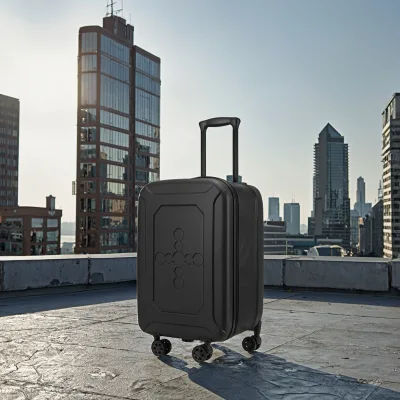
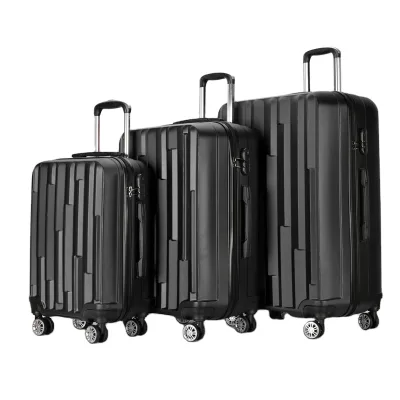
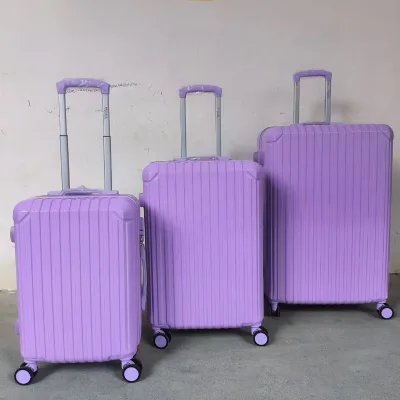
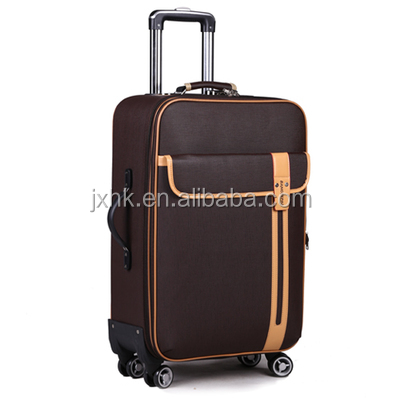
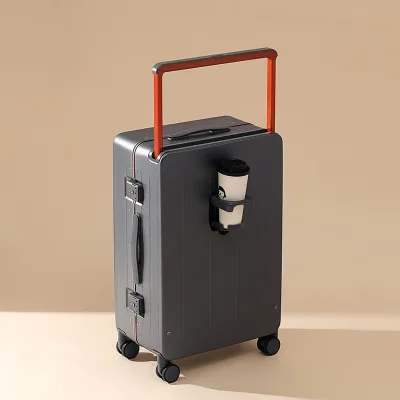
Waterproof Scratchproof Aluminum Tie Rod Trolley Traveling Bag Trolley Set Luggage
$101.50 - $111.70
MOQ: 50 Sets


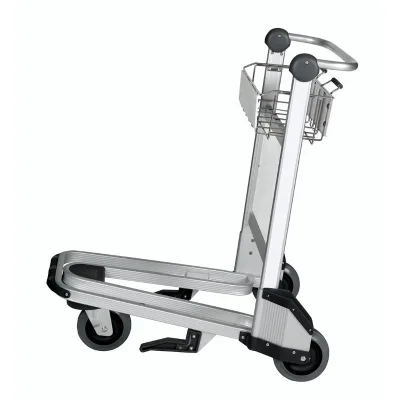
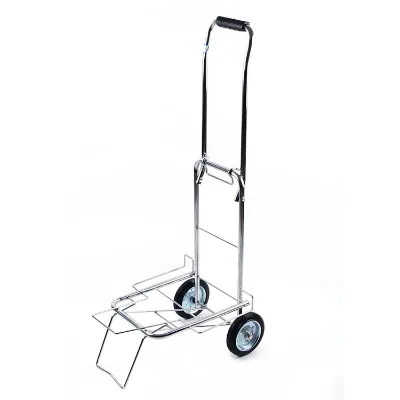




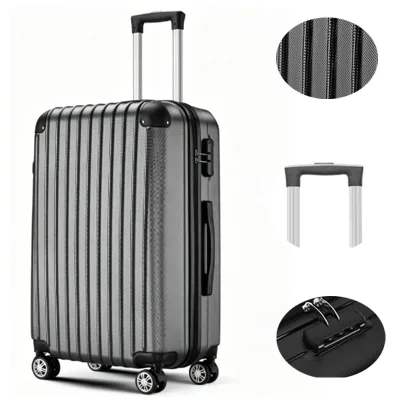
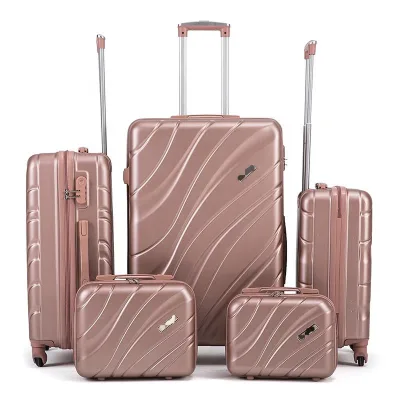
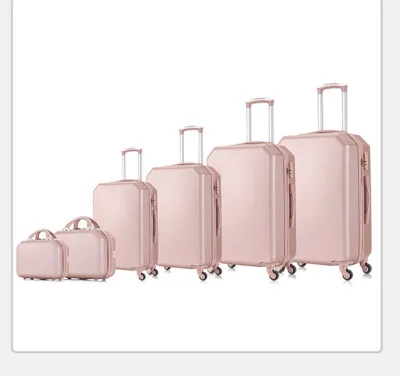
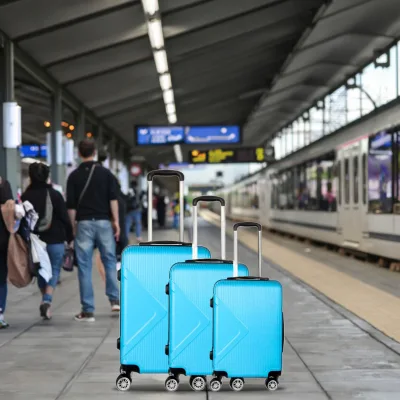


Comprehensive Sourcing Guide
Foldable Metal Steel Luggage Trolley Supplier Concentration and Factory Types
The current supplier landscape for foldable metal steel luggage trolleys reveals a distinct geographic concentration in China, with significant manufacturing activity located in Zhejiang and Shandong provinces. Suppliers in Zhejiang often operate as combined entities capable of offering both OEM and ODM services, alongside their own branded products. This structural flexibility allows buyers to access a wide range of customization options, from material selection to specific design modifications, while maintaining the efficiency of established production lines. The presence of these combined companies suggests a mature industrial ecosystem where manufacturing capabilities are integrated with trading functions, streamlining the communication process for international buyers who require tailored solutions without the overhead of dealing with multiple separate entities.
In contrast, suppliers based in Shandong provinces may present different operational profiles, such as those holding ISO9001:2015 certification and verified by TÜV Rheinland. These facilities often focus on specific product lines like hand trolleys and rubber wheels, indicating a specialization in durable goods and material handling equipment. The variation in company types, ranging from pure manufacturers to combined trading and manufacturing firms, means that buyers must carefully assess the actual production capacity and quality control processes of each potential partner. Understanding whether a supplier is primarily a factory or a trading company is crucial for negotiating prices and ensuring consistent quality, as the latter may add layers of cost and potential communication delays.
How to Verify Foldable Metal Steel Luggage Trolley Suppliers
Verification is a critical step in mitigating risk when sourcing foldable metal steel luggage trolleys, as the market contains a mix of verified and unverified entities. Buyers should prioritize suppliers who have undergone third-party verification processes, such as those confirmed by SGS or TÜV Rheinland. These verifications provide a baseline level of trust regarding the supplier’s business legitimacy and operational stability. For instance, some suppliers display specific verification badges that indicate their company has been inspected and meets certain international standards for business practices. This external validation serves as an initial filter, helping buyers distinguish between legitimate manufacturers and potentially unreliable intermediaries who may not have direct control over production quality or delivery timelines.
Beyond basic verification, buyers must scrutinize the specific certifications and standards associated with the products themselves. While some suppliers may hold system certifications like ISO9001:2015, others might offer product-specific certifications such as GS or CE/EN131 standards, which are particularly relevant for luggage trolleys used in retail or travel contexts. It is essential to request documentation for these certifications directly from the supplier and verify their authenticity through the issuing bodies. Additionally, buyers should inquire about the supplier’s response time, as a quick and professional reply often indicates a well-organized operation. A response time of under four hours, for example, suggests that the supplier has dedicated customer service teams capable of addressing inquiries promptly, which is vital for resolving issues during the sourcing and production phases.
What to Compare Across Foldable Metal Steel Luggage Trolley Suppliers
When evaluating multiple suppliers, buyers should compare key operational metrics such as minimum order quantities, lead times, and pricing structures to find the best fit for their business needs. Minimum order quantities can vary significantly, with some suppliers requiring as few as fifty pieces while others demand three hundred or more. This variation impacts inventory management and cash flow, so buyers must align their order sizes with their sales forecasts and storage capabilities. Similarly, lead times are a critical factor, with many suppliers indicating delivery windows of twenty to twenty-five days. Buyers should confirm whether these lead times are consistent across different product models and colors, as variations can disrupt supply chain planning and affect customer satisfaction in downstream markets.
Pricing and material specifications are another crucial area for comparison. The cost of foldable metal steel luggage trolleys can range from approximately six dollars to twenty-five dollars per unit, depending on the material used, such as aluminum alloy or stainless steel, and the complexity of the design. Buyers should request detailed quotations that break down costs by material, labor, and packaging to understand the value proposition of each supplier. Additionally, comparing the weight and thickness of the trolleys can provide insights into the durability and quality of the product. For example, a trolley with a thickness of 1.2mm and a specific weight rating may offer better longevity than a lighter alternative. By systematically comparing these attributes, buyers can make informed decisions that balance cost, quality, and operational efficiency.
Common Foldable Metal Steel Luggage Trolley Sourcing Risks
One of the primary risks in sourcing foldable metal steel luggage trolleys is the potential discrepancy between the advertised product specifications and the actual goods received. Buyers may encounter issues related to material quality, such as receiving trolleys made from lower-grade steel or aluminum than specified, which can affect durability and load-bearing capacity. Additionally, the folding mechanism, a critical feature of these products, may be prone to failure if not manufactured with precision. To mitigate this risk, buyers should request samples before placing bulk orders and conduct thorough inspections upon receipt. It is also advisable to include specific quality control clauses in the purchase agreement, allowing for third-party inspections during production and before shipment.
Another significant risk is the lack of clear communication regarding customization and after-sales support. Some suppliers may claim to offer customization services but fail to deliver products that meet the buyer’s exact requirements, leading to delays and additional costs. Furthermore, the absence of warranty or after-sales service can leave buyers vulnerable to defects that emerge after the initial sale. Buyers should verify the supplier’s ability to provide technical support and replacement parts for any faulty units. It is also important to clarify the packaging details, as improper packaging can lead to damage during transit. By addressing these risks proactively through detailed contracts and rigorous quality checks, buyers can protect their interests and ensure a smoother sourcing experience.
Foldable Metal Steel Luggage Trolley Regional Sourcing and Logistics
Sourcing from specific regions in China, such as Zhejiang and Shandong, offers logistical advantages due to their proximity to major ports like Ningbo. This geographic proximity can reduce shipping costs and transit times, making it easier for buyers to manage their supply chain efficiently. Suppliers in these regions often have established relationships with freight forwarders and logistics providers, which can facilitate smoother export processes. Buyers should leverage this advantage by negotiating favorable shipping terms and exploring consolidated shipping options to further reduce costs. Additionally, understanding the local industrial clusters can help buyers identify suppliers with specialized expertise in specific types of trolleys, such as those designed for heavy-duty use or specific retail environments.
However, buyers must also consider the potential challenges associated with regional sourcing, such as varying local regulations and environmental standards. Suppliers in different provinces may adhere to different environmental practices, which can impact the sustainability profile of the products. Buyers interested in eco-friendly sourcing should inquire about the supplier’s environmental certifications and practices. Furthermore, the reliability of local logistics infrastructure can vary, so buyers should monitor shipping schedules and maintain open communication with their suppliers to anticipate any potential delays. By carefully planning their logistics strategy and considering the specific advantages and challenges of each region, buyers can optimize their sourcing operations and ensure timely delivery of their foldable metal steel luggage trolleys.
Foldable Metal Steel Luggage Trolley Commercial Terms and Order Planning
Effective order planning requires a thorough understanding of the commercial terms offered by suppliers, including payment methods, delivery terms, and return policies. Buyers should negotiate clear payment terms that protect their interests, such as using escrow services or letter of credit arrangements for large orders. These financial safeguards can help mitigate the risk of non-delivery or non-conformance to specifications. Additionally, buyers should clarify the Incoterms used in the contract, such as FOB or CIF, to determine who is responsible for shipping and insurance costs. Understanding these terms is essential for accurate cost calculation and risk management, as they directly impact the total landed cost of the products.
Furthermore, buyers should plan for potential variations in order quantities and lead times by maintaining a buffer stock and establishing strong relationships with multiple suppliers. This strategy can help mitigate the risk of supply chain disruptions and ensure continuous availability of products in the market. Buyers should also consider the scalability of their suppliers, ensuring that they can handle increased order volumes without compromising quality or delivery times. By developing a comprehensive order planning strategy that includes financial safeguards, clear commercial terms, and supply chain resilience measures, buyers can successfully navigate the complexities of sourcing foldable metal steel luggage trolleys and achieve their business objectives.
FAQs
What is the typical lead time for these trolleys?
Manufacturers generally require 20 to 25 days for delivery. This timeframe applies to standard orders placed with verified suppliers in China. Buyers should confirm specific schedules with their chosen vendor before finalizing payment terms to ensure timely arrival.
What is the minimum order quantity for bulk purchases?
Most suppliers set the minimum order quantity at 100 pieces. Some manufacturers may accept lower quantities, such as 50 pieces, for specific models. Buyers should verify the exact MOQ with the supplier to ensure their order meets production requirements.
Are these trolleys certified for safety and quality?
Many products carry CE or EN131 standards for safety. Some suppliers also hold ISO9001:2015 certification for their manufacturing systems. Buyers should request valid certificates from the supplier to ensure the trolleys meet international quality and safety regulations for their market.
What materials are used in construction?
Trolleys are typically made from aluminum alloy or stainless steel. Aluminum models offer lightweight portability, while steel versions provide heavy-duty durability. Buyers should select the material based on their specific load requirements and intended usage environment for optimal performance.
How quickly do suppliers respond to inquiries?
Suppliers typically respond within 3.5 to 3.7 hours. This rapid response time helps buyers clarify specifications and negotiate terms efficiently. Prompt communication ensures that sourcing decisions are made quickly, reducing delays in the procurement process for bulk orders.
Where are these trolleys manufactured?
Manufacturing primarily occurs in Zhejiang and Shandong provinces in China. Key loading ports include Ningbo for efficient shipping. Buyers should verify the exact origin to understand logistics costs and ensure the supplier meets their regional sourcing preferences and requirements.