Source Modular Extendable Command Console for Office, Security, Emergency
Explore 30 listings for the Modular Extendable Command Console designed for office buildings, security operations centers, and emergency command centers. Buyers can compare features like storage, adjustability, and customization options from verified Chinese manufacturers offering OEM services; compare the available evidence and request quotations based on your requirements.
Updated
Key considerations
Products List

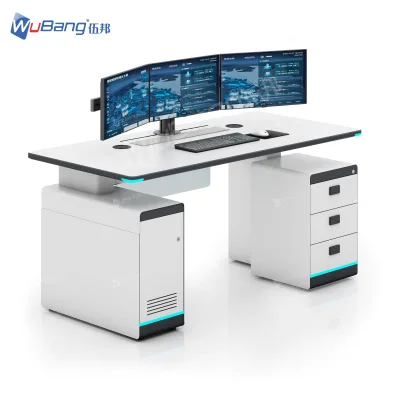
Customizable Modular Design Integrated Control Room Console
$460.00 - $650.00
MOQ: 1 Meters
Beijing Jingcheng Chuangxin Intelligent Technology Co., Ltd.


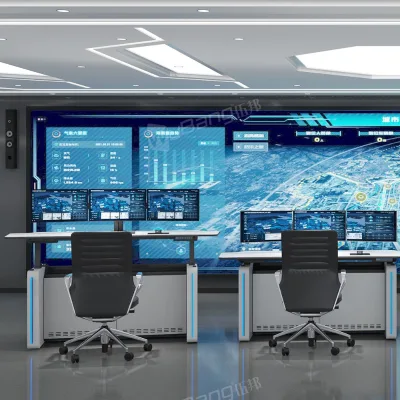
Advanced Cable Management System Control Room Console
$460.00 - $650.00
MOQ: 1 Meters
Beijing Jingcheng Chuangxin Intelligent Technology Co., Ltd.


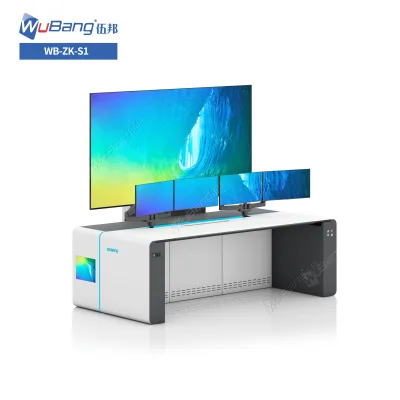
Command Center Control Room Motorized Console
$460.00 - $650.00
MOQ: 1 Meters
Beijing Jingcheng Chuangxin Intelligent Technology Co., Ltd.


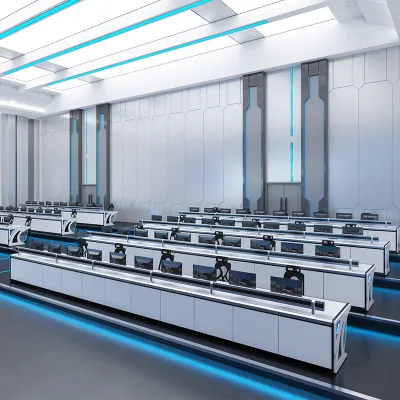
Modular Assembly Control Room Console Data Center Command Center Console
$300.00 - $1500.00
MOQ: 10 Pieces


Customizable Table with Built-in Power for Command and Control Console
$600.00 - $1200.00
MOQ: 19 Meters
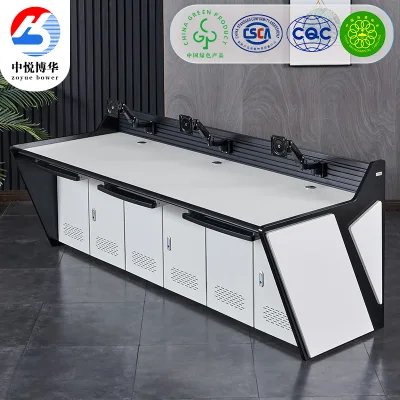
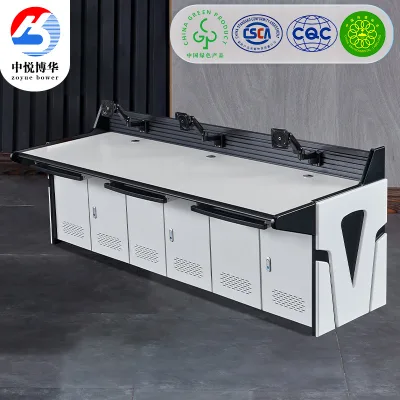
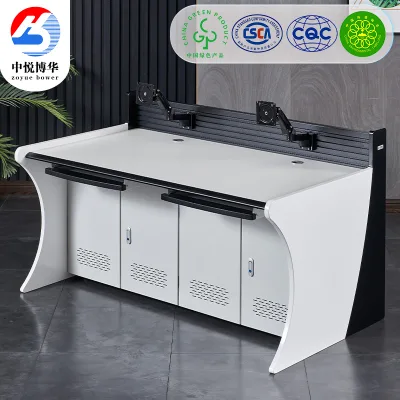
High-Tech Command Center Control Room Console for Operator Workstations
$139.6333 - $399.3906
MOQ: 2 Minimum
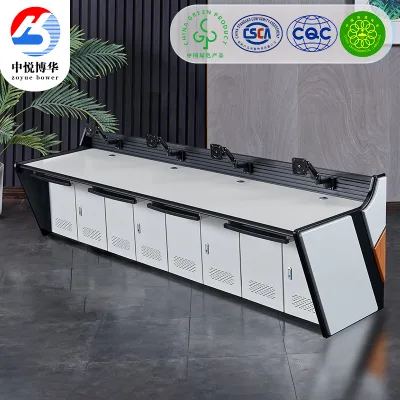
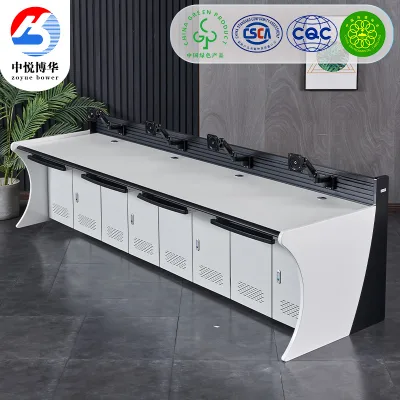
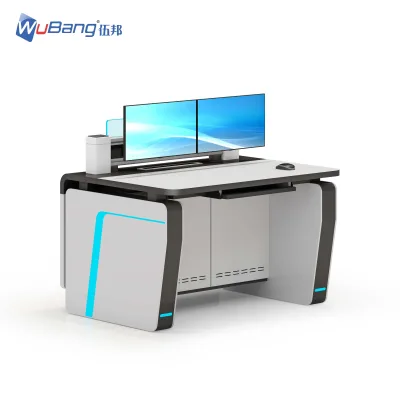
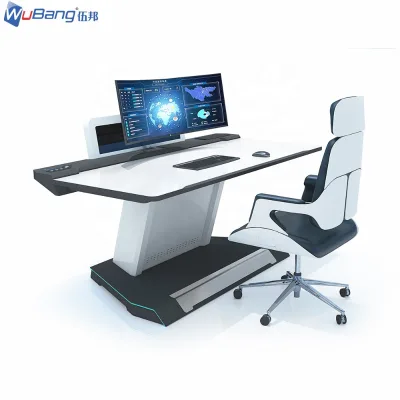
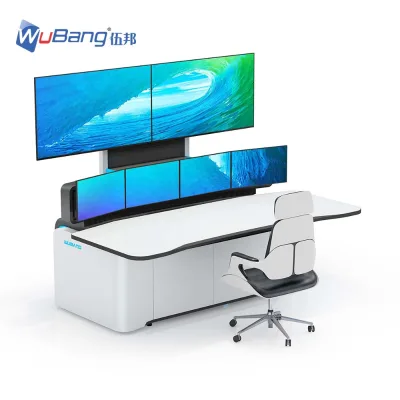
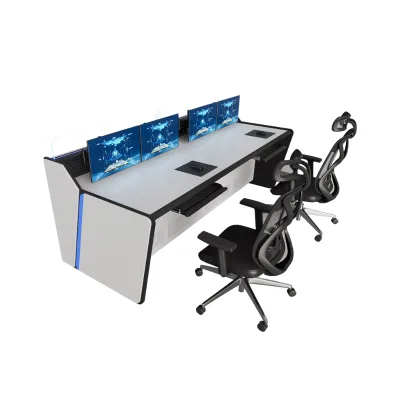
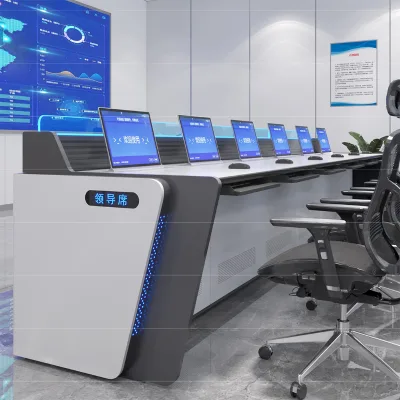
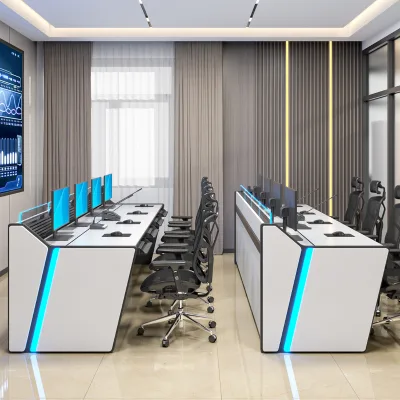
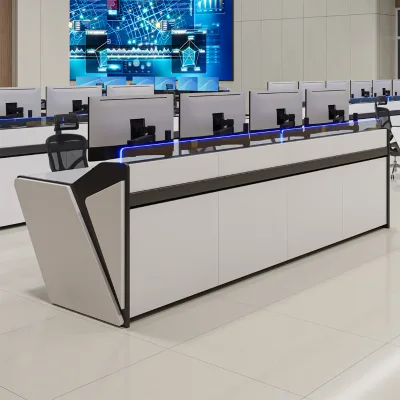
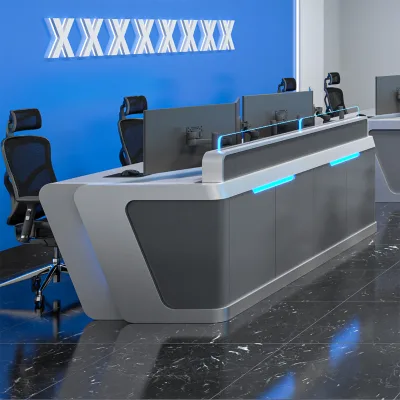
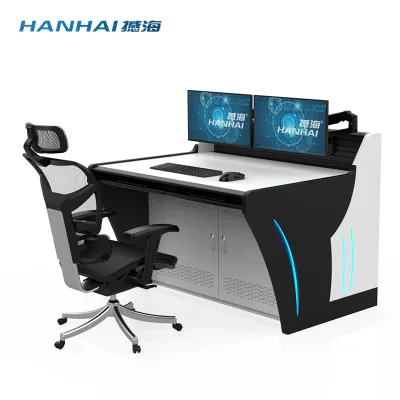
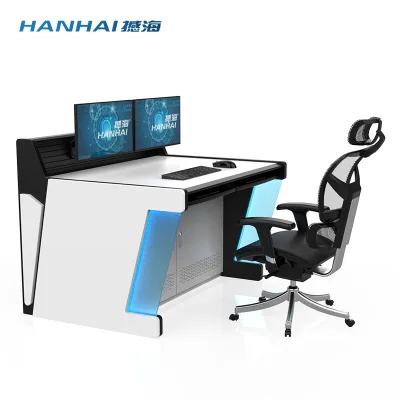
Comprehensive Sourcing Guide
Modular Extendable Command Console Sourcing Guide
Procuring modular extendable command consoles requires a strategic approach to balancing operational flexibility with structural integrity. These systems are designed for high-stakes environments where rapid reconfiguration and reliable performance are non-negotiable. Buyers must prioritize vendors who offer true customization capabilities, ensuring that the console architecture aligns precisely with specific ergonomic and technical requirements. The ability to adjust dimensions and integrate diverse equipment is critical for maintaining workflow efficiency in dynamic control rooms.
The market offers a variety of configurations, ranging from single-unit setups to complex multi-operator stations. Sourcing decisions should be guided by observed product attributes such as material composition, style preferences, and specific application zones. Understanding the distinction between panel-style and solid wood constructions helps in selecting the appropriate aesthetic and durability profile for the intended facility. This guide outlines the essential verification steps to ensure that the selected command console meets both immediate operational needs and long-term scalability goals.
Product Scope and Observed Listing Signals
Current market listings indicate a diverse range of modular command consoles with varying material compositions and design styles. Observed products frequently feature metal legs paired with manmade board desktops, providing a sturdy foundation while allowing for cost-effective manufacturing. Buyers should note that customization is widely available, enabling adjustments to size, color, and branding elements. The presence of OEM and ODM services suggests that suppliers are equipped to handle bespoke orders, which is essential for facilities requiring unique layout solutions or specific corporate branding integration.
Application contexts for these consoles span from standard office buildings to specialized emergency operations and security centers. Listings highlight features such as storage, adjustability, and eco-friendly durability, which are crucial for modern command environments. The observed price range of $139.63 to $3184.99 reflects significant variation in quality, size, and customization depth. Buyers must carefully evaluate whether the listed features, such as extendable or modular designs, align with their specific operational demands rather than assuming all products offer the same level of functionality.
Technical Specifications to Verify
Verifying technical specifications is paramount to ensuring the console meets the physical and ergonomic demands of the control room. Key dimensions observed in listings include sizes such as 2490x950x750mm and 3280x950x750mm, which cater to different operator counts and workspace requirements. Buyers should confirm the exact model numbers, such as JCCX-series or tnn-liu, to trace specific design iterations and compatibility with existing infrastructure. The availability of customized sizes allows for precise fitting within constrained or irregularly shaped control rooms, but this requires clear communication of spatial constraints during the ordering process.
Material and construction details must be scrutinized to ensure long-term durability and safety. The use of metal legs and manmade board desktops is common, but the quality of these materials can vary significantly between suppliers. Buyers should verify the condition of the product, ensuring it is new and free from defects. Additionally, the packaging method, whether wooden case or carton, impacts shipping safety and handling requirements. Confirming the single package size and weight is essential for logistics planning, especially when dealing with large, heavy consoles that require specialized handling equipment for installation.
Compliance and Safety Documentation
While specific certification statuses are not universally confirmed for all listed products, buyers should proactively request documentation for relevant safety and environmental standards. Background context suggests that ISO9001, ISO14001, CE, RoHS, and IEC 60529 are relevant benchmarks in this sector. Buyers must verify if the supplier holds these certifications, as they indicate adherence to quality management, environmental responsibility, and electrical safety protocols. This is particularly important for command consoles that may house sensitive electronic equipment or require integrated power solutions.
Safety features such as durable construction and ergonomic design are critical for protecting operators during long shifts. Buyers should inquire about the specific safety mechanisms incorporated into the console design, such as cable management systems to prevent tripping hazards or rounded edges to minimize injury risks. The "Durable Safety" feature mentioned in some listings suggests a focus on robust construction, but buyers should request detailed test results or compliance certificates to substantiate these claims. Ensuring that the console meets local building and safety codes is essential for legal compliance and operational insurance requirements.
Cost Drivers and Commercial Terms
The cost of modular extendable command consoles is influenced by several factors, including material quality, customization level, and order volume. The observed MOQ range of 1-19 sets indicates flexibility for small-scale projects, but larger orders may offer better pricing tiers. Buyers should analyze the price range of $139.63 to $3184.99 to understand the value proposition of different configurations. Higher-priced items likely include advanced customization, premium materials, or complex modular features, while lower-priced options may be standard configurations with limited adjustability.
Commercial terms such as payment methods, shipping responsibilities, and lead times must be clearly defined in the contract. The "Professional Service" advantage mentioned by some suppliers suggests that after-sales support and installation guidance may be included. Buyers should verify the lead time for customized orders, as bespoke designs can significantly extend production schedules. Additionally, understanding the warranty terms and return policies is crucial for mitigating risks associated with large capital expenditures. Clear communication regarding these terms helps in budgeting accurately and avoiding unexpected costs during the procurement process.
Supplier Qualification and Quality Control
Selecting a qualified supplier is critical to ensuring the reliability and consistency of the command console supply. Buyers should verify the supplier's location, with many products originating from regions like Hebei and Guangdong in China, which are known for furniture manufacturing. Assessing the supplier's experience in OEM and ODM services provides insight into their capability to handle complex customization requests. Buyers should request references or case studies from previous projects to evaluate the supplier's track record in delivering high-quality command consoles.
Quality control processes should be transparent and rigorous. Buyers should inquire about the inspection procedures conducted before shipment, including checks for structural integrity, surface finish, and functional components. The "Customizable" standard mentioned in listings suggests that suppliers are flexible, but buyers must ensure that customization does not compromise quality. Implementing a pre-shipment inspection or third-party quality audit can help identify potential defects early. Establishing a clear communication channel with the supplier for addressing any quality issues post-delivery is also essential for maintaining operational continuity.
Long-Term Procurement Checks
Long-term procurement success depends on the ability to scale and adapt the command console infrastructure as organizational needs evolve. Buyers should consider the modularity and extendability of the consoles to ensure they can be easily reconfigured or expanded in the future. This flexibility is crucial for adapting to changes in team size, technology upgrades, or operational workflows. Suppliers who offer ongoing support and spare parts availability are preferable, as they reduce downtime and maintenance costs over the lifecycle of the equipment.
Regular reviews of supplier performance and product durability are necessary to maintain high standards of operation. Buyers should monitor feedback from end-users regarding ergonomics, functionality, and ease of maintenance. Establishing a relationship with a reliable supplier can facilitate future purchases and ensure consistency in product quality and design. Additionally, staying informed about industry trends and technological advancements in command console design can help buyers make informed decisions about upgrades or replacements. Proactive planning and continuous evaluation are key to maximizing the value of the procurement investment.
FAQs
Can modular extendable command consoles be customized for specific control rooms?
Yes, customization is available for these consoles to meet specific operational needs. Manufacturers offer OEM and ODM services, allowing for custom logos and tailored designs. The wood style can be selected as panel or solid wood, and the standard is fully customizable to fit unique control center requirements.
What materials are used in the construction of these command consoles?
These consoles typically feature metal legs for structural stability and durability. The desktop material is often manmade board, providing a robust surface for equipment. The overall design emphasizes eco-friendly and durable features, ensuring the furniture withstands heavy use in professional environments like security or intelligence command centers.
What are the standard size specifications for modular command consoles?
Standard sizes vary, with common dimensions including 2490x950x750mm and 3280x950x750mm. Other options include 3250x950x750mm or specific widths like 800mm and 600mm. Customized sizes are also available to accommodate different room layouts. Single package sizes can reach up to 128x88x120 cm for shipping purposes.
Which applications are suitable for these modular extendable consoles?
These consoles are designed for diverse applications including office buildings, home offices, and emergency operations centers. They are ideal for security operations centers and intelligence command centers. The modular and extendable nature makes them suitable for commercial furniture needs where flexible workspace configuration is required for monitoring and control tasks.
What is the minimum order quantity for purchasing these consoles?
The minimum order quantity is typically one set, allowing for flexible procurement. Some listings indicate an MOQ of 1 to 19 units, making it accessible for smaller projects. This low entry point supports businesses looking to equip single control rooms or pilot programs without committing to large bulk orders.
How are these command consoles packaged for international shipping?
Packaging methods include wooden case packing and carton packaging to ensure safe transit. Some items are marked for mail packing compatibility. The single package size can be substantial, reaching 128x88x120 cm, so logistics planning is essential. This robust packaging protects the durable metal and manmade board components during transport.