Modern Restaurant Counter Stools Suppliers and Manufacturers
Compare 28 verified suppliers of Modern Restaurant Counter Stools by location, lead time, and minimum order quantity. Review product specifications like material and dimensions before contacting vendors for quotes; review the available evidence before requesting comparable quotations from suitable candidates.
Updated
Suppliers List

Qingdao Rolinda Manufacture and Trade Co., Ltd.
- Verified by BV
- Trading Company
- China Shandong
- Lead time30 days
- Avg. response≤ 11h
Main productsChiavari Chairs, Dining Chairs, Rental Chairs, Wedding Chairs, Event Chairs, Hotel Chairs, Napoleon Chairs, Wedding Folding Chairs, Cross Back Chairs, Banquet Chairs
Main marketsSouth America,Africa,Southeast Asia/ Mideast,East Asia(Japan/ South Korea),Domestic,Europe,Australia,North America

Foshan Dawo Furniture Co., Ltd.
- Manufacturer, Trading Company
- Guangdong, China
- Lead time0 days
- Avg. response≤ 4h
Main productsWedding Chair, Wedding Table, Bar Furniture, Wedding Backdrop, Wedding Sofa
Main marketsNorth America(52.00%), Northern Europe(11.00%), Eastern Europe(11.00%), Southern Europe(10.00%), Western Europe(8.00%), South America(4.00%), Oceania(4.00%)
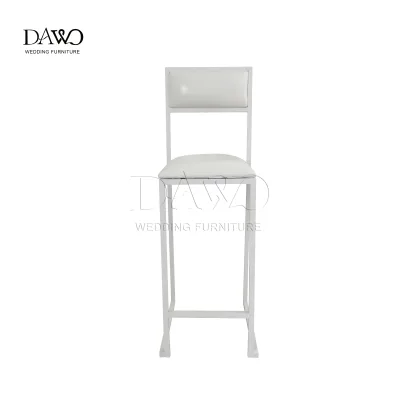
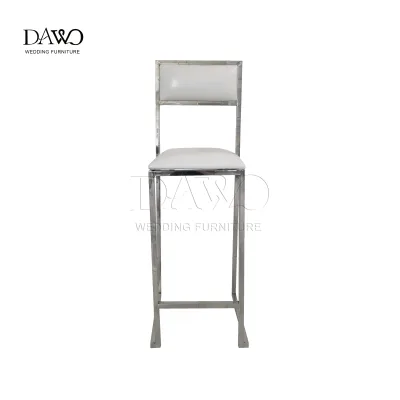
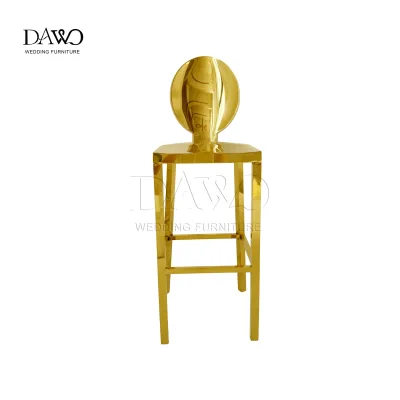
Luxury Modern Metal Stainless Steel High Foot Stool bar Counter Height Stools for Living Room
$56.977 - $67.3366
MOQ: 1 Minimum

Hebei ChangXin Import and Export Trade Co., Ltd.
- Verified by SGS
- Trading Company
- China Hebei
- Lead time15 days
- Avg. response≤ 19h
Main productsTV Stand, Dining Chair, Office Chair, Dining Table, Bar Chair, Coffee Table
Main marketsEurope
Foshan City Shunde District Daylight Furniture Co., Ltd.
- Verified by Intertek
- Manufacturer, Trading Company
- Lead time20 days
- Avg. response≤ 2h
Main productsSofa, Bed, Dining Set, Coffee Table, TV Cabinet
Main marketsDomestic Market(14%), North America(10%), Eastern Europe(10%)
Zhejiang Linfeng Chair Co., Ltd.
- Manufacturer
- Zhejiang, China
- Lead time60 days
- Avg. response≤ 2h
Main productsOffice Chair, Dining Chair, Bar Chair
Main marketsWestern Europe(45.00%), Domestic Market(24.00%), South America(15.00%), Eastern Europe(8.00%), Southern Europe(4.00%), North America(3.00%), Northern Europe(1.00%)

- Verified by TUVRHEINLAND
- Combined
- China Guangdong
- Lead time30 days
- Avg. response≤ 2h
Main productsDesigner Replica Chairs, Designer Tables, Fiberglass Chairs, Lounge Chairs, Leisure Chairs, Metal Wire Chairs, Office Sofas, Living Room Sofas, Commercial Furniture, Furniture
Main marketsEurope

Modern Hotel Lobby Restaurant Kitchen Club Counter Height Stool Bar Chair Barstool
$125.00 - $140.00
MOQ: 10 Pieces

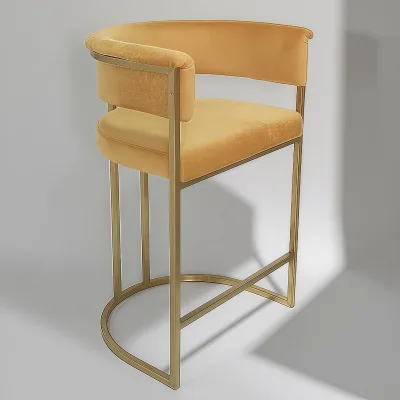
Modern Restaurant Club Velvet Fabric Leather Counter Height Stool Bar Chair Barstool
$90.00 - $100.00
MOQ: 10 Pieces

Modern Lobby Restaurant Club Fabric Leather Counter Height Stool Bar Chair Barstool
$125.00 - $140.00
MOQ: 10 Pieces

Modern Kitchen Hotel Restaurant Bar Stool Metal Legs Barstool Counter Height Chair
$260.00 - $280.00
MOQ: 10 Pieces


TIANJIN CHRCASE FURNITURE TECHNOLOGY DEVELOPMENT CO., LTD.
- Verified by SGS
- Trading Company
- China Tianjin
- Lead time15 days
- Avg. response≤ 5h
Main productsOffice Chair, Gaming Chairs, Chair Accessories, Dining Chair, Coffee Chair, Plastic Chair, Bar Chair, Hardware Products, Furniture Spare Parts
Main marketsAfrica,Europe
Foshan Yulin Furniture Co., Ltd.
- Trading Company, Buying Office, Distributor/Wholesaler
- Guangdong, China
- Lead time0 days
- Avg. response≤ 6h
Main productsoutdoor tables,outdoor chairs,sofas,daybed,swing
Main marketsNorth America(20.00%), Western Europe(20.00%), Mid East(15.00%), Oceania(10.00%), Central America(10.00%), Northern Europe(10.00%), Eastern Europe(5.00%), Southern Europe(5.00%), Domestic Market(3.00%), South Asia(2.00%)

Tianjin Kingnod Furniture Co., Ltd.
- Verified by BV
- Manufacturer/Factory
- China Tianjin
- Lead time23 days
- Avg. response≤ 4h
Main productsDining Chair, Restaurant Chair, Office Chair, Bar Stool, Game Chair, Plastic Chair, Metal Chair, Dining Table, Gaming Table, Barstool
Main marketsSouth America,Eastern Europe,Mid East,North America,Southeast Asia,Eastern Asia,Oceania,Western Europe,Africa

Modern Restaurant Bar Contemporary ABS Plastic Adjustable Counter Height Chair Bar Stool
$12.08 - $13.99
MOQ: 200 Pieces

Comfortable Breakfast Bar Chairs Modern Unique Adjustable Counter Stools with Backs
$17.44 - $20.70
MOQ: 200 Pieces

Modern Bar Furniture Stackable Cushioned Metal Wire Outdoor Counter Bar Stool
$20.48 - $22.42
MOQ: 200 Pieces

$15.56 - $16.49
MOQ: 200 Pieces


Hebei Mingshuai Furniture Sales Co., Ltd.
- Verified by Intertek
- Trading Company
- Lead time20 days
- Avg. response≤ 2h
Main productsDining Chair, Dining Table, Office Chair, Wedding Chair, Bar Chair
Main marketsEastern Europe(27%), North America(21%), Western Europe(20%)
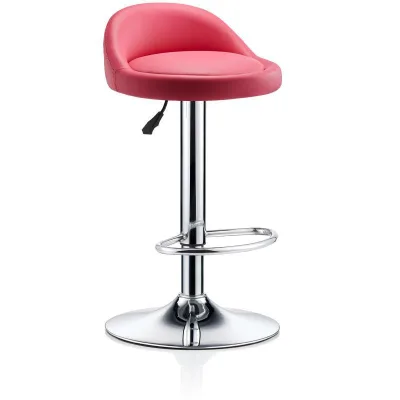
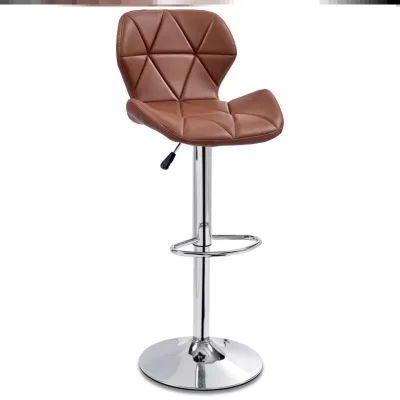
$10.6489 - $13.9572
MOQ: 50 pieces
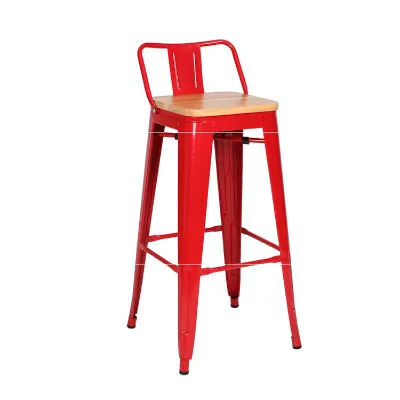
$11.7956 - $12.749
MOQ: 50 pieces
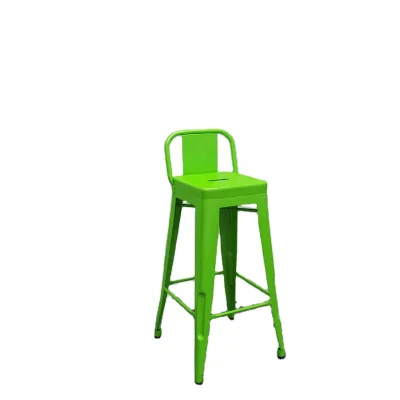
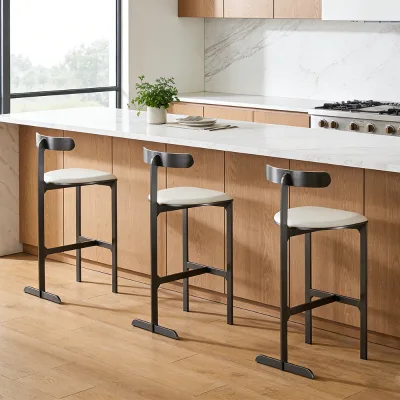
High Quality Contemporary Design Metal Bar Stools with Low Back for Kitchen Bar Chairs
$11.00 - $11.99
MOQ: 200 pieces
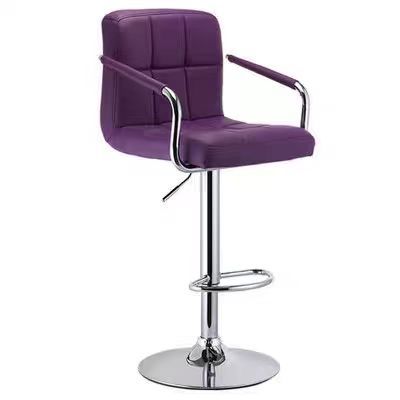

Tianjin Bchair Import and Export Trade Co., Ltd.
- Verified by SGS
- Trading Company
- China Tianjin
- Lead time23 days
- Avg. response≤ 1h
Main productsDining Chairs, Dining Table, Benches, Ottomans, Tolix Chairs, Bar Table, Restaurant Chair, Lounge Chair
Main marketsSouth America,Eastern Europe,Mid East,North America,Western Europe

Modern Velvet Stable and Comfortable Armrest Restaurant Hotel Bar Stools
$18.00 - $28.00
MOQ: 100 Pieces


Baidi (changzhou) International Trade Co., Ltd.
- Trading Company
- Jiangsu, China
- Lead time30 days
- Avg. response≤ 4h
Main productsBar Stool, Vanity Stool, Office Chair, E-Sports Gaming Chair, Stool Accessories
Main marketsNorth America(100.00%)
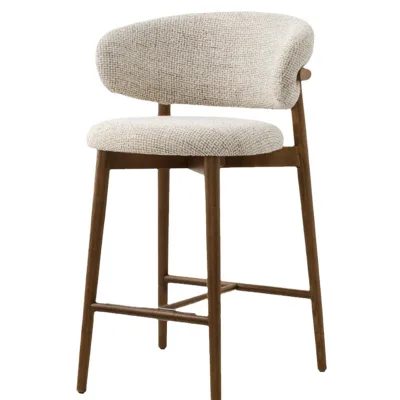
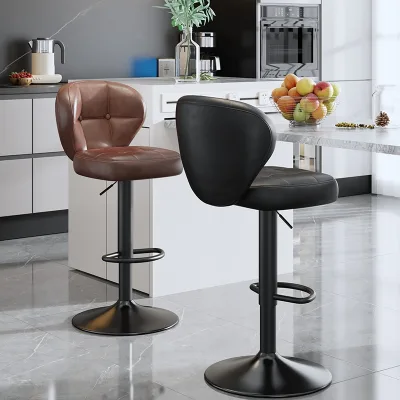
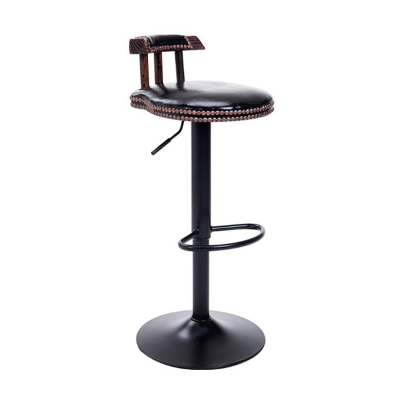
Vintage Style bar Stools Hotel Restaurant Kitchen bar Chair Counter Height Home Barstool
$47.00 - $50.00
MOQ: 30 pieces
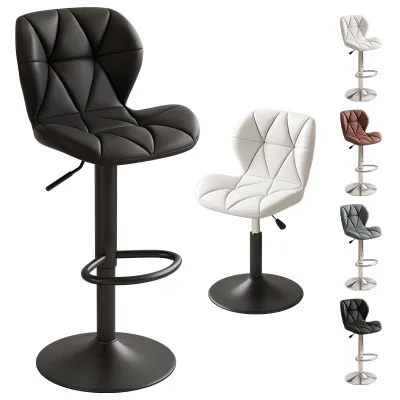
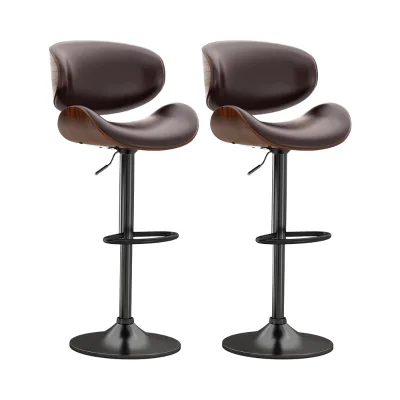
$35.00 - $38.00
MOQ: 100 pieces
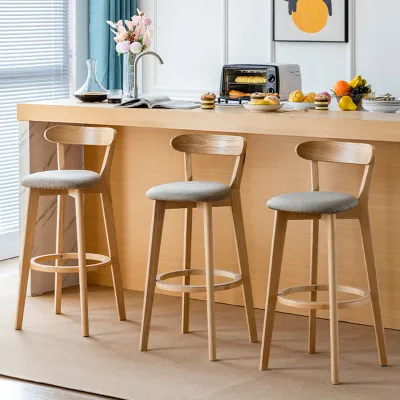
Shenzhen Bangyuan Furniture Co., Ltd.
- Verified by SGS Group
- Manufacturer, Trading Company
- Lead time10 days
- Avg. response≤ 3h
Main productsLED Commercial Furniture, Indoor & Outdoor Lighting, Led Lights, Landscape Lighting, Decorative Lighting
Main marketsNorth America(60%), South America(7%), Mid East(6%)

Foshan Ron Hospitality Supplies Co., Ltd.
- Manufacturer/Factory,Group Corporation
- China Guangdong
- Lead time23 days
- Avg. response≤ 2h
Main productsRestaurant Furniture, Customized Restaurant Product, Restaurant Table, Restaurant Chair, Restaurant Booth, Cafe Furniture, Bar Furniture, Coffee Shop Furniture, Dinnerware, Glassware
Main marketsSouth America,Eastern Europe,Mid East,North America,Southeast Asia,Eastern Asia,Oceania,Western Europe,Africa

Fast Food Restaurant Cafe Modern Design Iron Steel Bar Counter Stool Chair
$140.00 - $150.00
MOQ: 30 pieces

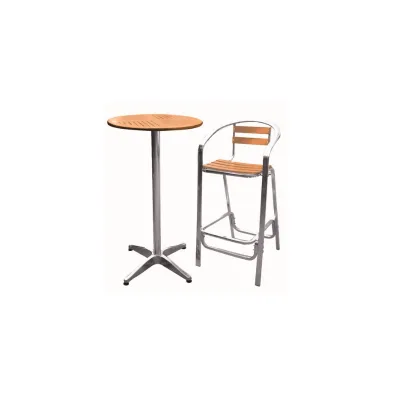
Modern Restaurant Round Wooden Table High Bistro Stool Chair Booth Seating Bar Furniture
$68.00 - $125.00
MOQ: 2 pieces
Hangzhou Joy Kitchen Equipment Co., Ltd.
- Verified by TüVRheinland
- Trading Company
- Lead time10 days
- Avg. response≤ 4h
Main productsFryer, Sushi Machine, Oven, Mixer, Warmer
Main marketsNorth America(30%), Mid East(13%), Western Europe(12%)

Foshan Hanse Industrial Co., Ltd.
- Verified by CTI
- Manufacturer/Factory
- China Guangdong
- Lead time38 days
- Avg. response≤ 13h
Main productsHotel Furniture, Bedroom Bed, Restaurant Furniture, Resort Hotel Furniture, Interior Furniture, Walk in Clothes, Bedroom Wardrobe, Bedroom Furniture, Kitchen Cabinet, Living Room Sofa/Outdoor Sofa
Main marketsSouth America,Eastern Europe,Mid East,North America,Southeast Asia,Eastern Asia,Oceania,Western Europe,Africa

Luxury Modern Hotel Coffee Shop Furniture Bar Counter Stools Rope Restaurant Chair
$50.00 - $129.00
MOQ: 1 Pieces

Restaurant Bar Dining Chairs Modern Style High Bar Stools for Dining Room
$50.00 - $150.00
MOQ: 1 Pieces

Restaurant Bar Chair High Bar Stool Modern Kitchen Dining Room Furniture Stool Chair
$50.00 - $150.00
MOQ: 1 Pieces

Fujian Dongyi Shenghui International Trade Co., Ltd.
- Verified by SGS
- Combined
- China Fujian
- Lead time15 days
- Avg. response≤ 2h
Main productsHotel Furniture, Apartment Furniture, Dining Restaurant Banuqet Furniture, Church Furniture, Movie Theater Furniture, Opera House Furniture, KTV Furniture, Office School Stadium Furniture
Main marketsEurope

FOSHAN BUDDYHOME HOUSEWARE CO., LTD.
- Verified by CTI
- Trading Company,Manufacturer/Factory
- China Guangdong
- Lead time23 days
- Avg. response≤ 6h
Main productsKids Bed, Kids Bunk Bed, Leather Bed, Car Bed, Kids Combine Bed, Leisure Chair, Sofa, Dining Chair, Bar Chair
Main marketsSouth America,Eastern Europe,Mid East,North America,Southeast Asia,Eastern Asia,Oceania,Western Europe,Africa


Restaurant Kitchen Counter High Bar Stool Chair with Metal Legs Back Rest
$45.00 - $48.00
MOQ: 30 Pieces

Foshan Xinda Furniture Co., Ltd.
- Verified by SGS
- Manufacturer/Factory
- China Guangdong
- Lead time30 days
- Avg. response≤ 4h
Main productsRestaurant Furniture, Bar Furniture, Hotel Bedroom Furniture
Main marketsSouth America,Eastern Europe,Mid East,North America,Southeast Asia,Eastern Asia,Oceania,Western Europe,Africa


Retro Diner Style Chair Vintage Classic Metal Bar Stool for Themed Restaurants and Coffee Shops
$65.00 - $75.00
MOQ: 10 pieces

Foshan Sunward Furniture Co., Ltd.
- Verified by TUVRHEINLAND
- Trading Company
- China Guangdong
- Lead time30 days
- Avg. response≤ 6h
Main productsOutdoor Furniture, Garden Furniture, Aluminum Furniture, Rattan Furniture, Bistro Furniture, Hotel Furniture, Home Furniture, Dining Set, Sunbed, Daybed
Main marketsDomestic


Modern Outdoor Aluminum High Bar Stool for Club Hotel Bistro Restaurant Cafe
$98.00 - $180.00
MOQ: 10 Pieces

Langfang Airun Imp. & Exp. Co., Ltd.
- Verified by BV
- Trading Company
- China Hebei
- Lead time15 days
- Avg. response≤ 7h
Main productsDining Table, Coffee Table, Dining Chair, Hotel Chair, Leisure Chair, Plastic Chair, Metal Chair, Fabric Covered Chair, TV Stand, Sideboard
Main marketsSouth America,Africa,Southeast Asia/ Mideast,Europe,North America
Anji Shengtai Furniture Co., Ltd.
- Manufacturer, Trading Company
- Zhejiang, China
- Lead time30 days
- Avg. response≤ 2h
Main productsBar Chair, Metal Chair, Dining Chair, Leisure Chair
Main marketsSouth America(25.00%), North America(22.00%), Oceania(10.00%), Western Europe(10.00%), Eastern Asia(7.00%), Southern Europe(4.00%), Central America(4.00%), Mid East(4.00%), South Asia(3.00%), Africa(3.00%), Eastern Europe(3.00%), Southeast Asia(3.00%), Northern Europe(2.00%)

Guangzhou Mega Import and Export Co., Ltd.
- Verified by TUVRHEINLAND
- Trading Company
- China Guangdong
- Lead time30 days
- Avg. response≤ 6h
Main productsOffice Chair, Office Table, Office Cubicle, Restaurant Furniture, Conference Table, Office Sofa, Executive Desk, Restaurant Sofa, Hotel Furniture, Executive Furniture
Main marketsEurope,North America

Zhongshan Uptop Furnishings Co., Ltd.
- Verified by BV
- Combined
- China Guangdong
- Lead time15 days
- Avg. response≤ 2h
Main productsRestaurant Furniture, Restaurant Table and Chair, Hotel Table and Chair, Cafeteria Table and Chair, Bar Table and Chair, Canteen Furniture, Plastic Chair, Cafe Furniture, Contract Furniture, Commercial Furniture
Main marketsSouth America,Africa,Southeast Asia/ Mideast,East Asia(Japan/ South Korea),Europe,Australia,North America
Beijing Jinyang International Trade Co., Ltd.
- Trading Company
- Beijing, China
- Lead time7 days
- Avg. response≤ 2h
Main productsSteel Fire Rated Door,Wooden Doors with frame,Hospital Doors,Interior Doors,WPC Doors
Main marketsNorth America(35.00%), Western Europe(20.00%), Mid East(10.00%), Africa(10.00%), Southeast Asia(10.00%), Eastern Europe(10.00%), South America(5.00%)

Hengshui Lihao Import And Export Trading Co., Ltd.
- Trading Company
- Hebei, China
- Lead time15 days
- Avg. response≤ 4h
Main productsMen's clothing,Women's clothing,Underwear,watch,socks
Main marketsNorth America(50.00%), Eastern Europe(10.00%), Southeast Asia(9.00%), Western Europe(5.00%), South America(5.00%), Africa(4.00%), Eastern Asia(4.00%), Mid East(4.00%), Oceania(4.00%), Domestic Market(1.00%), South Asia(1.00%), Southern Europe(1.00%), Northern Europe(1.00%), Central America(1.00%)
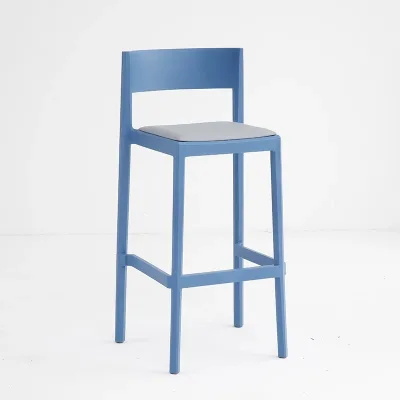
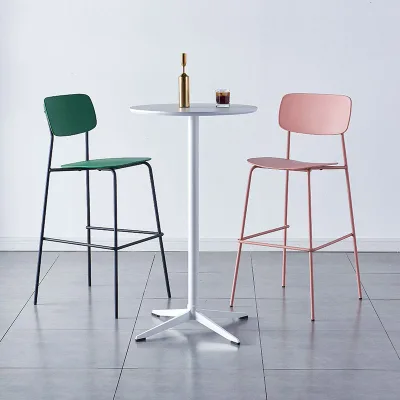
Customized Modern High Quality Outdoor White Lounge Diner Retro Bar Stools
$25.55 - $29.55
MOQ: 10 Minimum
$50.21 - $51.66
MOQ: 10 pieces
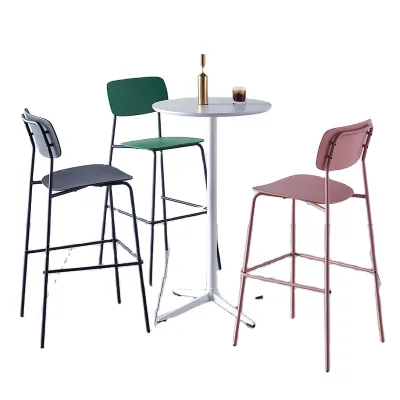
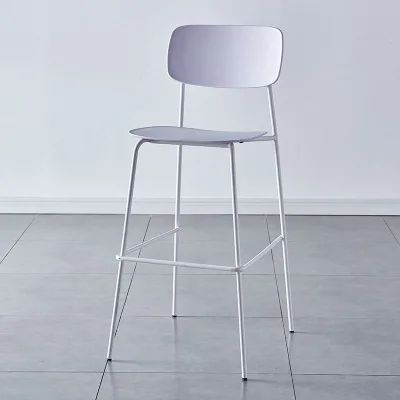
Customized Popular Design Counter Height Black bar Stool High Chair with Footrest
$50.21 - $51.66
MOQ: 10 pieces

$25.55 - $29.55
MOQ: 10 Minimum

Foshan J2S Furniture Co., Ltd.
- Verified by SGS
- Combined
- China Guangdong
- Lead time23 days
- Avg. response≤ 5h
Main productsRestaurant Furniture, Hotel Furniture, Outdoor Furniture, Bar Furniture
Main marketsSoutheast Asia/ Mideast,Australia,North America


$120.00 - $280.00
MOQ: 2 Pieces

Quanzhou Wolf Household Goods Co., Ltd.
- Manufacturer, Trading Company
- Fujian, China
- Lead time0 days
- Avg. response≤ 3h
Main productssofa,bar chair,Change the shoe stool,Various types of furniture,Furniture Customization
Main marketsNorth America(10.00%)




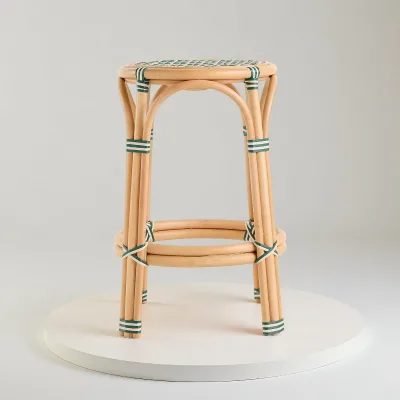
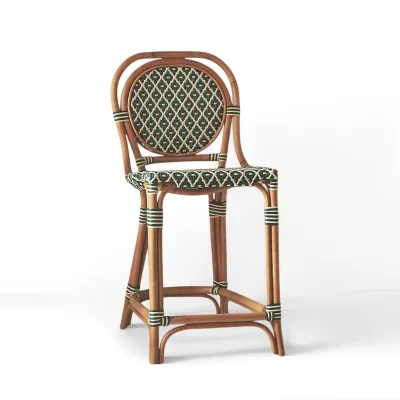
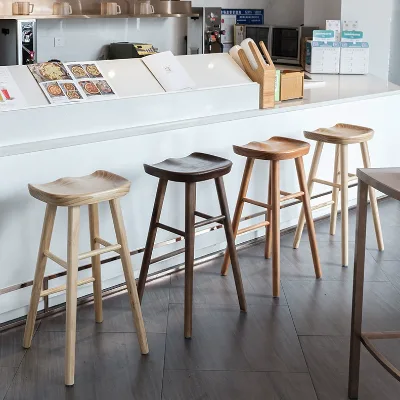
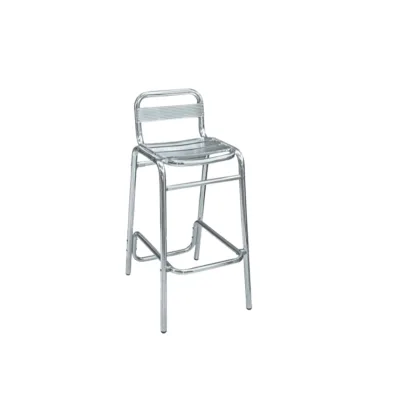
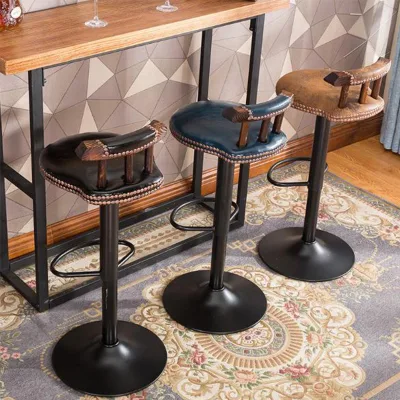


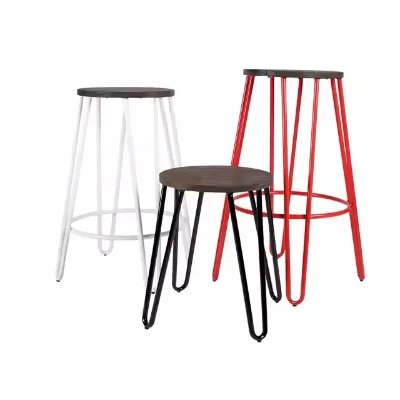
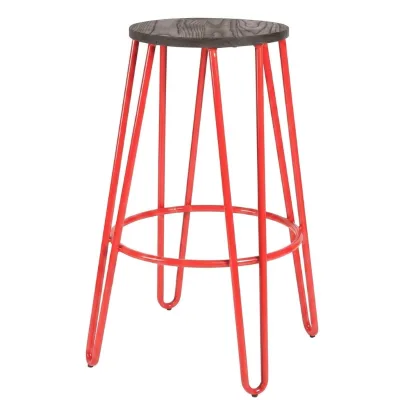
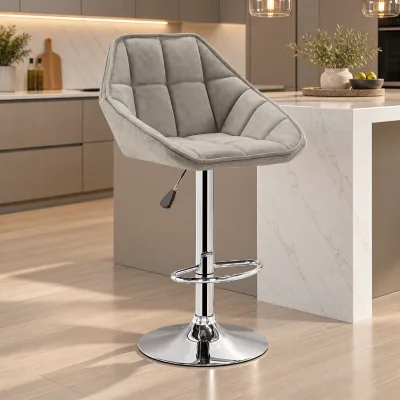


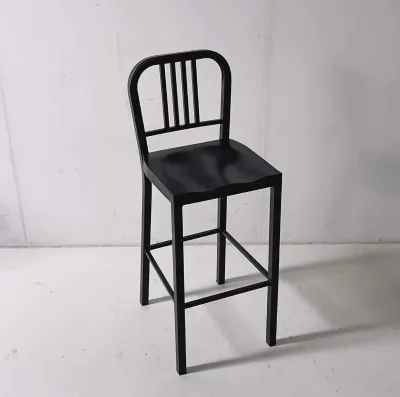
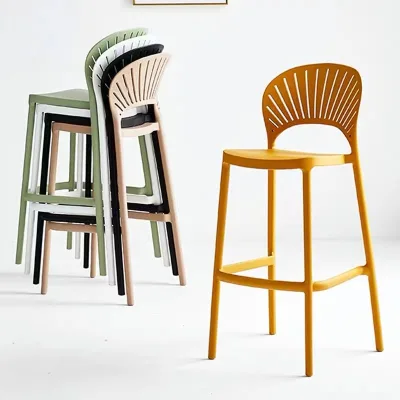
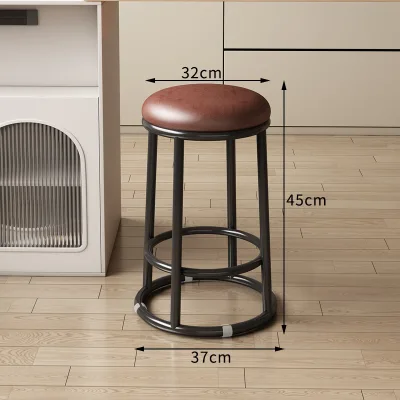
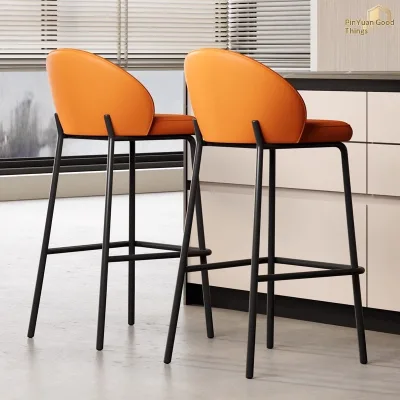
Comprehensive Sourcing Guide
Modern Restaurant Counter Stools Supplier Concentration and Factory Types
The current supplier landscape for Modern Restaurant Counter Stools reveals a distinct geographic concentration in China, with specific manufacturing hubs identified in Shandong and Guangdong provinces. These regions serve as primary centers for commercial furniture production, offering varying degrees of vertical integration and supply chain maturity. Suppliers located in these areas often benefit from established industrial clusters that provide access to raw materials such as stainless steel, leather, and acrylic plastics, which are critical for the construction of durable bar and counter stools. The presence of these clusters suggests that buyers can expect a high density of potential partners capable of handling both small-batch custom orders and large-scale commercial deployments. Understanding this geographic distribution is essential for evaluating logistics costs and lead times, as proximity to ports like Shenzhen or Guangzhou can significantly impact shipping efficiency and overall delivery timelines for international buyers.
Company types within this sector vary between pure trading companies and combined manufacturer-trading entities, each offering distinct advantages for different procurement strategies. Trading companies often provide a broader catalog of styles, including Chiavari chairs, banquet seating, and various bar stool designs, allowing buyers to consolidate orders across multiple furniture categories. In contrast, manufacturers may offer more direct control over production processes, customization options, and potentially lower unit costs for high-volume orders. Some suppliers explicitly list themselves as both manufacturers and trading companies, suggesting they can leverage their own production facilities while also managing external supply chains for complementary items. This hybrid model can be particularly useful for buyers seeking a single point of contact for diverse furniture needs, such as pairing counter stools with matching dining tables or wedding backdrops. Buyers should carefully review the company type to determine whether they are engaging with a direct factory or an intermediary, as this distinction can influence communication efficiency, quality control protocols, and flexibility in handling custom specifications.
How to Verify Modern Restaurant Counter Stools Suppliers
Verification of suppliers requires a multi-layered approach that goes beyond basic profile reviews to ensure reliability and product quality. One critical step is to check for third-party verification badges, such as BV (Bureau Veritas) certification, which indicates that the supplier has undergone independent audits of their business operations and legal standing. While verification provides a baseline of trust, it does not guarantee product quality or delivery performance, so buyers must supplement this with direct communication and sample evaluation. Assessing the supplier’s response time is another important metric; faster response times, such as those under five hours, often correlate with better customer service and more agile problem-solving capabilities during the sourcing process. Buyers should initiate contact with multiple suppliers to gauge their responsiveness and professionalism, noting how quickly they provide quotations, technical specifications, and answers to specific questions about materials and customization options. This initial interaction can reveal much about the supplier’s operational efficiency and their commitment to supporting international clients.
Product evidence and detailed attribute listings serve as additional verification tools to assess a supplier’s capability and transparency. Buyers should examine the specific product attributes provided, such as material composition, dimensions, and customization availability, to ensure they align with their project requirements. For instance, some suppliers offer stools with stainless steel frames and leather or PU cushions, while others may specialize in acrylic or plastic designs. The presence of detailed specifications, including model numbers, packing details, and warranty information, indicates a higher level of professionalism and attention to detail. Additionally, buyers should verify the supplier’s main products to ensure they have expertise in the specific category of counter stools they are sourcing. A supplier whose primary focus is on commercial furniture, including bar stools and hotel chairs, is likely to have more relevant experience and quality control measures in place compared to a generalist retailer. By cross-referencing these product details with the supplier’s verification status and response behavior, buyers can build a more comprehensive picture of their reliability and suitability for long-term partnership.
What to Compare Across Modern Restaurant Counter Stools Suppliers
When evaluating multiple suppliers, buyers must systematically compare key operational metrics to identify the most suitable partner for their specific needs. Lead time is a critical factor, with some suppliers indicating production times of up to thirty days, while others may offer faster turnaround options for standard items. It is important to distinguish between lead time for production and total delivery time, as shipping methods and customs clearance can add significant duration to the overall process. Buyers should also compare minimum order quantities (MOQ), which can range from as low as one piece for sample orders to one hundred pieces or more for bulk production. Suppliers with lower MOQs may be more flexible for initial trials or smaller projects, while those with higher MOQs might offer better unit pricing for large-scale commercial installations. Understanding these thresholds helps buyers align their procurement strategy with their inventory management capabilities and cash flow constraints.
Response speed and customization capabilities are equally important dimensions for comparison, as they directly impact the efficiency of the sourcing process and the final product’s fit for purpose. Suppliers with faster response times, such as those responding within four to ten hours, can facilitate quicker decision-making and reduce the risk of delays in project timelines. Additionally, buyers should assess the extent of customization options available, including material choices, color variations, and dimensional adjustments. Some suppliers offer fully customized solutions, allowing buyers to specify exact dimensions and materials, while others may provide limited customization within a set range of standard models. The availability of customization can be a decisive factor for buyers with unique design requirements or specific brand identity needs. By comparing these operational attributes across different suppliers, buyers can create a weighted scoring matrix to objectively evaluate each potential partner, ensuring that their final selection balances cost, speed, flexibility, and quality in a way that best supports their business objectives.
Common Modern Restaurant Counter Stools Sourcing Risks
One significant risk in sourcing Modern Restaurant Counter Stools is the potential discrepancy between product samples and bulk production quality. Suppliers may provide high-quality samples that do not accurately represent the materials or craftsmanship of the mass-produced items, leading to dissatisfaction upon delivery. This risk is particularly prevalent when dealing with suppliers who have limited quality control processes or who outsource certain production stages to third-party workshops. Buyers must mitigate this risk by requesting detailed production samples before committing to large orders and by establishing clear quality standards in their purchase agreements. Additionally, buyers should consider using third-party inspection services to verify that the bulk production meets the agreed-upon specifications before shipment. This proactive approach can help identify and address potential quality issues early in the process, reducing the likelihood of costly returns or replacements.
Another common risk is the misalignment of shipping and logistics expectations, which can lead to unexpected costs and delays. Suppliers may quote prices that do not include all shipping fees, or they may use less reliable shipping methods that result in damaged goods or prolonged transit times. Buyers should carefully review the supplier’s shipping terms, including the mode of transport, insurance coverage, and responsibility for customs clearance. Some suppliers offer shipping by sea, which is cost-effective for large orders but requires careful planning to manage inventory levels and project timelines. Buyers should also be aware of potential hidden costs, such as port fees, handling charges, and import duties, which can significantly impact the total landed cost of the products. By conducting thorough due diligence on logistics and establishing clear communication channels with suppliers regarding shipping procedures, buyers can minimize these risks and ensure a smoother procurement experience.
Modern Restaurant Counter Stools Regional Sourcing and Logistics
Sourcing from specific regions in China, such as Shandong and Guangdong, offers distinct logistical advantages and challenges that buyers must carefully consider. Guangdong province, in particular, is home to major ports like Shenzhen and Guangzhou, which provide efficient access to global shipping routes. This proximity can reduce transit times and lower shipping costs for buyers in North America, Europe, and other international markets. Suppliers in this region often have extensive experience in exporting commercial furniture, making them well-equipped to handle the complexities of international logistics, including documentation, packaging, and compliance with destination country regulations. Buyers should leverage this regional expertise by working with suppliers who have a proven track record of successful exports and who can provide reliable shipping solutions tailored to their specific needs.
However, buyers must also account for the variability in logistics performance among different suppliers, even within the same region. Some suppliers may have established relationships with freight forwarders that offer competitive rates and reliable schedules, while others may rely on less optimized shipping channels. Buyers should inquire about the supplier’s preferred shipping methods and request detailed quotes that include all associated costs. Additionally, buyers should consider the impact of seasonal fluctuations on shipping availability and pricing, particularly during peak periods such as the lead-up to major holidays or trade shows. By understanding the logistical landscape of their chosen sourcing region, buyers can make more informed decisions about their procurement strategy, ensuring that they balance cost efficiency with reliability and timeliness. This regional awareness is crucial for managing inventory levels and meeting project deadlines, particularly for large-scale commercial installations where timing is critical.
Modern Restaurant Counter Stools Commercial Terms and Order Planning
Commercial terms and payment structures play a pivotal role in the sourcing process, influencing both cash flow management and risk allocation between buyers and suppliers. Many suppliers require a deposit, such as a 30% upfront payment, with the balance due before shipment, which is a common practice in international trade. Buyers should carefully review these payment terms to ensure they align with their financial policies and risk tolerance. Additionally, buyers should inquire about the availability of secure payment methods, such as escrow services, which can provide an extra layer of protection by holding funds until the goods are received and verified. Understanding the supplier’s payment flexibility and willingness to accommodate different payment structures can be a valuable indicator of their professionalism and commitment to building long-term partnerships.
Order planning and inventory management are equally important considerations, particularly for buyers who need to coordinate the delivery of counter stools with other furniture items or construction timelines. Buyers should work closely with suppliers to establish realistic delivery schedules and to communicate any changes in project requirements as early as possible. This collaborative approach can help prevent delays and ensure that the products arrive when needed. Additionally, buyers should consider the supplier’s production capacity and supply chain resilience, particularly in the event of unexpected disruptions such as raw material shortages or labor issues. By maintaining open communication and fostering a cooperative relationship with their suppliers, buyers can enhance their ability to manage risks and ensure the successful completion of their projects. This strategic approach to commercial terms and order planning is essential for achieving a smooth and efficient sourcing experience.
FAQs
What are the typical lead times for Modern Restaurant Counter Stools?
Lead times vary by supplier, with some offering 30 days and others 15 to 30 days. Specific delivery schedules depend on order volume and customization needs. Buyers should confirm exact timelines before placing orders to ensure timely project completion.
What is the minimum order quantity for these bar stools?
Minimum order quantities range from 1 piece to 100 pieces depending on the supplier and product model. Some manufacturers allow single-piece orders for testing, while others require bulk purchases. Always verify the specific MOQ for your selected item.
Which materials are commonly used for Modern Restaurant Counter Stools?
Common materials include stainless steel, plastic, leather, PU, and glass. Frames are often stainless steel, while seats may be leather or plastic. Buyers should check product attributes to confirm material composition for durability and style requirements.
Where are these Modern Restaurant Counter Stools typically manufactured?
Manufacturing locations include Shandong, Guangdong, and Foshan in China. These regions are known for furniture production. Buyers should verify the specific place of origin listed for each product to understand shipping logistics and potential tariffs.
What is the price range for Modern Restaurant Counter Stools?
Prices typically range from 25 to 67 dollars per unit based on material and design. Specific costs depend on customization and order volume. Buyers should review individual product listings for accurate pricing and any applicable bulk discounts.
Do suppliers offer customization options for these bar stools?
Yes, many suppliers offer customization for dimensions, materials, and styles. Options include specific heights and finishes. Buyers should confirm available customization details with the supplier to ensure the final product meets their specific design and functional requirements.
How quickly do suppliers typically respond to inquiries?
Response times vary, with some suppliers responding within 4 hours and others taking longer. Faster response times often indicate higher availability. Buyers should check individual supplier profiles to gauge communication speed before initiating contact.