Stainless Steel Pizza Press Suppliers and Manufacturers
Explore 34 verified suppliers offering Stainless Steel Pizza Press machines with varying lead times, response speeds, and certifications. Compare dimensions, voltage, and customization options to select the right equipment for your bakery needs; review the available evidence before requesting comparable quotations from suitable candidates.
Updated
Suppliers List

Guangzhou Bossmai Machinery Co., Ltd
- Verified by SGS
- Combined
- China Guangdong
- Lead time15 days
- Avg. response≤ 7h
Main productsRotary Oven, Tipping Spiral Mixer, Automatic Dough Sheeter, Dough Shape Cutting Machine, Dough Moulder, Dough Divider and Rounder, Cookie Machine
Main marketsNorth America


Manual Stainless Steel Pizza Machine Food Dough Pizza Press Baking Equipment
$483.87 - $564.52
MOQ: 5 Pieces

40cm Pizza Moulder Stainless Steel Automatic Pizza Dough Press Machine Bakery Equipment
$483.87 - $564.52
MOQ: 5 Pieces

Professional Automatic 15 Inches Pasta Dough Presser Pizza Patty Cake Dough Sheet Presser
$483.87 - $564.52
MOQ: 5 Pieces

Bakery Equipment Dough Presser Pizza Kneading Machine Dough Sheeter for Pizza Shop
$483.87 - $564.52
MOQ: 5 Pieces

Professional Automatic Pancake Pasta Pizza Base Round Bread Patty Cake Dough Sheet Presser 15 Inches
$483.87 - $564.52
MOQ: 5 Pieces

BestBake Machinery Technology (Zhaoqing) Co.,Ltd
- Verified by BV
- Combined
- China Guangdong
- Lead time30 days
- Avg. response≤ 5h
Main productsBakery Equipment, Dough Mixer, Baking Oven, Pizza Oven, Bread Oven, Baking Machine, Bakery Machine, Donuts Machine, Bread Machine, Rotary Oven
Main marketsSouth America,Africa,Southeast Asia/ Mideast,East Asia(Japan/ South Korea),Europe,North America
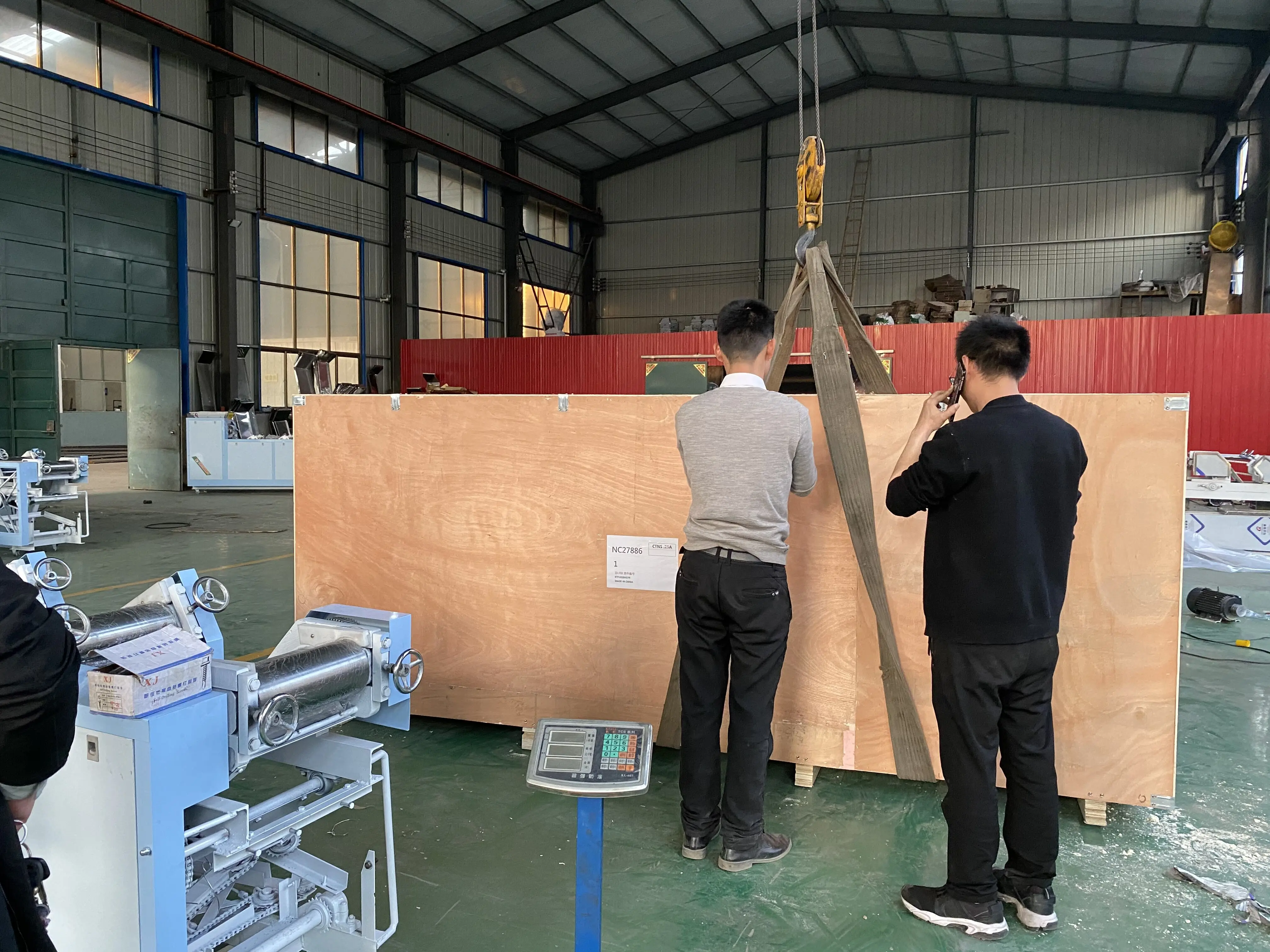
Xingtai Xiangwei Commercial Co., Ltd.
- Trading Company
- Hebei, China
- Lead time7 days
- Avg. response≤ 2h
Main productsDumpling Making Machine,Vegetable Cutting Machine,Meat Cutting Machine,Baozi Making machine,Vegetable Washing Machine
Main marketsNorthern Europe(12.00%), Oceania(11.00%), Eastern Asia(10.00%), North America(10.00%), South Asia(8.00%), Southern Europe(8.00%), Central America(8.00%), Western Europe(8.00%), Mid East(5.00%), Eastern Europe(5.00%), South America(5.00%), Domestic Market(5.00%), Southeast Asia(4.00%), Africa(1.00%)

Zhengzhou Honest Machinery Co., Ltd.
- Trading Company,Manufacturer/Factory
- China Henan
- Lead time15 days
- Avg. response≤ 5h
Main productsFood Machinery, Packing Machines, Microwave Equipment, Drying Machines, Grain Product Making Machines, Commodity Making Machines, Texitle Machines, Construction Machinery
Main marketsSouth America,Eastern Europe,Mid East,North America,Southeast Asia,Eastern Asia,Oceania,Western Europe,Africa

Luohe Xingdian Electromechanical Equipment Co., Ltd.
- Verified by BV
- Manufacturer/Factory
- China Henan
- Lead time0 days
- Avg. response≤ 1h
Main productsDrilling Rig, Meat Process Machine, Farm Machine, Packing Machine, Vegetable Process Machine, Textile Machine, Food Machine, Embroidery Machine, Construction Products, Industrial Product
Main marketsSouth America,Eastern Europe,Mid East,North America,Southeast Asia,Eastern Asia,Oceania,Western Europe,Africa
Henan Allbest Import And Export Co., Ltd.
- Verified by SGS Group
- Manufacturer, Trading Company
- Lead time10 days
- Avg. response≤ 1h
Main productsBread Making Machine, Dough Sheeter, Bread Oven, Dough Mixing Machine, Cookie Making Machine
Main marketsNorth America(20%), Western Europe(20%), Southeast Asia(15%)
Shenzhen Hanbeter Technology Co., Ltd.
- Manufacturer
- Guangdong Province, China
- Lead time15 days
- Avg. response≤ 2h
Main productsFood & Beverage Machinery,Drying Equipments,Grain processing machine,Quick Freezing Equipment,Food Packing Machine
Main marketsNorth America(30.00%), Western Europe(15.00%), South America(10.00%), Northern Europe(10.00%), Eastern Europe(10.00%), Southern Europe(5.00%), Central America(3.00%), South Asia(3.00%), Oceania(3.00%), Mid East(3.00%), Domestic Market(2.00%), Africa(2.00%), Eastern Asia(2.00%), Southeast Asia(2.00%)
Henan Shanpu Machinery Equipment Co., Ltd.
- Trading Company
- Henan, China
- Lead time0 days
- Avg. response≤ 2h
Main productsoil press machine,package machine,juicer machine,Woodworking machinery,Rubber and plastic machinery
Main marketsNorth America(15.00%), Mid East(10.00%), Northern Europe(10.00%), Western Europe(10.00%), Southeast Asia(10.00%), Eastern Europe(10.00%), Southern Europe(10.00%), Oceania(5.00%), South Asia(5.00%), Africa(5.00%), South America(5.00%), Central America(2.00%), Eastern Asia(2.00%), Domestic Market(1.00%)
Luohe High Mechanical Equipment Co., Ltd.
- Verified by SGS Group
- Manufacturer, Trading Company
- Lead time10 days
- Avg. response≤ 2h
Main productsPackaging Machines, Vegetable Machine, Meat Machine, Flat Bread Making Machine , Frying Machine
Main marketsNorth America(40%), Southeast Asia(25%), Western Europe(15%)

Henan Chanda Machinery Co., Ltd
- Verified by TUVRHEINLAND
- Trading Company,Manufacturer/Factory
- China Henan
- Lead time15 days
- Avg. response≤ 4h
Main productsFood Machine, Vegetable Cutting Machine, Bun Making Machine, Roti Making Machine, Samosa Making Machine, Skin Vacuum Packing Machine, Peeling Machine, Tablet Press Machine, Noodle Boiler, Meat Cutting Machine
Main marketsSouth America,Eastern Europe,Mid East,North America,Southeast Asia,Eastern Asia,Oceania,Western Europe,Africa

Guangzhou Wei Ge Machinery Equipment Co., Ltd.
- Verified by CTI
- Trading Company,Manufacturer/Factory
- China Guangdong
- Lead time15 days
- Avg. response≤ 24h
Main productsBaking Equipment, Deck Oven, Convection Oven, Rotary Oven, Bakery Equipment, Dough Mixer, Tunnel Oven, Dough Moulder, Proofer, Planetary Mixer
Main marketsSouth America,Eastern Europe,Mid East,North America,Southeast Asia,Eastern Asia,Oceania,Western Europe,Africa
Guangzhou R&M Machinery Co., Ltd.
- Verified by SGS Group
- Manufacturer, Trading Company
- Guangdong, China
- Lead time0 days
- Avg. response≤ 4h
Main productsBaking Equipment, Bakery Oven, Snack Food Machine, Bakery Mixer, Kitchen Equipment
Main marketsSoutheast Asia(40%), North America(10%), Eastern Europe(10%)
Henan Huanor Import And Export Trade Co., Ltd.
- Verified by TüVRheinland
- Trading Company
- Lead time0 days
- Avg. response≤ 6h
Main productsMeat Grinder, Bowl Cutter, Slicer, Beef Patty Machine
Main marketsNorth America(20%), Western Europe(20%), Eastern Europe(8%)
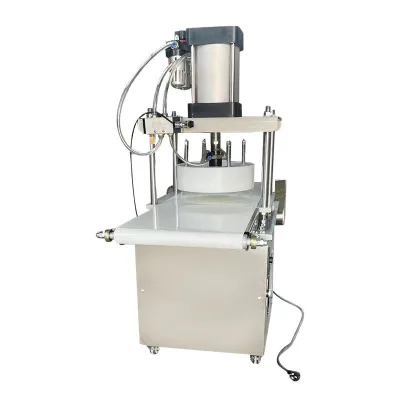
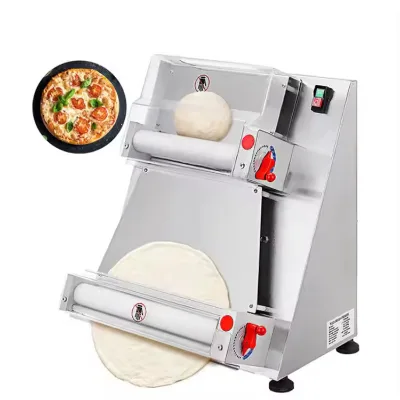
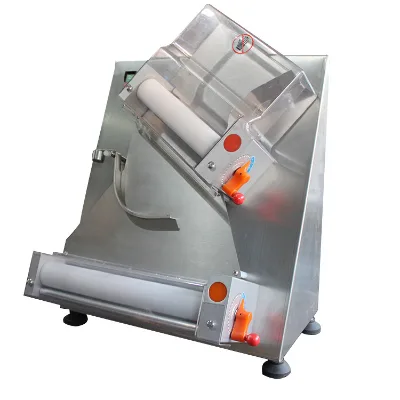
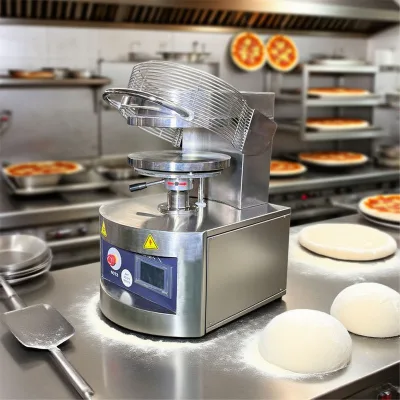
Electric Dough Press, Pastry Press, Stainless Steel Pizza Dough Roller Press, 3-15 Inches
$400.00 - $459.00
MOQ: 1 sets
Luohe Xingdian Electromechanical Equipment Co., Ltd.
- Verified by SGS Group
- Trading Company
- Lead time7 days
- Avg. response≤ 1h
Main productsFood making machine, Powder milling machine, Farm machine, Water well drilling machine
Main marketsNorth America(35%), Africa(30%), Southeast Asia(14%)
Anhui Hengyuan Food Machinery Co., Ltd.
- Verified by SGS Group
- Manufacturer, Trading Company
- Lead time20 days
- Avg. response≤ 6h
Main productsNana Bread, Laccha Paratha Production Line, Puff Pastry Production Line, Stuffed Bun Production Line, Multi-functional Bread Production Line, Pizza, Pita Bread Production Line
Main marketsDomestic Market(60%), Southeast Asia(12%), South Asia(10%)
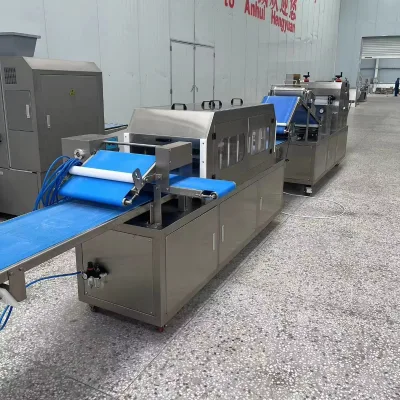
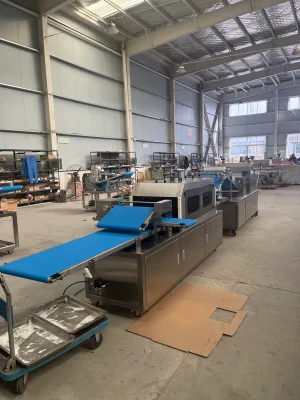
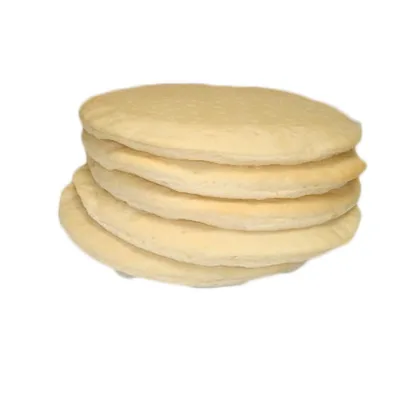
Automatic Electric Pizza Dough Maker Machine Factory Supplied Pressing Tool
$14000.00 - $38500.00
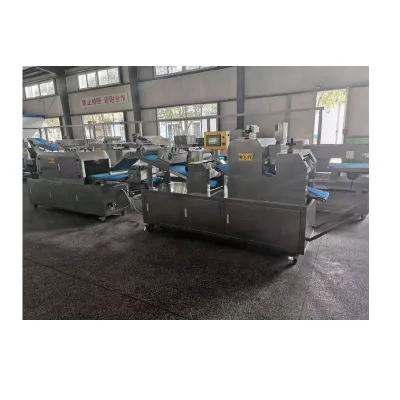
Guangzhou Dongpei Kitchen Equipment Co., Ltd.
- Verified by SGS Group
- Trading Company
- Lead time2 days
- Avg. response≤ 2h
Main productsCooking Equipment, Refrigeration Equipment, Bakery Equipment, Fast Food Equipment, Buffer Equipment
Main marketsMid East(40%), North America(30%), Southeast Asia(20%)
- Verified by Intertek
- Trading Company
- Lead time7 days
- Avg. response≤ 1h
Main productsFruit Vegetable Machine, Meat Processing Machine, Pastry Bakery Machine, Snack Machine, Feed Processing Machine

Luohe Quality Mechanical Equipment Co., Ltd.
- Verified by SGS
- Manufacturer/Factory
- China Henan
- Lead time23 days
- Avg. response≤ 5h
Main productsJuice Extractor, Sausage Making Machine, Pita Bread Machine, Biscuit Making Machine
Main marketsSouth America,Eastern Europe,North America,Eastern Asia,Western Europe
Shijiazhuang Bake Machine Tech Co., Ltd.
- Trading Company
- Hebei, China
- Lead time5 days
- Avg. response≤ 6h
Main productsBakery Machine,Bakery Production Line,Bread Making Machine,Bakery Equipment,Deck Oven
Main marketsNorth America(30.00%), Africa(15.00%), Western Europe(12.00%), Mid East(10.00%), Eastern Europe(5.00%), Northern Europe(5.00%), Central America(5.00%), Southern Europe(5.00%), South America(5.00%), Southeast Asia(3.00%), South Asia(2.00%), Domestic Market(1.00%), Eastern Asia(1.00%), Oceania(1.00%)
Jiaozuo Zhiyou Machinery Co., Ltd.
- Trading Company
- henan, China
- Lead time7 days
- Avg. response≤ 2h
Main productsFood machine,Farm machine,Drying machine,Pellet machine,Recycling Machine
Main marketsMid East(12.00%), Africa(11.00%), North America(10.00%), Oceania(10.00%), Southeast Asia(9.00%), Eastern Asia(8.00%), South Asia(7.00%), South America(6.00%), Southern Europe(6.00%), Northern Europe(5.00%), Eastern Europe(5.00%), Western Europe(4.00%), Domestic Market(4.00%), Central America(3.00%)
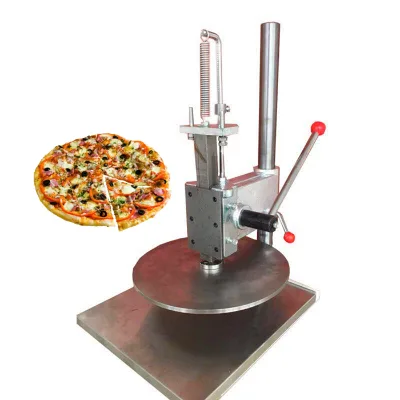
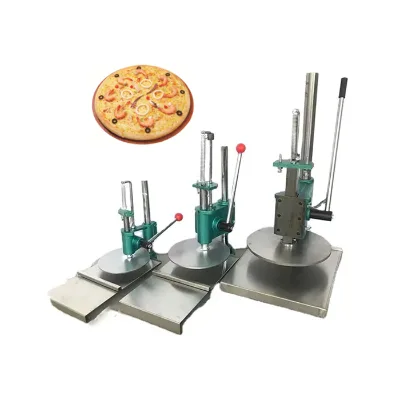
Small Type Burrito Pressing Machine Pizza Pastry Press Machine
$105.00 - $125.00
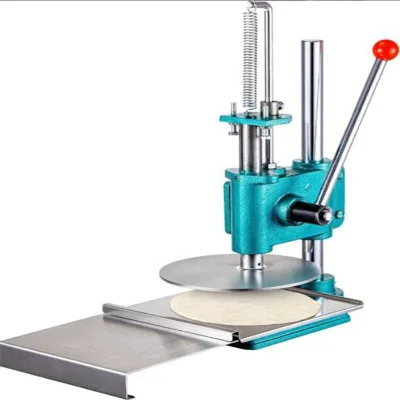
High Capacity Pita Bread Making Machine Pizza Pastry Press Machine
$115.00 - $125.00
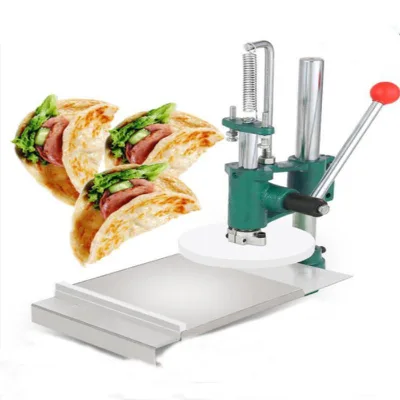
Different Size Pizza Base Making Machine Dough Pressing Machine
$280.00 - $340.00
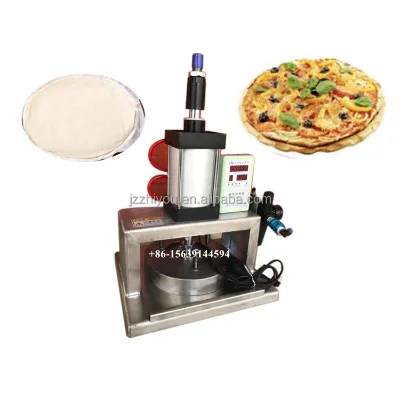
Personal Use Chapati Press Maker Pizza Dough Press Maker
$280.00 - $340.00
Foodspark Kitchen Equipment (Shanghai) Co., Ltd.
- Trading Company
- Shanghai, China
- Lead time7 days
- Avg. response≤ 4h
Main productsFast food equipment,Snack equipment,Food processing equipment,Refrigeration equipment,Baking Equipment
Main marketsEastern Europe(40.00%), North America(20.00%), South America(20.00%), Central America(10.00%), Domestic Market(1.00%), South Asia(1.00%), Southern Europe(1.00%), Northern Europe(1.00%), Southeast Asia(1.00%), Western Europe(1.00%), Eastern Asia(1.00%), Mid East(1.00%), Oceania(1.00%), Africa(1.00%)
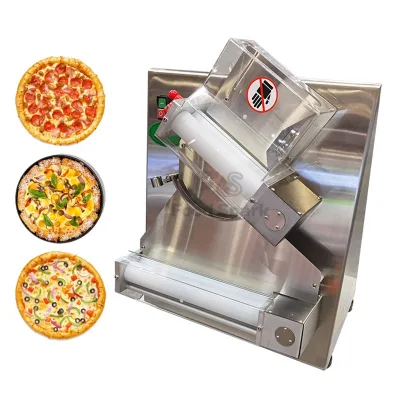
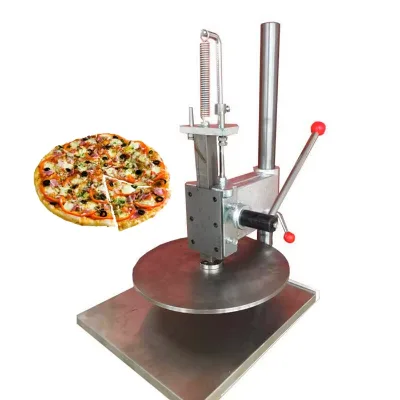
Commercial Manual Dough Flattening Press Machine Adjustable Thickness Hand Pizza Dough Press Machine
$92.8567 - $165.0776
MOQ: 1 units

Guangzhou Sunrry Kitchen Equipment Co., Ltd.
- Verified by CTI
- Trading Company,Manufacturer/Factory
- China Guangdong
- Lead time30 days
- Avg. response≤ 3h
Main productsCommercial Kitchen Solutions, Turnkey Kitchen Solutions, Catering Equipment, Restaurant Equipment, Commercial Refrigeration Equipment, Commercial Bakery Equipment, Commercial Cooking Equipment, Stainless Steel Equipment, Commercial Food Prep Equipment, Commercial Kitchen Equipment
Main marketsSouth America,Eastern Europe,Mid East,North America,Southeast Asia,Eastern Asia,Oceania,Western Europe,Africa
Luohe Lemo Machinery Equipment Co., Ltd.
- Verified by TüVRheinland
- Trading Company
- Lead time15 days
- Avg. response≤ 4h
Main productsMeat Grinder, Bowl Cutter, Slicer, Beef Patty Machine
Main marketsNorth America(20%), Western Europe(20%), Eastern Europe(8%)
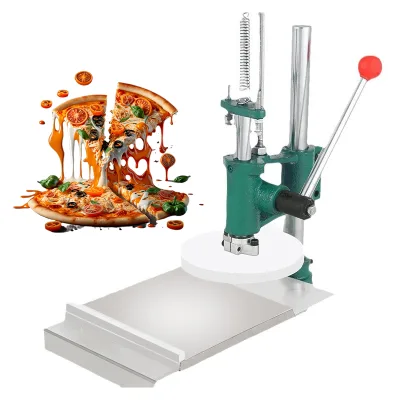
Portable Manual Pizza Dough Press Machine Premade Pasta Press Pastry Tool
$40.00 - $65.00
MOQ: 1 Minimum
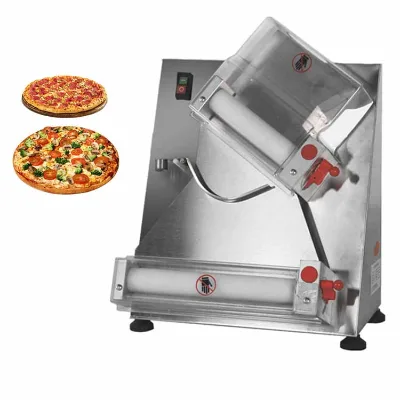
High Capacity Pizza Making Roller Machines 12 Inch Dough Press Pizza Press Machine
$450.00 - $596.00
MOQ: 1 Minimum
Henan Penghui Machinery And Equipment Co., Ltd.
- Trading Company
- Lead time旺季: "1 - 1":10,"> 1":"To be negotiated", 淡季: "1 - 1":10,"> 1":"To be negotiated"
- Avg. response≤ 2h
Main productsPastry Machinery, Food Machinery, Agriculture Machinery, Textile Machinery, Plastic Machinery

Junnuo Electromechanical Technology (Kunshan) Co., Ltd.
- Manufacturer/Factory
- China Jiangsu
- Lead time15 days
- Avg. response≤ 4h
Main productsOpen Fryer, Pressure Fryer, Dough Mixer, Baking Equipment, Proofer, Chip Warmer
Main marketsSouth America,Eastern Europe,Mid East,North America,Southeast Asia,Eastern Asia,Oceania,Western Europe,Africa

HE NAN PENG HUI MACHINERY AND EQUIPMENT CO., LTD.
- Verified by CTI
- Manufacturer/Factory
- China Henan
- Lead time15 days
- Avg. response≤ 3h
Main productsMeat Processing Machine, Fruit Processing Machine, Vegetable Processing Machine, Seafood Processing Machine, Grain Product Processing Machine, Snack Machine, Nuts Processing Machine, Quilting Machine, Textile Machine, Paper Product Processing Machine
Main marketsSouth America,Eastern Europe,Mid East,North America,Southeast Asia,Eastern Asia,Oceania,Western Europe,Africa

Stainless Steel Tortilla Flat Bread Roti Maker Pizza Dough Roller Pressing Machine
$4000.00 - $5000.00
MOQ: 1 Pieces

Automatic Pizza Dough Roller Press Pressing Dough Kneading Sheeter Making Machine
$500.00 - $1000.00
MOQ: 1 Pieces
Shenzhen Shuxiao Machinery Equipment Co., Ltd.
- Manufacturer
- Guangdong, China
- Lead time0 days
- Avg. response≤ 2h
Main productsIndustrial machinery,commercial equipment and machinery,Food & Beverage Machinery
Main marketsEastern Europe(30.00%), North America(20.00%), South America(10.00%), Domestic Market(5.00%), Northern Europe(5.00%), Western Europe(5.00%), Eastern Asia(5.00%), Mid East(5.00%), Oceania(5.00%), Africa(5.00%), Southeast Asia(5.00%)
Henan Share M&E Equipment Co.,Ltd
- Verified by SGS Group
- Trading Company
- Lead time7 days
- Avg. response≤ 3h
Main productsTextile Machinery, Printing Machinery, Construction Machinery, Wood Machinery
Main marketsNorth America(20%), South America(20%), Eastern Europe(10%)

- Verified by BV
- Combined
- China Guangdong
- Lead time15 days
- Avg. response≤ 4h
Main productsHood Type Dishwasher, Conveyor Type Dishwasher, Ultrasonic Dishwasher, Undercounter Dishwasher, Bakery Equipment, Food Processor
Main marketsSouth America,Africa,Others(foreignTradeCapacity.exportBusinessCapacityMarketOther),North America

Henan Topp Machinery Co., Ltd.
- Verified by BV
- Trading Company,Manufacturer/Factory
- China Henan
- Lead time23 days
- Avg. response≤ 2h
Main productsFruit Juicing Machine, Fruit Stone Extractor, Fruit and Vegetable Peeling Machine, Fruit Sorting Machine, Snack Machinery, Soft Ice Cream Machine, Peanut Brittle Machine, Donut Making Machine, Candy Cane Production Line, Cookies Making Machine
Main marketsSouth America,Eastern Europe,Mid East,North America,Southeast Asia,Eastern Asia,Oceania,Western Europe,Africa
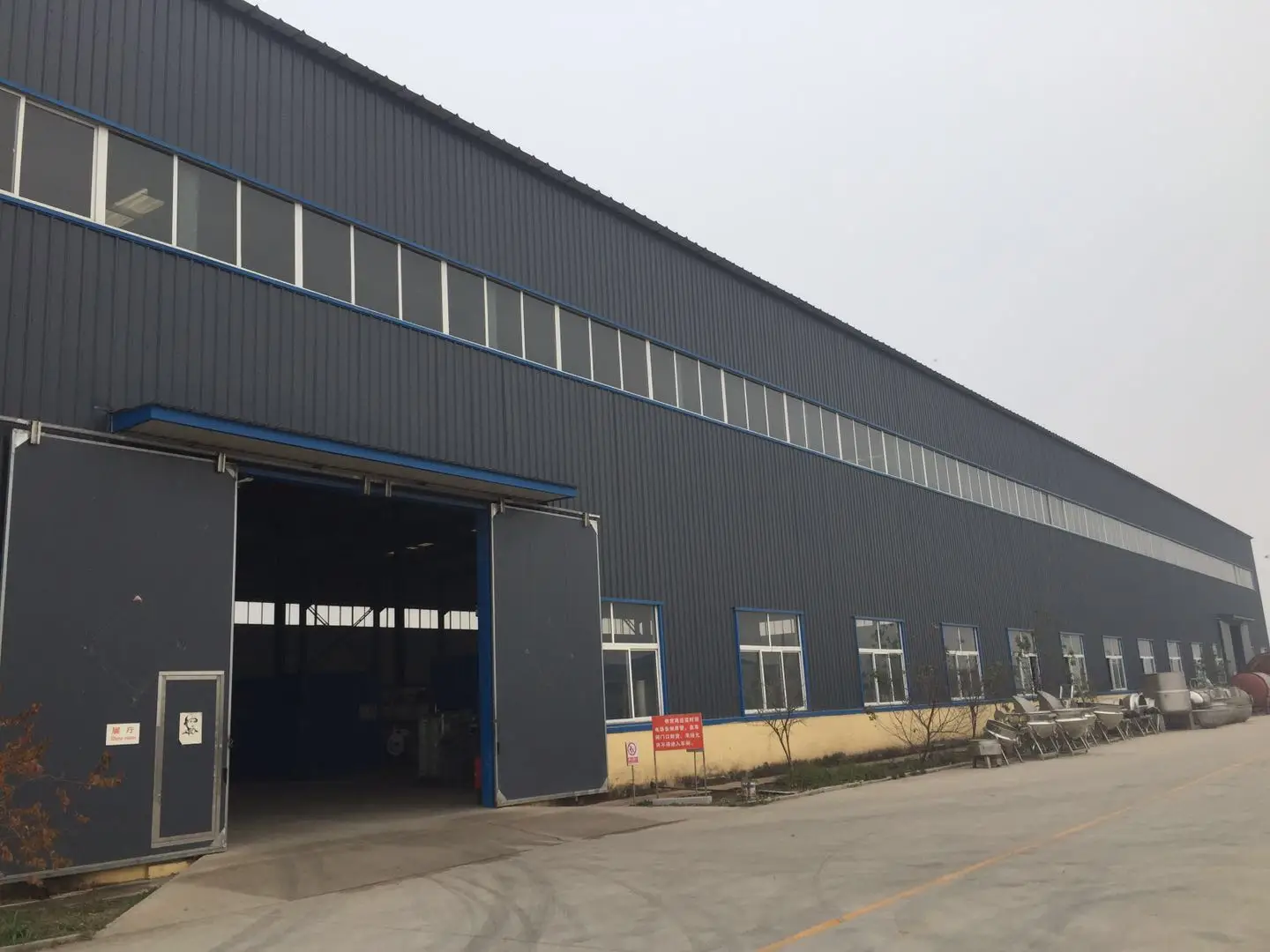
Zhengzhou Katto Machinery Equipment Co., Ltd.
- Trading Company
- Henan, China
- Lead time5 days
- Avg. response≤ 2h
Main productsfruit &vegetables process machinery,meat process machinery,food process machine,Agricultural machinery
Main marketsSouth America(23.00%), Southeast Asia(23.00%), Mid East(12.00%), Africa(12.00%), North America(12.00%), Southern Europe(10.00%), Central America(3.00%), Domestic Market(1.00%), South Asia(1.00%), Eastern Asia(1.00%), Northern Europe(1.00%)

Shanghai Mooha Import & Export Co., Ltd.
- Verified by TUVRHEINLAND
- Trading Company,Manufacturer/Factory
- China Shanghai
- Lead time23 days
- Avg. response≤ 3h
Main productsAuger Filler, Powder Filler, Screw Feeder, Bucket Feeder, Net Weight Filling Machine, Liquid Filling Machine, Vffs Machine, Powder Filling Machine, Bakery Equipment, Liquid Filler
Main marketsSouth America,Eastern Europe,Mid East,North America,Southeast Asia,Eastern Asia,Oceania,Western Europe,Africa
Changzhou Skywalk Food Machinery Co., Ltd.
- Trading Company
- Jiangsu, China
- Lead time0 days
- Avg. response≤ 2h
Main productsMilk Mixer,Meat Slicer,Food Mixer,Vegetable Cutter,Hamburger Press
Main marketsWestern Europe(25.00%), Southern Europe(20.00%), Eastern Europe(20.00%), Northern Europe(10.00%), Africa(5.00%), South Asia(5.00%), Oceania(5.00%), Southeast Asia(5.00%), Mid East(5.00%)
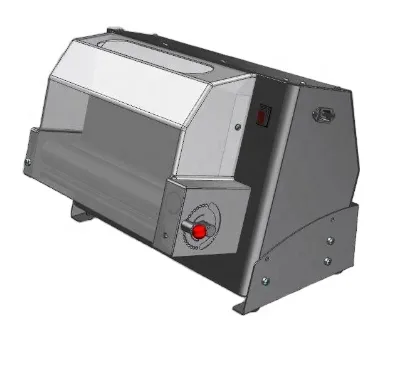
Cheaper Italian Model Pizza One Roller 12inch Machine
$300.00 - $400.00
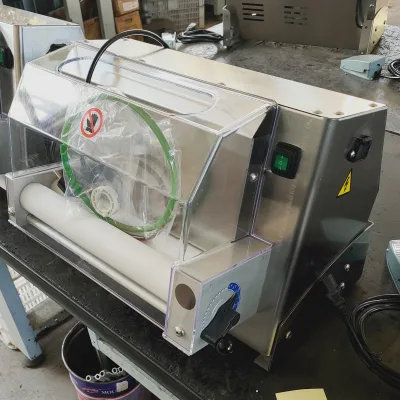
High Efficiency 16inch Pizza Pastry One Roller Machine
$350.00 - $450.00
50HZ Cheaper Single Rollers Pizza Maker ,16 Inch Pizza Press Machine Dough Sheeter
$464.2791 - $567.4522
MOQ: 10 pieces

Chengdu KLP Machinery Co., Ltd.
- Trading Company
- China Sichuan
- Lead time23 days
- Avg. response≤ 2h
Main productsLiquid Powder Granular Filling Machine, Labeling Machine, Capping Machine Sealing Machine, Automatic Packing Machine, Customized Conveyor Devices, Bakery Equipment, Fast Food Equipment, Pressure Fryer Open Fryer, Tea Harvester Machine, Agriculture Machinery
Main marketsSouth America,Africa,Europe,Australia,North America

30cm Pizza Dough Pressing Machine Pizza Base Forming Machine Pizza Dough Roller Sheeter
$500.00 - $650.00
MOQ: 1 Pieces

Electric Pizza Dough Roller Sheeter, Dough Pressing Machine for Pizza
$1300.00 - $1650.00
MOQ: 1 Pieces


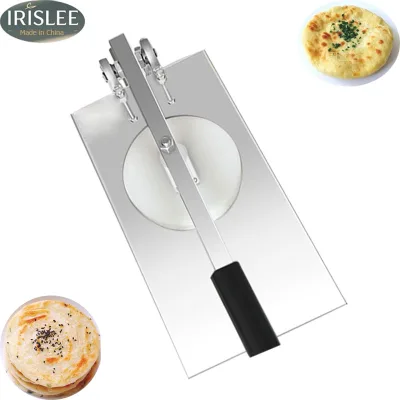
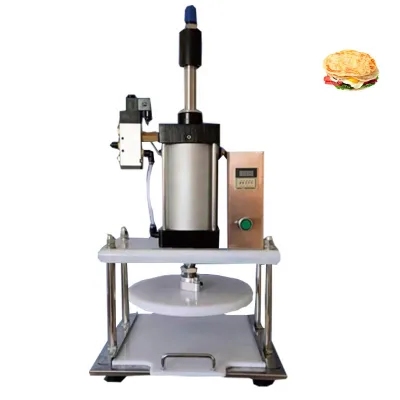
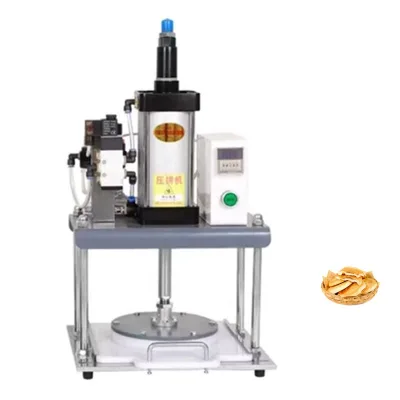


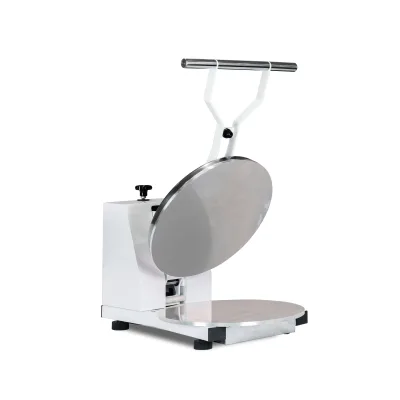
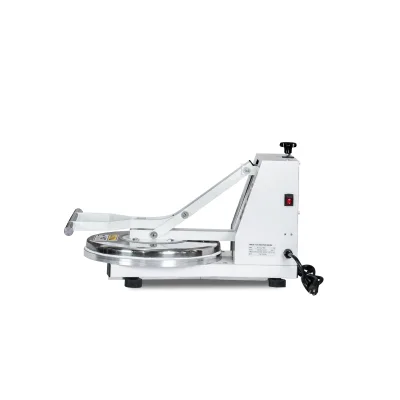
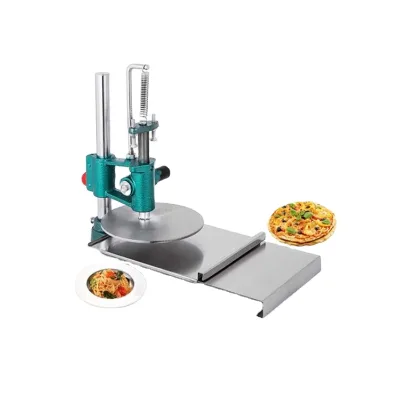
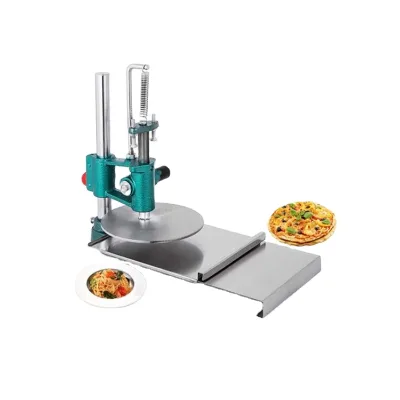
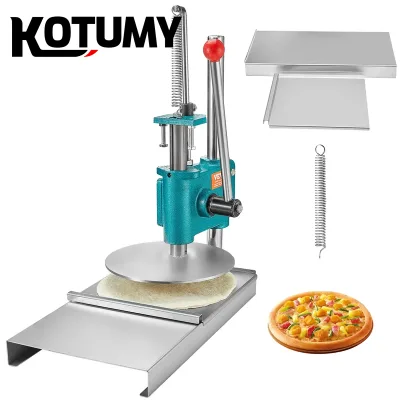
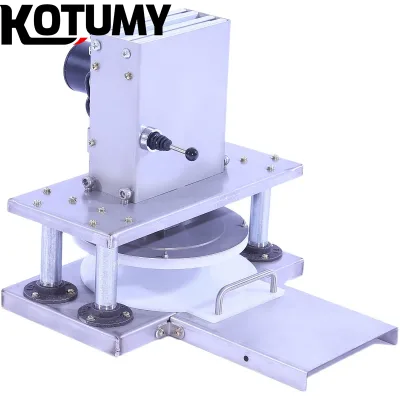
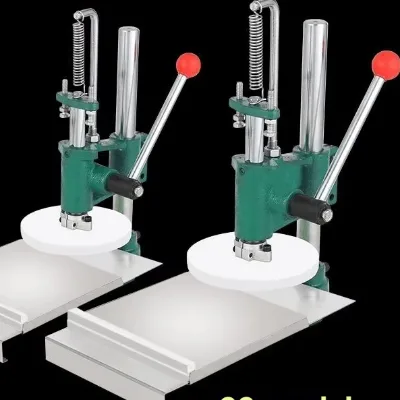
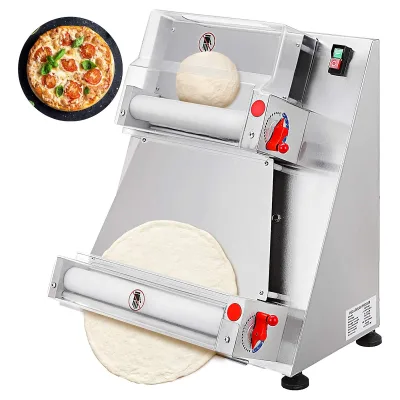
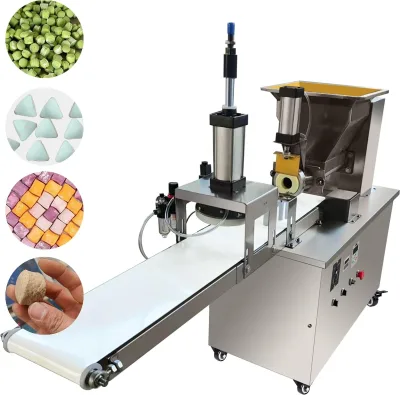
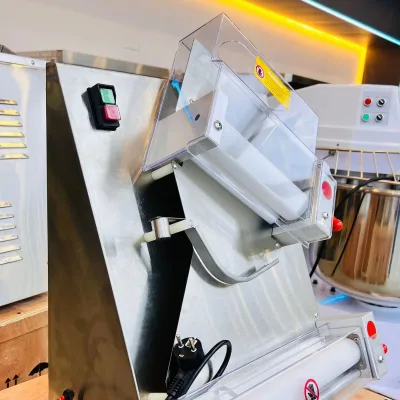


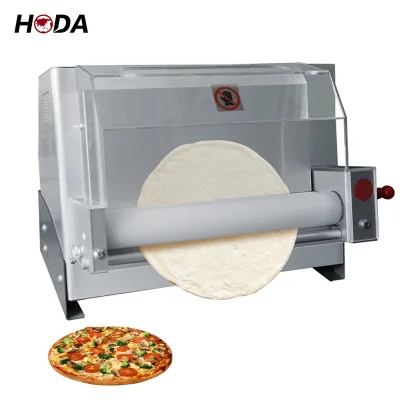
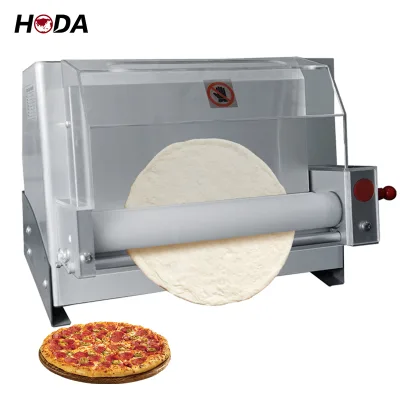
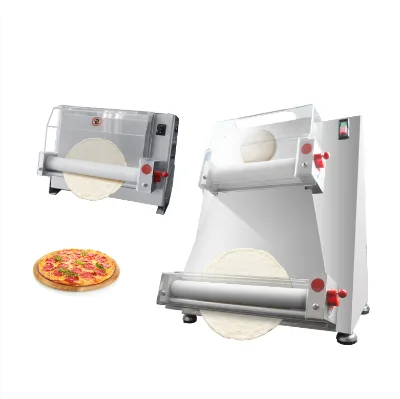
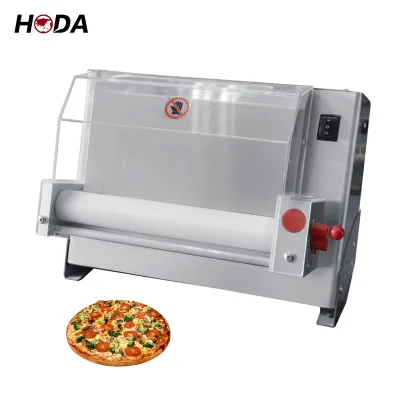
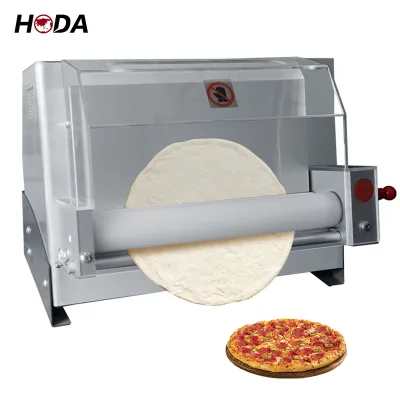
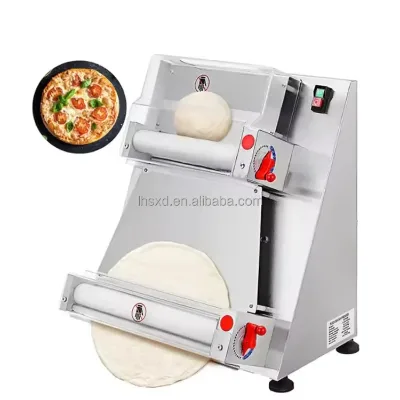
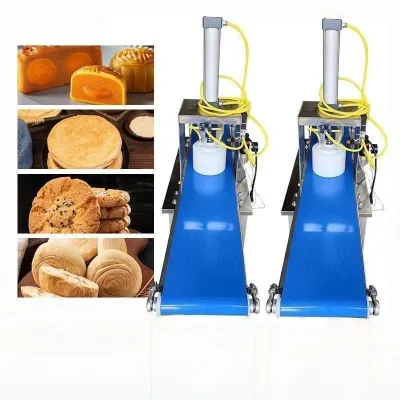
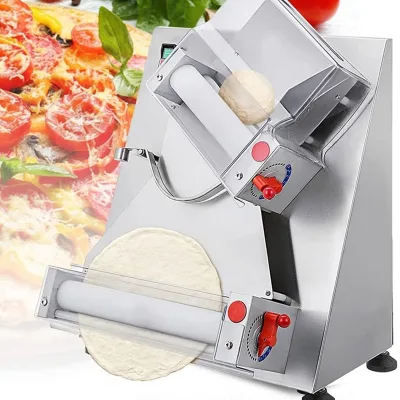
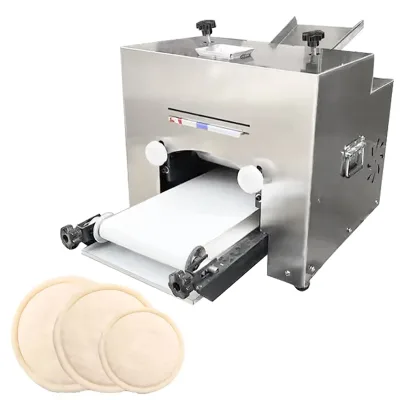
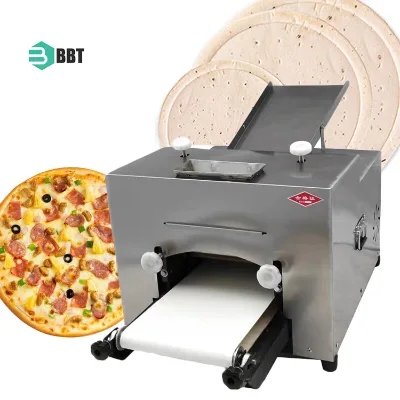
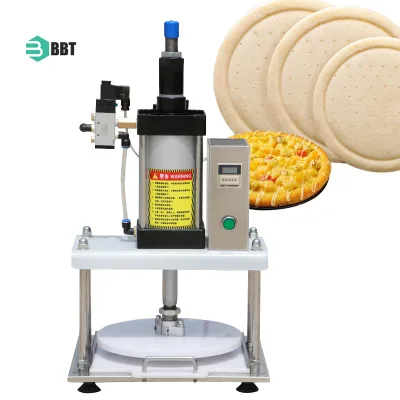


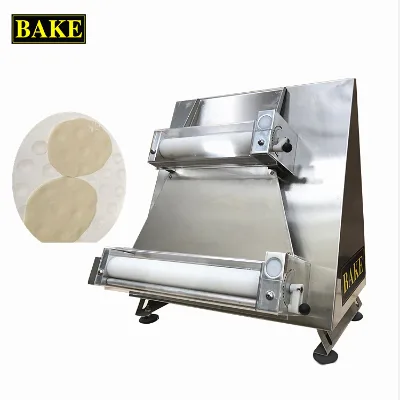
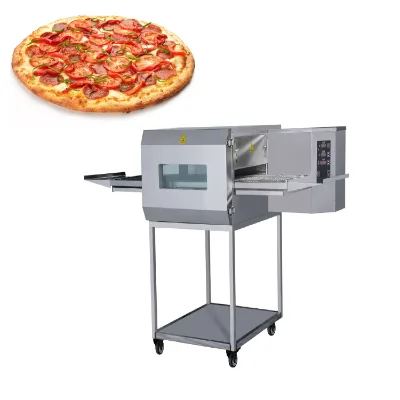


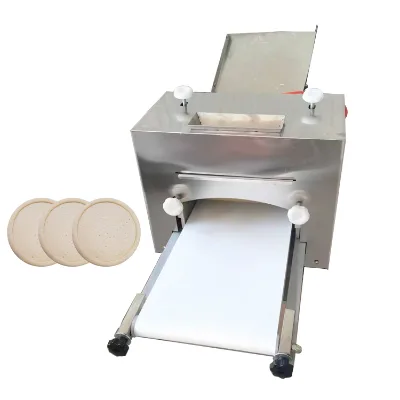
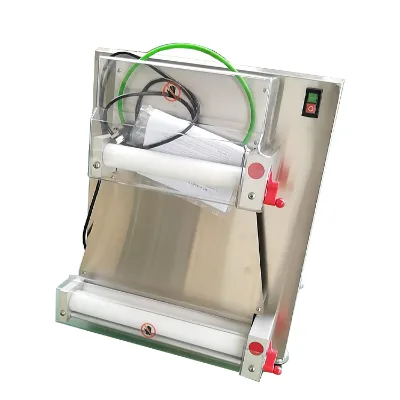


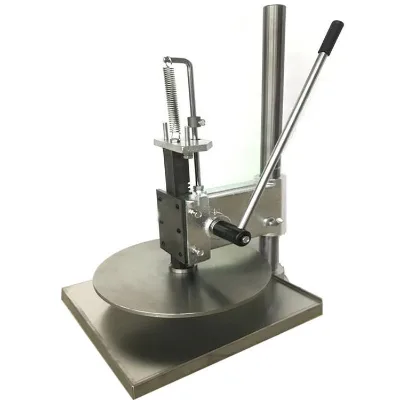
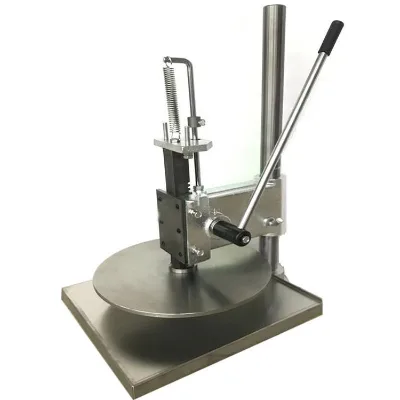
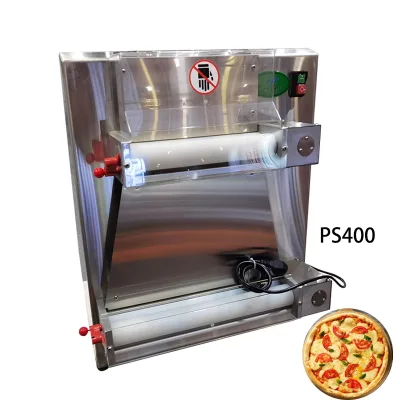
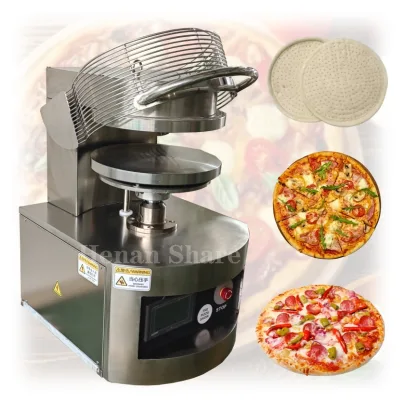
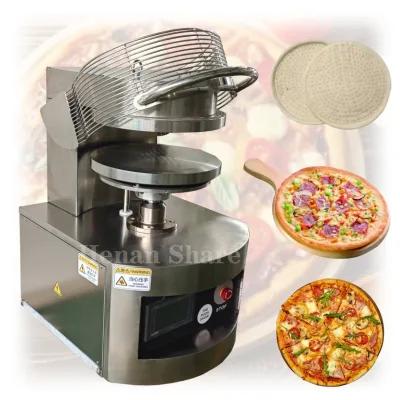


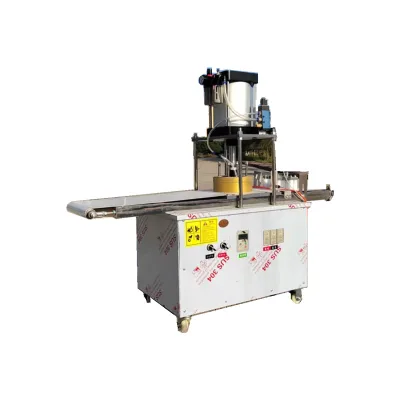
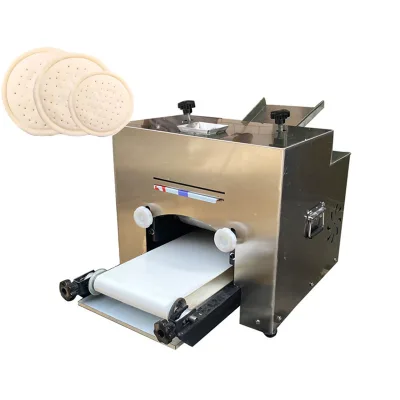
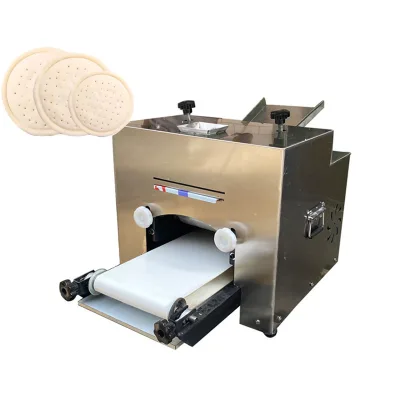


Comprehensive Sourcing Guide
Stainless Steel Pizza Press Supplier Concentration and Factory Types
Current data indicates a concentration of manufacturing activity in China, specifically within the Guangdong province and Hebei region. Suppliers in these areas often list their origin as Guangzhou or Hebei, suggesting these are key industrial clusters for food processing machinery. The Guangdong cluster frequently features combined company types that handle both manufacturing and trading, offering a mix of ODM and OEM capabilities. These entities often specialize in a broad range of bakery equipment, including rotary ovens, dough sheeters, and specific pizza pressing units. The presence of multiple product lines suggests these factories have established production lines capable of handling various dough processing requirements.
In contrast, suppliers located in Hebei often operate as trading companies or specialized manufacturers with a focus on specific manual or automatic units. These entities may offer different main products, such as dumpling machines or vegetable cutters, alongside pizza presses. The factory types vary from combined operations to pure trading companies, which impacts the direct control over production quality and customization. Buyers should verify if a supplier is a direct manufacturer or a trading intermediary by checking their company type and production capacity details. Understanding whether a supplier offers ODM services or only standard OEM models is crucial for determining the level of customization available for specific Stainless Steel Pizza Press requirements.
How to Verify Stainless Steel Pizza Press Suppliers
Verification of supplier credibility relies heavily on third-party audit reports and specific certification data. Some suppliers in the dataset have undergone verification by recognized agencies such as SGS or BV, which provides a baseline level of trust regarding their business legitimacy. However, not all suppliers display these verification badges, and the absence of a badge does not automatically imply a lack of quality. Buyers must actively request proof of these verifications rather than assuming they exist based on general market reputation. The presence of a verification badge should be treated as a starting point for due diligence rather than a final guarantee of product performance.
Beyond general business verification, specific product certifications and compliance standards are essential for food machinery. Some suppliers list certifications such as CE or Declaration of Conformity, which are critical for ensuring the equipment meets safety standards for electrical and mechanical components. It is important to distinguish between system certifications and product-specific test reports. For instance, some listings mention provided machinery test reports or video outgoing inspections, which serve as tangible evidence of quality control processes. Buyers should explicitly ask for these documents to confirm that the Stainless Steel Pizza Press has been tested for durability, safety, and performance before committing to an order.
What to Compare Across Stainless Steel Pizza Press Suppliers
When evaluating potential partners, buyers should prioritize comparing lead times, minimum order quantities, and response speeds to gauge operational efficiency. The data shows significant variation in lead times, ranging from as little as seven days to thirty days, which directly impacts inventory planning and project timelines. Similarly, minimum order quantities (MOQ) differ substantially, with some suppliers accepting orders as low as one unit while others require a minimum of five units. These differences can dictate the feasibility of small-scale testing versus bulk procurement strategies. Response times also vary, with some suppliers replying within two hours while others take over six hours, affecting the speed of negotiation and issue resolution.
Another critical comparison point involves the specific product attributes and customization capabilities offered by each supplier. Buyers must examine whether the Stainless Steel Pizza Press supports specific voltage requirements, such as 220V or 110V/220V, and whether the machine includes timing devices or specific automation levels. Some suppliers offer fully automatic machines with advanced features, while others provide manual or semi-automatic options. The availability of customization, such as specific dimensions or branding, varies by supplier type and capacity. Comparing these technical specifications ensures that the selected machine aligns with the buyer's production needs and electrical infrastructure, preventing costly mismatches after the order is placed.
Common Stainless Steel Pizza Press Sourcing Risks
One significant risk involves the discrepancy between advertised capabilities and actual production capacity. While some suppliers claim ODM and OEM capabilities, others may only offer standard models without true customization options. This mismatch can lead to delays if a buyer requires specific modifications that the supplier cannot technically deliver. Additionally, the variation in product origins, such as Guangzhou versus Hebei, may imply differences in supply chain maturity and quality control consistency. Buyers must verify that the claimed production capacity matches the actual ability to fulfill orders within the stated lead times, especially during peak seasons.
Another risk relates to the lack of standardized pricing and warranty terms across different suppliers. Prices for similar stainless steel pizza presses can vary widely, with some units listed at significantly lower price points than others, potentially indicating differences in material quality or component sourcing. Warranty periods also differ, with some suppliers offering one-year coverage while others provide no explicit warranty information. The absence of clear warranty terms or machinery test reports can leave buyers vulnerable to equipment failure shortly after installation. It is essential to clarify these commercial terms upfront to avoid unexpected costs and ensure that the supplier stands behind the durability and performance of the machinery.
Stainless Steel Pizza Press Regional Sourcing and Logistics
Sourcing from specific regions like Guangdong and Hebei in China offers distinct logistical advantages and challenges. Suppliers in Guangdong often benefit from established export infrastructure and proximity to major ports, which can streamline the shipping process for international buyers. The concentration of combined company types in this region suggests a robust ecosystem for logistics and supply chain management. However, buyers must verify the specific shipping terms and packaging standards, as some suppliers use neutral packing while others utilize shrink film and carton boxes. These packaging differences can affect the safety of the equipment during transit and the overall cost of freight.
In contrast, sourcing from Hebei may involve different logistical considerations, particularly regarding the type of machinery and its weight. Some manual units are lighter, while automatic machines can be heavier, impacting freight costs and handling requirements. Buyers should confirm the exact dimensions and weight of the equipment to calculate accurate shipping fees. Additionally, the response time of suppliers in different regions can influence the speed of communication and the resolution of logistical issues. Understanding the regional strengths and limitations helps buyers plan their procurement strategy effectively, ensuring that the Stainless Steel Pizza Press arrives on time and in good condition.
Stainless Steel Pizza Press Commercial Terms and Order Planning
Order planning for stainless steel pizza presses requires careful attention to commercial terms such as payment methods, escrow services, and delivery schedules. While some suppliers may offer escrow protection, this is not universally available and must be confirmed before finalizing any transaction. Buyers should prioritize suppliers who provide clear payment terms and secure transaction methods to mitigate financial risks. The lead time, which can range from seven to thirty days, must be factored into the overall project timeline to ensure that the equipment is ready for installation when needed. Delays in production can have cascading effects on business operations, making accurate lead time estimation critical.
Furthermore, buyers must evaluate the total cost of ownership, including the initial purchase price, shipping costs, and potential import duties. The price range for these machines varies significantly, with some units costing over three thousand dollars while others are available for a few hundred dollars. This disparity often reflects differences in automation levels, material quality, and included features. Buyers should request detailed quotes that break down these costs to make informed decisions. Additionally, verifying the availability of after-sales support, such as technical assistance or spare parts, is essential for long-term operational success. Clear communication regarding these commercial terms ensures a smooth procurement process and minimizes the risk of unexpected expenses.
FAQs
What is the price range for Stainless Steel Pizza Press machines?
Prices for Stainless Steel Pizza Press machines typically range from approximately $367 to $3,850 per unit. The lower end covers manual or basic electric models with higher minimum order quantities, while the higher end reflects fully automatic commercial units with lower MOQs. Buyers should verify specific pricing based on their required production capacity and customization needs.
What are the typical lead times for these machines?
Manufacturers generally offer lead times between 7 and 30 days depending on the machine type and supplier location. Suppliers in Hebei often provide faster turnaround times around 7 days, while those in Guangdong may require up to 30 days for complex automatic equipment. Buyers should confirm exact delivery schedules during the inquiry process to align with their operational timelines.
Are these machines customizable for specific bakery needs?
Yes, most suppliers indicate that customization is available for their Stainless Steel Pizza Press machines. Options often include adjusting voltage, power source, and specific dough weight capacities to suit different bakery requirements. Buyers should specify their exact operational parameters, such as desired dough weight or voltage, to ensure the machine meets their specific production standards and safety regulations.
What certifications do these suppliers typically hold?
Supplier certifications vary, with some holding CE or Declaration of Conformity marks, particularly those based in Hebei. Other suppliers may display verification badges like SGS or BV, indicating third-party quality checks. Buyers should request specific certification documents for each machine model to ensure compliance with local safety and electrical standards before finalizing any purchase agreements.
What is the minimum order quantity for these machines?
Minimum order quantities vary significantly, ranging from 1 unit for some automatic models to 5 units for others. Suppliers offering lower MOQs often cater to smaller bakeries or testing purposes, while higher MOQs may apply to specialized manual equipment. Buyers should check the specific MOQ for each product listing to determine the most cost-effective purchasing option for their volume requirements.
Where are these pizza press machines manufactured?
These machines are primarily manufactured in China, with key production hubs located in Guangdong and Hebei provinces. Guangdong suppliers often focus on automatic and electric models, while Hebei suppliers may offer manual or semi-automatic options. Buyers should verify the specific place of origin for each product to understand shipping logistics and potential import duties associated with the equipment.