Star Shape Glass Beads Suppliers and Manufacturers
Source Star Shape Glass Beads from 20 verified suppliers in China. Compare response times, lead times, and MOQs to find the right partner. Review product attributes and certifications to streamline your procurement process; review the available evidence before requesting comparable quotations from suitable candidates.
Updated
Suppliers List

Guangxi Wuzhou Starsgem Co., Limited
- Manufacturer/Factory
- China Guangxi
- Lead time15 days
- Avg. response≤ 20h
Main productsCubic Zirconia, Star Cut, Synthetic Gemstone, Synthetic Ruby, Synthetic Sapphire, Glass Bead, CZ, Zircon, Semi-Precious Stone, Gemstone
Main marketsSouth America,Eastern Europe,Mid East,North America,Southeast Asia,Eastern Asia,Oceania,Western Europe,Africa
Dongguan Xingzhao Crystal Jewelry Factory
- Verified by SGS Group
- Trading Company
- Lead time7 days
- Avg. response≤ 5h
Main productsGlass Beads, Glass Seed Beads, Clay Beads, Fashion Jewelry, DIY Accessories
Main marketsCentral America(25%), North America(20%), South America(20%)
Yantai Kingstone Imp. And Exp. Co., Ltd.
- Trading Company
- Lead time旺季: , 淡季:
- Avg. response≤ 2h
Main productsGlass Beads for buildings,terrazzo materail,glass stone and pebbles,concrete material,Terrazzo tiles

Ningbo Alatex Textiles Co., Limited
- Trading Company
- China Zhejiang
- Lead time15 days
- Avg. response≤ 20h
Main productsTag Pin, Tag Gun, String Hang Tag, String Seal, String Tag, Seal Tag, Tag Fastener, Plastic Staple Pin Roll, Garment Accessories, Sewing Accessories
Main marketsSouth America,Africa,Southeast Asia/ Mideast,East Asia(Japan/ South Korea),Europe,Australia,North America

Jiangyin Jinhui Arts & Crafts Co., Ltd.
- Combined
- China Jiangsu
- Lead time30 days
- Avg. response≤ 11h
Main productsGlass Bead
Main marketsSoutheast Asia/ Mideast

Glass Beads Manufacturers Wheel Shaped Glass Beads DIY Loose Beads for Jewelry Crafts
$3.70 - $7.14
MOQ: 25 kg


Glass Seed Beads, Lampwork & Seed Beads, Gold Glass Seed Beads for Jewelry Making
$0.85 - $2.05
MOQ: 1 kg


Beijing Hong Yun Xi International Trade Company Limited
- Verified by SGS
- Trading Company
- China Beijing
- Lead time23 days
- Avg. response≤ 20h
Main productsFRP Tank, FRP Vessel, FRP Pipe, FRP Tower, FRP Clarifier, FRP Wet Electrostatic Precipitator Tube, FRP Environment Protection Equipment, Fiberglass Mat, Fiberglass Roving, Glass Beads
Main marketsOthers(foreignTradeCapacity.exportBusinessCapacityMarketOther),Southeast Asia/ Mideast
Hubei Jingcan Glass Products Co., Ltd.
- Verified by TüVRheinland
- Manufacturer, Trading Company
- Lead time0 days
- Avg. response≤ 4h
Main productsGlass Product, Garment Accessories, Jewelry, Jewelry Accessories
Main marketsCentral America(25%), North America(20%), South America(15%)
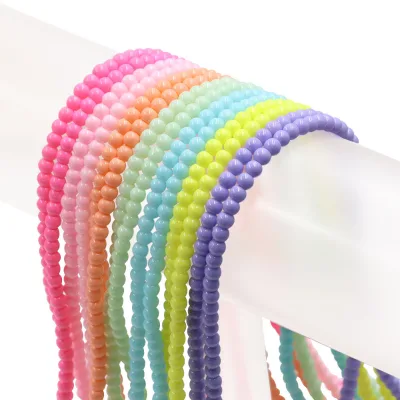
Sugar Beads Seven-color Mixed Batch Glass Beads Loose Beads for Jewelry Making
$0.4623 - $0.6971
MOQ: 20 Minimum
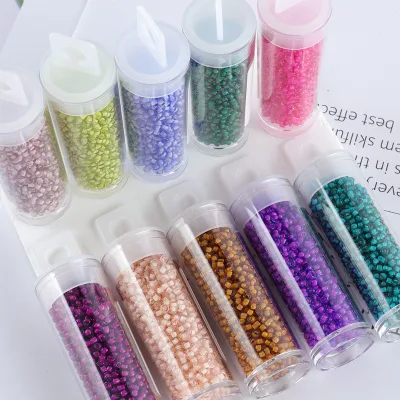
10G/Barrel Good Quality Opaque Colors Jewelry Loose Beads 2mm Glass Beads
$0.3695 - $0.4413
MOQ: 10 barrels
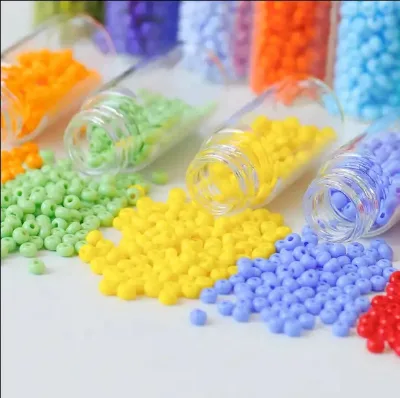
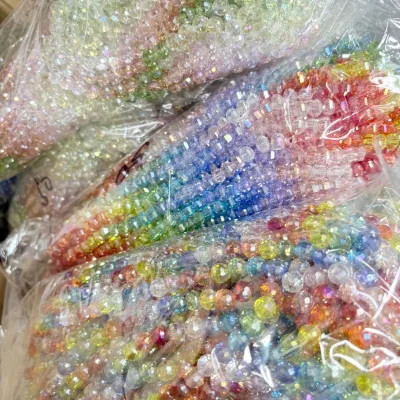
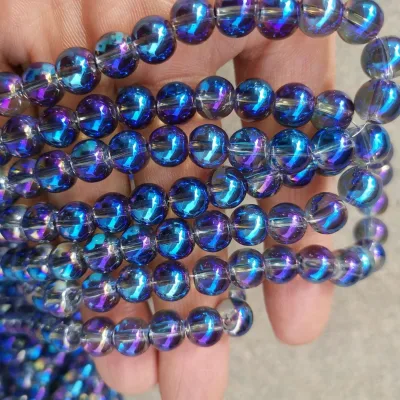
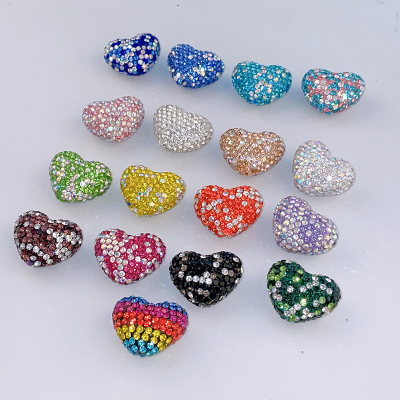
24*13mm Two Hole Glass Bead Love Polymer Bead Crystal Rhinestone Heart Charm Beads
$0.6717 - $1.116
MOQ: 10 Minimum
Hangzhou Daya Textile Co., Ltd.
- Trading Company
- Zhejiang, China
- Lead time20 days
- Avg. response≤ 5h
Main productsZipper&slider,Tape&Webbing,Thread&yarn,Garment accessory,Tailoring Material
Main marketsSouth America(60.00%), Domestic Market(10.00%), South Asia(10.00%), Mid East(10.00%), North America(10.00%)

Huizhou Mairuidi Trade Co., Ltd.
- Trading Company
- Guangdong, China
- Lead time0 days
- Avg. response≤ 11h
Main productsdiy jewelry,earring,necklace,sunglasses
Main marketsNorth America(70.00%), Domestic Market(5.00%), Southern Europe(5.00%), Northern Europe(5.00%), Western Europe(5.00%), Eastern Europe(5.00%), South America(5.00%)
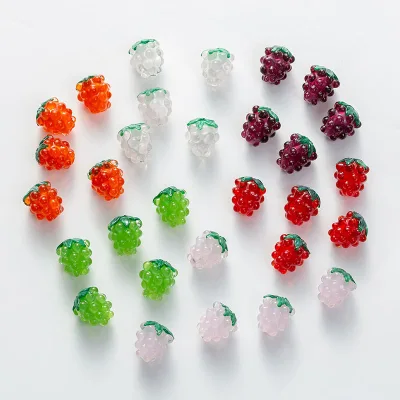
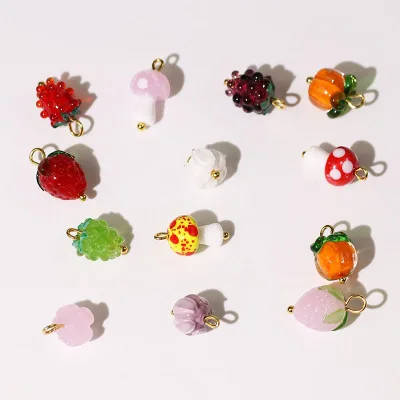
$0.19 - $0.49
MOQ: 100 Minimum

Lingshou Chuangwei Mineral Products Processing Factory
- Verified by SGS
- Combined
- China Hebei
- Lead time15 days
- Avg. response≤ 6h
Main productsGlass Beads, Garnet Sand, Washed Stone, Colored Sand, Rock Fragment, Diamond Sand, Brown Corundum, Quartz Sand, Kaolin, Silica
Main marketsAfrica,Southeast Asia/ Mideast,Europe

Dalian BestOn Industries Co., Ltd.
- Verified by TUVRHEINLAND
- Trading Company
- China Liaoning
- Lead time15 days
- Avg. response≤ 10h
Main productsGlass Beads, Stainless Steel IBC Tank, Strut Channel, EMT Conduit Connector IMC Conduit, Channel Fittings, Ground Rod, Flange, Seismic Bracket, Carbon Steel Fittings, Strut Clamp
Main marketsSouth America,Eastern Europe,Mid East,North America,Southeast Asia,Eastern Asia,Oceania,Western Europe,Africa

Wuhan Jingshiyuan Trading Co., Ltd.
- Trading Company
- Hubei, China
- Lead time15 days
- Avg. response≤ 9h
Main productsGlass crystal,Glass seed beads,Plastic beads,Garment accessories,Rhinestones
Main marketsNorth America(50.00%), Southeast Asia(20.00%), Western Europe(10.00%), Central America(10.00%), South Asia(5.00%), Mid East(5.00%)

Qinyuan Fuda New Material Technology Co., Ltd.
- Verified by TUVRHEINLAND
- Trading Company
- China Shanxi
- Lead time15 days
- Avg. response≤ 3h
Main productsgrinding ball
Main marketsSoutheast Asia/ Mideast,Domestic
Pujiang HBL Handicraft Co., Ltd.
- Verified by TüVRheinland
- Manufacturer, Trading Company
- Lead time20 days
- Avg. response≤ 3h
Main productsCrystal Crafts
Main marketsWestern Europe(28%), North America(22%), Southern Europe(13%)
Guangzhou Saijing Glass Products Co., Ltd.
- Verified by TüVRheinland
- Trading Company
- Lead time15 days
- Avg. response≤ 2h
Main productsGlass Beads, Seed Beads, Shells Flower, Seven Chakras, Stone Beads
Main marketsWestern Europe(44%), North America(30%), Southeast Asia(8%)
Pujiang Qiaoqiao Crystal Co., Ltd.
- Verified by Intertek
- Manufacturer, Trading Company
- Lead time5 days
- Avg. response≤ 4h
Main productsRhinestone, Nail Art Decoration, Garment Accessories, Jewelry Accessories, Glass Beads
Main marketsNorth America(65%), Western Europe(11%), South Asia(7%)
Tongshan Dashun Crystal Crafts Co., Ltd.
- Verified by TüVRheinland
- Manufacturer, Trading Company
- Lead time0 days
- Avg. response≤ 3h
Main productsPlastic Rhinestone Trimming, Fashion Bracelets, Fashion Necklaces
Main marketsCentral America(23%), North America(22%), South America(15%)

NINGBO HOBA INTERNATIONAL TRADING CO., LTD.
- Verified by BV
- Trading Company
- China Zhejiang
- Lead time30 days
- Avg. response≤ 3h
Main productsThread, Button, Lace Tape, Zipper, Hot Fix Stone, Crystal, Rope, Jewelry Accessory, Ribbon, Reflecting Material
Main marketsSouth America,Africa,Southeast Asia/ Mideast,East Asia(Japan/ South Korea),Europe,Australia,North America


Beads 2/3/4/5/6/8mm Colorful Glass Bicone Crystal Beads for Jewelry Making
$0.06 - $0.11
MOQ: 3000 bunch


BLUFOREST INTERNATIONAL LIMITED
- Trading Company
- Hong Kong S.A.R.
- Lead time20 days
- Avg. response≤ 17h
Main productsScented Candle,Festive & Party Supplies,Home Accessory,Home Decor,Pet Product
Main marketsEastern Europe(15.00%), South America(15.00%), North America(15.00%), Northern Europe(10.00%), Western Europe(8.00%), Southern Europe(8.00%), Central America(5.00%), Mid East(5.00%), Southeast Asia(5.00%), Oceania(4.00%), Domestic Market(3.00%), Eastern Asia(3.00%), South Asia(3.00%), Africa(1.00%)
Zhangzhou Hongxin Artware Co., Ltd.
- Verified by TüVRheinland
- Manufacturer, Trading Company
- Lead time30 days
- Avg. response≤ 2h
Main productsGlass Pearl Beads, Baking Beads, Inside Beads, Jewelry
Main marketsNorth America(60%), Western Europe(15%), South America(5%)




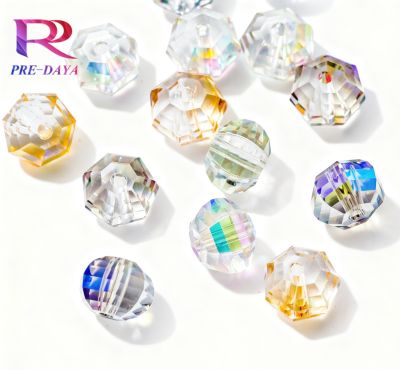
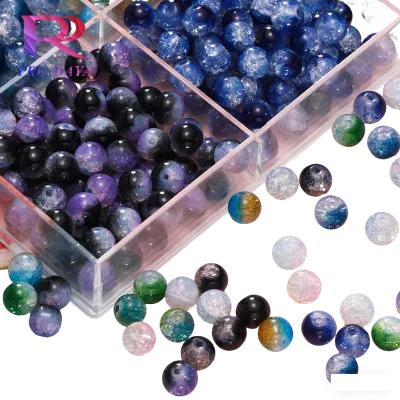


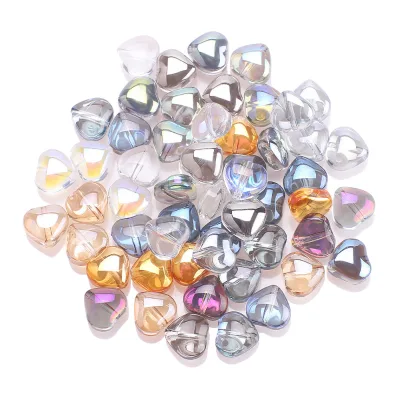
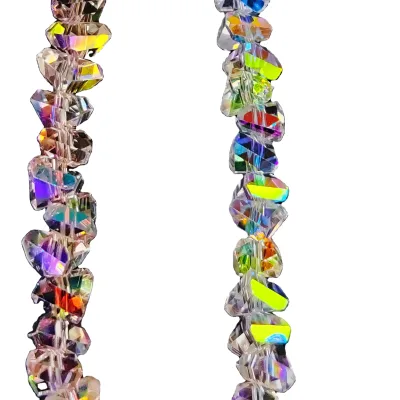


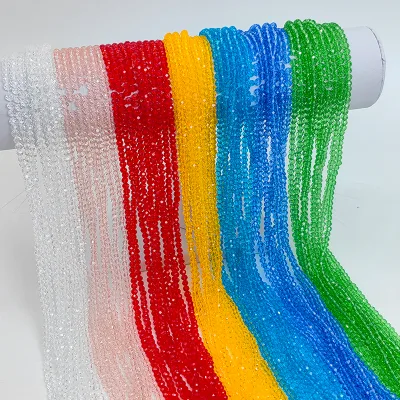
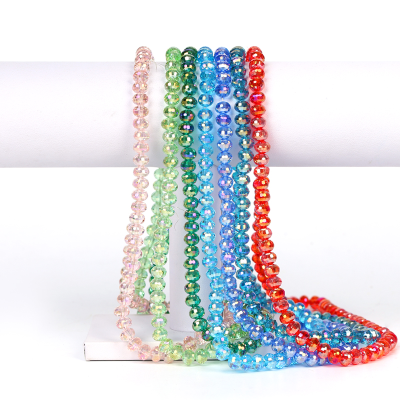
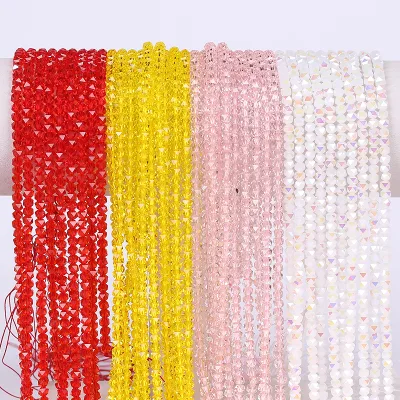
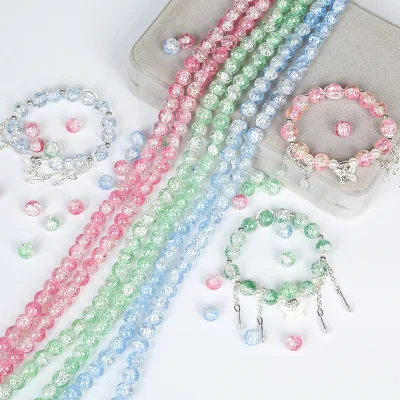
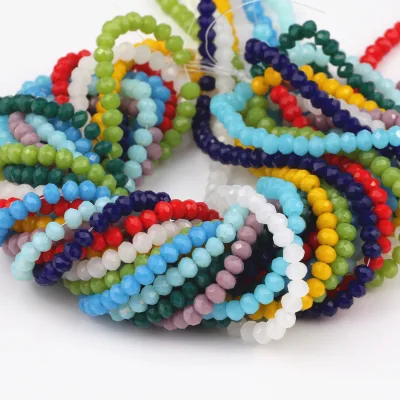
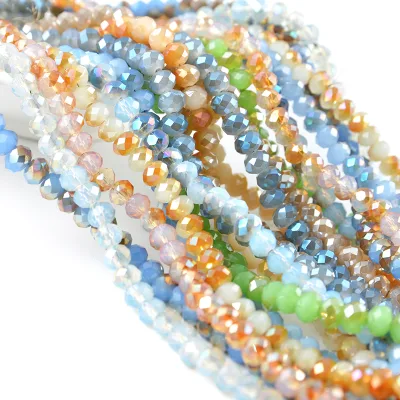
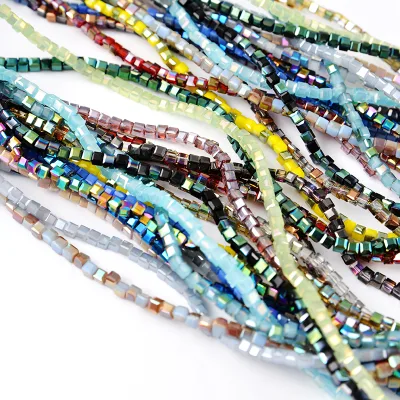
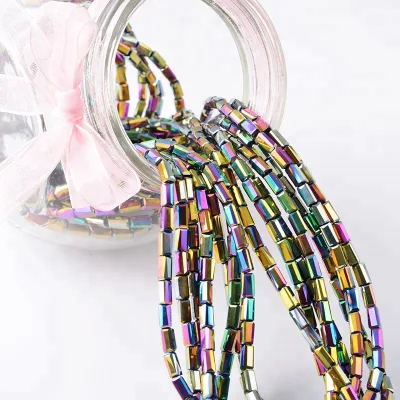
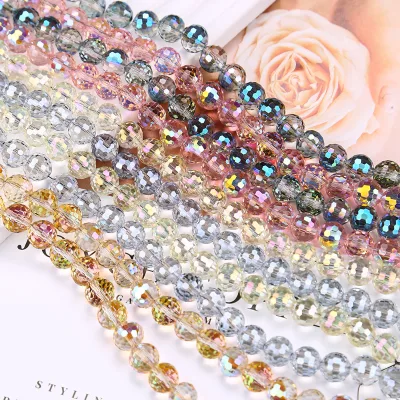
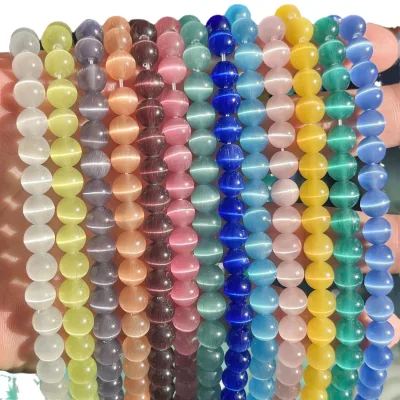
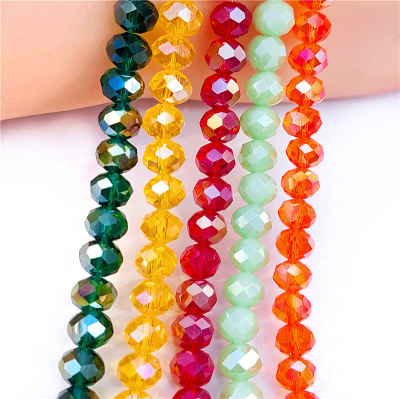
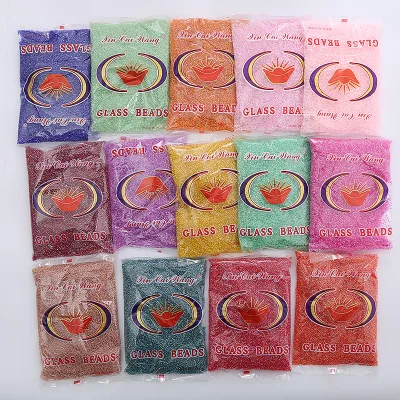
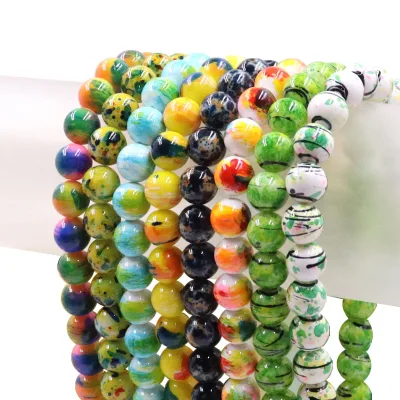
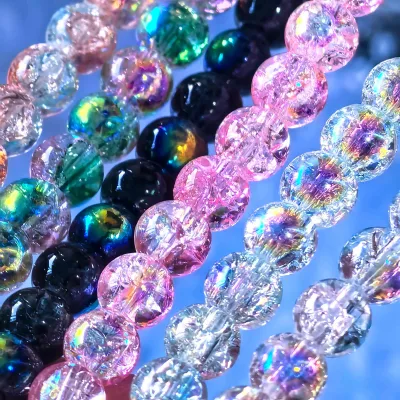
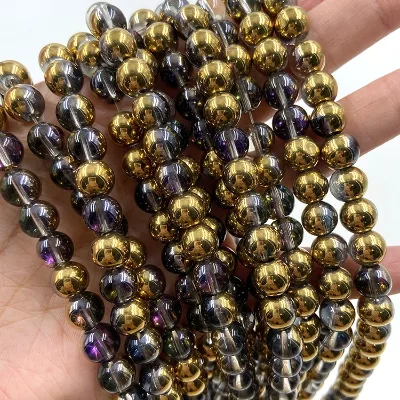
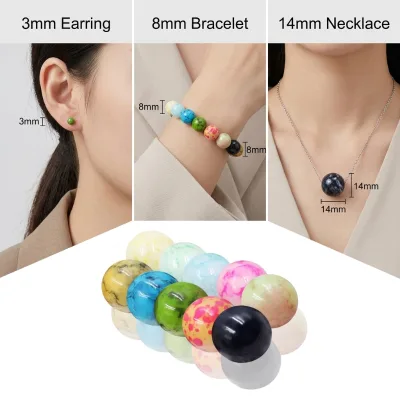
Comprehensive Sourcing Guide
Star Shape Glass Beads Supplier Concentration and Factory Types
Buyers researching Star Shape Glass Beads will typically encounter two broad supplier archetypes on B2B platforms. The first is the manufacturer or factory: an operation that cuts, polishes and finishes glass stones in-house, often listing synthetic gemstones, cubic zirconia and shaped glass beads among its main products. In the current results, one manufacturer located in Guangxi, China, with an origin noted as Wuzhou, offers diamond, pear and oval shape glass beads alongside star-cut synthetic stones, with OEM capability declared. The second archetype is the trading company, which consolidates output from multiple workshops and lists broader catalogs such as glass beads, seed beads, clay beads and DIY accessories. One such trading company in the results is based in Zhejiang, China, and supplies dress and decoration glass beads in many diameters.
Understanding this split matters because the two types behave differently on customization, pricing and order flexibility. A factory with OEM capacity can usually produce star shapes to a drawing or sample, adjusting hole size, facet depth or coating, while a trading company may be faster to quote from ready stock but has less control over the cutting process. A practical first step is to read each supplier's company type label and main products line: if loose synthetic stones and gemstone shapes dominate the catalog, you are likely dealing with a cutting operation; if beads for dresses, decorating and craft accessories dominate, you are likely dealing with a consolidator.
How to Verify Star Shape Glass Beads Suppliers
Verification should start with the platform-displayed attributes, then move to evidence the buyer requests directly. In the current results, one trading company shows a system certification listed as (EC) 1907/2006 and is shown as verified by SGS Group, while its supplier type is disclosed as Trading Company. A manufacturer in the results declares OEM research and development capacity, which is a meaningful signal if your star shape beads require custom molds or custom cutting angles. Do not assume every listing carries these credentials; some suppliers show no verification badge, no certification and no declared capacity, and that absence is itself information to weigh.
Beyond badges, ask each candidate for documentation that matches the product you are actually buying: material composition statements confirming the beads are glass rather than resin, and, where relevant, chemical compliance paperwork consistent with the certification the supplier claims. Request photos of actual star shape production, not catalog renders, and ask whether the shape is machine-cut or molded, since this affects facet sharpness and consistency. Sample evaluation remains the strongest verification tool; one trading company in the results states that samples are freely provided, and a manufacturer lists samples as available on a related product. Finally, confirm who legally performs the work: a trading company should be able to name the factory behind a specialty cut, because if a star shape complaint arises, you need to know which entity controls the cutting equipment and can correct it.
What to Compare Across Star Shape Glass Beads Suppliers
Build a comparison grid from the attributes that suppliers actually display, and record blanks honestly. Useful dimensions in the current results include lead time, where one manufacturer shows 15 days and a trading company shows 7 days; response time, where those same suppliers display roughly 19.8 hours and 5 hours respectively; MOQ, which ranges from 1 unit on a listed dress-bead product to 50 pieces and 100 pieces on gemstone-style listings; and main products, which tell you whether star shapes are a core competency or an occasional line. Location is equally relevant, since Guangxi and Zhejiang in the current results imply different factory ecosystems.
Do not assume every supplier displays every attribute; some listings omit lead time entirely, and company profiles may not state establishment years. Where a year is missing, ask the supplier directly and cross-check their answer against business registration documents. Weigh the label dimensions against your order profile rather than treating low numbers as automatically better: a 7-day lead time is valuable for replenishment but may reflect stock items rather than made-to-order star cutting, while a 15-day factory lead time may buy you control over facet geometry. Compare MOQ at the product level, not the company level, because one trading company in the results lists an MOQ of 1 on a specific bead product while other listings from the same pool show 50 or 100. Response speed should be tested live before committing, since displayed figures can age.
Common Star Shape Glass Beads Sourcing Risks
The most frequent risk in this category is shape inconsistency across a batch. Star shapes show defects that round beads hide: uneven points, chipped tips, off-center holes and facets that vary between a polished, machine-cut finish and a molded one. The current results describe surface treatment as polished and techniques as modern machine cutting and polishing, but these claims deserve sample-level confirmation, because a supplier mixing outsourced stock may deliver a batch whose star points are softer than the sample. A second risk is material substitution, where cheaper glass or coated acrylic is supplied instead of the glass stone grade quoted.
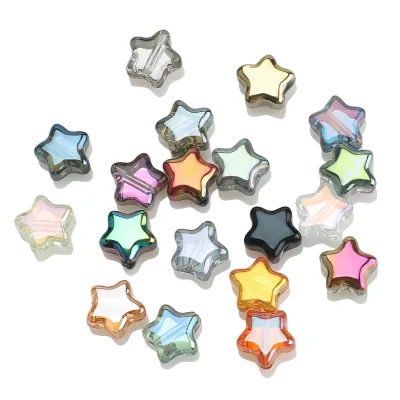
Color consistency is a third risk, particularly for statement colors. Listings in the results cover red, black, light aqua, emerald and blue tones, and glass color can shift between production runs, so agree on a retained standard sample before mass production. Packaging risk also appears in this category: one listing describes packing as according to customer request, which is flexible but means the default may be bulk packing that lets beads abrade in transit, chipping star points. A fourth risk is misjudging the supplier type: buying from a trading company that cannot reach the cutting workshop slows corrective action. Finally, watch MOQ and quality-grade mismatches; one listing marks quality as AA, another shows a quality field populated with a piece count, so clarify exactly what grade language means with each supplier rather than assuming shared definitions.
Star Shape Glass Beads Regional Sourcing and Logistics
The location data in the current results points to two Chinese sourcing regions relevant to this category. Guangxi, with a product origin noted as Wuzhou, is associated with the manufacturer listing synthetic gemstones, cubic zirconia, zircon and shaped glass beads, and OEM capability. Zhejiang is where the trading company sources crystal and glass beads for dresses and decoration, listing sizes from 1mm through 18mm and production times described as around 3 to 10 days for that product. Both regions export internationally, so logistics planning centers on how beads are packed and consolidated rather than on remote origins.
For logistics, treat star shape beads as fragile goods. Faceted points and thin star tips chip when strands rub or when loose beads are packed in soft bags; request compartmentalized boxes or individual strand bagging, and one listing in the results describes packaging such as 50 strands per opp bag within a carton, which you can use as a baseline specification. Ask each supplier to confirm gross weight and carton dimensions before quoting freight, since glass density makes bead shipments heavier than buyers expect. For customs, one listing cites HS code 70181000 for glass beads, a useful reference point, but confirm the correct classification for your specific product with your broker. Plan lead times realistically: the displayed 7-day and 15-day lead times cover production, not ocean or air transit, so add freight and clearance time before promising delivery dates to your own customers.
Star Shape Glass Beads Commercial Terms and Order Planning
Commercial terms should be settled at the product level, because terms in the current results vary widely even within the same category. One trading company lists payment options including T/T, credit card and Western Union with safe protection mentioned, while price displays range from about 0.002 to 0.25 per piece across listings and one dress-bead product shows roughly 0.208. MOQs span from 1 unit to 100 pieces in the results, so anchor negotiations to the exact SKU, size and color you need; a star shape in a small diameter may carry different MOQ economics than a large faceted stone. Always ask what the displayed price includes: surface treatment, hole drilling and coating costs may be quoted separately.
For order planning, sequence your steps to protect quality without delaying delivery. Order samples first, one supplier stating samples are freely provided and another listing samples as available; confirm customization terms, since two listings in the results explicitly mark customization as available; then agree on packing specifications and a retained color and cut standard. Build the production lead time shown to you into a calendar that also includes transit, inspection and buffer days. Clarify product codes, such as the model numbers displayed in some listings, on every order document so replenishments match the approved sample. Finally, plan replenishment volumes against observed demand rather than MOQ minimums alone, and reconfirm pricing each season since glass material and labor costs shift.
FAQs
What is the typical lead time for glass bead orders?
Manufacturers in China Guangxi typically require 15 days to fulfill orders, while trading companies based in Zhejiang offer a faster turnaround of 7 days. Buyers should confirm specific production schedules with their chosen supplier before finalizing purchase agreements to ensure timely delivery.
What is the minimum order quantity for loose glass beads?
Minimum order quantities vary significantly by supplier and product type. Some manufacturers require a minimum of 50 pieces for specific gemstone styles, while trading companies may accept orders as low as 1 unit. Always verify the exact MOQ with the supplier before placing an order.
Are synthetic glass beads available in custom colors?
Yes, many suppliers offer customization options for synthetic glass beads. Products are available in various colors including red, black, light aqua, and emerald. Buyers should check with the supplier to confirm if specific color requests can be accommodated for their particular order volume.
What certifications do glass bead suppliers hold?
Some verified trading companies hold SGS Group verification and comply with the (EC) 1907/2006 system certification. Buyers should request specific certification documents from the supplier to ensure the products meet their regional safety and quality standards before proceeding with bulk purchases.
How quickly do suppliers respond to inquiries?
Response times vary among suppliers, with some taking approximately 19.80 hours to reply and others responding within 5 hours. Faster response times are often associated with trading companies. Buyers should prioritize suppliers with quicker response rates for efficient communication during the sourcing process.
What is the price range for glass beads?
Prices for glass beads range from approximately $0.002 to $0.25 per unit depending on the style and quality. Specific items like emerald oval beads are priced around $0.25, while basic round beads can be as low as $0.002. Prices are subject to change based on order volume.