Source Mazda 3 Auto Engine Pistons for Racing, Repair, and OEM Replacement
Find 30 listings for Mazda 3 Auto Engine Pistons from verified Chinese suppliers. Compare specifications such as diameter, material, and warranty terms to identify suitable options for performance upgrades, routine maintenance, and direct OEM replacement applications; compare the available evidence and request quotations based on your requirements.
Updated
Key considerations
Products List
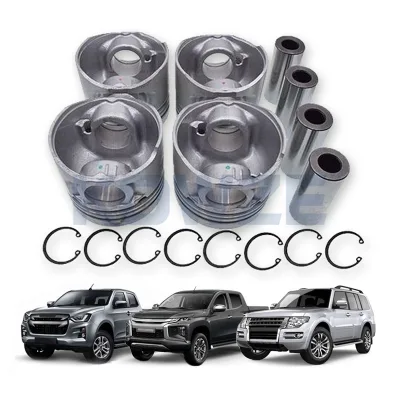

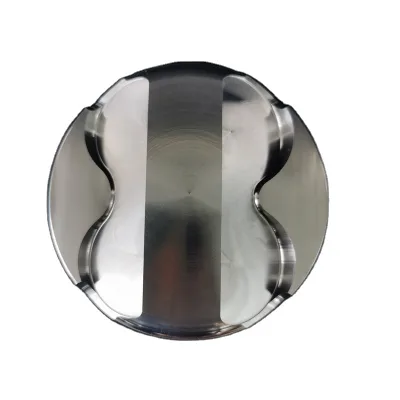
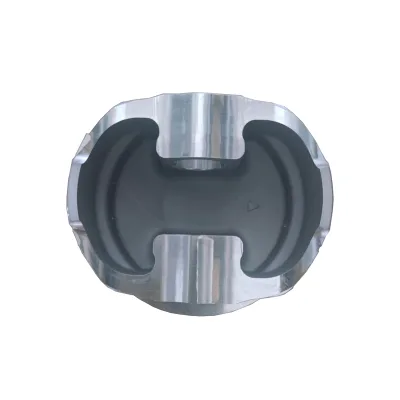


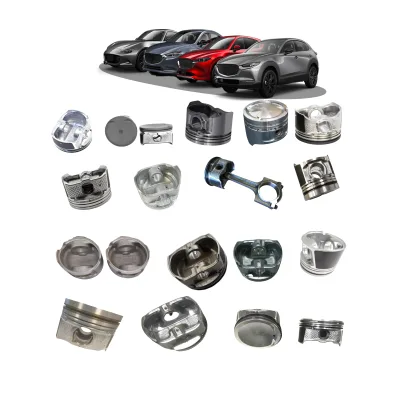
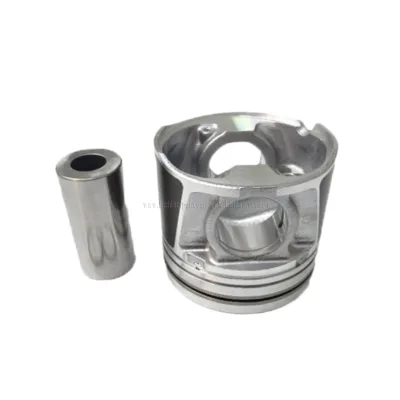
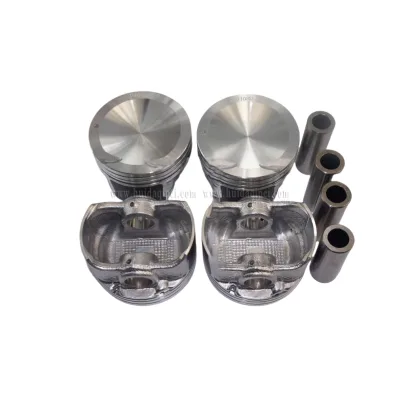
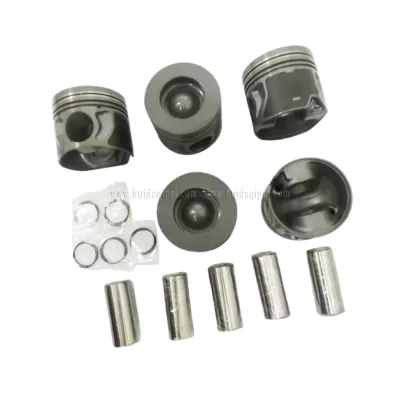
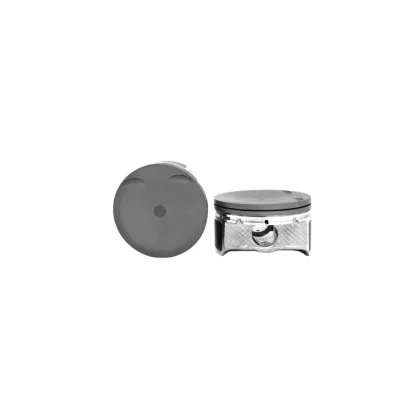

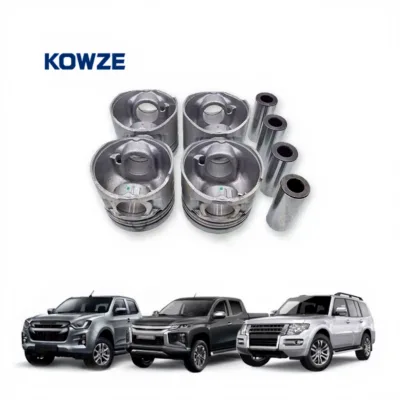
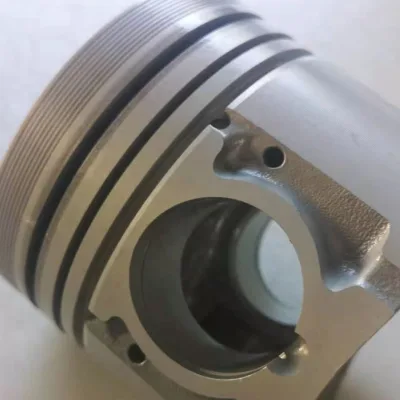
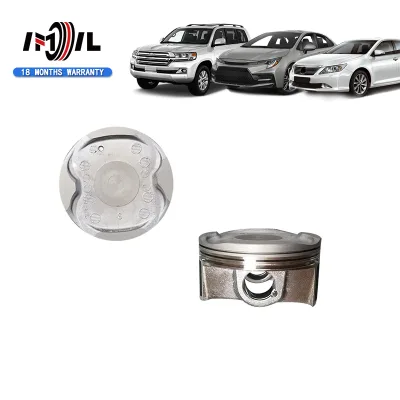
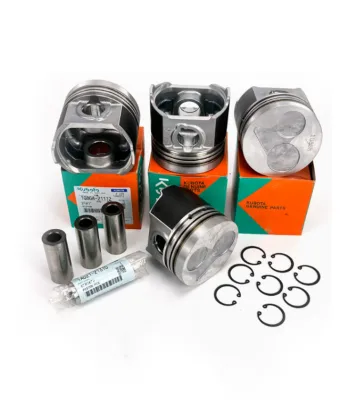
Automotive Parts & Accessories Pistons Engine Parts Automobile Engine Piston
$1.50 - $2.00
MOQ: 500 Pieces




Comprehensive Sourcing Guide
Mazda 3 Auto Engine Pistons Sourcing Guide
Sourcing engine pistons for the Mazda 3 requires careful alignment with specific vehicle generations and engine codes to ensure mechanical compatibility. The available market data indicates that suppliers often list products compatible with a broad range of manufacturers, including Mazda, Toyota, and Ford, yet specific model matching remains critical for performance. Buyers must verify that the listed engine code and cylinder count correspond precisely to their vehicle's requirements, as generic listings may not fit the internal geometry of the Mazda 3 engine block.
Procurement decisions should prioritize suppliers who explicitly state the application scope in their product attributes rather than relying on broad compatibility claims. While some listings mention compatibility with multiple brands, the specific engine parameters such as pin diameter and deck height must be cross-referenced against the original equipment specifications. This verification step prevents the acquisition of parts that appear compatible on paper but fail to meet the precise tolerances required for the Mazda 3's combustion chamber and piston ring configuration.
Product Scope and Observed Listing Signals
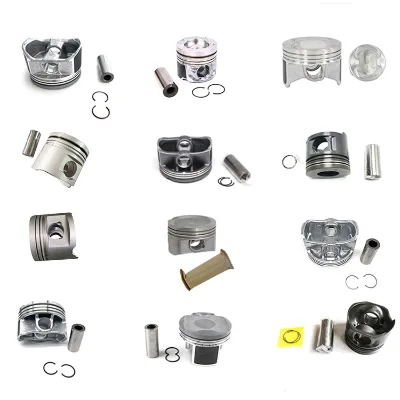
The observed product listings reveal a diverse range of piston types, including standard and forged variants, with materials ranging from steel to specific aluminum alloys like 4032. Buyers will encounter variations in single package sizes and gross weights, which often correlate with the intended application and the robustness of the component. For instance, some listings specify a single package size of 27x27x11 cm, while others indicate larger dimensions, suggesting differences in packaging density or the inclusion of additional components like rings.
Market signals also highlight significant variability in warranty terms and condition status, with some suppliers offering 12-month warranties while others provide only six months. This inconsistency necessitates a thorough review of the product condition, which is generally listed as new, and the specific purpose, often defined as replacement or repair. Understanding these listing signals helps buyers distinguish between standard replacement parts and high-performance forged options that may require different handling or installation procedures.
Technical Specifications to Verify
Technical verification must begin with the precise measurement of critical dimensions such as pin diameter, deck height, and overall length, which are essential for engine assembly integrity. Available data points include pin diameters of 21mm and 22mm, alongside lengths of 56mm and specific ring sizes like 1+1.2+2.8, which must match the engine's design tolerances. Buyers should confirm that the listed diameter, whether noted as an OEM standard or a specific measurement like 87mm, aligns with the cylinder bore requirements of their specific Mazda 3 model.
Further scrutiny is required for the number of cylinders and the specific model number, as these factors dictate the piston's structural design and thermal expansion characteristics. Listings may reference model numbers such as K20 or Focus, which correspond to specific engine families, and buyers must ensure these identifiers match their vehicle's engine code. Additionally, the deck type, often described as double, and the surface treatment processes must be validated to ensure they meet the friction and wear resistance standards necessary for long-term engine operation.
Compliance and Safety Documentation
While specific certification documents are not explicitly detailed in the provided product attributes, buyers should request evidence of quality assurance processes, particularly the claim that products are 100% tested. This testing assertion is a critical safety indicator, suggesting that each unit undergoes rigorous inspection before shipment, which is vital for engine components subjected to high pressure and temperature. Procurement teams should verify the testing methodology and request test reports to confirm that the pistons meet the necessary safety and performance benchmarks.
Documentation regarding the origin and manufacturing standards is equally important for compliance and traceability purposes. Although some listings mention origins in Guangdong or Ningbo, China, and standards like CNC machining, buyers must ensure these claims are backed by verifiable production records. The packaging details, which may include wooden packages with mandatory treatment, also serve as a compliance indicator for international shipping regulations, ensuring that the goods are handled and transported according to safety and environmental standards.
Cost Drivers and Commercial Terms
Cost structures for engine pistons are influenced by material composition, manufacturing complexity, and the specific customization options available to the buyer. Listings indicate a price range from 1.5 to 80 USD, reflecting the difference between standard replacement parts and specialized forged components. The material choice, such as steel or 4032 alloy, significantly impacts the final price, as does the level of surface treatment and the precision required for the specific engine application.
Commercial terms, including minimum order quantities and delivery lead times, vary widely among suppliers and must be factored into the total cost of ownership. Some suppliers offer an MOQ of just one piece, while others may require orders up to 500 units, affecting the unit price and inventory management strategy. Delivery times are noted as ranging from 1 to 7 working days, but buyers should confirm these estimates against their production schedules to avoid delays that could impact vehicle repair timelines or assembly line operations.
Supplier Qualification and Quality Control
Supplier qualification should focus on their ability to provide consistent quality and adhere to the stated product attributes, such as the 100% tested claim and the 12-month warranty option. Buyers must assess the supplier's track record in delivering parts that match the specified dimensions and material properties, ensuring that the "New" condition and "Standard" OE numbers are consistently met across all orders. The availability of customization and specific surface treatments also indicates a supplier's flexibility and technical capability to meet unique engineering requirements.
Quality control processes must be transparent and verifiable, with suppliers expected to provide detailed information on their manufacturing and testing protocols. The mention of specific packaging details, such as wooden packages with mandatory treatment, suggests a commitment to protecting the product during transit, which is a key aspect of quality assurance. Buyers should inquire about the supplier's internal quality control measures and their response to any potential defects or non-conformities to ensure a reliable supply chain for critical engine components.
Long-Term Procurement Checks
Establishing a long-term procurement relationship requires ongoing monitoring of product consistency and supplier performance over time. Buyers should implement a system to track the performance of the pistons in the field, noting any deviations from the expected specifications or premature failures that might indicate underlying quality issues. Regular audits of the supplier's production processes and quality control records will help maintain the high standards required for engine components that are critical to vehicle safety and reliability.
Continuous verification of the supplier's ability to meet changing market demands and technical specifications is essential for sustained success. As engine technologies evolve, the requirements for piston dimensions, materials, and surface treatments may shift, necessitating a flexible and responsive supply chain. Buyers should maintain open communication with suppliers to stay informed about new developments and ensure that the sourced parts remain compatible with the latest vehicle models and regulatory standards.
FAQs
What is the warranty period for these engine pistons?
The warranty period is 12 months for standard engine pistons and 6 months for specific forged variants. This coverage ensures reliability for replacement and repair purposes. Buyers should verify the specific product type to confirm the applicable warranty duration before finalizing procurement agreements.
Can these pistons be customized for specific engine models?
Yes, customization is available for these engine pistons. The products support tailored specifications to fit various car models including Mitsubishi, Ford, Mazda, Nissan, and Toyota. Buyers can request specific modifications to meet their unique engineering requirements and ensure proper fitment.
What is the minimum order quantity for these parts?
The minimum order quantity ranges from 1 to 500 pieces depending on the specific product listing. Some items allow for a single piece purchase, while others may require higher volumes. Buyers should check individual product pages to determine the exact MOQ for their desired item.
Where are these engine pistons manufactured?
These engine pistons are manufactured in Guangdong and Ningbo, China. The products originate from these specific regions, ensuring consistent quality and production standards. Buyers can rely on these locations for sourcing high-quality automotive components that meet international standards for durability and performance.
What material are these forged pistons made from?
The forged pistons are made from 4032 material, providing high strength and durability. This material choice ensures optimal performance under high stress conditions. The standard pistons may also utilize steel, offering versatility for different engine applications and repair needs across various vehicle brands.
How are these pistons packaged for shipping?
The pistons are packaged in wooden boxes after mandatory treatment or other specified methods. Each package contains 1, 4, or 6 pieces per box. This secure packaging ensures protection during transit, maintaining the quality of the components until they reach the buyer's facility.