For Car Engine Air Filter Suppliers and Manufacturers
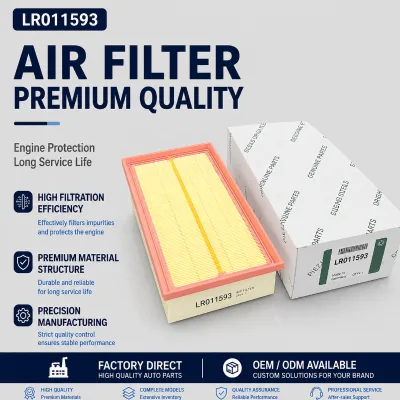
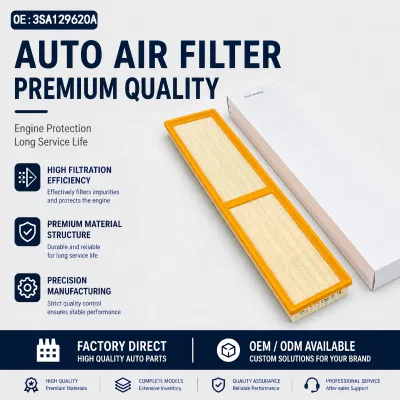
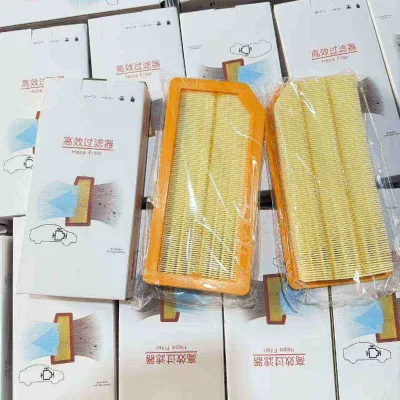
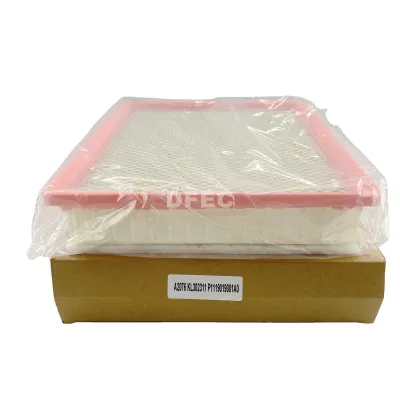
Source 29 verified suppliers For Car Engine Air Filter components from China. Compare key dimensions including ISO 9001 certification, lead times of 15-30 days, and pricing between $0.85 and $7.00. Contact suppliers directly to request quotes and verify OEM specifications.
Updated
Suppliers List

Hebei Congben Vehicle Fittings Co., Ltd.
- Verified by TUVRHEINLAND
- Trading Company,Manufacturer/Factory
- China Hebei
- Lead time15 days
- Avg. response≤ 5h
Main productsAir Filter, Cabin Filter, Oil Filter, Fuel Filter, Fuel Water Separator, Motorcycle Filter, Transmission Filter, Truck Filter, Construction Machinery Filter Element, Spark Plug Brake Pads Water Pump
Main marketsSouth America,Eastern Europe,Mid East,North America,Southeast Asia,Oceania,Western Europe,Africa

Hebei Urofly Auto Tech Co., Ltd
- Verified by CTI
- Trading Company
- China Hebei
- Lead time30 days
- Avg. response≤ 5h
Main productsAir Filter, Oil Filter, Fuel Filter, Cabin Filter, Crankcase Ventilation Filter, Coolant Filter, Power Steering Filter, Urea Filter
Main marketsNorth America

Guangzhou Yuewang Automobile Air Conditioning Co., Ltd.
- Verified by TUVRHEINLAND
- Trading Company
- China Guangdong
- Lead time15 days
- Avg. response≤ 1h
Main productsBus Air Conditioning
Main marketsDomestic

Changzhou Carrot Import & Export Co., Ltd.
- Trading Company
- China Jiangsu
- Lead time45 days
- Avg. response≤ 23h
Main productsAudio/Video Cable, HDMI Cable, USB Cable, CATV Connector, Patch Cord, CATV Splitter, Cooling Fan, CATV Cable, RCA Cable, Scart Cable
Main marketsSouth America,Africa,Southeast Asia/ Mideast,East Asia(Japan/ South Korea),Europe,Australia,North America

Hebei Machinery & Equipment Import & Export Co., Ltd.
- Verified by SGS
- Trading Company,Manufacturer/Factory
- China Hebei
- Lead time60 days
- Avg. response≤ 9h
Main productsIron Castings /Stainless Steel Castings, Industrial Spare Parts OEM Machining/Fabrication, Wire Mesh and Filters, Transmission Parts (Gears Pulleys Shafts etc), Ironing Board Cover, PEVA Table Cloth, Cast Iron Oven Pot, Electrical Hardware Materials Clamp/Box/Coupling, Bath Towl, Pet Products (Pet Pad Pet Mats etc)
Main marketsSouth America,Eastern Europe,Mid East,North America,Southeast Asia,Eastern Asia,Oceania,Western Europe,Africa

SHANXI BRILLIANT MOULD PLASTIC TECHNOLOGY CO., LTD
- Verified by TUVRHEINLAND
- Manufacturer/Factory
- China Shanxi
- Lead time60 days
- Avg. response≤ 9h
Main productsPlastuc Injection Mold, Plastic Ap Mold, Lotion Pump Mold, Trigger Sprayer Mold, Mist Sprayer Mold, Flip Cap Mold
Main marketsSouth America,Eastern Europe,Mid East,North America,Southeast Asia,Eastern Asia,Oceania,Western Europe,Africa

CHONGQING POWERLAND MACHINERY CO., LTD.
- Verified by CTI
- Trading Company
- China Chongqing
- Lead time15 days
- Avg. response≤ 1h
Main productsEGR Valve, Sensor, Ignition Coil, Solenoid Valve, Electric Fan, Electric Vacuum Pump, Gasket, Plug, Bumper, Grille
- Trading Company
- Henan, China
- Lead time7 days
- Avg. response≤ 2h
Main productshydraulic filter,fuel filter,water filter,gas filter,dust filter
Main marketsEastern Europe(60.00%), Africa(10.00%), Mid East(10.00%), Oceania(8.00%), North America(6.00%), Eastern Asia(3.00%), South America(3.00%)

- Trading Company
- China Jiangsu
- Lead time15 days
- Avg. response≤ 4h
Main productsAir Filter, Air Compressor Filter, Construction Machinery Filter, Cartridge Filter, Trucks Air Filters, Oil Filter, SPA Filter, Pleated Filter Cartridge, Swimming Pool Filter, Gas Filter
Main marketsOthers(foreignTradeCapacity.exportBusinessCapacityMarketOther),Europe


Premium Engine Air Filter Replacement for Cleaner Airflow and Protection
$1.80 - $2.10
MOQ: 200 Pieces

Yuhuan Mingyan Technology Co., Ltd
- Verified by SGS Group
- Manufacturer, Trading Company
- Lead time25 days
- Avg. response≤ 7h
Main productsCV Joint Boot, Steering Boot, Drive Shaft, Control Arm, Auto Rubber Parts
Main marketsWestern Europe(50%), Mid East(30%), Southeast Asia(20%)

Ningbo Hongzhuo Filter Co., Ltd.
- Verified by TUVRHEINLAND
- Combined
- China Zhejiang
- Lead time30 days
- Avg. response≤ 2h
Main productsOil Filter, Air Filter, Cabin Air Filter, Fuel Filter, Filter of All Car
Main marketsDomestic

Good Quality Auto Parts Air Filter K1528 K1528 for Car Engine Auto Air Filter Air Cleaner
$2.69 - $2.99
MOQ: 200 Pieces

Compressor Air Filter Af26391 Af26392 High Quality Engine Auto Parts Air Filter
$4.29 - $4.69
MOQ: 200 Pieces
Xingtai Guangji Machinery Technology Co., Ltd.
- Verified by TüVRheinland
- Manufacturer, Trading Company
- Lead time20 days
- Avg. response≤ 4h
Main productsTruck Parts, Tractor Parts, Generator Parts, Construction Machines Parts, Engine Filters
Main marketsEastern Europe(45%), North America(15%), Southeast Asia(15%)
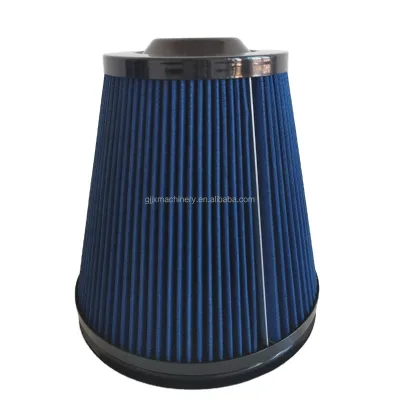
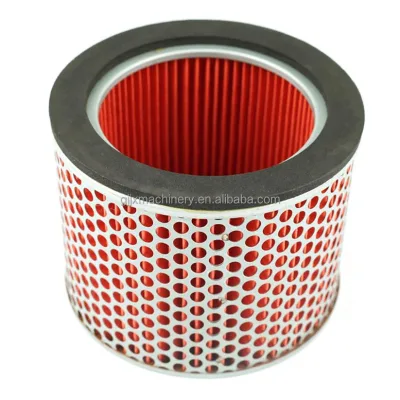
New Auto Engine Systems Air Filter Models 17801-44070 17801-56020 17801-58010
$4.6885 - $4.8949
MOQ: 100 pieces

Shanghai Client Diesel Engine Co., Ltd.
- Verified by CTI
- Trading Company
- China Shanghai
- Lead time30 days
- Avg. response≤ 6h
Main productsMarine Diesel Engine, Industrial Diesel Engine, Road Vehicle Engine, Construction Diesel Engine, Generator Set, Outboard Motor, Jet Ski
Main marketsSouth America,Africa,Southeast Asia/ Mideast,East Asia(Japan/ South Korea),Europe,Australia,North America

Hebei Qianli Auto Parts Technology Co., Ltd.
- Manufacturer, Trading Company
- Hebei, China
- Lead time10 days
- Avg. response≤ 2h
Main productsHandbrake,Brake Pedal,Stamping Parts,Car Cable,Air Filter
Main marketsDomestic Market(70.00%), North America(10.00%), Eastern Europe(5.00%), Mid East(5.00%), Africa(5.00%), Southeast Asia(5.00%)

Jinan Huaxin Automation Engineering Co., Ltd.
- Verified by TUVRHEINLAND
- Combined
- China Shandong
- Lead time15 days
- Avg. response≤ 3h
Main productsDust Collector, Welding Fume Extractor, Filter Cartridge, Gas Mixer
Main marketsSouth America,Africa,Southeast Asia/ Mideast,Europe,Australia,North America

Guangzhou Futengda Import & Export Trading Co., Ltd.
- Verified by TUVRHEINLAND
- Trading Company
- China Guangdong
- Lead time45 days
- Avg. response≤ 16h
Main productsMotorcycle Brake Cable and Auto Brake Cable, Throttle Cable, Gear Shift Cable, Speedometer Cable, Clutch Cable, Auto Pto Cable, Mototcycle Chock Cable, Auto Push Pull Cable, Motorcycle Speed Cable, Tansmission Shfter Cable
Main marketsSoutheast Asia/ Mideast

Jinan Fuju Auto Parts Co., Ltd.
- Verified by SGS
- Trading Company
- China Shandong
- Lead time15 days
- Avg. response≤ 6h
Main productsFilter, Heavy-Duty Truck Accessories, Generator Sets Filter, Mining Equipment Filters, Commercial Truck Filters, Silicone Hoses
Main marketsDomestic,Europe
Hubei Diyue Auto Parts Co., Ltd.
- Trading Company
- Hubei, China
- Lead time7 days
- Avg. response≤ 3h
Main productsAuto parts,Construction machinery parts,Truck parts,Engine with accessories,SCR parts
Main marketsEastern Europe(40.00%), South America(30.00%), Africa(20.00%), Southern Europe(5.00%), Oceania(5.00%)
Shanghai Anma Industry Co., Ltd.
- Trading Company
- Lead time旺季: "1 - 100000":30,"> 100000":"To be negotiated", 淡季: "1 - 100000":30,"> 100000":"To be negotiated"
- Avg. response≤ 5h
Main productsCar Mats, Car Seat Covers, Car Covers, Car Jacks, Car Air Compressor

XTSKY INDUSTRIAL GROUP LIMITED
- Verified by SGS
- Trading Company
- China Hebei
- Lead time15 days
- Avg. response≤ 4h
Main productsAir Filters, Oil Filters, Fuel Filters, Cabin Filters, Oil Seals, Valve Stem Seals, O-Rings Rubber Products, Ball Bearings, Roller Bearings, Brake System Parts
Main marketsSoutheast Asia/ Mideast,North America

Huaxin Power Systems International Co., Ltd.
- Verified by TUVRHEINLAND
- Manufacturer
- China Shaanxi
- Lead time15 days
- Avg. response≤ 2h
Main productsSoundproof Generator, Trailer Type Generator, Open Diesel Generator, Portable Diesel Generator, Diesel Generator, Gas Generator Set, Generator Set, Generator, Portable Water Pump, Electric Generator
Guangzhou Modify-Ah Automobile Technology Co., Ltd.
- Verified by SGS Group
- Manufacturer, Trading Company
- Lead time90 days
- Avg. response≤ 4h
Main productsRacing Seat, Car Lowering Springs, Car Air Filter, Car Cold Ai Intake, Car Shock Absorbers
Main marketsWestern Europe(40%), North America(30%), Eastern Asia(20%)
Hebei Leiman Filter Material Co., Ltd.
- Verified by SGS Group
- Manufacturer, Trading Company
- Lead time15 days
- Avg. response≤ 6h
Main productsFilter equipment, Filter, Filter material, Filter accessory
Main marketsSouth Asia(12%), Africa(12%), North America(10%)
Shenzhen Best Environmental Protection Technology Co., Ltd.
- Manufacturer, Trading Company
- Guangdong, China
- Lead time20 days
- Avg. response≤ 2h
Main productsHepa Filter
Main marketsNorth America(40.00%), Domestic Market(25.00%), South America(10.00%), Southeast Asia(10.00%), Eastern Europe(5.00%), Africa(2.00%), South Asia(1.00%), Southern Europe(1.00%), Northern Europe(1.00%), Central America(1.00%), Western Europe(1.00%), Eastern Asia(1.00%), Oceania(1.00%), Mid East(1.00%)
Gu'an County Jiuyi Machinery Co., Ltd.
- Manufacturer, Trading Company
- Hebei, China
- Lead time30 days
- Avg. response≤ 2h
Main productscement silo dust collector,dust removal filter,hydraulic filter,dust collector,Mixing station accessories
Main marketsCentral America(5.00%), South Asia(1.00%)

Hangzhou Ocean Industry Co., Ltd.
- Verified by BV
- Combined
- China Zhejiang
- Lead time15 days
- Avg. response≤ 4h
Main productsGear, Gear Rack, Pulley, Chain, Sprocket, Coupling, Gearbox, Pinion, Speed Reducer, Speed Reducer Gear Box
Main marketsSouth America,Southeast Asia/ Mideast,Europe,Australia

ZHEJIANG YUFENG FILTER CO., LTD.
- Verified by SGS
- Manufacturer
- China Zhejiang
- Lead time30 days
- Avg. response≤ 2h
Main productsFilter, Oil Filter
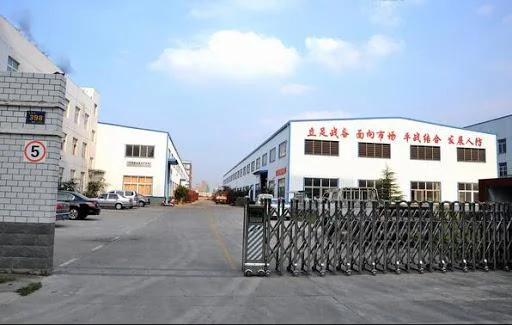
Xingtai Hongmao Auto Part Co., Ltd.
- Trading Company
- Hebei, China
- Lead time15 days
- Avg. response≤ 2h
Main productscar clips,oxygen sensor,catalytic converter,oil seal,gasket
Main marketsMid East(50.00%), Africa(30.00%), North America(20.00%)

Vitto Filter (Zhongshan) Co., Ltd.
- Combined
- China Guangdong
- Lead time15 days
- Avg. response≤ 16h
Main productsSpray Booth Filter Media, Ceiling Filter, Coarse Pre-Filter, Paint Stop/Arrestor Media, Air Filter, HEPA Filter, Cabin Air Filter, Motorcycle Air Filter, Air Filter Cotton, Air Conditioner Filter
Main marketsSoutheast Asia/ Mideast,Europe,North America


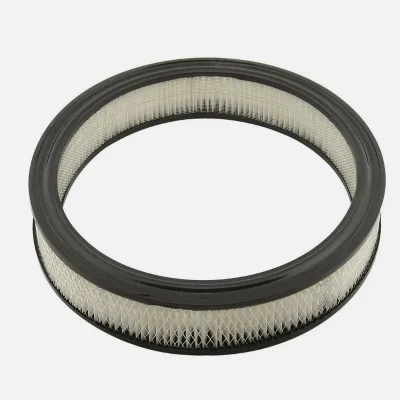
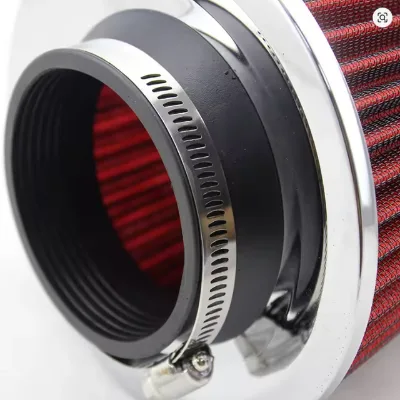
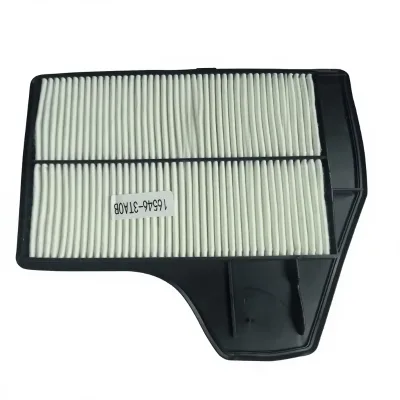
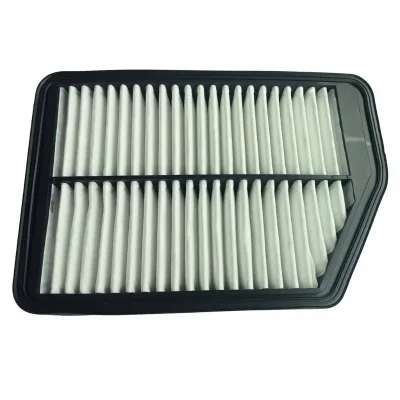
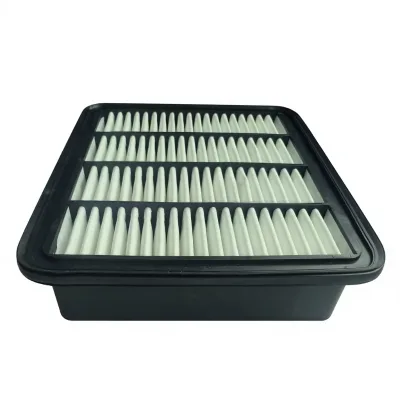
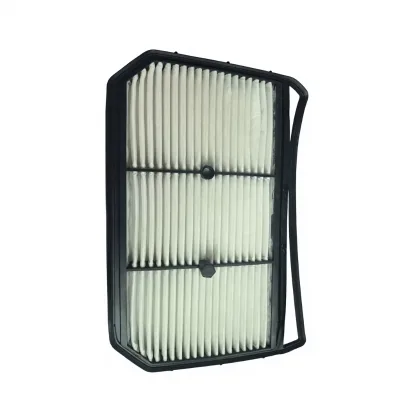
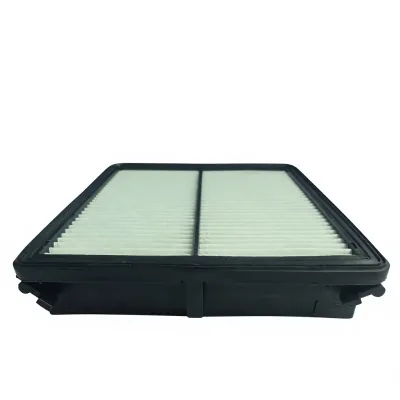










Comprehensive Sourcing Guide
For Car Engine Air Filter Supplier Concentration and Factory Types
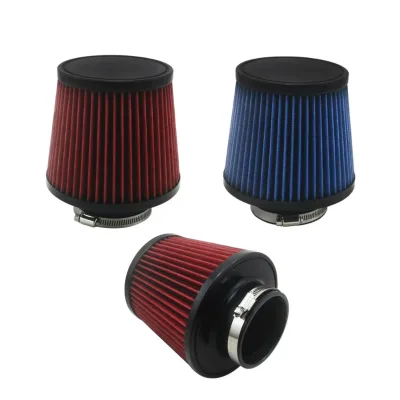
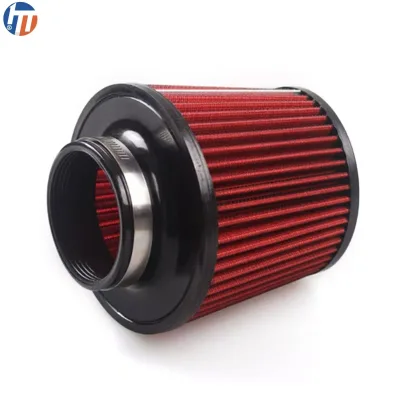
The current supplier landscape for car engine air filters reveals a distinct geographic and operational concentration that buyers must navigate carefully. Evidence indicates that a significant portion of manufacturing activity is centered in China Hebei, a region known for its industrial output in automotive components. This location is associated with both trading companies and manufacturer/factory entities, suggesting a mixed ecosystem where direct production capabilities coexist with distribution networks. The presence of these dual company types implies that buyers may encounter suppliers who either produce the filters themselves or act as intermediaries sourcing from local factories. Understanding this distinction is crucial for determining the true source of the product and the potential for cost savings or quality control issues. The concentration in Hebei suggests a mature supply chain for these specific automotive parts, but it also means that buyers need to verify whether they are dealing with the actual producer or a reseller.
In contrast to the Hebei cluster, other results point to suppliers located in China Guangdong, although the product focus there appears broader, including bus air conditioning systems. This geographic diversity highlights the importance of not assuming all air filter suppliers are located in the same industrial hub. The main products listed across these suppliers vary, with some focusing exclusively on air filters, oil filters, and fuel filters, while others offer a wider range of vehicle parts including spark plugs and brake pads. This variation in product scope can indicate the depth of a supplier’s expertise. A supplier specializing in filtration systems may offer more consistent quality and technical support than a generalist trading company. Buyers should assess whether the supplier’s primary focus aligns with their specific needs for car engine air filters, as specialized manufacturers often have more rigorous quality control processes tailored to filtration technology.
How to Verify For Car Engine Air Filter Suppliers
Verification is a critical step in ensuring the reliability and legitimacy of suppliers offering car engine air filters. The available data shows that some suppliers hold certifications such as TS 16949 and ISO 9001, which are standard quality management systems in the automotive industry. These certifications indicate that the supplier has implemented processes to maintain consistent product quality, which is essential for engine air filters that directly impact vehicle performance. Additionally, third-party verification badges like TUVRHEINLAND and CTI are present in the results, providing an extra layer of confidence in the supplier’s operational integrity. Buyers should prioritize suppliers with these verifications, as they suggest that the company has undergone external audits and meets specific industry standards. However, buyers must also recognize that not all suppliers display these credentials, and the absence of a badge does not necessarily imply poor quality, but it does require further due diligence.
Beyond certifications, buyers should examine the supplier’s response time and verification status to gauge their professionalism and reliability. Response times vary significantly, with some suppliers showing a response time of 4.30, while others report 4.94 or even 0.09. A faster response time often indicates a more active and responsive sales team, which can be beneficial for resolving queries quickly and managing orders efficiently. Buyers should also look for details on the supplier’s company type, distinguishing between trading companies and manufacturers. Trading companies may offer a wider variety of products but might have less control over production quality. Manufacturers, on the other hand, may provide better pricing and customization options but might have limited product ranges. By cross-referencing these factors, buyers can build a more comprehensive profile of each supplier’s capabilities and reliability, ensuring they partner with entities that can meet their specific sourcing requirements.
What to Compare Across For Car Engine Air Filter Suppliers
When evaluating multiple suppliers for car engine air filters, buyers should compare key operational metrics to identify the best fit for their business needs. Lead times are a significant differentiator, with some suppliers offering a lead time of 15 days, while others indicate 30 days or even 25-35 days. Shorter lead times can be crucial for maintaining inventory levels and meeting customer demand, especially in fast-moving markets. Buyers should also consider the minimum order quantity (MOQ), which ranges from 100 units to 1000 units or more. Lower MOQs are advantageous for smaller buyers or those testing new markets, while higher MOQs may offer better unit prices for larger volumes. Additionally, response speed, measured in hours or days, should be compared to ensure timely communication and issue resolution. Suppliers with faster response times are generally more reliable for handling urgent requests or changes in order specifications.
Price and customization options are another critical area for comparison. The price range for car engine air filters varies, with some products listed between $0.85 and $1.90, while others are priced between $6.00 and $7.00. These differences may reflect variations in material quality, filtration grade, or brand positioning. Buyers should also assess the availability of customization services, such as OEM and ODM options, which can be vital for private labeling or specific technical requirements. Some suppliers offer customization with materials like fiber or non-woven fabric, and patterns such as dry filters. The ability to customize the filter size, structure, and certification standards can provide a competitive advantage. By systematically comparing these factors, buyers can make informed decisions that balance cost, quality, and operational efficiency, ensuring they select suppliers who align with their strategic sourcing goals.
Common For Car Engine Air Filter Sourcing Risks
Sourcing car engine air filters involves several potential risks that buyers must proactively manage to avoid disruptions and quality issues. One significant risk is the variability in product specifications, as filters can differ in material, filtration grade, and size. For instance, some filters are made from fiber or non-woven materials, while others use paper, and filtration grades may range from standard to HEPA. Buyers must ensure that the supplier’s specifications match their exact requirements, as mismatches can lead to poor engine performance or increased maintenance costs. Another risk is the inconsistency in lead times, which can affect supply chain stability. Suppliers with longer or unpredictable lead times may struggle to meet urgent demands, leading to stockouts or delayed deliveries. Buyers should establish clear communication channels and confirm lead times before placing orders to mitigate this risk.
Quality control is another critical area of concern, as the automotive industry has strict standards for engine components. While some suppliers hold ISO 9001 or TS 16949 certifications, others may not, raising questions about their quality management processes. Buyers should verify the supplier’s quality control measures, including testing procedures and material sourcing, to ensure the filters meet industry standards. Additionally, there is a risk associated with trading companies that may not have direct control over production. These suppliers might face challenges in addressing quality issues or providing technical support. Buyers should prioritize suppliers with transparent manufacturing processes and direct oversight of production. By identifying and addressing these risks early in the sourcing process, buyers can build a more resilient supply chain and reduce the likelihood of costly errors or delays.
For Car Engine Air Filter Regional Sourcing and Logistics
Regional sourcing plays a pivotal role in determining the logistics and cost structure for car engine air filters. The concentration of suppliers in China Hebei and China Guangdong offers buyers access to established industrial clusters with robust infrastructure. Hebei, in particular, is noted for its manufacturing capabilities, which can facilitate efficient production and shipping. Buyers sourcing from this region should consider the proximity to major ports, such as Tianjin or Shanghai, which are mentioned as shipping ports for some suppliers. These ports provide convenient access to global shipping routes, potentially reducing transit times and freight costs. However, buyers must also account for the logistical complexities associated with international shipping, including customs clearance and documentation requirements. Understanding the supplier’s shipping port and logistics capabilities can help buyers plan their supply chain more effectively.
In addition to port proximity, buyers should evaluate the supplier’s packaging and handling practices to ensure product integrity during transit. Some suppliers use carton or box packaging, which can protect the filters from damage during shipping. Proper packaging is essential for maintaining the quality of the filters, especially for delicate components like HEPA filters. Buyers should also consider the environmental impact of packaging materials and whether the supplier offers sustainable options. Furthermore, the location of the supplier can influence the availability of local support and after-sales service. Suppliers in established industrial regions may have better access to technical support and spare parts, which can be beneficial for long-term partnerships. By carefully assessing regional logistics and packaging practices, buyers can optimize their supply chain and ensure the timely and safe delivery of car engine air filters.
For Car Engine Air Filter Commercial Terms and Order Planning
Commercial terms and order planning are essential components of a successful sourcing strategy for car engine air filters. Payment terms vary among suppliers, with some offering T/T (Telegraphic Transfer) and L/C (Letter of Credit) options, while others may require a 30% deposit with the balance due before shipment. Buyers should negotiate payment terms that align with their cash flow and risk tolerance, ensuring that they have adequate protection against non-delivery or quality issues. Escrow services, if available, can provide an additional layer of security by holding funds until the buyer confirms receipt and quality of the goods. Understanding the supplier’s payment policies is crucial for financial planning and avoiding unexpected costs or delays. Buyers should also clarify any additional fees, such as shipping or handling charges, to ensure accurate budgeting.
Order planning involves determining the appropriate order quantities and frequency based on demand forecasts and supplier capabilities. MOQs can range from 100 to 1000 units, influencing the buyer’s inventory management strategy. Smaller MOQs allow for more flexible ordering but may result in higher unit prices, while larger MOQs offer cost savings but require greater storage capacity and capital investment. Buyers should also consider the supplier’s production capacity and lead times when planning orders, ensuring that they can meet demand without overstocking. Regular communication with suppliers about production schedules and inventory levels can help maintain a steady supply of car engine air filters. By developing a comprehensive order plan that accounts for commercial terms, MOQs, and lead times, buyers can optimize their procurement process and achieve greater operational efficiency.
FAQs
What is the price range for car engine air filters?
Prices for car engine air filters typically range from $0.85 to $7.00 per unit. The cost varies based on material, filtration grade, and specific OEM model compatibility. Buyers can find options starting at $0.85 for basic fiber filters up to $7.00 for specialized industrial-grade units.
What is the minimum order quantity for air filters?
Minimum order quantities vary by supplier and product type. Some manufacturers require a minimum of 20 units, while others set the threshold at 50 or 100 pieces. Bulk orders often start at 1,000 units for specific industrial applications. Buyers should check individual product listings for exact MOQ requirements.
How long does delivery take for air filter orders?
Standard lead times for air filter orders generally range from 15 to 35 days. Some suppliers offer faster turnaround times of 15 days, while others may require up to 35 days for production and shipping. Delivery times depend on order volume and specific supplier capabilities.
Where are car engine air filters manufactured?
Most car engine air filters are manufactured in China, specifically in regions like Hebei and Guangdong. These locations host both trading companies and manufacturing factories. Buyers can verify the place of origin on product listings to ensure alignment with their sourcing preferences and logistics requirements.
What certifications do air filter suppliers hold?
Reputable air filter suppliers often hold ISO 9001 and TS 16949 certifications. These standards ensure quality management systems are in place for automotive parts manufacturing. Some suppliers also undergo third-party verification by organizations like TÜV Rheinland or CTI to validate their operational compliance and product quality.
Can air filters be customized for specific vehicles?
Yes, many suppliers offer customization services for car engine air filters. Options include OEM and ODM manufacturing to match specific vehicle models. Customization is available for materials, sizes, and filtration grades. Buyers should confirm customization availability and requirements directly with suppliers to ensure precise fitment.