Source For Car Engine Air Filter for Trucks, Cars, and Generators
Source For Car Engine Air Filter from verified Chinese manufacturers. Compare 30 listings featuring HEPA and dry filtration elements with ISO9001 certification. Find OEM-standard sizes and custom options for automotive and industrial applications; compare the available evidence and request quotations based on your requirements.
Updated
Key considerations
Products List


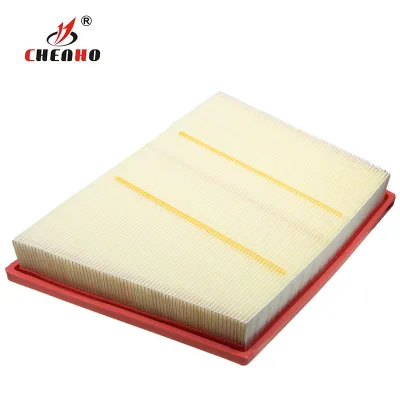


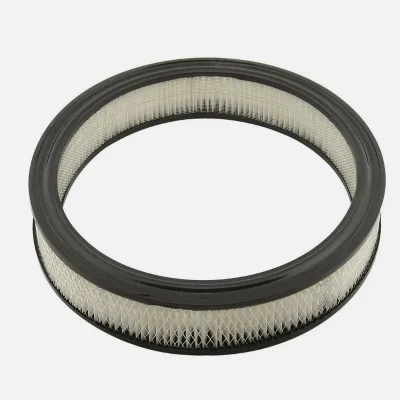
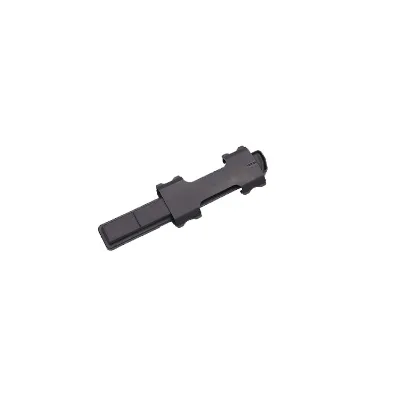


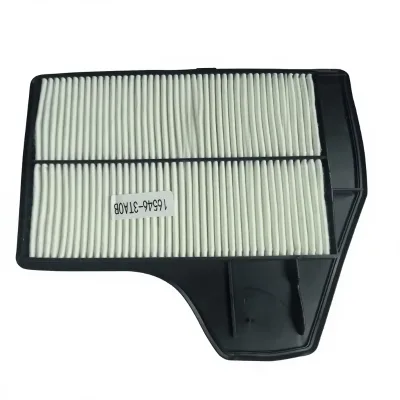
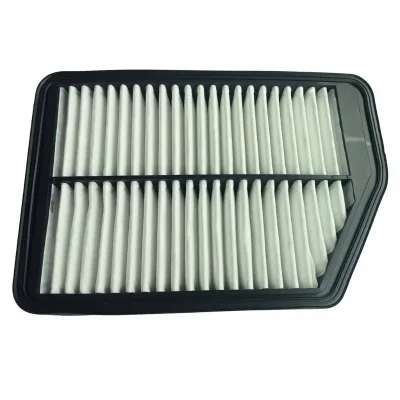
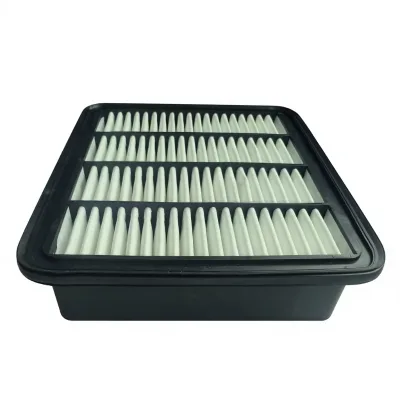
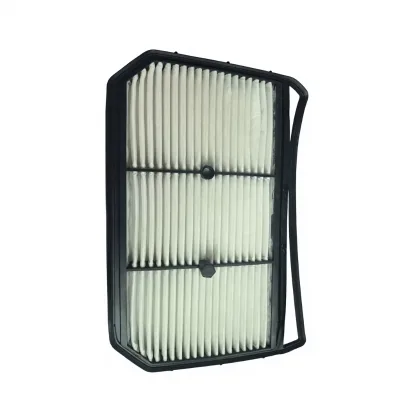
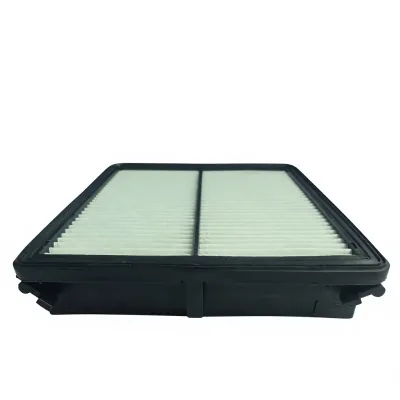


Comprehensive Sourcing Guide
For Car Engine Air Filter Sourcing Guide
Procuring replacement air filters for automotive engines requires a disciplined approach to ensure engine longevity and optimal performance. Buyers must navigate a complex supply chain where product specifications vary significantly across different vehicle makes and models. The core challenge lies in matching the precise physical dimensions and filtration efficiency of the filter to the specific engine intake requirements. This guide provides a structured framework for evaluating suppliers, verifying technical data, and establishing reliable commercial terms. By focusing on evidence-based verification steps, procurement teams can mitigate the risk of receiving non-conforming goods that could lead to costly engine damage or warranty claims.
Successful sourcing begins with a clear understanding of the product’s classification and material composition. The market offers various filter types, including dry fiber and non-woven media, each suited for different operating environments. Buyers should prioritize suppliers who provide transparent data on filtration grade, such as HEPA-level standards, and confirm the structural integrity of the filter element assembly. Additionally, understanding the customization options available is crucial for specialized applications. This guide outlines the critical verification steps needed to select the right supplier, ensuring that every purchased component meets the rigorous demands of modern automotive engineering while maintaining cost efficiency.
Product Scope and Observed Listing Signals
The current market landscape for engine air filters reveals a diverse range of product listings, with observed prices ranging from $0.5 to $10 USD per unit. Minimum order quantities (MOQs) typically span from 1 to 1000 units, offering flexibility for both small-scale repairs and large fleet maintenance operations. Listings frequently highlight key attributes such as "Dry" pattern classification and "Fiber" or "Non-Woven" materials, which are critical for determining filtration efficiency and durability. Buyers should note that while some products are labeled as "HEPA Filter" grade, this designation must be verified against specific technical datasheets rather than assumed from marketing text alone.
Observations indicate that many suppliers offer customization services, with some products marked as "Customized: Yes" and others as "Non-Customized." This distinction is vital for buyers sourcing parts for unique or older vehicle models that may require non-standard dimensions. The observed product models, such as 13780-77A00 and 16546-0T006, suggest a focus on OEM-equivalent replacements. Buyers should carefully cross-reference these model numbers with their vehicle’s service manual to ensure compatibility. Additionally, the presence of "OEM Standard Size" specifications implies that many available filters are designed to fit directly into existing intake systems without modification, simplifying the installation process for end-users.
Technical Specifications to Verify
Verifying the physical dimensions of the air filter is the most critical technical step in the sourcing process. Observed standard sizes include 242 mm x 144 mm x 52 mm, 200.5 mm x 25 mm x 190 mm, and 254 mm x 212.5 mm x 45.7 mm, among others. Buyers must ensure that the selected filter’s length, width, and height match the vehicle’s intake housing precisely. Even minor deviations can lead to improper sealing, allowing unfiltered air to bypass the media and cause engine wear. It is essential to request detailed dimensional drawings from suppliers and compare them against the original equipment manufacturer (OEM) specifications for the specific car model.
Beyond dimensions, the structural composition and surface treatment of the filter frame must be evaluated. Some listings specify "Aluminum Alloy" frames with "Baking Paint" surface treatments, which offer enhanced corrosion resistance and durability compared to standard plastic or cardboard frames. Buyers should verify the material grade and confirm that the frame structure is designed to withstand the pressure differentials encountered during high-speed engine operation. Additionally, the filtration media itself, whether fiber or non-woven, should be assessed for its ability to capture particulate matter without restricting airflow. Requesting sample units for physical inspection is highly recommended to validate these technical claims before committing to large orders.
Compliance and Safety Documentation
Compliance with international quality management standards is a key indicator of supplier reliability. Many observed listings cite ISO9001 or TS/ISO9001 certifications, which demonstrate that the manufacturer has established robust processes for quality control and continuous improvement. Buyers should request valid certification documents and verify their status with the issuing body to ensure they are current and applicable to the specific product line. While some listings mention GB standards, buyers should clarify whether these refer to Chinese national standards or other regional regulations, as compliance requirements can vary significantly depending on the target market.
Safety and performance documentation should also include test reports that validate the filter’s filtration efficiency and pressure drop characteristics. Although specific test results are not provided in the observed data, buyers should ask suppliers to provide third-party lab reports or internal quality control records. These documents should confirm that the filter meets the claimed filtration grade, such as HEPA standards, under various operating conditions. Additionally, buyers should ensure that the product packaging, often listed as "Carton," protects the filter from damage during transit. Proper packaging is essential to maintain the integrity of the filter media and frame, ensuring that the product arrives in pristine condition ready for installation.
Cost Drivers and Commercial Terms
Several factors influence the final cost of engine air filters, including material quality, certification status, and order volume. The observed price range of $0.5 to $10 USD reflects variations in these factors, with higher-priced items typically offering superior materials and more rigorous quality control. Buyers should consider the total cost of ownership, which includes not only the unit price but also shipping costs, potential customs duties, and the risk of returns due to non-conformance. Competitive pricing should not come at the expense of quality, as inferior filters can lead to costly engine repairs and customer dissatisfaction.
Commercial terms such as payment methods and shipping options also play a significant role in the procurement process. Observed listings frequently offer T/T (Telegraphic Transfer) and L/C (Letter of Credit) as payment terms, providing flexibility for different transaction sizes. Shipping options include sea, air, and express delivery, allowing buyers to balance cost and lead time based on their inventory needs. Buyers should negotiate clear terms regarding warranty coverage, with many suppliers offering a 1-year warranty on their products. Additionally, understanding the supplier’s customer service capabilities, such as 24-hour support, can be crucial for resolving issues quickly and maintaining supply chain continuity.
Supplier Qualification and Quality Control
Evaluating supplier qualifications is essential for ensuring consistent product quality and reliable delivery. Buyers should prioritize suppliers with a proven track record in the automotive aftermarket, as indicated by their market type and brand reputation. Observed listings mention brands like CHENHO, which suggests a focus on the after-market segment. Buyers should verify the supplier’s production capacity, quality control processes, and ability to handle custom orders if required. Requesting references from other buyers and conducting site audits can provide valuable insights into the supplier’s operational efficiency and commitment to quality.
Quality control measures should be integrated into the procurement process to minimize the risk of receiving defective products. Buyers should establish clear acceptance criteria based on the technical specifications and compliance documentation provided by the supplier. Implementing a sampling inspection plan for incoming shipments can help detect defects early and prevent them from reaching the end customer. Additionally, buyers should maintain open communication with suppliers to address any quality issues promptly. Regular performance reviews and feedback loops can help drive continuous improvement and strengthen the supplier relationship over time.
Long-Term Procurement Checks
Establishing long-term procurement checks is vital for maintaining supply chain stability and product quality. Buyers should regularly review supplier performance metrics, including on-time delivery rates, defect rates, and responsiveness to issues. These metrics should be tracked over time to identify trends and potential areas for improvement. Regular audits and re-verification of certifications ensure that suppliers continue to meet the required standards. Buyers should also stay informed about changes in industry regulations and technological advancements that may impact product specifications or compliance requirements.
Continuous improvement in the sourcing process involves adapting to market changes and evolving customer needs. Buyers should periodically reassess their supplier base to ensure they are leveraging the best available options in terms of cost, quality, and service. Engaging in strategic partnerships with key suppliers can lead to better pricing, priority production, and collaborative innovation. Additionally, buyers should invest in training their procurement teams to stay updated on best practices in automotive parts sourcing. By maintaining a proactive approach to supplier management, buyers can ensure a resilient and efficient supply chain that supports their business objectives.
FAQs
What materials are used for these air filters?
The air filters are constructed from fiber, non-woven, aluminum alloy, and plastic materials. These components ensure durability and effective filtration performance. The HEPA filtration grade provides high-efficiency particle capture. This combination of materials supports the dry pattern structure required for reliable engine protection in various automotive applications.
Can I customize the air filter specifications?
Yes, customization is available for these air filters. Buyers can request specific modifications to meet unique requirements. The product supports both customized and non-customized options depending on the order. This flexibility allows for tailored solutions that align with specific engine models or performance needs while maintaining standard quality benchmarks.
What certifications do these air filters hold?
These air filters hold ISO9001 and TS/ISO9001 certifications. These standards verify the quality management systems used in production. The certifications ensure consistent manufacturing processes and product reliability. Buyers can trust that the filters meet international quality benchmarks for automotive components, providing assurance of safety and performance in engine applications.
Where are these air filters manufactured?
These air filters are manufactured in Hebei and Zhejiang, China. The production facilities adhere to GB standards for quality control. The origin ensures access to established supply chains and manufacturing expertise. Buyers benefit from the logistical advantages of Chinese production while receiving products that meet specified dimensional and performance requirements for global markets.
What is the minimum order quantity for these filters?
The minimum order quantity ranges from 1 to 1000 units. This flexible MOQ accommodates both small trial orders and large bulk purchases. Buyers can select quantities that fit their inventory needs. The pricing remains competitive across these ranges, allowing for cost-effective sourcing regardless of the order size required for specific automotive repair or replacement projects.
What payment terms are accepted for these orders?
Accepted payment terms include T/T and L/C. These methods provide secure and flexible transaction options for buyers. Telegraphic transfers offer speed, while letters of credit provide security for larger orders. These standard financial arrangements facilitate smooth trade processes, ensuring that both suppliers and buyers can proceed with confidence in the transaction execution and delivery timelines.