Source Steel Common Rail Nozzles for Engines, Injectors, and Pumps
Find 30 Steel Common Rail Nozzle options for diesel engines, fuel injectors, and pump systems. Compare OEM codes like DLLA151P2240 and 142P2451, check certifications such as ISO9001, and review packing details for global sourcing needs; compare the available evidence and request quotations based on your requirements.
Updated
Key considerations
Products List


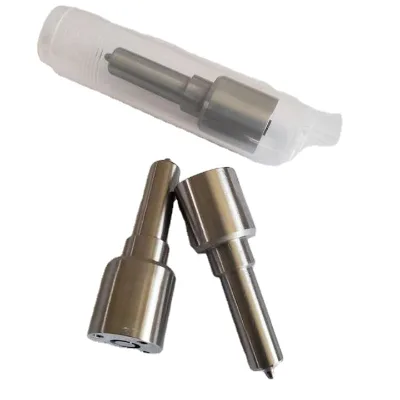
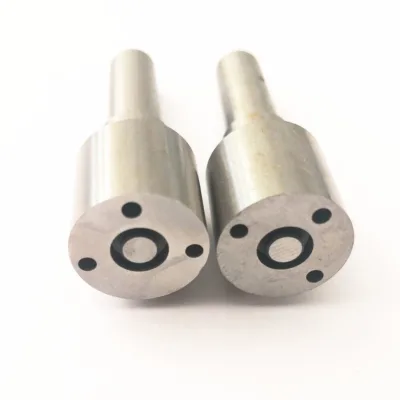
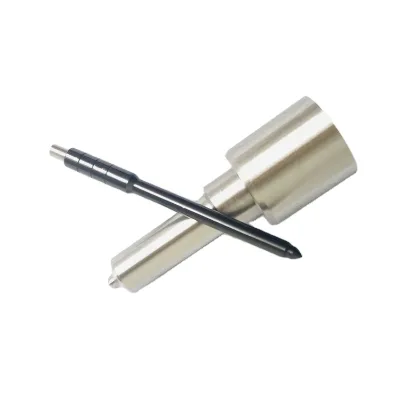
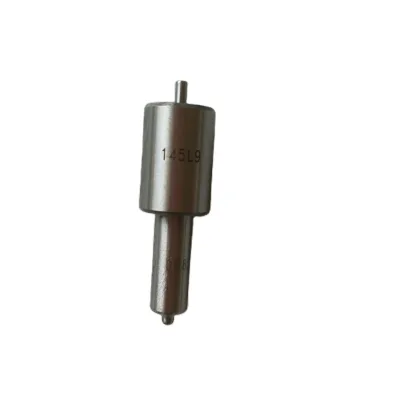
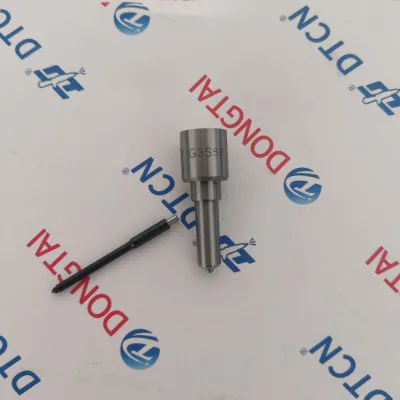
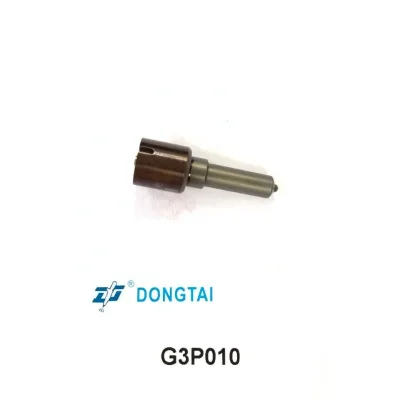
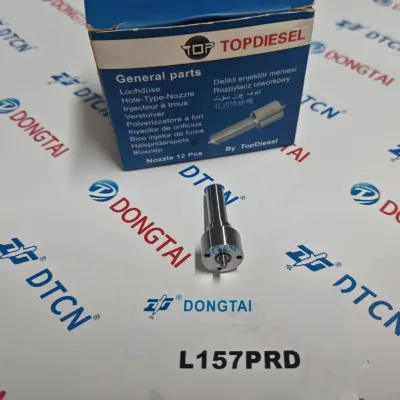
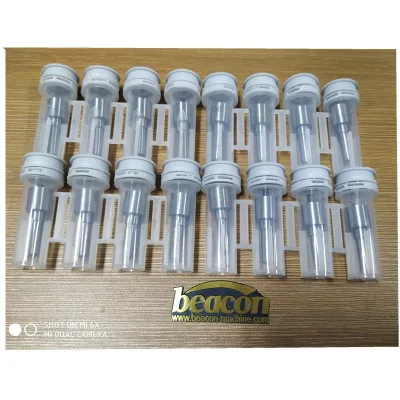
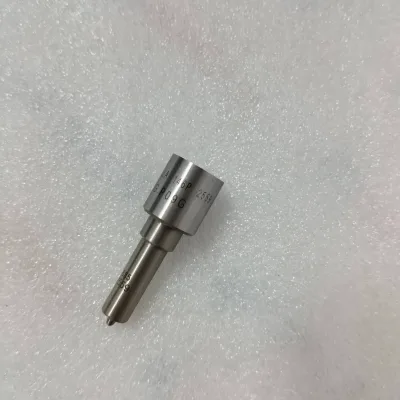
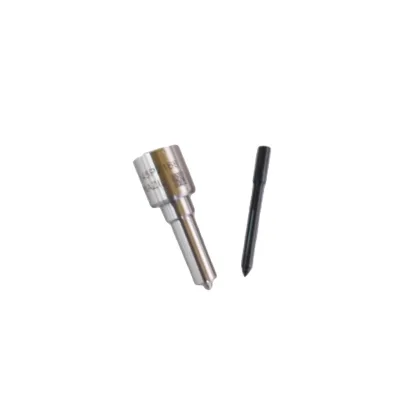
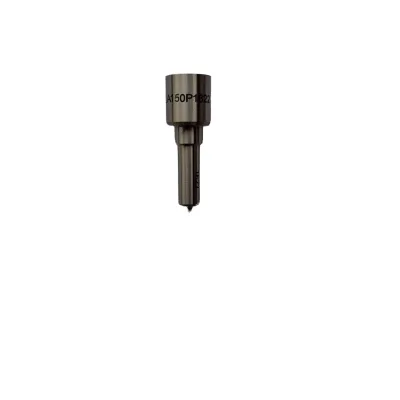
Diesel Engine Nozzle Dlla149p2216 Fuel Injector Nozzle Common Rail Nozzle
$8.50 - $9.35
MOQ: 12 Pieces






Comprehensive Sourcing Guide
Steel Common Rail Nozzle Sourcing Guide
Procuring steel common rail nozzles requires a disciplined approach to technical verification and supplier qualification, as these components are critical for precise fuel injection in modern diesel engines. Buyers must navigate a market where product attributes vary significantly across listings, often mixing standard and non-standard components. The core challenge lies in distinguishing between genuine OEM replacements and aftermarket alternatives that may offer cost savings but require rigorous validation. Understanding the specific technical requirements of your engine platform is the first step in mitigating the risk of operational failure or reduced efficiency.
This guide provides a structured framework for evaluating potential suppliers and products based on observable market signals and technical specifications. It emphasizes the importance of verifying material composition, certification status, and packaging standards to ensure long-term reliability. By focusing on evidence-based procurement strategies, buyers can make informed decisions that balance cost efficiency with performance integrity. The following sections detail the key areas of focus, from product scope analysis to long-term quality checks, ensuring a comprehensive sourcing strategy.
Product Scope and Observed Listing Signals
The current market for steel common rail nozzles exhibits a wide range of product models and specifications, reflecting the diversity of diesel engine applications. Listings frequently display various OE codes, such as DLLA151P2240, 142P2451, and L421PRD, indicating compatibility with different engine manufacturers and models. Buyers should note that some products are labeled as non-standard components, which may imply custom modifications or aftermarket adaptations rather than direct OEM equivalents. This variation necessitates careful cross-referencing of part numbers with engine service manuals to ensure proper fitment and function.
Observed listing signals also reveal significant diversity in customization options and packaging methods. Suppliers often offer customization for logos, outer packaging, and patterns, which can be beneficial for private labeling or specific logistical requirements. Packaging varies from standard export boxes to specialized containers like Dcec/Ccec/Xcec or Lzy, suggesting different handling and storage needs. Additionally, the availability of colors and specific fuel types, such as diesel, highlights the tailored nature of these components. Buyers must verify that the packaging protects the delicate nozzle tips during transit to prevent damage.
Technical Specifications to Verify
Technical verification is paramount when sourcing steel common rail nozzles, as minor deviations can lead to significant performance issues. Key specifications to confirm include the stroke type, with listings indicating both 4-stroke and 6-stroke variants, although 4-stroke is more common for standard diesel applications. The body material is consistently identified as steel, which is crucial for withstanding high injection pressures. Buyers should also check the cylinder configuration, with multi-cylinder setups being a frequent specification, ensuring compatibility with the engine’s cylinder count and firing order.
Further technical details include the carburettor type, with horizontal draught configurations noted in some listings, and the presence of electronic fuel saver types. These attributes suggest advanced control mechanisms that may require specific electronic interfaces or calibration. The condition of the product, whether new or remanufactured, is another critical factor that affects performance and lifespan. Buyers must request detailed technical datasheets that specify flow rates, spray patterns, and pressure ratings to ensure the nozzle meets the engine’s operational requirements.
Compliance and Safety Documentation
Compliance with international standards is essential for ensuring the quality and safety of steel common rail nozzles. Several listings mention ISO9001 certification, which indicates that the supplier has implemented a quality management system meeting international benchmarks. This certification is a strong indicator of consistent manufacturing processes and quality control measures. Buyers should verify the validity of these certifications and request copies of the certificates to confirm that the specific production facilities are covered under the scope of the certification.
In addition to quality management, buyers should inquire about other relevant certifications or standards that may apply to fuel injection components. While specific safety standards are not always explicitly listed, compliance with environmental regulations regarding fuel efficiency and emissions is increasingly important. The presence of TSCylinder certifications in some listings suggests adherence to specific technical standards for cylinder components. Buyers must ensure that all documentation is up-to-date and that the supplier can provide traceability for materials and manufacturing processes to support regulatory compliance.
Cost Drivers and Commercial Terms
Cost drivers for steel common rail nozzles include material costs, manufacturing complexity, and certification requirements. The use of steel as the primary body material influences the base cost, while the precision engineering required for common rail nozzles adds to the manufacturing expense. Customization options, such as logo printing or specialized packaging, can also impact the final price. Buyers should analyze the total cost of ownership, considering factors like lead times, warranty periods, and potential maintenance costs, rather than focusing solely on the unit price.
Commercial terms vary among suppliers, with observed MOQs ranging from 1 to 48 units, offering flexibility for different order sizes. Warranty periods of one year are commonly offered, providing some protection against early failures. Buyers should negotiate clear terms regarding returns, replacements, and liability for defective products. Additionally, the condition of the product, whether new or remanufactured, significantly affects pricing. Remanufactured nozzles may offer a lower initial cost but require careful evaluation of their performance and lifespan compared to new units.
Supplier Qualification and Quality Control
Supplier qualification is a critical step in the sourcing process, requiring a thorough assessment of the supplier’s capabilities and reliability. Buyers should evaluate the supplier’s production capacity, quality control processes, and ability to meet specific technical requirements. The availability of customization services, such as logo and pattern customization, indicates a level of flexibility and customer focus. However, buyers must ensure that these services do not compromise the quality or integrity of the nozzle components.
Quality control measures should be clearly defined and agreed upon before placing orders. This includes specifications for incoming material inspections, in-process quality checks, and final product testing. Buyers should request sample units for testing and evaluation before committing to larger orders. The condition of the product, whether new or remanufactured, should be clearly documented and verified. Establishing a strong relationship with the supplier based on transparency and mutual trust can help mitigate risks and ensure consistent quality over time.
Long-Term Procurement Checks
Long-term procurement checks involve continuous monitoring of supplier performance and product quality to ensure ongoing satisfaction. Buyers should establish key performance indicators (KPIs) such as defect rates, delivery times, and responsiveness to issues. Regular audits of the supplier’s quality management system can help identify potential problems before they impact production. The warranty period of one year provides a baseline for evaluating product durability, but buyers should track long-term performance data to assess the true lifespan of the nozzles.
Additionally, buyers should stay informed about changes in industry standards and regulations that may affect the sourcing of steel common rail nozzles. Keeping abreast of technological advancements in fuel injection systems can help buyers make informed decisions about future procurement needs. Building a diversified supplier base can reduce dependency on a single source and mitigate supply chain risks. Regular communication with suppliers and feedback loops can help drive continuous improvement and ensure that the sourced components meet evolving operational requirements.
FAQs
What is the standard component type for this steel nozzle?
The standard component type is a non-standard component. This classification applies to the specific steel body material used in the product. Buyers should verify the exact model number against their engine requirements to ensure compatibility with the push technics and diesel fuel system.
Can I request customization for the logo or packaging?
Yes, customization services are available for logos, outer packaging, and patterns. The product comes in a box or carton with standard export packaging. Buyers can specify these details during the ordering process to meet their branding needs while maintaining the one-year warranty coverage.
Which certifications are verified for these steel nozzles?
Certifications include ISO9001 and TSCylinder multi-cylinder standards. These documents verify the quality management system and specific cylinder configurations. Buyers should request these certificates to confirm compliance with international standards before placing an order for the Steel Common Rail Nozzle components.
How does the MOQ vary for different models?
The minimum order quantity ranges from one to forty-eight units depending on the specific model. Some items like the L421PRD have an MOQ of twelve. Buyers should check the specific product page for the exact quantity required for their selected model to ensure successful procurement.
What is the origin and condition of the product?
The product originates from China and is available in new or remanufactured conditions. The steel body material ensures durability for diesel engines. Buyers can select the preferred condition based on their budget and performance requirements while noting the standard export packaging for safe shipping.
Which OE codes are supported for this nozzle?
Supported OE codes include DLLA149P2216, DLLA153P885, and F00VX20010. These codes correspond to specific model numbers like DLLA152P989. Buyers must match their engine requirements to these codes to ensure the correct fitment for the Steel Common Rail Nozzle in their vehicle.