Source High Performance Engine Assembly for Trucks
Find and compare 30 High Performance Engine Assembly options from China. Review specifications for WD10G220 and WD615.47 models, including fuel types, cylinder configurations, and emission standards to select the right engine for heavy-duty applications; compare the available evidence and request quotations based on your requirements.
Updated
Key considerations
Products List


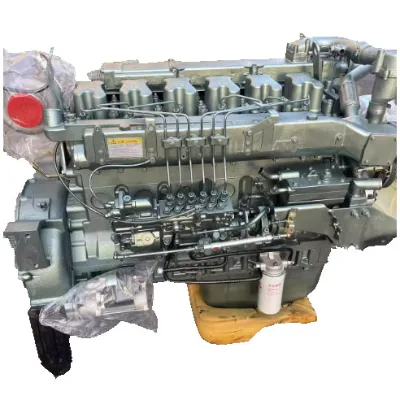
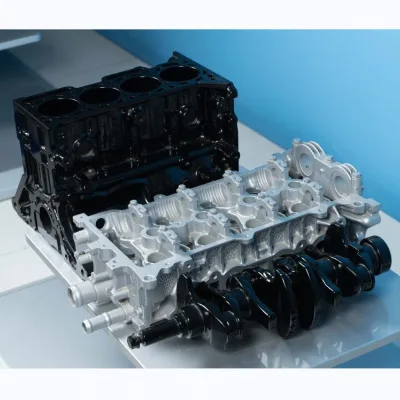
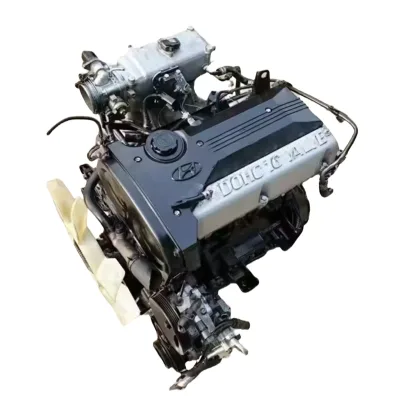
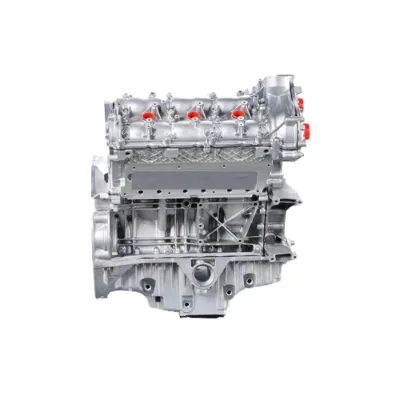
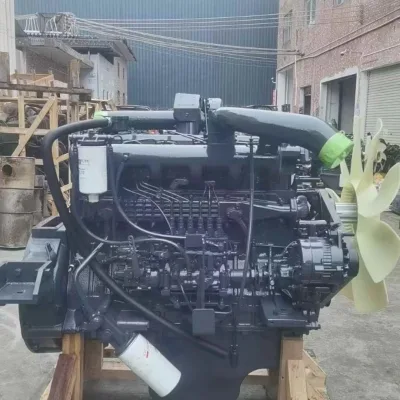
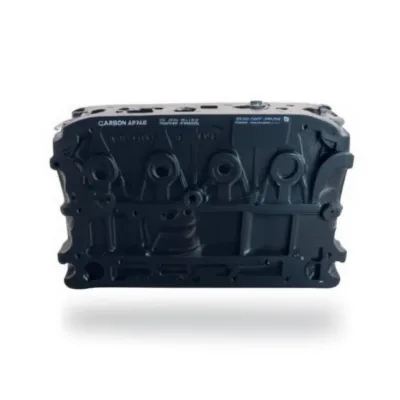
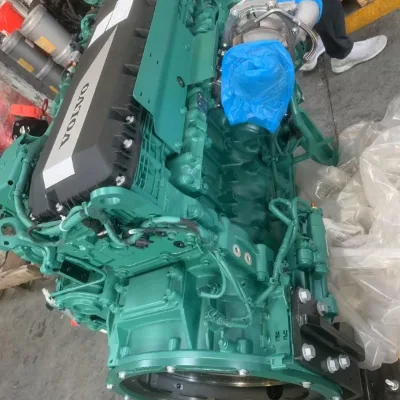
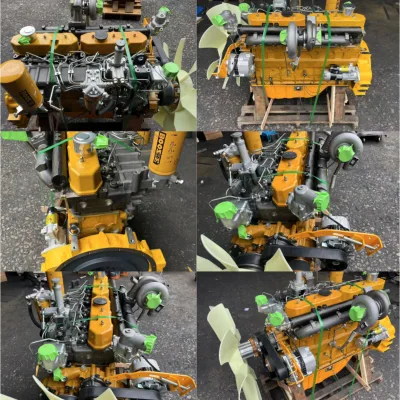
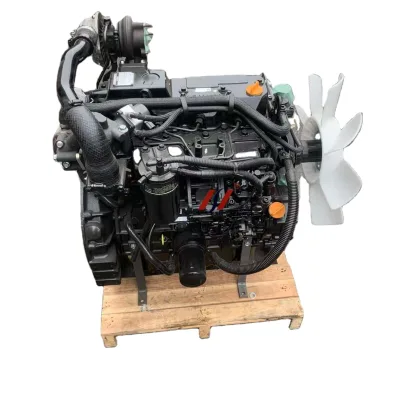
New High Performance Engine Compatible with Multiple Vehicle Models and Powerful
$1359.9986 - $2406.1514
MOQ: 2 pieces
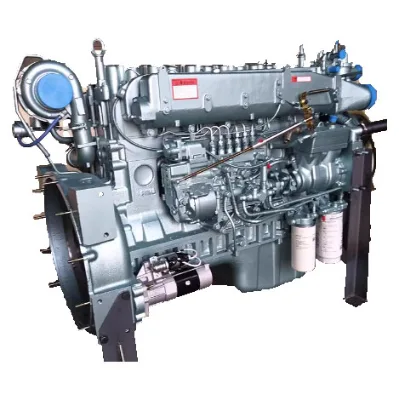
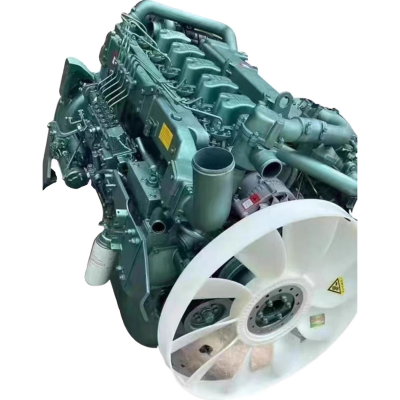
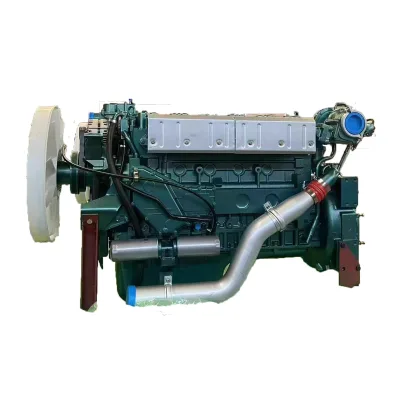
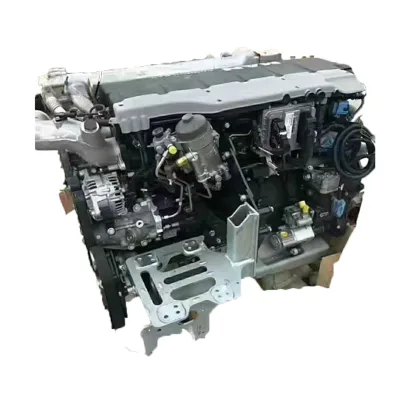
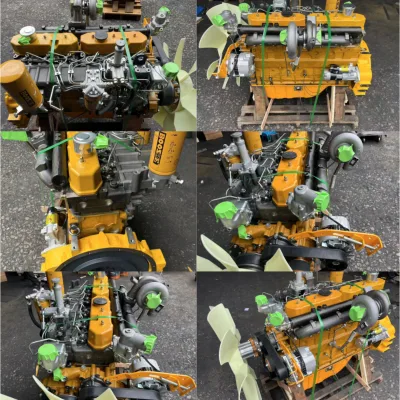
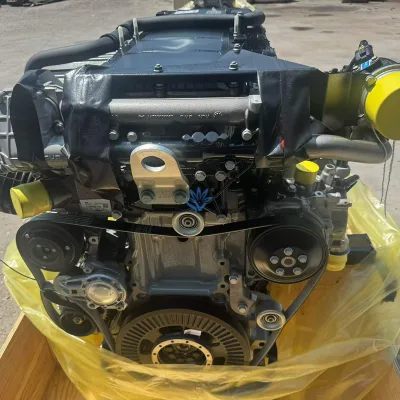
Reliable and Durable New Engine Reducing Failures and Extending Lifespan
$1550.00 - $2300.00
MOQ: 2 pieces
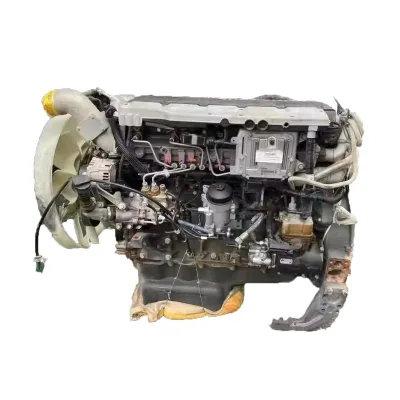
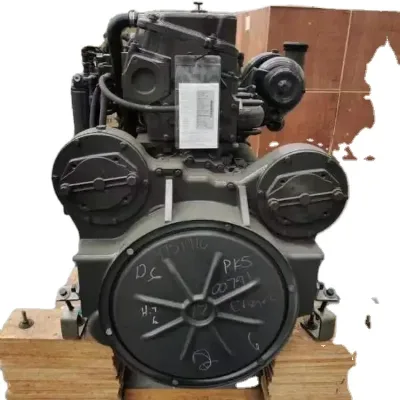


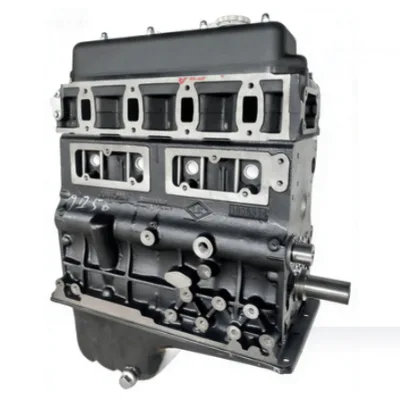



Comprehensive Sourcing Guide
High Performance Engine Assembly Sourcing Guide
Procuring high performance engine assemblies requires a disciplined approach to verifying technical alignment and commercial viability. Buyers must navigate a complex landscape where product attributes vary significantly across listings, often mixing conflicting specifications such as fuel types or cylinder configurations. This guide provides a structured framework for evaluating suppliers, ensuring that the selected engine meets operational demands without compromising on quality or compliance.
The following sections detail the critical verification steps, from technical specification validation to long-term supplier relationship management. By adhering to these evidence-based procurement strategies, organizations can mitigate risks associated with mismatched components, unexpected lead times, and inadequate after-sales support. The goal is to establish a reliable supply chain that supports continuous operational efficiency and regulatory adherence.
Product Scope and Observed Listing Signals
The observed market for engine assemblies presents a wide range of product names and specifications, including items labeled as "Engine Assembly," "New High Performance Engine," and specific model identifiers like "WD10G220" and "WD615.47." Listings frequently cite diverse attributes, such as "Six Cylinder" configurations, "Multi-cylinder" setups, and varying fuel types including both "Gasoline" and "Diesel." Buyers must carefully cross-reference these signals against their specific operational requirements, as the same supplier may list incompatible variants under similar product titles.
Pricing observations indicate a broad range, with listed values spanning from approximately $134.5 to over $556,862 USD, reflecting differences in engine size, condition, and included components. Minimum Order Quantities (MOQ) are typically low, ranging from 1 to 2 pieces, which facilitates initial testing or small-scale procurement. However, the presence of "Remanufactured" conditions alongside "New" claims necessitates rigorous verification of the item's actual state. Buyers should treat these listing signals as starting points for inquiry rather than definitive product descriptions, ensuring that the final contract explicitly defines the engine's condition and specifications.
Technical Specifications to Verify
Technical verification must begin with confirming the engine's core architecture, including cylinder count, cooling system type, and emission standards. Observed data points to "Six Cylinder" and "Multi-cylinder" options, with cooling systems described as both "Water-Cooled" and "Liquid-cooled." Emission standards are cited as "Euro 5" and "Euro Engine," while specific model codes like "WD615.47" suggest compatibility with heavy-duty truck applications. Buyers should request detailed technical datasheets that confirm these attributes, ensuring the engine meets the specific performance and environmental requirements of their intended application.
Further verification is required for physical dimensions, weight, and packaging standards, which impact logistics and installation. Listings mention weights such as "950kg" and "1000KG," with packaging options including "Plywood Case," "Wood," and "Wooden Crate." Standard dimensions like "1316489CM" and "1.50.50.4" meters are also noted. Buyers must confirm these physical parameters to ensure compatibility with their handling equipment and storage facilities. Additionally, verifying the "Compression Ratio" and "Carburettor Type," such as "Downdraft," is essential for ensuring proper integration with existing vehicle systems and fuel delivery mechanisms.
Compliance and Safety Documentation
Compliance verification is critical for ensuring that the engine assembly meets regional regulatory requirements and safety standards. While specific certifications like "TSComponent:Fuel Tank" are mentioned, buyers must confirm the validity and scope of all certifications provided by the supplier. This includes verifying adherence to emission standards such as "Euro 5" and any local regulations applicable to the destination market. Buyers should request official certification documents and test reports to validate the supplier's claims, ensuring that the engine can be legally operated and maintained in the target region.
Safety documentation should also cover the engine's operational safety features and maintenance requirements. Buyers must ensure that the supplier provides comprehensive manuals detailing installation procedures, operational limits, and safety precautions. This includes verifying the "Cold Style" and "Start" mechanism, such as "Electric Start," to ensure compatibility with the vehicle's electrical system. Additionally, buyers should confirm that the engine meets any relevant industry standards for noise, vibration, and hazardous material handling, protecting both operators and the environment from potential risks associated with engine operation.
Cost Drivers and Commercial Terms
Cost drivers for engine assemblies include the engine's condition, whether new or remanufactured, its technical specifications, and the level of customization available. Listings indicate that "Customization" is available, which can significantly impact pricing based on the complexity of the modifications required. Buyers should request detailed cost breakdowns that separate the base engine price from customization, shipping, and packaging costs. This transparency helps in comparing offers from different suppliers and understanding the true total cost of ownership.
Commercial terms such as lead time, payment terms, and warranty coverage are equally important in the procurement process. Observed delivery times range from "7-15 Days," but buyers should confirm these estimates with the supplier, especially for customized orders. Payment terms should be negotiated to balance risk, with options like letters of credit or escrow services providing security for both parties. Additionally, buyers should clarify the warranty period and coverage, ensuring that any defects or performance issues are addressed promptly without additional cost, protecting the investment in the engine assembly.
Supplier Qualification and Quality Control
Supplier qualification involves assessing the supplier's manufacturing capabilities, quality control processes, and track record in the industry. Buyers should verify the supplier's origin, with listings indicating origins in "China," "Jinan," and "Shandong," and brands such as "Sinotruk." It is essential to confirm the supplier's ability to produce or source engines that meet the specified quality standards, such as "High Quliaty" and "Standard material." Buyers should request evidence of quality control measures, including inspection reports and testing procedures, to ensure consistency in product quality.
Quality control should extend to the packaging and shipping process, as improper handling can damage the engine assembly. Listings mention various packaging options, including "Neutral Packing" and "Natural Package," but buyers should specify requirements for protective packaging to prevent damage during transit. Additionally, buyers should evaluate the supplier's after-sales service capabilities, as indicated by claims of "Excellent After-sale Service." This includes assessing the availability of technical support, spare parts, and maintenance services, ensuring long-term operational support for the engine assembly.
Long-Term Procurement Checks
Long-term procurement checks focus on establishing a sustainable supply chain relationship that supports ongoing operational needs. Buyers should implement regular performance reviews to assess the supplier's reliability, product quality, and responsiveness to issues. This includes monitoring delivery times, product defect rates, and the effectiveness of after-sales support. By maintaining open communication and setting clear performance expectations, buyers can foster a collaborative relationship that drives continuous improvement and minimizes disruptions in the supply chain.
Additionally, buyers should stay informed about changes in regulations, technology, and market conditions that may impact the procurement of engine assemblies. This includes monitoring updates to emission standards, fuel efficiency requirements, and new engine technologies. By proactively adapting to these changes, buyers can ensure that their engine assemblies remain compliant and competitive. Regular audits and feedback loops with the supplier can help identify areas for improvement and ensure that the procurement strategy aligns with the organization's long-term goals and operational requirements.
FAQs
What is the delivery time for High Performance Engine Assembly orders?
The standard delivery time for these engine assemblies is 7-15 days. This timeframe applies to most orders, though specific lead times may vary based on customization requirements and stock availability. Buyers should confirm exact dates with suppliers before finalizing purchase agreements to ensure timely project completion.
Can high performance engine assemblies be customized for specific vehicle models?
Yes, customization is available for high performance engine assemblies to meet specific vehicle requirements. Suppliers offer OEM options and can adapt engines for various brands, including Benz. Buyers should specify their exact model needs to ensure compatibility and optimal performance integration with their existing vehicle platforms.
What is the minimum order quantity for high performance engine assemblies?
The minimum order quantity typically ranges from 1 to 2 pieces. Some suppliers may require a minimum of 2 pieces for certain models like the WD615.47. Buyers should verify the specific MOQ with their chosen supplier, as requirements can vary based on the engine type and customization level.
Which certifications apply to high performance engine assemblies?
High performance engine assemblies often carry TSComponent:Fuel Tank certification. While ISO 8178, CE, RoHS, and REACH are mentioned in background contexts, buyers should request specific certification documents from suppliers. Ensuring compliance with relevant standards is crucial for safety and regulatory approval in different markets.
What is the typical weight of a High Performance Engine Assembly?
The weight of a High Performance Engine Assembly varies by model. For instance, the WD615.47 engine weighs approximately 950kg, while other assemblies may weigh up to 1000kg. Buyers should check the specific weight details for the model they intend to purchase to plan logistics and handling appropriately.
How are high performance engine assemblies packaged for shipping?
High performance engine assemblies are packaged in plywood cases, wooden crates, or neutral packing. Specific models may use standard packaging like 61X24X25 cm boxes. Buyers should confirm the packaging type with suppliers to ensure safe transit and protection against damage during international shipping and handling processes.