Taiwan Tapes Suppliers and Manufacturers - 26 Factories
Explore 26 verified suppliers offering Taiwan Tapes with dimensions like response time, lead time, and certifications. Compare ISO9001:2015, BV, and TUVRHEINLAND credentials alongside pricing and customization options to select the right partner; review the available evidence before requesting comparable quotations from suitable candidates.
Updated
Suppliers List

Hangzhou Derui Plastics Co., Ltd.
- Verified by BV
- Combined
- China Zhejiang
- Lead time23 days
- Avg. response≤ 10h
Main productsPTFE Tape, PTFE Thread Seal Tape, Thread Seal Tape, Sealing Tape, PTFE Seal Tape, Tapes, PTFE Tape for Pipe, High Quality PTFE Tape, 100% PTFE Tape
Main marketsSouth America,Domestic,Europe,North America

Ningbo Yue Na Import & Export Co., Ltd.
- Verified by TUVRHEINLAND
- Trading Company
- China Zhejiang
- Lead time23 days
- Avg. response≤ 3h
Main productsLace, Thread, Button, Ribbon, Zipper, Tailors Materials, Fabric, Reflective Materials, Sewing Machine Part, Bra Parts
Main marketsSouth America,Africa,Southeast Asia/ Mideast,Europe,North America

Ningbo Yinzhou Xindew Textile Co., Ltd.
- Trading Company
- China Zhejiang
- Lead time15 days
- Avg. response≤ 10h
Main productsKnitting Needles, Knitting Looms, Knitting Crochet Hook Set, Acrylic Yarn, Elastic Tape, Zipper, Thread, Hook and Loop, Baby Blankets, Baby Bibs
Main marketsSouth America,Africa,Southeast Asia/ Mideast,East Asia(Japan/ South Korea),Domestic,Europe,Australia,North America

Yong Yi Adhesive (Zhongshan) Co., Ltd.
- Manufacturer/Factory
- China Guangdong
- Lead time23 days
- Avg. response≤ 14h
Main productsSelf-Adhesive Label Material, PVC Electrical Insulation Tape, Release Paper, PVC Floor Marking Tape, BOPP Lamination Film or Tape, Double-Side Tape, PVC Duct Tape, PVC Adhesive Tapes, PVC Protection Tape, Single & Double Side PE Costed Paper Liner
Main marketsSouth America,Eastern Europe,Mid East,North America,Southeast Asia,Eastern Asia,Oceania,Western Europe,Africa

Globalink International Limited
- Verified by SGS
- Trading Company,Manufacturer/Factory,Other
- China Shandong
- Lead time45 days
- Avg. response≤ 13h
Main productsPlastic Packaging, Food Container, Fruit packaging, Paper Bags, Paper Packaging, Plastic Bags, Plastic Tape, Egg Tray, Aluminum Foil, Sushi Container
Main marketsSouth America,Eastern Europe,Mid East,North America,Southeast Asia,Eastern Asia,Oceania,Western Europe,Africa

Hebei Tapeyoung Technology Co., Ltd.
- Verified by TUVRHEINLAND
- Trading Company
- China Hebei
- Lead time30 days
- Avg. response≤ 5h
Main productsPacking Tape, Sheathing Tape, Special Adhesive Tape, Glass Wool
Main marketsNorth America
Jiangsu Mactape Industrial Products Technology Co., Ltd
- Verified by SGS Group
- Manufacturer, Trading Company
- Lead time15 days
- Avg. response≤ 2h
Main productsLabel, Tape, Reflective Film, Advertising Film
Main marketsDomestic Market(60%), North America(20%), Western Europe(15%)

Xingshidun New Material Co., Ltd.
- Trading Company,Manufacturer/Factory
- China Hebei
- Lead time15 days
- Avg. response≤ 2h
Main productsWaterproof Membrane, EPDM Membrane, Tpo Membrane, PVC Membrane, HDPE Membrane, Non-Asphalt Waterproof Membrane, Construction Waterproofing, Building Material, Roofing Sheet, Self Adhesive Butyl Tape
Main marketsSouth America,Eastern Europe,Mid East,North America,Southeast Asia,Eastern Asia,Oceania,Western Europe,Africa

Nantong Xiujun Decoration Material Co., Ltd.
- Verified by SGS
- Trading Company,Manufacturer/Factory
- China Jiangsu
- Lead time38 days
- Avg. response≤ 21h
Main productsDrywall Joint and Corner Products, Hardware, Flexible Metal Corner Tape, Wall Patch, Paper Faced Metal, Paper Joint Tape, Fiberglass Tape, Butyl Rubber Adhesive Tape Repair Tape, Masking Tape, Double Adhesive Tape
Main marketsSouth America,Eastern Europe,Mid East,North America,Southeast Asia,Eastern Asia,Oceania,Western Europe,Africa

Haotian Plastic Product Limited
- Trading Company,Manufacturer/Factory
- China Hebei
- Lead time23 days
- Avg. response≤ 14h
Main productsPVC Film, PVC Tape, PVC Color Film, PVC Soft Film, PVC Clear Film, PVC Table Cloth, Flagging Tape
Main marketsSouth America,Eastern Europe,Mid East,North America,Southeast Asia,Eastern Asia,Oceania,Western Europe,Africa

HEBEI JUNYUE METAL PRODUCTS CO., LTD.
- Verified by BV
- Combined
- China Hebei
- Lead time30 days
- Avg. response≤ 1h
Main productsContainer Seals, Bolt Seals, Cable Seals, Plastic Seals, Meter Seals, Metal Seals, Barrier Seals, Security Void Tapes, RFID Seals
Main marketsSouth America,Africa,Southeast Asia/ Mideast,East Asia(Japan/ South Korea),Domestic,Europe,North America

Xiamen Yuanhuan Industry and Trade Co., Ltd.
- Trading Company
- China Fujian
- Lead time0 days
- Avg. response≤ 11h
Main productsBOPP Tape, Duct Tape, PVC Tape, Pet Tape, Masking Tape, Stretch Film

Shishi Hongxin Textile Technology Co., Ltd.
- Trading Company
- Fujian, China
- Lead time12 days
- Avg. response≤ 4h
Main productsRibbon, Webbing, Cords, Patch, Label
Main marketsSouth Asia(30.00%), Southeast Asia(30.00%), North America(20.00%), Western Europe(10.00%), Eastern Europe(10.00%)

Shenzhen Gemisky Technology Co., Ltd.
- Trading Company
- Guangdong, China
- Lead time5 days
- Avg. response≤ 3h
Main productsCleanroom Wiper Roll,ESD Magazine Rack,ESD Box,ESD Gloves,ESD Bag
Main marketsNorth America(36.00%), Southeast Asia(18.00%), Eastern Europe(12.00%), Western Europe(10.00%), South America(9.00%), Domestic Market(8.00%), Eastern Asia(7.00%)
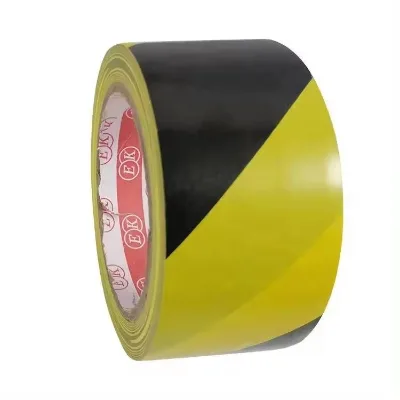
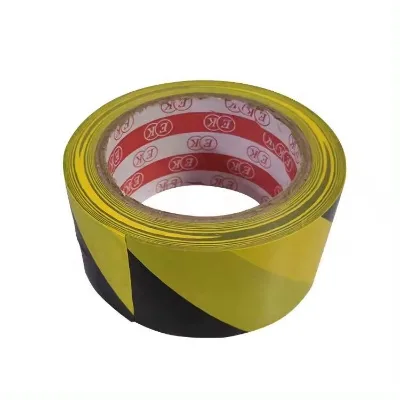
Factory Wholesale High Quality Waterproof Tape No Adhesive Adhesive Type Easy to Remove Tape
$5.00 - $7.00
MOQ: 10 pieces
Dongguan Caihe Printing Co., Ltd.
- Verified by TüVRheinland
- Manufacturer, Trading Company
- Lead time1 days
- Avg. response≤ 4h
Main productsPackaging Label, Instruction Manual
Main marketsNorth America(30%), Oceania(15%), Western Europe(15%)
Jiangmen Melligo Adhesive Products Co., Ltd.
- Manufacturer
- Guangdong, China
- Lead time7 days
- Avg. response≤ 3h
Main productsNON-WOVEN FABRIC ADHESIVE TAPE,3-PLY CLOTH SEAM SEALING TAPE,PURE PU.COMPOSITE TPU TAPE,WATERPROOF ZIPPER TAPE,SEAMLESS DECORATIVE FILM.ENGRAVING FILM
Main marketsDomestic Market(80.00%), Eastern Europe(10.00%), Southeast Asia(10.00%)

Yiwu Fangzhen Plastic Co., Ltd.
- Verified by BV
- Combined
- China Zhejiang
- Lead time23 days
- Avg. response≤ 8h
Main productsPacking Tape, Stationery Tape, Masking Tape, Double-Sided Tape, Foam Tape, Duct Tape, Warning Tape, Washi Tape, Kraft Tape, Printed Tape
Main marketsDomestic

Shenzhen World Packing Industrial Limited
- Verified by CTI
- Manufacturer/Factory
- China Guangdong
- Lead time23 days
- Avg. response≤ 1h
Main productsStretch Film, Adhesive Tape, Shrink Film, Masking Tape, Duct Cloth Tape, Double Side Tape, Logo Printed Tape, Invisible Tape, PVC Electrical Tape, PE Warning Tape
Main marketsSouth America,Eastern Europe,Mid East,North America,Southeast Asia,Eastern Asia,Oceania,Western Europe,Africa

Qingdao Yulong Packaging Machinery Co., Ltd.
- Verified by BV
- Combined
- China Shandong
- Lead time30 days
- Avg. response≤ 8h
Main productsSlitting Machine, Cutting Machine, Tape, BOPP Tape, Tape Jumbo Roll, Rewinding Machine, Coating Machine, Stretch Film, Tape Machine, Packing Machine
Main marketsSouth America,Africa,Southeast Asia/ Mideast,East Asia(Japan/ South Korea),Europe

dongguan guanhong packing industry co.,ltd.
- Combined
- China Guangdong
- Lead time30 days
- Avg. response≤ 16h
Main productsBOPP Packing Tape, Stationery Tape, PVC Insulation Tape, Masking Tape, Kraft Paper Tape, PVC Warning Tape, Reinforcing Tape, Double-Sided Tape, EVA Foam Tape, Invisible Tape
Main marketsSouth America,Europe,North America
Xiamen Ofrx Adhesive Tape Co., Ltd.
- Manufacturer, Trading Company
- Lead time旺季: "1 - 100":30,"> 100":"To be negotiated", 淡季: "1 - 100":30,"> 100":"To be negotiated"
- Avg. response≤ 4h
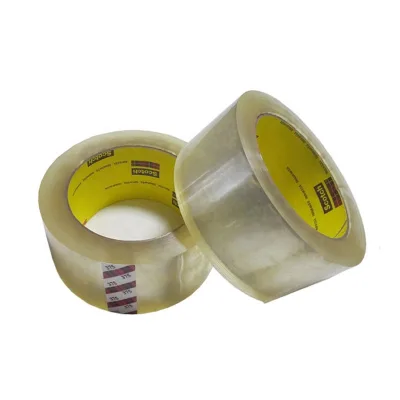
Main products3M Adhesive Tape, 3M Dual Lock, 3M Electrical Tape, 3M Command Strips & Hook, 3M Personal Protective Equipments
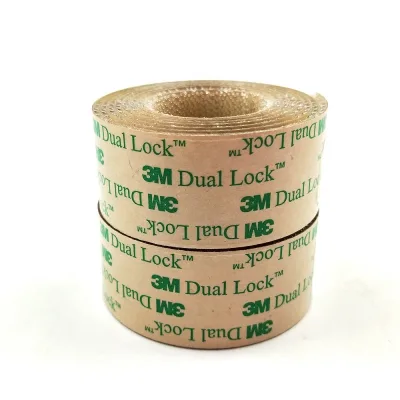
3M SJ4570 Dual Lock Hot Sell High Performance Wear Resistant Strong Sticky Tape
$109.2261 - $130.0308
MOQ: 1 rolls
$9.1724 - $9.1934
MOQ: 1 rolls
Dongguan Jiehuan Electronic Technology Co., Ltd.
- Verified by SGS Group
- Manufacturer, Trading Company
- Lead time7 days
- Avg. response≤ 1h
Main productsSelf-adhesive Hook & Loop, Heat Press Hook & Loop, Back to Back Hook & Loop, PUR Laminated Hook & Loop, Hook & Loop Fasteners
Main marketsSoutheast Asia(23%), North America(20%), Northern Europe(20%)

Jiangsu Gelly Adhesive Material Technology Co., Ltd.
- Combined
- China Jiangsu
- Lead time30 days
- Avg. response≤ 5h
Main productsBOPP Tape
Main marketsSouth America,East Asia(Japan/ South Korea),Domestic,Europe
Shanghai Youhao Industrial Co., Ltd.
- Trading Company
- Shanghai, China
- Lead time10 days
- Avg. response≤ 1h
Main productsCertificated Webbing,Collar for Cow&Horse,Pet Supplies,Men's Belt,Shoulder moving strap
Main marketsNorth America(15.00%), Southern Europe(13.00%), Northern Europe(12.00%), Western Europe(10.00%), Eastern Europe(10.00%), Oceania(8.00%), Eastern Asia(8.00%), Central America(5.00%), Mid East(3.00%)

Kati Special Fiber(Shanghai) Co., Ltd.
- Trading Company
- Shanghai, China
- Lead time3 days
- Avg. response≤ 2h
Main productsAramid fabric,UHMWPE fabric,LCP fiber,PMI foam,Carbon fiber fabric
Main marketsNorth America(40.00%), Mid East(30.00%), South America(20.00%), Western Europe(10.00%)
Suzhou Hanrong Textile Co., Ltd.
- Manufacturer, Trading Company
- Jiangsu, China
- Lead time30 days
- Avg. response≤ 1h
Main productsBelt; Safety Belt,Webbing Tape,Luggage Belt,Pet Collars and leash,shoulder strap
Main marketsEastern Asia(10.00%), Southeast Asia(10.00%), North America(10.00%), South Asia(9.00%), Eastern Europe(9.00%), Southern Europe(9.00%), Oceania(9.00%), Africa(9.00%), South America(9.00%), Northern Europe(6.00%), Western Europe(5.00%), Mid East(5.00%)










Comprehensive Sourcing Guide
Taiwan Tapes Supplier Concentration and Factory Types
The current supplier landscape for tapes reveals a distinct concentration of manufacturing and trading entities within China, specifically in the Zhejiang province. This geographic clustering is evident in the origin data provided for various tape products, including PTFE thread seal tapes and bias tapes, which list Zhejiang, Hangzhou, or broader regional origins like Zhejiang/Shandong/Fujian. Buyers evaluating suppliers should recognize that this concentration often indicates established industrial clusters where raw material supply chains, specialized labor, and logistics infrastructure are optimized for high-volume production. When assessing potential partners, it is crucial to distinguish between combined companies that may offer both manufacturing and trading services and pure trading companies that act as intermediaries. The presence of Zhejiang-based origins suggests that many suppliers leverage local manufacturing capabilities to offer competitive pricing and rapid turnaround times, which are critical factors in the global tape market. Understanding this geographic distribution helps buyers narrow their search to regions with proven expertise in specific tape types, such as PTFE sealing tapes or polyester bias tapes, ensuring they engage with suppliers who have direct access to production resources rather than relying solely on third-party distributors.
Supplier types vary significantly, ranging from combined entities capable of offering both OEM and ODM services to trading companies focused on brand representation and diverse product portfolios. For instance, some suppliers highlight their ability to customize products with specific models, colors, and packaging, indicating a flexible manufacturing base that can adapt to unique buyer requirements. Others, identified as trading companies, may focus on a broader range of accessories like lace, thread, and buttons, suggesting a one-stop-shop approach for garment and packaging materials. Buyers must carefully review the company type to understand the level of direct involvement in the production process. Combined companies often provide greater control over quality and lead times, while trading companies might offer a wider variety of complementary products. It is essential to verify whether the supplier’s main products align with your specific needs, such as PTFE tape for industrial sealing or elastic tape for apparel. By analyzing the supplier type alongside their product evidence, buyers can determine if they are dealing with a direct manufacturer or a reseller, which impacts negotiation leverage, communication efficiency, and long-term partnership stability.
How to Verify Taiwan Tapes Suppliers
Verification is a critical step in ensuring the reliability and legitimacy of tape suppliers, particularly when sourcing from international markets. Buyers should prioritize suppliers who have undergone third-party verification processes, as indicated by badges such as BV or TÜV Rheinland. These verifications provide an additional layer of confidence regarding the supplier’s business operations and compliance with international standards. For example, some suppliers display ISO9001:2015 certification, which demonstrates a commitment to quality management systems, while others may hold ISO14001:2015 certification, indicating adherence to environmental management practices. Buyers should actively seek out these certifications and request copies of the certificates to verify their validity and scope. Additionally, the presence of specific product standards, such as SGS, further reinforces the supplier’s dedication to quality control. It is important to note that not all suppliers will have displayed certifications, so buyers must be prepared to request this information directly during the inquiry process. By focusing on verified suppliers with recognized certifications, buyers can mitigate the risk of engaging with unreliable partners and ensure that the products meet their specific quality and safety requirements.
Beyond certifications, buyers should assess the supplier’s responsiveness and communication efficiency as indicators of their operational maturity. Response times, such as those recorded at 2.62 or 9.43 hours, can provide insight into the supplier’s customer service capabilities and willingness to engage with potential buyers. A faster response time often correlates with a more proactive and organized sales team, which can be crucial for resolving issues quickly and maintaining smooth order processing. Buyers should also look for evidence of customization capabilities, such as available options for model numbers, colors, and packaging, which indicate a supplier’s flexibility and ability to meet specific buyer needs. Furthermore, examining the product attributes, such as material composition (e.g., PTFE, Polyester) and features (e.g., Waterproof, High Strength), helps verify that the supplier’s offerings align with the buyer’s technical requirements. By combining verification badges, certification checks, and an assessment of responsiveness and customization options, buyers can build a comprehensive profile of each supplier’s reliability and suitability for their sourcing needs.
What to Compare Across Taiwan Tapes Suppliers
When evaluating multiple suppliers, buyers must systematically compare key operational metrics to identify the most suitable partner for their specific requirements. Lead times are a critical factor, with some suppliers offering turnaround times of 15 to 23 days, which can significantly impact inventory management and project timelines. Buyers should align their order planning with these lead times to avoid delays and ensure timely delivery. Minimum Order Quantities (MOQs) also vary, with some suppliers requiring as low as 1,000 units while others may have higher thresholds, such as 50,000 units for certain PTFE tapes. Understanding these MOQs helps buyers determine the feasibility of placing orders at their desired volume and assess the potential for cost savings through larger purchases. Additionally, price ranges should be compared, noting that costs can vary based on material, customization, and order volume. For instance, PTFE tapes may have different price points compared to bias tapes or elastic tapes, so buyers should request detailed quotes for their specific product specifications to ensure accurate cost comparisons.
Beyond operational metrics, buyers should compare the breadth and specificity of product offerings to ensure alignment with their sourcing goals. Some suppliers specialize in industrial tapes like PTFE thread seal tapes, while others focus on garment accessories such as bias tapes, elastic tapes, and webbing. Buyers should review the main products listed by each supplier to determine if they offer the specific tape types and variations needed for their applications. Customization options are another important differentiator, with some suppliers offering tailored solutions for model numbers, colors, and packaging. For example, PTFE tapes may be available in various widths, while bias tapes might come in different patterns and materials. Buyers should also consider the supplier’s capacity for OEM and ODM services, which can be crucial for brands seeking unique product designs. By comparing lead times, MOQs, prices, product specializations, and customization capabilities, buyers can make informed decisions that balance cost, quality, and operational efficiency, ultimately selecting suppliers that best support their business objectives.
Common Taiwan Tapes Sourcing Risks
Sourcing tapes from international suppliers involves several potential risks that buyers must proactively manage to ensure successful transactions. One significant risk is the variability in product quality, which can arise from differences in manufacturing standards and material compositions. For example, while some suppliers offer 100% PTFE tape, others may use blended materials that do not meet the same performance standards. Buyers should request detailed product specifications and, if possible, samples to verify the quality before placing large orders. Another risk is the discrepancy between advertised lead times and actual delivery dates, which can disrupt supply chains and cause project delays. Buyers should communicate clearly with suppliers about their timeline requirements and confirm lead times in writing. Additionally, there is a risk of miscommunication regarding customization details, such as color shades, packaging designs, or model numbers. To mitigate this, buyers should provide comprehensive specifications and confirm all details with the supplier before production begins.
Language barriers and cultural differences can also pose challenges in international sourcing, potentially leading to misunderstandings about product requirements or contractual terms. Buyers should ensure that their communication with suppliers is clear and precise, using written confirmations for all critical details. Another risk is the lack of transparency in pricing, where hidden costs such as shipping, tariffs, or additional customization fees may not be initially disclosed. Buyers should request all-inclusive quotes and clarify any potential additional charges upfront. Furthermore, there is a risk of engaging with suppliers who lack proper certifications or verification badges, which can increase the likelihood of fraud or substandard products. Buyers should prioritize suppliers with established verification records and relevant certifications to minimize these risks. By identifying and addressing these common sourcing risks through thorough due diligence, clear communication, and detailed contract terms, buyers can protect their interests and ensure a smoother sourcing experience.
Taiwan Tapes Regional Sourcing and Logistics
The geographic location of suppliers plays a crucial role in determining logistics costs and delivery efficiency. Many tape suppliers are concentrated in China, particularly in the Zhejiang province, which offers well-developed infrastructure for manufacturing and export. This concentration can lead to competitive shipping rates and faster transit times due to the proximity to major ports and logistics hubs. Buyers should consider the origin of the products when calculating total landed costs, as shipping from Zhejiang may be more cost-effective than sourcing from more remote regions. Additionally, the availability of local logistics partners can facilitate smoother customs clearance and reduce the risk of delays. Buyers should also evaluate the supplier’s experience with international shipping and their ability to handle various export documentation requirements. Suppliers with a strong track record in exporting can provide valuable guidance on packaging and labeling to ensure compliance with destination country regulations.
Logistics planning should also account for the specific requirements of different tape products, such as weight, volume, and sensitivity to environmental conditions. For example, PTFE tapes may have different storage and handling requirements compared to polyester bias tapes or elastic tapes. Buyers should discuss packaging options with suppliers to ensure that products are protected during transit and arrive in optimal condition. The choice of shipping method, whether by sea, air, or express courier, will impact both cost and delivery time. Sea freight is generally more economical for large volumes but takes longer, while air freight is faster but more expensive. Buyers should align their shipping method with their inventory needs and budget constraints. Furthermore, buyers should consider the supplier’s ability to consolidate shipments from multiple products, which can reduce overall logistics costs. By carefully planning logistics and leveraging the supplier’s regional advantages, buyers can optimize their supply chain and ensure timely, cost-effective delivery of tape products.
Taiwan Tapes Commercial Terms and Order Planning
Effective order planning requires a thorough understanding of the commercial terms offered by suppliers, including payment methods, pricing structures, and after-sales support. Buyers should negotiate clear payment terms that align with their cash flow needs, such as partial upfront payments with the balance due upon shipment or delivery. It is essential to clarify any additional costs, such as tooling fees for custom molds or charges for sample production, to avoid unexpected expenses. Pricing should be compared across suppliers, taking into account factors like material quality, customization complexity, and order volume. Buyers should also inquire about volume discounts or long-term partnership incentives that can reduce costs over time. Additionally, buyers should establish clear expectations for quality assurance and defect resolution, including procedures for handling non-conforming products and potential returns or replacements.
Order planning should also consider the supplier’s production capacity and scheduling flexibility to ensure timely delivery. Buyers should discuss their forecasted demand with suppliers to allow for adequate production planning and inventory management. For suppliers with OEM/ODM capabilities, buyers should coordinate closely on design approvals and prototype testing to minimize revisions and delays. It is also important to establish a communication protocol for regular updates on production progress and potential issues. Buyers should document all agreed-upon terms in a formal purchase order or contract to ensure mutual understanding and legal protection. By carefully managing commercial terms and order planning, buyers can build strong, reliable relationships with suppliers and ensure a smooth, efficient sourcing process. This proactive approach helps mitigate risks, optimize costs, and maintain consistent product quality, ultimately supporting the buyer’s business success in the competitive tape market.
FAQs
Where are the PTFE tape suppliers located?
The PTFE tape suppliers are located in Zhejiang, China. Some specific origins include Hangzhou and other regions within Zhejiang Province. Buyers should verify the exact factory address before placing orders to ensure logistics compatibility.
What is the minimum order quantity for PTFE tape?
The minimum order quantity for PTFE tape is 50,000 pieces. This high MOQ applies to standard sealing tape products. Buyers requiring smaller quantities should contact suppliers directly to discuss potential flexibility or alternative product lines.
How long does it take to receive the tape order?
The lead time for tape orders is typically 23 days. Some suppliers may offer faster response times around 2.62 days for inquiries. Production schedules vary, so confirm the specific delivery date with the supplier before finalizing the purchase agreement.
Are the tape products certified for quality standards?
Many tape products carry ISO9001:2015 certification. Some suppliers also hold ISO14001:2015 certificates for environmental management. SGS standards are noted for bias tape products. Buyers should request valid certificates to confirm compliance with their specific industry requirements.
What customization options are available for the tapes?
Customization is available for various tape products including PTFE and bias tapes. Buyers can request specific models, colors, and packing configurations. The standard materials include 100% PTFE or polyester. Confirm exact customization details with the supplier to ensure the final product meets specifications.
What is the price range for the tape products?
Prices for tape products range from 0.037 to 0.20 per unit depending on the type. Specific items like PTFE tape start at 0.037, while elastic tapes may cost 0.20. Bias tapes can range up to 0.185. Final pricing depends on order volume and customization requirements.
Which suppliers are verified for reliability?
Suppliers are verified by BV and TÜV Rheinland. These third-party verifications indicate a level of trust in the company operations. Buyers should check the current verification status on the platform before engaging in transactions to ensure the supplier meets safety and quality expectations.