Transparent PC Helmet Visor Suppliers and Manufacturers
Compare 15 verified suppliers offering Transparent PC Helmet Visor from China Shandong and Zhejiang. Review response times, lead times, certifications, and pricing to source protective face shields with customization options; review the available evidence before requesting comparable quotations from suitable candidates.
Updated
Suppliers List

Linyi Yonglei Labor Protection Supplies Co., Ltd.
- Verified by TUVRHEINLAND
- Combined
- China Shandong
- Lead time30 days
- Avg. response≤ 11h
Main productsWelding Helmets, Welding Mask, Plastic Welding Mask, Safety Glasses, Safety Helmets, Auto-Darkening Welding Helmet, Welding Filter
Main marketsSouth America,Southeast Asia/ Mideast


$0.80 - $4.50
MOQ: 100 Pieces

Portable Plastic Helmet PC Pet Transparent Visor Faceshield with Colorful Helmets
$0.96 - $1.10
MOQ: 60 Pieces


Ningbo Jiangbei Everun Industry & Trade Co., Ltd.
- Verified by BV
- Trading Company,Manufacturer/Factory
- China Zhejiang
- Lead time45 days
- Avg. response≤ 18h
Main productsTrimmer Line, Trimmer Head, Brush Cutter Blade, Saw Blade, PPE Item, Tool Parts & Accessories
Main marketsSouth America,Eastern Europe,North America,Southeast Asia,Eastern Asia,Oceania,Western Europe

JINHUA XINCHEN PROTECTION PRODUCTS CO., LTD.
- Verified by BV
- Trading Company
- China Zhejiang
- Lead time30 days
- Avg. response≤ 13h
Main productsSafety Helmet, Bump Cap, Walker&Rollator, Mobility Scooter, Safety Glasses, Masks, Face Shield, Earmuff
Main marketsSouth America,Southeast Asia/ Mideast,Europe

New Arrival Safety Equipment Head Protection Face Shield PC Helmet Visor
$2.67 - $3.50
MOQ: 100 Pieces

Super Clear PC Visor Safety Face Shield Helmet Mask PPE for Construction
$2.66 - $3.30
MOQ: 200 Pieces
Jiangsu Huibaicheng Group Co., Ltd
- Verified by SGS Group
- Trading Company
- Lead time20 days
- Avg. response≤ 2h
Main productsSafety Helmet, Safety Vest, Safety Shoes, Gloves, Work Clothes
Main marketsNorth America(50%), Southeast Asia(20%), Eastern Europe(10%)

Beijing V-great International Trade Co., Ltd.
- Verified by CTI
- Trading Company,Manufacturer/Factory,Other
- China Beijing
- Lead time23 days
- Avg. response≤ 25h
Main productsBulletproof Vest, Aramid Helmet, Body Armor, Aramid Ud Fabric, Bulletproof Plate, Bulletproof Helmet, Tactical Vest, Aramid Bulletproof Vest, Nij Iiia Level Body Armor Vest, Sapi Plate Carrier
Main marketsSouth America,Eastern Europe,Mid East,North America,Southeast Asia,Eastern Asia,Oceania,Western Europe,Africa


Wholesale PC Polycarbonate PC Clear Face Protection Riot Visor for Pasgt Helmet
$15.00 - $35.00
MOQ: 100 Pieces


Small Optical Distortion Glass Clear Tactical Face Shield Visor for Mich Helmet
$60.00 - $110.00
MOQ: 100 Pieces
Foshan Manw Sports Products Co., Ltd.
- Verified by TüVRheinland
- Manufacturer, Trading Company
- Guangdong, China
- Lead time30 days
- Avg. response≤ 5h
Main productsMotorcycle Helmet
Main marketsSouth America(40%), Domestic Market(25%), Central America(15%)
Wenzhou Xinghe Security Technology Co., Ltd.
- Manufacturer, Trading Company
- Zhejiang, China
- Lead time0 days
- Avg. response≤ 3h
Main productsanti riot suit,helmet,Baton,riot equipment accessories,mold
Main marketsDomestic Market(30.00%), Mid East(25.00%), Eastern Asia(20.00%), South Asia(10.00%), Southeast Asia(10.00%), Southern Europe(5.00%), North America(3.00%), Central America(2.00%)

NINGBO SUNNYLUX IMPORT & EXPORT CO., LTD.
- Manufacturer/Factory
- China Zhejiang
- Lead time23 days
- Avg. response≤ 4h
Main productsRubber Tracks, LED Waterproof Light, LED Bulkhead Light, Food Waste Disposal, DC Motor, LED Triproof Lighting Fixture, Safety Helmet, LED Ceiling Light, LED Batten Light, LED Flood Light
Main marketsSouth America,Eastern Europe,Mid East,North America,Southeast Asia,Eastern Asia,Oceania,Western Europe,Africa

PP Grinding Safety Mask Equipment Clear PC Face Shield Visor Safety Helmet with Mask Visor
$2.59 - $2.99
MOQ: 500 Pieces

Construction Safety Equipment PC Face Shield Visor Matched with Safety Visor
$0.89 - $1.29
MOQ: 500 Pieces

Compective Reusable PC Visor Light Weight Anti-Fog Protective Face Shield safety Helmet
$0.70 - $0.89
MOQ: 500 Pieces

PC/PP Clear Visor Face Shield Safety Helmet Face Mask with Yellow Headgear
$0.79 - $1.19
MOQ: 500 Pieces

$2.65 - $3.05
MOQ: 500 Pieces
Shenzhen Gold Cost Technology Co., Ltd.
- Manufacturer
- Guangdong, China
- Lead time5 days
- Avg. response≤ 3h
Main productshelmet visor,helmet lens,visor lens,visor,lens
Main marketsNorth America(22.00%), Southeast Asia(12.00%), Western Europe(9.00%), Northern Europe(8.00%), Eastern Europe(8.00%), South America(7.00%), South Asia(6.00%), Southern Europe(5.00%), Central America(5.00%), Oceania(5.00%), Domestic Market(5.00%), Mid East(3.00%), Africa(3.00%), Eastern Asia(2.00%)
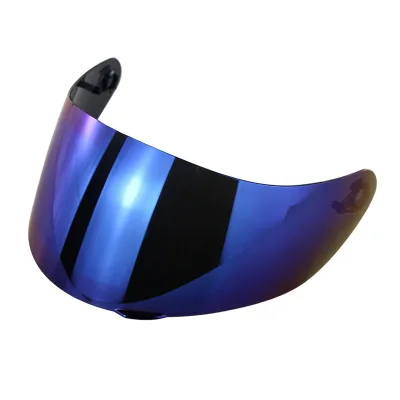
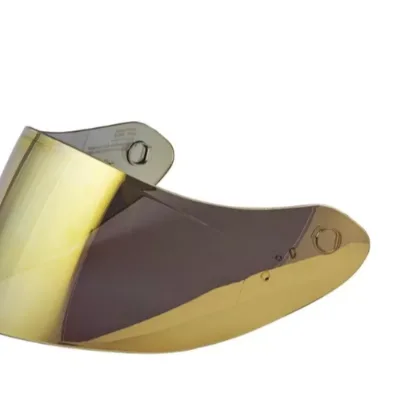
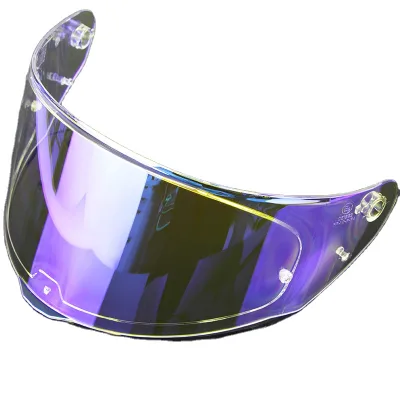
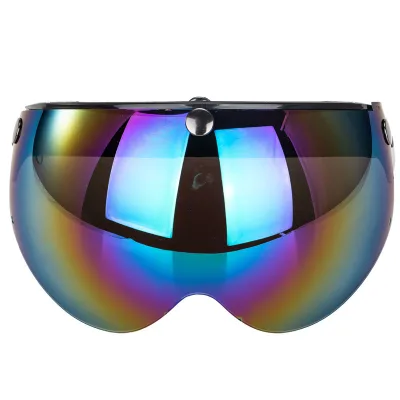
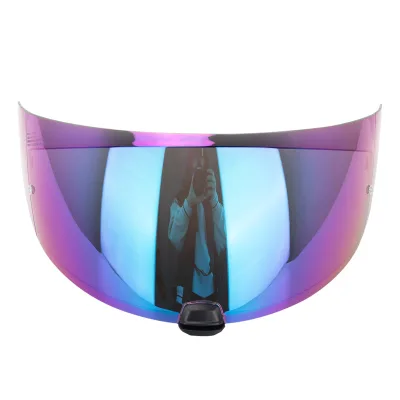
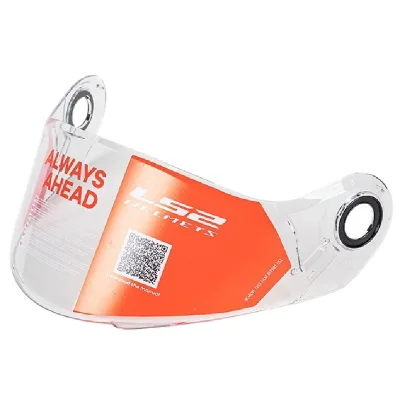
Hotsell 2025 New Premium Strengthen PC Motorcycle Helmet Visor for 3 Snap Helmet
$3.1069 - $4.142
MOQ: 50 pieces
Guangzhou Yonghui Sport Co., Ltd.
- Manufacturer, Trading Company, Distributor/Wholesaler
- Guangdong, China
- Lead time0 days
- Avg. response≤ 7h
Main productsMotorcycle Helmets,Goggles,Motorcycle Parts
Main marketsSouth Asia(21.00%), Eastern Asia(19.00%), North America(12.00%), South America(5.00%), Southeast Asia(5.00%), Eastern Europe(2.00%), Central America(2.00%)
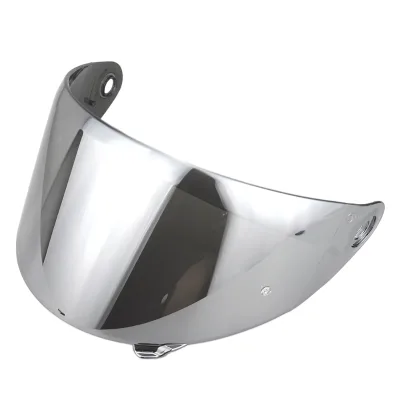
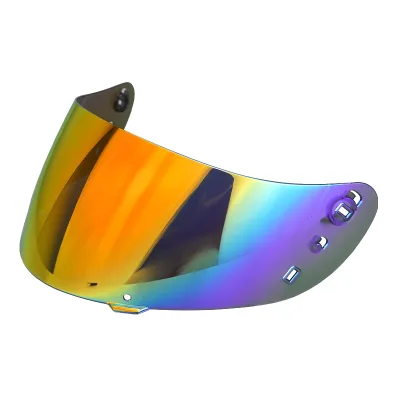
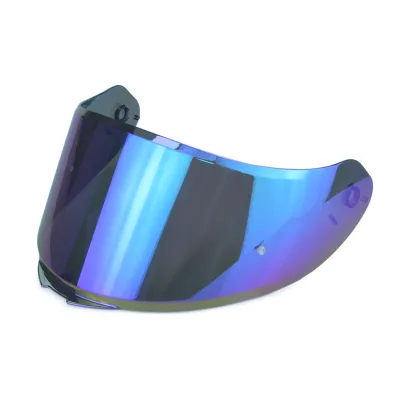
$3.6042 - $6.6931
MOQ: 100 pieces
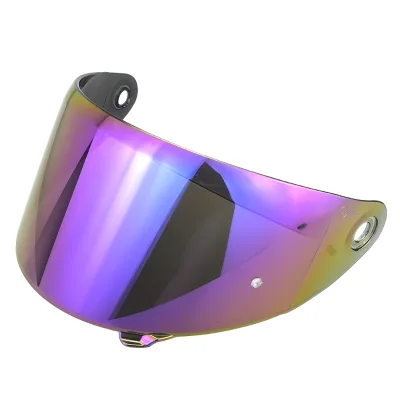
Protector De Casco for MT-V-18C, Visera Adecuada Para DARKEN S for AXXIS
$2.9825 - $6.6841
MOQ: 100 pieces

Jiangsu Huibaicheng Group Co., Ltd.
- Verified by SGS
- Trading Company
- China Jiangsu
- Lead time23 days
- Avg. response≤ 5h
Main productsSafety Helmet, Safety Vest, Reflective Clothing, Hard Hat, Safety Gloves
Main marketsSouth America,Eastern Europe,Mid East,North America,Southeast Asia,Eastern Asia,Oceania,Western Europe,Africa


Hbc Construction Hard Hats Transparent Worker Protective Safety Helmet Engineer
$4.66 - $4.85
MOQ: 500 pieces

$4.66 - $5.04
MOQ: 200 pieces


ABS Material Hard Hats and PC Transparent Brim Industrial Safety Helmet
$12.38 - $13.46
MOQ: 300 pieces
- Verified by CTI
- Trading Company,Manufacturer/Factory
- China Jiangsu
- Lead time38 days
- Avg. response≤ 13h
Main productsSafety Product, Safety Coverall, Safety Glasses, Safety Vest, Safety Helmet, Safety Gloves, Safety Shoes, Safety Goggles, Safety Harness, Safety Rain Boots
Main marketsSouth America,Eastern Europe,Mid East,North America,Southeast Asia,Eastern Asia,Oceania,Western Europe,Africa
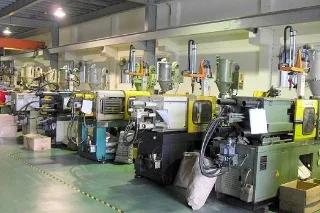
HO CHENG SAFETY ENTERPRISE CO., LTD.
- Manufacturer
- Taiwan, China
- Lead time35 days
- Avg. response≤ 18h
Main productsSafety Glasses, Face Shields, Earmuffs, Safety Goggles, Safety Helmets
Main marketsNorth America(30.00%), Southern Europe(15.00%), Eastern Europe(15.00%), Western Europe(10.00%), Northern Europe(10.00%), South America(5.00%), Oceania(5.00%), Central America(5.00%), Mid East(5.00%)

- Verified by BV
- Trading Company,Manufacturer/Factory
- China Jiangsu
- Lead time23 days
- Avg. response≤ 5h
Main productsPPE, Work Wear, PVC Boots, Nitrile Gloves, Uniform, Safety Glassess, Coveralls, Scrub, Lab Coat, Safety Harness
Main marketsSouth America,Eastern Europe,Mid East,North America,Southeast Asia,Eastern Asia,Oceania,Western Europe,Africa

Clear Visor Yellow Helmet Impact and Sand Resistant PC Safety Work Face Mask Shield En166
$4.99 - $9.99
MOQ: 100 Pieces

PPE Supplier Clear Visor Blue Helmet Impact and Sand Resistant PC Safety Work Face Mask Shield En166
$4.99 - $9.99
MOQ: 100 Pieces

Hangzhou Xisheng Electronic Technology Co., Ltd.
- Trading Company
- Zhejiang, China
- Lead time0 days
- Avg. response≤ 1h
Main productsMotorcycle Meters,Motorcycle Engine Parts,Motorcycle Mirrors,Motorcycle Exhaust Systems,Motorcycle Helmets
Main marketsSouth America(50.00%), Southeast Asia(10.00%), North America(10.00%), Western Europe(5.00%), Oceania(5.00%), Southern Europe(5.00%), Central America(5.00%), Mid East(3.00%), South Asia(2.00%), Domestic Market(1.00%), Eastern Asia(1.00%), Africa(1.00%), Northern Europe(1.00%), Eastern Europe(1.00%)




Comprehensive Sourcing Guide
Transparent PC Helmet Visor Supplier Concentration and Factory Types
The current supplier landscape for transparent PC helmet visors reveals a distinct geographic concentration in China, with specific manufacturing hubs identified in Shandong and Zhejiang provinces. These regions serve as primary centers for producing personal protective equipment, including welding helmets, safety glasses, and various face shields. Suppliers in these areas often operate as combined entities, functioning as both trading companies and manufacturers, which allows them to offer a broader range of product variations while maintaining direct control over production processes. This dual capability is particularly relevant for buyers seeking customized solutions, as these suppliers frequently list ODM and OEM capabilities in their profiles. The presence of such combined company types suggests a flexible supply chain structure where factories can handle both standard inventory orders and bespoke design requests, catering to diverse market needs from industrial safety to general protective gear.
Within these manufacturing clusters, the product range extends beyond simple visors to include complete helmet sets, auto-darkening welding helmets, and specialized face protection systems. Suppliers often highlight their ability to produce items using materials like PC, PVC, and HDPE, indicating a mature local supply chain for raw plastics and protective components. The main products listed by these suppliers include welding masks, safety helmets, and transparent face visors, suggesting that many factories specialize in head and face protection rather than general PPE. This specialization often translates to higher quality control standards and more consistent product performance. Buyers evaluating these suppliers should note that while the geographic concentration is clear, the specific factory types vary, with some focusing on high-volume standard production and others on specialized, certified protective equipment for industries like construction, metallurgy, and chemical handling.
How to Verify Transparent PC Helmet Visor Suppliers
Verifying the credibility of Transparent PC Helmet Visor suppliers requires a multi-layered approach that goes beyond basic company profiles. Buyers should prioritize suppliers who have undergone third-party verification processes, such as those conducted by TÜV Rheinland or Bureau Veritas (BV). These verification badges indicate that an independent agency has inspected the supplier’s business operations, manufacturing facilities, or quality management systems. For instance, some suppliers display TÜV Rheinland verification, while others may hold BV credentials, signaling different levels of operational scrutiny. Additionally, system certifications like ISO 9001 are critical indicators of a supplier’s commitment to standardized quality management. Suppliers with ISO 9001 certification, particularly those in Zhejiang, demonstrate a structured approach to production consistency and process control, which is essential for maintaining the optical clarity and durability required in PC visors.
Beyond certifications, buyers must assess the supplier’s responsiveness and transparency in communication. Response times, such as those recorded around 10 to 17 hours, can indicate the efficiency of the supplier’s sales and support teams. A faster response time often correlates with better project management and quicker resolution of technical queries regarding visor specifications, such as thickness, material grade, or customization options. Buyers should also look for evidence of product-specific attributes, such as CE certification for face shields or specific material declarations like Plexiglass or HDPE. These details provide concrete proof of the supplier’s product knowledge and compliance with international safety standards. It is crucial to verify that the claimed certifications and verification badges are current and directly linked to the supplier’s entity, ensuring that the protective equipment meets the regulatory requirements of the buyer’s target market.
What to Compare Across Transparent PC Helmet Visor Suppliers
When evaluating multiple suppliers for transparent PC helmet visors, buyers must compare key operational metrics to determine the best fit for their procurement strategy. Lead times are a critical factor, with some suppliers offering production cycles of 30 days, while others may require up to 45 days. This variance can significantly impact inventory planning and order fulfillment, especially for large-scale industrial contracts. Alongside lead times, minimum order quantities (MOQs) vary widely, ranging from as low as 60 pieces for specialized welding visors to 1,000 pieces for standard face shields. Buyers should align these MOQs with their sales volume and storage capacity, considering that lower MOQs may come with higher per-unit costs. Additionally, price ranges differ based on material quality and customization levels, with basic visors starting around $0.10 to $0.90 per unit, while more complex helmet sets or welding visors can reach up to $6.90 or $4.50 per unit.
Another vital comparison point is the supplier’s capacity for customization and branding. Many suppliers offer OEM and ODM services, allowing buyers to customize logos, colors, and packaging. For example, some suppliers accept customized logos and offer various packing options, such as cartons or polybags, with specific dimensions and weights. Buyers should also compare the technical specifications of the visors, including material thickness (e.g., 0.8-1.5mm), visor size, and helmet material (e.g., HDPE or PE). Suppliers may also provide different wear modes, such as press-type or slip-ratchet suspensions, which affect user comfort and safety. By systematically comparing these attributes, buyers can identify suppliers that not only meet their price and volume requirements but also offer the technical flexibility and quality assurance necessary for their specific application, whether it be for welding, construction, or general industrial safety.
Common Transparent PC Helmet Visor Sourcing Risks
Sourcing transparent PC helmet visors from international suppliers introduces several risks that buyers must actively manage to ensure product quality and supply chain reliability. One significant risk is the variability in material quality, as PC visors can differ in terms of optical clarity, impact resistance, and UV stability. Without proper verification, buyers may receive visors that are prone to yellowing, cracking, or failing under stress, which can lead to safety liabilities and customer complaints. Additionally, the risk of non-compliance with international safety standards is heightened when sourcing from regions with varying regulatory enforcement. Buyers must ensure that the visors meet specific standards, such as EN166 for eye protection or CE marking for European markets, to avoid customs delays or legal issues. Suppliers who do not provide clear evidence of these certifications pose a higher risk, as their products may not be suitable for regulated industries.
Another common risk is the inconsistency in production lead times and order fulfillment. Suppliers may promise short lead times but fail to deliver on schedule due to capacity constraints or raw material shortages. This can disrupt the buyer’s supply chain, leading to stockouts and lost sales. Furthermore, the risk of communication barriers can lead to misunderstandings regarding product specifications, such as visor thickness, helmet compatibility, or packaging requirements. Buyers must be vigilant in documenting all technical requirements and confirming them with the supplier before production begins. Additionally, the risk of intellectual property infringement exists if buyers share proprietary designs with suppliers who lack robust IP protection policies. To mitigate these risks, buyers should conduct thorough due diligence, request samples for quality testing, and establish clear contractual terms that define quality standards, delivery schedules, and liability for non-compliance.
Transparent PC Helmet Visor Regional Sourcing and Logistics
The geographic concentration of Transparent PC Helmet Visor suppliers in China, particularly in Shandong and Zhejiang provinces, offers logistical advantages for global buyers. These regions are well-connected to major shipping ports, facilitating efficient export operations and reducing transit times to international markets. Shandong, known for its industrial manufacturing base, provides access to a wide range of PPE products, including welding helmets and face shields, while Zhejiang is recognized for its specialized manufacturing capabilities and quality control systems. Buyers sourcing from these regions can benefit from established supply chains and competitive freight rates, which help minimize overall procurement costs. However, buyers must also consider the impact of regional logistics on lead times, as port congestion or seasonal shipping peaks can affect delivery schedules.
Logistics planning should also account for the packaging specifications provided by suppliers, which vary based on product type and quantity. For instance, some visors are packed in cartons with specific dimensions, such as 39*20cm or 52.5x42x64cm, while others may use polybags for individual units. Buyers need to calculate the volume and weight of their orders to optimize container loading and reduce shipping costs. Additionally, the origin of the products, declared as China, may influence import duties and tariffs in the buyer’s country. Buyers should consult with their freight forwarders to determine the most cost-effective shipping routes and ensure compliance with local import regulations. By leveraging the logistical strengths of these manufacturing hubs, buyers can streamline their supply chain and achieve greater efficiency in sourcing transparent PC helmet visors for their global operations.
Transparent PC Helmet Visor Commercial Terms and Order Planning
Effective order planning for transparent PC helmet visors requires careful consideration of commercial terms, including pricing structures, payment conditions, and after-sales support. Suppliers often provide tiered pricing based on order volume, with lower MOQs commanding higher per-unit costs. For example, basic visors may start at $0.10 per unit for large orders, while specialized welding visors can cost up to $4.50 per unit for smaller quantities. Buyers should negotiate these terms to align with their budget and sales projections, ensuring that the total landed cost, including shipping and duties, remains competitive. Additionally, buyers should clarify the supplier’s return and warranty policies, as these terms can significantly impact the financial risk associated with defective products. Clear communication regarding quality assurance and dispute resolution mechanisms is essential to protect the buyer’s interests.
Order planning should also incorporate the supplier’s response time and production capacity to ensure timely delivery. Suppliers with faster response times, such as those around 10 hours, may be better equipped to handle urgent orders or last-minute changes. Buyers should also consider the supplier’s ability to scale production, as indicated by their OEM/ODM capabilities and main product lines. For large-scale projects, buyers may need to place multiple orders over time, requiring a reliable supplier who can maintain consistent quality and delivery schedules. By establishing strong commercial relationships and clear operational protocols, buyers can mitigate risks and ensure a smooth procurement process for transparent PC helmet visors, ultimately supporting their business goals and customer satisfaction.
FAQs
What is a Transparent PC Helmet Visor used for?
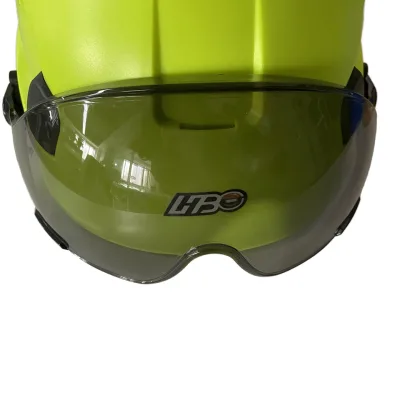
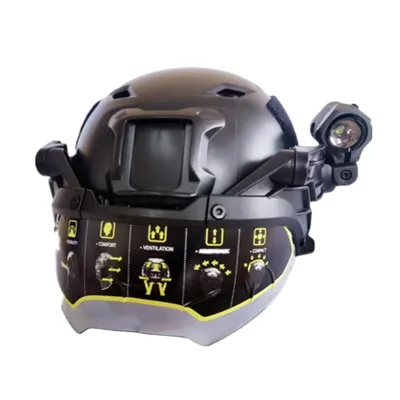
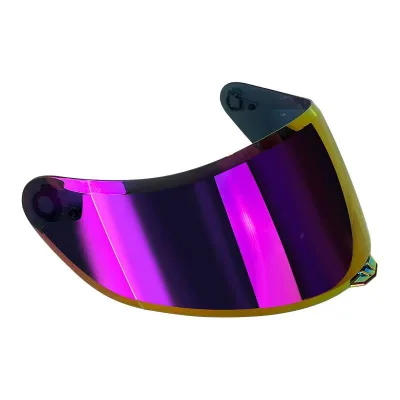
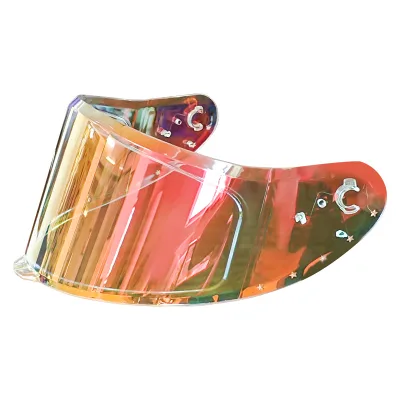
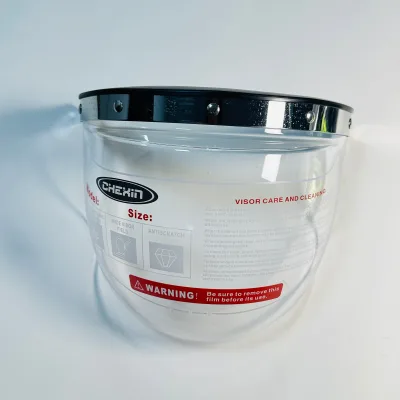
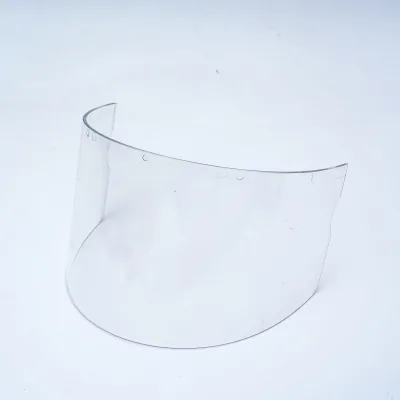
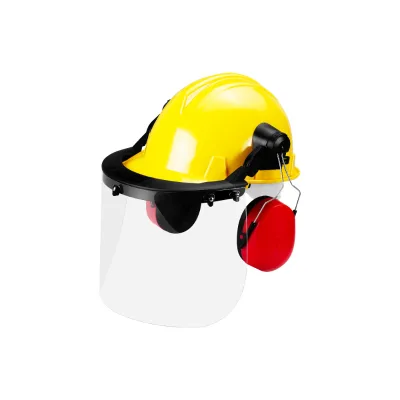
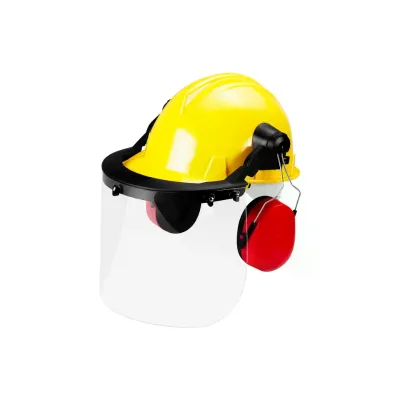
A Transparent PC Helmet Visor protects the face from flying debris, dust, sparks and splashes while keeping full visibility. It mounts on safety helmets for construction, grinding, gardening and light industrial work. Polycarbonate offers impact resistance, though it is not intended for welding arc protection unless the product is specifically rated for that use.
What MOQ should I expect when sourcing transparent PC visors?
MOQs vary widely by product; listed items range from 60 units to 1000 units per order. Visors combined with helmets or sold as complete sets often carry higher MOQs than standalone replacement visors. Confirm the exact MOQ per model before requesting samples, since customization like logo printing may trigger different minimums.
What price range do transparent PC face shields fall into?
Listed prices range from under one dollar for basic visors to around four to six dollars for helmet sets. Price depends on visor thickness, helmet material, certification and order quantity. Request tiered quotations for your target volumes so you can compare unit economics across suppliers with the same specifications.
Which certifications should I verify for PC visor helmets?
Eye and face protection products are commonly supplied against EN 166, and some helmet sets carry CE marking. Always ask for current, scope-matched certificates rather than relying on listings alone. Also confirm whether system certifications such as ISO 9001 apply to the specific factory producing your order, not just the trading entity.
How long is the typical lead time for these visors?
Lead times listed by suppliers on this page range from 30 to 45 days. Lead time can extend with customization, logo printing or peak-season capacity constraints. Confirm production and shipping timelines separately in writing, and build buffer time into your schedule if your order includes customized packaging or materials.
Can suppliers customize visors with my logo and packaging?
Yes, customization is listed as available on multiple products, including accepting customized logos and tailored packing. ODM and OEM capabilities are also offered by some suppliers. Expect customization to affect MOQ, unit price and lead time, so request a written confirmation of all three before placing a trial order.
What visor sizes and materials are commonly available?
Common visors use polycarbonate (PC) or PVC, with listed sizes around 20x26.5cm to 40x19.8cm and thickness from roughly 0.8 to 1.5mm. Helmet shells may use HDPE or PE with ratchet suspensions. Match the visor material and thickness to your hazard level, and request material specifications in documentation.
How can I check supplier reliability before ordering?
Look for third-party verification badges, response times, and whether the company is a manufacturer, trading company or combined operation. Suppliers here show verification from TUV Rheinland or BV and response times around 10 to 18 hours. Always verify certificates, sample quality and factory audits independently before committing to large volumes.