Twisted Velvet Padded Hair Bands Suppliers and Manufacturers
Explore 29 verified suppliers offering Twisted Velvet Padded Hair Bands with varying lead times, MOQs, and certifications. Compare response times, production capacities, and product specifications to select the right partner. Contact suppliers directly to request samples and confirm pricing details.
Updated
Suppliers List

Yiwu Zhuola Accessories Co., Ltd.
- Verified by CTI
- Combined
- China Zhejiang
- Lead time15 days
- Avg. response≤ 20h
Main productsHair Accessories, Hair Ornaments, Elastic Hair Bands, Hair Band, Hair Tie, Ponytail Holder, Hair Clips, Headband, Hair Decoration, Rubber Hair Band
Main marketsAfrica

HANGZHOU PERSERPRO GARMENT CO., LTD.
- Other
- China Zhejiang
- Lead time45 days
- Avg. response≤ 23h
Main productsKnitwear, Kid's Sweater, Men's Sweater, Cashmere Sweater, Sweater, Knitting Accessories, Ladie's Sweater, Knitted Sweater
Main marketsSouth America,Eastern Europe,Mid East,North America,Western Europe

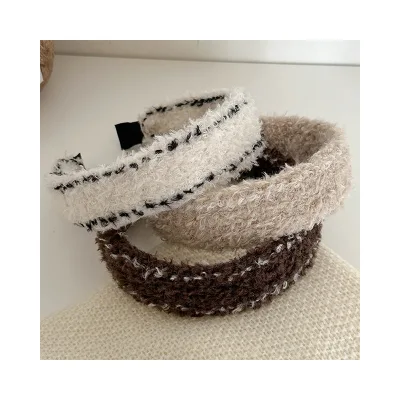
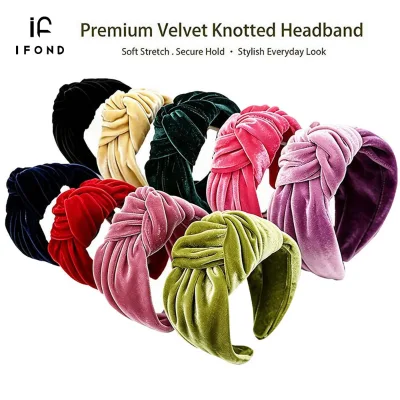
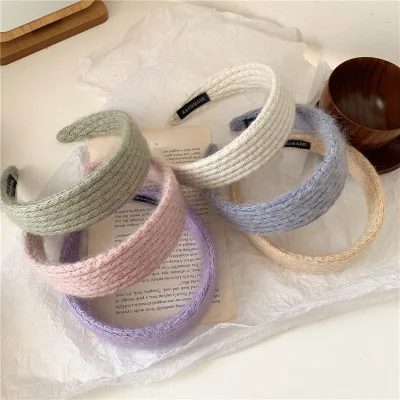
Hair Accessory Autumn and Winter Women Velvet Knitting Headband Wide Hair Bands
$0.50 - $0.90
MOQ: 100 PCS


Fashion Hair Bands Elastic Bow Hair Band Hair Accessories Girl Knitted Headband
$0.50 - $0.90
MOQ: 100 PCS

Korean Hairband for Women Knitted Hair Band Wide Winter Hairbands for Hair Accessories
$0.85 - $0.95
MOQ: 100 PCS

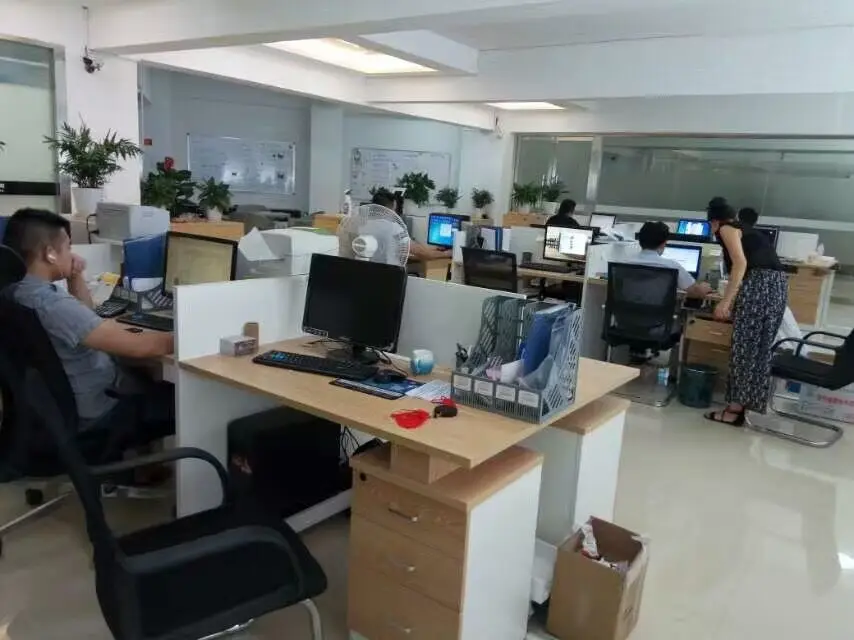
Yiwu Feiling Jewelry Co., Ltd.
- Trading Company
- Zhejiang, China
- Lead time15 days
- Avg. response≤ 3h
Main productsbracelet,necklace,earring,rings,sunglasses
Main marketsNorth America(30.00%), South America(15.00%), Central America(10.00%), Western Europe(8.00%), Eastern Europe(7.00%), Southern Europe(6.00%), Northern Europe(5.00%), Africa(5.00%), Southeast Asia(5.00%), Mid East(5.00%), South Asia(2.00%), Eastern Asia(2.00%)
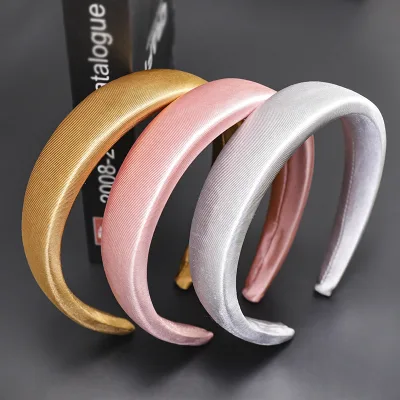
$0.95 - $1.15
MOQ: 12 pieces
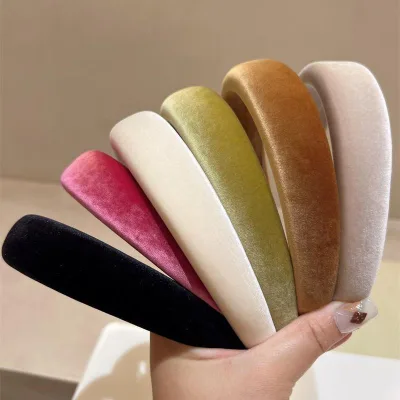
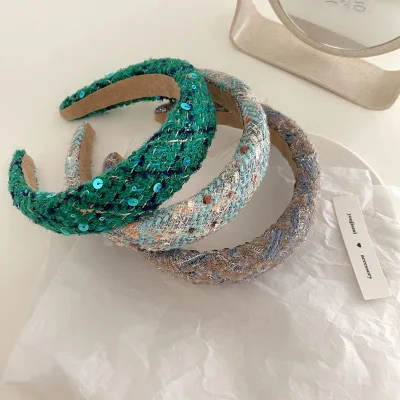
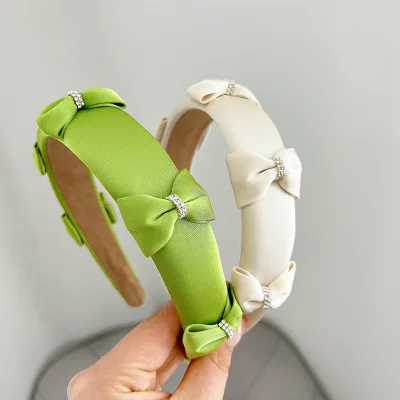
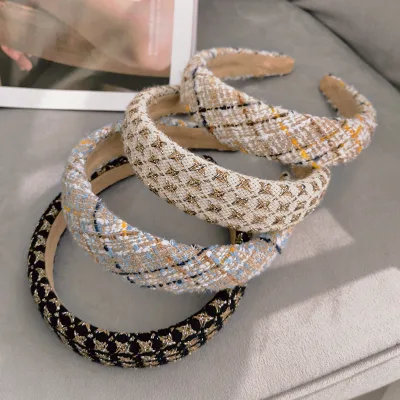
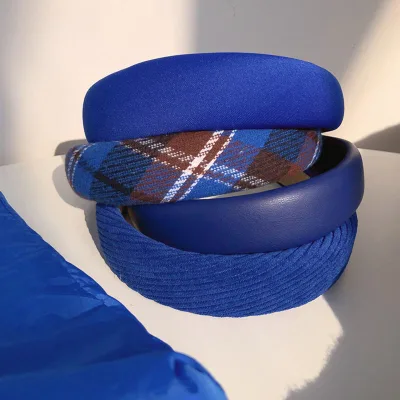
$1.0763 - $1.1782
MOQ: 12 Minimum

Yiwu Kaka Accessories Co., Ltd.
- Manufacturer, Trading Company
- Zhejiang, China
- Lead time7 days
- Avg. response≤ 4h
Main productsHair Clip,Jaw clip,necklace,earring,ring
Main marketsWestern Europe(30.00%), North America(25.00%), Eastern Asia(10.00%), Eastern Europe(10.00%), South America(5.00%), Southern Europe(5.00%), Northern Europe(5.00%), Southeast Asia(5.00%), Oceania(5.00%)
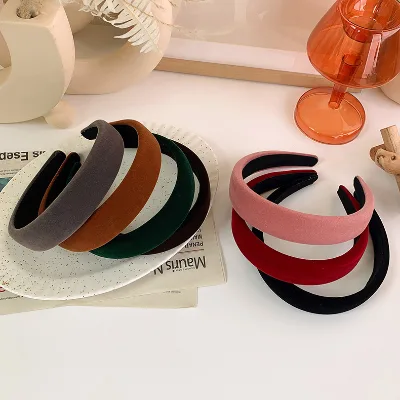
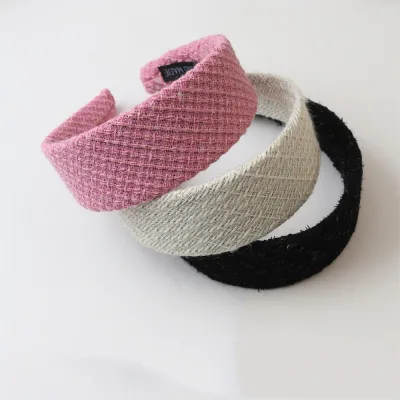
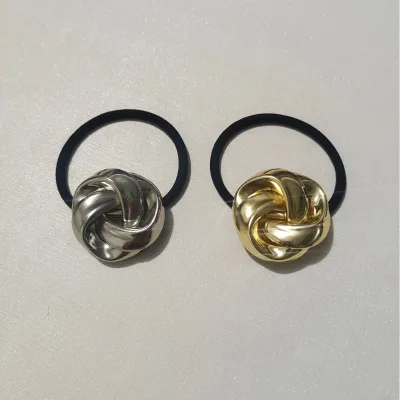
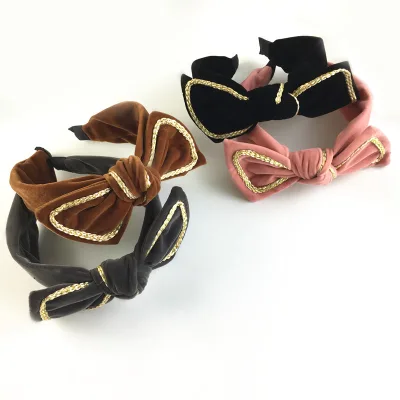
Pink Braided Wide Edge Hair Bands French Gold Silk Crimped Hair Bands for Women Hair Accessories
$0.9144 - $1.3236
MOQ: 12 pieces
Xiamen Fancy Accessory Co., Ltd.
- Manufacturer, Trading Company, Distributor/Wholesaler
- Fujian, China
- Lead time0 days
- Avg. response≤ 3h
Main productshair scrunchies,headband,hair claw clip,hair bow,hair clip
Main marketsNorth America(60.00%), Eastern Europe(10.00%), Western Europe(10.00%), Domestic Market(5.00%), Southern Europe(5.00%), Northern Europe(3.00%), South America(2.00%), Africa(1.00%), Southeast Asia(1.00%), Oceania(1.00%), Mid East(1.00%), Eastern Asia(1.00%)
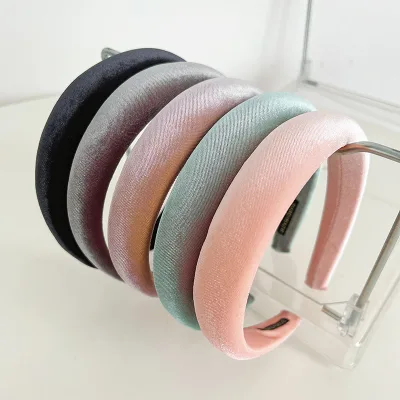
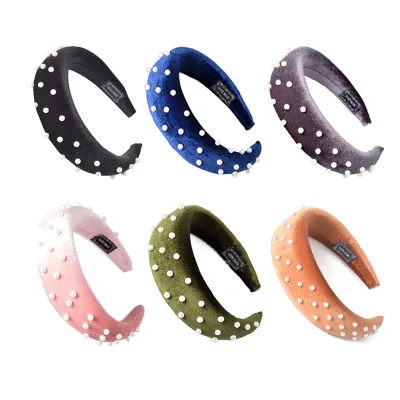
Soft Padded Hairband Fashion Autumn and Winter Velvet Hair Band Gradient Fabric Sponge Headbands
$1.2742 - $1.3971
MOQ: 10 pieces
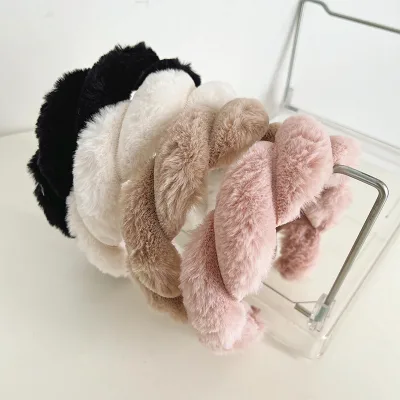
Yiwu Jiayu Import and Export Co., Ltd.
- Verified by TüVRheinland
- Trading Company
- Lead time15 days
- Avg. response≤ 1h
Main productsHeadwear
Main marketsCentral America(50%), Eastern Europe(15%), Northern Europe(10%)

Jinjiang Jiaxing Supply Management Co., Ltd.
- Verified by TUVRHEINLAND
- Trading Company
- China Fujian
- Lead time30 days
- Avg. response≤ 2h
Main productsEVA Clogs, Flip Flop, Shoe Charms, Shopping Bags, Wristbands, Gifts, Promotional Gifts, Slipper, Sport Cap, Ball
Main marketsNorth America
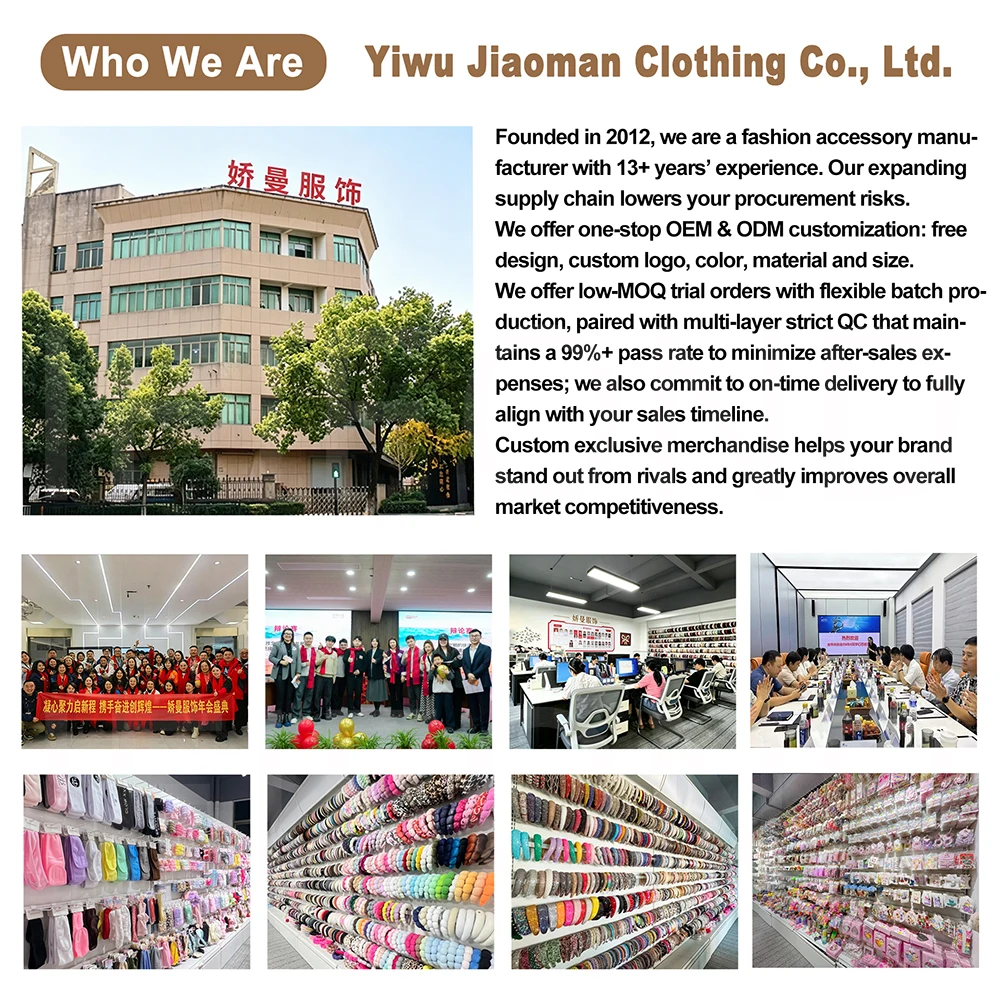
Yiwu Jiaoman Clothing Co., Ltd.
- Manufacturer, Trading Company
- Zhejiang, China
- Lead time35 days
- Avg. response≤ 2h
Main productsHair Scrunchies,Sports Headbands,Spa Headbands,Elastic Hair Ties,Hair Clips
Main marketsNorth America(63.00%), Western Europe(13.00%), Oceania(12.00%), Southern Europe(3.00%), Eastern Asia(2.00%), Mid East(2.00%), Northern Europe(2.00%), South Asia(2.00%), Eastern Europe(1.00%)
Yiwu Zelue Accessories Co., Ltd.
- Manufacturer, Trading Company
- Zhejiang, China
- Lead time30 days
- Avg. response≤ 5h
Main productsHair Accessories, Jewelry, Keychain, Hair Claw, Hair Clip
Main marketsNorth America(15.00%), Western Europe(15.00%), Northern Europe(15.00%), Southern Europe(12.00%), Eastern Europe(10.00%), South Asia(5.00%), Eastern Asia(5.00%), Central America(5.00%), Southeast Asia(5.00%), Domestic Market(4.00%), Mid East(3.00%), South America(2.00%), Oceania(2.00%), Africa(2.00%)

Ningbo Yoheng Imp & Exp Co., Ltd.
- Verified by SGS
- Trading Company
- China Zhejiang
- Lead time30 days
- Avg. response≤ 4h
Main marketsEurope
Shenzhen Kingyard Int'l Trading Co., Ltd.
- Verified by SGS Group
- Trading Company
- Lead time30 days
- Avg. response≤ 4h
Main productsHair Accessories, Sport Accessories, Fashion Jewellery, Beauty Tools, Cosmetic Bag
Main marketsNorth America(40%), Western Europe(30%), Oceania(10%)
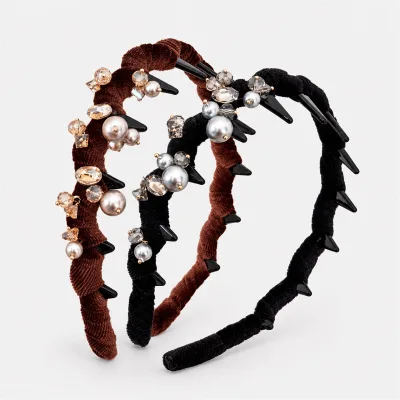
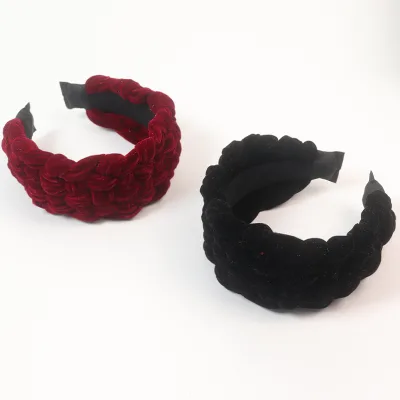
$2.55 - $2.85
MOQ: 500 pieces
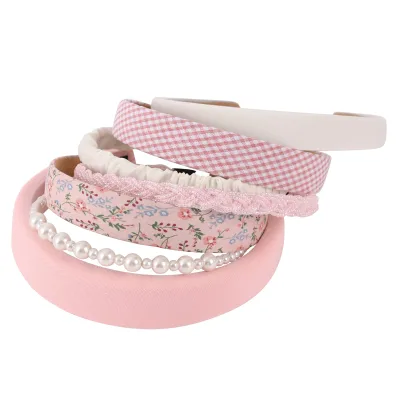
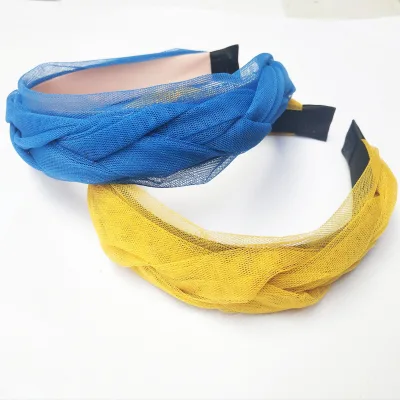
$0.9983 - $1.1542
MOQ: 300 pieces

YIWU JINYE IMPORT AND EXPORT CO., LTD
- Verified by SGS
- Trading Company
- China Zhejiang
- Lead time15 days
- Avg. response≤ 25h
Main productsBangle, Wrist Band, Bracelet, Fashion Jewelry
Main marketsNorth America


Fashion Hair Accessories Large Bow Hair Bands Snow White Hair Accessories
$0.80 - $5.50
MOQ: 20 Pieces

Ningbo Two Birds Industry Co., Ltd.
- Verified by BV
- Trading Company,Manufacturer/Factory
- China Zhejiang
- Lead time45 days
- Avg. response≤ 6h
Main productsCosmetic & Makeup Items, Cleaning Tool, Pet Supplies, Bathroom Products, Bags, Kitchen Accessories, Hair Accessories, Home Textile, Consumable Items, Home Storage
Main marketsSouth America,Eastern Europe,Mid East,North America,Southeast Asia,Eastern Asia,Oceania,Western Europe,Africa
- Trading Company
- Zhejiang, China
- Lead time0 days
- Avg. response≤ 2h
Main productsjewelry,glasses,Department Store,shoes,Beauty Makeup
Main marketsAfrica(40.00%), North America(20.00%), South America(20.00%)
Yiwu Glory Hair Accessories Co., Ltd.
- Verified by SGS Group
- Manufacturer, Trading Company
- Zhejiang, China
- Lead time30 days
- Avg. response≤ 2h
Main productsHair Clips, Headbands, Scrunchies, Hair Combs
Main marketsNorth America(23%), Western Europe(22%), Oceania(18%)
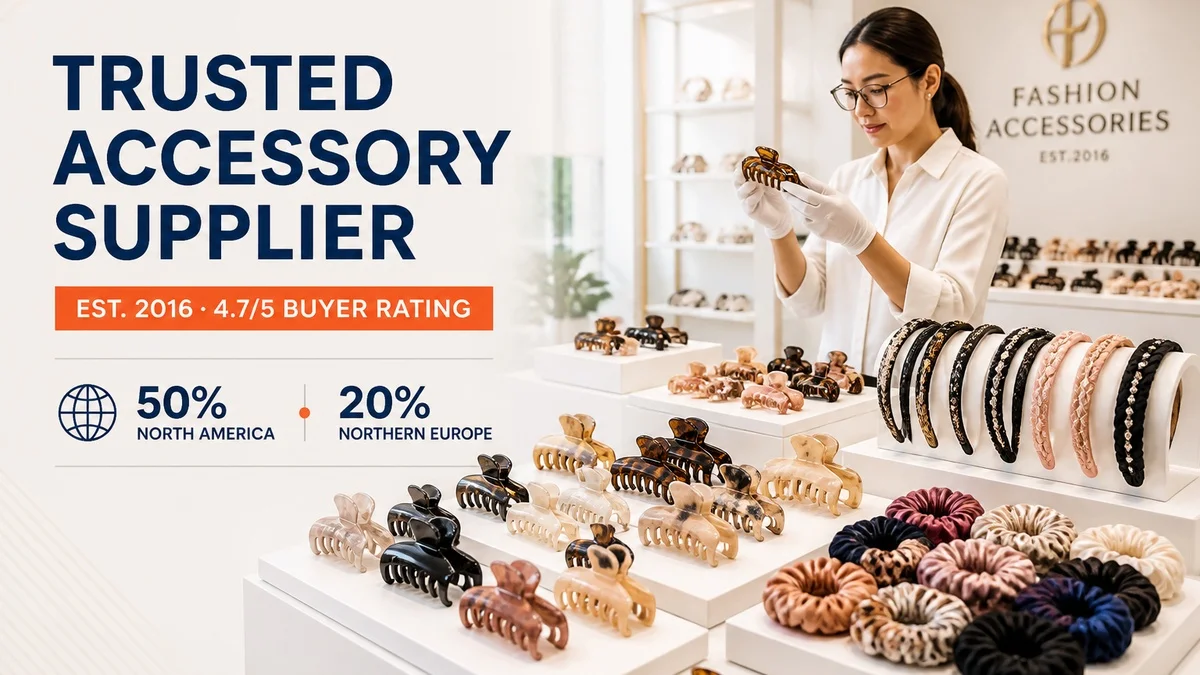
- Trading Company
- Zhejiang, China
- Lead time30 days
- Avg. response≤ 2h
Main productsHair Claws,hair clip,necklace,earring,elastic band
Main marketsNorth America(50.00%), Northern Europe(20.00%), South America(10.00%), Southern Europe(5.00%), Eastern Europe(5.00%), Western Europe(5.00%), Mid East(5.00%)

Foshan Youyan Clothing Co., Ltd.
- Combined
- China Guangdong
- Lead time30 days
- Avg. response≤ 7h
Main productsHeadband, Scrunchies, Hair Tie, Hair Clip, Hairband
Main marketsSouth America,Africa,Southeast Asia/ Mideast,East Asia(Japan/ South Korea),Domestic,Europe,Australia,North America

Knotted Elastic Hair Bands with Golden Beads Ends Hair Ties for Girls Elasticity Ponytail Holders
$1.00 - $2.00
MOQ: 10 Sets

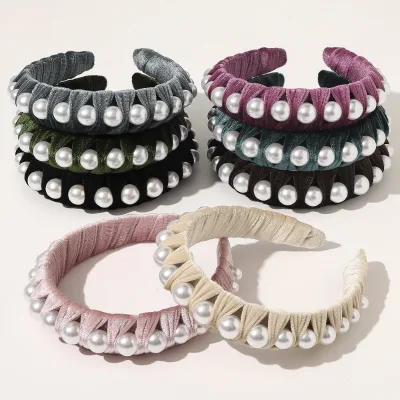
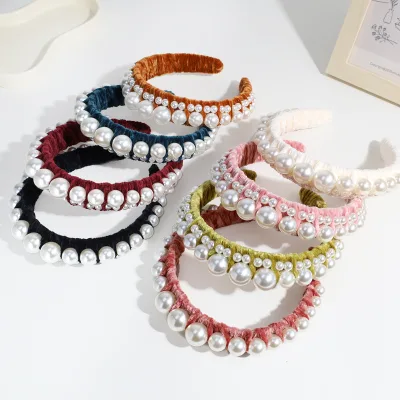
Wide Edge Elastic Elegant Floral Hollow Design Pearl Embellished Women Lace Hairbands
$0.74 - $1.01
MOQ: 20 pieces

Yiwu Trendz Accessories Co., Ltd.
- Manufacturer, Trading Company
- Zhejiang, China
- Lead time15 days
- Avg. response≤ 4h
Main productsJewelry, Jewelry Accessories, Children's Jewelry , Adult Jewelry , Hair Accessories
Main marketsSouthern Europe(8.33%), Northern Europe(8.33%), Central America(8.33%), Western Europe(8.33%), Eastern Asia(8.33%), Mid East(8.33%), Oceania(8.33%), Africa(8.33%), Southeast Asia(8.33%), Eastern Europe(8.33%), South America(8.33%), North America(8.33%)

Yiwu Jinhe Jewelry Company Ltd.
- Trading Company
- Zhejiang, China
- Lead time20 days
- Avg. response≤ 5h
Main productsHair Clips,Hair Accessories,Hair Claw,Hair Jewelry,Headband
Main marketsNorthern Europe(30.00%), Eastern Asia(20.00%), North America(20.00%), Western Europe(10.00%), Domestic Market(10.00%), Southeast Asia(5.00%), South America(5.00%)
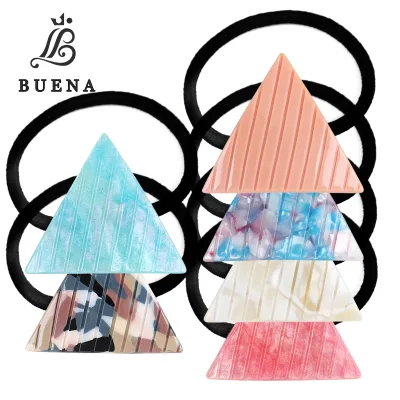
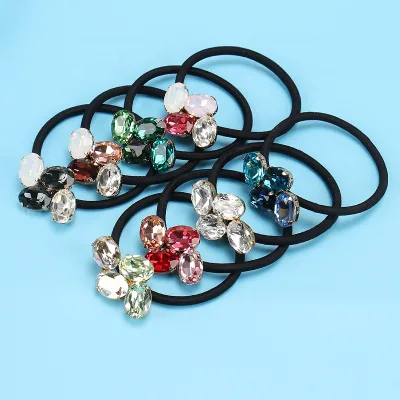
$1.13 - $1.49
MOQ: 10 pieces

- Verified by TUVRHEINLAND
- Manufacturer/Factory
- China Beijing
- Lead time23 days
- Avg. response≤ 4h
Main productsHair Towel, Cleaning Cloth, Beach Towel, Microfiber Towel, Sport Towel, Makeup Remover Towel, Bath Towel, Microfiber Cloth, Car Towel, Cashmere Yarn
Main marketsSouth America,Eastern Europe,Mid East,North America,Southeast Asia,Eastern Asia,Oceania,Western Europe,Africa

$0.30 - $0.50
MOQ: 500 Pieces

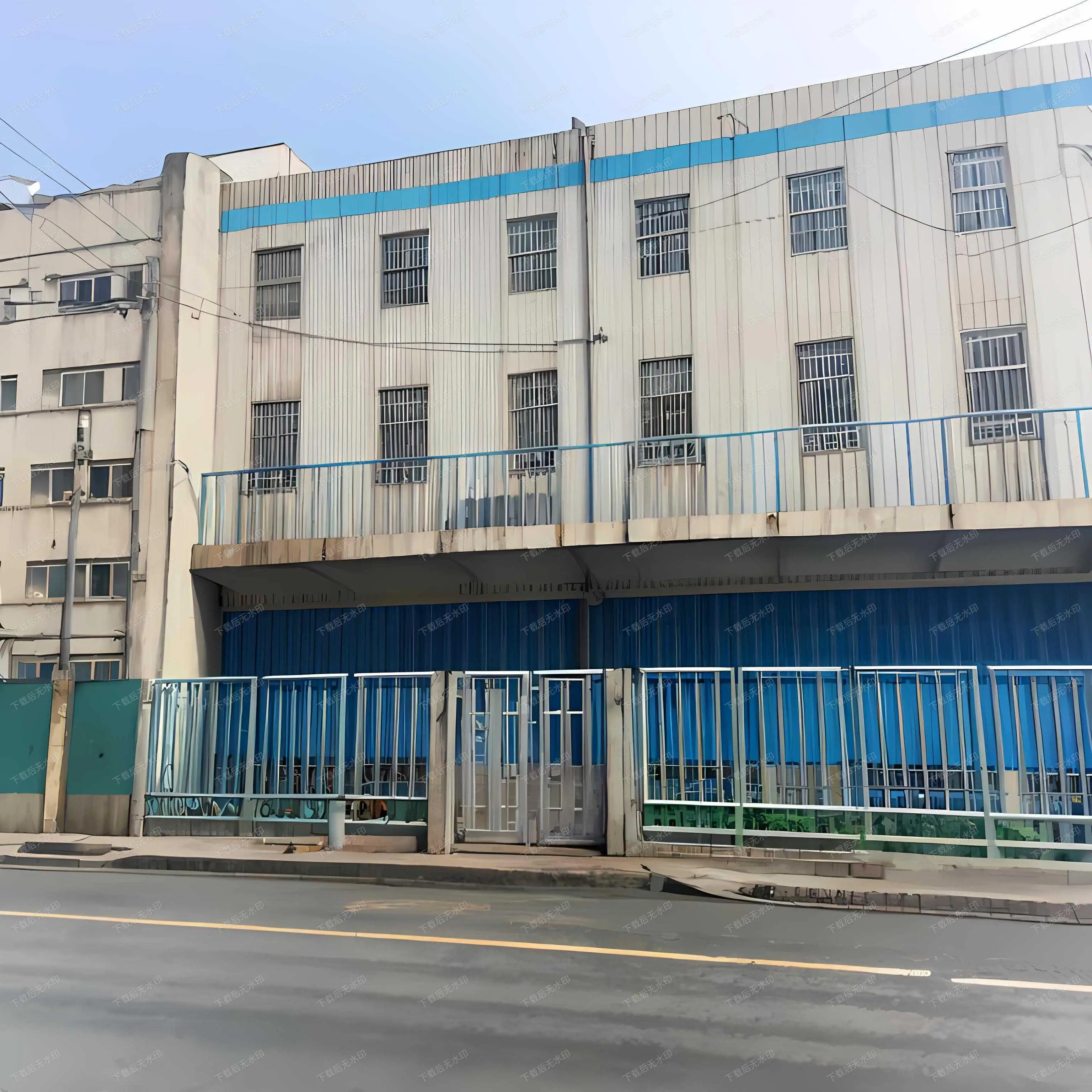
Hangzhou Pangli Import And Export Co., Ltd.
- Trading Company
- Zhejiang, China
- Lead time0 days
- Avg. response≤ 12h
Main productsHair Claw,Hair Clips,Hair Comb,Hair Accessorries,Headband
Main marketsNorth America(80.00%), Northern Europe(10.00%), Eastern Europe(10.00%)

Yiwu Chengrui Import And Export Co., Ltd.
- Trading Company
- Zhejiang, China
- Lead time15 days
- Avg. response≤ 4h
Main productsscarf,Hair Accessories,Towels,Hats,pantyhose
Main marketsCentral America(20.00%), North America(20.00%), South America(15.00%), Eastern Europe(15.00%), Western Europe(10.00%), Southeast Asia(10.00%), Southern Europe(5.00%), Africa(3.00%), South Asia(2.00%)

Wujiang First Textile Co., Ltd.
- Verified by CTI
- Combined
- China Jiangsu
- Lead time23 days
- Avg. response≤ 8h
Main productsSilk Pillow Silk Pillowcase Silk Bonnet, Silk Garment Silk Pajama Silk Dress, Silk Eye Mask Silk Mask Silk Sleeping Cap, Silk Scarf Silk Hair Band, Silk Fabric Silk Jacquard Fabric, Silk Knitted Silk Jersey Fabric, Viscose Rayon Fabric, Loycell Acetate Curpro Fabric, Polyester Fabric Recycled Fabric, Velvet Fabric Burnout Velour Fabric
Main marketsSouth America,Africa,Southeast Asia/ Mideast,Domestic,Europe,Australia,North America
Yiwu Junqiao Jewelry Co., Ltd.
- Verified by TüVRheinland
- Manufacturer, Trading Company
- Zhejiang, China
- Lead time15 days
- Avg. response≤ 2h
Main productsHair Ties, Hair Clips, Hair Claws, Elastic Hair Bands, Headband
Main marketsDomestic Market(60%), Southeast Asia(20%), North America(10%)
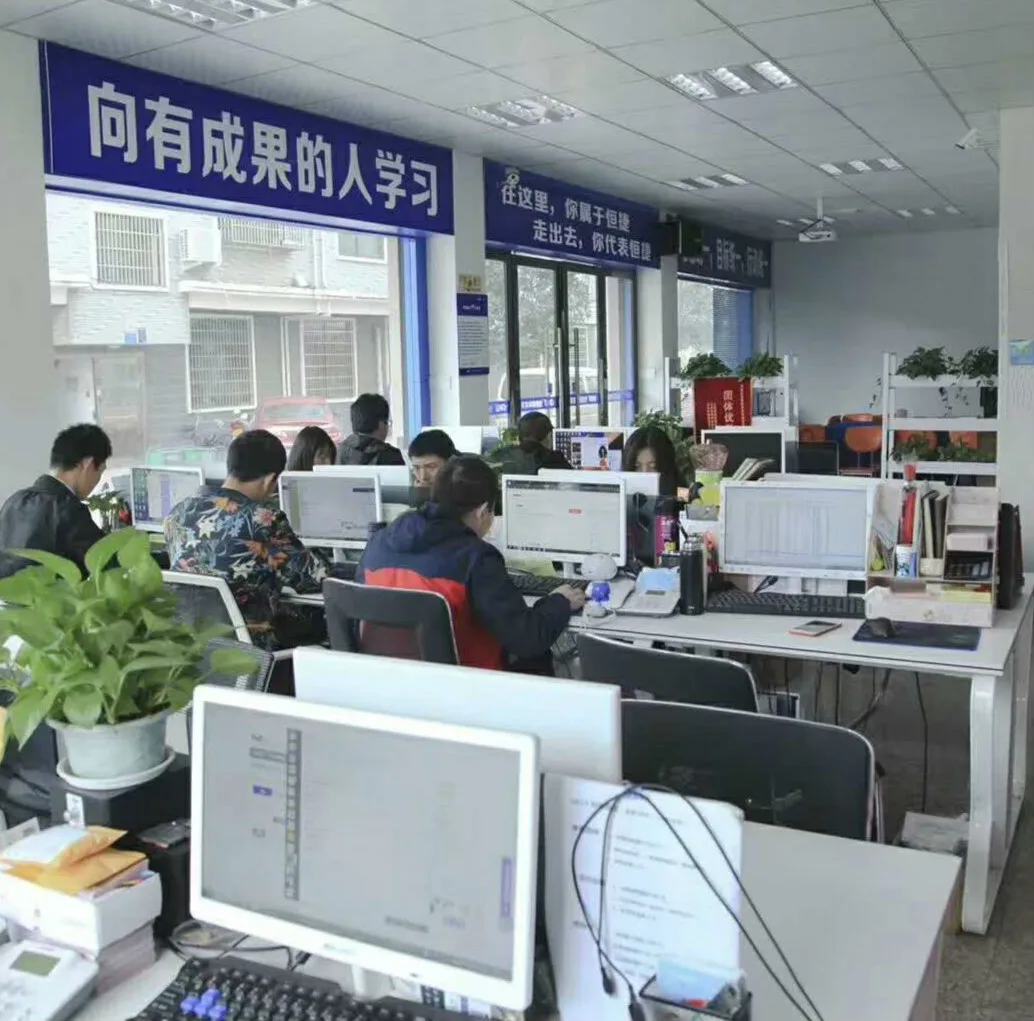
Yiwu Ants Electronic Commerce Firm
- Trading Company
- Zhejiang, China
- Lead time25 days
- Avg. response≤ 3h
Main productsHair accessories,hijab/bonnet/durag,hair claw/clips,Fashion Jewelry,Earrings/Pendants/Necklace/Bracelets
Main marketsNorth America(35.00%), Oceania(15.00%), Western Europe(12.00%), South America(11.00%), Southeast Asia(10.00%), Africa(9.00%), Mid East(8.00%)
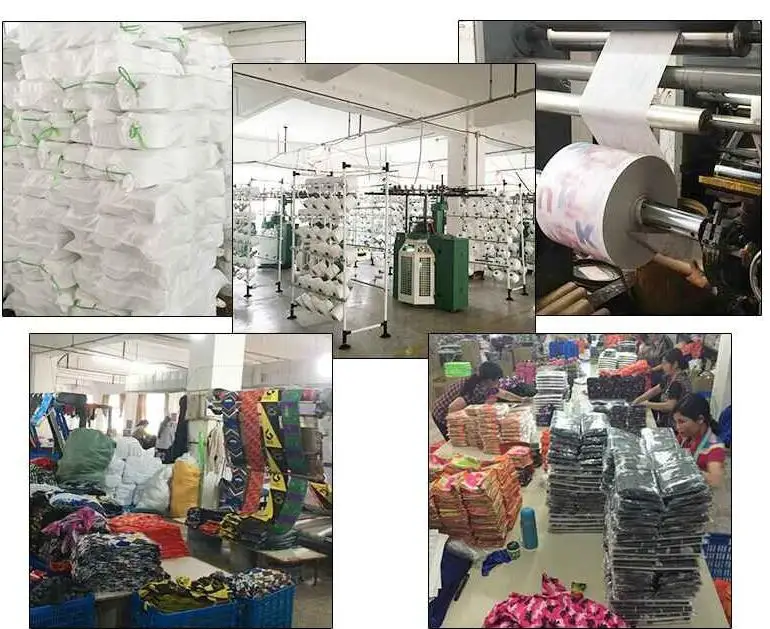
Guangzhou Lucky Girl Fashion Accessories Co., Ltd.
- Trading Company
- Guangdong, China
- Lead time7 days
- Avg. response≤ 4h
Main productsHair Accessories/Spa Accessories/Salon Accessories/Bath Accessories/Makeup Tool Accessories
Main marketsNorth America(70.00%), Oceania(12.00%), Western Europe(10.00%), Southeast Asia(5.00%), Mid East(3.00%)
- Verified by SGS Group
- Manufacturer, Trading Company
- Lead time25 days
- Avg. response≤ 8h
Main productsHair Accessories, Earrings, Necklaces, Rings, Bracelets
Main marketsEastern Asia(50%), Western Europe(20%), North America(15%)

Ganzhou Luckier Trading Co., Ltd.
- Trading Company
- Jiangxi, China
- Lead time0 days
- Avg. response≤ 3h
Main productsmakeup,beauty tools,commodity,accessories,jewelry
Main marketsNorth America(40.00%), Southeast Asia(20.00%), Northern Europe(10.00%), Mid East(10.00%), South Asia(5.00%), Africa(5.00%), Central America(5.00%), South America(5.00%)

Yiwu Heite Electronic Commerce Co., Ltd.
- Trading Company
- Zhejiang, China
- Lead time15 days
- Avg. response≤ 8h
Main productshair accessory,headband,False beards,hair ties
Main marketsSouth America(50.00%), Eastern Europe(20.00%), Northern Europe(10.00%), Western Europe(10.00%), Mid East(10.00%)


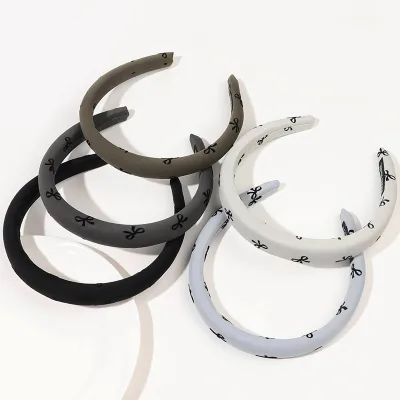


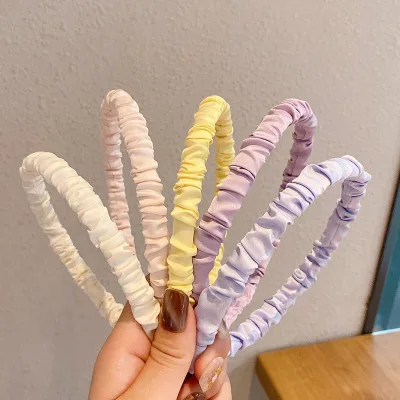
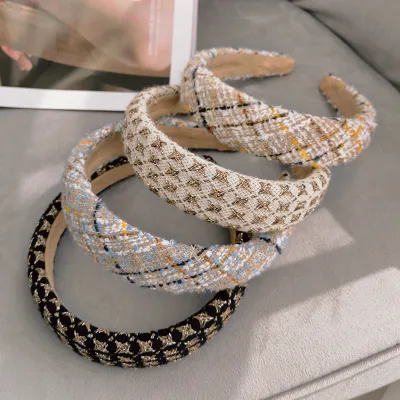


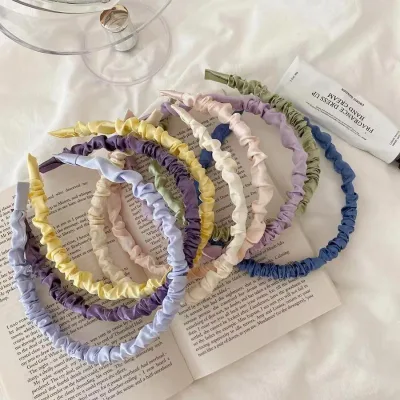
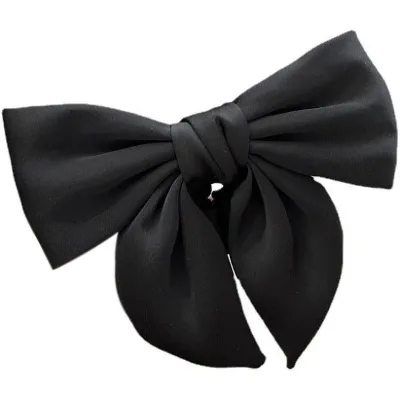
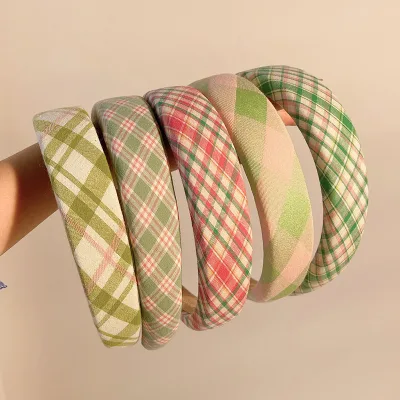
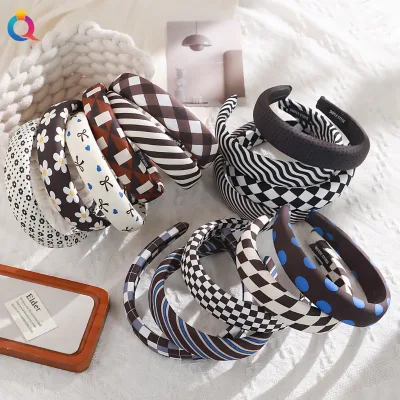
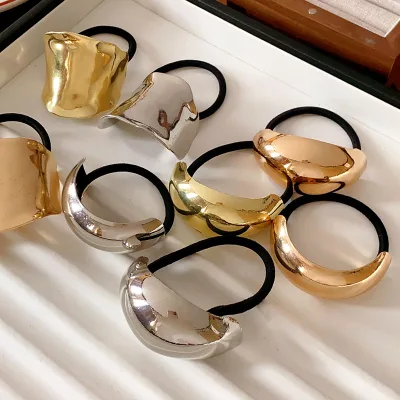
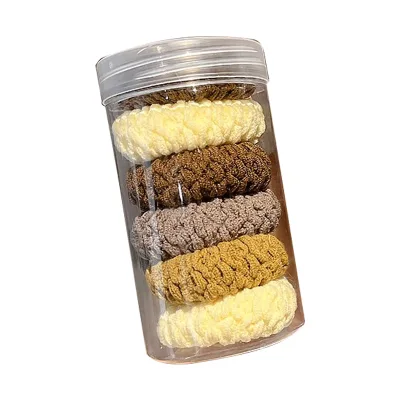


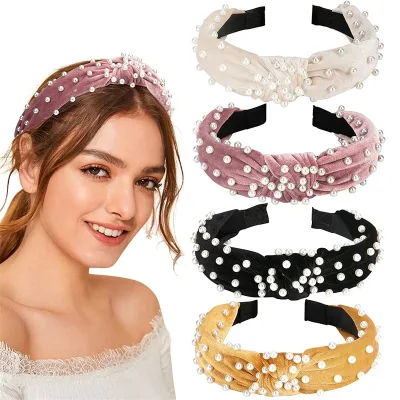
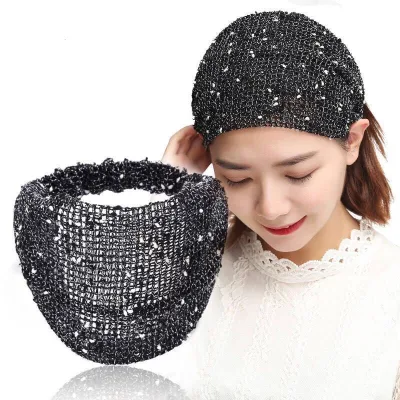
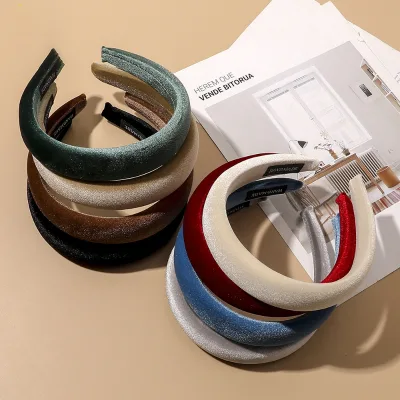
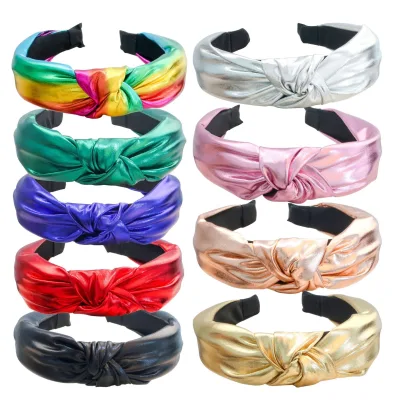
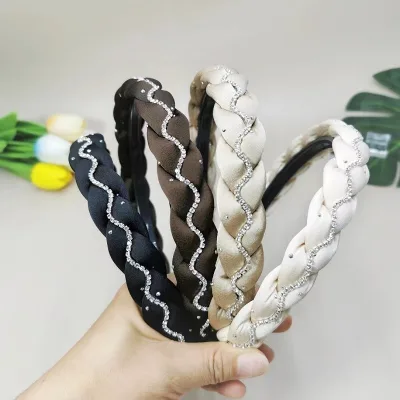
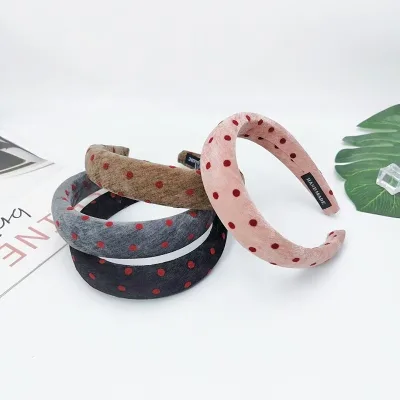
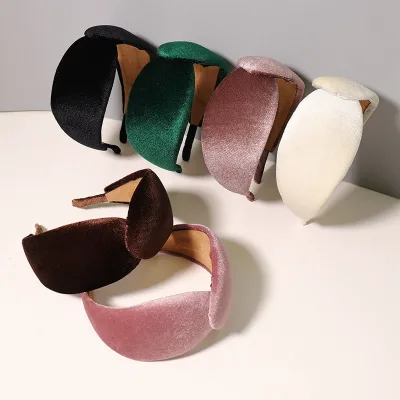
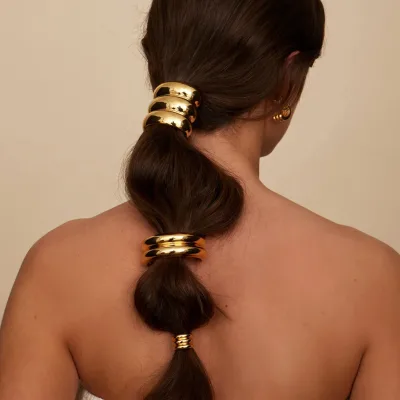
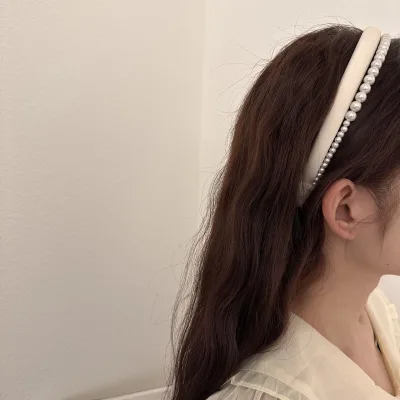
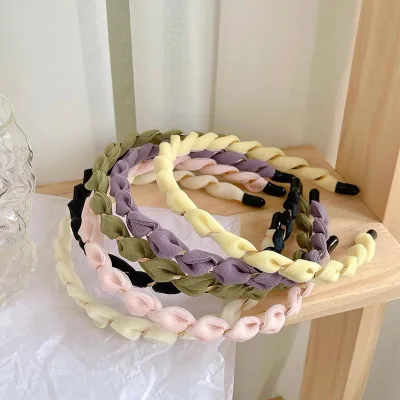
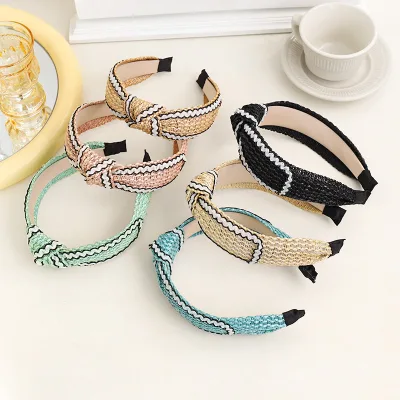
Comprehensive Sourcing Guide
Twisted Velvet Padded Hair Bands Supplier Concentration and Factory Types
The sourcing landscape for Twisted Velvet Padded Hair Bands reveals a distinct concentration of manufacturing capabilities within specific geographic regions, with China Zhejiang emerging as a primary hub for this category. Suppliers located in this area often specialize in a diverse array of hair accessories, including elastic hair bands, headbands, and decorative ornaments, indicating a mature industrial ecosystem capable of supporting complex textile and plastic component assembly. The presence of combined company types and trading companies in this region suggests that buyers may encounter both direct manufacturers and intermediaries who facilitate access to specialized production lines. This concentration allows for efficient supply chain logistics, as raw materials such as velvet fabric, plastic components, and elastic threads are readily available within the local supply network. Buyers should recognize that while the location is a strong indicator of capability, the specific factory type determines the level of direct control over production processes and quality assurance protocols.
Factory types in this sector vary significantly, ranging from pure trading companies to combined entities that offer both OEM and ODM services. Some suppliers focus exclusively on trading, leveraging their network to source products from multiple smaller workshops, while others maintain in-house production facilities capable of handling custom designs and large-scale manufacturing. The availability of ODM capabilities indicates that some factories can develop new product designs based on market trends, which is particularly relevant for fashion-forward items like Twisted Velvet Padded Hair Bands. Conversely, suppliers offering OEM services allow buyers to provide their own designs and specifications, ensuring brand consistency and unique product differentiation. Understanding the distinction between these factory types is crucial for buyers seeking to balance cost efficiency with product uniqueness, as trading companies may offer broader product ranges but less direct oversight, whereas combined factories provide greater flexibility in customization and quality control.
How to Verify Twisted Velvet Padded Hair Bands Suppliers
Verifying the credibility and operational capacity of suppliers requires a multi-layered approach that goes beyond basic company profiles. Buyers should prioritize suppliers who have undergone third-party verification processes, such as CTI certification, which provides an independent assessment of the company’s business legitimacy and operational capabilities. This verification serves as a foundational trust signal, confirming that the entity is a registered and active business rather than a shell company. Additionally, examining the supplier’s system certifications is essential for assessing their commitment to quality management and ethical labor practices. Certifications such as ISO 9001, ISO 14001, BSCI, and WRAP indicate that the supplier adheres to international standards for quality control, environmental management, and social responsibility. These credentials are particularly important for buyers targeting Western markets where compliance with labor and environmental regulations is a critical purchasing factor.
Beyond certifications, buyers should evaluate the supplier’s responsiveness and transparency as indicators of their operational efficiency. A supplier’s response time, measured in hours, can reflect their organizational structure and customer service dedication. Faster response times often correlate with more agile supply chains and better communication channels, which are vital for resolving issues during the production process. Buyers should also look for evidence of product-specific attributes, such as material composition and customization options, to ensure the supplier can meet specific product requirements. For instance, verifying that a supplier offers customization for materials like velvet fabric or plastic components confirms their ability to produce Twisted Velvet Padded Hair Bands according to buyer specifications. Additionally, checking for stock availability and sample provision can help buyers assess the supplier’s readiness to fulfill orders quickly and allow for quality evaluation before committing to large-scale production.
What to Compare Across Twisted Velvet Padded Hair Bands Suppliers
When evaluating multiple suppliers, buyers must compare key operational metrics to identify the most suitable partner for their specific needs. Lead time is a critical factor, as it determines the speed at which orders can be fulfilled and delivered to the end market. Suppliers may offer varying lead times, ranging from short durations for stock items to longer periods for custom manufacturing, and buyers should align these timelines with their inventory planning and sales cycles. Minimum Order Quantity (MOQ) is another essential comparison point, as it impacts the initial investment and risk exposure for buyers. Some suppliers may have low MOQs, allowing for smaller test orders, while others may require higher volumes to achieve cost efficiencies. Buyers should assess whether the MOQ aligns with their sales projections and storage capabilities to avoid overstocking or stockouts.
Price and packaging options also play a significant role in the comparison process, as they directly affect the total cost of ownership and product presentation. Buyers should compare unit prices across suppliers, keeping in mind that lower prices may sometimes correlate with lower quality or higher MOQs. Additionally, examining the packaging details, such as the use of polybags, cards, or bulk packaging, can provide insights into the supplier’s attention to detail and ability to meet retail requirements. Customization availability is another key differentiator, as suppliers that offer flexible design and packaging options can better support brand-specific needs. Buyers should also consider the supplier’s main product focus, as those specializing in hair accessories may have deeper expertise and more refined production processes compared to general trading companies. By systematically comparing these dimensions, buyers can make informed decisions that balance cost, quality, and operational efficiency.
Common Twisted Velvet Padded Hair Bands Sourcing Risks
Sourcing Twisted Velvet Padded Hair Bands involves several potential risks that buyers must proactively manage to ensure a smooth procurement process. One significant risk is the variability in product quality, particularly regarding the texture and durability of the velvet fabric and the integrity of the padding. Without clear specifications and quality control measures, buyers may receive products that do not meet their expectations, leading to customer dissatisfaction and returns. Additionally, the risk of supply chain disruptions cannot be overlooked, as delays in raw material availability or production bottlenecks can impact lead times and delivery schedules. Buyers should mitigate these risks by establishing clear quality standards and maintaining open communication with suppliers to monitor production progress.
Another common risk is the lack of transparency in pricing and additional costs, which can erode profit margins if not carefully managed. Buyers may encounter hidden fees for customization, packaging, or shipping that are not initially disclosed, leading to budget overruns. Furthermore, the risk of intellectual property infringement is a concern, especially when working with suppliers who offer ODM services. Buyers must ensure that their designs are protected and that suppliers adhere to confidentiality agreements to prevent unauthorized replication of their products. To address these risks, buyers should conduct thorough due diligence, including verifying supplier credentials and reviewing past performance records. Implementing robust contract terms and quality assurance protocols can also help safeguard against potential issues and ensure a successful sourcing outcome.
Twisted Velvet Padded Hair Bands Regional Sourcing and Logistics
The regional concentration of suppliers in China Zhejiang offers logistical advantages for buyers sourcing Twisted Velvet Padded Hair Bands, as this area is well-connected to major shipping ports and transportation networks. Proximity to manufacturing hubs reduces transit times and costs, allowing for more efficient inventory management and faster response to market demands. Buyers should leverage this geographic advantage by selecting suppliers who are located in or near this region to minimize logistics complexities and enhance supply chain resilience. Additionally, the presence of specialized trading companies in the area can provide buyers with access to a wider range of products and services, facilitating easier procurement and consolidation of orders.
Logistics planning should also consider the specific packaging requirements of Twisted Velvet Padded Hair Bands, as these items may require careful handling to prevent damage during transit. Buyers should work with suppliers to determine the most suitable packaging solutions, such as sturdy polybags or custom boxes, that protect the product while optimizing shipping volume. Furthermore, understanding the export markets served by suppliers can provide insights into their experience with international logistics and compliance requirements. Suppliers with a global export presence are likely to have established relationships with freight forwarders and customs brokers, streamlining the shipping process and reducing the risk of delays or customs issues. By aligning regional sourcing strategies with logistical considerations, buyers can optimize their supply chain and enhance overall operational efficiency.
Twisted Velvet Padded Hair Bands Commercial Terms and Order Planning
Effective order planning for Twisted Velvet Padded Hair Bands requires careful consideration of commercial terms, including payment methods, delivery schedules, and after-sales support. Buyers should negotiate clear payment terms that align with their cash flow management and risk tolerance, such as using escrow services to secure transactions until goods are received and verified. Additionally, establishing detailed delivery schedules and milestones can help track production progress and ensure timely fulfillment. Buyers should also clarify the supplier’s policies on sample provision, returns, and defect resolution to mitigate potential post-purchase issues. These commercial terms form the foundation of a successful business relationship and contribute to long-term partnership stability.
Order planning should also account for seasonal demand fluctuations and market trends, which can impact production volumes and lead times. Buyers should collaborate with suppliers to forecast demand and adjust production schedules accordingly, ensuring that inventory levels meet market needs without excess stock. Furthermore, considering the customization options available, such as design variations and packaging preferences, can help buyers differentiate their products and capture market share. By integrating commercial terms with strategic order planning, buyers can optimize their procurement process, reduce costs, and enhance customer satisfaction. This holistic approach ensures that sourcing activities are aligned with broader business objectives and market dynamics.
FAQs
What is the typical MOQ for custom hair bands?
Minimum order quantities vary by material and design complexity. Plastic spiral bands typically require 2400 sets per style, while fabric elastic ties often start at 1200 sets per design. Velvet knitted headbands may accept lower volumes, sometimes starting at just 100 pieces. Buyers should verify specific requirements with suppliers before placing bulk orders to ensure alignment with production capabilities.
How long does production usually take?
Lead times depend on the supplier type and product complexity. Standard plastic and fabric hair accessories generally have a lead time of around 15 days. However, knitted or custom knitwear items may require up to 45 days for production. Buyers should confirm exact timelines with their chosen supplier to account for potential delays during peak seasons.
Are samples available for quality testing?
Yes, many suppliers offer samples to verify quality before bulk production. Plastic and fabric hair bands often list sample availability explicitly. Buyers can request samples to check material durability, stitching quality, and packaging standards. This step helps ensure the final product meets specific requirements before committing to larger orders.
What materials are commonly used for hair bands?
Common materials include plastic, fabric, and velvet. Plastic bands often feature spiral wire designs for durability. Fabric bands may use cotton or satin for comfort. Velvet knitted headbands provide warmth and style for winter use. Buyers should select materials based on target audience preferences and intended use cases, such as daily wear or special occasions.
Where are these suppliers located?
Most suppliers are located in Zhejiang, China, particularly in Yiwu City. This region is known for its extensive manufacturing capabilities and export infrastructure. Buyers can expect efficient logistics and competitive pricing due to the concentration of suppliers in this area. Verifying specific locations helps in assessing shipping costs and delivery times.
What certifications do suppliers hold?
Some suppliers hold certifications such as WRAP, BSCI, ISO 9000, ISO 14001, and ISO 9001. These certifications indicate adherence to quality management and environmental standards. Buyers seeking ethical sourcing or specific compliance requirements should verify these credentials directly with suppliers to ensure they meet their organizational standards.
What is the price range for hair bands?
Prices vary based on material and customization. Plastic spiral bands may cost around $0.40 per set. Fabric elastic ties can be priced at approximately $0.25 per set. Velvet knitted headbands typically range from $0.33 to $0.90 per piece. Buyers should request detailed quotes to understand total costs including packaging and shipping.