two-in-one wireless coffee mug warmer Suppliers and Manufacturers
Explore 30 verified suppliers offering two-in-one wireless coffee mug warmer options with varying lead times, certifications, and response speeds. Compare dimensions, MOQs, and pricing to select the right partner for your order; review the available evidence before requesting comparable quotations from suitable candidates.
Updated
Suppliers List

- Trading Company
- China Zhejiang
- Lead time30 days
- Avg. response≤ 13h
Main productsHome Appliance, Cookware Set, Thermos, Home Storage, Furniture, Pet Supplies, Garden Tools, Outdoor Supplies, Baby Supplies, Houesehold Items
Main marketsSouth America,Africa,Southeast Asia/ Mideast,East Asia(Japan/ South Korea),Domestic,Europe,Australia,North America


Ceramic Tea Warmer Heater Without Handle Warmer for Teapot Holder in Coffee & Tea Sets
$2.94 - $3.26
MOQ: 1000 Pieces

- Verified by TUVRHEINLAND
- Trading Company,Manufacturer/Factory
- China Jiangsu
- Lead time23 days
- Avg. response≤ 4h
Main productsMedal, Coin, Lapel Pin, PVC Patch, Embroidery Patch, Keychain, Button Badge, Silicone Wristband, Lanyards, Gift
Main marketsSouth America,Eastern Europe,Mid East,North America,Oceania,Western Europe
HK MAIRUN INDUSTRIAL CO., LIMITED
- Manufacturer
- Lead time旺季: "1 - 500":7,"> 500":"To be negotiated", 淡季: "1 - 500":7,"> 500":"To be negotiated"
- Avg. response≤ 15h
Main productsPromotional Gifts,Souvenir Gifts,Party Supplies,Event Supplies,Custom Gift Set
Shenzhen Lingfan Technology Co., Ltd.
- Trading Company, Distributor/Wholesaler
- Guangdong, China
- Lead time0 days
- Avg. response≤ 14h
Main productsconsumer electronics,computer accessories,eco-friendly tableware
Main marketsNorth America(20.00%), Southeast Asia(15.00%), Western Europe(15.00%), Eastern Europe(10.00%), South Asia(5.00%), Northern Europe(5.00%), Central America(5.00%), South America(5.00%), Eastern Asia(5.00%), Mid East(5.00%), Oceania(5.00%), Africa(5.00%)
Dongguan Sheerfond New Materials Co., Ltd.
- Verified by TüVRheinland
- Manufacturer, Trading Company
- Lead time20 days
- Avg. response≤ 1h
Main productsSmart Mattress Cover, Graphene Heating Element, Graphene Heating Pad, Smart Heating Cup, Golf Heating And Cooling Pads
Main marketsEastern Asia(35%), Mid East(20%), Domestic Market(20%)

Dongguan Deluo Industry & Trade Co., Ltd.
- Verified by SGS
- Manufacturer/Factory
- China Guangdong
- Lead time23 days
- Avg. response≤ 5h
Main productsHeat Transfer Label, Label, Boxing Shorts, Heat Transfer Logo, Garment Logo, Silicone Label, Bjj Gi Kimono, Brazilian Jiu Jitsu Uniform, Muay Thai Shorts, PVC Patch
Main marketsSouth America,Eastern Europe,Mid East,North America,Southeast Asia,Eastern Asia,Oceania,Western Europe,Africa
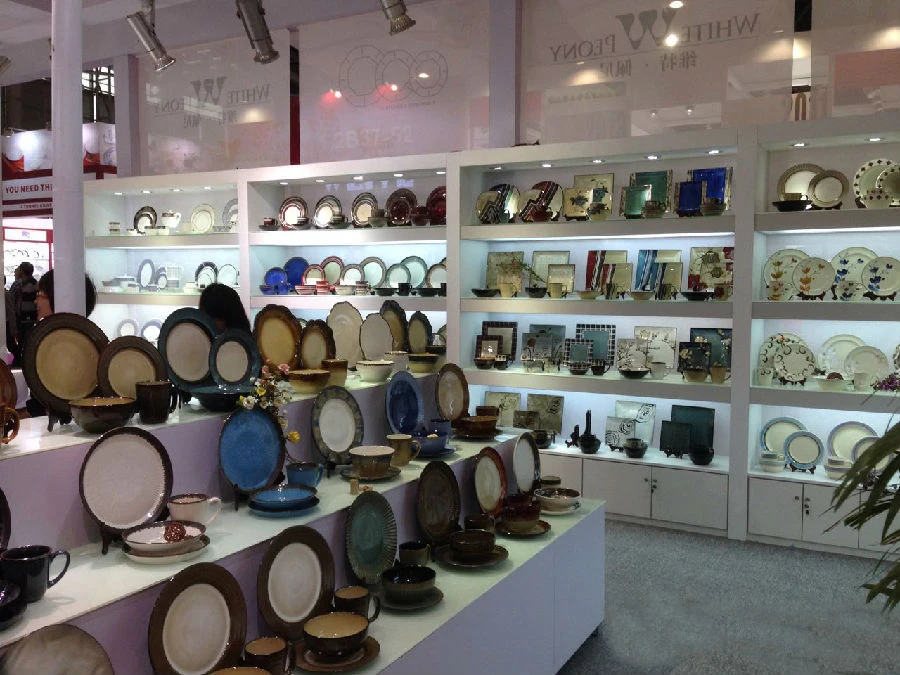
Chaozhou Sanding Pottery Co., Ltd.
- Trading Company
- Guangdong Province, China
- Lead time3 days
- Avg. response≤ 3h
Main productsPromotional Ceramic Mugs,Stainless Steel Tumblers,Enamel Mugs,Ceramic Dinner Set,Ceramic Soup Pot
Main marketsNorth America(35.00%), Mid East(10.00%), Western Europe(10.00%), Eastern Europe(10.00%), Northern Europe(10.00%), Southeast Asia(6.00%), Eastern Asia(5.00%), Southern Europe(5.00%), Oceania(3.00%), South America(2.00%), Domestic Market(1.00%), South Asia(1.00%), Africa(1.00%), Central America(1.00%)
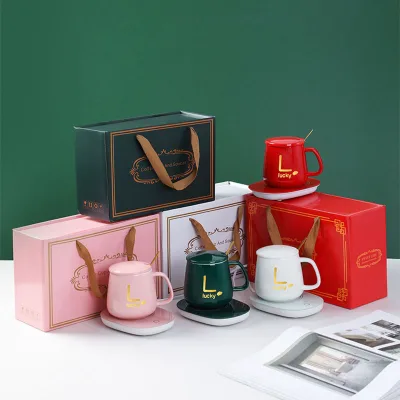
Smart Tea Coffee Mug Cup With Warmer for Gift
$2.85 - $3.57
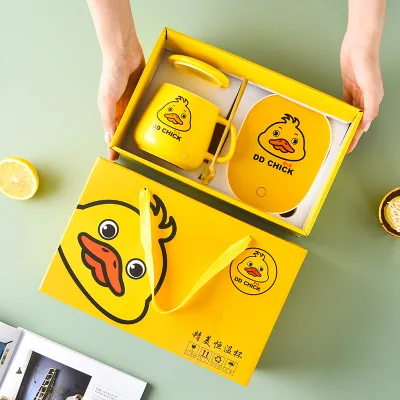

Shenzhen Kinlan Technology Company Limited
- Manufacturer
- Guangdong, China
- Lead time25 days
- Avg. response≤ 3h
Main productsSmart Tracker,Wireless Bluetooth Earphones,Wireless Bluetooth Headphones,True Wireless earbuds,LED Light
Main marketsNorth America(33.00%), Western Europe(18.00%), South America(6.00%), Southern Europe(6.00%), Northern Europe(6.00%), Eastern Europe(6.00%), Domestic Market(5.00%), Southeast Asia(5.00%), Mid East(3.00%), South Asia(3.00%), Oceania(3.00%), Eastern Asia(3.00%), Central America(3.00%)

Anhui Beauty Home Technology Co., Ltd
- Verified by TUVRHEINLAND
- Trading Company
- China Anhui
- Lead time30 days
- Avg. response≤ 2h
Main productsStainless Steel Vacuum Thermos Cup, Smart Auto Cooling and Heating Cup Holder, Thermal Vacuum Flask, Ceramic Mug with Thermostat, Coffee Mugs, Reusable Plastic Cups, Glass Container, Stainless Steel Wine Accessories, Stainless Steel Vacuum Insulated Tumbler, Disposable PP Pet Cups
Main marketsSouth America
Shenzhen Lianxinyuan E-Commerce Co., Ltd.
- Manufacturer, Trading Company, Distributor/Wholesaler, Other
- Guangdong, China
- Lead time3 days
- Avg. response≤ 1h
Main productsTraffic tools,charger,Electronic products,integrated circuit,Solar products
Main marketsNorth America(30.00%), Northern Europe(15.00%), South America(15.00%), South Asia(10.00%), Southern Europe(10.00%), Eastern Europe(10.00%), Western Europe(10.00%)

Chaozhou City Cha'an District Fengtang Town Sai Si Ceramics Factory
- Verified by CTI
- Combined
- China Guangdong
- Lead time30 days
- Avg. response≤ 7h
Main productsMugs, Ceramic Tissue Boxes, Ceramic Pet Bowls, Ceramic Vases
Main marketsDomestic

$2.00 - $4.00
MOQ: 1000 Pieces


$2.00 - $4.00
MOQ: 1000 Pieces
Guangzhou Tomas Crafts Co., Limited
- Trading Company
- Lead time旺季: "1 - 100":16,"> 100":"To be negotiated", 淡季: "1 - 100":16,"> 100":"To be negotiated"
- Avg. response≤ 2h
Main productsPromotional Gift,Souvenir Gifts,Medals & Trophies Suppliers,Luggages & Bags,Party Supplies
Shenzhen Hopepower Technology Co., Ltd.
- Manufacturer, Trading Company
- Lead time旺季: "1 - 100":12,"101 - 500":15,"> 500":"To be negotiated", 淡季: "1 - 100":12,"101 - 500":15,"> 500":"To be negotiated"
- Avg. response≤ 6h
Main productsWireless charger,Power Bank,Wear type heating products,warmer mug,Air conditioned suit

- Verified by SGS
- Trading Company
- China Shaanxi
- Lead time15 days
- Avg. response≤ 4h
Main productsBusiness Gift Set, Corporate Gift Set, Promotion Gift Set, Notebook Gift Set, Weeding Gift Set for Guests, Birthday Gift Set, Gift Sets, Custom Gift Set, Notebook with Pen, Gifts
Main marketsAfrica,Southeast Asia/ Mideast,Europe,Australia,North America


Heating Pad Temperature Control Smart Coffee Mug Cup Warmer Wedding Gift for Guests
$2.35 - $2.75
MOQ: 100 pieces

Electric USB Office Home Ceramic Coffee Mug Warmer Cup Heater Mug Business Gift Set
$2.65 - $2.95
MOQ: 100 pieces

Guangzhou Yingle Industry and Trade Co., Ltd.
- Verified by SGS
- Trading Company
- China Guangdong
- Lead time15 days
- Avg. response≤ 5h
Main productsNight Light, Table Lamp, Creative Gift, Fidget Relax Toys, Hand Warmer, Mini Fan, OEM ODM Gift
Main marketsDomestic

Smart Electric Mug Warmer with 3 Temperature Settings and Overheat Protection
$7.35 - $11.35
MOQ: 18 Pieces


Fast Heating Electric Coffee Cup Warmer 15W USB Beverage Heater for Home Office
$7.35 - $11.35
MOQ: 18 Pieces

USB 3 Temp Electric Coffee Cup Warmer for Office Desk with Auto Shut off
$7.35 - $11.35
MOQ: 18 Pieces
Shijiazhuang Langkuo Trading Co., Ltd.
- Verified by SGS Group
- Trading Company
- Lead time15 days
- Avg. response≤ 2h
Main productsStainless Steel Insulated Cup, Ceramic Mug, Glass Can, Heat Transfer Printing Machine, Intelligent Coffee Cup
Main marketsNorth America(35%), Southeast Asia(18%), Western Europe(15%)
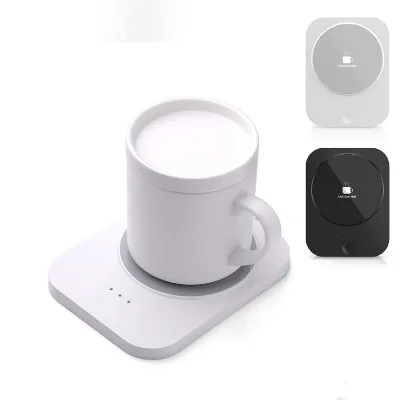
$7.081 - $9.5423
MOQ: 120 Minimum
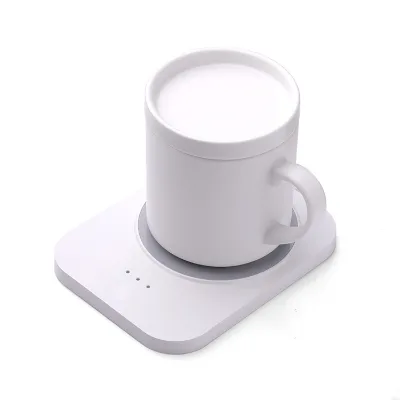
Wholesale Smart Electric Tea Coffee Water Mug Espresso Cup Warmer with Wireless Charger
$7.081 - $9.5423
MOQ: 120 Minimum

Changsha Sofly Industry Co.,Ltd
- Verified by BV
- Trading Company
- China Hunan
- Lead time15 days
- Avg. response≤ 4h
Main productsPower Bank, Digital Luggage Scale, USB Flash Drive, LED Light, LED, Mobile Battery Charger, USB Stick, USB 2.0 USB 3.0, Digital Hanging Portable Scale, Digital Scale
Main marketsEurope
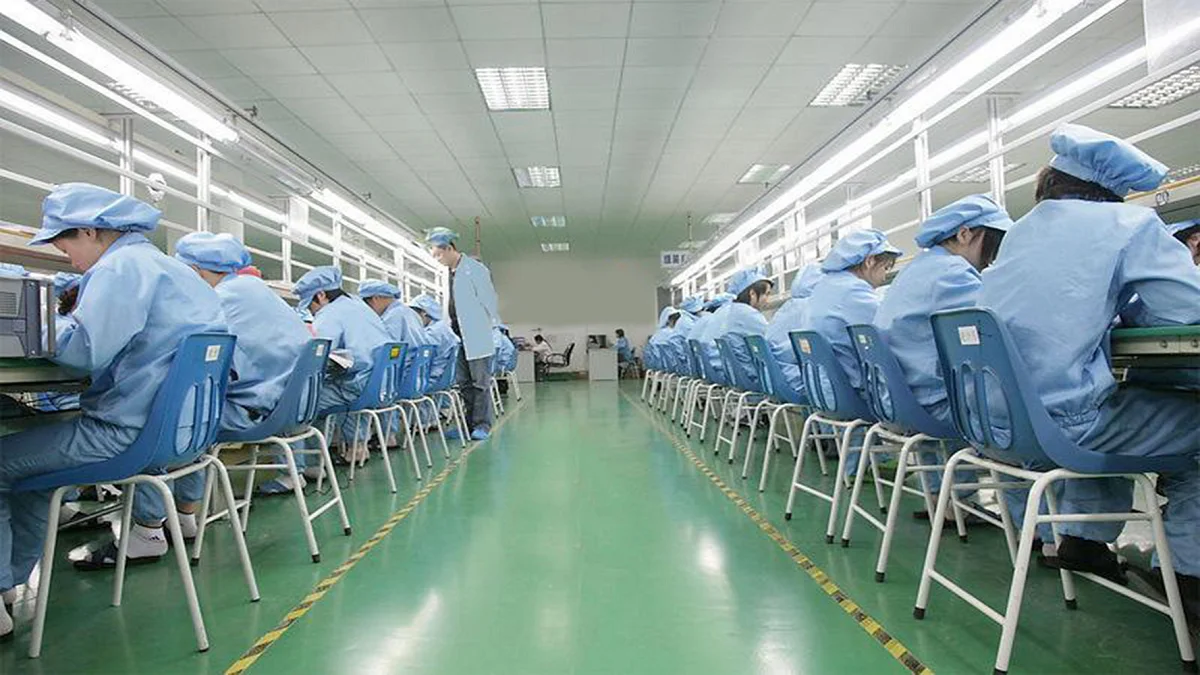
Shenzhen Meisiyu Electronic Technology Co., Ltd.
- Manufacturer, Trading Company, Distributor/Wholesaler
- Guangdong, China
- Lead time30 days
- Avg. response≤ 4h
Main productsIPL hair removal,skin scrubber,facial cleaning brush,Derma Rolling System,massagers
Main marketsEastern Asia(15.00%), North America(15.00%), Western Europe(10.00%), Southeast Asia(10.00%), Eastern Europe(10.00%), Northern Europe(8.00%), Southern Europe(8.00%), South Asia(6.00%), Oceania(5.00%), Mid East(5.00%), South America(3.00%), Central America(3.00%), Domestic Market(2.00%)
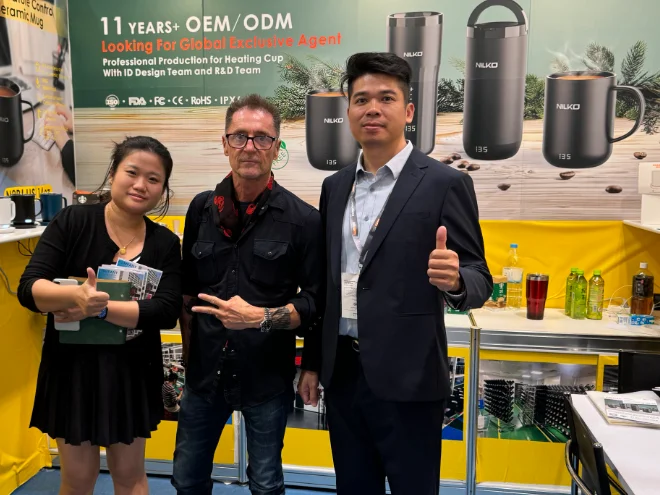
Shenzhen Yulin Innovation Development Co., Ltd.
- Manufacturer, Distributor/Wholesaler
- Guangdong, China
- Lead time40 days
- Avg. response≤ 3h
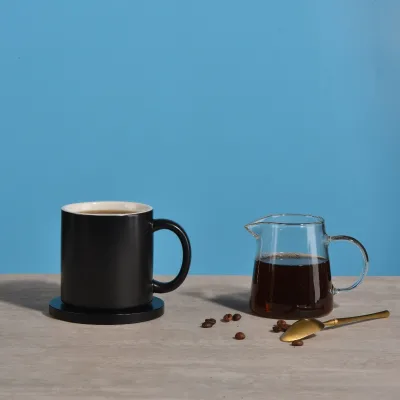
Main productsTemperaturer Control Tumbler,Smart Mug,Cooling Mug,Heating Mug,OEM/ODM
Main marketsWestern Europe(30.00%), South America(20.00%), Eastern Europe(15.00%), Southeast Asia(10.00%), Northern Europe(10.00%), Southern Europe(10.00%), Mid East(5.00%)
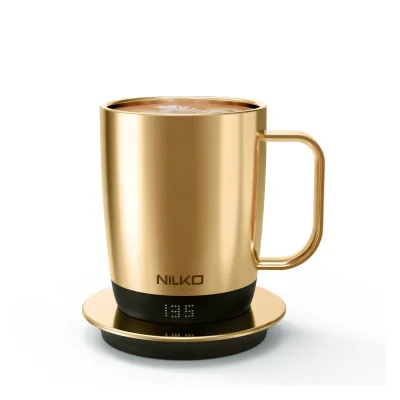
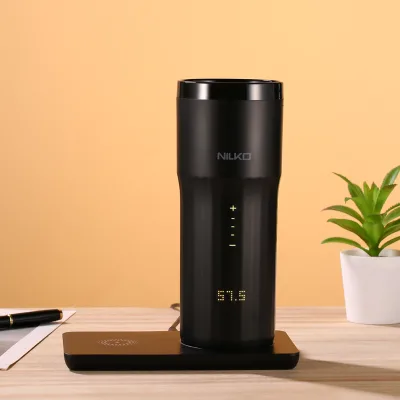
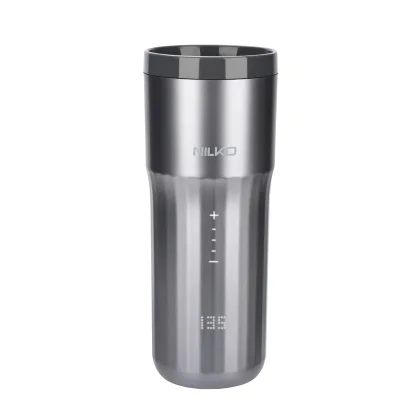
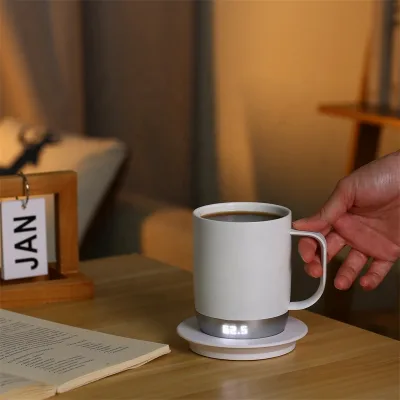
$25.00 - $40.00
MOQ: 2 pieces
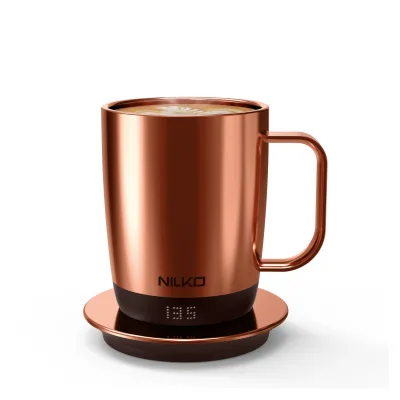
Sen Long East Technology (shenzhen) Ltd.
- Trading Company
- Lead time旺季: "1 - 500":7,"> 500":"To be negotiated", 淡季: "1 - 500":7,"> 500":"To be negotiated"
- Avg. response≤ 4h
Main productsWireless Mug Warmer, Temperature Control Mug, USB Mug Warmer/, Coffee Mug Warmer, Wireless Charger For Phone
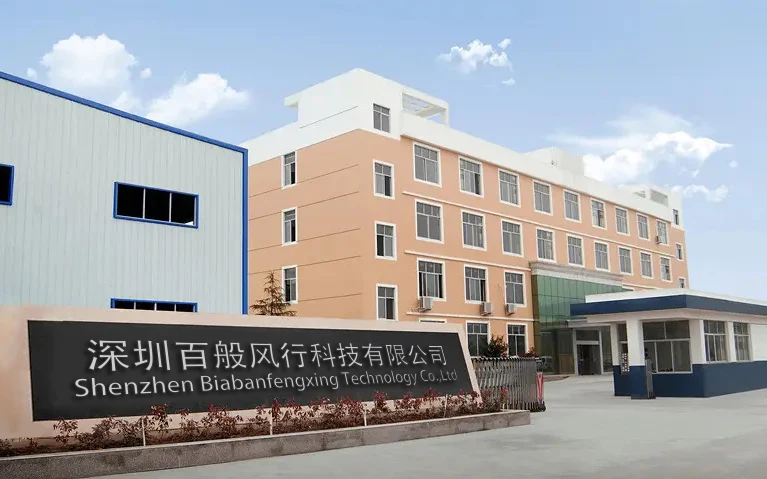
Shenzhen Baibanfengxing Technology Co., Ltd.
- Manufacturer, Trading Company
- Guangdong Province, China
- Lead time5 days
- Avg. response≤ 3h
Main productshousehold products,Kitchen supplies
Main marketsDomestic Market(20.00%), Eastern Europe(15.00%), North America(15.00%), Western Europe(10.00%), Southern Europe(10.00%), Northern Europe(10.00%), South America(5.00%), Mid East(5.00%), Southeast Asia(5.00%), Central America(5.00%)

LIANYUNGANG KAESHING INTERNATIONAL TRADING CO., LTD.
- Verified by TUVRHEINLAND
- Trading Company
- China Jiangsu
- Lead time15 days
- Avg. response≤ 4h
Main productsGlass Bottle, Glass Jar, Glass Cup, Glassware, High Borosilicate Glass Jar Bottle Mug, Glass Perfume Bottle, Glass Mug, Glass Decanter, Storage Jar, Fused Silica
Main marketsNorth America

Durable Stainless Steel Self Heating Travel Mug Charger Self Heating Coffee Smart Warmer Mug
$53.00 - $59.00
MOQ: 100 Pieces


$51.50 - $77.20
MOQ: 500 Pieces

$40.00 - $45.00
MOQ: 500 Pieces

Anhui Xianwei E-Commerce Co., Ltd
- Verified by TUVRHEINLAND
- Manufacturer/Factory
- China Anhui
- Lead time0 days
- Avg. response≤ 6h
Main productsLamp, Cup, Tent
Main marketsSouth America,Eastern Europe,Mid East,North America,Southeast Asia,Eastern Asia,Oceania,Western Europe,Africa

$0.85 - $1.91
MOQ: 100 Pieces

Smart Electric USB Office 55c Home Gift Set Ceramic Coffee Mug Warmer Cup Heater Mug
$0.88 - $1.86
MOQ: 100 Pieces
Yiwu Shuhuan Import & Export Co., Ltd.
- Trading Company
- Zhejiang, China
- Lead time7 days
- Avg. response≤ 5h
Main productsHome Decor,Kitchen & Tabletop,Festive & Party Supplies,Mobile Phone & Accessories,Camera Photo & Accessories
Main marketsNorth America(30.00%), Western Europe(20.00%), South Asia(5.00%), Southern Europe(5.00%), Northern Europe(5.00%), Central America(5.00%), South America(5.00%), Mid East(5.00%), Oceania(5.00%), Africa(5.00%), Southeast Asia(5.00%), Eastern Europe(5.00%)
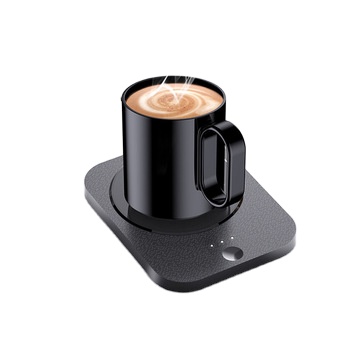
Xzx541 Business Gift Smart Electronic Heater Cup With Charger Electric Coffee Mug Warmer
$5.80 - $6.40
MOQ: 24 pieces
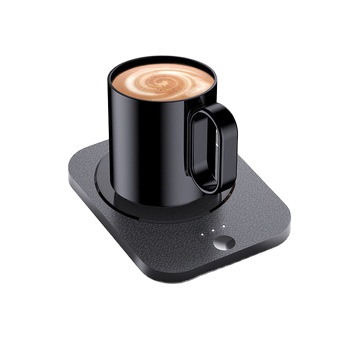
Xzx265 Hot Sale Gift Set Water Cup Heater Smart Electric Thermotatic Ceramic Usb Coffee Mug Warmer
$6.0939 - $6.7245
MOQ: 24 pieces

Zhongshan Xinyuan Silicone Rubber Co. Ltd
- Verified by TUVRHEINLAND
- Combined
- China Guangdong
- Lead time15 days
- Avg. response≤ 2h
Main productsSilicone Mold, Silicone Ice Cube Tray, Silicone Wristband, Silicone Tea Infuser, Silicone Bakeware, Silicone Keychain, Silicone Cup Coaster, Silicone Bag
Main marketsSouth America,Southeast Asia/ Mideast,Domestic,Europe,North America


Sample Customization USB Charging Intelligent Heating Cup Thermostatic Cup
$41.00 - $45.50
MOQ: 500 Pieces

Zhongshan Xinyuan Silicone Rubber Co., Ltd.
- Verified by TUVRHEINLAND
- Combined
- China Guangdong
- Lead time15 days
- Avg. response≤ 2h
Main productsEmbroidery Patch, PVC Keychain, Pin Badge, Medal, Lanyard, Challenge Coin, Paper Air Freshener, Coffee Maker, Luggage Tag, Coffee Maker/Grinder
Main marketsSouth America,Southeast Asia/ Mideast,Domestic,Europe,North America

Smart Constant Temperature Mug Office Temperature Control Heating Coffee Couple Water Cup
$45.50 - $55.00
MOQ: 20 Pieces


Yongkang Heecn Stainless Steel Co., Ltd.
- Manufacturer/Factory
- China Zhejiang
- Lead time45 days
- Avg. response≤ 11h
Main productsMug, Cup, Flask, Bottle, Coffee Mug, Drink Bottle, Camping Mug, Advsing Mug, Gift Mug, Shot Glass
Main marketsSouth America,Eastern Europe,North America,Western Europe

Jingfeng International Co., Ltd.
- Verified by SGS
- Trading Company,Manufacturer/Factory
- China Anhui
- Lead time15 days
- Avg. response≤ 2h
Main productsWater Bottle, Perfume Bottle, Cup, Thermos, Plastic Water Bottles, Sports Bottles, The Wine Bottle, Tumblers, Glass Bottles, Lunch Box
Main marketsSouth America,Eastern Europe,Mid East,North America,Southeast Asia,Eastern Asia,Oceania,Western Europe,Africa


$10.50 - $18.82
MOQ: 50 Pieces

Anhui YOTO Import & Export Co., Ltd.
- Verified by SGS
- Manufacturer/Factory
- China Anhui
- Lead time23 days
- Avg. response≤ 2h
Main productsWater Bottle, Vacuum Flask, Cup & Mugs, Thermos, Plastic Water Bottles, Kid's Bottles, Tumblers, Sports Bottles
Main marketsSouth America,Eastern Europe,Mid East,North America,Southeast Asia,Eastern Asia,Western Europe,Africa

Zhongshan Boya Electric Appliance Co., Ltd.
- Verified by BV
- Trading Company
- China Guangdong
- Lead time30 days
- Avg. response≤ 1h
Main productsBlender Soy Milk Maker Portable Kettle Rice C
Main marketsSouth America,Africa,Southeast Asia/ Mideast,East Asia(Japan/ South Korea),Europe,Australia,North America


Smart Temperature Control Cup Portable Kettle Digital Water Heating Cup with Battery
$23.50 - $25.00
MOQ: 1000 Pieces


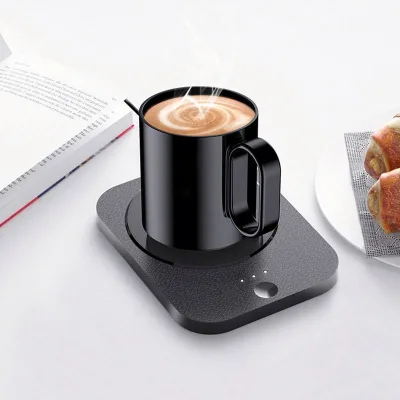
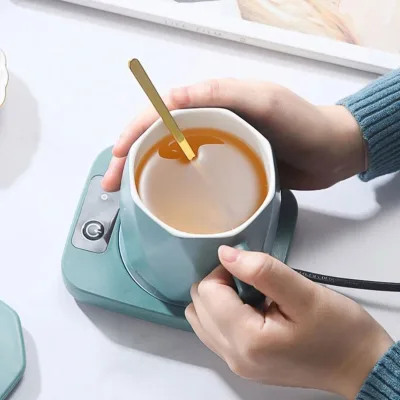
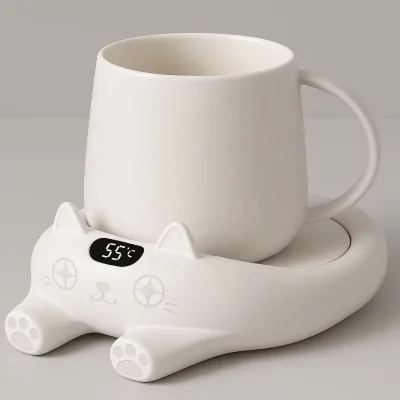
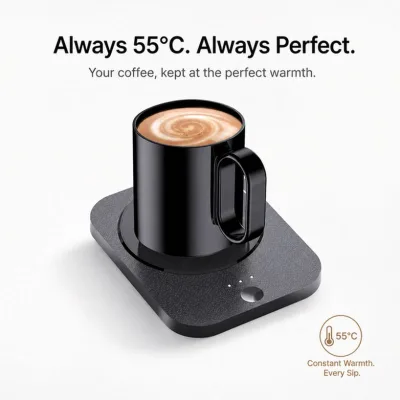
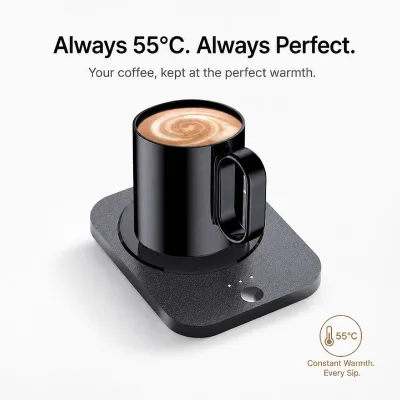
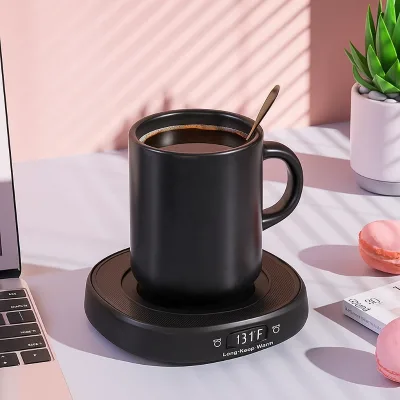
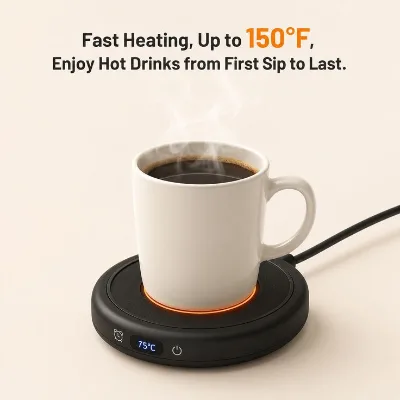
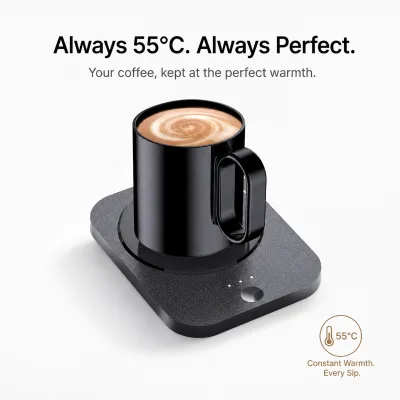
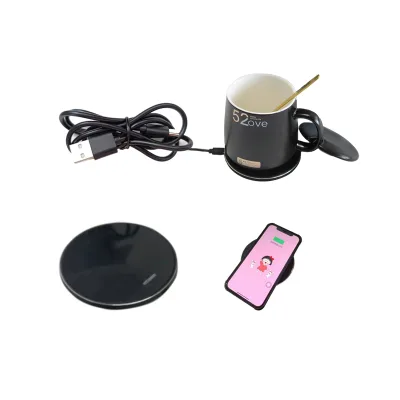
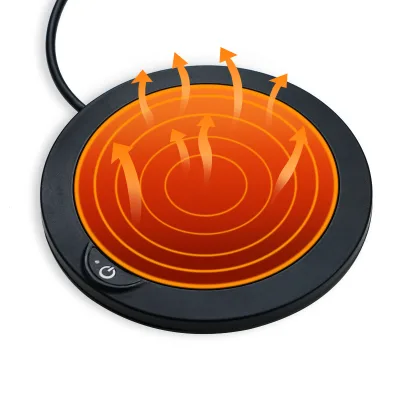
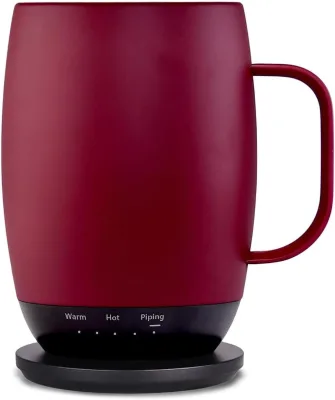
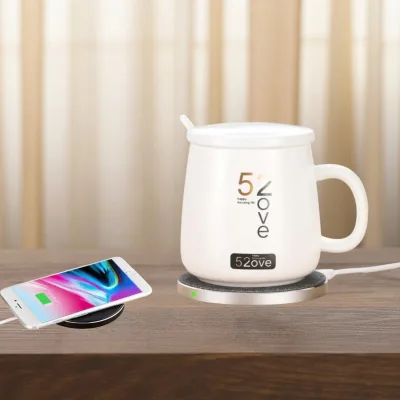
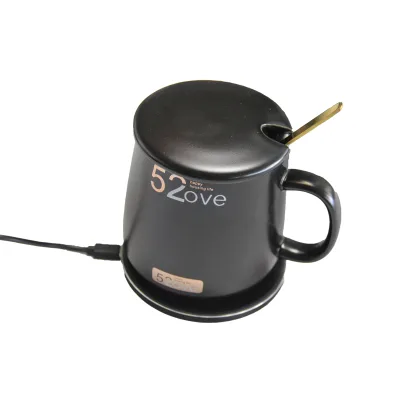
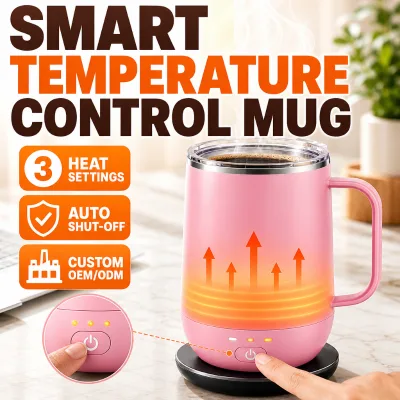


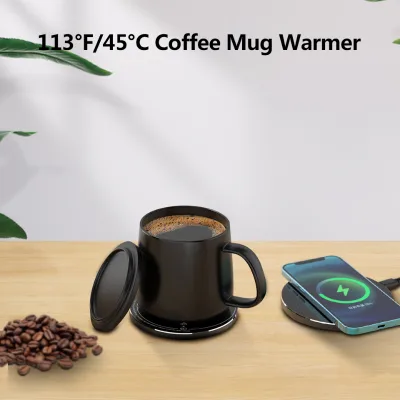
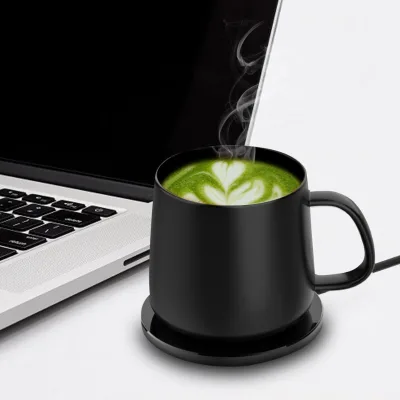
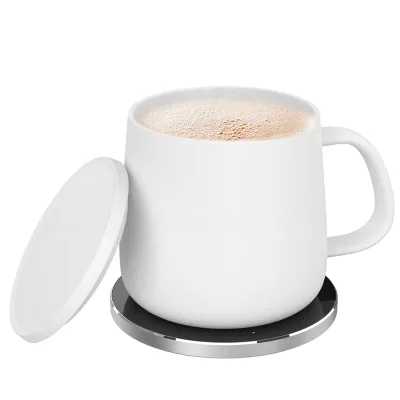


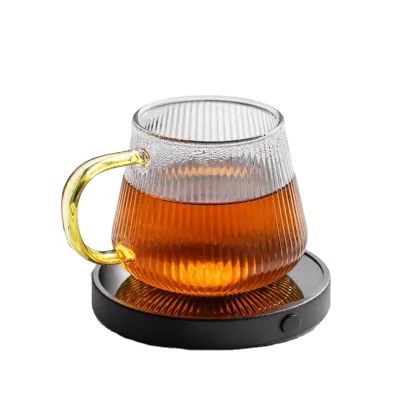
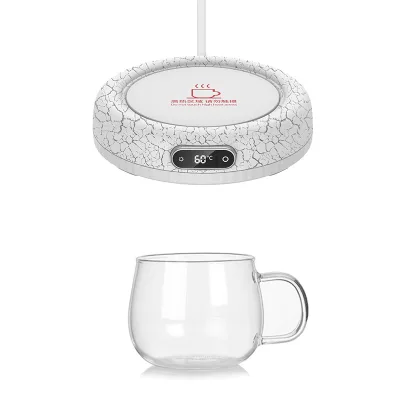
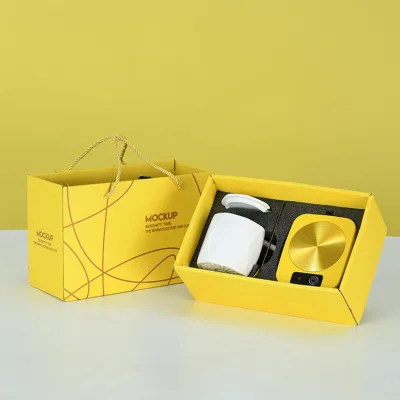
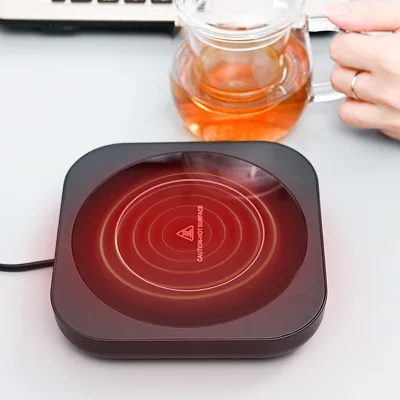
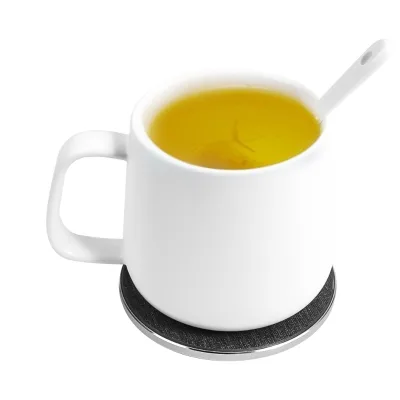
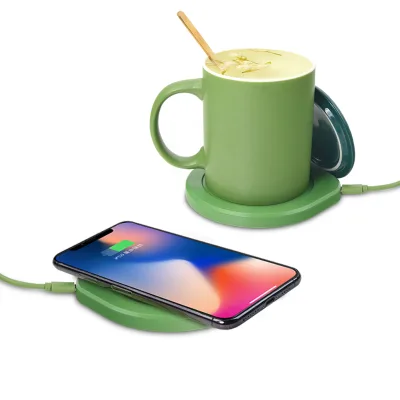


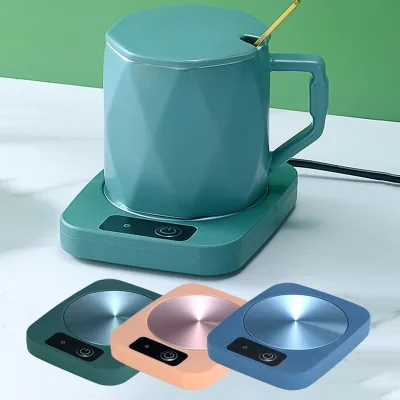
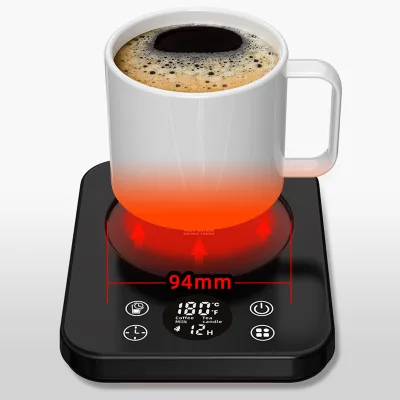
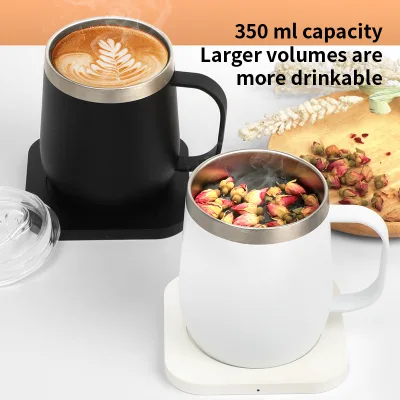
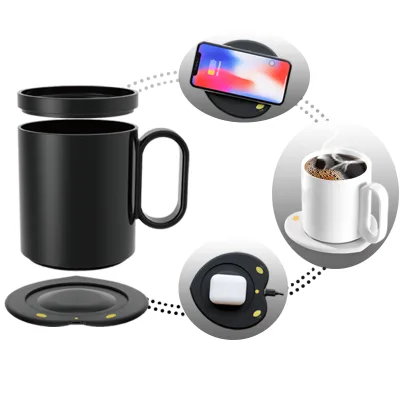
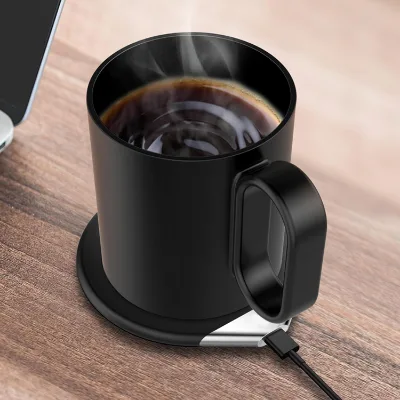
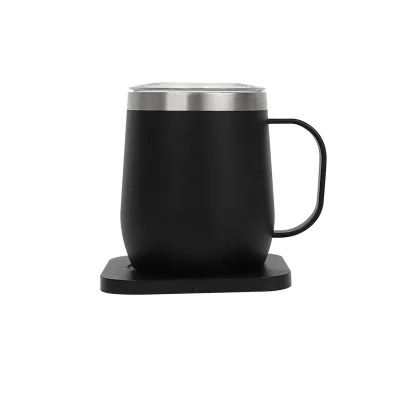
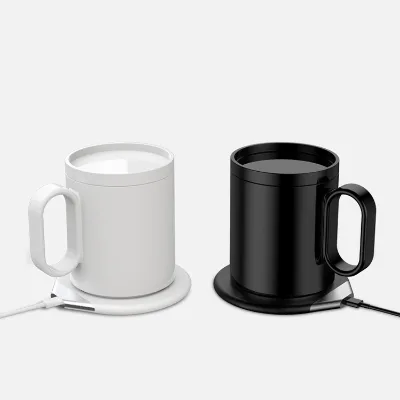
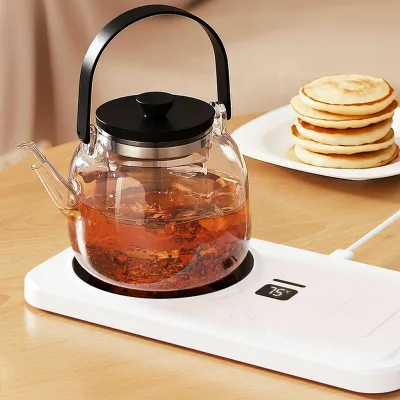
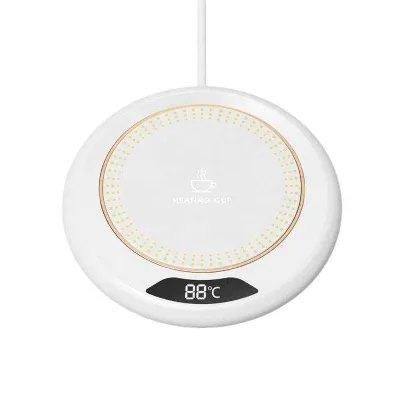
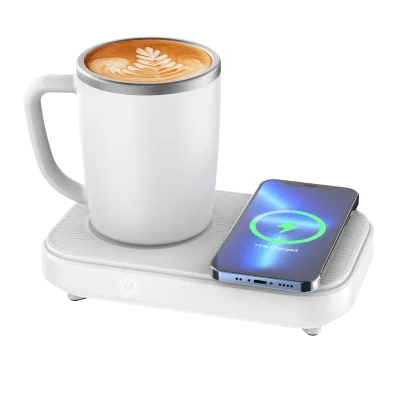
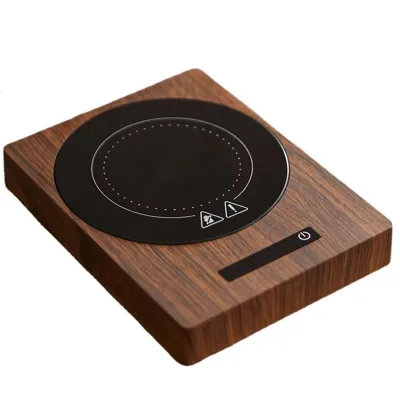


Comprehensive Sourcing Guide
Two-In-One Wireless Coffee Mug Warmer Supplier Concentration and Factory Types
The current supplier landscape for two-in-one wireless coffee mug warmers reveals a concentration of manufacturing and trading entities primarily located in China, with specific clusters identified in Zhejiang, Jiangsu, and Guangdong provinces. These regions host a mix of company types, ranging from pure trading companies to integrated manufacturers and factories capable of Original Design Manufacturing (ODM) services. Some suppliers in the results operate as both trading companies and manufacturers, offering a broader range of capabilities that can include medal production, coin manufacturing, and various promotional gifts alongside home appliances. This dual capability suggests that some facilities possess versatile production lines, though buyers must verify if the specific wireless warmer technology is a core competency or a secondary product line.
When assessing factory types, it is critical to distinguish between entities that solely trade products and those that control the production process. Evidence indicates that certain suppliers hold ODM capacity, which is a significant factor for buyers seeking custom branding or specific technical modifications to the wireless charging and heating elements. The presence of ISO 9001:2015 and ISO 14001:2015 certifications among some suppliers points to established quality management systems, while others may hold broader certifications like BSCI or OHSAS 18001, indicating a focus on social compliance and occupational health. Buyers should not assume all suppliers in these regions offer the same level of manufacturing depth; verifying the specific factory type against the product requirements is essential to ensure the supplier can meet technical specifications for voltage, power output, and wireless charging integration.
How to Verify Two-In-One Wireless Coffee Mug Warmer Suppliers
Verification of suppliers for two-in-one wireless coffee mug warmers requires a rigorous check of their stated credentials and operational capabilities against the provided evidence. Buyers should prioritize suppliers who display third-party verification badges, such as those from TÜV Rheinland, which serve as an external validation of the company's business legitimacy and operational stability. In addition to general business verification, specific attention must be paid to system certifications like ISO 9001, ISO 14001, and GMP, which indicate adherence to international standards for quality and environmental management. The presence of these certifications should be cross-referenced with the supplier's main product list to ensure that their expertise aligns with the complex electronics involved in wireless charging and temperature control units.
Beyond certifications, the response time and lead time data provide immediate insights into a supplier's operational efficiency and reliability. A supplier with a response time of approximately 3.56 hours demonstrates a high level of engagement and readiness to address technical queries, which is crucial for troubleshooting issues related to voltage compatibility or wireless charging protocols. Conversely, a response time exceeding 12 hours may indicate a less agile operation or a reliance on automated responses that could delay critical project timelines. Buyers must also verify the "is_verified" status and check for specific product attributes like customization availability, ensuring that the supplier can accommodate specific requirements for color, material, or branding before committing to an order.
What to Compare Across Two-In-One Wireless Coffee Mug Warmer Suppliers
Comparing suppliers for two-in-one wireless coffee mug warmers involves analyzing a diverse set of commercial and operational metrics, including minimum order quantities (MOQ), pricing structures, and production lead times. The data shows significant variation in MOQs, ranging from as low as 100 units to as high as 1,000 units, which directly impacts the feasibility of the order for different business scales. Pricing also fluctuates based on the specific model and features, with some units listed at approximately $2.36 while others with advanced wireless charging capabilities command prices between $10.60 and $13.28. Buyers must carefully evaluate whether the lower price point corresponds to a basic model or if the higher price reflects superior build quality, such as the use of tempered glass and ABS materials, which are critical for safety and durability in electric heating devices.
Lead times and response speeds are equally critical factors in the comparison process, as they dictate the speed of market entry and inventory management. Some suppliers offer a standard lead time of 23 to 30 days, while others provide more complex lead time structures that vary based on order volume, distinguishing between peak and off-peak seasons. For instance, a supplier might offer a seven-day lead time for orders under 500 units but require negotiation for larger quantities. Additionally, the availability of customization options, such as logo printing or specific color variations like dark black, should be weighed against the supplier's ability to maintain consistent quality. Buyers should also consider the supplier's main product portfolio; a company specializing in home appliances may offer better technical support than a general trading company dealing in diverse categories like pet supplies or garden tools.
Common Two-In-One Wireless Coffee Mug Warmer Sourcing Risks
One of the primary risks in sourcing two-in-one wireless coffee mug warmers is the potential mismatch between a supplier's claimed capabilities and their actual manufacturing expertise. Many suppliers in the results list a wide array of main products, including medals, coins, and promotional gifts, which may indicate that the wireless warmer is a secondary product rather than a core competency. This diversification can lead to inconsistencies in quality control, particularly regarding the integration of wireless charging coils with heating elements, which requires precise engineering. Buyers must verify that the supplier has specific experience with electronic home appliances and can provide evidence of successful production runs for similar smart drinkware products to mitigate the risk of receiving defective or non-compliant units.
Another significant risk involves the variability in product specifications and safety standards across different suppliers. The product evidence shows variations in voltage requirements, such as AC 110V~50Hz, and power outputs ranging from 20W to higher capacities, which may not be suitable for all target markets without modification. There is also a risk regarding the materials used, with some products specifying glass and plastic while others list ceramic or stainless steel, affecting the thermal performance and durability of the warmer. Furthermore, the lack of standardized packaging, with options ranging from color boxes to window boxes or OPP bags, can lead to confusion regarding shipping costs and product protection. Buyers must ensure that the supplier explicitly confirms compliance with the safety standards of the destination country, as the absence of specific certification details for the final product can result in customs delays or product recalls.
Two-In-One Wireless Coffee Mug Warmer Regional Sourcing and Logistics
Sourcing two-in-one wireless coffee mug warmers from China involves navigating logistics from specific manufacturing hubs in Zhejiang, Jiangsu, and Guangdong provinces. These regions are known for their robust supply chains and proximity to major ports, which facilitates efficient export operations. However, the specific location of the factory can influence shipping costs and lead times, as suppliers in different provinces may have varying relationships with logistics providers. Buyers should verify the exact origin of the product, as some listings specify Guangdong while others indicate Zhejiang or Jiangsu, and this distinction can impact the overall cost structure and delivery schedule. Understanding the regional logistics capabilities of the supplier is essential for planning inventory replenishment and managing stock levels effectively.
Logistics planning must also account for the specific packaging requirements of the product, which can vary significantly between suppliers. Evidence shows that some products are packed in color boxes, while others use window boxes, PVC boxes, or simple OPP bags, each with different dimensional and weight characteristics. These packaging differences directly affect the volume of cargo per container and the associated freight costs. For instance, a product with a single package size of 21x9x9 cm will yield a different container load compared to one with dimensions of 15x11.5x10 cm. Buyers need to calculate the total shipping volume based on the specific packaging details provided by the supplier to optimize container utilization and minimize freight expenses. Additionally, the weight of the product, such as 9.6 ounces or 140 grams, must be factored into the logistics calculation to ensure accurate cost estimation and compliance with shipping regulations.
Two-In-One Wireless Coffee Mug Warmer Commercial Terms and Order Planning
Commercial terms for two-in-one wireless coffee mug warmers vary widely, with minimum order quantities (MOQs) ranging from 20 pieces to 1,000 units, depending on the supplier's production capacity and business model. Some suppliers offer flexible MOQs as low as 100 units, which is beneficial for startups or businesses testing the market, while others require higher volumes to justify production runs. Pricing is also dynamic, with some models listed at a flat rate of $2.36, while others with advanced features like wireless charging and temperature control range from $7.67 to $13.28. Buyers must carefully review the price ranges and MOQs to ensure they align with their budget and sales projections, as the cost per unit can fluctuate based on order volume and customization requirements.
Order planning must also consider the customization options and lead times offered by the supplier. Many suppliers indicate that customization is available, including options for logo printing, color selection, and specific model numbers, which can add value to the final product. However, these customizations may extend the lead time, which can range from 7 days for small orders to 30 days or more for larger quantities. Buyers should negotiate clear timelines and confirm the production schedule before placing an order to avoid delays. Additionally, the availability of escrow services and payment terms should be verified to ensure financial security. Understanding the supplier's response time, which can vary from 3.56 hours to 15 hours, is also crucial for maintaining effective communication throughout the order process and resolving any issues that may arise during production or shipping.
FAQs
What is the price range for two-in-one wireless coffee mug warmers?
The price range for these devices typically spans from $10.60 to $13.28 per unit. This pricing reflects models that combine heating elements with wireless charging pads. Buyers should note that costs may vary based on order volume and specific customization requirements requested by the purchaser.
What is the minimum order quantity for these smart warmers?
Minimum order quantities vary significantly among suppliers. Some manufacturers require a minimum of 100 units, while others set the threshold at 300 pieces. Certain suppliers may accept orders as low as 20 units. Buyers must verify the specific MOQ with each supplier before finalizing their procurement strategy.
How long does production take for these coffee warmers?
Standard lead times generally range from 23 to 30 days. Some suppliers offer faster turnaround times during off-peak seasons, potentially delivering within seven days for smaller orders. Larger quantities exceeding 500 units may require negotiation for extended delivery schedules. Buyers should confirm current production capacity with the supplier.
Are these warmers customizable for branding purposes?
Customization is widely available for these devices. Suppliers offer options for custom logos, specific colors, and tailored packaging solutions. Many manufacturers accept OEM and ODM requests to meet unique brand requirements. Buyers should discuss their specific branding needs directly with the supplier to ensure feasibility and cost implications.
What certifications do these suppliers typically hold?
Many suppliers hold ISO 9001 and ISO 14001 certifications. Some also possess BSCI, OHSAS 18001, or GMP credentials. Verification services like TÜV Rheinland may also be available. Buyers should request current certification documents to ensure compliance with international quality and safety standards for their specific market requirements.
Where are these suppliers located?
Suppliers are primarily located in China, specifically in Zhejiang, Jiangsu, and Guangdong provinces. These regions are known for manufacturing home appliances and electronic accessories. Buyers can filter results by these locations to find suppliers with established supply chains and logistical advantages for international shipping and export operations.