Vintage Bluetooth Record Player Suppliers and Manufacturers
Explore 18 verified suppliers offering Vintage Bluetooth Record Player options with customizable features and certifications like CE and RoHS. Compare lead times, MOQs, and response rates to select the right factory for your needs today; review the available evidence before requesting comparable quotations from suitable candidates.
Updated
Suppliers List

Huizhou Dosound Electronics Co., Limited
- Verified by SGS
- Combined
- China Guangdong
- Lead time30 days
- Avg. response≤ 5h
Main productsVinyl Turntable Player, Cassette Player, Turntable Player, Vinyl Turntable, Record Player, Gramophone, CD Player, DAB Radio, Radio Cassette, Custom Vinyl Record
Main marketsEast Asia(Japan/ South Korea),Europe,North America

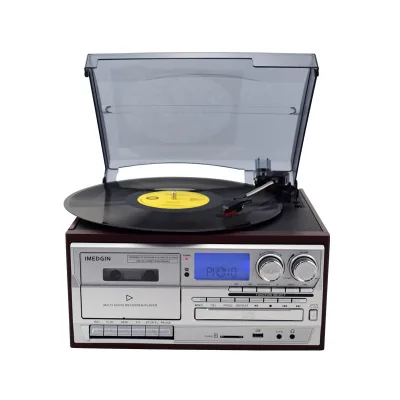
3 Speed Vinyl Record Player Vintage Turntable Bluetooth-Compatible CD&Cassette Player
$56.00 - $65.00
MOQ: 500 Pieces


Putian New HuaFeng Electronics Co.,Ltd
- Verified by SGS Group
- Manufacturer, Trading Company
- Lead time7 days
- Avg. response≤ 3h
Main productsDigital Clocks, Kitchen Thermometers, Thermometer Hygrometers, Kitchen Timers, Bluetooth Speakers
Main marketsAfrica(50%), Domestic Market(23%), North America(15%)

Huizhou Sotesin Technology Co., Ltd.
- Verified by SGS
- Combined
- China Guangdong
- Lead time15 days
- Avg. response≤ 7h
Main productsBar Code Scanner Cable, Audio Cable, Bar Code Scanner, Guitar Cable
Main marketsSouth America,Africa,Southeast Asia/ Mideast,East Asia(Japan/ South Korea),Europe,Australia,North America


Bluetooth DAB Radio Turntable Player Built-in Battery AC Power Retro Vinyl Record Player
$40.55 - $41.55
MOQ: 1000 Pieces

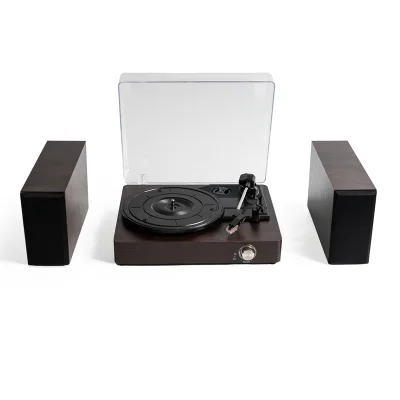
Two-Channel Stereo OEM Wooden USB Bluetooth Record Player Speaker Vintage Vinyl Turntable Player
$24.00 - $25.50
MOQ: 300 Pieces

Retro Bluetooth Gramophone HiFi Music Player Vinyl Lp Record Turntable Player
$24.90 - $27.95
MOQ: 1000 Pieces

Huizhou Ruiya Technology Co., Ltd.
- Verified by BV
- Trading Company,Manufacturer/Factory
- China Guangdong
- Lead time30 days
- Avg. response≤ 13h
Main productsRecord Player, Gramophone, Phonograph, Vinyl Player, Multi Turntable Vinyl Player, Victrola, Phonogram, Turntable CD Record Player, Turntable Player, USB Player
Main marketsEastern Europe,North America,Southeast Asia,Oceania,Western Europe

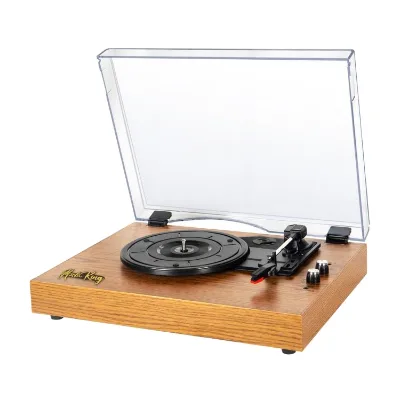
Classic Wooden Music Player Gramophone Retro Style Bluetooth Vinyl Lp Record Player
$30.80 - $32.80
MOQ: 100 Pieces

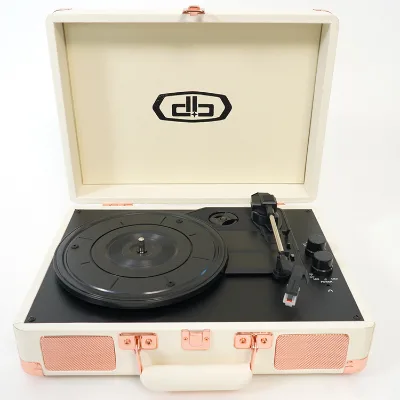
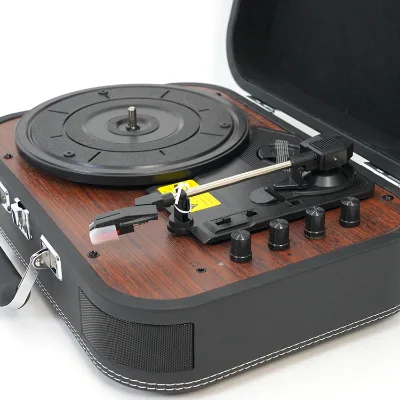
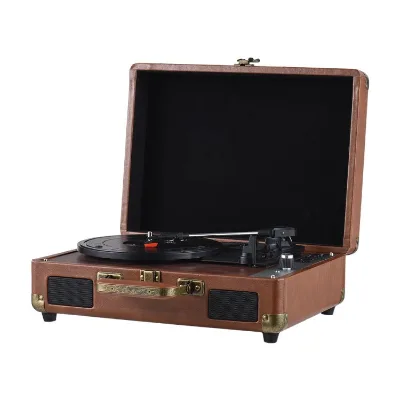
Classic Retro Leather Suitcase-Style Bluetooth Speaker and Record Player Vinyl Turntable Player
$30.68 - $32.90
MOQ: 30 Pieces


Custom Vinyl Disc Record Player Portable Bluetooth Speaker Vinyl Turntable Record Player
$26.73 - $28.80
MOQ: 200 Pieces

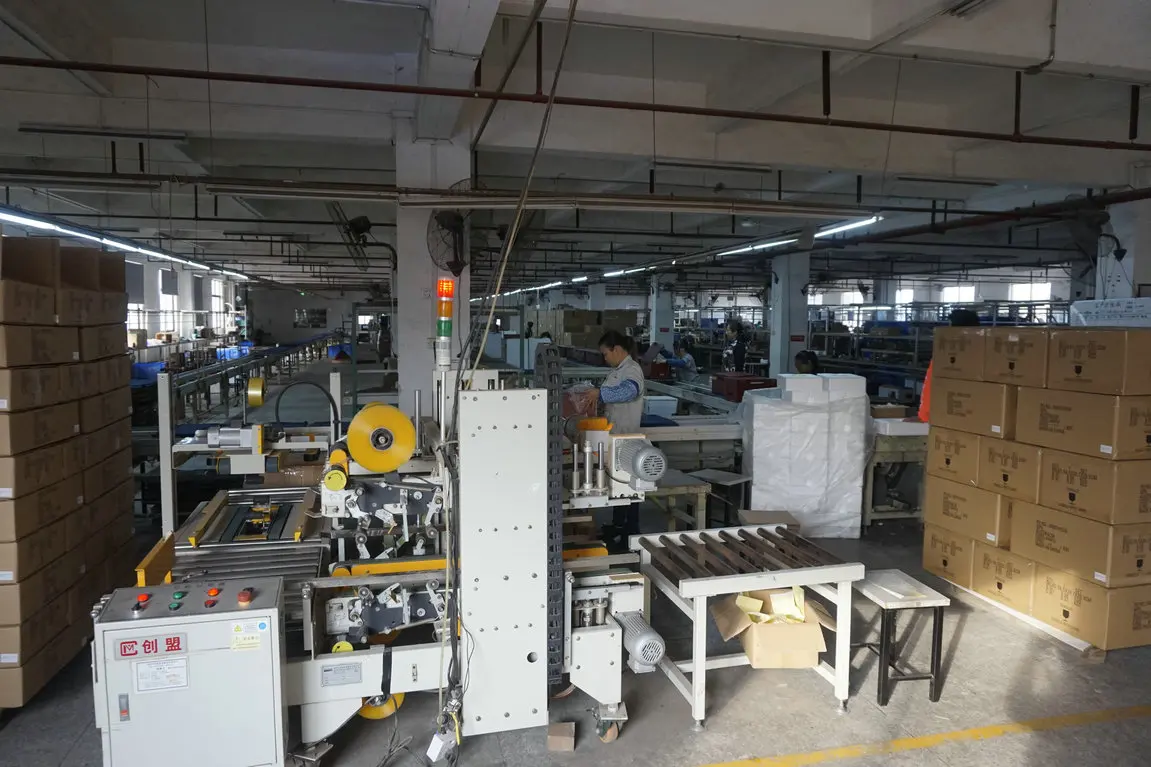
Shenzhen Heshunyuan Industrial Co., Ltd.
- Manufacturer
- Guangdong, China
- Lead time40 days
- Avg. response≤ 15h
Main productsTurntable Record Player,Gramophone,DAB Radio,AM/FM Radio,Bluetooth Speaker
Main marketsWestern Europe(30.00%), North America(30.00%), Northern Europe(10.00%), Mid East(10.00%), Domestic Market(5.00%), Africa(5.00%), South America(5.00%), Eastern Europe(5.00%)
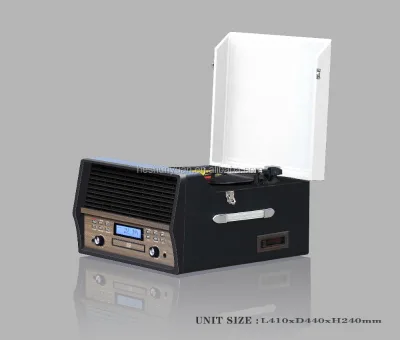
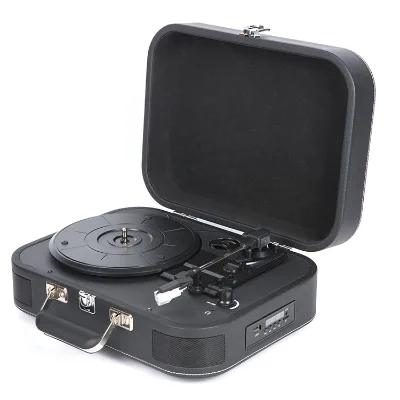
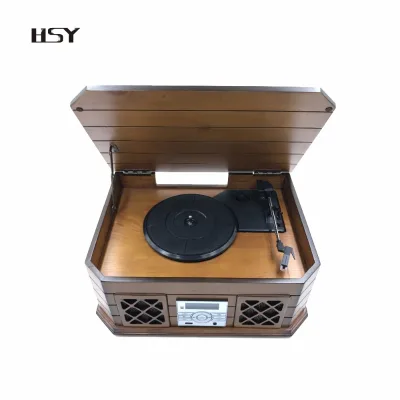
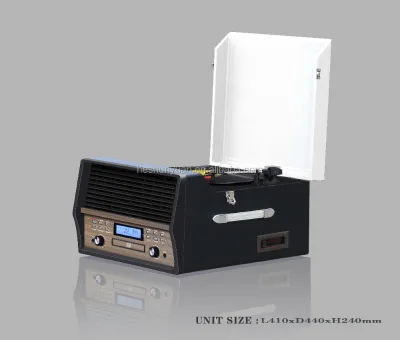
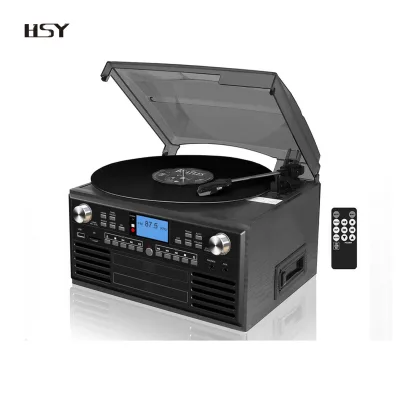
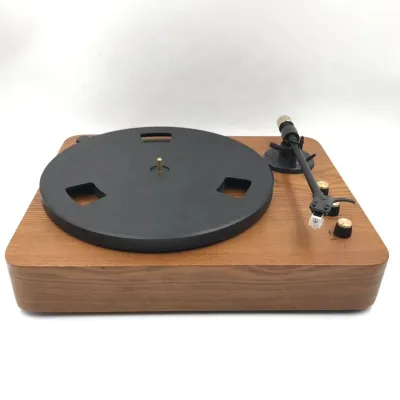
Vintage Design Vinyl Turntable Plattenspieler, Record Player with at Cartridge
$67.8616 - $71.9741
MOQ: 1 Minimum
Sichuan Shenmai Technology Co., Ltd.
- Trading Company
- Sichuan, China
- Lead time5 days
- Avg. response≤ 8h
Main productsTranslation And Recording Equipment,Printer,Computer Accessories,Tablet PC,VR Device
Main marketsSouth Asia(100.00%), Central America(100.00%), Oceania(100.00%), Domestic Market(80.00%), Southeast Asia(2.00%), Eastern Europe(2.00%), Southern Europe(2.00%), Northern Europe(2.00%), South America(2.00%), Western Europe(2.00%), Eastern Asia(2.00%), Mid East(2.00%), North America(2.00%), Africa(2.00%)

$20.2274 - $25.6699
MOQ: 5 sets
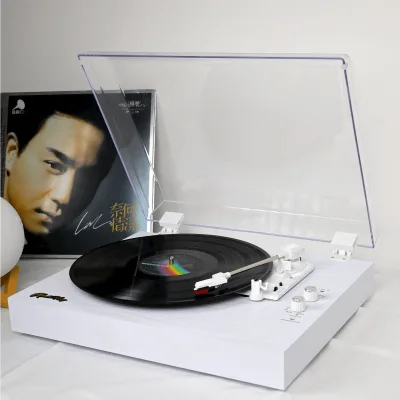
$32.4826 - $60.4549
MOQ: 1 sets
Shenzhen Jiayinking Technology Holding Company Limited
- Manufacturer, Trading Company
- Guangdong, China
- Lead time30 days
- Avg. response≤ 19h
Main productswalkman,turnable player
Main marketsSouth America(20.00%), North America(20.00%), Western Europe(15.00%), Northern Europe(10.00%), Eastern Europe(10.00%), Southern Europe(8.00%), Oceania(5.00%), Central America(5.00%), Africa(2.00%), Eastern Asia(2.00%), Mid East(2.00%), Southeast Asia(1.00%)
Guangdong Leetac Electronics Technology Co., Ltd.
- Verified by SGS Group
- Manufacturer, Trading Company
- Guangdong, China
- Lead time60 days
- Avg. response≤ 8h
Main productsRecord Player, Vintage Music Center, Jukebox, Radios, Bluetooth Speakers
Main marketsNorth America(40%), South America(10%), Eastern Europe(8%)
Shenzhen Jusicheng Technology Co., Ltd.
- Manufacturer, Trading Company, Distributor/Wholesaler
- Guangdong, China
- Lead time7 days
- Avg. response≤ 5h
Main productsStarlink Mounts,Starlink Cables,Doorbell Mounts,Speaker stands
Main marketsNorth America(30.00%), Western Europe(15.00%), Domestic Market(12.00%), Southern Europe(10.00%), Northern Europe(10.00%), South America(5.00%), Mid East(5.00%), Eastern Europe(5.00%), Oceania(3.00%), Southeast Asia(3.00%), Africa(2.00%)
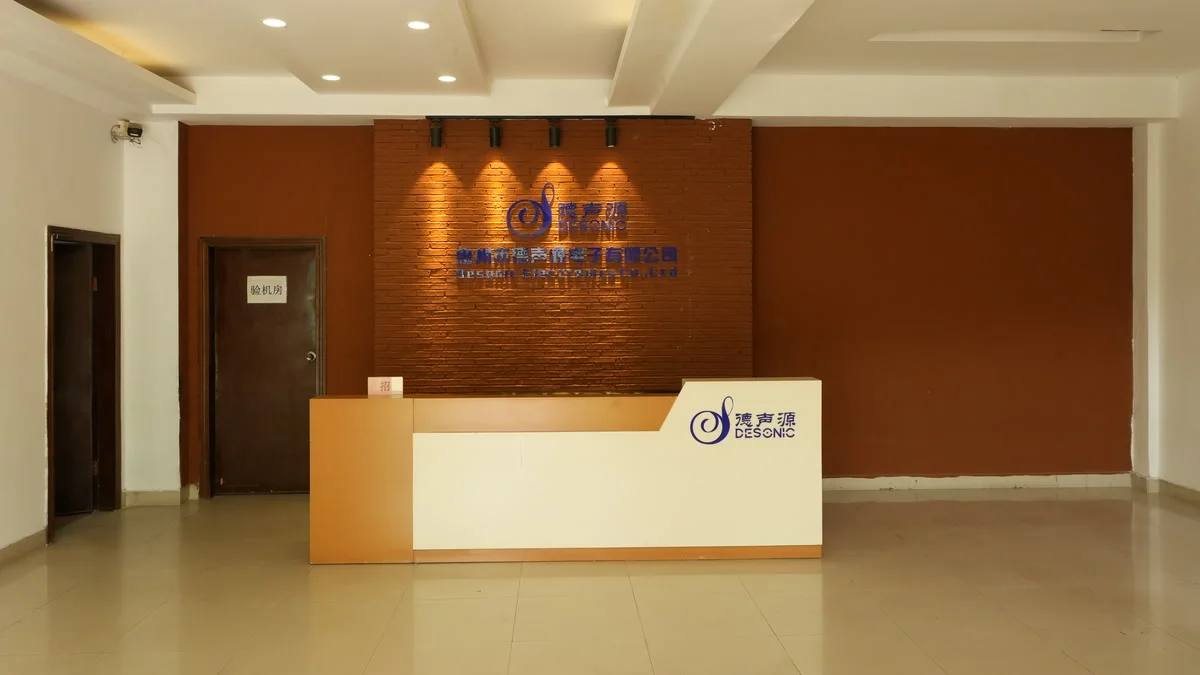
Huizhou Desonic Electronics Co., Ltd.
- Manufacturer, Trading Company
- Guangdong, China
- Lead time28 days
- Avg. response≤ 3h
Main productsturntable player,Gramophone,Radio,bluetooth speaker,record player
Main marketsNorth America(27.00%), Eastern Asia(18.00%), Mid East(15.00%), Eastern Europe(13.00%), Western Europe(11.00%), Southern Europe(5.00%), Oceania(5.00%), South America(3.00%), Northern Europe(1.30%), Southeast Asia(0.50%), Africa(0.50%), South Asia(0.50%), Central America(0.20%)
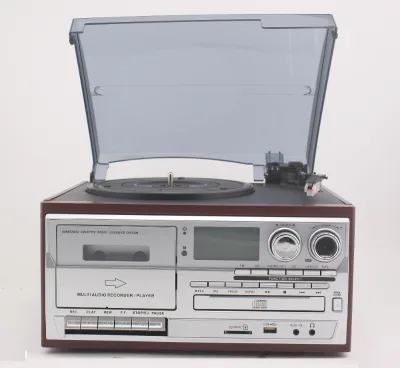
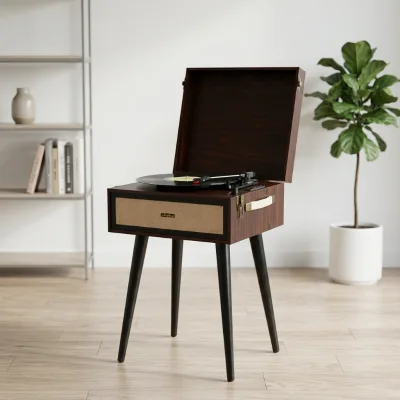
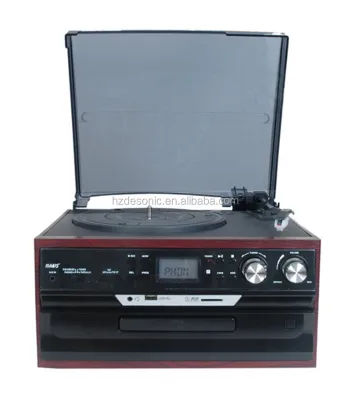
Classic Vintage Vinyl Records Player Multiple cd Player With Built in Speakers
$46.1097 - $56.3573
MOQ: 300 Minimum
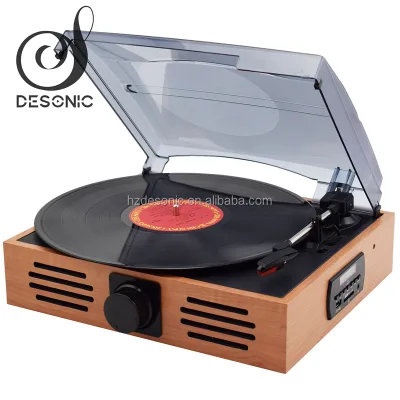
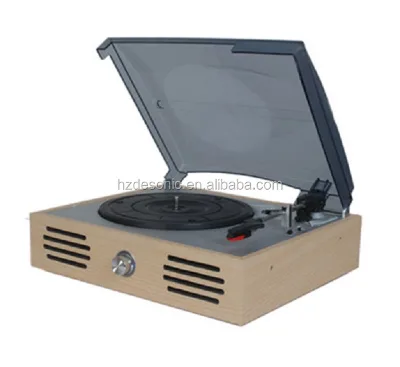
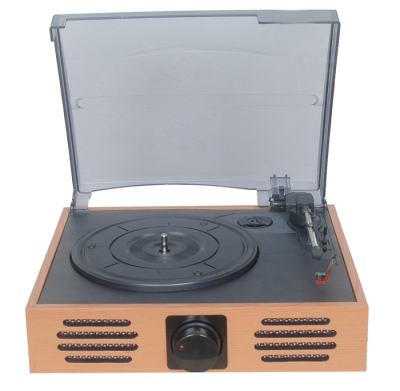
Wooden Retro Vinyl Record Player Turntable Phonograph & 3 Speed Lp Player
$15.3699 - $25.6175
MOQ: 1 Minimum
Shenzhen Smile Technology Co., Ltd.
- Manufacturer, Trading Company, Distributor/Wholesaler
- Lead time旺季: "1 - 500":30,"501 - 1000":40,"> 1000":"To be negotiated", 淡季: "1 - 500":30,"501 - 1000":40,"> 1000":"To be negotiated"
- Avg. response≤ 3h
Main productsCameraPhoto&Accessories,Chargers Batteries&Power Supplies,Commonly Used Accessories&Parts,Computer Hardware&Software,Earphone&Headphone&Accessories
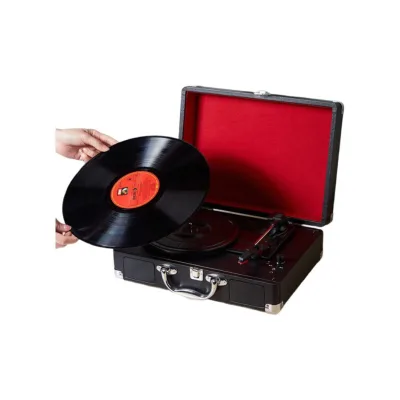
$22.65 - $26.76
MOQ: 10 pieces
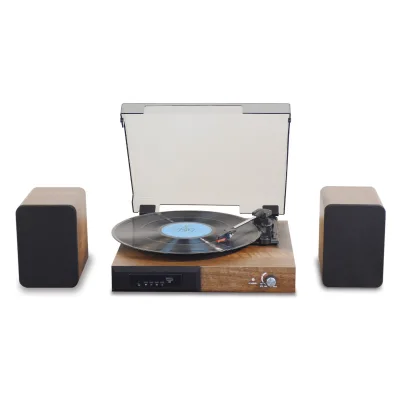
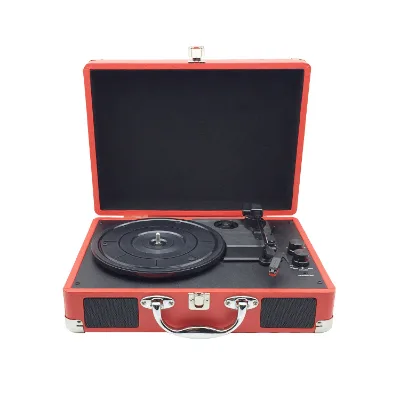
$26.7365 - $31.5327
MOQ: 5 pieces
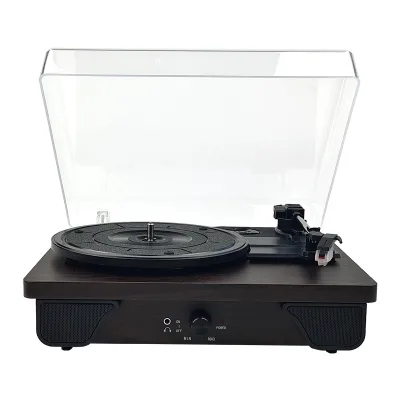
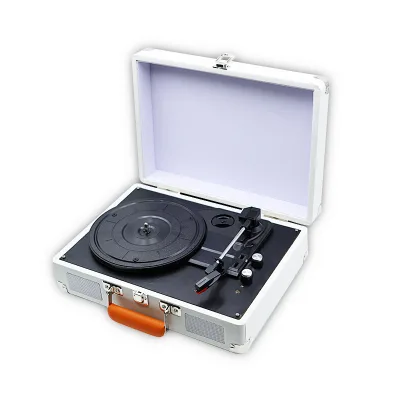

Huizhou Shangmeijia Electronic Technology Co., Ltd.
- Manufacturer, Trading Company
- Guangdong, China
- Lead time30 days
- Avg. response≤ 7h
Main productsTurntables Player, Bluetooth Speaker, Cassette Radio, CD Player, Digital Radio
Main marketsNorth America(25.00%), Eastern Europe(23.00%), Domestic Market(15.00%), Western Europe(8.00%), Eastern Asia(8.00%), Southeast Asia(8.00%), Northern Europe(5.00%), Mid East(3.00%), South America(2.00%), Southern Europe(2.00%), South Asia(1.00%)
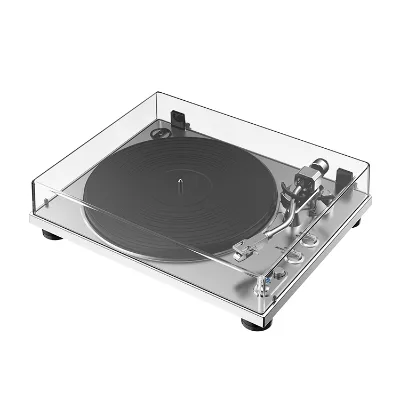
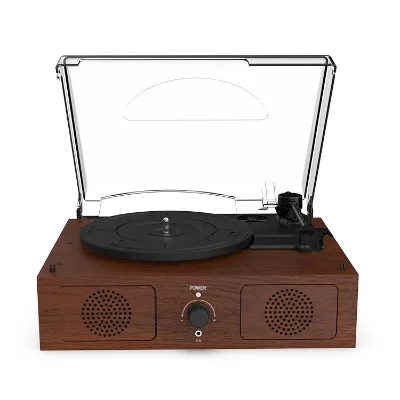
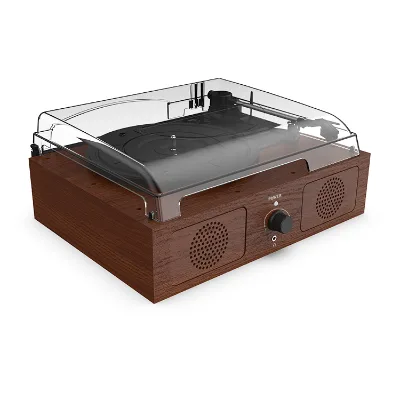
Three Speed Antique Gramophone Blue-Tooth Vinyl Record Player Wireless Record Vintage Turntable
$31.787 - $35.8875
MOQ: 1 sets
Shenzhen Qianbao Technology Co., Ltd.
- Trading Company
- Guangzhou, China
- Lead time7 days
- Avg. response≤ 9h
Main productsGraphic card,CPU,Motherboard,Cooling plate,Fans
Main marketsNorth America(20.00%), Northern Europe(10.00%), Domestic Market(10.00%), Eastern Europe(10.00%), Mid East(10.00%), Western Europe(8.00%), Southern Europe(8.00%), Southeast Asia(5.00%), South America(5.00%), Eastern Asia(5.00%), Central America(3.00%), Africa(2.00%), South Asia(2.00%), Oceania(2.00%)
Audventure Electronic Co., Ltd.
- Manufacturer, Trading Company
- Guangdong, China
- Lead time30 days
- Avg. response≤ 5h
Main productsVinyl Record Player,record player preamp,Turntable Accessories,Vinyl Record Care Products,VU meter
Main marketsEastern Europe(30.00%), North America(30.00%), Domestic Market(25.00%), South America(10.00%), Western Europe(5.00%)
Shenzhen Strong Boto Technology Co.,ltd.
- Manufacturer
- Guangdong, China
- Lead time10 days
- Avg. response≤ 2h
Main productsGramophone,Speaker,Phonegraph,Classic Speaker
Main marketsSouth America(30.00%), Southeast Asia(20.00%), North America(20.00%), Central America(10.00%), Southern Europe(5.00%), Eastern Europe(4.00%), Mid East(3.00%), Western Europe(3.00%), South Asia(3.00%), Eastern Asia(1.00%), Africa(1.00%)
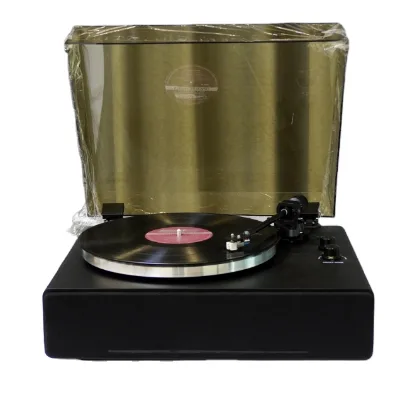
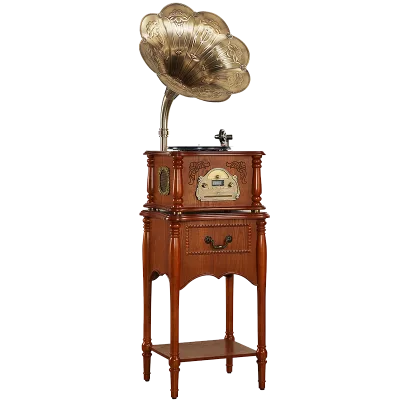
Anodized Aluminum LP Vinyl Record Player
$76.00 - $85.00
Alwaysfaith International Trade Co., Ltd. (huizhou)
- Verified by Intertek
- Trading Company
- Lead time0 days
- Avg. response≤ 5h
Main productsUkulele, Electric Guitar, Acoustic Guitar
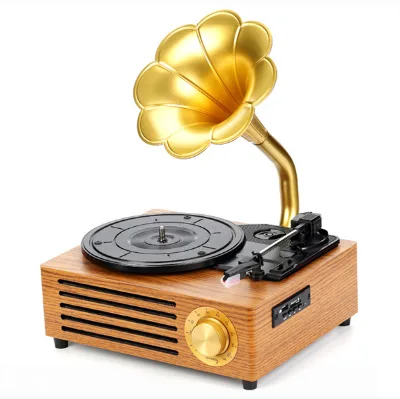
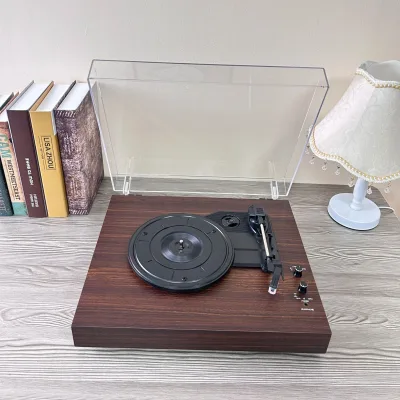
$37.3746 - $48.795
MOQ: 1 pieces
Shenzhen Casdony Technology Co., Ltd.
- Manufacturer, Trading Company
- Lead time旺季: "1 - 100":10,"> 100":"To be negotiated", 淡季: "1 - 100":10,"> 100":"To be negotiated"
- Avg. response≤ 13h
Main productsguitar accessory,music toy,drum accessory,music effect,woodwind

Dongguan AST Industry Co., Ltd.
- Verified by TUVRHEINLAND
- Manufacturer/Factory
- China Guangdong
- Lead time23 days
- Avg. response≤ 14h
Main productsSound Module, Voice Recorder, Video Brochure, Sound Chip, LED Flashing Module for POS, Musical Greeting Cards, Video Module, Musical Bottle Opener, Musical Postcards, DC Motor for Pop Dispay
Main marketsSouth America,Eastern Europe,Mid East,North America,Southeast Asia,Eastern Asia,Oceania,Western Europe,Africa


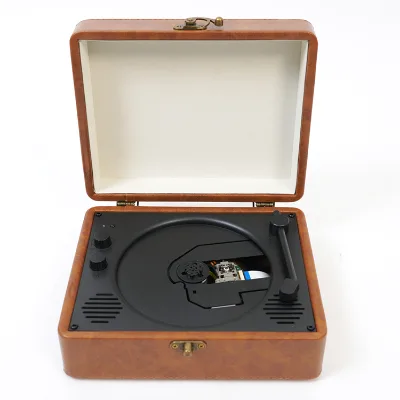
Bluetooth Turntable Electronic Core Accessories Vintage CD Record Players/Phonographs
Negotiable
MOQ: 2000 Pieces
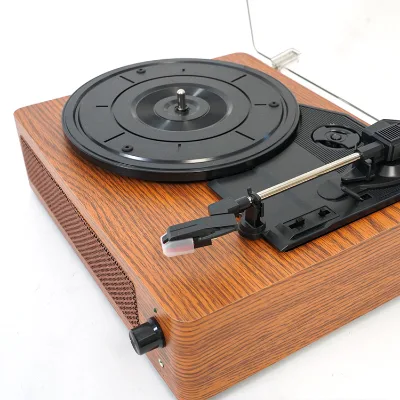
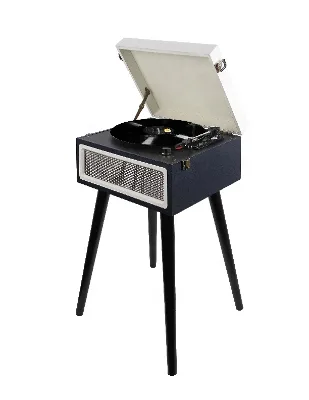
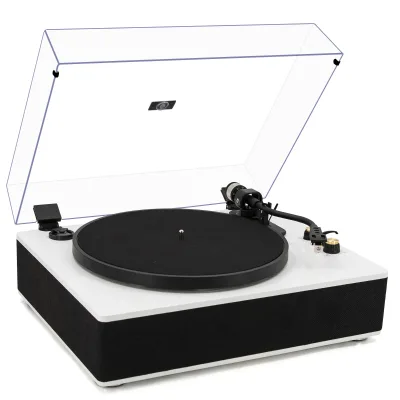
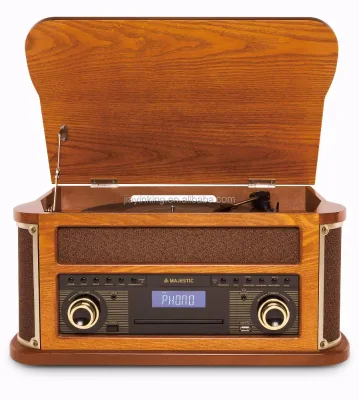
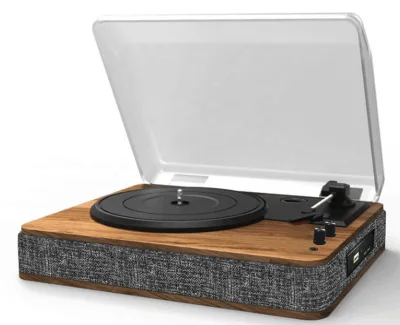
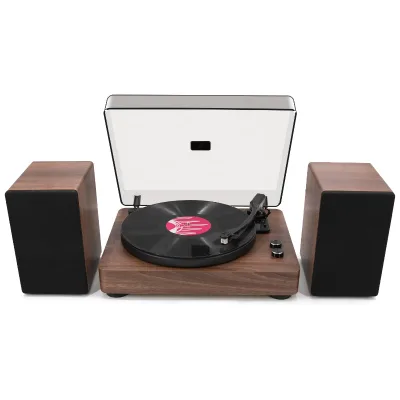
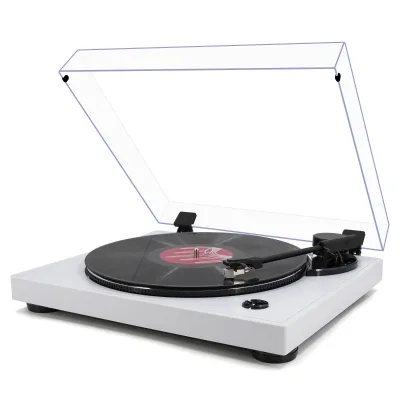
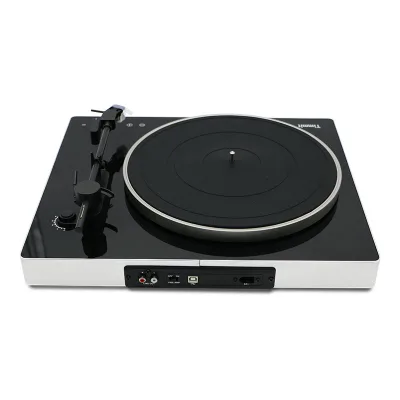
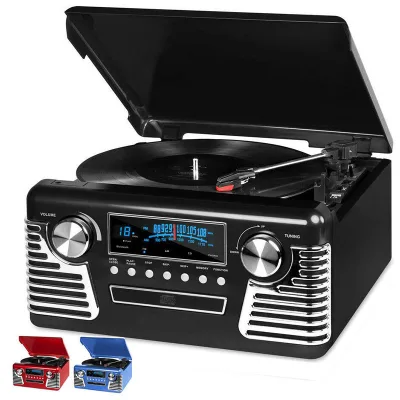
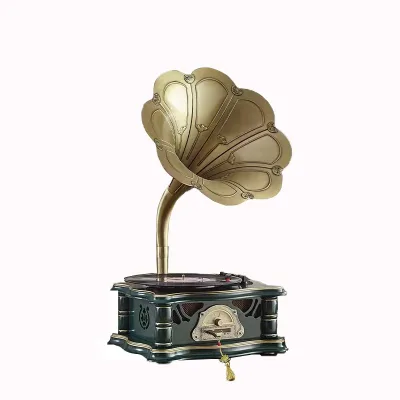
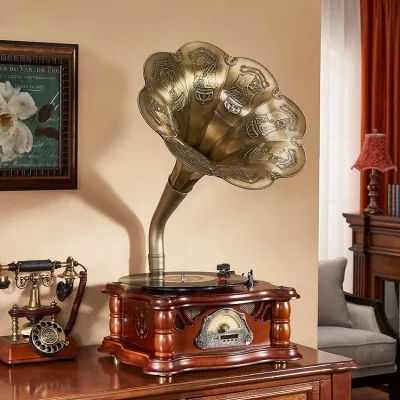
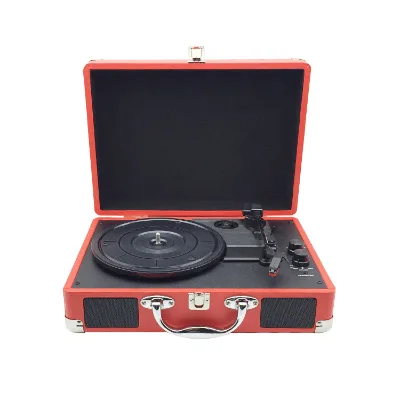
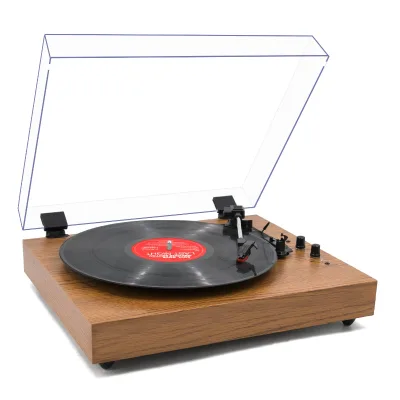
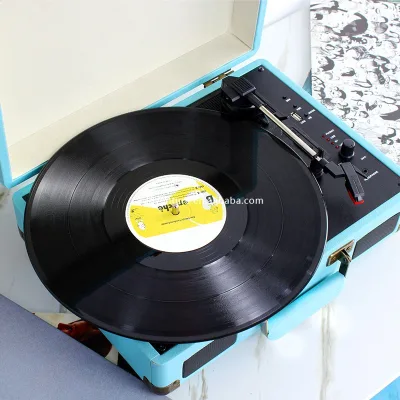
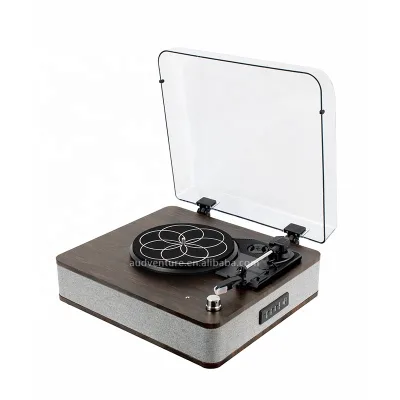
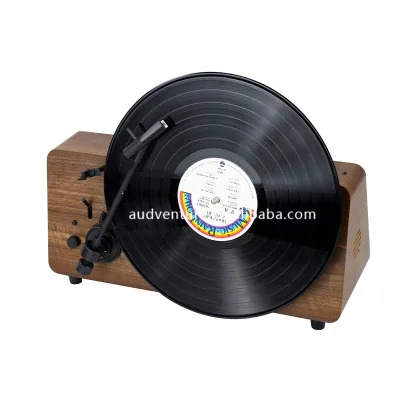
Comprehensive Sourcing Guide
Vintage Bluetooth Record Player Supplier Concentration and Factory Types
Current supplier data indicates a concentration of manufacturing activity in the Guangdong province of China, where specific product origins are explicitly listed as Guangdong, China. This region hosts a mix of combined company types that function as both manufacturers and trading companies, offering a blend of direct production capabilities and supply chain management services. The observed supplier profiles include entities with ODM and OEM capacities, suggesting that buyers can find partners capable of customizing product models like the DS-168 or TR-17CD to specific brand requirements. These facilities often produce a diverse range of audio equipment, including vinyl turntables, cassette players, and CD players, allowing for consolidated sourcing of retro-styled audio components.
In contrast to the confirmed Guangdong cluster, other product origins such as Fujian, China appear in specific product listings, indicating that sourcing may extend beyond a single manufacturing hub. Buyers should verify the specific factory location for each product model rather than assuming all vintage record players originate from the same industrial zone. The presence of both manufacturer and trading company types means that some suppliers may offer sample processing and graphic customization directly, while others might facilitate these services through partner networks. Understanding this distinction is critical when evaluating whether a supplier can handle complex customization requests or if they primarily act as an intermediary for goods produced elsewhere.
How to Verify Vintage Bluetooth Record Player Suppliers
Verification processes for Vintage Bluetooth Record Player suppliers often involve checking for third-party audit reports, such as those provided by SGS Group, which appear in the current supplier data. A verified status from a recognized body like SGS provides a baseline level of confidence regarding the supplier's business legitimacy and operational stability. Buyers should prioritize suppliers displaying this verification badge, as it serves as an external validation of their company structure and compliance history. However, verification status alone does not guarantee product quality, so it must be combined with a review of specific product certifications like CE, LVD, EMC, and RoHS, which are explicitly listed for certain models in the search results.
Beyond corporate verification, buyers must scrutinize the specific product certifications attached to individual items to ensure they meet target market safety standards. The data shows that some units carry CE LVD EMC RoHS certifications, while others list CE, FCC, and RoHS, indicating varying levels of compliance depending on the specific model and intended export region. It is essential to request current certification documents for the exact model number being ordered, as these documents may not be transferable between different product lines. Additionally, buyers should confirm the supplier's response time, which is recorded as 4.04 hours for some entities and 3 hours for others, to ensure they can communicate effectively regarding technical specifications and quality control issues before placing an order.
What to Compare Across Vintage Bluetooth Record Player Suppliers
When comparing suppliers, lead time is a critical differentiator that directly impacts inventory planning and market responsiveness. The observed data reveals a significant variance in production schedules, with some suppliers listing a lead time of 30 days while others offer a much faster turnaround of 7 days. This discrepancy suggests that suppliers may have different production capacities or inventory strategies, ranging from made-to-order manufacturing to holding stock of standard models. Buyers must align their order timelines with these specific lead times to avoid stockouts or delays, especially when dealing with seasonal demand for retro audio equipment.
Minimum Order Quantity (MOQ) requirements also vary widely across the supplier pool, influencing the feasibility of small-batch testing or large-scale distribution. Current facts show MOQs ranging from as low as 6 pieces for specific vintage phonograph models to 500 units for certain turntable players. This wide range allows buyers to select partners based on their capital constraints and risk tolerance, though lower MOQs often come with higher per-unit costs. Additionally, suppliers differ in their customization capabilities, with some explicitly stating that customization is available for models like the DS-168, while others focus on standard OEM branding. Evaluating these dimensions together helps buyers identify the most suitable partner for their specific business scale and product strategy.
Common Vintage Bluetooth Record Player Sourcing Risks
One significant risk in sourcing vintage Bluetooth record players involves the inconsistency of product specifications and material quality across different suppliers. The data indicates that materials can range from MDF and PVC to wooden veneer skins or ABS plastic, which directly affects the durability and aesthetic appeal of the final product. Without rigorous pre-shipment inspections, buyers may receive units that do not match the visual or functional expectations set by the product images or descriptions. It is crucial to verify the exact material composition and construction standards for each order, as the "vintage" aesthetic often relies on specific finishes that can be difficult to replicate consistently without strict quality control measures.
Another risk pertains to the reliability of shipping and packaging standards, which can vary significantly between suppliers. Some product listings specify "Carton" packing, while others indicate "Sea" packing or "by Sea" methods, implying different levels of protection during transit. Inconsistent packaging can lead to damage during long-distance shipping, particularly for fragile components like turntable platters and tonearms. Buyers should explicitly confirm the packaging details for their specific order to ensure that the goods are protected against moisture and impact. Furthermore, the lack of standardized response times across the supplier base means that communication delays could exacerbate issues related to defects or shipping errors, making it vital to establish clear communication protocols early in the engagement.
Vintage Bluetooth Record Player Regional Sourcing and Logistics
The primary sourcing region identified in the current data is Guangdong, China, which serves as a major hub for consumer electronics and audio equipment manufacturing. This concentration offers logistical advantages due to established supply chains and proximity to major shipping ports, potentially reducing freight costs and transit times for international buyers. However, the presence of products originating from Fujian, China indicates that buyers may need to coordinate logistics across multiple regions if they choose to source from different suppliers. Understanding the specific origin of each product is essential for calculating accurate shipping costs and estimating delivery timelines, as logistics networks and port availability can differ between these coastal provinces.
Logistics planning must also account for the varying product dimensions and weights listed in the supplier data, which affect container loading efficiency and freight charges. For instance, some models have standard dimensions like 340500250mm, while others are larger, such as 73X58X45 cm for single packages, which can significantly impact the number of units per container. Buyers should request detailed packing lists and dimensional data before finalizing orders to optimize container utilization and minimize shipping expenses. Additionally, the response times of suppliers, ranging from 3 to 4.04 hours, can influence how quickly logistics issues are resolved, making it important to select partners with reliable communication channels to handle any unexpected shipping delays or customs complications.
Vintage Bluetooth Record Player Commercial Terms and Order Planning
Commercial terms for vintage Bluetooth record players often include specific pricing structures that vary based on order volume and customization requirements. The observed price ranges span from approximately $17 to $65 per unit, reflecting differences in material quality, feature sets, and production complexity. Buyers should carefully analyze these price points against their target margins, noting that lower MOQs often correlate with higher unit costs, while larger orders may unlock more competitive pricing tiers. It is also important to verify whether the quoted prices include packaging costs, as some listings specify "Carton" packing while others mention "Sea" packing, which can affect the final landed cost of the goods.
Order planning must also consider the customization options available, such as OEM branding and private mold capabilities, which can extend lead times and require additional upfront investment. Some suppliers offer private mold services, while others explicitly state "NO" for private molds, limiting the ability to create unique product designs. Buyers should clarify these constraints early in the negotiation process to avoid delays in product development. Furthermore, the availability of certifications like CE, FCC, and RoHS should be confirmed for the specific batch being ordered, as these documents are often required for customs clearance and market entry. Ensuring that all commercial terms, including payment conditions and warranty policies, are clearly defined in the contract will help mitigate risks and ensure a smooth transaction process.
FAQs
What is the price range for vintage Bluetooth record players?
Prices typically range from $17 to $65 per unit depending on features and materials. Basic models with plastic panels start around $17, while premium units with wooden veneer and multiple playback options cost up to $65. Buyers should check specific product listings for exact pricing tiers based on customization needs.
What are the minimum order quantities for these players?
MOQs vary significantly by supplier and product type. Some manufacturers require as few as 6 pieces for vintage phonograph styles, while others set minimums at 300 or 500 units for standard turntable models. Buyers must verify the specific MOQ for each product model before placing orders to ensure alignment with inventory goals.
How long does production and shipping take?
Lead times generally range from 7 to 30 days depending on the supplier and order volume. Some manufacturers offer faster turnaround times of one week for sample processing or smaller batches, while standard production runs may take up to a month. Buyers should confirm specific delivery schedules with suppliers before finalizing contracts.
Are these record players customizable for branding?
Yes, customization is widely available across many suppliers. Options include OEM branding, custom colors, and private mold development for specific designs. Manufacturers often support graphic processing and customized requirements on demand. Buyers seeking unique branding should discuss specific customization capabilities and associated costs directly with the supplier during the inquiry phase.
What certifications do these audio devices have?
Common certifications include CE, LVD, EMC, RoHS, and FCC for various models. Some suppliers also hold SGS verification and Declaration of Conformity for their systems. Buyers should request valid certification documents for specific product models to ensure compliance with regional safety and electromagnetic compatibility standards before importing goods.
Where are these vintage record players manufactured?
Most suppliers are located in Guangdong or Fujian provinces in China. These regions are known for consumer electronics manufacturing with established supply chains for audio equipment. Buyers can verify specific factory locations and production capabilities during supplier evaluations to ensure quality control and logistical efficiency for international shipping arrangements.