VR Racing Car Simulator with DP E3 Headset Suppliers and Manufacturers
Source VR Racing Car Simulator with DP E3 Headset from 25 verified suppliers. Compare ISO 9001 certified manufacturers offering 7-day lead times and CE standards. Review pricing and customization options to find the right partner; review the available evidence before requesting comparable quotations from suitable candidates.
Updated
Suppliers List
Guangzhou Longcheng Electronic Co., Ltd.
- Verified by Intertek
- Manufacturer, Trading Company
- Lead time7 days
- Avg. response≤ 3h
Main productsVR Theme Park, VR Simulator, VR Game Machine, VR Arena, VR Space
Main marketsDomestic Market(26%), North America(25%), Mid East(6%)
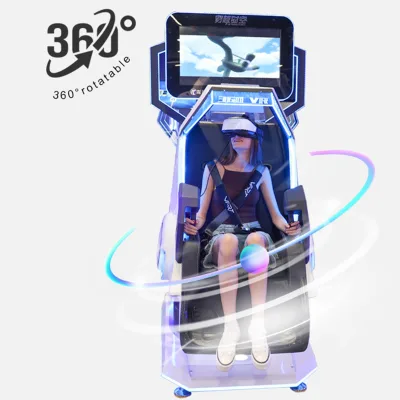
Thrilling Game Experience Virtual Reality Game Car VR Racing Simulator
$7900.00 - $9500.00
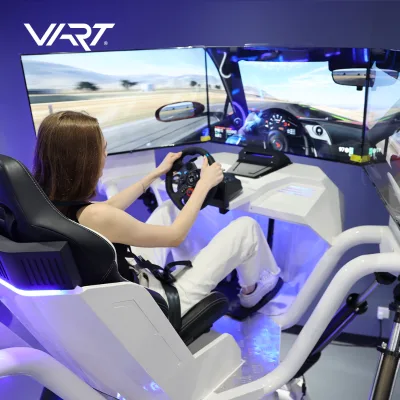
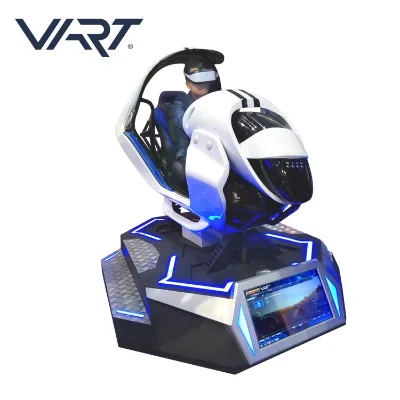
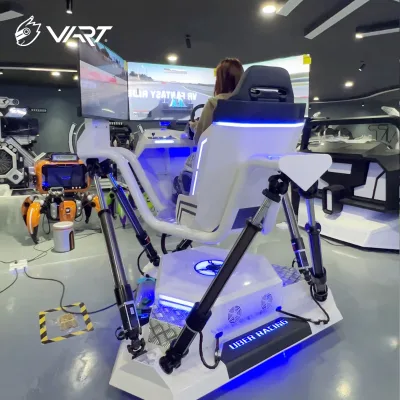
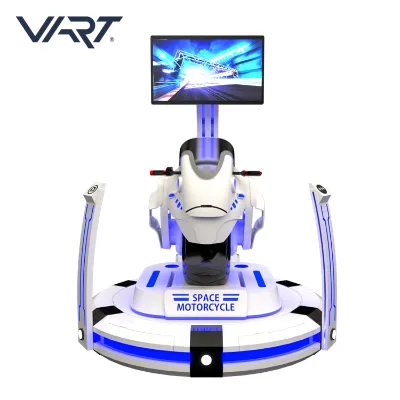
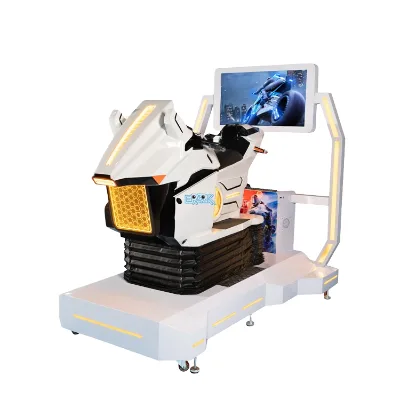
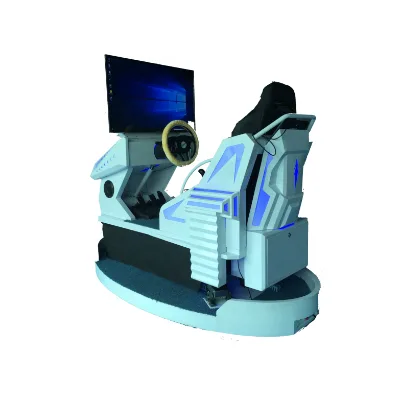
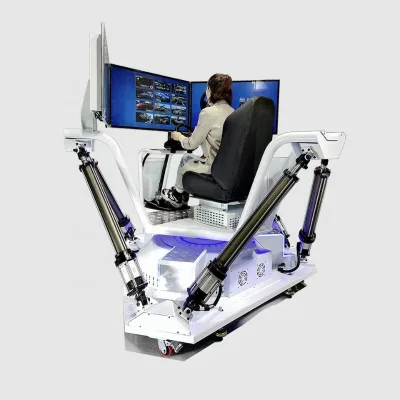
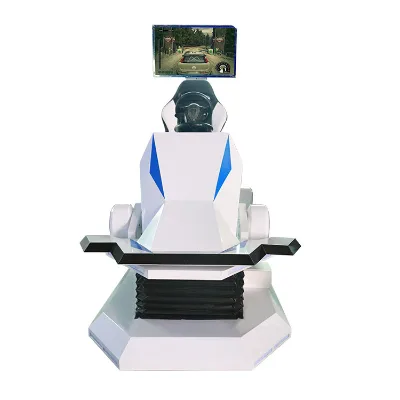
Multiplayer Car Vr Driving Simulator , White Motorcycle Racing Simulator for Game Zone
$7399.00 - $7999.00
MOQ: 1

Guangzhou Longcheng Electronics Co., Ltd.
- Verified by SGS
- Combined
- China Guangdong
- Lead time15 days
- Avg. response≤ 4h
Main products9d Vr Theme Park, 360 Vr Chair, Vr UFO Simulator, Vr Shooting Simulator, 9d Vr Egg, Vr Motorcycle, Racing Simulator, Vr Flying Simulator, Vr Dancing, Vr Walker
Main marketsSoutheast Asia/ Mideast,Europe,North America
Guangzhou Ifun Park Technology Co., Ltd.
- Manufacturer, Trading Company
- Guangdong, China
- Lead time15 days
- Avg. response≤ 7h
Main productsArcade Game Machine, Soft Playground, VR Machine, Trampoline Park Equipment
Main marketsSouthern Europe(17.00%), South America(15.00%), Africa(15.00%), South Asia(13.00%), Central America(8.00%), Eastern Asia(7.00%), North America(5.00%), Northern Europe(5.00%), Eastern Europe(5.00%), Oceania(4.00%), Mid East(3.00%), Southeast Asia(2.00%), Western Europe(1.00%)
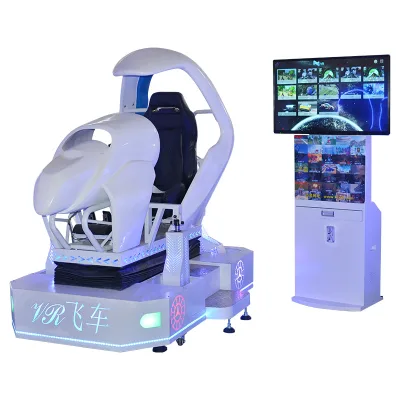
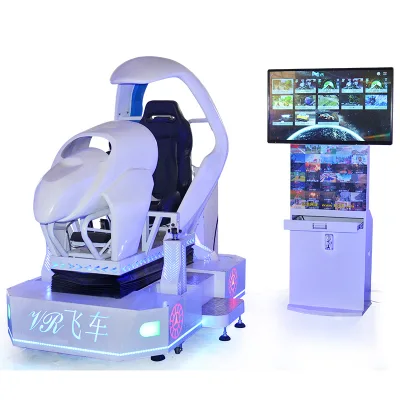
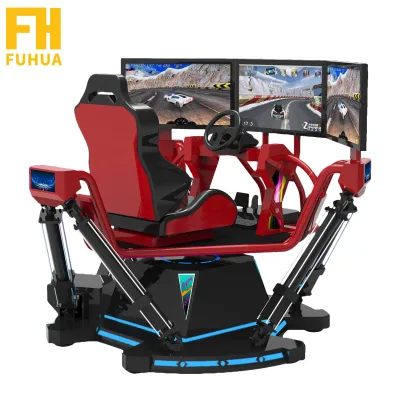
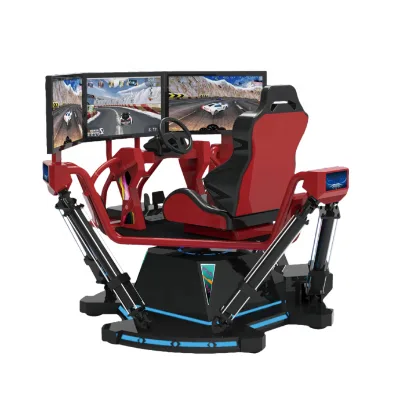
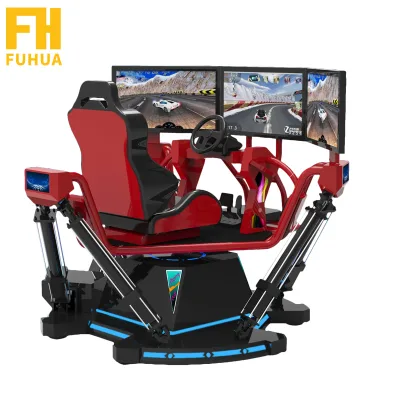
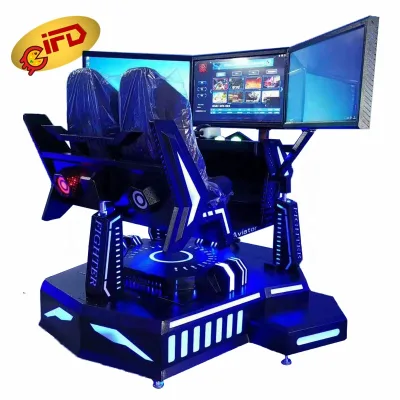
360 Degree VR Car Racing Simulator 3 Screen 6 DOF Driving Car Game Machine
$7500.00 - $8300.00
MOQ: 1 pieces

- Verified by TUVRHEINLAND
- Combined
- China Guangdong
- Lead time30 days
- Avg. response≤ 2h
Main productsVr Game Simulator, Naked-Eye 3D Flying Cinema, Vr Simulator, Dome Flying Cinema, Vr Equipment/Machine, Cinema/ Theater Equipment, Vr Game Machine, 5D/12D Theater System, Arcade Game Machine, 5D/7D/9d/12D Cinema
Main marketsOthers(foreignTradeCapacity.exportBusinessCapacityMarketOther),Europe,North America


Indoor Playground Equipment Virtual Reality 9d Vr Driving Racing Kart Simulator
$8900.00 - $9700.00
MOQ: 1 Pieces

Indoor Commercial Amusement Vr Game Vr Car Driving Games Racing Simulator
$9700.00 - $10800.00
MOQ: 1 Pieces

Guangzhou Movie Power Technology Co., Ltd
- Verified by BV
- Combined
- China Guangdong
- Lead time15 days
- Avg. response≤ 4h
Main productsVr Simulator, Vr Equipment, Vr Game Machine, Vr Arcade Machine, Vr Machine, Naked-Eye 3D Flying Cinema, Arcade Game Machine, Dome Flying Cinema, 5D/9d Cinema, Vr Game Simulator
Main marketsSouth America,Africa,Others(foreignTradeCapacity.exportBusinessCapacityMarketOther),Southeast Asia/ Mideast,East Asia(Japan/ South Korea),Europe,Australia,North America

Virtual Reality Vr Gaming Race Simulator Car Racing Game Simulator Vr Driving Simulator
$6899.00 - $7499.00
MOQ: 1 SET


Amusement Vr Driving Car Simulator Video Game Simulator Arcade Racing Game Machine
$6899.00 - $7499.00
MOQ: 1 SET

Guangzhou EPARK Electronic Technology Co., Ltd.
- Verified by SGS
- Combined
- China Guangdong
- Lead time15 days
- Avg. response≤ 3h
Main products9d Vr, Racing Game Machines, Boxing Machine, Kids Game Machine, Claw Machine, Arcade Game Machine, Vr Simulator Series, Kiddie Ride, Basketball Game Machine, Amusement Game Machine
Main marketsSouth America,Africa,Southeast Asia/ Mideast

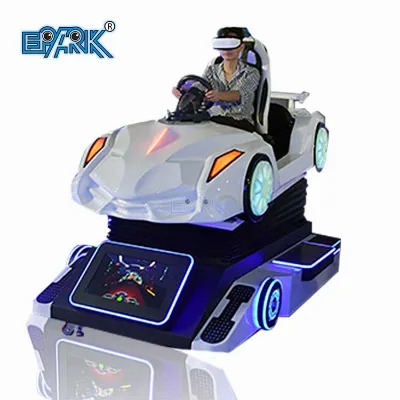
Amusement Park Rides Vr Equipment Dynamic Vr Racing Car Racing Motion Simulator
$4300.00 - $5100.00
MOQ: 1 set


Vr Car Racing Arcade Machine Virtual Reality Motorbike 9d Vr Motorbike Simulator
$2280.00 - $4400.00
MOQ: 1 set


Guangzhou Dlight Electronic Technology Co., Ltd.
- Manufacturer, Trading Company, Distributor/Wholesaler
- Guangdong, China
- Lead time0 days
- Avg. response≤ 4h
Main productsCotton candy vending machine,cotton candy making machine,Sugar for cotton candy,pizza vending machine,ice cream vending machine
Main marketsNorth America(65.56%), Mid East(18.98%), Oceania(10.31%), South America(2.97%), Western Europe(2.18%)
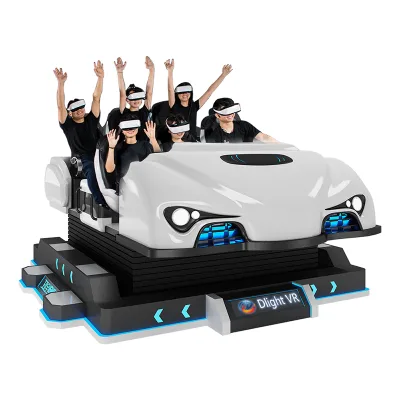
Virtual Reality Machine Vr Escape Room Vr Theme Park Vr Car Racing Simulator
$18000.00 - $25000.00
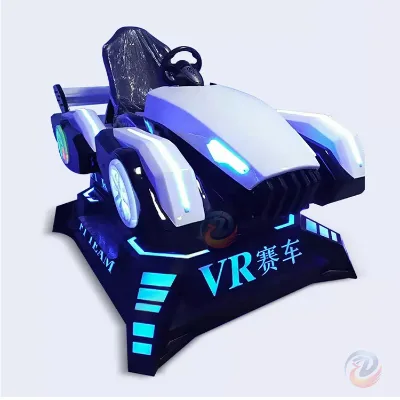
9d Vr Gaming Chair F1 Racing Car Simulator for Amusement Park
$4950.00 - $5400.00
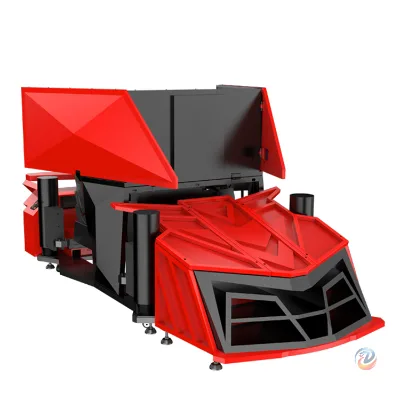
New Technology 4d Driving Simulator Car Driver Training Gaming Simulator for Sale
$10225.4082 - $11963.7276
MOQ: 1 sets
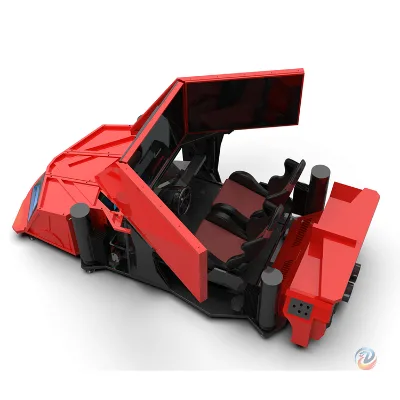
Extreme Racing Simulator 3 Dof Motion Platform Vr Car for Game Center
$10317.0246 - $12070.9188
MOQ: 1 sets

Jamma Amusement Technology Co., Ltd
- Combined
- China Guangdong
- Lead time23 days
- Avg. response≤ 13h
Main productsVr Simulator
Main marketsAfrica,Southeast Asia/ Mideast,North America


Vr Car Racing Simulator Car Driving Simulator Virtual Reality Game Machine
$4500.00 - $5000.00
MOQ: 1 Sets


Guangzhou EPARK Electronic Technology Co., Ltd.
- Manufacturer, Trading Company
- Lead time旺季: "1 - 20":20,"> 20":"To be negotiated", 淡季: "1 - 20":20,"> 20":"To be negotiated"
- Avg. response≤ 1h
Main products9D Virtual Reality Simulators, Racing Simulators, Shooting Arcade Simulators, Kids Game Machines, Gift Crane Machines
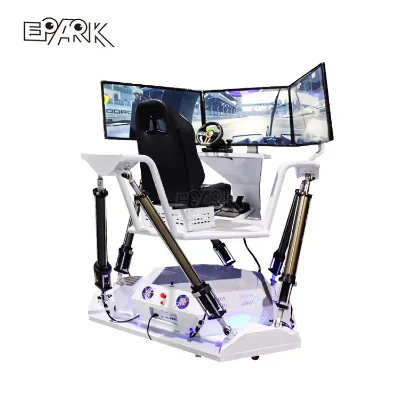
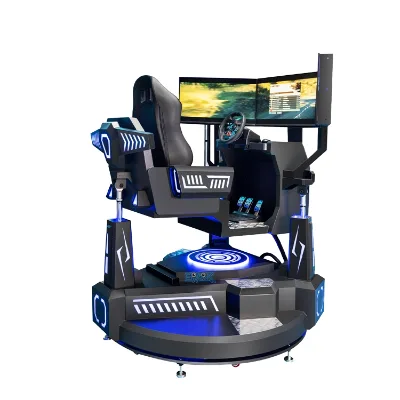
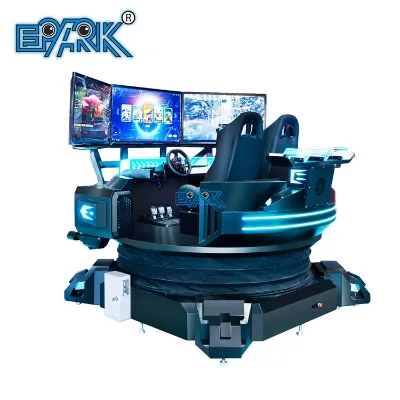
New Virtual Entertainment 9D VR Three 3 Screen 6 Dof Racing Simulator Car Driving Simulator
$10400.00 - $10500.00
MOQ: 1 sets
$7177.3815 - $9638.198
MOQ: 1 sets
$5800.00 - $5900.00
MOQ: 1 sets
Foshan World Safety Technology Co., Ltd.
- Manufacturer
- Guangdong, China
- Lead time5 days
- Avg. response≤ 7h
Main productsCar Driving Simulator,3 DOF motion platform,6 DOF motion platform,Excavator simulator
Main marketsSouth Asia(12.00%), Central America(12.00%), Western Europe(12.00%), Eastern Asia(12.00%), Mid East(12.00%), Southeast Asia(12.00%), South America(12.00%), North America(12.00%)
Guangzhou Carson Digital Technology Co., Ltd.
- Guangdong, China
- Lead time0 days
- Avg. response≤ 6h
Dongguan Fuhua Intelligent Technology Co., Ltd.
- Trading Company
- Guangdong, China
- Lead time10 days
- Avg. response≤ 5h
Main products9D VR Game Simulator,4D5D7D9D Cinema,Projection and LED ScreenInteractive Game,AR Game Simulator,Mixed Reality Multiple Game
Main marketsDomestic Market(20.00%), Mid East(15.00%), Southeast Asia(15.00%), North America(10.00%), South America(10.00%), Africa(10.00%), Eastern Europe(5.00%), Western Europe(5.00%), Eastern Asia(5.00%), Northern Europe(3.00%), Southern Europe(2.00%)
Guangzhou Juhui Electronics Co., Ltd.
- Verified by TüVRheinland
- Manufacturer, Trading Company
- Lead time30 days
- Avg. response≤ 2h
Main productsVR/AR/MR Equipment, Sports Simulator, Racing Car Simulator, Exhibition Hall Equipment, Vending Machine
Main marketsDomestic Market(27%), Northern Europe(19%), North America(18%)

GUANGZHOU YUTO AMUSEMENT TECHNOLOGY CO., LTD
- Manufacturer, Trading Company
- Guangdong, China
- Lead time7 days
- Avg. response≤ 8h
Main productsRedemption Game Machine,Coin Operated Game Machine,Video Game Machine,Arcade,Amusement Park Rides
Main marketsNorth America(30.00%), Eastern Europe(24.00%), Southeast Asia(20.00%), Africa(8.00%), Mid East(8.00%), Western Europe(5.00%), South America(5.00%)
Guangzhou Jinchuang Health Technology CO., LTD
- Verified by SGS Group
- Manufacturer, Trading Company
- Lead time15 days
- Avg. response≤ 3h
Main productsGo-Kart, Bumper Cars, Carnival Games Booth, Outdoor amusement equipment, Flying Cinema
Main marketsMid East(20%), North America(10%), Southeast Asia(10%)
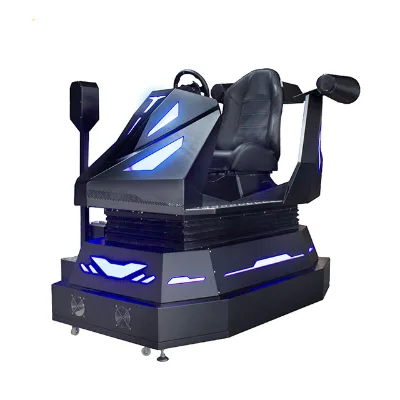
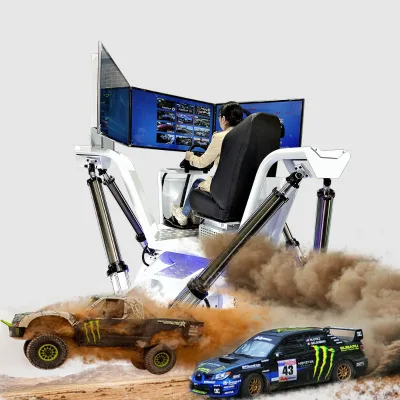
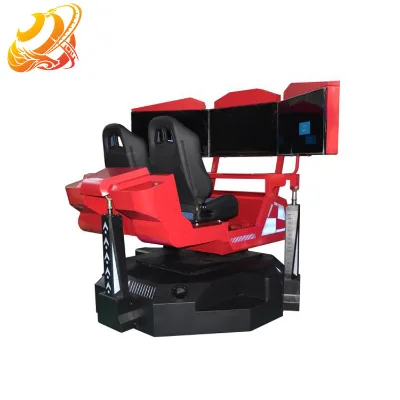
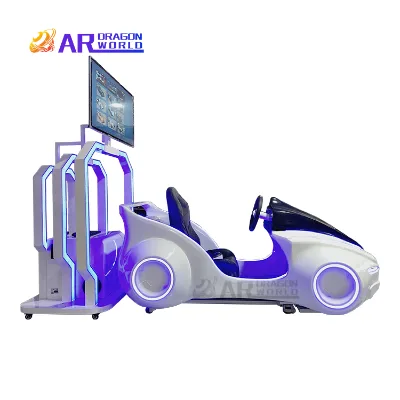
VR Car Racing Simulator Indoor Playground Game Machine for Immersive Car Driving Experience
$4800.00 - $5000.00
MOQ: 1 sets
Guangzhou Infinity Technology Co., Ltd.
- Verified by TüVRheinland
- Trading Company
- Lead time10 days
- Avg. response≤ 4h
Main productsVR Simulator, VR Game Machine, Arcade Game Machine, Indoor Sport Entertainment, Racing Machine
Main marketsNorth America(35%), Mid East(18%), Western Europe(18%)
Guangzhou Jin Xi Animation Technology Co., Ltd
- Verified by Intertek
- Manufacturer, Trading Company
- Lead time7 days
- Avg. response≤ 2h
Main productsArcade Gifts Machines, Simulation Game Machine, Interactive Game Equipment, VR Game Machine, Kids Game Machine
Main marketsNorth America(50%), Western Europe(20%), South America(8%)

Guangzhou Xiao Tong Yao Amusement Equipment Co., Ltd.
- Verified by TUVRHEINLAND
- Combined
- China Guangdong
- Lead time15 days
- Avg. response≤ 4h
Main productsAmusement Equipment, Game Machine, Arcade Machine, Outdoor Amusement, Indoor Playground, Amusement Car, Kiddie Rides, Rolling Car, Happy Car, Le Bar Car
Main marketsSoutheast Asia/ Mideast,Domestic,North America

Car Racing Game Machine 3D Motion Platform 9d Vr Racing Simulator with 8PCS Driving Games
$4500.00 - $5800.00
MOQ: 1 Pieces


- Verified by TüVRheinland
- Trading Company
- Lead time15 days
- Avg. response≤ 4h
Main productsSimulator Game Machine, Redemption Game Machine, Kiddie Rides, Vending Prize Game Machine, Game Machines Software
Main marketsMid East(20%), Western Europe(20%), Southeast Asia(10%)
Chongqing Langle Aluminum Co., Ltd.
- Manufacturer, Trading Company
- Chongqing, China
- Lead time15 days
- Avg. response≤ 8h
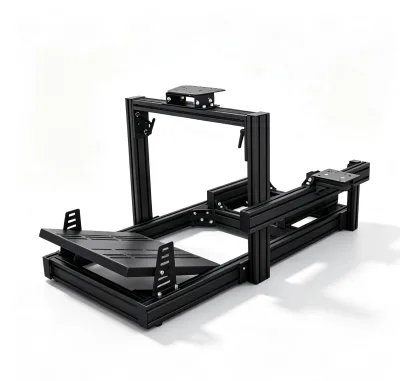
Main productsAluminum Extrusion Profiles,Aluminum sim racing,Flight simulator cockpit,Stairs&Platforms,Aluminum Conveyor
Main marketsDomestic Market(58.00%), Northern Europe(10.00%), North America(9.00%), South America(9.00%), Oceania(5.00%), Southeast Asia(1.00%), South Asia(1.00%), Southern Europe(1.00%), Eastern Europe(1.00%), Central America(1.00%), Western Europe(1.00%), Eastern Asia(1.00%), Mid East(1.00%), Africa(1.00%)
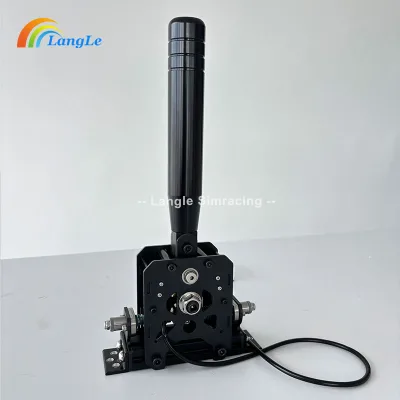
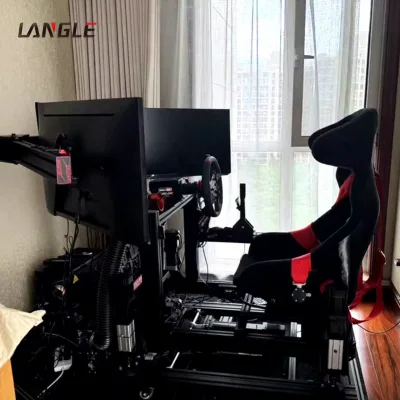
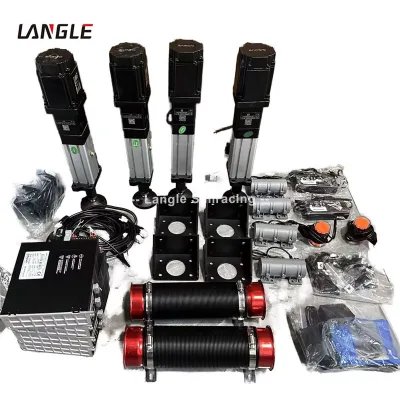
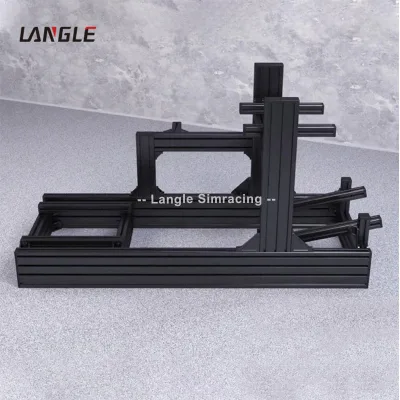
4DOF+TL +S Racing Simulator Vr Simulator 4 Dof Racing Car Game Coin Operated Games Vr Game Machines
$1095.00 - $1395.00
MOQ: 1 sets
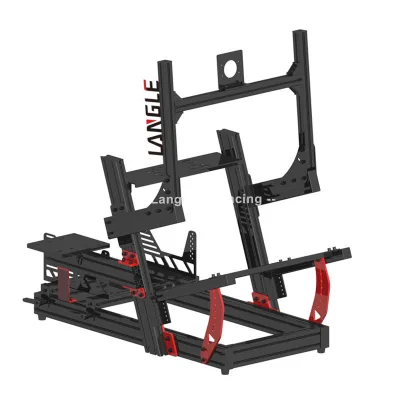
$307.6335 - $334.3849
MOQ: 1 sets
$91.2556 - $152.7763
MOQ: 1 sets
Guangzhou Yule Technology Co., Ltd.
- Verified by Intertek
- Manufacturer, Trading Company
- Lead time7 days
- Avg. response≤ 3h
Main productsVending Machines, Game Machines
Main marketsNorth America(25%), South America(20%), South Asia(15%)

Guangzhou Funspace Technology Co., Ltd.
- Verified by SGS
- Combined
- China Guangdong
- Lead time30 days
- Avg. response≤ 6h
Main productsArcade Game Machine, Boxing Game Machine, Virtual Reality, Video Game, Gaming, Game Machine, Claw Machine, Arcade Machine, Coin Operated Kiddie Ride, Photo Booth
Main marketsSouth America,Africa,Southeast Asia/ Mideast,East Asia(Japan/ South Korea),Europe,Australia,North America

9d Vr Ar Theme Park Equipment Arcade Game Machine SIM Racing Car Cockpit Racing Simulator
$8600.00 - $9000.00
MOQ: 1 sets

$9990.00 - $11990.00
MOQ: 1 sets

Guangzhou Chanry Technology Co., Ltd
- Manufacturer
- Guangdong, China
- Lead time15 days
- Avg. response≤ 1h
Main products6DOF simulator,4DOF simulator,Equipment for events,VR Motion Equipment,Motion Cinema
Main marketsEastern Europe(50.00%), Eastern Asia(20.00%), Southeast Asia(10.00%), Oceania(10.00%), Africa(10.00%)
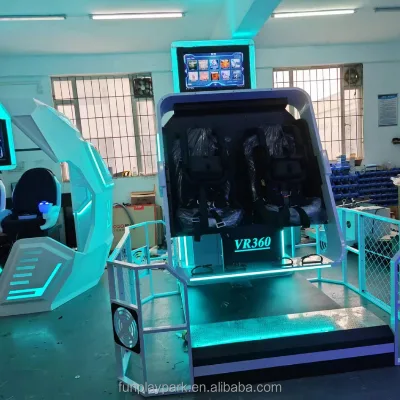
360 720 Rotation 9D VR Racing Virtual Reality Driving Simulator VR Machine Game
$9389.6062 - $11750.0982
MOQ: 1 sets

Guangzhou Dinibao Animation Technology Co., Ltd.
- Manufacturer
- Guangdong, China
- Lead time10 days
- Avg. response≤ 2h
Main productssimulator shooting game machine,simulator racing game machine,redemption game machine,basketball game machine,toy crane game machine
Main marketsSouth Asia(15.00%), Eastern Asia(14.00%), Mid East(12.00%), Africa(10.00%), Southeast Asia(8.00%), Domestic Market(6.00%), Southern Europe(5.00%), North America(5.00%), Eastern Europe(5.00%), Central America(4.00%), Western Europe(3.00%), Northern Europe(3.00%), Oceania(2.00%), South America(2.00%)
Hunan Langle Technology Co., Ltd.
- Verified by SGS Group
- Manufacturer, Trading Company
- Lead time15 days
- Avg. response≤ 6h
Main productsAluminum Profiles, Industrial Aluminum Platform, Industrial Conveyor System, Aluminum Extrusion Workbench System, Aluminium Profile Accessories
Main marketsDomestic Market(59%), Northern Europe(15%), North America(9%)


Comprehensive Sourcing Guide
VR Racing Car Simulator with DP E3 Headset Supplier Concentration and Factory Types
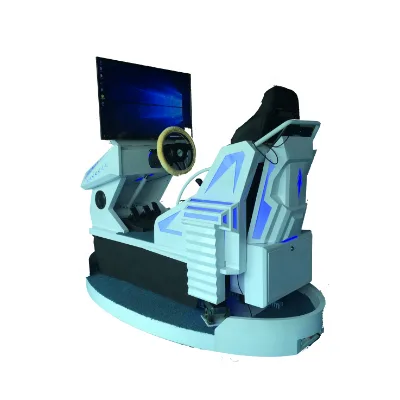
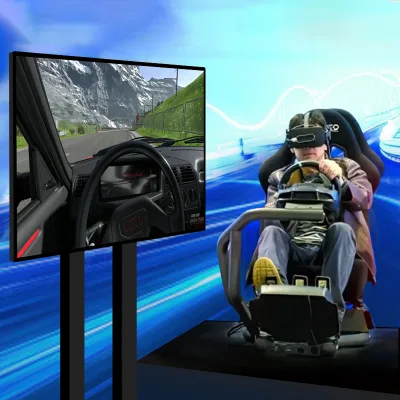
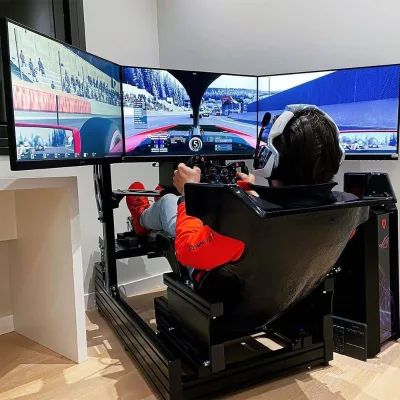
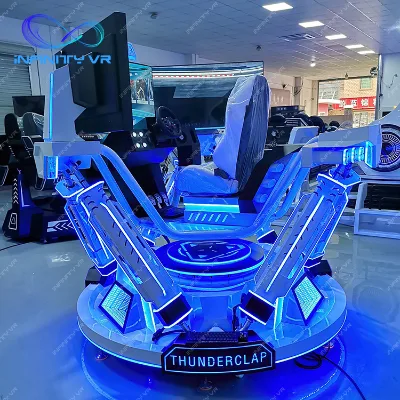
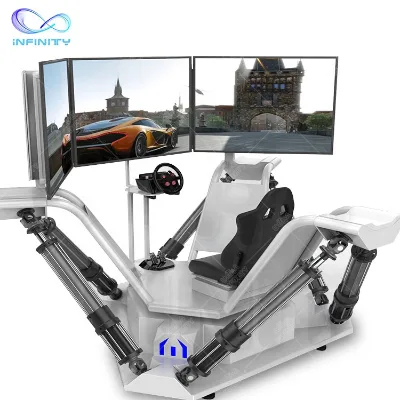
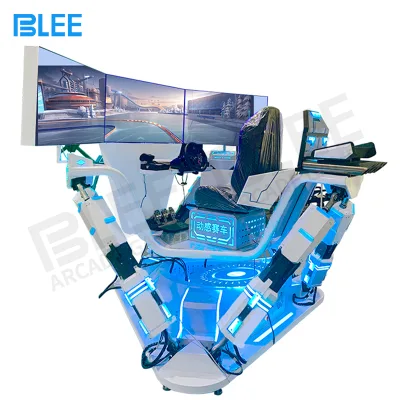
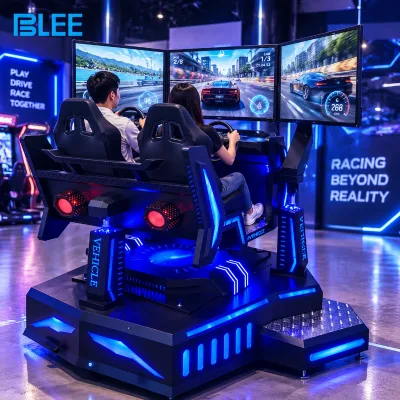
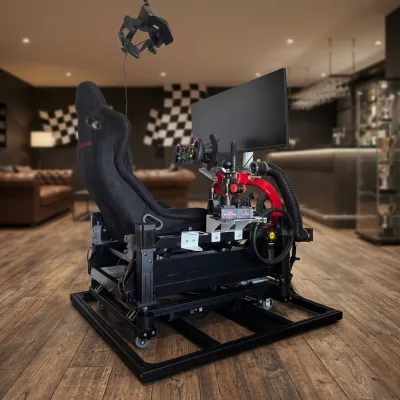
The current supplier landscape for VR racing car simulators reveals a mix of manufacturers and trading companies operating primarily within Guangdong, China. Product evidence confirms that specific models originate from this region, with detailed attributes listing Guangdong as the place of origin for multiple racing simulators. This geographic concentration suggests a specialized manufacturing cluster where supply chains for motion platforms, metal frames, and VR hardware components are established. Buyers should look for suppliers explicitly stating their location as Guangdong to ensure proximity to these established industrial networks. The presence of both manufacturers and trading companies indicates that some entities handle direct production while others facilitate distribution, requiring buyers to distinguish between the two based on their specific sourcing needs.
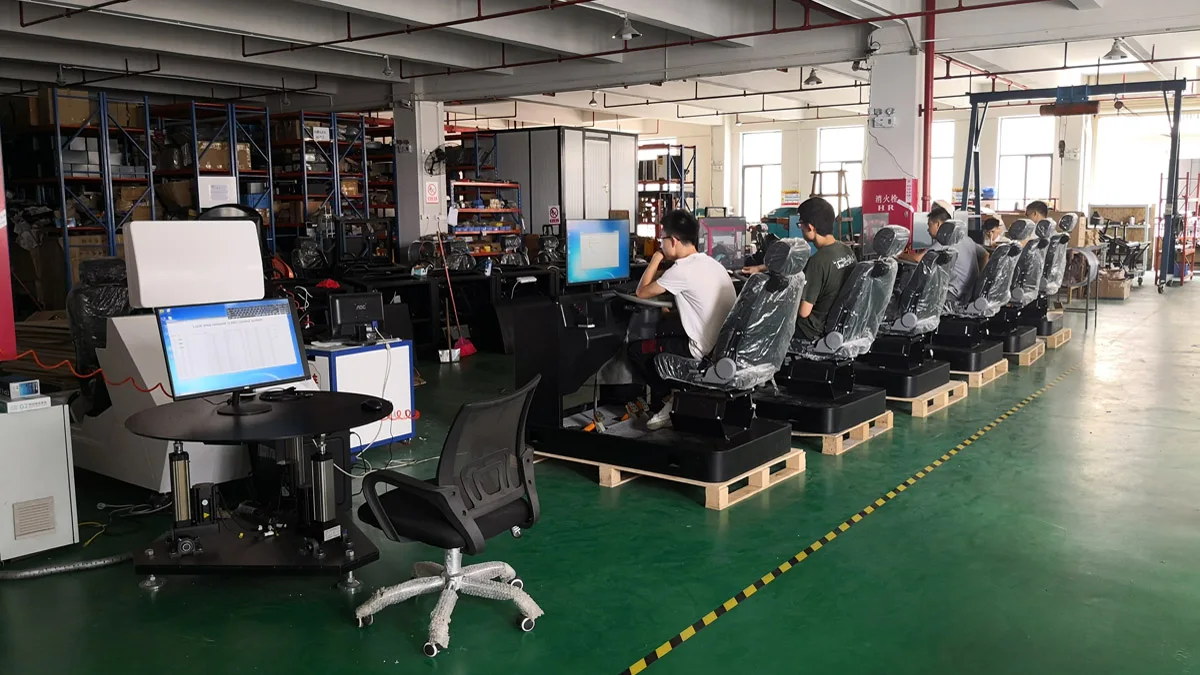
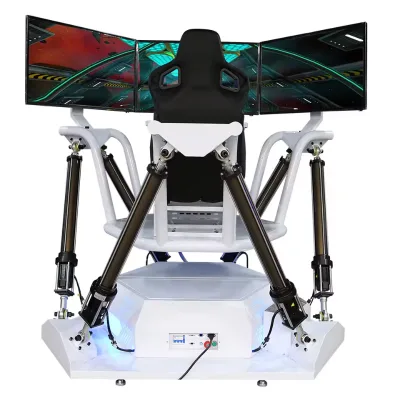
Factory types vary significantly in their capacity to handle customization and volume. Evidence shows that suppliers offer light customization, customized on-demand services, and sample processing capabilities. This suggests that many facilities are equipped to modify designs, such as adding logos or adjusting dimensions, rather than offering only off-the-shelf inventory. When evaluating potential partners, buyers must verify if the entity is a direct manufacturer capable of handling complex assembly of 6DOF motion platforms or a trading company managing multiple product lines. The distinction is critical because manufacturers often provide more direct control over production timelines and quality assurance, whereas trading companies may offer broader product variety but less direct oversight of the manufacturing process.
How to Verify VR Racing Car Simulator with DP E3 Headset Suppliers
Verification of supplier credibility relies heavily on third-party audit results and specific certification documentation. The available data indicates that Intertek verification is a key metric for assessing supplier reliability in this category. Buyers should prioritize suppliers who have undergone this specific verification process to ensure that their business operations and product claims have been independently validated. Additionally, system certifications such as ISO 9001, CE, LVD, and RoHS are present in the product evidence, serving as indicators of adherence to international quality and safety standards. These certifications are particularly relevant for amusement equipment that involves electrical components and motion systems, ensuring that the products meet regulatory requirements for commercial deployment.
Beyond certifications, buyers must scrutinize the response time and communication efficiency of potential suppliers. The observed data points to a response time metric of 3, which serves as a benchmark for evaluating how quickly a supplier engages with inquiries. A rapid response is often correlated with a supplier's operational efficiency and their ability to manage complex orders involving customizations. Buyers should request proof of these response times and verify the specific contact channels available. Furthermore, checking for the presence of specific product attributes like the "VART" brand name or specific model numbers in the supplier's catalog can confirm their authenticity. Ensuring that the supplier can provide detailed product specifications, such as voltage requirements and material composition, is essential for verifying their technical competence before proceeding with any transaction.
What to Compare Across VR Racing Car Simulator with DP E3 Headset Suppliers
When comparing suppliers, the primary focus should be on lead times, minimum order quantities, and pricing structures. The data indicates a lead time of 7 days for certain products, which is a critical factor for buyers planning inventory or event schedules. Buyers must verify if this lead time applies to their specific order volume and customization requirements, as customized orders often extend beyond standard timelines. Minimum order quantities vary, with some listings showing an MOQ of 1 set, while others may have different thresholds. Comparing these figures helps buyers determine the financial feasibility of small-scale testing versus bulk procurement. Price ranges observed span from approximately 7,399 to 12,700, depending on the specific model and features like 3DOF versus 6DOF motion platforms.
Another vital comparison dimension is the scope of customization and technical specifications. Suppliers offer varying degrees of customization, including graphic processing, logo placement, and specific hardware configurations like 32 or 42-inch displays. Buyers should compare the allowable passenger capacity, weight, and power requirements across different models to ensure compatibility with their venue's infrastructure. For instance, some units weigh 450KG and require specific voltage inputs like 220V or 380V, which impacts installation costs. Additionally, the availability of different VR glasses, such as 4K resolution models, and the number of games included in the package are key differentiators. Evaluating these technical details ensures that the selected supplier can meet the specific operational needs of the buyer's amusement park or commercial space.
Common VR Racing Car Simulator with DP E3 Headset Sourcing Risks
One significant risk in sourcing VR racing simulators involves the discrepancy between advertised specifications and actual product performance. While product evidence lists attributes like 6DOF motion platforms and specific resolution capabilities, buyers must verify that these features are fully functional upon delivery. There is a risk that suppliers may overstate the capabilities of their motion systems or the quality of the VR headsets included. Buyers should request detailed technical documentation and, if possible, video demonstrations of the equipment in operation to confirm that the motion feedback and visual fidelity match the claims. This verification is crucial to avoid receiving equipment that fails to deliver the immersive experience promised to end-users.
Another risk pertains to the reliability of after-sales support and warranty coverage. The data mentions a 12-month warranty for certain models, but the scope of this warranty must be clearly defined. Buyers need to understand what components are covered, such as the motion platform, screens, or VR headsets, and what the process is for claiming repairs or replacements. In the event of hardware failure, the lead time for spare parts and the availability of technical support are critical factors. If a supplier is a trading company rather than a manufacturer, there may be delays in resolving technical issues due to communication layers. Buyers should explicitly negotiate service terms, including response times for technical support and the availability of replacement parts, to mitigate the risk of prolonged downtime in their commercial operations.
VR Racing Car Simulator with DP E3 Headset Regional Sourcing and Logistics
Logistics planning for VR racing simulators requires careful attention to the port of dispatch and packaging specifications. Evidence indicates that the port of dispatch for these products is typically Guangzhou or Shenzhen, which are major shipping hubs in Guangdong. Buyers should factor in the transit time from these ports to their destination and ensure that the shipping method aligns with their project timeline. The packaging details, such as bubble wrap, stretch films, and wood frames, are designed to protect the equipment during transit, but buyers must verify that the packaging is robust enough for international shipping. The single package size and gross weight are also critical for calculating freight costs and determining the necessary handling equipment at the destination.
Regional sourcing from Guangdong offers advantages in terms of supply chain efficiency but also presents challenges related to export regulations and customs clearance. Buyers must ensure that the supplier provides all necessary documentation, including certificates of origin and compliance documents for the destination country. The presence of certifications like CE and RoHS facilitates entry into many international markets, but buyers should verify that these certificates are valid and specific to the model being purchased. Additionally, the voltage requirements, such as 220V or 380V, must match the local power grid standards to avoid the need for expensive transformers or electrical modifications. Coordinating with the supplier to confirm these logistical details before placing an order is essential for a smooth delivery process.
VR Racing Car Simulator with DP E3 Headset Commercial Terms and Order Planning
Commercial terms for VR racing simulators often include specific payment structures and delivery conditions that buyers must negotiate. While the data does not specify exact payment terms, buyers should expect to discuss deposit percentages and balance payment schedules upon shipment. The lead time of 7 days suggests that production can be relatively quick, but buyers should confirm if this applies to stock items or customized orders. Customization requests, such as adding a logo or modifying the design, may extend the production timeline and require additional planning. Buyers should also clarify the Incoterms, such as FOB or CIF, to understand their responsibilities for insurance and freight costs during transit.
Order planning should account for the scalability of the supplier's production capacity. Evidence shows a supply ability of 100 sets per month for certain models, which indicates a moderate production capacity. Buyers planning large-scale deployments must verify if the supplier can scale up production to meet their volume requirements without compromising quality. It is also important to consider the lead time for sample processing and graphic customization, as these steps can impact the overall project schedule. Buyers should develop a detailed timeline that includes production, shipping, and installation phases, ensuring that all dependencies are managed effectively. By carefully planning the order and communicating clearly with the supplier, buyers can minimize delays and ensure a successful deployment of their VR racing car simulators.
FAQs
What is the price range for VR racing simulators?
Prices for VR racing simulators typically range from $7,399 to $12,700 depending on the model and features. Basic units start around $7,399, while advanced 6DOF motion platforms with multiple screens can cost up to $12,700. Buyers should verify specific pricing for their required configuration.
What certifications do these simulators have?
Manufacturers generally provide CE, RoHS, and ISO 9001 certifications for their VR racing equipment. Some models also include LVD and Saso certificates to ensure safety and compliance. Buyers should request valid certification documents to verify that the specific unit meets local regulatory standards before purchase.
What is the typical lead time for orders?
The standard lead time for manufacturing VR racing simulators is approximately seven days. This timeframe applies to most standard configurations, though customized orders may require additional processing time. Buyers should confirm the exact delivery schedule with the supplier to ensure it aligns with their project timeline.
What is the minimum order quantity?
The minimum order quantity is usually one set for most VR racing simulator models. This allows buyers to purchase single units for testing or small-scale installations. Suppliers often support light customization and sample processing, making it easy to order small batches without significant volume commitments.
Where are these simulators manufactured?
These VR racing simulators are primarily manufactured in Guangdong, China. The region is known for its advanced amusement equipment production capabilities. Buyers should verify the specific place of origin for each model to ensure it matches their logistical preferences and quality expectations.
What motion platforms are available?
Available motion platforms include 3DOF electric systems and 6DOF motion bases. The 6DOF platforms offer more immersive experiences for racing games, while 3DOF options provide basic movement. Buyers should select the platform that best matches the desired intensity and realism of their VR racing experience.