Volkswagen Eos Belt Tensioner Suppliers and Manufacturers
Explore 31 verified options for Volkswagen Eos Belt Tensioner from factories in China. Compare response times, lead times, certifications like TS 16949, and pricing ranges to find the right partner. Contact suppliers directly to request quotes; review the available evidence before requesting comparable quotations from suitable candidates.
Suppliers List

Zhejiang Ouchai Technology Co., Ltd.
- Verified by BV
- Manufacturer/Factory
- China Zhejiang
- Lead time23 days
- Avg. response≤ 5h
Main productsTensioner, Belt Tensioner, Pulley, Idler Pulley, Tensioner Pulley, Truck Belt Tensioner Assembly, Construction Drive Belt Tensioner, Diesel Engine Belt Tensioner, Automotive Tensioner, Belt Pulley
Main marketsSouth America,Eastern Europe,Mid East,North America,Southeast Asia,Eastern Asia,Oceania,Western Europe

China Auto Baofeng (Guangzhou) Auto Parts Co., Ltd.
- Trading Company
- Guangdong, China
- Lead time3 days
- Avg. response≤ 10h
Main productsZF INA LUK FAG BOSCH BorgWarner,PIERBURG DIVITIAE BGOE,LEMFORDER Continental BREMBO,VW AUDI PORSCHE BMW BENZ,MAHLE BENSO VALEO
Main marketsMid East(30.0%), Southeast Asia(20.0%), Domestic Market(15.0%), North America(15.0%), Africa(15.0%), South Asia(5.0%)

Guangzhou Hde Auto Parts Limited
- Verified by BV
- Trading Company
- China Guangdong
- Lead time15 days
- Avg. response≤ 5h
Main productsWheel Hub Bearing, Wheel Bearing, Tensioner, Clutch Release Bearing, Tapred Roller Bearing, Steering Pump, Steering Rack, Brake System, Body Parts, Truck Parts
Main marketsSouth America,Africa,Southeast Asia/ Mideast,East Asia(Japan/ South Korea),Europe,Australia,North America
Guangzhou Juhongsheng Automotive Parts Co., Ltd.
- Manufacturer, Trading Company
- Guangdong, China
- Lead time0 days
- Avg. response≤ 3h
Main productsComplete series of engine parts,All series of automotive chassis components,Water pump additional water pump electronic water pump,High pressure oil pump Low pressure oil pump Oil pump Vacuum pump,Timing repair kit engine repair kit
Main marketsSouth America(20.0%), Eastern Asia(20.0%), North America(20.0%), Eastern Europe(15.0%), Mid East(15.0%), Western Europe(10.0%)

Guangzhou Sujun Machinery Co., Ltd.
- Trading Company,Manufacturer/Factory
- China Guangdong
- Lead time15 days
- Avg. response≤ 21h
Main productsAutoparts, Hydraulic Release Bearings, Tensioner Bearings, Fuel Injector, Oxygen Sensor, EGR Valves, Clutch Master Cylinder, Auto Bearings, Brake Master Cylinders, Ignition Coil
Main marketsSouth America,Mid East,North America,Southeast Asia,Western Europe,Africa
Ruian Changsheng Electric Appliance Co., Ltd.
- Verified by Intertek
- Manufacturer, Trading Company
- Lead time30 days
Main productsStator, Starter Motor, Rectifier
Main marketsNorth America(60%), Western Europe(20%), Southeast Asia(20%)
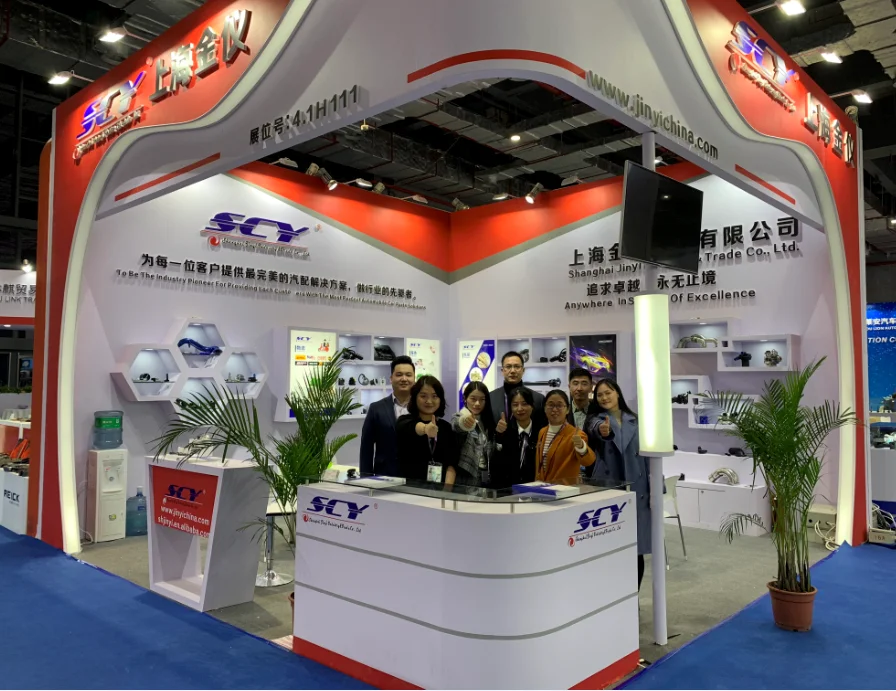
Shanghai Jinyi Industry & Trade Co., Ltd.
- Trading Company
- Shanghai, China
- Lead time25 days
- Avg. response≤ 6h
Main productsAuto Parts, Radiator, Intake Manifold, Power Steering Pump, Valve Cover
Main marketsNorth America(60.0%), South America(10.0%), Western Europe(5.0%), Southern Europe(5.0%), Northern Europe(5.0%), Eastern Europe(5.0%), Domestic Market(5.0%), Central America(3.0%), Mid East(2.0%)

Changsha Eucrown Automobile Parts Co., Ltd.
- Verified by CTI
- Combined
- China Hunan
- Lead time30 days
- Avg. response≤ 3h
Main productsAuto Parts, Truck Parts, Bus Parts
Main marketsDomestic,Europe

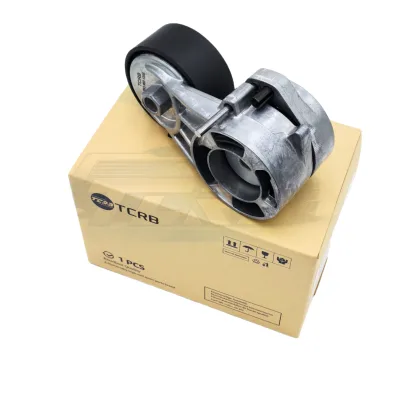
Belt Tensioner for Mercedes Benz Atego/Econic Actros/Antos/Arocs/Axor 4572001470 4572000270
$8.00 - $888.00
Moq: 100


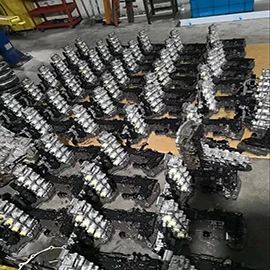
Guangzhou Hisen Auto Parts Co., Ltd.
- Manufacturer, Trading Company, Distributor/Wholesaler
- Guangdong, China
- Lead time0 days
- Avg. response≤ 19h
Main productsTransmission Parts,Transfer Case Parts,Rebuild Parts,Genuine Parts,After markets
Main marketsNorth America(12.0%), Western Europe(10.0%), Mid East(10.0%), Southern Europe(10.0%), Northern Europe(10.0%), Southeast Asia(10.0%), Eastern Europe(10.0%), South America(10.0%), Oceania(5.0%), South Asia(5.0%), Central America(5.0%), Africa(3.0%)

Sichuan Mighty Machinery Co., Ltd.
- Verified by BV
- Manufacturer/Factory
- China Sichuan
- Lead time23 days
- Avg. response≤ 6h
Main productsAuto Bearing, Auto Parts, Motorcycle Parts, Power Transmission Parts, Wheel Bearing, Idler Pulley, Clutch Bearing, CV Joint, Belt Tensioner, Wheel Hub Assembly
Main marketsSouth America,Eastern Europe,Mid East,North America,Southeast Asia,Eastern Asia,Oceania,Western Europe,Africa


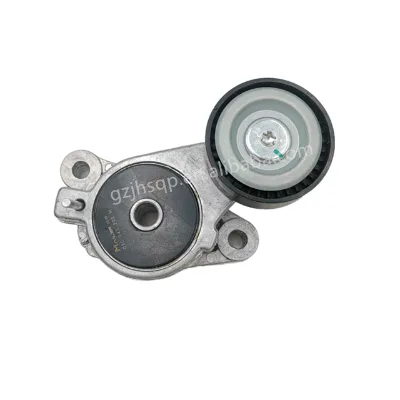
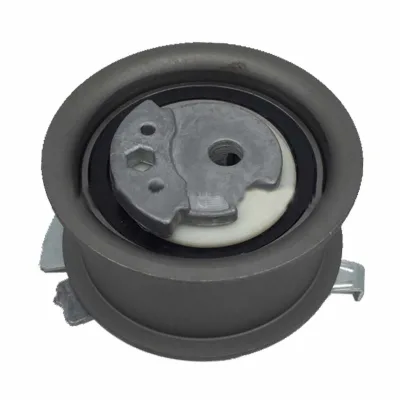
Belt Tensioner Pulley for Audi VW Seat Auto Parts OE 04c109244D Timing Belt Tensioners
$1.50 - $10.00
Moq: 100


Ruian Shengliang Trading Co., Ltd.
- Verified by TUVRHEINLAND
- Trading Company,Manufacturer/Factory
- China Zhejiang
- Lead time45 days
- Avg. response≤ 11h
Main productsCooling System Parts, Suspension Parts, Engine Parts, Sensor Parts, Chassis Parts
Main marketsSouth America,Eastern Europe,Mid East,Western Europe

Wenzhou Esaever Auto Parts Co., Ltd
- Trading Company
- China Zhejiang
- Lead time30 days
- Avg. response≤ 8h
Main productsJeep Auto Parts, Ford Auto Parts, Chevrolet Auto Parts, Dodge Auto Parts, Full Range Auto Parts for American, Water Pump, Oil Pump, Control Arm, All Auto Parts, Engine Mount
Main marketsSouth America,Africa,East Asia(Japan/ South Korea),Europe
Yichun Hengjin Auto Parts Co., Ltd.
- Verified by TüVRheinland
- Trading Company
- Lead time7 days
Main productsFuel Injector, Auto Steering Parts, Auto Sensors, Valves & Valve Tappets
Main marketsSouth America(75%), North America(5%), Southeast Asia(5%)

Guangzhou Lefengtong Auto Parts Co., Ltd.
- Manufacturer, Trading Company, Buying Office
- Guangdong, China
- Lead time15 days
- Avg. response≤ 2h
Main productsEngine Parts for VW AUDI,Chassis Parts for AUDIVW,Car Body for VW AUDI,Auto Parts for Porsche,Auto Parts for BMW
Main marketsNorth America(21.0%), Mid East(20.0%), Southeast Asia(10.0%), Eastern Europe(10.0%), Domestic Market(7.000000000000001%), Southern Europe(6.0%), Northern Europe(5.0%), Eastern Asia(5.0%), Africa(4.0%), South Asia(3.0%), Central America(3.0%), Western Europe(3.0%), Oceania(2.0%), South America(1.0%)

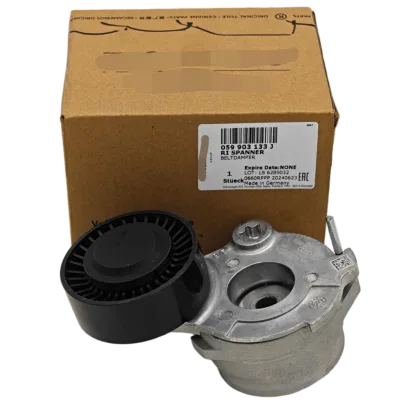
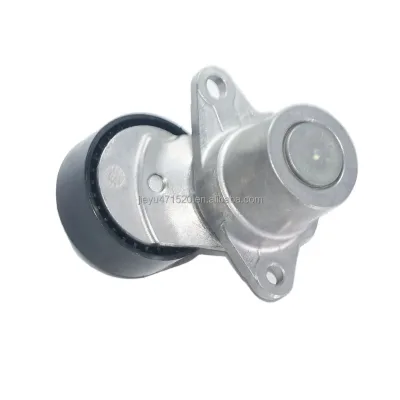
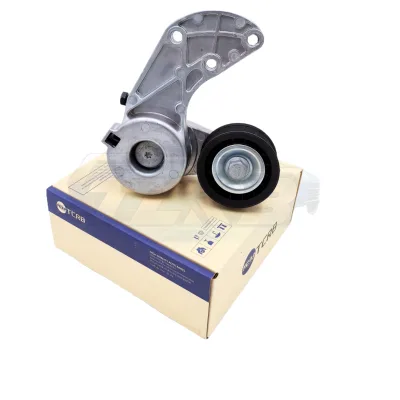
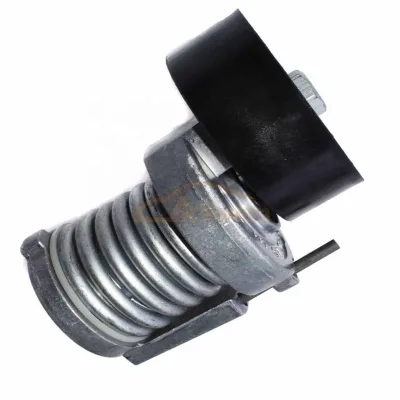
06K903133G/A/D/F Drive Belt Tensioner Engine Belt Tensioner for VW Golf EA888
Contact supplier
Moq: 10
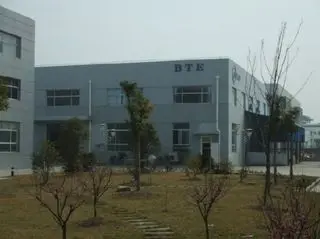
Shanghai BTE Spare Part Manufacturing Co., Ltd.
- Trading Company
- Shanghai, China
- Lead time45 days
- Avg. response≤ 3h
Main productsTensioner,Pulley,Wheel bearing,Wheel bearing kits,Wheel hub
Main marketsWestern Europe(40.0%), South America(15.0%), Oceania(10.0%), Eastern Europe(5.0%), Mid East(5.0%), Eastern Asia(5.0%), Northern Europe(5.0%), Southern Europe(5.0%), Domestic Market(5.0%), Africa(4.0%), North America(1.0%)
Guangzhou Jiyang Trading Co., Ltd.
- Manufacturer, Trading Company, Distributor/Wholesaler
- Guangdong, China
- Lead time15 days
- Avg. response≤ 7h
Main productsEngine part,Chassis part,Auto sensor,Aluminum profile,forging steel
Main marketsNorth America(25.0%), Mid East(15.0%), Oceania(15.0%), Western Europe(15.0%), Northern Europe(5.0%), Eastern Europe(5.0%), Central America(5.0%), Southeast Asia(3.0%), Domestic Market(2.0%), Eastern Asia(2.0%), South Asia(2.0%), Southern Europe(2.0%), Africa(2.0%), South America(2.0%)
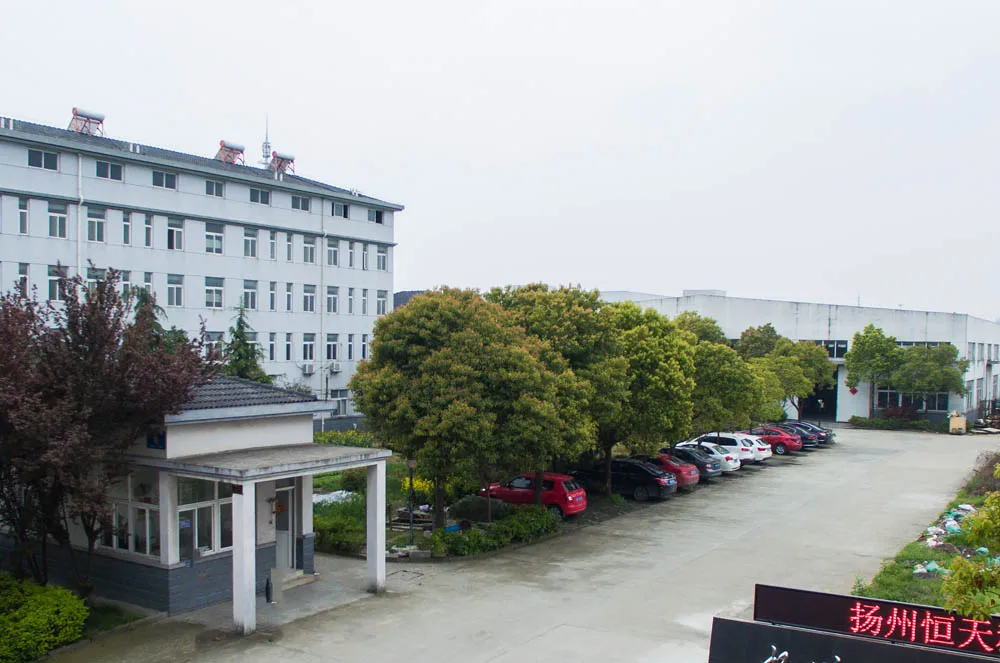
Heng Tian Technological Development Co., Ltd.
- Manufacturer, Trading Company
- Jiangsu, China
- Lead time40 days
- Avg. response≤ 5h
Main productsWheel Accessories, Belt Tensioners
Main marketsNorth America(50.0%), Southern Europe(12.0%), Western Europe(9.0%), Northern Europe(9.0%), Eastern Europe(8.0%), South America(4.0%), Southeast Asia(3.0%), Eastern Asia(2.0%), Oceania(1.0%), Central America(1.0%), Mid East(1.0%)

Qingdao Orise International Trade Co., Ltd.
- Trading Company
- Shandong, China
- Lead time30 days
- Avg. response≤ 5h
Main productsEngine Mounts and Transmission Mounts,Control Arms and Bushings,Brake discs and Brake Pads,Thermostats,Drive Shafts
Main marketsAfrica(30.0%), Mid East(26.0%), Western Europe(21.0%), South America(12.0%), Eastern Europe(7.000000000000001%), Southern Europe(3.0%)
Guangzhou Luteng Automotive Parts Co., Ltd.
- Manufacturer
- Guangdong, China
- Lead time7 days
- Avg. response≤ 2h
Main productsFor Volkswagen,For Audi,For Porsche,For Land Rover,For Jaguar
Main marketsSouth Asia(10.0%), Southern Europe(10.0%), Southeast Asia(10.0%), Central America(10.0%), North America(10.0%), Mid East(10.0%), Oceania(5.0%), Domestic Market(5.0%), Africa(5.0%), Northern Europe(5.0%), Western Europe(5.0%), Eastern Europe(5.0%), Eastern Asia(5.0%), South America(5.0%)
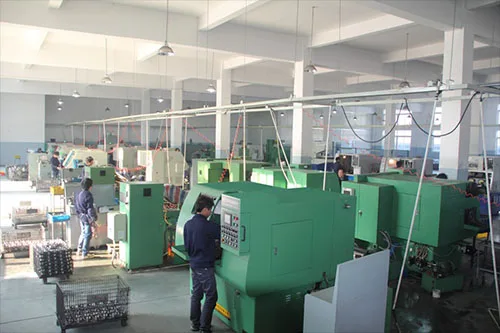
Guangzhou Hde Auto Parts Limited
- Trading Company
- Guangdong, China
- Lead time20 days
- Avg. response≤ 4h
Main productsTensioner, Wheel Bearing, Wheel Hub Bearing
Main marketsOceania(30.0%), North America(20.0%), Eastern Europe(20.0%), Domestic Market(20.0%), Southeast Asia(10.0%)
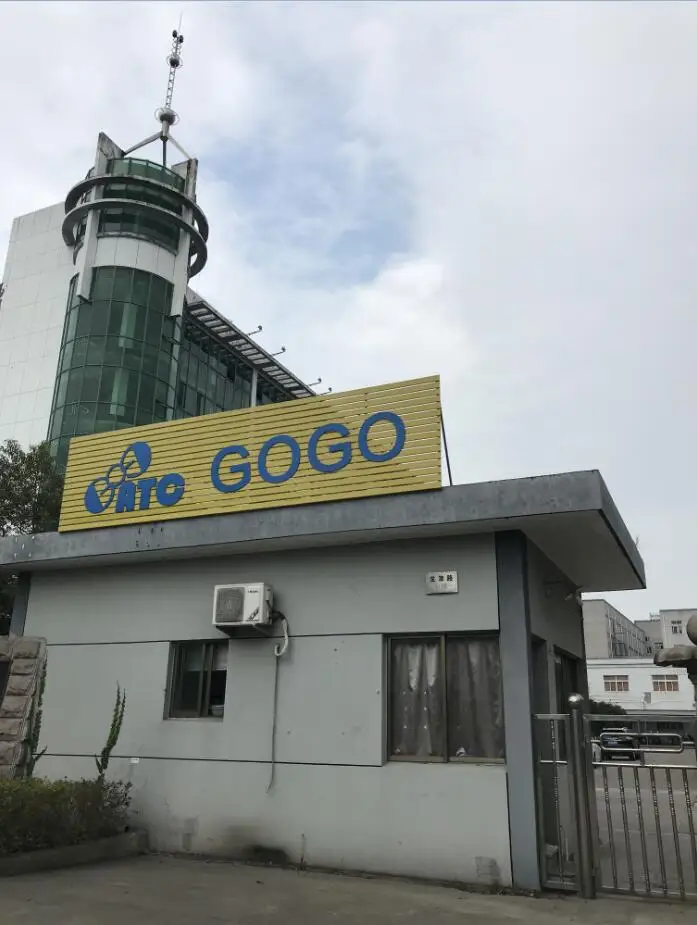
Ningbo Fenghua Gogo Automatic Trading Company Limited
- Trading Company
- Zhejiang, China
- Lead time30 days
- Avg. response≤ 8h
Main productsWater Pump,auto sensor,auto switch,Idle Air Control Valve For RENAULT OEM 7700859134 6NW009141-111 4.02003.59.0 AESP20912 70859134 556071 Idle Air Control Valve,Thermostat Housing
Main marketsMid East(10.0%), Eastern Asia(10.0%), Africa(10.0%), Southeast Asia(10.0%), Eastern Europe(10.0%), South America(10.0%), North America(10.0%), Northern Europe(5.0%), Central America(5.0%), Domestic Market(5.0%), South Asia(5.0%), Oceania(4.0%), Western Europe(3.0%), Southern Europe(3.0%)
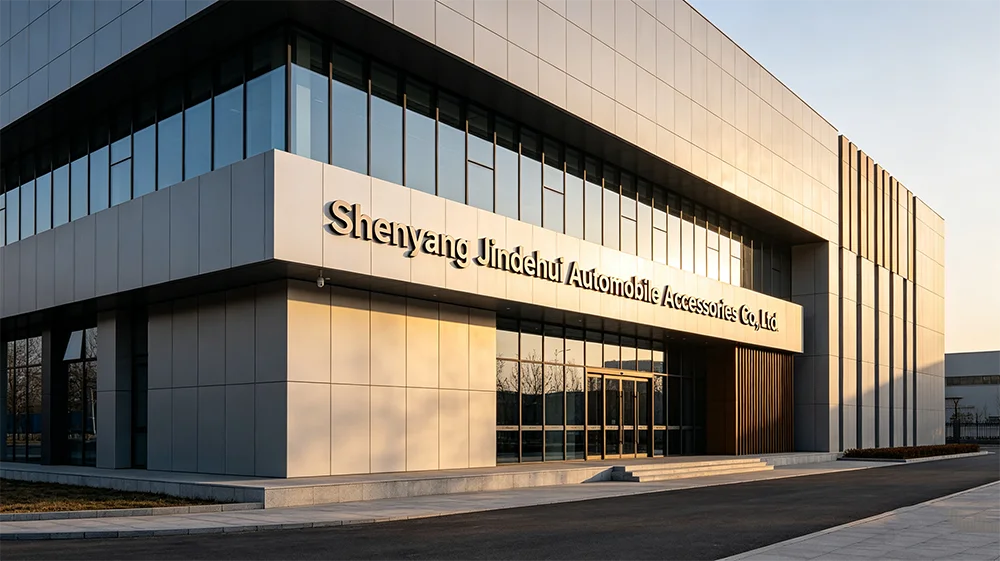
Shenyang Jindehui Automobile Accessories Co., Ltd.
- Trading Company
- Liaoning, China
- Lead time30 days
- Avg. response≤ 5h
Main productsAuto Starter,Car Alternator,Pulley,Air Compressor,Voltage Regulator
Main marketsWestern Europe(11.11%), Eastern Asia(11.11%), Mid East(11.11%), Oceania(11.11%), Africa(11.11%), Southeast Asia(11.11%), Eastern Europe(11.11%), South America(11.11%), North America(11.11%)

Shanghai Spb Industry Co., Ltd.
- Verified by SGS
- Trading Company
- China Shanghai
- Lead time30 days
- Avg. response≤ 5h
Main productsShock Absorber, Ball Joint, C. V Joint, Car Filters, Clutch Disc, Radiator, Brake Pad, Ignition Coil, Cylinder Head, Water Pump
Main marketsSouth America,Africa,Southeast Asia/ Mideast,Europe,North America

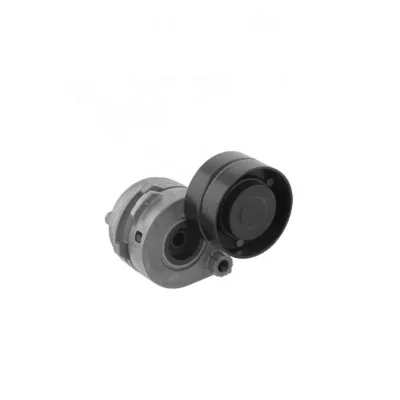
Hot Sale Belt Tensioner 96440419 4805513 for Chevrolet Daewoo Holden Opel Vauxhall
$1.00 - $10.00
Moq: 50


Guangzhou Raceorly Power Technology Co., Ltd.
- Verified by SGS Group
- Trading Company
- Lead time30 days
Main productsCylinder Head, Engine, Piston, Camshaft, Turbocharger
Main marketsDomestic Market(35%), Eastern Europe(25%), Mid East(20%)

Ruian Ouri I/E Trade Co., Ltd.
- Verified by TUVRHEINLAND
- Trading Company,Manufacturer/Factory
- China Zhejiang
- Lead time45 days
- Avg. response≤ 4h
Main productsHeavy Duty Truck Tensioner & Pulley, Truck Sensor, Truck Combination Power Window Switch, Truck Coolant Expansion Tank, Heavy Duty Truck Gas Spring, Truck Cabin Door Handle, Heavy Duty Trucks Accessories, Truck Gear Shift Lever Cable, Truck Cable Wiring Harness, Truck Air Brake Valve
Main marketsSouth America,Eastern Europe,Mid East,North America,Southeast Asia,Eastern Asia,Oceania,Western Europe,Africa
Guangzhou Biaoshidun Auto Parts Co., Ltd.
- Trading Company
- Guangdong, China
- Lead time15 days
- Avg. response≤ 4h
Main productsAuto Suspension Systems, Auto Electrical Systems, Auto Engine Systems, Auto Transmission Systems, Auto Lighting Systems
Main marketsEastern Europe(38.0%), Africa(17.0%), Eastern Asia(14.000000000000002%), North America(10.0%), South America(9.0%), Mid East(9.0%), Oceania(2.0%), Southeast Asia(1.0%)
Yuhuan Mingyan Technology Co., Ltd
- Verified by SGS Group
- Manufacturer, Trading Company
- Lead time25 days
Main productsCV Joint Boot, Steering Boot, Drive Shaft, Control Arm, Auto Rubber Parts
Main marketsWestern Europe(50%), Mid East(30%), Southeast Asia(20%)

Shanghai JEA Industry Co., Ltd.
- Verified by SGS
- Trading Company
- China Shanghai
- Lead time23 days
- Avg. response≤ 4h
Main productsExcavator Parts, Wheel Loader Parts, Spare Parts, Ltp
Main marketsSoutheast Asia/ Mideast,Europe,North America

Anhui Toba Auto Parts Co., Ltd.
- Verified by SGS
- Combined
- China Anhui
- Lead time60 days
- Avg. response≤ 6h
Main productsTiming Chain Kit, Oil Pump, Water Pump, Belt Tensioner, Fan Clutch, Electric Water Pump
Main marketsSouth America,North America
Hangzhou Aelwen Auto Parts Co., Ltd.
- Verified by Intertek
- Trading Company
- Lead time30 days
- Avg. response≤ 2h
Main productsSteering Rack, Door Lock Actuator, Gear Shift Knob, Auto Switch, Car Door Handle
Main marketsEastern Europe(40%), North America(20%), Africa(10%)
Guangzhou Gangjie Auto Parts Co., Ltd.
- Manufacturer, Trading Company, Distributor/Wholesaler
- Guangdong, China
- Lead time3 days
- Avg. response≤ 1h
Main productsEngine Parts,Chassis Parts,wheel bearing,Braking System,suspension system
Main marketsSoutheast Asia(20.0%), Oceania(15.0%), Southern Europe(11.0%), Western Europe(9.0%), Eastern Europe(8.0%), Domestic Market(7.000000000000001%), Eastern Asia(6.0%), North America(5.0%), Northern Europe(4.0%), South America(3.0%), Africa(3.0%), Mid East(3.0%), Central America(3.0%), South Asia(3.0%)








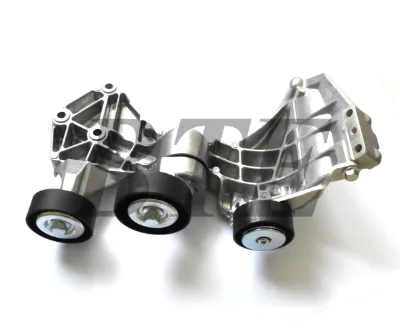
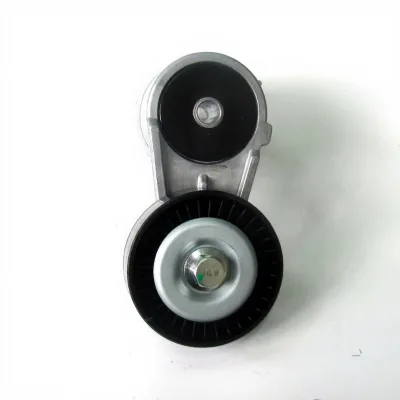
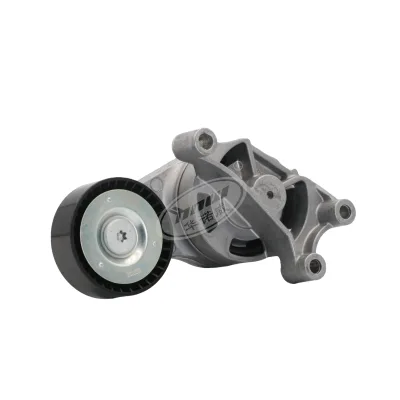
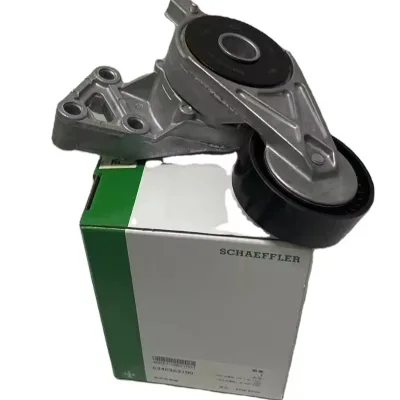
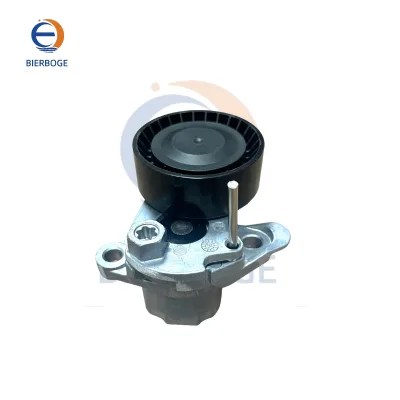
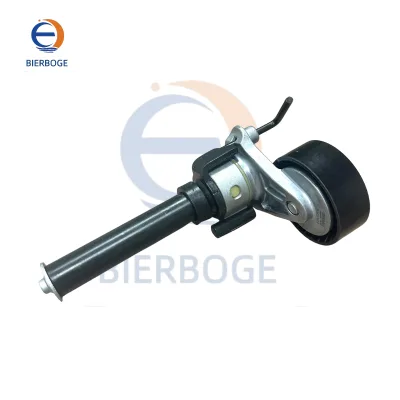
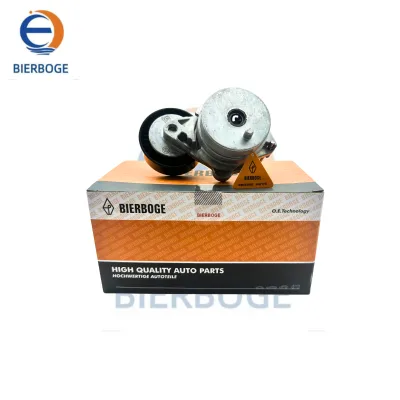
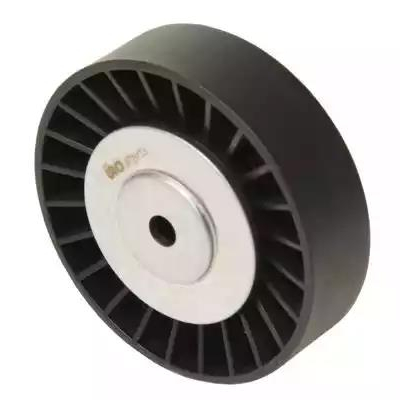
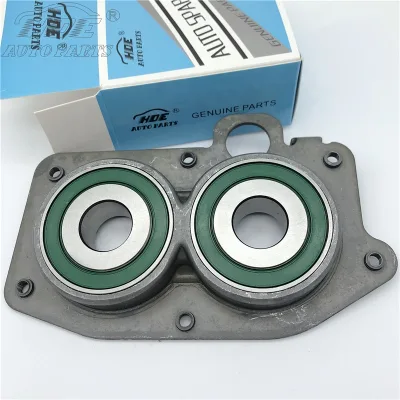
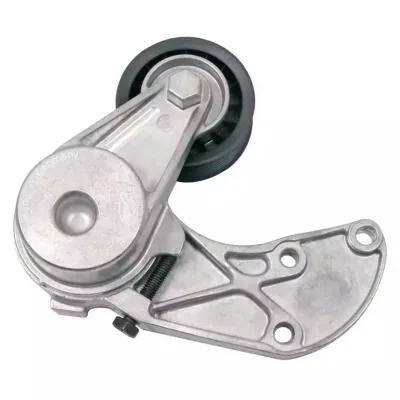
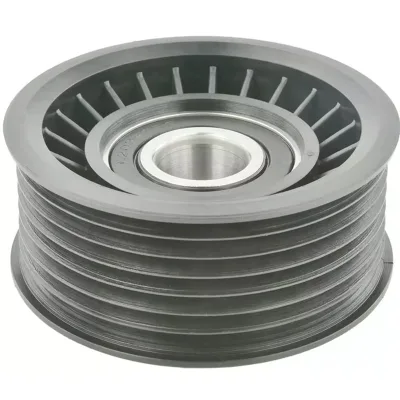
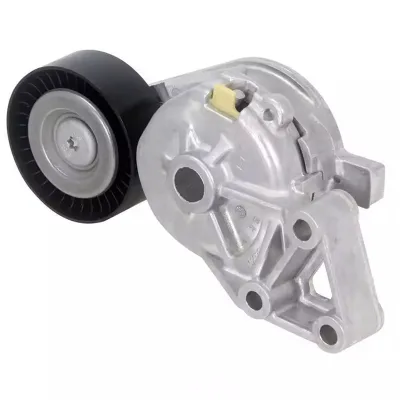
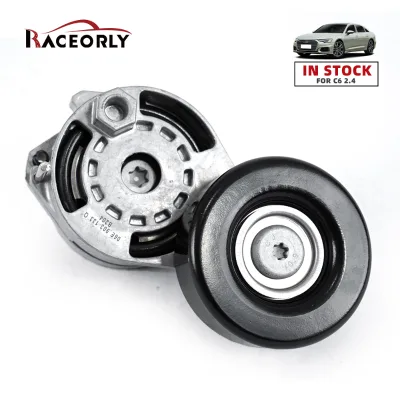


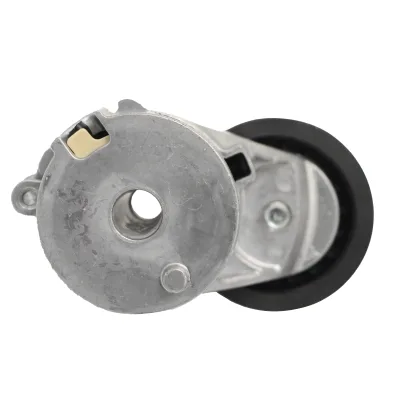
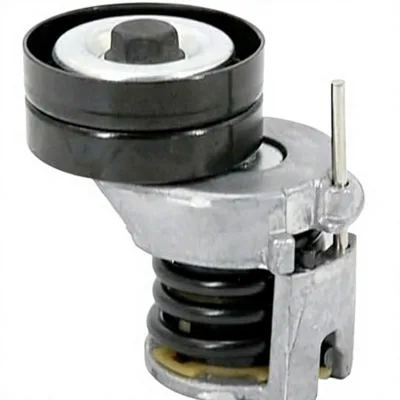
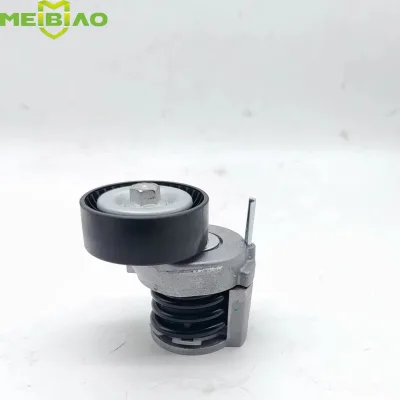


Comprehensive Sourcing Guide
Volkswagen Eos Belt Tensioner Supplier Concentration and Factory Types
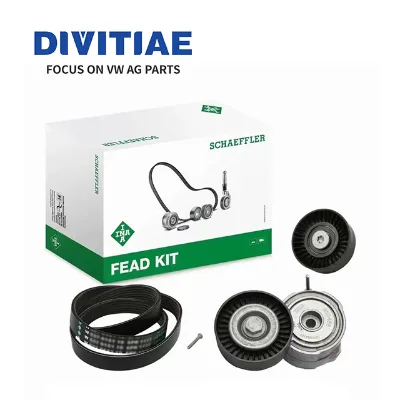
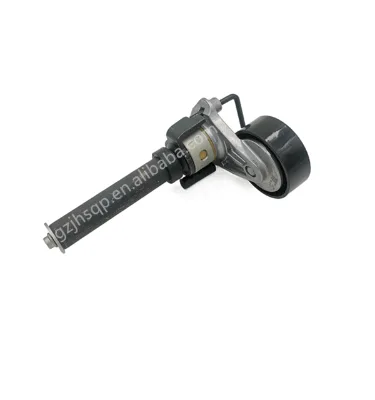
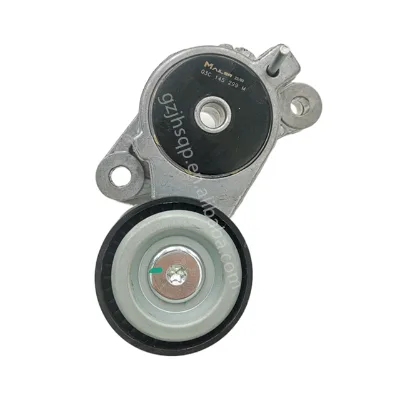
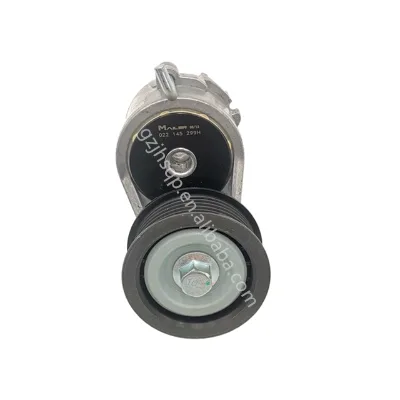
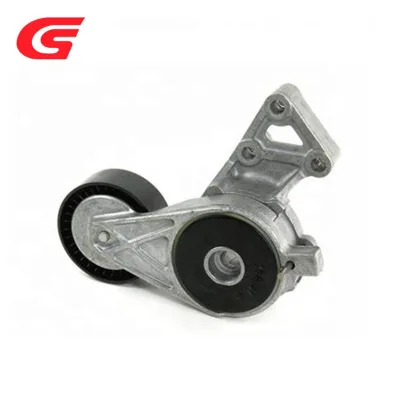
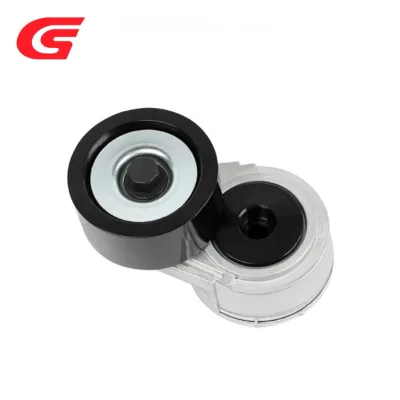
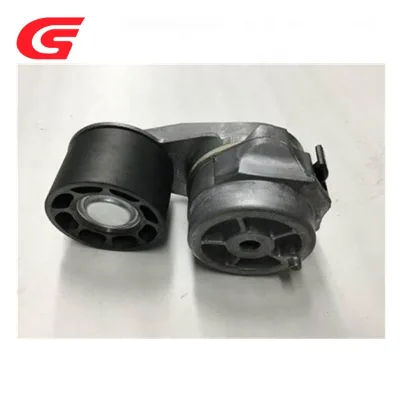
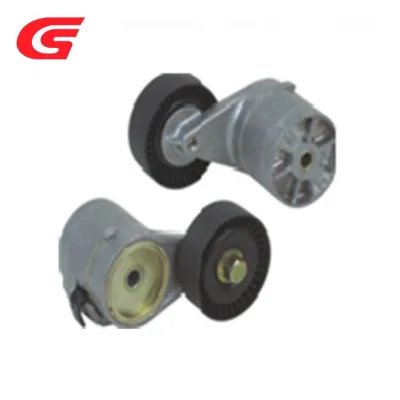
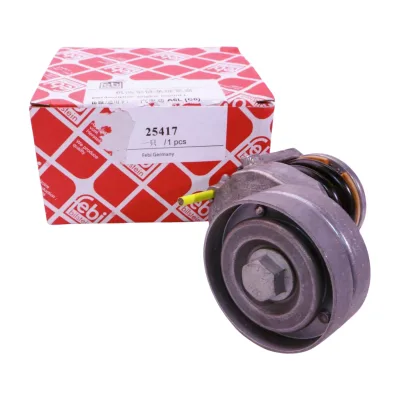
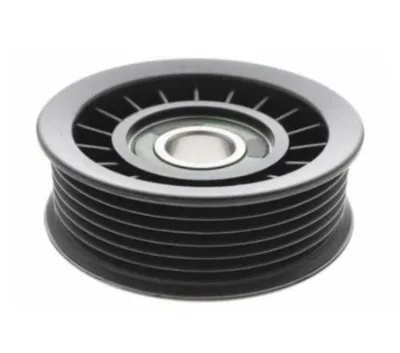
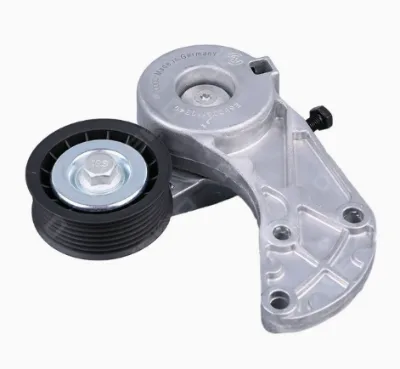
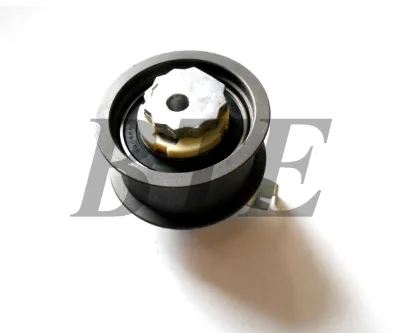
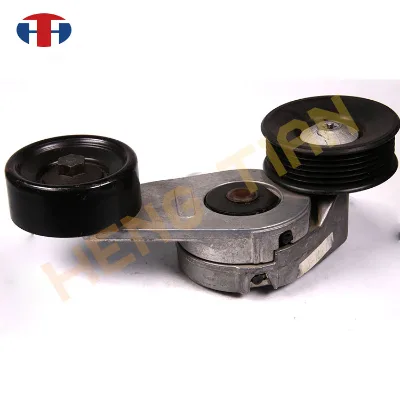
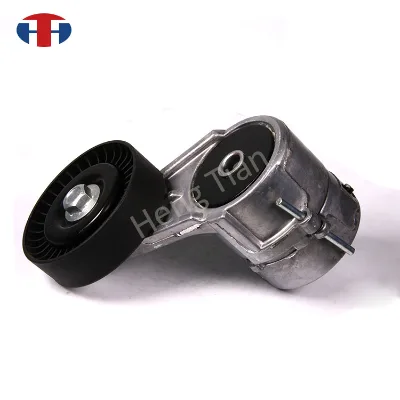
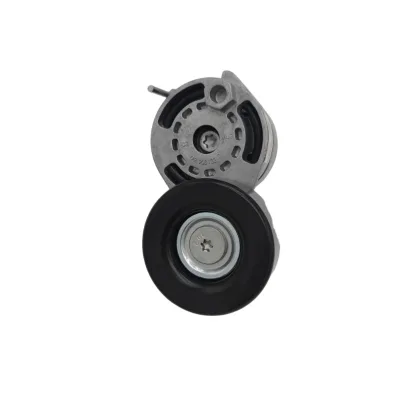
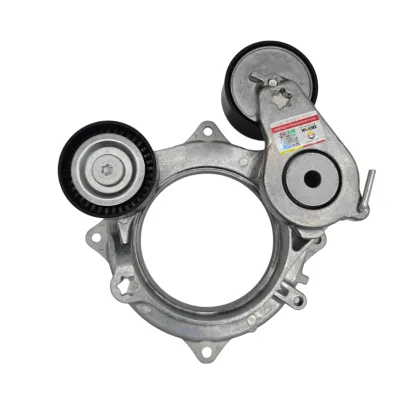
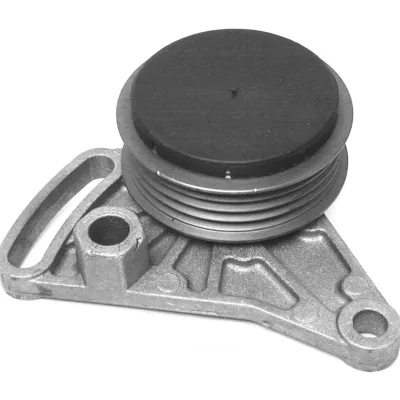
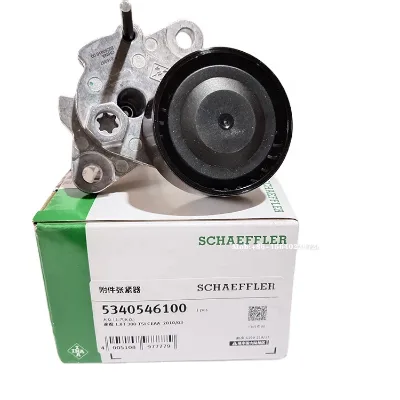
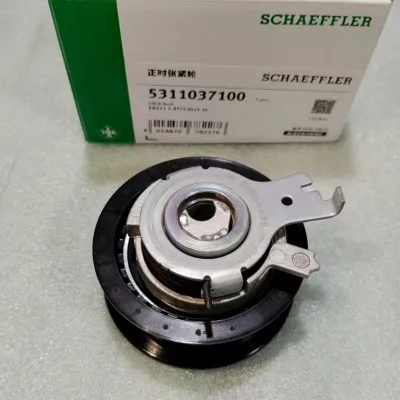
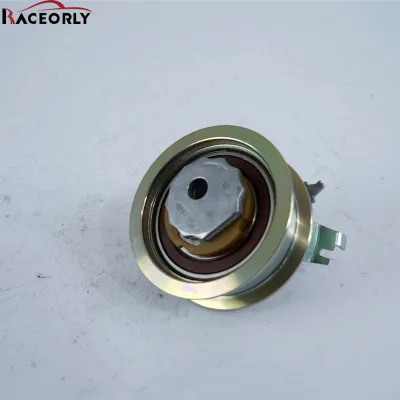
The current supplier landscape for Volkswagen Eos belt tensioners reveals a distinct split between manufacturing facilities and trading entities, primarily concentrated in specific Chinese provinces. Evidence indicates a significant cluster of manufacturers located in Zhejiang, specifically Wenzhou, which specializes in producing tensioner assemblies, pulleys, and idler components for various automotive applications. These factories often list capabilities for OEM, ODM, and own-brand production, with specific product lines targeting Mercedes-Benz and Volkswagen engine systems. The presence of these manufacturers suggests a regional hub where casting and machining technologies are utilized to produce aluminium alloy tensioners with specific bearing configurations.
In contrast, other suppliers operating in Guangdong function as trading companies, aggregating products from various brands like ZF, INA, LUK, and FAG. These entities often list main products covering a broad range of automotive parts including those for VW, Audi, and Porsche, rather than focusing solely on in-house manufacturing. The distinction is critical because manufacturers in Zhejiang may offer direct customization and specific model numbers like T060 or T037, while trading companies in Guangdong might provide faster lead times for ready stock, such as three days, but with different pricing structures. Buyers must identify whether the source is a factory capable of casting and machining or a trader managing inventory from multiple origins to align with their specific sourcing strategy.
How to Verify Volkswagen Eos Belt Tensioner Suppliers
Verification of suppliers requires a rigorous check of their stated certifications and business credentials against the provided data points. Several manufacturers in the results display TS 16949 system certification, which is a critical standard for automotive quality management, alongside BV verification status. This certification indicates that the factory adheres to specific quality control protocols, often validated through professional testing claims of 100% quality assurance on their tensioner products. Buyers should prioritize suppliers who explicitly list this authentication in their product attributes, as it serves as a primary indicator of their capability to meet automotive industry standards for parts like the Volkswagen Eos Belt Tensioner.
Beyond certifications, the verification process must include assessing the supplier's response time and the authenticity of their product claims. Data shows response times varying significantly, with some manufacturers responding in approximately 4.15 hours while trading companies may take up to 10 hours. This variance can impact the speed of negotiation and technical clarification regarding part compatibility. Furthermore, buyers should scrutinize the product evidence for specific model numbers and OE references, such as 030145299F or 04E109479AA, to ensure the supplier is listing the exact components required. Confirming that the listed origin matches the claimed location, such as Wenzhou or Guangdong, is essential to validate the supply chain integrity before proceeding with any order.
What to Compare Across Volkswagen Eos Belt Tensioner Suppliers
When evaluating potential partners, the primary comparison points should focus on lead times, minimum order quantities, and pricing structures, as these vary significantly between factory and trading models. Manufacturers in Zhejiang often list lead times around 23 days, reflecting the time required for casting and machining processes, whereas trading companies in Guangdong may offer much shorter lead times of just three days for available stock. This difference is crucial for buyers with urgent production needs or those managing tight inventory cycles. Additionally, the minimum order quantity (MOQ) presents another key variable, with some suppliers requiring 100 units while others accept orders as low as one piece, allowing for flexibility in testing or small-batch procurement.
Pricing and product specifications also require detailed comparison to ensure value and compatibility. The data indicates price ranges for tensioners can vary from approximately 9.50 to 35.50 per unit, depending on the specific model, material, and supplier type. For instance, aluminium alloy tensioners with specific bearing types like NSK or C&U may fall into different price brackets compared to standard casting models. Buyers must also compare the customization options available, such as neutral packing or branded packaging, and the specific technical attributes like weight and pulley dimensions. A thorough side-by-side analysis of these commercial and technical parameters will help identify the most suitable supplier for the specific requirements of the Volkswagen Eos Belt Tensioner project.
Common Volkswagen Eos Belt Tensioner Sourcing Risks
One significant risk in sourcing these components is the potential mismatch between the claimed product specifications and the actual part compatibility. While many listings provide detailed keywords and OE numbers, there is a risk that a supplier may list a tensioner compatible with a different vehicle model, such as a Mercedes-Benz Atego or a generic VW Polo, rather than the specific Volkswagen Eos. Buyers must carefully cross-reference the product model numbers, such as T060 or A OC 90218, with their vehicle's engine code to avoid receiving parts that do not fit. The presence of generic keywords like "Engine Parts" or "Auto Spare Part" without specific vehicle application details can obscure the true compatibility of the item.
Another critical risk involves the variability in warranty and quality assurance claims. Some suppliers explicitly state a 12-month warranty, while others rely on general claims of "100% Professional Testing" without specifying the duration of coverage. This inconsistency can lead to disputes if a part fails prematurely. Additionally, the reliance on third-party verification like BV or specific certifications like ISO or TS 16949 does not guarantee that every batch of goods will meet the same standard. Buyers should be wary of suppliers who do not clearly define their quality control processes or who offer vague terms regarding the condition of the goods, such as simply stating "New" without further detail on testing procedures or defect rates.
Volkswagen Eos Belt Tensioner Regional Sourcing and Logistics
The geographical location of the supplier plays a pivotal role in determining logistics costs and delivery timelines. The data highlights two primary sourcing regions: Zhejiang, where manufacturers are based, and Guangdong, where trading companies operate. Suppliers in Zhejiang, particularly those in Wenzhou, are noted for their manufacturing capabilities but may have longer lead times due to the production cycle. In contrast, suppliers in Guangdong often benefit from proximity to major ports and logistics hubs, potentially offering faster shipping times for ready-made inventory. Understanding these regional differences allows buyers to balance the trade-off between manufacturing cost savings and the urgency of delivery requirements.
Logistics planning must also account for the specific packaging and shipping standards provided by the supplier. Product attributes often detail packing methods, such as "Ouchai Box," "Neutral Packing," or "Customized" options, which can affect the efficiency of loading and the protection of the tensioners during transit. For instance, a standard box size of 15.510.59 inches versus a larger 251412.5 inch package will influence the number of units per container and the overall freight cost. Buyers should verify the origin location, such as Wenzhou or Guangdong, to estimate transit times accurately and ensure that the packaging meets the requirements for international shipping, minimizing the risk of damage during the long journey from China to the destination market.
Volkswagen Eos Belt Tensioner Commercial Terms and Order Planning
Commercial terms regarding payment, pricing, and order volume are fundamental to successful procurement of Volkswagen Eos belt tensioners. The data reveals a wide range of pricing, from as low as 9.50 to as high as 35.50 per unit, which necessitates a clear understanding of the factors driving these costs. Buyers should analyze whether the price includes customization, specific packaging, or certification fees, as these elements can significantly alter the final landed cost. Furthermore, the minimum order quantity (MOQ) varies from 1 to 100 units, meaning that buyers with smaller volume needs must seek out trading companies or suppliers with low MOQ policies to avoid excessive inventory costs.
Order planning must also consider the response time and lead time to ensure supply chain continuity. Suppliers with a response time of 4.15 hours may facilitate quicker negotiations and faster resolution of technical queries, whereas those taking 10 hours could delay the ordering process. Lead times ranging from 3 days to 23 days further dictate the timing of orders; a short lead time is ideal for urgent replacements, while a longer lead time requires advanced planning for production runs. Buyers should align their order schedules with these timelines, ensuring that they place orders well in advance if dealing with manufacturers who require 23 days for production, thereby avoiding stockouts and maintaining operational efficiency for their vehicle parts distribution.
FAQs
What is the price range for Volkswagen EOS belt tensioners?
Prices for compatible belt tensioners typically range from $9.50 to $35.50 per unit. Costs vary based on material, such as aluminum alloy, and specific OEM part numbers. Buyers should verify exact pricing for their required quantity, as minimum order quantities often start at one piece for trading companies or one hundred pieces for manufacturers.
What certifications do these tensioner suppliers hold?
Many manufacturers hold TS 16949 system certifications, ensuring adherence to automotive quality standards. Some suppliers also provide ISO certifications for their production processes. These credentials verify that the parts undergo professional testing and meet specific quality requirements for automotive engine components, providing assurance for bulk procurement needs.
Where are these tensioner manufacturers located?
Suppliers are primarily located in Zhejiang and Guangdong provinces in China. Specific manufacturing origins often include Wenzhou. These regions are known for producing automotive parts, including tensioners and pulleys, with many factories offering customization options and neutral packing for international buyers seeking direct sourcing from these industrial hubs.
What are the typical lead times for these parts?
Lead times vary significantly by supplier type. Trading companies may offer faster turnaround times of approximately three days, while manufacturers might require around twenty-three days for production. Buyers should confirm specific delivery schedules based on order volume and customization requirements to ensure timely receipt of the necessary engine belt tensioners.
What materials are used in these tensioners?
Most belt tensioners are constructed from aluminum alloy using casting technology. This material choice ensures durability and resistance to engine heat. Some products also specify bearing types like NSK or C&U for improved performance. The aluminum construction helps maintain precise tension on engine belts while keeping the overall weight manageable for vehicle operation.
What is the minimum order quantity for these parts?
Minimum order quantities depend on the supplier type. Trading companies often accept orders as low as one piece, making them suitable for small repairs or samples. Manufacturers typically require a minimum order of one hundred pieces. Buyers should check specific product listings to confirm the MOQ applicable to their desired part number and quantity.