Waterproof Custom Wine Glass Labels Suppliers and Manufacturers
Compare 21 verified suppliers offering Waterproof Custom Wine Glass Labels with varying lead times, MOQs, and certifications like ISO9001. Review product attributes such as material and surface treatment to select the right partner for your needs; review the available evidence before requesting comparable quotations from suitable candidates.
Updated
Suppliers List

Jiangsu Itech Packaging Printing Co., Ltd.
- Verified by BV
- Combined
- China Jiangsu
- Lead time15 days
- Avg. response≤ 5h
Main productsLabel, Adhesive Sticker, Adhesive Roll Label, Multi Layer Label, Adhesive Sheet Label, Reel Label, Printer Ribbon, Die Cut Sticker, Printer, Anti-Counterfeit Sticker
Main marketsAfrica,Southeast Asia/ Mideast

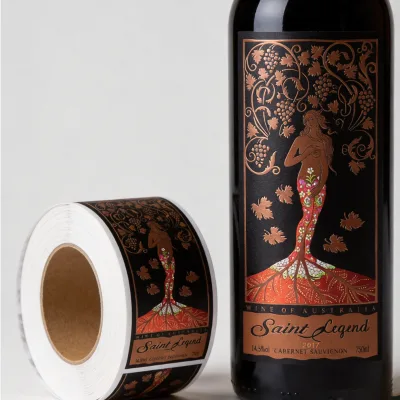
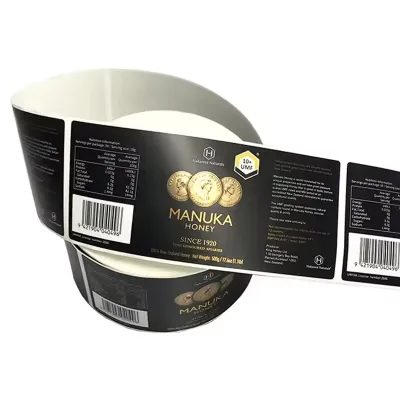
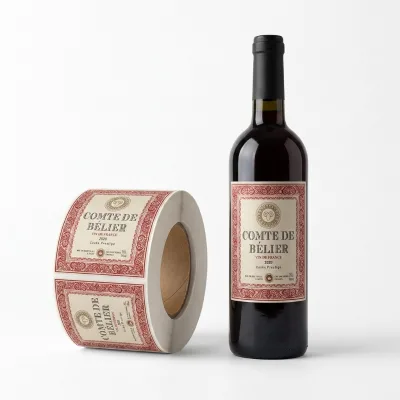
Custom Adhesive Wine Sticker Wine Label for Wine Bottle Label Printing
$0.005 - $0.01
MOQ: 5000 Pieces


Custom Red White Wine Labels Waterproof Printed Stickers for Grape Wine Bottles
$0.02 - $0.05
MOQ: 3000 Pieces

High Quality Custom Printed Adhesive Rolled Wine Bottle Labels for Glass Bottles
$0.02 - $0.05
MOQ: 3000 Pieces

Guangzhou Label Printing Co., Ltd.
- Combined
- China Guangdong
- Lead time23 days
- Avg. response≤ 18h
Main productsLabel, Sticker, Printing Labels, Self Adhesive Stickers, Single Label, Bottle Labels, Bar Code Label
Main marketsSouth America,Africa,Southeast Asia/ Mideast,Domestic

Lianyungang Zhehan Printing Co., Ltd.
- Verified by BV
- Combined
- China Jiangsu
- Lead time15 days
- Avg. response≤ 2h
Main productsPrinting, Sticker Label, Packaging Boxes, Poster Customization, Company Brochures, Foldouts, Single-Page Designs, Gift Box, Jewel Box, Label
Main marketsDomestic


Waterproof Custom Red Wine Bottle Roll Label with Private Logo Printing
$0.001 - $0.10
MOQ: 1000 Pieces


SHENZHEN YANMING PLATE PROCESS CO., LTD.
- Manufacturer
- China Guangdong
- Lead time15 days
- Avg. response≤ 6h
Main productsMetal Etching, Speaker Grill, Chemical Netching, Metal Nameplate, Stainless Steel Etching, Ceiling Speaker, Graphic Overlay, Photo Etching
Main marketsEast Asia(Japan/ South Korea),Europe,North America
Xiamen Yzm Commerce And Trade Co., Ltd.
- Verified by Intertek
- Manufacturer, Trading Company
- Lead time7 days
- Avg. response≤ 2h
Main productsPaper Bags, Paper Boxes, Envelope, Sticker, Paper Card
Main marketsNorth America(50%), South America(9%), Eastern Europe(9%)
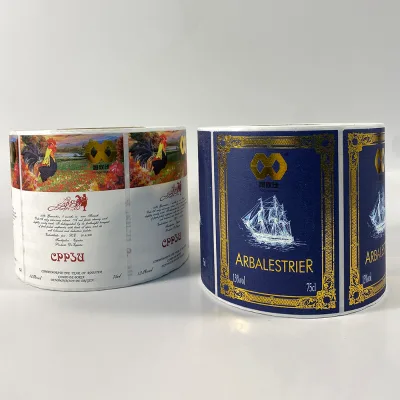
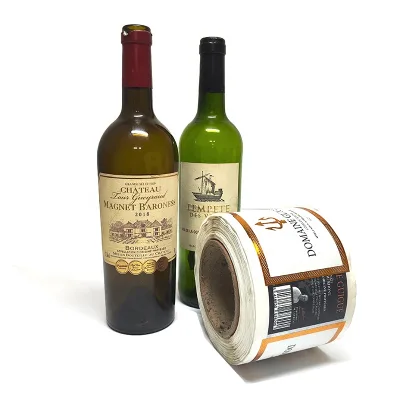
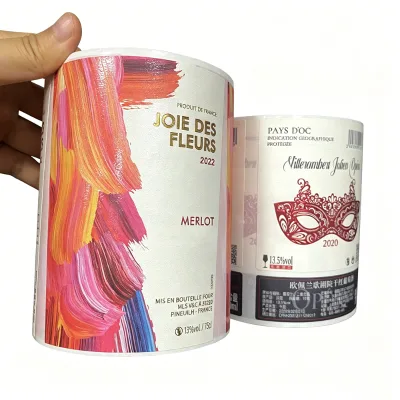
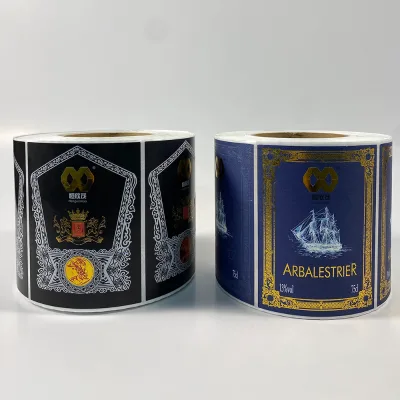
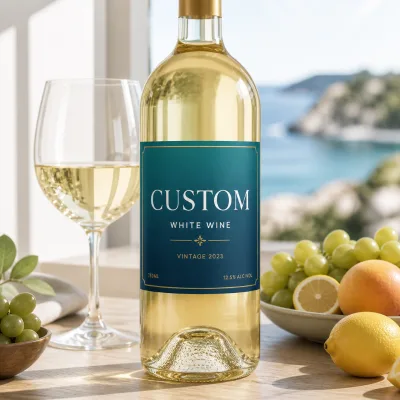
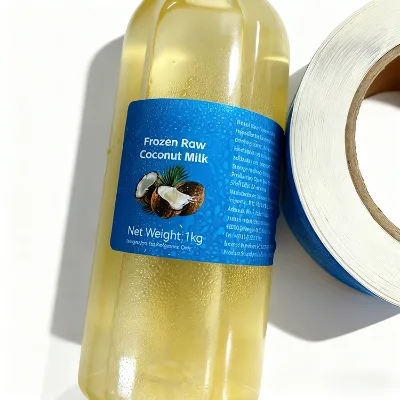
$0.0925 - $0.4629
MOQ: 100 pieces
Shenzhen Ai Si Yun Anti-Counterfeiting Technology Development Ltd.
- Verified by SGS Group
- Manufacturer, Trading Company
- Lead time7 days
- Avg. response≤ 4h
Main productsAnti-counterfeiting sticker, Anti-counterfeiting certificate, Anti-counterfeiting package, Anti-counterfeiting ticket, Self adhesive label
Main marketsDomestic Market(40%), Africa(15%), Eastern Europe(10%)
Guangdong-Hong Kong Smart Printing (GZ) Co., Limited
- Manufacturer, Trading Company
- Guangdong, China
- Lead time15 days
- Avg. response≤ 7h
Main productsShrink Sleeve,Pressure Sensitive Sticker,Pouch Bags,In Mold Label,Thermal Paper
Main marketsEastern Europe(35.00%), North America(35.00%), Northern Europe(10.00%), Central America(10.00%), Oceania(10.00%)

Hangzhou Ruijia Technology Co., Ltd.
- Verified by BV
- Trading Company
- China Zhejiang
- Lead time30 days
- Avg. response≤ 3h
Main marketsSouth America,Southeast Asia/ Mideast,Europe,Australia,North America

Custom Gold Foil Embossed Glossy Waterproof Self Adhesive Printed Wine Labels
$0.05 - $0.15
MOQ: 500 Pieces


$0.05 - $0.15
MOQ: 500 Pieces
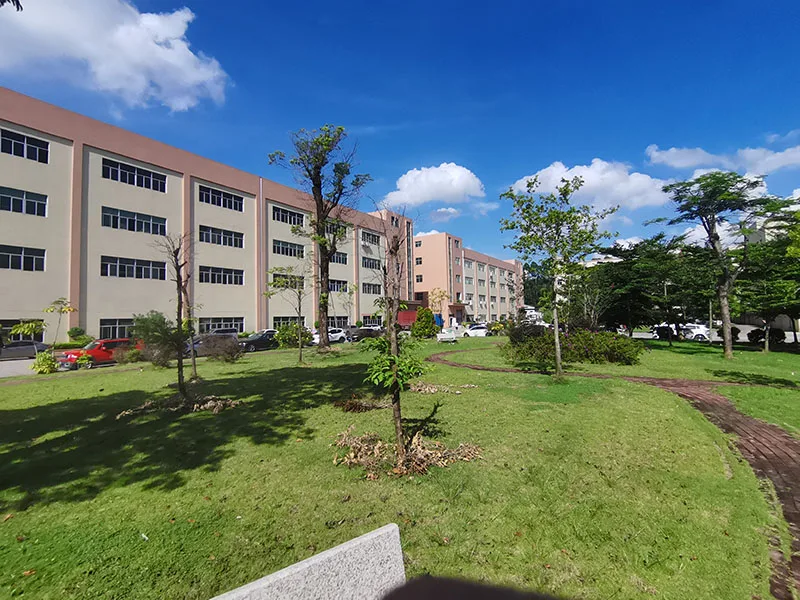
Dongguan Dalang Juyinmaoyi Firm
- Trading Company
- Guangdong, China
- Lead time30 days
- Avg. response≤ 4h
Main productsSecurity Labels,Packaging Labels,Wine Labels,Cigar Bands,Pull Tab Cards
Main marketsMid East(20.00%), Southeast Asia(20.00%), Central America(20.00%), North America(20.00%), South Asia(10.00%), South America(10.00%)
Shanghai Caiyibiao Industrial Co., Ltd.
- Verified by Intertek
- Manufacturer, Trading Company
- Lead time3 days
- Avg. response≤ 6h
Main productsLabel Sticker, Adhesive Labels, Booklet Printing, Catalogue Printing, Folder Printing
Main marketsSouth America(40%), North America(30%), Eastern Europe(20%)
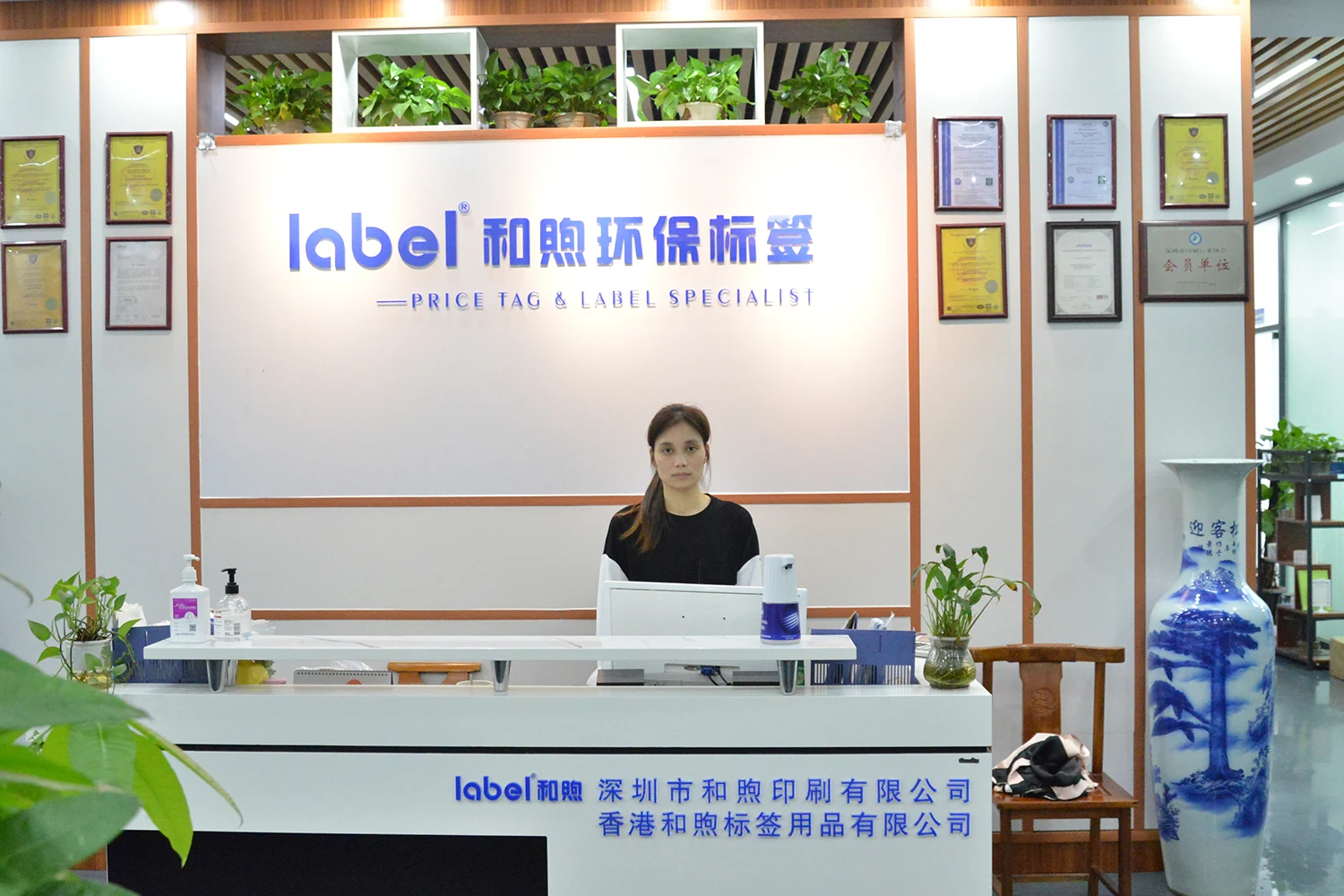
Shenzhen Hexu Printing Co., Ltd.
- Manufacturer, Trading Company
- Guangdong, China
- Lead time3 days
- Avg. response≤ 6h
Main productsLigar Label/, Cosmetic Label/, Food Label/, Electronic Label/, Pharmaceutical Label/Cartoon Label/Clothes Label
Main marketsNorth America(40.00%), South America(30.00%), Oceania(6.00%), Eastern Europe(4.00%), Domestic Market(4.00%), Western Europe(3.00%), Southern Europe(3.00%), Central America(3.00%), Northern Europe(2.00%), South Asia(1.00%), Eastern Asia(1.00%), Africa(1.00%), Mid East(1.00%), Southeast Asia(1.00%)
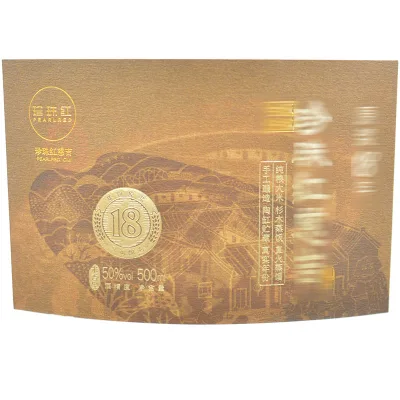
$0.0104 - $0.3116
MOQ: 1000 pieces
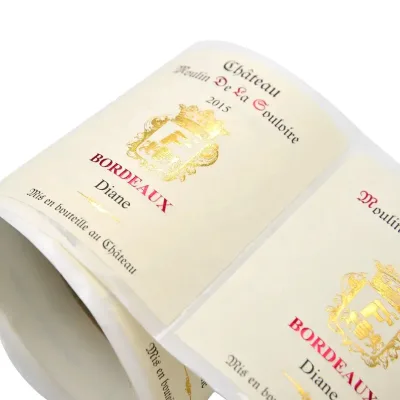
$0.01 - $0.08
MOQ: 500 Minimum
Shenzhen Jinzcai Technology Co., Ltd.
- Verified by SGS Group
- Manufacturer, Trading Company
- Lead time0 days
- Avg. response≤ 4h
Main productsCigar Bands, Wine Label, Cosmetic Label, Bottle Label, Packaging Box
Main marketsSouthern Europe(30%), Oceania(25%), North America(20%)

Ningbo Yinzhou Guda Imp. & Exp. Co., Ltd.
- Verified by SGS
- Trading Company,Manufacturer/Factory
- China Zhejiang
- Lead time15 days
- Avg. response≤ 4h
Main productsSticker, Emblem, Decal, Metal Sticker, Vinyl Sticker, Keyring, Fridge Magnet, Key Chain, Badge, Label
Main marketsSouth America,Eastern Europe,Mid East,North America,Southeast Asia,Eastern Asia,Oceania,Western Europe,Africa


Private Customize Wine Bottle Labels Sticker Printing Whisky Red Wine Label
$0.10 - $1.00
MOQ: 500 Pieces

Metallic Water Proof Wine Bottle Labels, Metal Wine Label Sticker Metal Label
$0.10 - $1.00
MOQ: 500 Pieces


- Verified by CTI
- Trading Company
- China Zhejiang
- Lead time23 days
- Avg. response≤ 3h
Main marketsSouth America,Europe,Australia,North America

Custom 750ml Glass Bottle Labels Premium Private Metal Adhesive Aluminum Foil Wine Labels
$0.10 - $0.99
MOQ: 200 Pieces

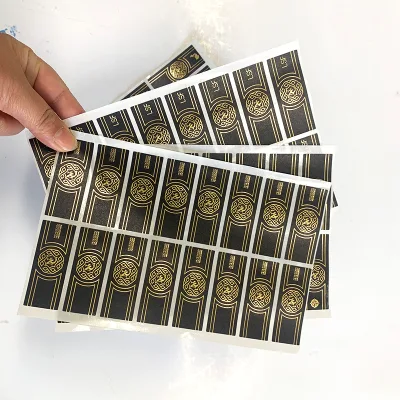
Custom Design High-End Black-and-Gold Luminous Wine Bottle Adhesive Labels
$0.09 - $0.99
MOQ: 500 Pieces


Factory Custom Price Hot Stamping Waterproof Durable Red Wine Bottle Label
$0.15 - $1.25
MOQ: 500 Pieces
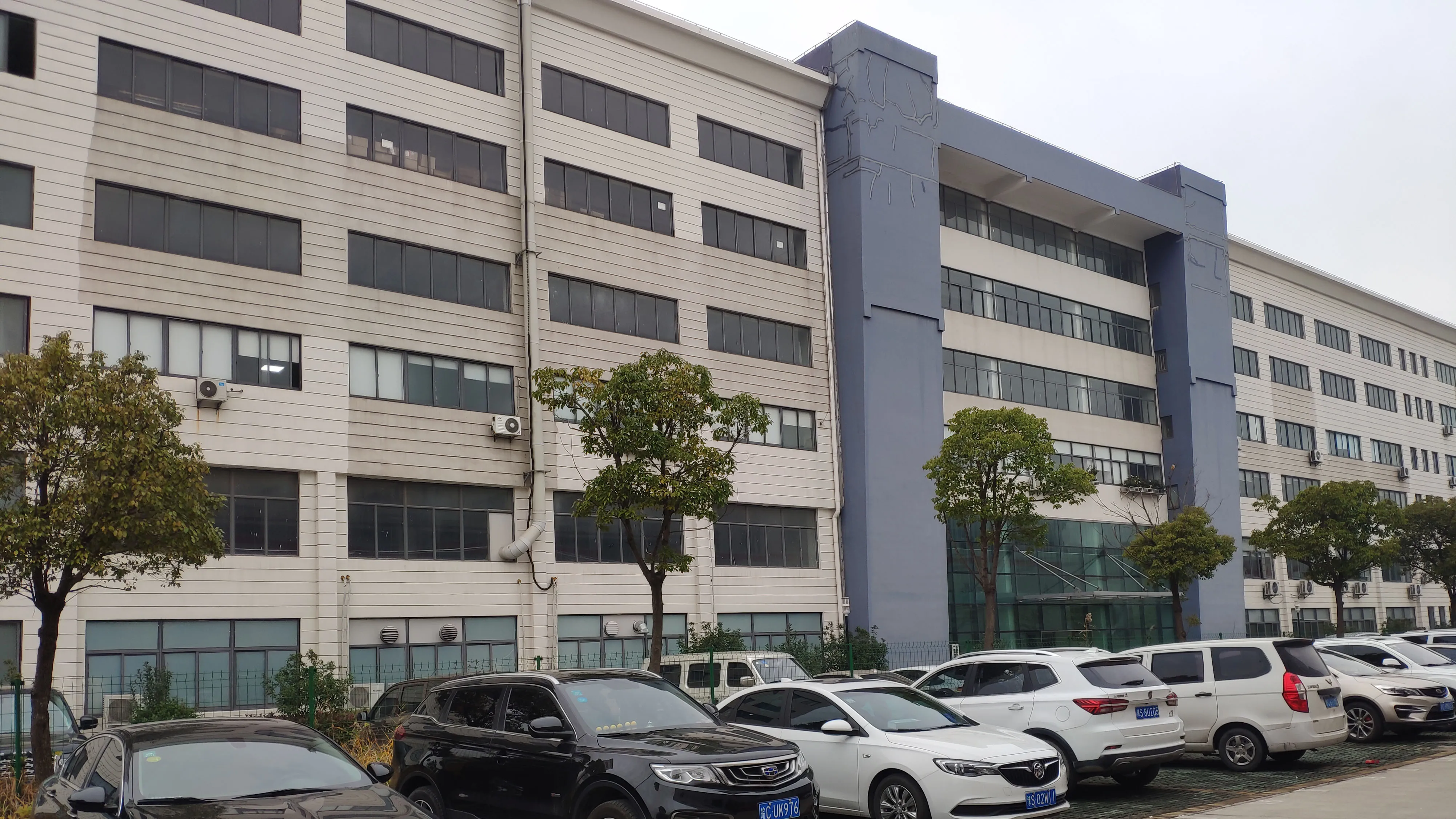
Shanghai Brightpac Printing Co., Ltd.
- Trading Company
- Shanghai, China
- Lead time3 days
- Avg. response≤ 2h
Main productslabel,label sticker,paper box,paper box,sticker
Main marketsNorth America(40.00%), Eastern Europe(30.00%), Western Europe(10.00%), Southeast Asia(10.00%), South America(10.00%)
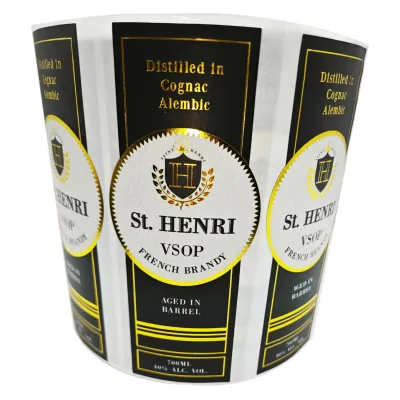
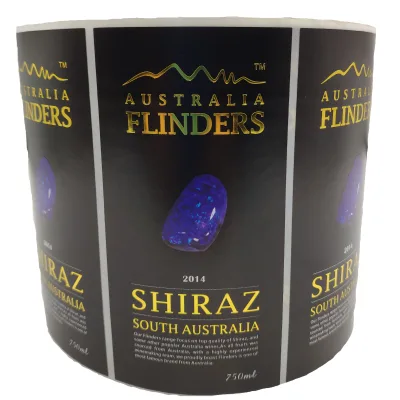
USA Popular Custom Self Adhesive Printing Cocktail Vodka Glass Bottle Label
$0.01 - $0.05
MOQ: 1000 pieces
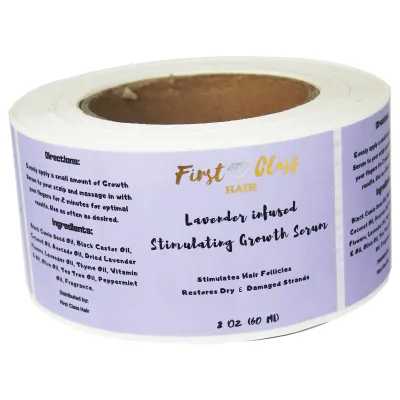

Xiamen Mingcai Electronic Technology Co., Ltd.
- Combined
- China Fujian
- Lead time15 days
- Avg. response≤ 2h
Main productsMembrane Switch, Membrane Keyboards, Industrial Nameplate, Metal Badge, Screen Printing Graphic Overlays, Touch Panel
Main marketsSouth America,Africa,Southeast Asia/ Mideast,East Asia(Japan/ South Korea),Europe,Australia,North America

- Verified by CTI
- Trading Company
- China Shanghai
- Lead time23 days
- Avg. response≤ 8h
Main productsGlass Bottle, Bottle, Vodka Glass Bottle, Whisky Glass Bottle, Glass Beer Bottle, Glass Wine Bottle, Beer Bottle, Glass Decanter, Glass Jars, Glass
Main marketsSouth America,Africa,Europe,Australia,North America


Custom Whisky Stickers Custom Labels for Bottles Printing Packaging Labels for Glass Bottle
$0.02 - $0.25
MOQ: 6000 Pieces

Custom Private Label Brandy Label Design Logo Sticker Printing Packaging Labels on Glass Bottle
$0.02 - $0.25
MOQ: 6000 Pieces


Custom Liquor Brandy Label Design Logo Decorative Stickers Private Label for Glass Bottle
$0.02 - $0.25
MOQ: 6000 Pieces

Wenzhou Xinyue Crafts Co., LTD
- Manufacturer
- zhejiang, China
- Lead time15 days
- Avg. response≤ 1h
Main productsMetal Business Cards,Metal Tags,Pins & Badges,Bookmarks,Souvenir Coins
Main marketsEastern Europe(15.00%), North America(15.00%), Mid East(10.00%), Northern Europe(10.00%), Eastern Asia(9.00%), Western Europe(8.00%), Southern Europe(7.00%), South Asia(7.00%), South America(7.00%), Domestic Market(5.00%), Central America(3.00%), Oceania(2.00%), Africa(1.00%), Southeast Asia(1.00%)
Yiwu Phonbon Import & Export Co., Ltd.
- Trading Company
- Zhejiang, China
- Lead time15 days
- Avg. response≤ 7h
Main productsmedal,lapel pin,metal coins,cross,rosary
Main marketsWestern Europe(16.67%), Southeast Asia(16.67%), Southern Europe(15.00%), Eastern Europe(15.00%), South America(10.00%), Africa(5.00%), Northern Europe(5.00%), Central America(5.00%), North America(5.00%), Mid East(3.00%), Eastern Asia(2.00%), South Asia(1.00%), Oceania(0.66%)
Guangzhou Hush Intelligent Technology Co., Ltd.
- Manufacturer, Trading Company
- Guangdong, China
- Lead time15 days
- Avg. response≤ 6h
Main productsBoarding Pass, Baggage Tag, Adhesive Label, Food Label, Wine Label
Main marketsDomestic Market(68.00%), Southeast Asia(16.00%), Western Europe(5.00%), South Asia(3.00%), North America(2.00%), Oceania(2.00%), South America(2.00%), Mid East(2.00%)
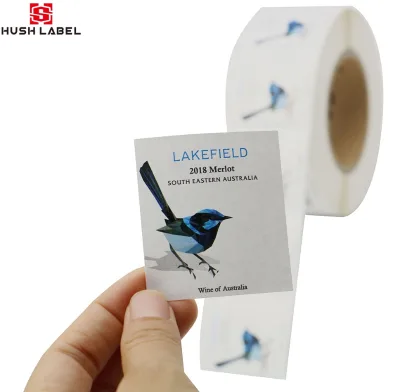
Custom Eco Friendly Texture Art Paper Wine Label Stamping Logo Printing Wine Labels for Bottles
$0.01 - $0.03
MOQ: 50 pieces
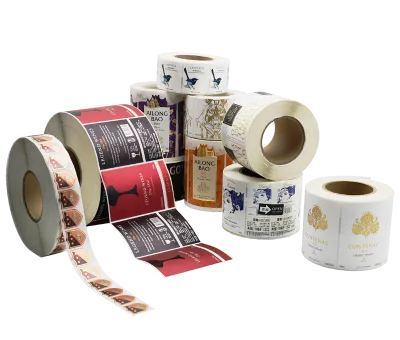
$0.01 - $0.03
MOQ: 50 pieces

Cangzhou Taixiang Plastic Products Co., Ltd.
- Verified by SGS
- Combined
- China Hebei
- Lead time15 days
- Avg. response≤ 4h
Main productsShrink Film, Adhesive Label, BOPP Label, Shrink Sleeve Label, Pouch
Main marketsDomestic


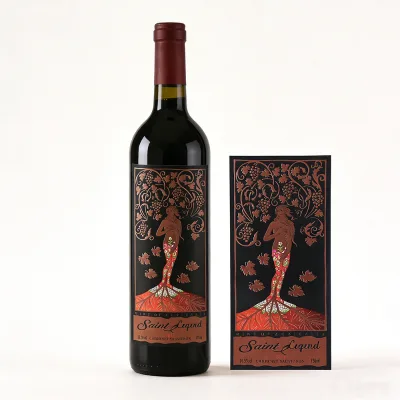
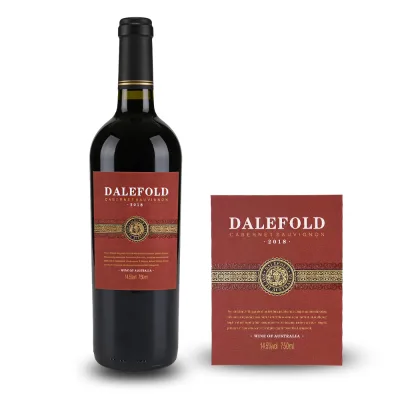
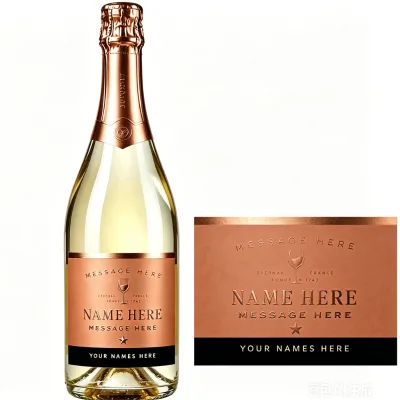
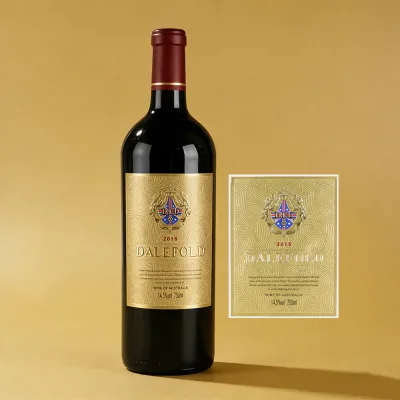
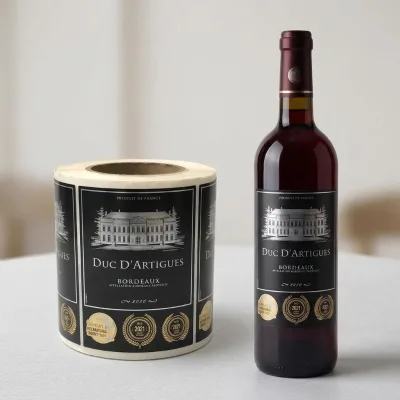
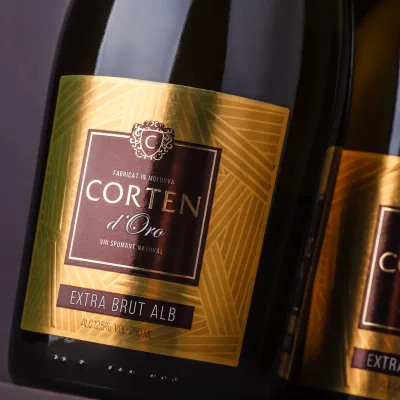
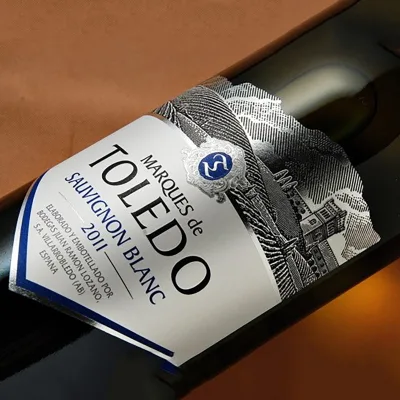




Comprehensive Sourcing Guide
Waterproof Custom Wine Glass Labels Supplier Concentration and Factory Types
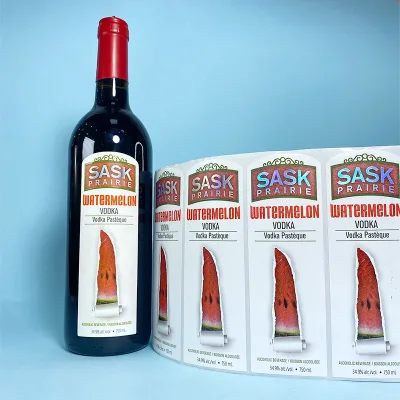
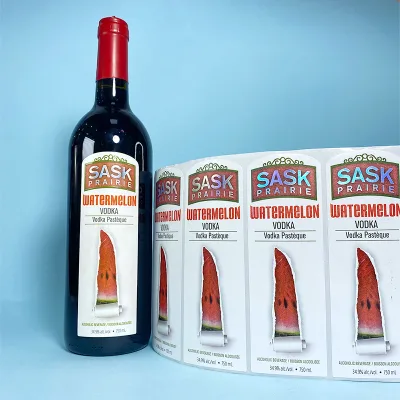
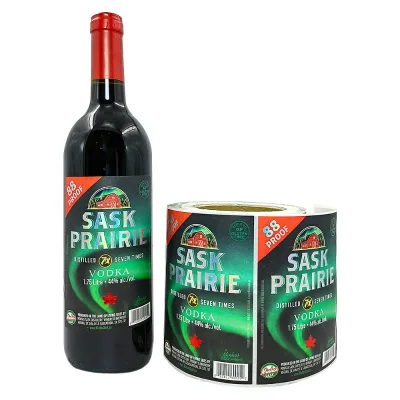
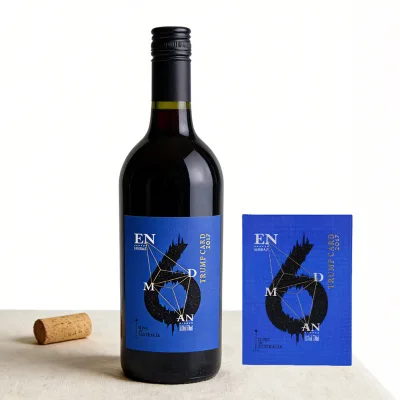
The current supplier landscape for Waterproof Custom Wine Glass Labels reveals a distinct geographic concentration in China, specifically within the Jiangsu and Guangdong provinces. These regions serve as primary manufacturing hubs for adhesive labeling solutions, offering a dense network of factories capable of handling complex printing requirements. Suppliers in these areas often operate as combined entities, blending trading capabilities with direct manufacturing resources. This structure allows for greater flexibility in sourcing, as these companies can manage both the production of custom labels and the logistical coordination required for international shipments. The presence of verified suppliers in these locations indicates a mature industrial ecosystem where specialized equipment for label printing and adhesive application is readily available. Buyers evaluating these suppliers should recognize that the concentration of factories in Jiangsu and Guangdong provides access to a wide variety of materials, including PET, PVC, and paper, which are essential for creating durable, waterproof labels suitable for wine bottles.
Factory types in this sector vary, with many suppliers offering both OEM and ODM services to accommodate different brand needs. Some manufacturers specialize in high-volume production of standard adhesive rolls, while others focus on custom die-cut stickers and holographic labels for premium wine branding. The availability of combined company types suggests that buyers can engage with suppliers who have integrated supply chains, potentially reducing lead times and improving communication. However, it is crucial to distinguish between pure trading companies and actual factories, as this distinction impacts pricing and quality control. Suppliers in these regions often highlight their ability to produce custom labels with specific features such as waterproofing, anti-counterfeit properties, and holographic effects. Understanding the factory type helps buyers assess whether a supplier can meet their specific volume requirements and customization needs. The geographic clustering also facilitates easier site visits and audits for buyers who prioritize direct factory engagement, ensuring that the manufacturing processes align with their quality standards and ethical sourcing policies.
How to Verify Waterproof Custom Wine Glass Labels Suppliers
Verifying suppliers for Waterproof Custom Wine Glass Labels requires a rigorous approach to assessing their credentials and operational capabilities. Buyers should prioritize suppliers who hold recognized certifications such as ISO9001 and SGS, which indicate adherence to international quality management standards. These certifications are critical for ensuring that the labels meet specific durability and safety requirements, particularly when used for food and beverage products like wine. Additionally, verifying the supplier’s business type is essential; combined companies may offer broader services, but buyers must confirm their manufacturing capacity to ensure they can deliver consistent quality. Response time is another key metric for verification, as suppliers with faster response rates, such as those averaging 4.50 hours, demonstrate better communication efficiency and customer service readiness. This responsiveness is vital for resolving issues related to custom designs, material selection, and production timelines. Buyers should also check for third-party verifications, such as BV certification, which adds an extra layer of trust regarding the supplier’s legitimacy and operational stability.
Beyond certifications and response times, buyers should examine the supplier’s product evidence and technical specifications to verify their capability to produce waterproof labels. Detailed product attributes, such as material composition (PET, PVC, or paper), surface treatments (lamination, spot UV), and features (waterproof, anti-counterfeit), provide insight into the supplier’s technical expertise. Suppliers who provide comprehensive product data, including artwork formats and customization options, are more likely to be reliable partners for complex label projects. Buyers should also verify the supplier’s ability to provide free samples, which allows for physical testing of label durability and adhesion under various conditions. Furthermore, checking the supplier’s main products and industry focus can help determine if they have specialized experience in wine labeling. Suppliers with a strong portfolio in packaging auxiliary materials and adhesive stickers are better positioned to deliver high-quality results. By systematically verifying these aspects, buyers can mitigate risks and ensure they partner with suppliers who have the proven capability to meet their specific requirements for Waterproof Custom Wine Glass Labels.
What to Compare Across Waterproof Custom Wine Glass Labels Suppliers
When comparing suppliers for Waterproof Custom Wine Glass Labels, buyers must evaluate multiple dimensions to identify the best fit for their specific needs. Lead time is a critical factor, with some suppliers offering delivery times as short as 7-10 days, while others may require up to 23 days. This variation can significantly impact inventory management and product launch schedules, making it essential to align supplier lead times with business requirements. Minimum Order Quantity (MOQ) is another key comparison point, ranging from 100 PCS to 5000 PCS depending on the supplier and product type. Buyers with smaller initial orders may prefer suppliers with lower MOQs, while those planning large-scale production might benefit from suppliers offering economies of scale. Response speed also varies, with some suppliers responding within hours and others taking longer, which can affect the efficiency of the design and approval process. Comparing these operational metrics helps buyers select suppliers who can meet their timeline and volume constraints.
Price and customization options are equally important factors in supplier comparison. Unit prices for custom labels can range from $0.005 to $0.05, depending on material, printing complexity, and order volume. Buyers should request detailed quotes that break down costs for materials, printing, and finishing to ensure transparency. Customization capabilities, such as the ability to produce holographic, scratch-off, or heat-sensitive labels, should be assessed based on the supplier’s technical specifications and past performance. Suppliers offering flexible design formats (Ai, Pdf, CDR, Psd) and multiple color options (CMYK or Pantone) provide greater creative freedom. Additionally, comparing payment terms (T/T, West Union, Paypal) and shipping ports (Shanghai, Ningbo, Wuxi) can influence the overall cost and logistics efficiency. By systematically comparing these attributes, buyers can make informed decisions that balance cost, quality, and service levels, ensuring they select suppliers who offer the best value for their waterproof custom wine glass label projects.
Common Waterproof Custom Wine Glass Labels Sourcing Risks
Sourcing Waterproof Custom Wine Glass Labels involves several risks that buyers must proactively manage to ensure successful outcomes. One significant risk is the variability in material quality, as labels made from different substrates (PET, PVC, paper) may exhibit varying levels of durability and adhesion. Buyers must verify that the selected material meets the specific environmental conditions of wine storage and handling, such as resistance to moisture, temperature changes, and chemical exposure. Another risk is the potential for miscommunication regarding design specifications, which can lead to production errors and wasted resources. Suppliers may interpret design files differently, resulting in color mismatches, incorrect sizing, or improper finishing. To mitigate this, buyers should provide clear, detailed artwork files and request physical samples before committing to large orders. Additionally, the risk of delayed shipments is prevalent, especially if suppliers face production bottlenecks or logistical challenges. Buyers should establish clear communication channels and monitor production progress to address any delays promptly.
Quality control inconsistencies represent another major risk in sourcing custom labels. Suppliers may not consistently adhere to quality standards, leading to issues such as poor print resolution, adhesive failure, or label peeling. Buyers should verify the supplier’s quality assurance processes and request evidence of past performance, such as customer testimonials or case studies. The risk of non-compliance with international standards is also present, particularly if suppliers lack necessary certifications like ISO9001 or SGS. Buyers must ensure that their suppliers meet all regulatory requirements for food packaging and labeling in their target markets. Furthermore, the risk of intellectual property infringement exists if suppliers share proprietary designs with unauthorized parties. Buyers should implement strict confidentiality agreements and monitor supplier practices to protect their brand identity. By identifying and addressing these risks through thorough due diligence and clear contractual terms, buyers can minimize disruptions and ensure the successful delivery of high-quality Waterproof Custom Wine Glass Labels.
Waterproof Custom Wine Glass Labels Regional Sourcing and Logistics
Regional sourcing from China, particularly from Jiangsu and Guangdong provinces, offers distinct advantages and logistical considerations for buyers of Waterproof Custom Wine Glass Labels. These regions are well-established manufacturing hubs with access to advanced printing technologies and a wide range of raw materials. The proximity of suppliers to major ports such as Shanghai, Ningbo, and Wuxi facilitates efficient export logistics, reducing transit times and shipping costs. Buyers should leverage this geographic advantage by coordinating with suppliers who have experience in international shipping and can handle customs documentation seamlessly. The concentration of suppliers in these areas also allows for easier comparison and selection, as buyers can evaluate multiple options within a short distance. However, buyers must also consider the potential for regional disruptions, such as weather events or local policy changes, which could impact production and shipping schedules. Establishing relationships with suppliers who have robust contingency plans can help mitigate these risks.
Logistics planning is crucial for ensuring the timely delivery of custom labels, especially for time-sensitive product launches. Buyers should work with suppliers to determine the most cost-effective shipping methods, whether by sea or air, based on order volume and urgency. Sea freight is generally more economical for large orders, while air freight may be necessary for urgent replenishments. Buyers should also consider the supplier’s packaging standards, as labels must be protected from damage during transit. Export cartons and proper labeling are essential to prevent moisture damage and ensure the integrity of the product upon arrival. Additionally, buyers should verify the supplier’s ability to handle different trade terms, such as FOB or CIF, to clarify responsibility for shipping costs and risks. By carefully planning logistics and leveraging the regional strengths of Chinese suppliers, buyers can optimize their supply chain and ensure the reliable delivery of Waterproof Custom Wine Glass Labels to their global markets.
Waterproof Custom Wine Glass Labels Commercial Terms and Order Planning
Commercial terms and order planning are pivotal for managing the procurement of Waterproof Custom Wine Glass Labels effectively. Buyers should negotiate clear payment terms, such as T/T, West Union, or Paypal, to align with their financial policies and risk tolerance. Understanding the supplier’s pricing structure, including unit costs and any additional fees for customization or rush orders, is essential for accurate budgeting. Buyers should also clarify the supplier’s return and refund policies in case of quality issues or production errors. Order planning involves determining the optimal order quantity to balance inventory costs with production efficiency. Suppliers with lower MOQs may be suitable for initial trials, while larger orders can benefit from economies of scale. Buyers should also consider the supplier’s production capacity and lead times to ensure they can meet demand fluctuations. Establishing a long-term partnership with a reliable supplier can lead to better pricing and priority service.
Effective order planning also requires close collaboration with suppliers on design approvals and production schedules. Buyers should provide detailed specifications and artwork files well in advance to allow for adequate preparation time. Regular communication throughout the production process helps identify and resolve any issues promptly, ensuring the final product meets expectations. Buyers should also plan for post-production activities, such as quality inspection and logistics coordination, to ensure smooth delivery. Understanding the supplier’s standard operating procedures and documentation requirements can streamline the ordering process and reduce administrative burdens. By carefully managing commercial terms and order planning, buyers can build a resilient supply chain that supports their business goals. This approach minimizes risks, optimizes costs, and ensures the consistent delivery of high-quality Waterproof Custom Wine Glass Labels, ultimately enhancing brand value and customer satisfaction in the competitive wine market.
FAQs
What is the minimum order quantity for custom wine labels?
Minimum order quantities typically range from 100 to 5000 pieces depending on the supplier and material. Some manufacturers offer low MOQs of 100 pieces for testing, while standard bulk orders often require 3000 or 5000 units. Buyers should verify specific MOQs with suppliers before placing orders to ensure alignment with production capabilities.
How long does production take for custom adhesive labels?
Production lead times generally range from 7 to 23 days based on the supplier's capacity and order volume. Some manufacturers offer faster turnaround times of 7 to 10 days for standard orders, while others may require up to 23 days for complex customizations. Buyers should confirm delivery schedules with suppliers to plan inventory effectively.
What materials are used for waterproof wine bottle labels?
Common materials include PET, PVC, and paper, with PET and PVC offering superior waterproof and durability features. These materials are suitable for various applications including bottled beverages, food packaging, and pharmaceuticals. Buyers can choose from transparent or opaque options, with surface treatments like lamination or spot UV available for enhanced aesthetics and protection.
Are free samples available for custom wine label orders?
Yes, many suppliers offer free samples to help buyers evaluate quality and design before committing to bulk orders. These samples allow buyers to test material durability, print quality, and adhesive performance. Buyers should contact suppliers directly to request samples and confirm any associated shipping costs or sample fees that may apply.
What certifications do label suppliers typically hold?
Suppliers often hold ISO9001 and SGS certifications, ensuring quality management and product safety standards. Some manufacturers also comply with ISO14001 for environmental management. These certifications indicate adherence to international standards for production processes and product quality. Buyers should verify specific certifications with suppliers to ensure compliance with their regulatory requirements.
What payment terms are accepted for label orders?
Common payment terms include T/T, Western Union, and PayPal, offering flexibility for international transactions. Buyers can negotiate specific terms with suppliers based on order value and relationship history. Some suppliers may offer escrow services for added security. Buyers should confirm payment options and terms with suppliers to ensure smooth transaction processing.