Waterproof Geomembrane for Fish Farm Suppliers and Manufacturers
Compare 23 verified suppliers of Waterproof Geomembrane for Fish Farm based on location, lead times, certifications, and response times. Review product specifications like thickness and material to source HDPE or PVC liners from China Shandong factories; review the available evidence before requesting comparable quotations from suitable candidates.
Updated
Suppliers List

Qingdao Qihang Fishing Cage Co., Ltd.
- Verified by BV
- Trading Company,Manufacturer/Factory,Other
- China Shandong
- Lead time23 days
- Avg. response≤ 2h
Main productsFish Cage, Fishing Cage, Sea Cage, Aquaculture Cage, HDPE Fish Cage, Tilapia Net Cage, Floating Cage, Fishing Net, Fish Farm Cage, PE Net Cage
Main marketsSouth America,Eastern Europe,Mid East,North America,Southeast Asia,Eastern Asia,Oceania,Western Europe,Africa

The Best Project Material Co., Ltd.
- Verified by TUVRHEINLAND
- Combined
- China Shandong
- Lead time15 days
- Avg. response≤ 6h
Main productsGeomembrane, Geotextile, Geocells, Geogrids, Geosynthetics, Waterproof Geomembrane, Smooth Geomembrane, Geosynthetic Clay Liners, Drainage Boards
Main marketsSouth America,Africa,Southeast Asia/ Mideast,North America

40mil Waterproof Material Fish Farm Geomembrane for Fish Pond Farming
$0.49 - $0.59
MOQ: 3000 Square Meters

0.5mm 0.75mm Fish Farm Geomembrane Price M2 for Aquaculture in Sri Lanka
$0.69 - $0.79
MOQ: 3000 Square Meters

- Verified by BV
- Manufacturer/Factory
- China Shandong
- Lead time15 days
- Avg. response≤ 3h
Main productsGeomembrane, EPDM Pond Liner, Geocell, Concrete Blanket, PVC Pond Liner, Scaffold Safety Net, Other Geosynthetics Materails
Main marketsSouth America,Mid East,North America,Southeast Asia,Eastern Asia,Western Europe

PVC Pond Liner 0.5mm 1mm Waterproof Geomembrane for Fish Farm Aquaculture
$1.43 - $3.72
MOQ: 1200 Square Meters

Impermeable Geomembrane - Smooth or Textured Options - Designed for Fish Farms
$1.43 - $3.72
MOQ: 1200 Square Meters

0.5mm 1.0mm 1.5mm PVC Pond Liner Waterproof Geomembrane for Fish Farming
$1.43 - $3.72
MOQ: 1200 Square Meters

1.0mm Waterproof Geomembrane Liner for Fish Farming and Dam Seepage Control
$0.45 - $2.90
MOQ: 1200 Square Meters

- Verified by TUVRHEINLAND
- Combined
- China Shandong
- Lead time15 days
- Avg. response≤ 3h
Main productsGeomembrane
Main marketsSouth America,Africa,Southeast Asia/ Mideast,Europe,North America

Yantai Distinct New Materials Technology Co., Ltd.
- Verified by TUVRHEINLAND
- Manufacturer/Factory
- China Shandong
- Lead time15 days
- Avg. response≤ 15h
Main productsHDPE Geomembrane, Pond Liner, HDPE Geomembrane Pond Liner, Nonwoven Geotextile, Woven Geotextile, Geobag, Geocomposite, Composite Geomembrane, Gcl, Geosynthetic Clay Liner
Main marketsSouth America,Eastern Europe,Mid East,North America,Southeast Asia,Eastern Asia,Oceania,Western Europe,Africa


Geomembrane with Excellent Impervious and Waterproof Performance Is Used in Fish Pond Farm
$0.22 - $3.25
MOQ: 1000 Square Meters

Geomembrane Is Solid and Durable, Widely Used in Mining and Fish & Shrimp Pond Farming.
$0.20
MOQ: 1000 Square Meters

Cost-Effective Premium Geomembrane, Suitable for Fish Ponds, Shrimp Ponds and All Aquaculture Sites.
$0.20 - $2.50
MOQ: 1000 Square Meters

Weifang Luyang Waterproof Material Co., Ltd.
- Verified by TüVRheinland
- Manufacturer, Trading Company
- Lead time7 days
- Avg. response≤ 2h
Main productsBitumen Waterproof Membrane, High Polymer Waterproof Membrane, Waterpoof Coating
Main marketsNorth America(20%), Southeast Asia(20%), Eastern Europe(10%)

Yangzhou Leebo Environmental Protection Material Co., Ltd
- Verified by CTI
- Combined
- China Jiangsu
- Lead time30 days
- Avg. response≤ 3h
Main productsstitchbond fabric & Geo products
Main marketsSouth America,Domestic
Dezhou Huaxiang New Material Technology Co., Ltd.
- Verified by TüVRheinland
- Manufacturer, Trading Company
- Lead time10 days
- Avg. response≤ 1h
Main productsGeomembrane, Geotextile, Drainage Net, Cement Blanket, GCL
Main marketsDomestic Market(70%), Southeast Asia(8%), Mid East(5%)

Shandong Geomembrane New Materials Co., Ltd.
- Verified by SGS
- Combined
- China Shandong
- Lead time15 days
- Avg. response≤ 1h
Main productsGeomembrane, Composite Geomembrane, Geocell, Geotextile, Three-Dimensional Composite Drainage Network, Gcl, Geogrid, Geotube, Geobag, Grass Grid
Main marketsDomestic


Eco-Friendly Composite Geomembrane for Aquaculture Ponds Fish & Shrimp Farm Liner
$0.38 - $2.99
MOQ: 1000 Square Meters

Geomembrane for Hydroponic Farm Water Management Leak-Proof & Durable
$0.32 - $1.68
MOQ: 1000 Square Meters

Earth Shield Environmental Technology (Shandong) Co., Ltd.
- Verified by SGS
- Combined
- China Shandong
- Lead time15 days
- Avg. response≤ 2h
Main productsGeomembrane, Geogrid, HDPE Geomembrane, Geotextile, Geocell, Geomembrane Welder, Pond Liner, HDPE Geocell, HDPE Geomembrane Liner, Geocell for Road
Main marketsSouth America,Africa,Southeast Asia/ Mideast,East Asia(Japan/ South Korea),Europe,Australia,North America


High UV Resistant HDPE Geomembrane for Philippines Fish Shrimp Farm
$0.70 - $1.00
MOQ: 5000 Square Meters


High Density Polyethylene Geomembrane for Aquaculture Pond Liner
$0.68 - $3.68
MOQ: 2000 Square Meters

Environmental-Friendly Geomembrane for Fish/Shrimp Farming Pond Liner
$0.68 - $3.68
MOQ: 3000 Square Meters
Honghao Intercontinental Engineering Construction (taian) Co., Ltd.
- Verified by Intertek
- Trading Company
- Lead time0 days
- Avg. response≤ 2h
Main productsGeomembrane, Geotextile, Geogrid
Main marketsNorth America(20%), Eastern Europe(20%), Southeast Asia(20%)
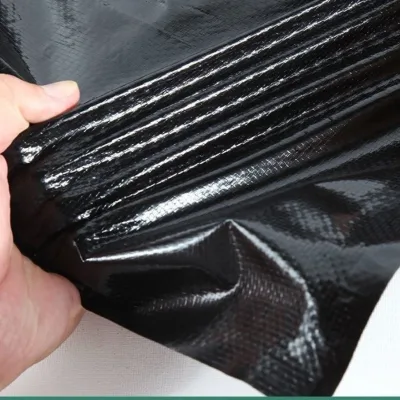
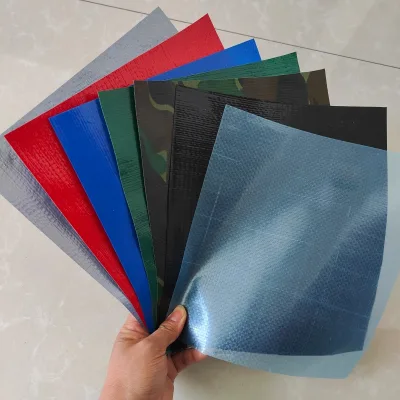
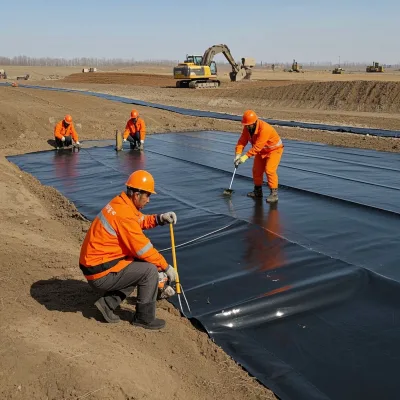
$1.2322 - $1.8483
MOQ: 300 square
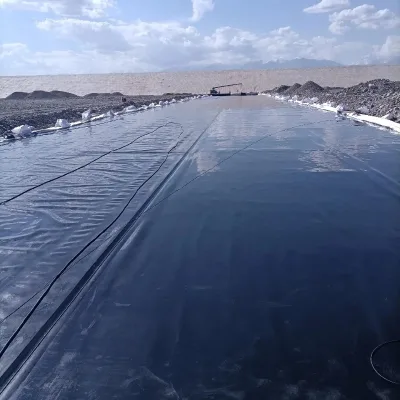
100% New Material for Agricultural Water tank Linings and Irrigation Pond Geomembranes
$0.7195 - $1.0268
MOQ: 300 square
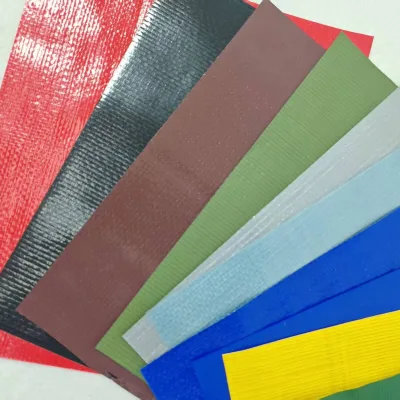

Anhui Zhonglu Engineering Materials Co., Ltd.
- Verified by SGS
- Combined
- China Anhui
- Lead time15 days
- Avg. response≤ 1h
Main productsGeomembrane, Geotextile, Geogrid, Geocell, Drain Board, Geobag, Polyester Geogrid, 3D Geomat, Composite Geomembrane, Grass Grid
Main marketsOthers(foreignTradeCapacity.exportBusinessCapacityMarketOther),Southeast Asia/ Mideast,East Asia(Japan/ South Korea),Domestic,Europe,North America

Smooth 2mm HDPE Pond Liner Geomembrane for Aquaculture and Fish Farms
$0.85 - $1.51
MOQ: 1000 Square Meters

1.5mm HDPE Waterproofing Membrane Geomembrane for Agriculture Pond Liner
$0.25 - $1.78
MOQ: 1000 Square Meters


Swimming Pool Fish Pond Farm Liner Waterproof Geo-Membrane 0.75mm 0.8mm 1.0mm
$0.23 - $0.61
MOQ: 1000 Square Meters
Earth Shield Environmental Technology(shandong) Co., Ltd.
- Verified by TüVRheinland
- Manufacturer, Trading Company
- Lead time15 days
- Avg. response≤ 1h
Main productsGeomembrane, Geotextile, Geogrid, Geonet, GCL
Main marketsSouth America(20%), Southeast Asia(20%), Africa(20%)
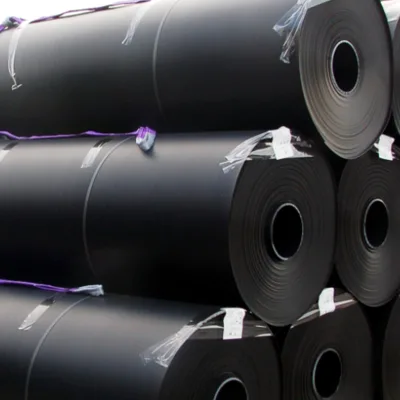
Rough Smooth Surface Water Reservoir Waterproof Geomembrane Shrimp Farm
$0.48 - $1.26
MOQ: 2000 square
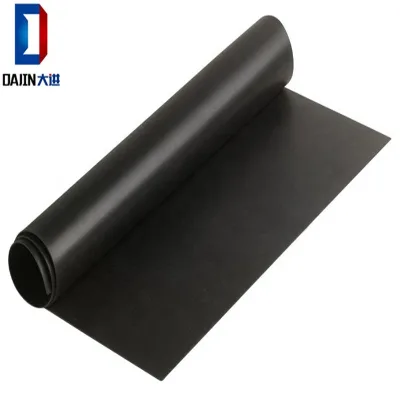
Free Sample Anti-UV Fish Farm Plastic Geomembrane for Fish Shrimp Pond Pool Tank
$0.58 - $1.06
MOQ: 2000 Minimum

Dezhou Huaxiang New Material Technology Co., Ltd.
- Verified by BV
- Combined
- China Shandong
- Lead time15 days
- Avg. response≤ 3h
Main productsGeomembrane, Geotextile, Geogrid, Drainage Board, Drainage Net, Geosynthetic Clay Liner Gcl, Geocell, Geo Bags, Geomembrane Welding Machine, Cement Blanket(Gccm)
Main marketsSouth America,Africa,Southeast Asia/ Mideast,East Asia(Japan/ South Korea),Europe,Australia,North America

Waterproofing Plastic Geomembrane with Customized Thickness for Aquaculture
$0.24 - $1.09
MOQ: 1000 Square Meters

Modern Design HDPE Geomembranes for Fish Farm Ponds with Different Colours Thicknesses
$0.13 - $3.48
MOQ: 1000 Square Meters

High-Performance Geomembranes for Fish Tank and Aquaculture Pond Liner Systems
$0.54 - $1.23
MOQ: 1000 Square Meters

Hengshui Aohong Engineering Materials Co., Ltd
- Trading Company
- China Hebei
- Lead time45 days
- Avg. response≤ 10h
Main productsCorrugated Pipes, Waterstops, Shock Absorption and Isolation Bearings, Expansion Joints, Fiberglass Reinforced Plastic (FRP) Cable Trays
Main marketsSouth America,Eastern Europe,Mid East,North America,Southeast Asia,Eastern Asia,Oceania,Western Europe,Africa


Plastic Geomembrane for Fish and Shrimp Farming Without UV Protection
$0.40 - $0.60
MOQ: 1000 Square Meters

Factory Price: PVC Geomembrane for Fish Farms Is Used as an Inner Lining in The Aquaculture Industry
$0.40 - $0.60
MOQ: 1000 Square Meters

Anti UV Farm Pond Lining Waterproof Material 1.0 1.5 mm Geomembrane
$0.40 - $0.60
MOQ: 1000 Square Meters

Factory Direct Sales of 0.5mm Waterproof Aquaculture Pond Lining Geotextile Membrane
$0.40 - $0.60
MOQ: 1000 Square Meters
Anhui Zhonglu Engineering Materials Co., Ltd.
- Verified by TüVRheinland
- Trading Company
- Lead time7 days
- Avg. response≤ 1h
Main productsGeocell, Geogrid, Geomembrane, Grass Grid, Geotextile
Main marketsSoutheast Asia(35%), Mid East(30%), South America(10%)

Xingshidun New Material Co., Ltd.
- Trading Company,Manufacturer/Factory
- China Hebei
- Lead time15 days
- Avg. response≤ 2h
Main productsWaterproof Membrane, EPDM Membrane, Tpo Membrane, PVC Membrane, HDPE Membrane, Non-Asphalt Waterproof Membrane, Construction Waterproofing, Building Material, Roofing Sheet, Self Adhesive Butyl Tape
Main marketsSouth America,Eastern Europe,Mid East,North America,Southeast Asia,Eastern Asia,Oceania,Western Europe,Africa

Waterproof Membrane CPE for High Way Fish Farming Tanks Geomembrane for Pool
$2.00 - $4.00
MOQ: 100 Square Meters

CPE Waterproof Membrane for High Way Fish Farming Tanks Geomembrane for Pool
$2.00 - $4.00
MOQ: 100 Square Meters
Taian Geovance Technology Co., Ltd.
- Trading Company
- Shandong, China
- Lead time10 days
- Avg. response≤ 1h
Main productsGeomembrane,Geotextile,Geogrid,Geocell,Dewatering Tubes
Main marketsCentral America(18.00%), Southeast Asia(18.00%), Africa(17.00%), Domestic Market(12.00%), Mid East(11.00%), South Asia(10.00%), Oceania(5.00%), Eastern Europe(2.00%), South America(2.00%), Southern Europe(2.00%), Northern Europe(1.00%), Eastern Asia(1.00%), Western Europe(1.00%)

Shandong Tianren New Materials Co., Ltd.
- Verified by TUVRHEINLAND
- Combined
- China Shandong
- Lead time15 days
- Avg. response≤ 5h
Main productsWaterproof Rolling Materials for Construction, Composite Geomembrane, Filament Geotextiles, Short Silk Geotextile, Geomembrane, Waterproof Board, Waterproof Blanket
Main marketsSouth America,Africa


Reliable LDPE Waterproof Geomembrane for Agriculture and Fish Pond Farming
$0.30 - $3.50
MOQ: 1000 Square Meters


Taian Nuolian Engineering Materials Co., Ltd.
- Verified by SGS Group
- Manufacturer, Trading Company
- Shandong, China
- Lead time15 days
- Avg. response≤ 2h
Main productsCement Blanket, Geomembrane, Geotextile, Geocell, Geosynthetic Clay Liner
Main marketsDomestic Market(30%), Southeast Asia(22%), Mid East(15%)
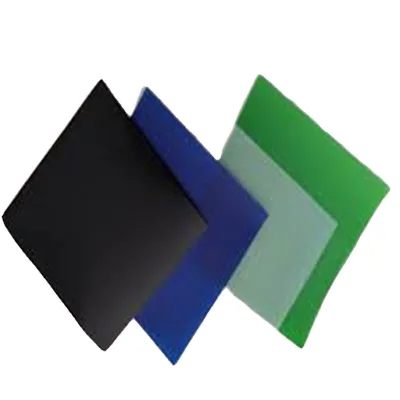
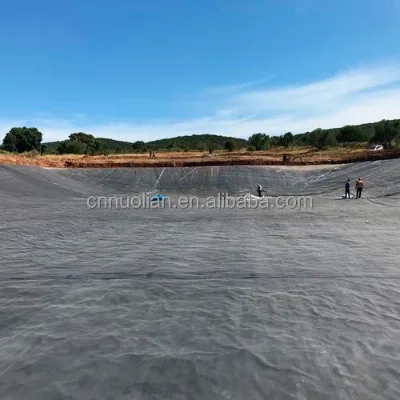
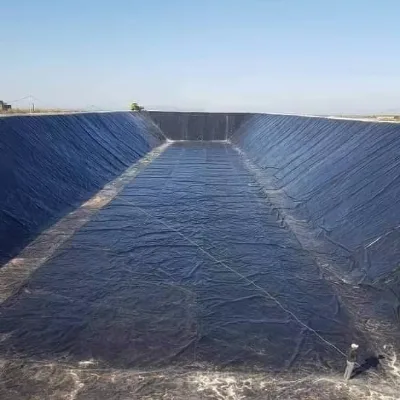
0.75mm Aquculture Geomembrane Used for Reservoirs
$0.48 - $0.50
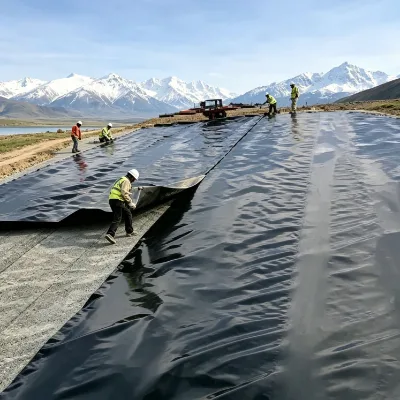
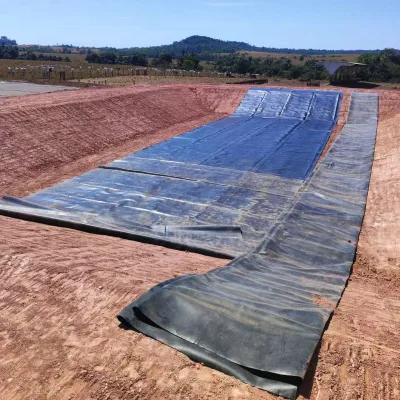
Reservoir Waterproof Geosynthetic Membrane Pit Liners Geomembranes in Honduras
$0.7675 - $3.9783
MOQ: 1 Minimum
Jiangsu Esty Building Materials Co., Ltd.
- Manufacturer, Trading Company
- Jiangsu, China
- Lead time35 days
- Avg. response≤ 3h
Main productsPVC floor,Vinyl Flooring,homogeneous rolls,anti static pvc flooring,conductive vinyl tile
Main marketsMid East(15.00%), Northern Europe(15.00%), Domestic Market(10.00%), South America(10.00%), North America(10.00%), Southeast Asia(10.00%), Western Europe(10.00%), Eastern Asia(5.00%), Southern Europe(5.00%), Africa(5.00%), Eastern Europe(5.00%)

Hebei Shentong Plastic Co., Ltd.
- Verified by TUVRHEINLAND
- Combined
- China Hebei
- Lead time15 days
- Avg. response≤ 4h
Main productsPVC Pipe, PPR Pipe, PPR Fitting, HDPE Pipe, HDPE Fitting, PVC Fitting, Plastic Welding Machine, HDPE Corrugated Pipe, Plastic Cutter, Plastic Pipe
Main marketsDomestic

0.1mm-3.0mm Thickness Geomembrane for Fish Farm Pond Liner HDPE Geomembrane
$0.09 - $0.10
MOQ: 100 Square Meters

Geomembrane Fish Tank Environmental Protection HDPE Smooth Fish Farm Pond Liner Geomembrane
$0.18 - $0.20
MOQ: 100 Square Meters
Taian Lin Yuan Engineering Materials Co., Ltd.
- Verified by Intertek
- Trading Company
- Shandong, China
- Lead time10 days
- Avg. response≤ 1h
Main productsGeogrid, Geotextile, Geocell , Geomembrane
Main marketsDomestic Market(38%), Southeast Asia(24%), Oceania(14%)
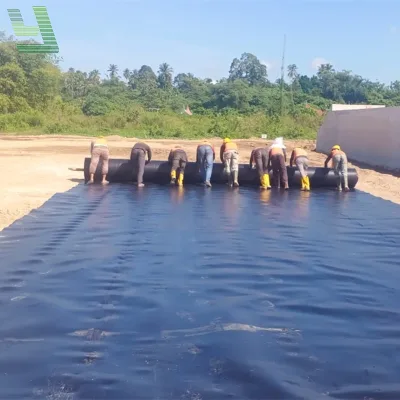
$0.1664 - $0.4992
MOQ: 500 Minimum
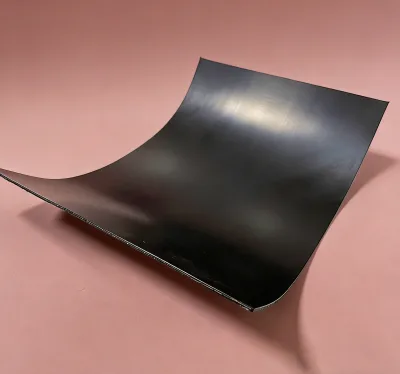


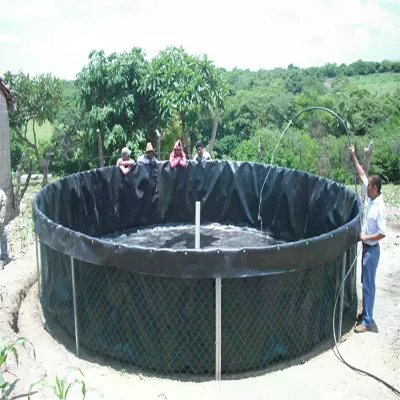
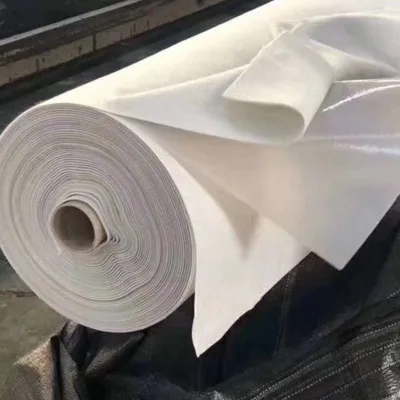
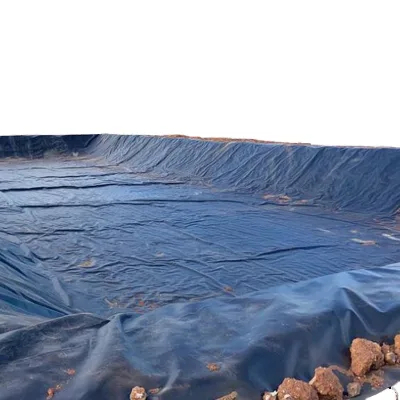


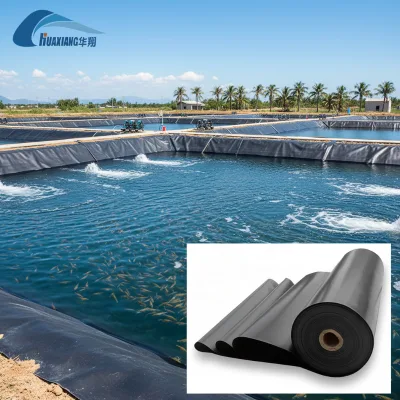
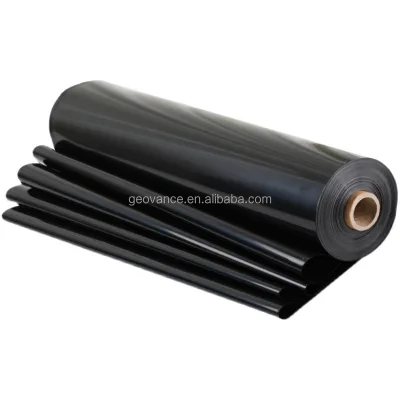
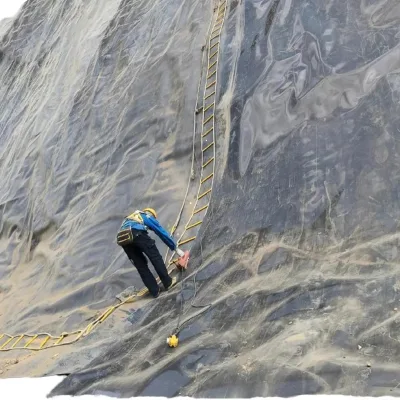
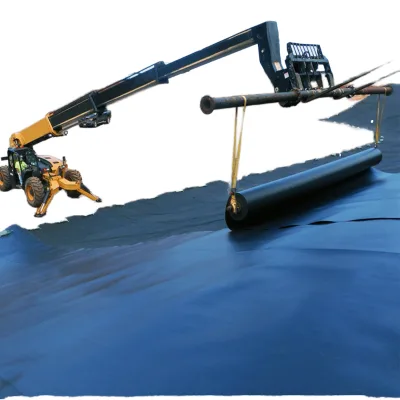
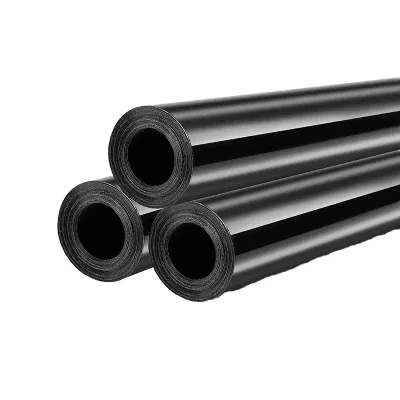
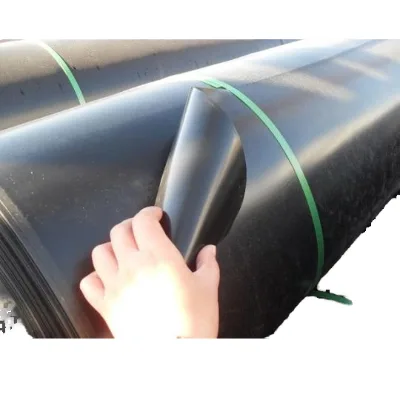
Comprehensive Sourcing Guide
Waterproof Geomembrane for Fish Farm Supplier Concentration and Factory Types
The current supplier landscape for Waterproof Geomembrane for Fish Farm applications reveals a diverse mix of company types, primarily consisting of trading companies, manufacturers, and factories. This variety suggests that buyers can access products through different supply chain models, each offering distinct advantages in terms of pricing, customization, and direct factory interaction. The presence of trading companies indicates a market where intermediaries play a significant role in connecting global buyers with local production capabilities, potentially offering a broader range of product selections from multiple sources. Meanwhile, the existence of manufacturers and factories points to a direct production capability, which may offer better control over quality assurance and customization options for specific aquaculture needs.
In addition to the traditional manufacturing and trading models, some suppliers are identified as combined entities or other types, suggesting a hybrid approach to business operations. These combined suppliers might offer both manufacturing and trading services, providing a one-stop solution for buyers seeking both production capacity and logistical support. The diversity in company types also reflects the varying levels of specialization within the industry, with some suppliers focusing on specific product lines like HDPE geomembranes or PVC pond liners, while others offer a broader range of geosynthetic materials. This segmentation allows buyers to tailor their sourcing strategy based on their specific requirements for material type, volume, and customization needs.
How to Verify Waterproof Geomembrane for Fish Farm Suppliers
Verification is a critical step in ensuring the reliability and quality of suppliers offering Waterproof Geomembrane for Fish Farm products. Buyers should prioritize suppliers who have undergone third-party verification processes, such as BV or TÜV Rheinland, which provide an additional layer of confidence in the supplier's operational integrity and compliance with industry standards. These verification badges serve as indicators that the supplier has met certain criteria for business legitimacy and operational capability, reducing the risk of engaging with unverified or potentially unreliable partners. It is essential for buyers to look for these verification marks when evaluating potential suppliers, as they can significantly impact the trustworthiness of the sourcing relationship.
Beyond third-party verification, buyers should also assess the certifications held by suppliers, such as ISO 9001, ISO 14001, CE, and others, which demonstrate adherence to quality management and environmental standards. These certifications are crucial for ensuring that the geomembrane products meet the necessary performance and safety requirements for aquaculture applications. Additionally, buyers should verify the supplier's ability to provide customization options, as this can be a key differentiator in meeting specific project requirements. By focusing on these verification and certification aspects, buyers can make more informed decisions and mitigate risks associated with supplier selection.
What to Compare Across Waterproof Geomembrane for Fish Farm Suppliers
When comparing suppliers, buyers should evaluate key operational metrics such as lead time, minimum order quantity (MOQ), and response time to ensure alignment with their project timelines and budget constraints. Lead times can vary significantly, with some suppliers offering faster turnaround times of around 15 days, while others may require up to 23 days or more. Understanding these differences is crucial for planning production schedules and managing inventory levels effectively. Similarly, MOQs can range from small quantities suitable for testing or small-scale projects to larger volumes required for extensive aquaculture installations, allowing buyers to choose suppliers that match their scale of operation.
Response time is another important factor to consider, as it reflects the supplier's efficiency in communicating and addressing buyer inquiries. Suppliers with quicker response times, such as those averaging under three hours, can provide better support and faster resolution of issues, enhancing the overall sourcing experience. Additionally, buyers should compare the range of main products offered by each supplier, as some may specialize in specific types of geomembranes like HDPE or PVC, while others offer a broader portfolio including geotextiles and geocells. This comparison helps buyers identify suppliers that can meet their specific material and product requirements, ensuring a more tailored and effective sourcing strategy.
Common Waterproof Geomembrane for Fish Farm Sourcing Risks
One of the primary risks in sourcing Waterproof Geomembrane for Fish Farm products is the potential variability in product specifications and quality across different suppliers. Buyers must be cautious of discrepancies in material thickness, width, and length, as these parameters can significantly impact the performance and durability of the geomembrane in aquaculture applications. For instance, some suppliers may offer products with thicknesses ranging from 0.2mm to 3mm, while others might have more limited options. Ensuring that the selected product meets the specific technical requirements of the fish farm project is essential to avoid issues such as leakage or premature failure.
Another significant risk is the lack of transparency in pricing and additional costs, which can lead to budget overruns if not carefully managed. Buyers should be aware that prices can vary widely, with some products starting as low as $0.49 per square meter and others reaching up to $70 per unit, depending on the material type and customization options. Additionally, buyers should consider the potential for hidden costs related to shipping, packaging, and customs duties, which can affect the total cost of ownership. By conducting thorough due diligence and requesting detailed quotes that include all potential costs, buyers can mitigate these financial risks and ensure a more predictable sourcing outcome.
Waterproof Geomembrane for Fish Farm Regional Sourcing and Logistics
The regional concentration of suppliers in China, particularly in Shandong, offers buyers access to a robust manufacturing hub with established logistics networks. This location advantage can facilitate efficient shipping and reduce lead times for international orders, making it a strategic choice for buyers seeking reliable and timely delivery of geomembrane products. The presence of multiple suppliers in this region also fosters competition, which can drive down prices and improve service quality. Buyers should leverage this regional concentration to explore a wide range of options and negotiate favorable terms with suppliers who benefit from the local infrastructure and supply chain efficiencies.
Logistics considerations should also include the packaging and handling requirements of the geomembrane products, as these can impact the condition of the goods upon arrival. Some suppliers offer customized packaging solutions, such as waterproof packaging with or without pallets, to ensure the products are protected during transit. Buyers should work closely with their chosen suppliers to determine the most suitable packaging and shipping methods based on the destination and handling capabilities at the receiving end. By addressing these logistical details early in the sourcing process, buyers can minimize the risk of damage and ensure that the geomembrane products arrive in optimal condition for installation.
Waterproof Geomembrane for Fish Farm Commercial Terms and Order Planning
Commercial terms and order planning are critical components of a successful sourcing strategy for Waterproof Geomembrane for Fish Farm products. Buyers should negotiate clear payment terms, such as escrow services or letters of credit, to protect their financial interests and ensure that payments are only released upon satisfactory delivery and inspection of the goods. Additionally, buyers should establish clear communication channels with suppliers to discuss order specifications, delivery schedules, and any potential changes or adjustments that may arise during the production process. This proactive approach helps to prevent misunderstandings and ensures that both parties are aligned on the project requirements and expectations.
Order planning should also take into account the customization options available from suppliers, as these can add value and specificity to the geomembrane products. Buyers should work with suppliers to define the exact specifications, including material type, thickness, width, and length, to ensure that the products meet the unique needs of their fish farm projects. Furthermore, buyers should consider the warranty and after-sales support offered by suppliers, as these can provide additional assurance and protection against potential defects or issues. By carefully planning and negotiating these commercial terms, buyers can secure a reliable and cost-effective supply of waterproof geomembrane for their aquaculture operations.
FAQs
What is the price range for HDPE geomembranes for fish farms?
HDPE geomembrane prices typically range from $0.49 to $5.60 per square meter depending on thickness and specifications. Thicker liners designed for heavy-duty aquaculture applications generally command higher rates. Buyers should verify exact pricing based on their required thickness, which varies from 0.2mm to 3mm, and order quantity to secure accurate quotes.
What certifications are available for fish farm geomembranes?
Suppliers offer geomembranes certified under ISO 9001, ISO 14001, CE, ASTM, and QS standards. These certifications ensure the materials meet international quality and environmental management requirements. Some products also carry GMP certifications. Buyers should request specific certification documents to verify compliance with local aquaculture regulations and project standards before placing orders.
What is the typical lead time for geomembrane orders?
Lead times for geomembrane orders generally range from 15 to 23 days after order confirmation. This timeframe allows for production and quality control processes. Buyers requiring expedited delivery should confirm specific lead times with suppliers during the inquiry phase, as production schedules may vary based on order volume and customization requirements.
What are the minimum order quantities for geomembranes?
Minimum order quantities vary significantly, ranging from 1 square meter to 3000 square meters depending on the supplier and product type. Standard HDPE liners often require higher MOQs, while specialized or sample orders may have lower thresholds. Buyers should check specific MOQ requirements for their desired thickness and material specifications to plan procurement effectively.
What thickness options are available for fish pond liners?
Available thickness options typically range from 0.2mm to 3mm, with common standards including 0.5mm, 0.75mm, 1.0mm, 1.5mm, and 2mm. Thicker liners provide enhanced durability and puncture resistance for demanding aquaculture environments. Buyers should select thickness based on pond depth, substrate conditions, and expected mechanical stress during operation.
What materials are used for fish farm geomembranes?
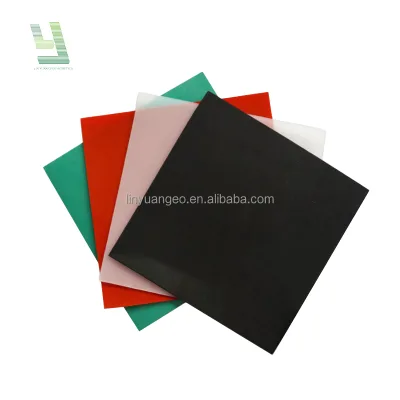
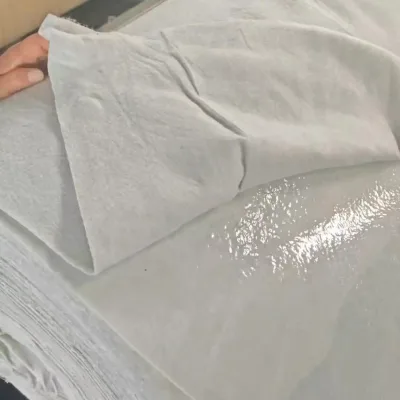
Primary materials include HDPE and PVC, with HDPE being the most common for its chemical resistance and durability. PVC liners offer flexibility and are available in various colors. Some products feature reinforced layers or non-woven fabric surfaces for added strength. Buyers should choose materials based on water chemistry, temperature requirements, and installation conditions.