non-toxic leather tanning chemicals Suppliers and Manufacturers
Compare 28 verified suppliers offering non-toxic leather tanning chemicals with ISO certifications and industrial grade standards. Review response times, lead times, and pricing to select a Trading Company in China Shandong for your sourcing needs; review the available evidence before requesting comparable quotations from suitable candidates.
Updated
Suppliers List

Qingdao Honghao Chemical Co., Ltd.
- Trading Company
- China Shandong
- Lead time23 days
- Avg. response≤ 13h
Main productsAniline Oil, Methylene Chloride, Dimethyl Formamide, Formic Acid, Glacial Acetic Acid, Tetrachloroethylene, Propylene Glycol, Dimethyl Carbonate, Maleic Anhydride, Cyclohexanone
Main marketsDomestic

Organic Chemical Purity 99.95% CAS: 62-53-3 Leather Tanning Chemicals Aniline
$1000.00 - $1300.00
MOQ: 1 Tons

Leather Tanning Chemicals Aniline for Rubber Ingredients Purity 99.95% CAS: 62-53-3
$1000.00 - $1300.00
MOQ: 16 Tons


Formic Acid 85% CAS 64-18-6 Industrial Grade for Leather Tanning and Textile Dyeing
$432.00 - $815.00
MOQ: 24 Tons

Formic Acid 85% Min (CAS 64-18-6) for Leather Tanning and Rubber Industry
$529.00 - $1060.00
MOQ: 24 Tons


Shandong Andy Chemical Co., Ltd.
- Verified by TUVRHEINLAND
- Trading Company
- China Shandong
- Lead time30 days
- Avg. response≤ 5h
Main productsPolyether Polyol, Polymer Polyol, SLES 70%, LABSA 96%, DOP, Ethylene Glycol
Main marketsAfrica,Southeast Asia/ Mideast,Europe


Chemical Liquid Formic Acid 85% CAS 64-18-6 as Leather Tanning (processing agent)
$450.00 - $550.00
MOQ: 24 Tons

85% Formic Acid CAS 64-18-6 Industrial Grade for Leather Tanning & Rubber Coagulation
$500.00 - $650.00
MOQ: 20 Tons

Weifang Ruiguang Chemical Co., Ltd.
- Manufacturer/Factory
- China Shandong
- Lead time15 days
- Avg. response≤ 12h
Main productsThickener, Dispersant, Softener, Finishing Agent, Scouring Agent, Wetting Agent, Leveling Agent, Anti-Migrating Agent, Soaping Agent, Color Fixer
Main marketsSouth America,Eastern Europe,Mid East,Southeast Asia,Eastern Asia,Oceania,Africa


Versatile Acrylic Polymer Retaining Agents for Leather Fat Liquor /Re Tanning Agent
Negotiable
MOQ: 1000 KGS
Hubei Aging Chemical Co., Ltd.
- Trading Company
- Hubei, China
- Lead time5 days
- Avg. response≤ 3h
Main productslignosulphonate,sodium naphthalene sulphonate formaldehyde,sodium gluconate,lignosulfonate,dispersant
Main marketsSouth Asia(30.00%), Domestic Market(20.00%), Mid East(10.00%), North America(5.00%), Eastern Asia(5.00%), Africa(5.00%), Southeast Asia(5.00%), Western Europe(4.00%), South America(4.00%), Southern Europe(3.00%), Eastern Europe(3.00%), Oceania(3.00%), Northern Europe(2.00%), Central America(1.00%)
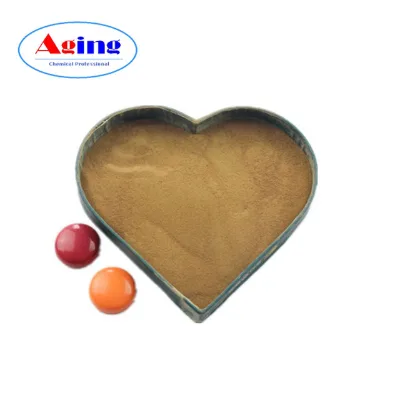
SNF(DYEPRO) SYNTHETIC ORGANIC TANNING SUBSTANCES
$470.00 - $473.00
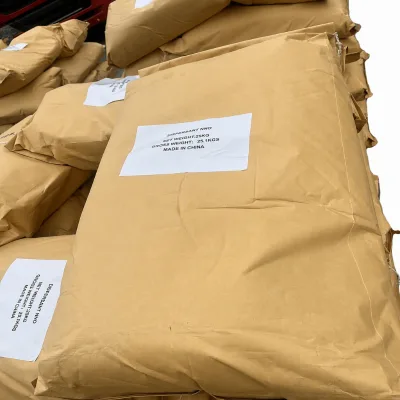
Leather Dye Dispersant NNO Even Dyeing & Tanning Aid
$470.00 - $473.00

HENAN CHEMGER GROUP CORPORATION
- Verified by BV
- Trading Company,Manufacturer/Factory
- China Henan
- Lead time23 days
- Avg. response≤ 4h
Main productsPVC Resin, SLES, LABSA, HDPE, Titanium Dioxide, Iron Oxide, Sodium Gluconate, Lithopone, LDPE, DOP DBP
Main marketsSouth America,Eastern Europe,Mid East,North America,Southeast Asia,Eastern Asia,Oceania,Western Europe,Africa

Leather Tanning Chemical Basic Chromium Sulfate Basic Chrome Sulphate BCS Tanning Agent
$700.00 - $830.00
MOQ: 1 Tons

Leather Green Powder Basic Chrome/Chromium Sulphate/Sulfate (BCS) Tanning Agent for Leather Tanning
$700.00 - $830.00
MOQ: 1 Tons

Hebei Jinchangsheng Chemical Technology Co., Ltd.
- Trading Company,Manufacturer/Factory
- China Hebei
- Lead time23 days
- Avg. response≤ 6h
Main productsCopper Sulfate, Acetic Acid, Formic Acid, Ethanol, Isopropyl Alcohol, Methyl Acetate, Ethyl Acetate, Propionic Acid
Main marketsSouth America,Eastern Europe,Mid East,North America,Southeast Asia,Eastern Asia,Oceania,Western Europe,Africa

Hefei Gee-U Lift Tech Co., Ltd.
- Verified by CTI
- Trading Company
- China Anhui
- Lead time15 days
- Avg. response≤ 8h
Main productsGlitter Powder, Glow in The Dark Powder, Chameleon Pigment, Pearl Pigment, Thermochromic Pigment, Organic Pigment, Fluorescent Pigment, Reflective Pigment
Main marketsSouth America,Africa,Southeast Asia/ Mideast,East Asia(Japan/ South Korea),Domestic,Europe,Australia,North America

Jiangsu Hantang International Trade Group Corp., Ltd.
- Verified by TUVRHEINLAND
- Trading Company
- China Jiangsu
- Lead time30 days
- Avg. response≤ 4h
Main productsBarium Powder, Barium Chloride, Barium Carbonate, Barium Hydroxide
Main marketsSoutheast Asia/ Mideast,Domestic

Soluble Alkali Barium Hydroxide for Effective Leather Tanning Techniques
$450.00 - $500.00
MOQ: 1 Tons


- Trading Company
- Shandong, China
- Lead time0 days
- Avg. response≤ 14h
Main productsOrganic intermediate,organic chemistry,Inorganic chemical industry
Main marketsSouthern Europe(10.00%), Africa(10.00%), Northern Europe(10.00%), Eastern Europe(10.00%), Western Europe(10.00%), North America(10.00%), Domestic Market(5.00%), South Asia(5.00%), Oceania(5.00%), Southeast Asia(5.00%), Central America(5.00%), South America(5.00%), Eastern Asia(5.00%), Mid East(5.00%)
Sodium 4-amino-1-naphthalenesulfonate for Rubber Anti-aging Agent 130-13-2 Leather Dye
$5.50 - $15.50
MOQ: 1 Minimum

Henan Premtec Enterprise Corporation
- Verified by BV
- Trading Company,Manufacturer/Factory
- China Henan
- Lead time0 days
- Avg. response≤ 2h
Main productsTitanium Dioxide, Iron Oxide, SLES, Dioctyl Phthalate, PVC Resin, Sulphur Black, Carbon Black, CMC, STPP, SLES 70%
Main marketsSouth America,Eastern Europe,Mid East,North America,Southeast Asia,Eastern Asia,Oceania,Western Europe,Africa


Chrome Tanning Agent Basic Chromium Sulphate 24-26%Min for Leather Tanning
$750.00 - $850.00
MOQ: 1 Tons

Leather Chemicals Chrome Tanning Agent Basic Chromium Sulphate BCS 24-26%
$750.00 - $850.00
MOQ: 1 Tons


Shijiazhuang Xinlongwei Chemical Co., Ltd.
- Verified by SGS
- Trading Company
- China Hebei
- Lead time15 days
- Avg. response≤ 6h
Main productsFormic Acid, Sodium Formate, Hydrochloric Acid, Sulfuric Acid, Boric Acid, Borax, Ammonium Chloride, Calcium Carbide, Oxalic Acid, Calcium Chloride
Main marketsSouth America,Africa,Southeast Asia/ Mideast

Sichuan Sundia Chemical Limited Company
- Verified by SGS
- Trading Company
- China Sichuan
- Lead time30 days
- Avg. response≤ 9h
Main productsSTPP SHMP Tsp Phosphoric Acid Aeo2 Aeo7 SLES
Main marketsSoutheast Asia/ Mideast,Europe

Hide Softening Modifier Leather Tanning Sodium Hexametaphosphate Reagent
$1100.00 - $1200.00
MOQ: 10 Tons

Stable Performance Potassium Acetate Softening Tanning Agent for Leather Processing Industry
$450.00 - $500.00
MOQ: 10 Tons

SHANDONG PULISI CHEMICAL CO., LTD.
- Verified by TUVRHEINLAND
- Trading Company
- China Shandong
- Lead time15 days
- Avg. response≤ 11h
Main productsSodium Formate, Calcium Formate, Acetic Acid, Formic Acid, Sodium Sulphide, Sodium Hydrosulphide, Potassium Formate, Propionic Acid, Oxalic Acid, Melamine Powder
Main marketsSouth America,Southeast Asia/ Mideast,East Asia(Japan/ South Korea),Europe

85% Industrial Formic Acid Essential for Pesticide Production (Triadimefon) & Leather Tanning
$420.00 - $599.00
MOQ: 10 Yards

Methanoic Acid Formic Acid 85% CAS No. 64-18-6 Leather Tanning Factory Price High Efficiency
$0.43 - $0.55
MOQ: 10000 kg

$0.29 - $0.50
MOQ: 10000 kg

Tianjin Baitai International Trade Co., Ltd.
- Verified by SGS
- Trading Company
- China Tianjin
- Lead time15 days
- Avg. response≤ 2h
Main marketsAfrica


Tanning Chemicals for Leather Flakes Sodium Sulfide Sodium Sulphide 60%
$320.00 - $460.00
MOQ: 20 Tons

Huanghua Qingyuan Chemical Co., Ltd.
- Verified by TUVRHEINLAND
- Trading Company
- China Hebei
- Lead time15 days
- Avg. response≤ 6h
Main productsCaustic Soda, Caustic Soda Flakes, Caustic Soda Pearls, Potassium Hydroxide, Sodium Sulfide, Polyaluminium Chloride, Soda Ash Light, Soda Ash Dense
Main marketsAfrica


Leather Tanning Chemical Oxalic Acid White Powder Technical Grade Oxalic Acid
$300.00 - $400.00
MOQ: 1 Tons

Industrial Use Oxalic Acid Dihydrate White Powder Leather Tanning Agent Oxalic Acid
$300.00 - $400.00
MOQ: 1 Tons

Zhengzhou Langkou Chemical Products Co., Ltd
- Verified by SGS
- Trading Company
- China Henan
- Lead time15 days
- Avg. response≤ 10h
Main productsSodium Lauryl Ether Sulphate/SLES, PVC Resin, Dioctyl Phthalate DOP, TCCA Trichloroisocyanuric Acid, Monosodium Glutamate Msg, LABSA 96%, SLS K12, Aos Powder
Main marketsAfrica


High Quality Leather Tanning Chemicals Basic Chrome Sulphate/Basic Chromic Sulfat
$600.00 - $1200.00
MOQ: 5 Tons


- Manufacturer/Factory
- China Shandong
- Lead time15 days
- Avg. response≤ 6h
Main productsSoda Ash Light/Dense, Oxalic Acid, Tdi 80/20, Sorbitol, Polyether Polyol, Ethylene Glycol
Main marketsSouth America,Eastern Europe,Mid East,North America,Southeast Asia,Eastern Asia,Oceania,Western Europe,Africa


Versatile Organic Formic Acid for Leather Tanning Applications Formic Acid
$0.80 - $1.00
MOQ: 1000 Pieces

Zhengzhou Kelai Chemical Co., Ltd.
- Verified by BV
- Trading Company,Manufacturer/Factory
- China Henan
- Lead time0 days
- Avg. response≤ 4h
Main productsSLES, Titanium Dioxide, PVC Resin, Iron Oxide, Carbon Black, Sulphur Black
Main marketsSouth America,Eastern Europe,Mid East,North America,Southeast Asia,Oceania,Western Europe,Africa

Shandong Yurun Chemical Co., Ltd.
- Manufacturer/Factory
- China Shandong
- Lead time15 days
- Avg. response≤ 21h
Main productsAdblue Urea, Sodium Bicarbonate, Calcium Chloride, Magnesium Chloride, Urea Ammonium Nitrate, Ammonium Chloride, Sodium Metabisulphite, Magnesium Sulphate, Urea Formaldehyde, Magnesium Silicate
Main marketsSouth America,Eastern Europe,Mid East,North America,Southeast Asia,Eastern Asia,Oceania,Western Europe,Africa

Shandong Kaiyue Chemical Co., Ltd.
- Verified by SGS
- Trading Company
- China Shandong
- Lead time15 days
- Avg. response≤ 5h
Main marketsOthers(foreignTradeCapacity.exportBusinessCapacityMarketOther)

Qingdao Sincere Chemical Co., Ltd.
- Verified by SGS
- Manufacturer/Factory
- China Shandong
- Lead time15 days
- Avg. response≤ 6h
Main productsSulfuric Acid, Hydrochloric Acid, Glacial Acetic Acid, Sodium Hypochlorite, Caustic Soda, Formaldehyde/Formalin, Ammonium Hydroxide, Formic Acid, Acetic Anhy Dride, Hy Dro Gen PE RO Xide
Main marketsSouth America,Eastern Europe,Mid East,North America,Southeast Asia,Eastern Asia,Oceania,Western Europe,Africa

Humate (Tianjin) International Limited
- Trading Company
- China Tianjin
- Lead time30 days
- Avg. response≤ 2h
Main productsFulvic Acid, Humic Acid, Potassium Humate, Sodium Humate, Amino Acid Fertilizer, Ammonium Bicarbonate, EDTA Series, Seaweed Extract Fertilizer, Microelement Fertilizer
Main marketsSouth America,Southeast Asia/ Mideast,Europe

Aweler International Trade Co., Ltd.
- Trading Company
- liaoning, China
- Lead time15 days
- Avg. response≤ 6h
Main productsDYES,PIGMENT,INTERMEDIATE,RUBBER MACHINE,RUBBER CHEMICAL
Main marketsSoutheast Asia(30.00%), Western Europe(20.00%), North America(15.00%), South America(10.00%), Oceania(10.00%), Central America(10.00%), Africa(5.00%)

Changzhou Shanglian Chemical Co., Ltd.
- Trading Company
- Jiangsu, China
- Lead time7 days
- Avg. response≤ 2h
Main productsPolyvinyl Alcohol/Food Additives/Water Treatment/Cleaning Detergent/Textile Printing and Dyeing, Metal Finishing
Main marketsDomestic Market(50.00%), Domestic Market(50.00%), Southeast Asia(35.00%), Southeast Asia(35.00%), Mid East(10.00%), Mid East(10.00%), South America(3.00%), Eastern Asia(2.00%), Eastern Asia(2.00%)
SHANDONG ANDY CHEMICAL CO., LTD.
- Trading Company
- Shandong, China
- Lead time15 days
- Avg. response≤ 2h
Main productsAniline,Methylene chloride,Propylene Glycol,Polyether,Maleic anhydride
Main marketsSouth America(20.00%), Africa(20.00%), Southeast Asia(15.00%), Mid East(15.00%), South Asia(10.00%), Western Europe(7.00%), Eastern Asia(3.00%), Domestic Market(2.00%), North America(2.00%), Northern Europe(2.00%), Central America(2.00%), Eastern Europe(2.00%)
Shanghai Hanxero New Material Co., Ltd.
- Trading Company
- Shanghai, China
- Lead time15 days
- Avg. response≤ 12h
Main productspolyurethane adhesives,polyurethane hot melt adhesives,textile auxiliaries,polyester polyols,polyurethane resins
Main marketsSoutheast Asia(30.00%), South Asia(20.00%), Western Europe(10.00%), Eastern Asia(10.00%), South America(10.00%), North America(10.00%), Africa(5.00%), Southern Europe(5.00%)
Henan Yeedok Industry Co., Ltd.
- Trading Company
- Henan, China
- Lead time5 days
- Avg. response≤ 9h
Main productssles 70%,labsa 96%,pvc resin,STPP 94%,iron oxide
Main marketsMid East(20.00%), South Asia(20.00%), Southeast Asia(20.00%), South America(20.00%), Africa(10.00%), Eastern Asia(7.00%), Central America(2.00%), Northern Europe(1.00%)

Shandong Jiuchong Chemical Co., Ltd.
- Verified by CTI
- Trading Company
- China Shandong
- Lead time15 days
- Avg. response≤ 1h
Main productsCalcium Chloride, Sodium Bicarbonate, Calcium Carbonate, Magnesium Sulphate, Ammonium Sulfate, Sodium Carbonate, Slaked Lime, Industrial Salt, Nitrogen Fertilizer, Water Treatment Agent
Main marketsSouth America,Africa,Southeast Asia/ Mideast,East Asia(Japan/ South Korea),Domestic,Europe,Australia,North America

$0.169 - $0.335
MOQ: 7000 kg

$239.00 - $291.00
MOQ: 13 Tons



Comprehensive Sourcing Guide
Non-Toxic Leather Tanning Chemicals Supplier Concentration and Factory Types
The current supplier landscape for leather tanning chemicals reveals a distinct concentration of manufacturing and trading entities within specific industrial regions in China. Data indicates that a significant portion of available suppliers are located in Shandong province, a region known for its robust chemical manufacturing infrastructure. This geographic clustering suggests that buyers seeking these materials will likely encounter suppliers operating from this primary hub. The presence of these suppliers in Shandong provides a clear starting point for identifying potential partners, as the region hosts a dense network of facilities capable of producing the necessary organic intermediates and processing agents. Understanding this geographic distribution is crucial for logistics planning and supply chain resilience, as it allows buyers to anticipate shipping routes and regional capacity constraints.
In terms of organizational structure, the majority of the observed suppliers operate as trading companies rather than direct manufacturers. This distinction is vital for buyers to understand, as trading companies often aggregate products from multiple factories, offering a broader catalog but potentially adding layers to the supply chain. These entities specialize in sourcing and distributing a wide array of chemical products, including aniline oil, formic acid, and various other organic solvents used in leather processing. While they may not own the production lines, their role as intermediaries can simplify procurement by providing a single point of contact for diverse chemical needs. Buyers must recognize that these trading companies facilitate access to a variety of grades and specifications, leveraging their network to meet specific client requirements for leather tanning applications.
How to Verify Non-Toxic Leather Tanning Chemicals Suppliers
Verification of supplier credentials is a critical step in ensuring the quality and safety of leather tanning chemicals. Buyers should prioritize suppliers who hold recognized international certifications, such as ISO standards, which indicate adherence to quality management systems. The presence of ISO certification on product listings serves as a baseline indicator of a supplier’s commitment to consistent manufacturing processes. Additionally, suppliers should provide comprehensive documentation, including Material Safety Data Sheets (MSDS), Certificates of Analysis (COA), and Technical Data Sheets (TDS). These documents are essential for verifying the chemical composition, purity levels, and safety handling instructions for products like formic acid and aniline oil. Requesting and reviewing these certificates allows buyers to confirm that the chemicals meet the specified industrial or technical grades required for their specific tanning processes.
Another key aspect of verification involves checking for third-party audit results and platform verification badges. Some suppliers display verification from reputable organizations such as TÜV Rheinland, which adds a layer of trust regarding the company’s operational legitimacy and financial stability. Buyers should look for these verification marks as they suggest that the supplier has undergone rigorous scrutiny of their business practices and product quality controls. Furthermore, assessing the supplier’s response time can provide insights into their operational efficiency and customer service capabilities. A quick response time, such as under five hours, often correlates with a more responsive and organized supply chain, which is beneficial for resolving queries about product specifications or order status promptly. This diligence in verification helps mitigate risks associated with substandard or non-compliant chemical products.
What to Compare Across Non-Toxic Leather Tanning Chemicals Suppliers
When evaluating multiple suppliers, buyers must compare key operational metrics to determine the best fit for their procurement needs. One critical factor is the minimum order quantity (MOQ), which varies significantly across different product listings. Some suppliers offer low MOQs, such as one unit, which is advantageous for testing new products or small-scale production runs. In contrast, others may require larger quantities, such as one full container load (FCL) or specific drum counts, which are better suited for bulk purchasing. Understanding these MOQ requirements helps buyers align their orders with their inventory management strategies and cash flow capabilities. Additionally, comparing the available packaging options, such as drums, IBC tanks, or ISO tanks, is essential for ensuring compatibility with the buyer’s storage and handling infrastructure.
Price and lead time are also pivotal comparison points that directly impact the total cost of ownership and production scheduling. Price ranges for chemicals like formic acid can vary, with some listings showing costs between $432 and $1060 per metric ton, depending on the grade and quantity. Buyers should analyze these price variations in conjunction with the supplier’s lead time, which can range from within seven days to thirty days or more. A shorter lead time may justify a higher price for urgent orders, while a longer lead time might allow for better pricing on planned purchases. Furthermore, comparing the main product portfolios of suppliers can reveal their specialization; some may focus heavily on formic acid and aniline, while others offer a broader range of organic chemicals. This holistic comparison ensures that buyers select suppliers who offer the best balance of cost, speed, and product availability.
Common Non-Toxic Leather Tanning Chemicals Sourcing Risks
Sourcing leather tanning chemicals involves several inherent risks that buyers must actively manage to ensure supply chain integrity. One significant risk is the variability in product purity and grade standards. While many suppliers claim industrial or technical grades, the actual purity levels, such as 99.95% for aniline oil, must be strictly verified through COA documentation. Discrepancies between claimed and actual purity can lead to inefficiencies in the tanning process or quality issues in the final leather product. Additionally, the hazardous nature of many of these chemicals, such as formic acid and aniline, poses safety and regulatory compliance risks. Buyers must ensure that suppliers correctly classify and label these substances according to international standards, such as UN numbers and hazard levels, to facilitate safe transportation and handling.
Another common risk is the reliability of supply and the potential for delays. Trading companies, which dominate the supplier landscape, may face disruptions if their underlying manufacturers encounter production issues. This dependency can lead to inconsistent lead times and potential stockouts, especially during peak demand periods. Buyers should be cautious of suppliers who do not provide clear information about their production capacity or inventory levels. Furthermore, the risk of receiving incorrect or substandard packaging cannot be overlooked. Improper packaging, such as damaged drums or leaking IBC tanks, can result in product loss and safety hazards. To mitigate these risks, buyers should establish clear communication channels with suppliers and request regular updates on order status and production progress, ensuring that any potential issues are identified and addressed promptly.
Non-Toxic Leather Tanning Chemicals Regional Sourcing and Logistics
The geographic concentration of suppliers in Shandong province, China, has significant implications for logistics and shipping strategies. Buyers sourcing from this region should plan for maritime freight, as most chemical products are shipped in bulk via ISO tanks or drums. The proximity of these suppliers to major ports can facilitate efficient loading and export processes, but buyers must account for transit times and potential port congestion. Understanding the specific logistics requirements for hazardous chemicals is crucial, as formic acid and aniline oil fall under specific UN classifications that dictate handling and storage during transit. Buyers should work with freight forwarders experienced in chemical logistics to ensure compliance with international shipping regulations and to secure appropriate insurance coverage for the cargo.
Additionally, buyers should consider the impact of regional infrastructure on delivery reliability. Shandong’s well-developed industrial infrastructure supports consistent production and export activities, but buyers must still monitor global shipping trends and geopolitical factors that could affect transit times. For buyers in distant markets, the choice between air freight and sea freight will depend on the urgency of the order and the volume of chemicals required. Given the bulk nature of most chemical orders, sea freight is typically the most cost-effective option, but it requires careful planning to align with production schedules. Buyers should also evaluate the supplier’s ability to handle export documentation, including customs declarations and safety data sheets, to ensure smooth clearance at the destination port. This logistical foresight helps minimize delays and ensures that the chemicals arrive in optimal condition for immediate use in tanning operations.
Non-Toxic Leather Tanning Chemicals Commercial Terms and Order Planning
Effective order planning for leather tanning chemicals requires a thorough understanding of commercial terms and payment structures. Buyers should negotiate clear terms regarding price validity, as chemical prices can fluctuate based on raw material costs and market demand. It is advisable to lock in prices for a specific period or volume to protect against sudden increases. Additionally, buyers must clarify the Incoterms, such as FOB or CIF, to determine who is responsible for shipping costs and insurance. This clarity is essential for accurate cost forecasting and risk allocation. Payment terms, such as letters of credit or advance payments, should be aligned with the supplier’s verification status and the buyer’s risk tolerance. Using secure payment methods, such as escrow services, can provide an additional layer of protection for both parties, ensuring that funds are released only upon satisfactory delivery of the goods.
Furthermore, buyers should establish a robust inventory management strategy based on the supplier’s lead times and MOQs. Given that lead times can vary from seven days to thirty days, buyers must maintain adequate safety stock to prevent production stoppages. For suppliers with higher MOQs, buyers may need to coordinate with other entities to consolidate orders or adjust their consumption rates. It is also important to plan for regular reordering cycles, taking into account the shelf life and storage conditions of the chemicals. By integrating these commercial and logistical considerations into their procurement strategy, buyers can optimize their supply chain, reduce costs, and ensure a steady supply of high-quality leather tanning chemicals. This proactive approach to order planning enhances operational efficiency and supports the long-term success of the tanning business.
FAQs
What is the typical lead time for leather tanning chemicals?
The typical lead time ranges from 23 to 30 days for these organic chemical products. Some specific listings indicate a lead time within 7 days for certain formic acid orders. Buyers should verify the exact delivery window with the supplier before placing an order.
What are the minimum order quantities for these chemicals?
Minimum order quantities vary significantly by product and supplier. Some listings accept orders as low as 1 unit, while others require 16 units or a full container load. Specific products like Formic Acid may have an MOQ of 24 units or 15 units depending on the seller.
Are these chemicals certified with ISO standards?
Yes, many of the listed organic chemical products carry ISO certification. The product attributes explicitly state ISO certification for items like Aniline Oil and Formic Acid. Additional certificates such as MSDS, COA, and TDS are also commonly provided to verify product quality and safety.
Where are these leather tanning chemical suppliers located?
The suppliers offering these chemicals are located in China, specifically in the Shandong province. All observed product origins are listed as China. Buyers should confirm the specific shipping origin and logistics capabilities with the trading company before finalizing any purchase agreement.
What is the price range for 85% Formic Acid?
The price for 85% Formic Acid ranges from approximately 432 to 1060 per unit depending on the supplier and quantity. Specific listings show prices between 450 and 560, while others range up to 815. Buyers must check current quotes as prices fluctuate based on market conditions and order volume.
How quickly do suppliers typically respond to inquiries?
Supplier response times vary, with observed averages ranging from 4.73 to 12.55 hours. Some suppliers demonstrate faster engagement times, while others may take longer to reply. Buyers should expect a response within a day but should verify the specific response time for the selected trading company.
What packaging options are available for these chemicals?
Packaging options include drums, IBC tanks, and ISO tanks for bulk shipments. Specific standards list capacities like 200KG drums, 2TON containers, and 23TON tanks. Buyers can also find options for 35KG drums or 1200KG IBC drums depending on the specific product and supplier capabilities.