Fireproof Concrete Mold Suppliers and Manufacturers
Compare 24 verified suppliers offering fireproof concrete molds with varying lead times, response speeds, and certifications like ISO9001:2015. Review product specifications and pricing to select the right factory for your project needs today; review the available evidence before requesting comparable quotations from suitable candidates.
Updated
Suppliers List

Shandong Haiyu Industry Group Co., Ltd.
- Combined
- China Shandong
- Lead time23 days
- Avg. response≤ 8h
Main productsConcrete Pole Machine, Concrete Pipe Machine, Concrete Pile Machine
Main marketsSouth America
Henan Cekly Building Material Co., Ltd.
- Trading Company
- Henan, China
- Lead time10 days
- Avg. response≤ 4h
Main productsMould,Building material,Commodity,Mechanical Parts,Decorative material
Main marketsAfrica(20.00%), Eastern Europe(20.00%), Central America(15.00%), North America(15.00%), Western Europe(10.00%), Oceania(5.00%), Eastern Asia(5.00%), Southern Europe(5.00%), Northern Europe(2.00%), South Asia(1.00%), Mid East(1.00%), South America(1.00%)

- Combined
- China Jiangsu
- Lead time30 days
- Avg. response≤ 11h
Main productsPrecast Concrete Production Line, Cage Welding Machine, Pole Making Machine, Pile Mould, Pole Mould, Pipe Making Machine, Pile Making Machine, Cutting Machine, Spinning Machine, Heading Machine
Main marketsSouth America,Africa,Southeast Asia/ Mideast,Domestic,Europe,North America

Henan bekebe Building Materials Co., Ltd
- Trading Company
- Henan, China
- Lead time7 days
- Avg. response≤ 4h
Main productsAll kinds of Construction decoration molds,plastic paver mold,Pu wall panel foaming molds,Flexible tile manufacture line,Construction equipment
Main marketsAfrica(59.00%), Mid East(10.00%), Southeast Asia(10.00%), Central America(5.00%), Western Europe(5.00%), Southern Europe(3.00%), South Asia(2.00%), Eastern Europe(2.00%), Eastern Asia(1.00%), Oceania(1.00%), North America(1.00%), South America(1.00%)

Dezhou Haitian Electromechanical Technology Co., Ltd.
- Combined
- China Shandong
- Lead time45 days
- Avg. response≤ 9h
Main productsConcrete Wall Panel Machine, Precast Wall Panel Machine, Precast Hollow Core Slab Machine, Concrete Battery Mold, Acotec Wall Panel Machine, Automatic Wall Panel Production Line, Concrete Tilting Table Molds, Concrete Wall Panel Molds, Lightweight Wall Panel Machine, Floor Slab Machine
Main marketsSouth America,Africa,Southeast Asia/ Mideast,Domestic,Europe,North America

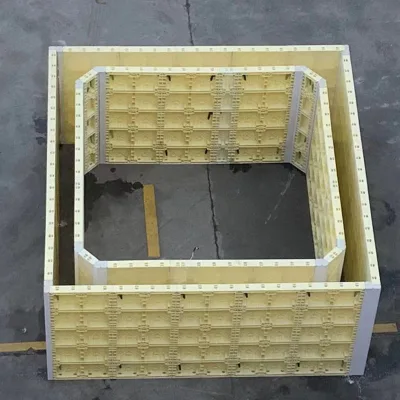
Large Battery Mold for Concrete Wall Panel, Precast Concrete Wall Panel Mold Machine
$385000.00
MOQ: 1 Sets


Jiaxing Wangzu Industrial Co., Ltd.
- Verified by TUVRHEINLAND
- Combined
- China Zhejiang
- Lead time15 days
- Avg. response≤ 2h
Main productsplastic formwork
Main marketsDomestic
Xinjiang Lujian Jiaoke Instrument And Equipment Co., Ltd.
- Trading Company
- Xinjiang, China
- Lead time15 days
- Avg. response≤ 1h
Main productscouplers,scaffold,testing equipment,Building materials,detector
Main marketsNorthern Europe(50.00%), Domestic Market(30.00%), Southeast Asia(20.00%)

Hengshui Lilang International Trade Co., Ltd.
- Verified by TUVRHEINLAND
- Trading Company,Manufacturer/Factory
- China Hebei
- Lead time30 days
- Avg. response≤ 3h
Main productsPrecast Concrete Mould, Beton Mold, Lego Block Metal Mould, Box Culvert Mold, Manhole Mould, New Jersey Barrier Mould, Precast Concrete Tetrapod Mold, U-Shaped Drainage Channel Mold, Ditch Channel Mould, Manhole Cover/Grating
Main marketsSouth America,Eastern Europe,Mid East,North America,Southeast Asia,Eastern Asia,Oceania,Western Europe,Africa


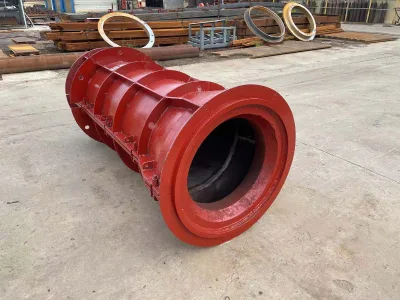
Manhole Concrete Mold/ Shafts/Chamber/Concrete Mould/ Concrete Pit Mould
$200.00 - $2000.00
MOQ: 2 Pieces

Cangzhou Eternal Test Equipment Co., Ltd.
- Trading Company
- Hebei, China
- Lead time8 days
- Avg. response≤ 3h
Main productsSoil testing equipment,Concrete testing equipment,Asphalt & Bitumen testing equipment,Aggregates Rock testing equipment,Non-destructive testing equipments
Main marketsSoutheast Asia(50.00%), North America(20.00%), South America(10.00%), Eastern Europe(10.00%), Africa(10.00%)
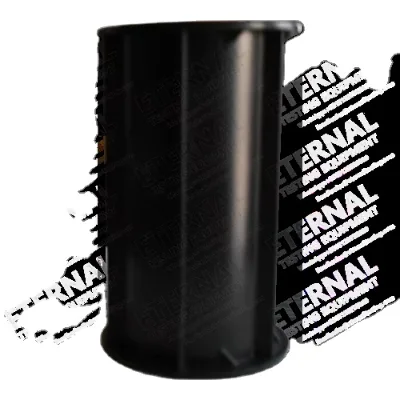
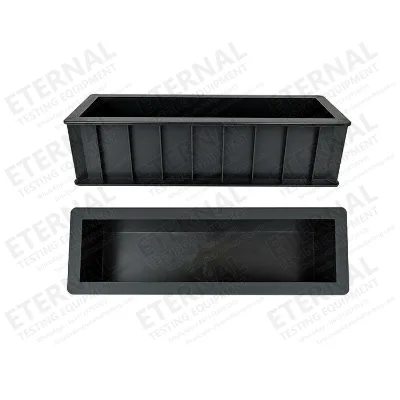
$6.2164 - $8.288
MOQ: 1 sets
Hebei Guanghong Mold Manufacturing Co., Ltd.
- Verified by Intertek
- Manufacturer, Trading Company
- Lead time0 days
- Avg. response≤ 1h
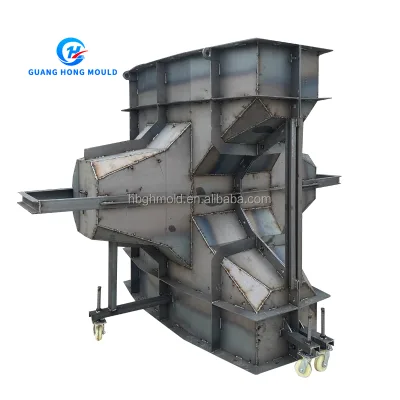
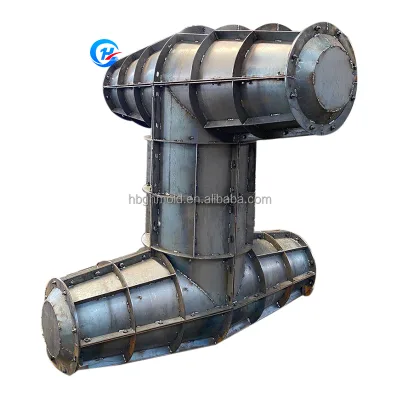
Main productsConcave-Convex Block Mold, Rectangular Groove Mold, Breakwater Mold, Inspection Well Mold
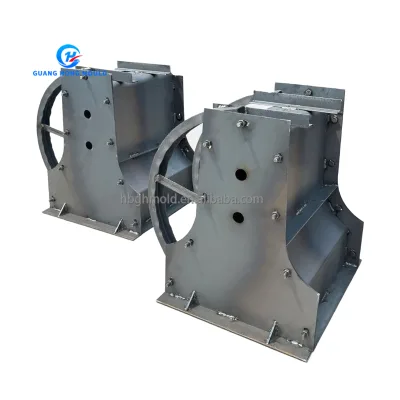
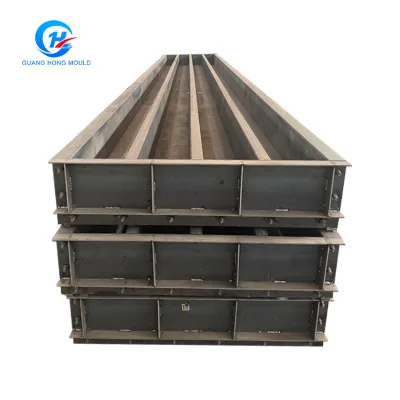
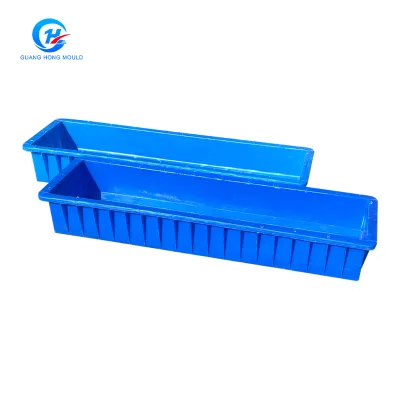
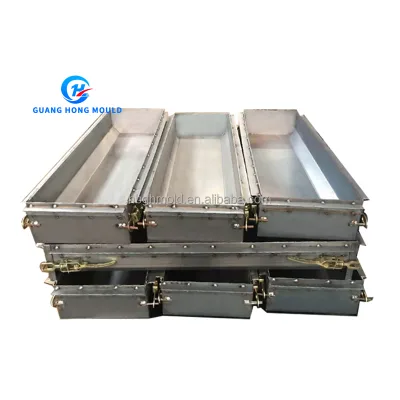
Outdoor Road Curb Stone Mold, Roadside Stone Steel Mold
$100.00 - $200.00

Shanxi SUFENG New Material Technology Co., Ltd.
- Verified by TUVRHEINLAND
- Trading Company,Manufacturer/Factory
- China Shanxi
- Lead time15 days
- Avg. response≤ 3h
Main productsPlastic Formwork, PP Hollow Formwork, PVC Formwork, Column Formwork, Plastic H-Beam, Steel Props, Scaffolding
Main marketsEastern Europe,Mid East,North America,Southeast Asia,Eastern Asia,Oceania,Western Europe,Africa

Shanghai Sinomac Machinery Industrial Co., Ltd.
- Trading Company
- China Shanghai
- Lead time30 days
- Avg. response≤ 7h
Main productsPccp Pipe Production Line, Concrete Pipe Making Machine, Reinforced Cage Welding Machine, Concrete Pipe Mould, Jacking Pipe Mold, Rcp Concrete Pipe Production Line, Cement Pipe Making Machine, Pccp Pipe Joint Spigot Bell Plate Expander, Pccp Pipe Steel Cylinder Welding Machine, Pccp Pipe Water Pressure Testing Machine
Main marketsSoutheast Asia/ Mideast,Europe,North America
Zhengzhou Renfa Machinery & Equipment Co., Ltd.
- Trading Company
- Lead time旺季: "1 - 1000":31,"> 1000":"To be negotiated", 淡季: "1 - 1000":31,"> 1000":"To be negotiated"
- Avg. response≤ 1h
Main productsartificial stone molds,Concrete Stamp Mold,plastic paver mold,European building mold
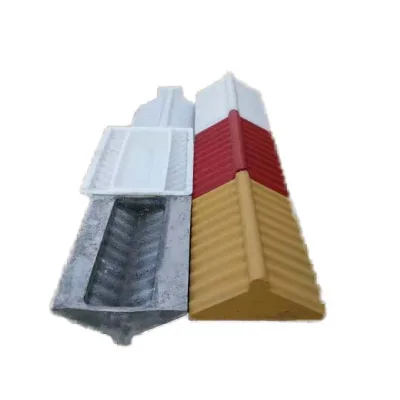
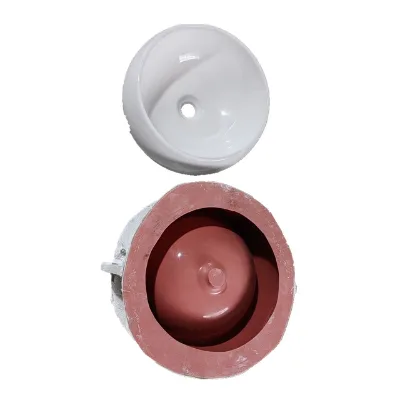
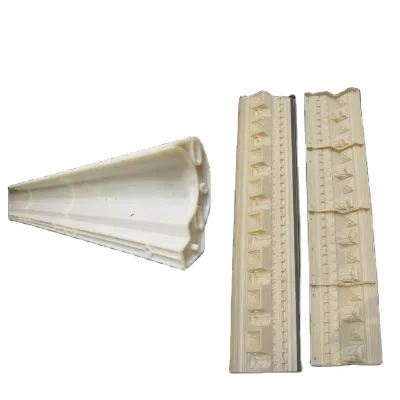
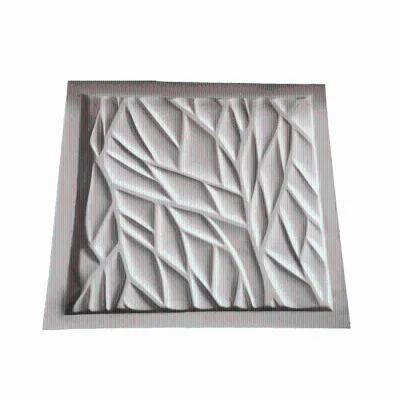
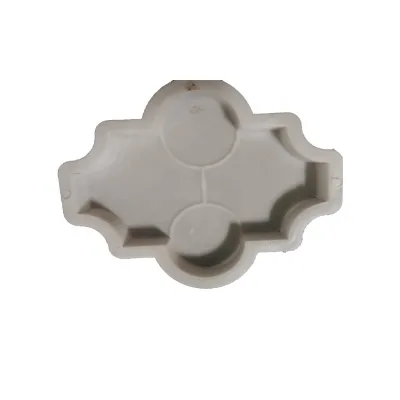
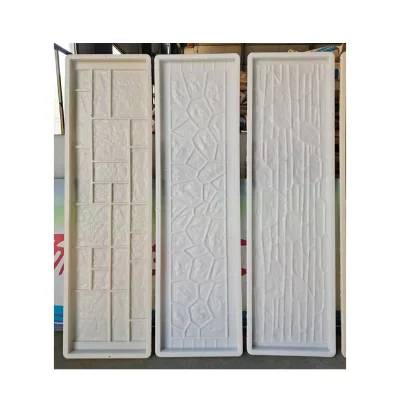
Concrete Precast Block Plastic Mold Garden Color Paving Plastic Color Brick Molds
$0.90 - $1.10
MOQ: 100

Hebei Weiming Environmental Protection Technology Co., Ltd.
- Manufacturer, Trading Company
- Hebei, China
- Lead time30 days
- Avg. response≤ 1h
Main productsCement house mold
Main marketsDomestic Market(50.00%), Southeast Asia(10.00%), Africa(8.00%), Oceania(5.00%), Mid East(5.00%), South Asia(5.00%), South America(3.00%), Eastern Europe(3.00%), Eastern Asia(3.00%), Western Europe(3.00%), Northern Europe(3.00%), Southern Europe(2.00%)
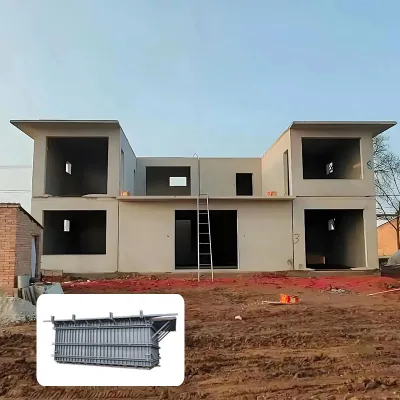
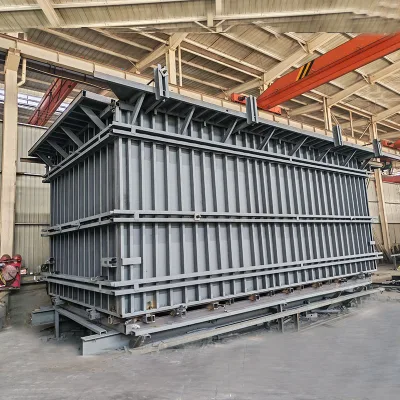
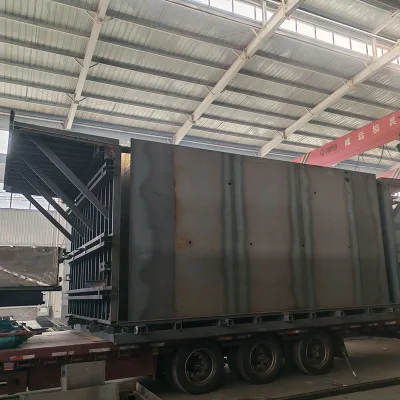
Concrete Housing Mold for Prefabricated Building Solutions Heavy-Duty Reusable Casting Formwork
$721.1974 - $786.188
MOQ: 1 tons
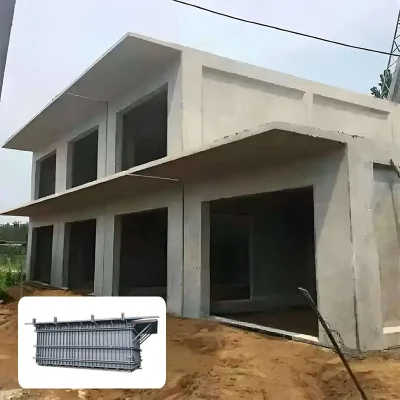

Post-disaster ReconstructionNew Rural Construction Low Cost Precast Concrete House Mold
$721.7025 - $786.7397
MOQ: 1 tons
Shandong Goin Yon Industry And Trade Co., Ltd.
- Manufacturer, Trading Company
- Shandong, China
- Lead time10 days
- Avg. response≤ 5h
Main productsPlastic Paving Mould,Concrete Rubber Stamps,DIY Paving Mould,Construction Machine,Raw Material
Main marketsAfrica(30.00%), Domestic Market(20.00%), Mid East(10.00%), Eastern Asia(10.00%), South America(10.00%), South Asia(5.00%), Southeast Asia(5.00%), Central America(2.00%), North America(2.00%), Northern Europe(2.00%), Eastern Europe(1.00%), Southern Europe(1.00%), Western Europe(1.00%), Oceania(1.00%)

Yuyao Xianghao Mold Technology Company Limited
- Verified by BV
- Trading Company
- China Zhejiang
- Lead time30 days
- Avg. response≤ 9h
Main productsInjection Mold, Plastic Mold, Injection Molding, Rapid Prototyping, 3D Pritting, Manhole Cover Mold, Silicone Rubber Mould, Wire Rack, Car Air Compressor, LED Light
Main marketsNorth America

Beijing Bond Smart Technology Co., Ltd.
- Manufacturer, Trading Company
- Hebei, China
- Lead time15 days
- Avg. response≤ 3h
Main productsNDT Instrument, Compression Testing Machine, Soil Test Instrument, Asphalt Test Instrument
Main marketsDomestic Market(30.00%), North America(17.00%), South America(15.00%), Mid East(15.00%), Southeast Asia(10.00%), Africa(8.00%), Central America(5.00%)
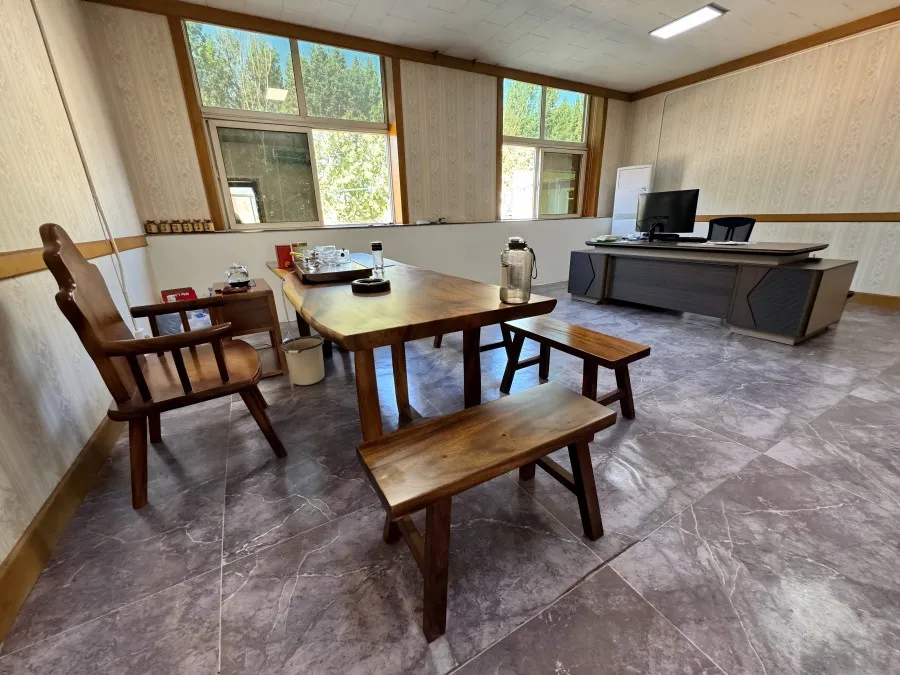
Hebei Laihe Electromechanical Equipment Production Co., Ltd.
- Manufacturer, Trading Company
- Hebei, China
- Lead time20 days
- Avg. response≤ 3h
Main productsBox culvert mold,Pipe gallery mold,Check well mould,Wind power tower cylinder mold,High-speed rail three walls
Main marketsMid East(15.00%), Southeast Asia(10.00%), Africa(5.00%), Central America(3.00%), South America(3.00%), South Asia(2.00%), North America(1.00%)
Shandong Haijing Heavy Industry Co., Ltd.
- Verified by SGS Group
- Manufacturer, Trading Company
- Lead time0 days
- Avg. response≤ 1h
Main productsConcrete House Mold, Concrete Pipe Machine, Concrete Electrical Pole Machine, Related Concrete Supporting Machine

Brand New Customizable Concrete Building Mold for Concrete Cottages & Tourist Resort Construction
$15000.00 - $18000.00
MOQ: 1
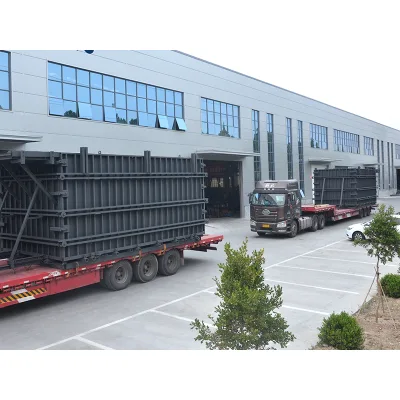
Competitive Morden Style Good Quality Concrete Mold for Precast Building Construction House
$23260.5077 - $25845.0085
MOQ: 1 units
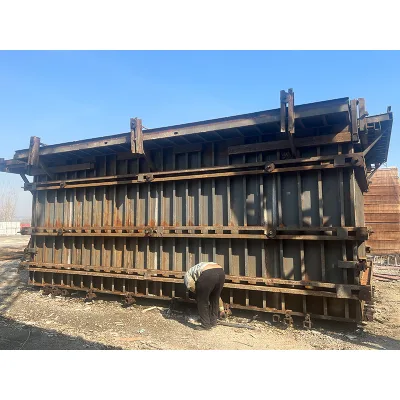
Full Set Concrete House Mold For Precast Walls Foundations And Structural Components
$19000.00 - $20000.00
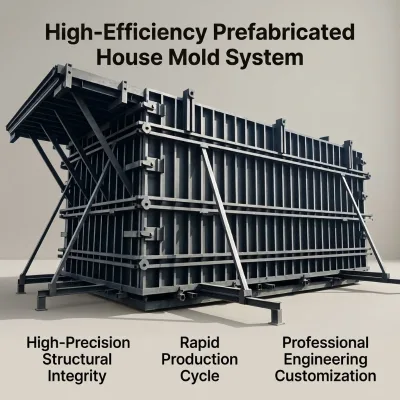

Hangzhou Civit Instrument Equipment Co., Ltd.
- Trading Company
- China Zhejiang
- Lead time15 days
- Avg. response≤ 8h
Main productsSoil Aggregate Rock Testing Equipment, Cement Mortar Testing Equipment, Concrete Testing Equipment, Asphalt Testing Equipment, Scientific Lab Equipment, Survey Instrument
Main marketsSouth America,Africa,Southeast Asia/ Mideast

Zhejiang Tugong Instrument Co., Ltd.
- Combined
- China Zhejiang
- Lead time30 days
- Avg. response≤ 2h
Main productsUniversal Testing Machine, Testing Machine, Soil Testing, Field Test, Aggregate, Asphale Asphalt Mixture, Curing Controller Cabinet, Concrete, Rock, Cement
Main marketsSouth America,Africa,Southeast Asia/ Mideast
Yantai Chilung Construction & Energy -Saving Technology Co., Ltd.
- Manufacturer, Trading Company
- Shandong, China
- Lead time25 days
- Avg. response≤ 2h
Main productsFoam concrete equipment,Cement foaming agent,construction machinery,Building materials machinery,Mining machinery
Main marketsDomestic Market(50.00%), Africa(30.00%), South America(10.00%), North America(5.00%), Southeast Asia(5.00%)
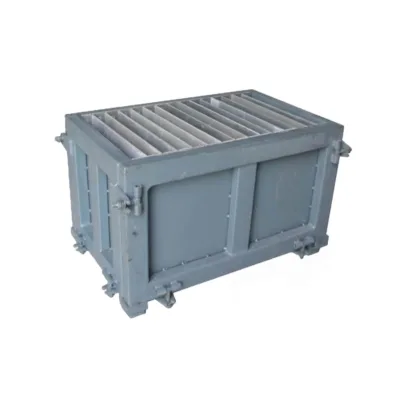
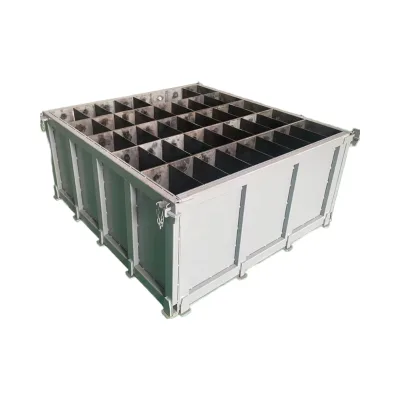
Precast Concrete Moulds for Concrete Wall Panel Mould
$625.00 - $725.00

SHANGHAI DUBAY INDUSTRIAL CO., LTD.
- Trading Company
- Shanghai, China
- Lead time12 days
- Avg. response≤ 23h
Main productsPigment,Iron Oxide Pigment,Fluorescent Pigment,Building Materials,Concrete Stamp Mold
Main marketsDomestic Market(20.00%), Mid East(8.00%), Eastern Europe(8.00%), South America(8.00%), Eastern Asia(7.00%), Africa(7.00%), North America(6.00%), Northern Europe(6.00%), Central America(6.00%), Western Europe(6.00%), South Asia(6.00%), Southeast Asia(6.00%), Southern Europe(3.00%), Oceania(3.00%)

Qingzhou Xusen Machinery Co., Ltd
- Verified by TUVRHEINLAND
- Manufacturer
- China Shandong
- Lead time15 days
- Avg. response≤ 3h
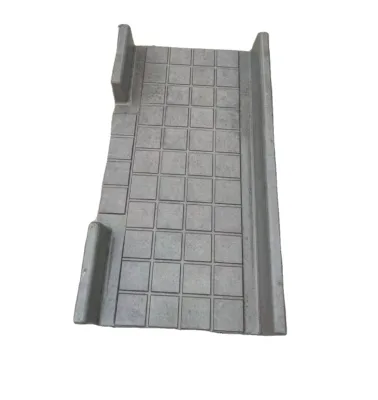
Main productsConcrete Pole Machine, Concrete Pole Mould, Inspection Well Mold, Steel Drainage Trough Mold


High Quality Concrete Mould for Durable Power Distribution Solutions
$3000.00 - $5000.00
MOQ: 1 Pieces

High Grade Concrete Mould for Effective Power Distribution Applications
$3000.00 - $5000.00
MOQ: 1 Pieces



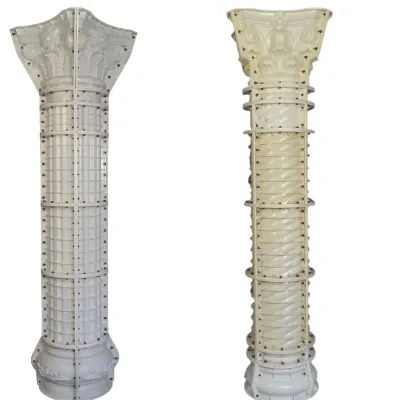


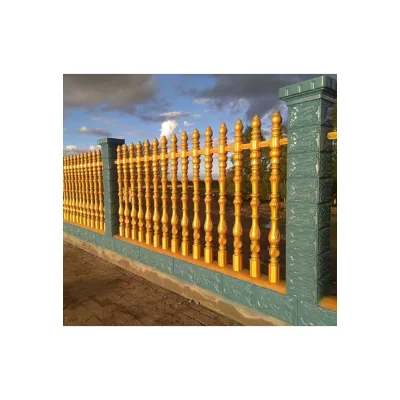









Comprehensive Sourcing Guide
Fireproof Concrete Mold Supplier Concentration and Factory Types
The current supplier landscape for fireproof concrete molds reveals a diverse mix of manufacturing capabilities and business models, primarily concentrated in specific industrial hubs across China. Evidence indicates that suppliers are located in regions such as Shandong, Henan, and Jiangsu, each offering distinct advantages in terms of production scale and specialization. In Shandong, suppliers often operate as combined entities that handle both fabrication and assembly, focusing on heavy-duty equipment like concrete pole and pile machines. These facilities typically possess the infrastructure to produce large-scale steel molds, which are essential for creating durable, fire-resistant concrete structures. The presence of ISO9001:2015 certification among these suppliers suggests a standardized approach to quality management, which is critical when sourcing molds that must withstand high temperatures and rigorous usage conditions. Buyers should note that these combined companies often offer OEM and ODM services, allowing for customized mold designs that meet specific fireproofing requirements. This flexibility is particularly valuable for projects requiring unique dimensions or specialized concrete mixes that demand higher thermal resistance.
In contrast, suppliers in Henan and Jiangsu present different operational profiles that may influence sourcing decisions. Henan-based suppliers are identified as trading companies, which can offer a broader range of products including decorative materials and mechanical parts, potentially simplifying the procurement process for buyers seeking multiple components. These trading entities often demonstrate faster response times, with some reporting response metrics as low as four hours, which can be advantageous for urgent inquiries or rapid project iterations. Meanwhile, Jiangsu suppliers focus heavily on precast concrete production lines and specialized machinery, indicating a strong technical expertise in the engineering aspects of mold manufacturing. The main products listed for these suppliers include cage welding machines and spinning machines, suggesting a comprehensive capability in producing the entire concrete pole manufacturing ecosystem. This concentration of specialized machinery manufacturers in Jiangsu implies that buyers looking for integrated solutions or high-precision molds may find robust support in this region. Understanding these regional and structural differences allows buyers to align their sourcing strategy with their specific needs for customization, speed, or technical integration.
How to Verify Fireproof Concrete Mold Suppliers
Verifying the legitimacy and capability of Fireproof Concrete Mold suppliers requires a systematic approach to checking certifications, production capacity, and historical performance. The first step is to confirm that the supplier holds valid quality management certifications, such as ISO9001:2015, which indicates adherence to international standards for consistent manufacturing processes. For fireproof molds, it is also crucial to verify if the molds themselves carry relevant certifications like ISO or CE, as these attest to the product's compliance with safety and performance benchmarks. Buyers should request copies of these certificates and validate their authenticity through the issuing bodies. Additionally, examining the supplier’s main products and company type provides insight into their operational focus. A combined manufacturer with OEM/ODM capabilities is likely better equipped to handle custom fireproof mold designs than a pure trading company, although trading companies may offer better price flexibility. Buyers should also look for evidence of past projects or product portfolios that demonstrate experience with fire-resistant materials, ensuring the supplier has the technical know-how to produce molds that do not degrade under high heat.
Beyond certifications, assessing the supplier’s responsiveness and lead times is a practical method for verifying their reliability and operational efficiency. Suppliers with faster response times, such as those reporting under five hours, often indicate a more agile and customer-centric organization, which is beneficial for resolving technical queries quickly. Lead times are another critical metric; for instance, some suppliers offer lead times as short as ten days, while others may require up to thirty days for complex orders. Buyers should compare these figures against their project timelines to ensure feasibility. Furthermore, checking the supplier’s establishment year and company history can provide context on their stability and experience in the market. While specific establishment years may not always be explicitly listed, the depth of their product catalog and the sophistication of their machinery can serve as proxies for their longevity and expertise. Buyers should also inquire about the supplier’s ability to provide layout and mold drawings, as this demonstrates their engineering support capabilities. By combining these verification steps, buyers can build a comprehensive profile of each supplier, reducing the risk of partnering with entities that lack the necessary credentials or operational capacity to deliver high-quality fireproof concrete molds.
What to Compare Across Fireproof Concrete Mold Suppliers
When evaluating multiple suppliers for fireproof concrete molds, buyers must compare key operational metrics to identify the best fit for their specific project requirements. One of the primary dimensions for comparison is the minimum order quantity (MOQ) and pricing structure. Some suppliers offer an MOQ of just one unit, which is ideal for small-scale projects or prototyping, while others may have higher thresholds. Pricing also varies significantly, with some molds ranging from approximately $1600 to $1650, while others may be priced between $260 and $560, depending on the complexity and material specifications. Buyers should analyze these price points in conjunction with the MOQ to determine the total cost of ownership. Additionally, the customization options available from each supplier should be closely examined. Suppliers that offer customized dimensions, such as specific diameters or lengths, and provide layout and mold drawings are often more suitable for specialized fireproof applications. The ability to tailor the mold to exact specifications can significantly impact the final quality and efficiency of the concrete production process.
Another critical aspect of comparison is the supplier’s technical specifications and after-sales support capabilities. Buyers should compare the automatic grade of the molds, with automatic models offering higher efficiency and consistency compared to manual alternatives. The material composition of the molds, such as steel or ABS plastic, also plays a vital role in their durability and fire resistance. Suppliers that provide detailed product attributes, including single package sizes and gross weights, enable buyers to plan logistics more effectively. Furthermore, the response time and lead time offered by each supplier should be weighed against the urgency of the project. Suppliers with shorter lead times, such as ten days, may be preferable for time-sensitive projects, while those with longer lead times might offer more competitive pricing or higher customization levels. Buyers should also consider the supplier’s main product focus; those specializing in concrete pole or pile machines may offer more robust solutions for heavy-duty fireproof molds. By systematically comparing these factors, buyers can make informed decisions that balance cost, quality, and delivery speed, ensuring they select a supplier that aligns with their strategic sourcing goals.
Common Fireproof Concrete Mold Sourcing Risks
Sourcing fireproof concrete molds involves several inherent risks that buyers must proactively manage to ensure project success. One significant risk is the potential mismatch between the supplier’s claimed capabilities and their actual production capacity. While suppliers may advertise high customization levels and fast response times, the reality of their manufacturing processes might not support such claims, especially for complex fireproof mold designs. Buyers should be cautious of suppliers who provide vague product descriptions or lack detailed technical specifications, as this can lead to misunderstandings regarding the mold’s performance under high-temperature conditions. Another risk is the variability in material quality. Fireproof molds require specific materials that can withstand thermal stress without degrading, and suppliers who do not clearly specify their material composition may use substandard alternatives. This can result in molds that crack or warp during use, leading to costly delays and material waste. Buyers should insist on detailed material certifications and, if possible, request samples or factory audits to verify the quality of the raw materials used.
Logistical and compliance risks also pose challenges in the sourcing of fireproof concrete molds. Shipping large and heavy molds can be expensive and complex, and buyers must account for potential damage during transit. Suppliers who do not provide adequate packaging solutions, such as nude packages without sufficient protection, increase the risk of damage upon arrival. Additionally, there is a risk of non-compliance with local building codes and fire safety standards in the buyer’s region. Suppliers may claim their molds meet certain standards, but without independent verification, these claims may not hold up during regulatory inspections. Buyers should ensure that the molds are certified to relevant international or local standards, such as ISO or CE, and that the supplier can provide documentation to support these claims. Furthermore, the risk of communication barriers cannot be overlooked, especially when dealing with suppliers in different time zones or language environments. Miscommunication regarding technical specifications or delivery terms can lead to errors in production or shipment. Buyers should establish clear communication channels and confirm all details in writing to mitigate these risks. By identifying and addressing these potential pitfalls early in the sourcing process, buyers can protect their interests and ensure a smoother procurement experience.
Fireproof Concrete Mold Regional Sourcing and Logistics
The regional location of suppliers significantly impacts the logistics and overall cost structure of sourcing fireproof concrete molds. Suppliers located in Shandong, Henan, and Jiangsu each offer distinct logistical advantages and challenges that buyers must consider. Shandong-based suppliers, often operating as combined manufacturers, may benefit from established industrial clusters that facilitate efficient production and supply chain integration. This concentration can lead to faster production cycles and potentially lower costs due to economies of scale. However, buyers should verify the proximity of these suppliers to major ports to minimize inland transportation costs. Henan-based trading companies, while potentially offering a wider variety of products, may have different logistical footprints that could affect delivery times. Buyers should assess the supplier’s experience in international shipping and their ability to handle export documentation efficiently. Jiangsu suppliers, with their focus on specialized machinery, may have robust logistics networks tailored to heavy industrial equipment, which is beneficial for transporting large concrete molds.
Logistics planning must also account for the specific dimensions and weight of the fireproof concrete molds. Suppliers that provide detailed packaging information, such as single package sizes and gross weights, enable buyers to calculate shipping costs more accurately. For instance, molds with a single gross weight of 50.0 kg require different handling and packaging strategies compared to larger, heavier units. Buyers should work with suppliers to optimize packaging to reduce volumetric weight and shipping costs. Additionally, the choice of shipping method, whether by sea or air, will depend on the urgency of the order and the size of the molds. Sea freight is generally more cost-effective for large orders, while air freight may be necessary for urgent, smaller shipments. Buyers should also consider the impact of regional trade policies and tariffs on the final cost of the molds. Suppliers in different regions may face varying export restrictions or incentives, which can affect pricing and availability. By carefully evaluating the logistical implications of sourcing from different regions, buyers can develop a comprehensive shipping strategy that minimizes costs and ensures timely delivery. This proactive approach to logistics planning is essential for maintaining project timelines and budget integrity.
Fireproof Concrete Mold Commercial Terms and Order Planning
Effective order planning for fireproof concrete molds requires a thorough understanding of commercial terms and payment structures to mitigate financial risks. Buyers should prioritize suppliers that offer secure payment methods, such as Trade Assurance, PayPal, Western Union, or Telegraphic Transfer (TT), as these provide varying levels of protection for both parties. Suppliers that explicitly state their payment terms, such as accepting Trade Assurance, offer an additional layer of security by ensuring that funds are released only upon satisfactory delivery and inspection of the molds. This is particularly important for high-value orders where the cost of the molds is significant. Buyers should also clarify the payment schedule, including any required deposits or milestone payments, to manage cash flow effectively. Understanding these commercial terms helps buyers avoid unexpected costs and ensures a transparent transaction process. Additionally, buyers should inquire about the supplier’s warranty and after-sales support policies, as these can impact the long-term value of the investment.
Lead time and production capacity are critical components of order planning that directly influence project schedules. Suppliers with lead times ranging from ten to thirty days offer different levels of flexibility, and buyers must align these timelines with their project deadlines. For urgent projects, buyers should seek suppliers with shorter lead times and confirm
FAQs
What is the typical lead time for concrete pile molds?
Lead times vary by supplier, with observed ranges from 10 to 30 days. Some manufacturers in Shandong offer 23 days, while others in Jiangsu may require up to 30 days. Buyers should confirm specific delivery schedules based on order volume and customization needs before finalizing purchases.
Do suppliers offer customized concrete pile molds?
Yes, many suppliers provide customized options for diameter, length, and specific mold designs. Attributes indicate that customization is available for square and round pile molds. Buyers can request layout drawings and mold drawings to ensure the product meets their exact project specifications and structural requirements.
What certifications do concrete mold manufacturers hold?
Several suppliers hold ISO9001:2015 system certification and product certifications including ISO and CE. These credentials verify that the manufacturing processes and final products meet international quality and safety standards. Buyers should verify current certificate validity directly with the supplier during the inquiry process.
What is the minimum order quantity for concrete molds?
Minimum order quantities vary, with some suppliers accepting orders as low as one set or one unit. Specific listings show an MOQ of 1 for round pillar molds and 1 for square pile molds. Buyers should check individual product pages to confirm the exact minimum order requirement for their selected model.
Where are the concrete mold manufacturers located?
Manufacturers are primarily located in China, specifically in provinces like Shandong, Henan, Jiangsu, and Anhui. Shandong suppliers often focus on pile machines, while Jiangsu facilities specialize in pole molds. Buyers should filter search results by these regions to find suppliers with relevant production capabilities and logistics advantages.
What is the price range for concrete pile molds?
Prices vary significantly based on size and type, ranging from approximately 93 to 6000 units of currency. Square pile molds may cost between 1600 and 1650, while round pillar molds range from 93 to 185. Buyers should request detailed quotes to understand the final cost including packaging and shipping fees.
How quickly do suppliers respond to inquiries?
Response times vary among suppliers, with observed averages ranging from 4 to 10.10 hours. Some trading companies respond within 4 hours, while larger manufacturers may take up to 10 hours. Buyers seeking urgent assistance should prioritize suppliers with faster response metrics to ensure timely project progress.