Windproof Smokeless Ceramic Ashtray Suppliers and Manufacturers
Compare 28 verified suppliers offering Windproof Smokeless Ceramic Ashtray with ISO 9001, FDA, and CE certifications. Review response times, lead times, and MOQs to source custom ceramic ashtrays from China factories today; review the available evidence before requesting comparable quotations from suitable candidates.
Updated
Suppliers List
Anhui Dragonleaf Rolling Tray Import & Export Co., Ltd.
- Verified by SGS Group
- Manufacturer, Trading Company
- Lead time5 days
- Avg. response≤ 2h
Main productsRolling Tray, Herb Grinder, Ashtray, Smoking Kit, Smoking Accessory
Main marketsNorth America(40%), South America(40%), Western Europe(10%)

Xiamen Yoyo Ceramic Trading Co., Ltd.
- Verified by BV
- Combined
- China Fujian
- Lead time23 days
- Avg. response≤ 11h
Main productsCeramic Mugs, Ceramic Plates, Teawares, Ceramic Canisters, Ceramic Vases, Ceramic Flower Planters, Ceramic Coin Bank, Flowerpot, Canisters, Resin Crafts
Main marketsSouth America,Africa,Southeast Asia/ Mideast,East Asia(Japan/ South Korea),Europe,Australia,North America
Jiashan Jiaxin Electronic Products Co., Ltd.
- Verified by TüVRheinland
- Manufacturer, Trading Company
- Lead time15 days
- Avg. response≤ 2h
Main productsLighter, Electronic Lighter, Cigarette Lighter, USB Lighter
Main marketsNorth America(30%), South America(30%), Eastern Europe(30%)
Guangzhou Chenxuan Technology Co., Ltd.
- Trading Company, Distributor/Wholesaler, Other
- Guangdong, China
- Lead time10 days
- Avg. response≤ 2h
Main productssteel kitchenware,round dinner plate,retro cutlery set,gold dinner plate,korean gold dinner plate
Main marketsWestern Europe(30.00%), North America(30.00%), Mid East(15.00%), Oceania(15.00%), South America(10.00%)
Xiamen Yoyo Ceramic Trading Co., Ltd.
- Verified by Intertek
- Manufacturer, Trading Company
- Lead time55 days
- Avg. response≤ 6h
Main productsCandle Jar, Daily Ceramic Ware, Home Decoration, Garden Decoration, Bathroom Accessory
Main marketsNorth America(45%), Oceania(20%), Western Europe(20%)
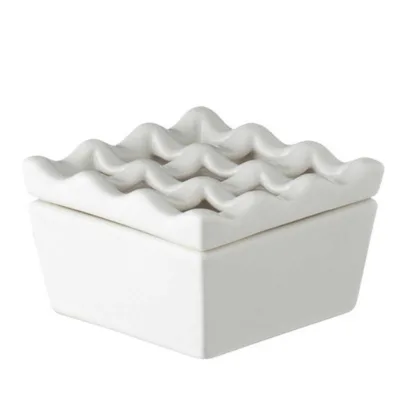
Modern White Black Dad Gift Indoor Outdoor Windproof Ceramic Ashtray
$0.8733 - $2.9256
MOQ: 1000 pieces
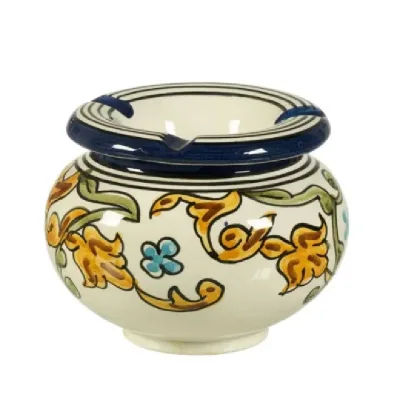
Vintage Indoor Outdoor Windproof Ceramic Smoke Cigar Ashtray for Men Father Boyfriend
$0.8763 - $2.9346
MOQ: 1000 pieces
Hangzhou Kangyou Household Import And Export Co., Ltd.
- Trading Company
- Zhejiang, China
- Lead time15 days
- Avg. response≤ 2h
Main productsBar Products,Glassware,Kitchen Product,Jewelry,Wedding Products
Main marketsNorth America(50.00%), Western Europe(15.00%), Northern Europe(10.00%), South America(10.00%), Southeast Asia(10.00%), Southern Europe(5.00%)
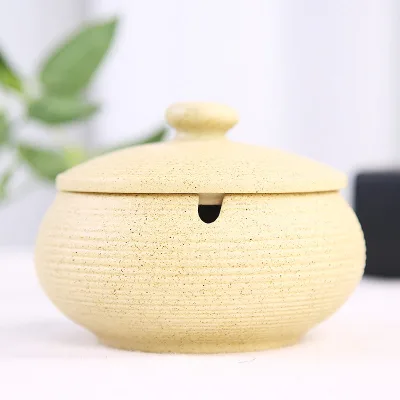
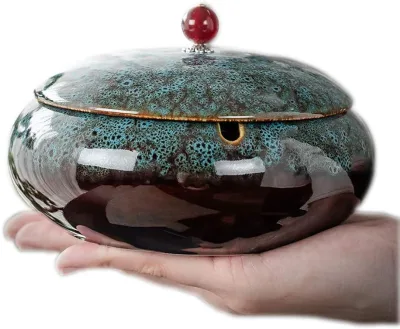
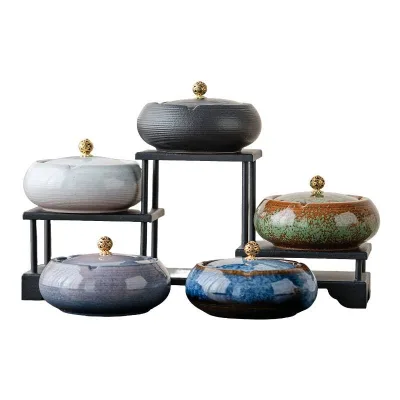
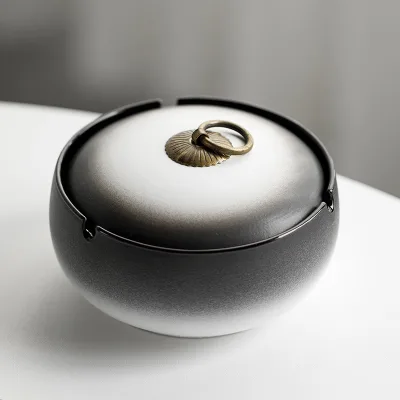
Windproof and Rainproof Outdoor Color Glaze Ceramic Cigarette Ashtray with Lifting Ring Lid
$1.0246 - $1.5684
MOQ: 500 pieces
$2.1961 - $2.7189
MOQ: 500 pieces

Shenzhen Lovisle Technology Co., Ltd.
- Verified by TUVRHEINLAND
- Trading Company,Manufacturer/Factory,Group Corporation
- China Guangdong
- Lead time38 days
- Avg. response≤ 13h
Main productsTorch Gas Lighter, Cigarette Lighter, Cigarettes Cases, USB Lighter, Herb Grinder, Water Hookah Shisha, Rolling Machine, Smoking Accessories, Electronic Cigarettes Lighters
Main marketsSouth America,Eastern Europe,Mid East,North America,Southeast Asia,Eastern Asia,Oceania,Western Europe,Africa

Antique Metal Color Round Windproof Smokeless Ashtray Custom Smoking Grinder
$4.29 - $4.69
MOQ: 100 Pieces

Portable Ashtray Lightweight Smoking Accessory for Cigar Cigarettes Holder
$0.50 - $1.20
MOQ: 10 Pieces
Jiaxing Sangmi Technology Co., Ltd.
- Trading Company
- Zhejiang, China
- Lead time0 days
- Avg. response≤ 2h
Main productslighter,hookah,grinder,ashtray,printing&packaging
Main marketsNorth America(20.00%), South America(20.00%), Eastern Europe(10.00%), Western Europe(10.00%), Southern Europe(10.00%), Southeast Asia(5.00%), Mid East(5.00%)
Luan Wanchuang Smoke Accessory Co., Ltd.
- Verified by SGS Group
- Manufacturer, Trading Company
- Lead time0 days
- Avg. response≤ 3h
Main productsRolling Tray, Herb Grinder, Ashtray, Smoking Kit, Smoking Accessory
Main marketsNorth America(50%), Western Europe(30%), Southeast Asia(10%)
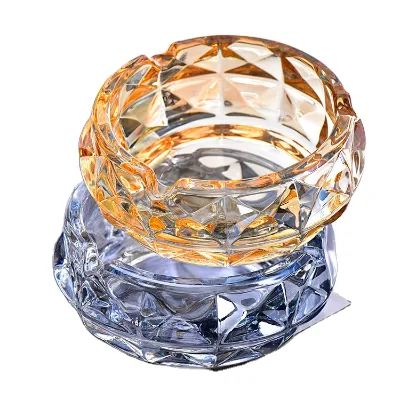
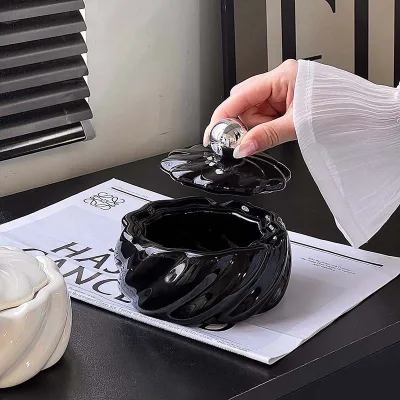
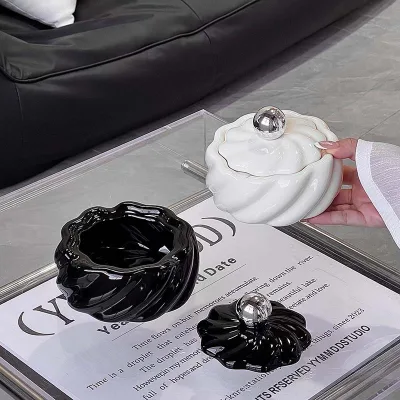
New Home Living Room Ashtray Cute Creative Ceramic Smoking Ashtray Supports Customization
$1.99 - $2.99
MOQ: 50 pieces
- Verified by TüVRheinland
- Manufacturer, Trading Company
- Lead time25 days
- Avg. response≤ 3h
Main productsDrinkware, Ceramicware, Barware, Kitchenware, Glass Bottles
Main marketsNorth America(20%), South America(20%), Southeast Asia(20%)
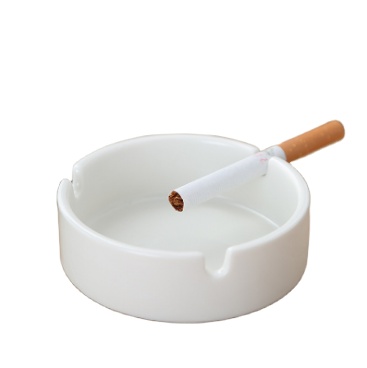
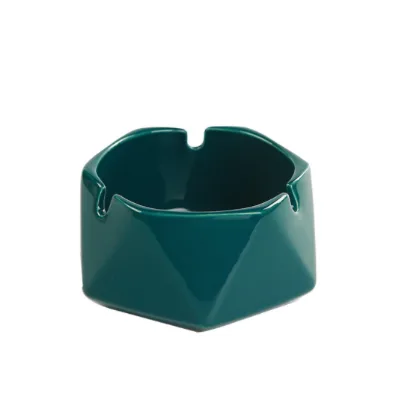
Factory direct sales windproof creative simple household Geometry ashtray
$1.50 - $3.00
MOQ: 3000 Minimum
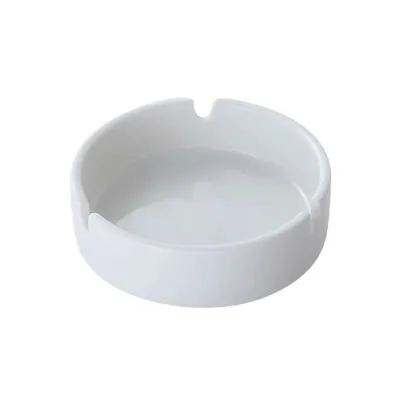
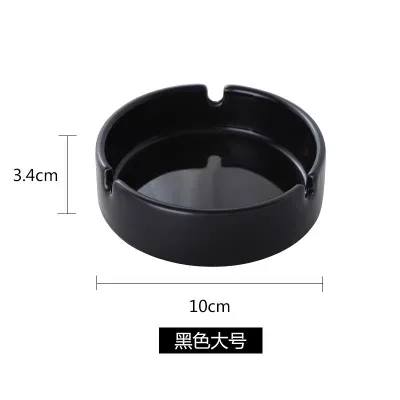
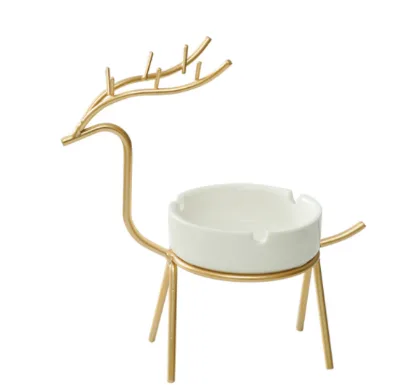
Nordic decorative accessories deer ashtray creative home living room swag office ceramic ashtray
$1.5594 - $3.1188
MOQ: 3000 Minimum
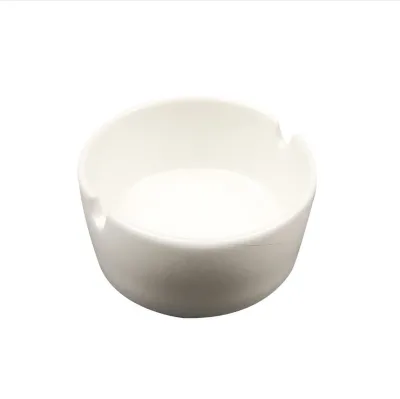
OEM concise ceramic ashtrays for hotel restaurant Eco-freindly ashtrays
$0.67 - $0.90
MOQ: 1000 pieces

Shenzhen Jiayuanmei Packaging Co., Ltd
- Verified by TUVRHEINLAND
- Trading Company
- China Guangdong
- Lead time15 days
- Avg. response≤ 3h
Main productsGrinder Accessories, Pipe Accessories, Cone Accessories, Iron Tray Accessories, Ashtray Accessories, Grinder Set Accessories, Bag Accessories, Paper Accessories, Strorage Box Accessories, Cone Plastic Tube Accessories
Main marketsDomestic

Cangnan Shengju Smoking Factory
- Verified by SGS
- Combined
- China Zhejiang
- Lead time23 days
- Avg. response≤ 11h
Main productsCigarette Roling Paper, Olling Trays, Grinder, Cigar Cutter, Metal Pipes, Water Pipe, Asthrays, Cigarette Rolling Machine, Metal Smoking Pipe, Lighter
Main marketsDomestic


Customizable Ashtray for Promotional Items, Great for Marketing and Branding
$1.20 - $1.50
MOQ: 100 Pieces
Quanzhou Leixin Crafts Co., Ltd.
- Manufacturer, Trading Company
- Fujian, China
- Lead time45 days
- Avg. response≤ 6h
Main productsChristmas Gifts/Halloween Gifts/Nativity Sets/Garden Decoration/Fountain,Garden Decorations,Home Decorations
Main marketsNorth America(45.00%), Western Europe(40.00%), Eastern Europe(5.00%), Oceania(2.00%), Southern Europe(2.00%), Southeast Asia(2.00%), Africa(1.00%), Northern Europe(1.00%), South America(1.00%), Eastern Asia(1.00%)
Shenzhen Genesis Crafts & Gifts Co., Ltd.
- Verified by SGS Group
- Trading Company
- Lead time45 days
- Avg. response≤ 3h
Main productsCigar Humidor, Cigar Ashtray, Cigar Cutter, Cigar Lighter, Cigar Leather Case
Main marketsNorth America(30%), Western Europe(20%), Eastern Europe(10%)
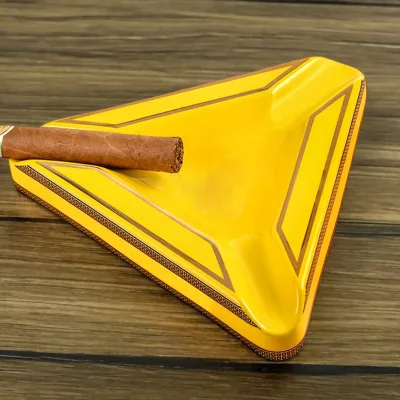
$6.1403 - $7.9813
MOQ: 300 pieces

Jinan Glass International Trade Co., Ltd.
- Manufacturer/Factory
- China Shandong
- Lead time15 days
- Avg. response≤ 7h
Main productsGlass Smoking Pipe, Glass Pipe, Printing and Package, Laboratory Glassware, Home Glassware, Machine, Sticker, Wall Decal
Main marketsSouth America,Eastern Europe,North America,Southeast Asia,Eastern Asia,Oceania,Western Europe,Africa

Linyi Longying International Trade Co., Ltd.
- Verified by TUVRHEINLAND
- Trading Company
- China Shandong
- Lead time15 days
- Avg. response≤ 5h
Main productsTableware, Dinnerware, Porcelainware, Dinner Set, Hotel Porcelain, Ceramic Dinner Set, Ceramic Plate and Bowl, Tableware Plate and Bowl, Stoneware, Glassware
Main marketsOthers(foreignTradeCapacity.exportBusinessCapacityMarketOther),Europe


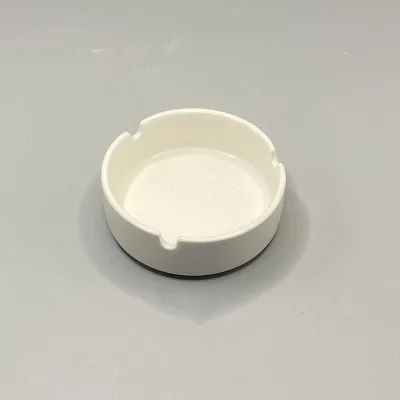
3.5"Ashtray Hot Sale White Porcelain Hotelware Tableware Ceramics Restaurant Use Home Use
$0.20 - $0.22
MOQ: 5000 Pieces

- Verified by SGS
- Trading Company
- China Zhejiang
- Lead time15 days
- Avg. response≤ 15h
Main productsCar Mat, Car Air Freshener, Car Seat Cover, Steering Wheel Cover, Car Phone Holder, Car Roof Tent, Car Sunshade, Jerry Can
Main marketsEurope,Australia

Advanced Technology Anti-Ashes Flying Car Interior Ashtray Portable Car Ashtray
$0.98 - $1.09
MOQ: 950 Pieces

Universal Adaptable Anti-Dust Quiet Car Interior Ashtray Interior Accessories Ashtray
$0.89 - $0.99
MOQ: 1000 Pieces

Multi-Functional Anti-Spill Stable Car Interior Ashtray Portable Car Ashtray
$1.08 - $1.20
MOQ: 850 Pieces


High-Performance Fireproof Safe Car Interior Ashtray Interior Accessories Ashtray
$1.02 - $1.14
MOQ: 900 Pieces

Eco-Friendly Noise-Reducing Quiet Car Interior Ashtray Interior Accessories Ashtray
$1.12 - $1.24
MOQ: 850 Pieces

Zhongshan Tianxin Craft Gift Products Co., Ltd.
- Verified by BV
- Combined
- China Guangdong
- Lead time23 days
- Avg. response≤ 2h
Main productsShirt, Gift, Clothing, USB Flash Drives, Key Chain, Medal, Trophy, Lether Tapeline, Fridge Magnet, Wine Opener
Main marketsSouth America,Africa,Southeast Asia/ Mideast,East Asia(Japan/ South Korea),Europe,Australia,North America
Yiwu Desire Imp.and Exp. Co., Ltd.
- Trading Company
- Zhejiang, China
- Lead time0 days
- Avg. response≤ 7h
Main productsherb grinder,lighter,cigar accessories,ashtray,cigarette machine
Main marketsSouth America(20.00%), North America(20.00%), Central America(15.00%), Northern Europe(10.00%), Eastern Europe(10.00%), South Asia(5.00%), Southeast Asia(5.00%), Mid East(5.00%), Western Europe(4.00%), Southern Europe(3.00%), Eastern Asia(2.00%), Africa(1.00%)

Wenzhou Huangrun Light Industrial Co., Ltd.
- Manufacturer, Trading Company
- Zhejiang, China
- Lead time60 days
- Avg. response≤ 15h
Main productsRolling Machine / Plastic Grinder / Cigarette Rolling Case,Cigarette Case
Main marketsWestern Europe(60.00%), Mid East(28.00%), South Asia(3.00%), North America(3.00%), Eastern Europe(3.00%), Southeast Asia(3.00%)

Xiamen D&Q Import and Export Co., Limited
- Combined
- China Fujian
- Lead time45 days
- Avg. response≤ 7h
Main productsBeach Souvenir, Fridge Magnet, Keychain, Shot Glass, Resin Craft, Beach Bag, Baseball Cap, Bucket Hat, Snow Globe, Home Decor
Main marketsEurope,North America


Creative Promotion Souvenir Gift Resin Skull Shape Ashtray for Home Table Decor
$1.10 - $1.35
MOQ: 720 Pieces


Seaside Animal Beach Underprint Nice Home Decoration Handmade Polyresin Ashtray for Souvenir
$1.10 - $1.80
MOQ: 720 Pieces
Shanghai Fine-V Intl Trade Co., Ltd.
- Manufacturer, Trading Company
- Shanghai, China
- Lead time45 days
- Avg. response≤ 14h
Main productsTea Pot Set,Coffee Cup,Ceramic Mugs,Handicraft Ceramics,Decorative Porcelain
Main marketsNorth America(20.00%), Mid East(10.00%), Domestic Market(10.00%), Northern Europe(10.00%), Eastern Europe(10.00%), Western Europe(10.00%), Oceania(5.00%), Southern Europe(5.00%), Southeast Asia(5.00%), Central America(5.00%), South America(5.00%), Eastern Asia(5.00%)
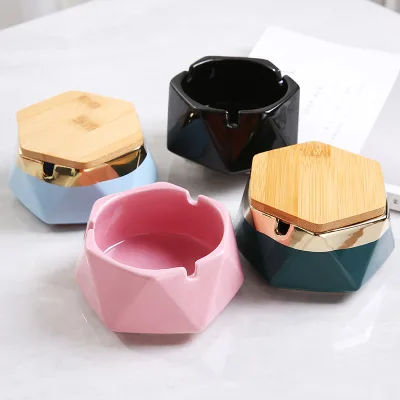
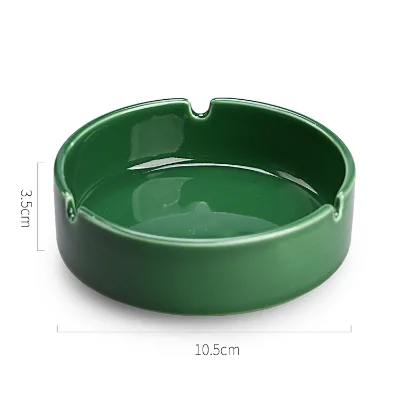
custom logo Hotel white round modern ceramic ashtray fine porcelain car ashtray
$1.35 - $1.88
MOQ: 500 pieces

Ceramic shell ashtray Mediterranean creative home
$1.95 - $2.68
Pujiang Meg Art&Craft Co., Ltd.
- Trading Company
- Zhejiang, China
- Lead time15 days
- Avg. response≤ 6h
Main productscrystal trophy,metal trophy,crystal perfume bottle,crystal keychain,crystal block
Main marketsNorth America(30.00%), Southeast Asia(10.00%), Central America(10.00%), Mid East(10.00%), South Asia(5.00%), Southern Europe(5.00%), Northern Europe(5.00%), Eastern Europe(5.00%), Western Europe(5.00%), South America(5.00%), Eastern Asia(5.00%), Africa(5.00%)
Higher Manufacturing Co., Limited
- Verified by SGS Group
- Trading Company
- Lead time25 days
- Avg. response≤ 3h
Main productsRolling Paper, Filter Tips
Main marketsNorth America(30%), Western Europe(15%), South America(10%)
Huachuang Wisdom Household Co., Ltd.
- Trading Company
- Lead time旺季: "1 - 500":25,"501 - 1000":30,"1001 - 3000":40,"> 3000":"To be negotiated", 淡季: "1 - 500":25,"501 - 1000":30,"1001 - 3000":40,"> 3000":"To be negotiated"
- Avg. response≤ 5h
Main productsBathroom rack,bathroom organizer,towel rack,coat rack
Bingyi Industrial (shanghai) Co., Ltd.
- Trading Company
- Shanghai, China
- Lead time30 days
- Avg. response≤ 3h
Main productsBar Tools,Bar Accessories,Cocktail shaker,Coffee Tools,Wine tool
Main marketsNorth America(40.00%), Western Europe(12.00%), Southern Europe(10.00%), Northern Europe(10.00%), Eastern Europe(10.00%), Southeast Asia(5.00%), Mid East(4.00%), South America(3.00%), Central America(2.00%), Africa(2.00%), Domestic Market(1.00%), South Asia(1.00%)

Guangzhou Nantian Sources Co., Ltd.
- Manufacturer/Factory
- China Guangdong
- Lead time15 days
- Avg. response≤ 6h
Main productsKitchen Equipment, Kitchenware, Food Machine, Kitchen Appliance, Glassware, Food Machinery, Bakery Equipment, Dinnerware, Kitchen Utensils, Food Processor
Main marketsSouth America,Mid East,Southeast Asia,Eastern Asia,Oceania,Africa

Xiamen Miss Home Gifts Limited
- Trading Company,Manufacturer/Factory
- China Fujian
- Lead time15 days
- Avg. response≤ 24h
Main productsLanyards, ID Badge Accessories, Pocket Ashtrays, Bespoke Metal Gifts, Promotional Products
Main marketsEastern Europe,North America,Oceania,Western Europe










Comprehensive Sourcing Guide
Windproof Smokeless Ceramic Ashtray Supplier Concentration and Factory Types
The current supplier landscape for windproof smokeless ceramic ashtrays features a diverse mix of manufacturing entities, primarily categorized as manufacturers, trading companies, and combined operational models. This variety allows buyers to select partners based on their specific needs for direct factory engagement versus broader product portfolio access. Manufacturers often provide deeper customization capabilities, such as graphic processing and customized on-demand services, which are critical for brands seeking unique design elements. Trading companies may offer streamlined logistics and a wider array of complementary smoking accessories, including lighters and herb grinders, simplifying the procurement process for buyers who prefer a single point of contact for multiple items. The presence of combined entities suggests a hybrid approach where production and sales are integrated, potentially offering flexibility in order sizes and product variations.
Understanding the specific company type is essential for aligning with your supply chain strategy. Manufacturers typically have more control over the production timeline and quality assurance processes, which can be advantageous for large-scale orders requiring strict adherence to specifications. In contrast, trading companies might leverage established relationships with multiple factories to offer competitive pricing and faster sample turnaround times. The main products listed by suppliers often extend beyond ashtrays to include ceramic mugs, plates, and other home and garden items, indicating that many suppliers are versatile ceramic producers. This versatility can be beneficial if you are looking to consolidate your sourcing across different ceramic product categories, although it requires careful vetting to ensure that the supplier’s primary focus remains on the quality and specialization of smoking accessories.
How to Verify Windproof Smokeless Ceramic Ashtray Suppliers
Verification is a critical step in ensuring the reliability and legitimacy of potential suppliers for windproof smokeless ceramic ashtrays. Buyers should prioritize suppliers who have undergone third-party verification processes, such as those conducted by SGS Group, BV, or TüVRheinland. These verifications provide an additional layer of confidence regarding the supplier’s business operations, financial stability, and compliance with international standards. For instance, some suppliers are verified by SGS Group, while others hold BV or TüVRheinland certifications, each offering different insights into the supplier’s operational integrity. It is important to review the specific scope of these verifications to understand what aspects of the business have been assessed, such as factory audits, quality management systems, or social compliance.
In addition to third-party verification, buyers should examine the certifications held by the suppliers and their products. Certifications such as ISO 9001, FDA 21 CFR, CE, and others indicate that the supplier adheres to specific quality and safety standards. Some suppliers may also hold product-specific certifications like CIQ, LFGB, and PROP65, which are particularly relevant for items that come into contact with food or are used in specific environments. These certifications can serve as a proxy for the supplier’s commitment to quality and regulatory compliance. Buyers should request copies of these certificates and verify their validity through the issuing bodies. Furthermore, checking the supplier’s response time and lead time can provide indirect evidence of their operational efficiency and customer service quality, which are crucial for maintaining a smooth supply chain.
What to Compare Across Windproof Smokeless Ceramic Ashtray Suppliers
When evaluating multiple suppliers, it is essential to compare key operational metrics such as lead time, minimum order quantity (MOQ), and response time to determine which partner best fits your business needs. Lead times can vary significantly, with some suppliers offering as little as five days for sample processing, while others may require up to thirty days for production. This variation can impact your inventory planning and ability to meet market demand, so it is crucial to align lead times with your sales cycles. Similarly, MOQs can range from small quantities suitable for testing the market to large volumes that require significant upfront investment. Understanding these thresholds will help you manage cash flow and storage costs effectively, ensuring that you do not overcommit to inventory that may not sell as quickly as anticipated.
Response time is another critical factor that can influence the efficiency of your sourcing process. Suppliers with faster response times, such as those averaging two hours, can provide quicker answers to your inquiries, resolve issues promptly, and facilitate smoother communication throughout the order process. This responsiveness is particularly important during the initial stages of negotiation and when addressing any post-order concerns. Additionally, comparing the range of main products offered by each supplier can help you assess their versatility and potential for future collaboration. Suppliers that offer a broad range of smoking accessories, such as lighters, herb grinders, and ashtrays, may be better positioned to support your brand’s growth and diversification efforts. By carefully comparing these attributes, you can identify suppliers that not only meet your current requirements but also have the capacity to support your long-term business objectives.
Common Windproof Smokeless Ceramic Ashtray Sourcing Risks
One of the primary risks in sourcing windproof smokeless ceramic ashtrays is the potential inconsistency in product quality and material specifications. Ceramic products are susceptible to variations in firing temperatures, glaze application, and structural integrity, which can lead to defects such as cracking, chipping, or uneven surfaces. Buyers must ensure that suppliers have robust quality control measures in place to mitigate these risks. This includes verifying that the suppliers use high-quality raw materials and adhere to strict production standards. Additionally, the customization options available, such as custom logos and designs, can introduce complexity into the production process, increasing the likelihood of errors if not managed properly. It is essential to request detailed specifications and samples before committing to large orders to ensure that the final product meets your expectations.
Another significant risk is the discrepancy between the supplier’s claimed capabilities and their actual performance. Suppliers may advertise fast lead times and low MOQs, but these promises may not be consistently met in practice. This can lead to delays in product delivery and increased costs due to expedited shipping or emergency orders. Furthermore, the lack of transparency in pricing and additional fees can result in unexpected expenses that impact your profit margins. Buyers should be cautious of suppliers who do not provide clear and detailed quotations, as this can indicate hidden costs or poor business practices. It is also important to consider the supplier’s financial stability and reputation, as these factors can affect their ability to fulfill orders reliably. By conducting thorough due diligence and maintaining open communication with suppliers, buyers can mitigate these risks and build a more resilient supply chain.
Windproof Smokeless Ceramic Ashtray Regional Sourcing and Logistics
The geographic location of suppliers plays a crucial role in determining logistics costs, lead times, and overall supply chain efficiency. Many suppliers for windproof smokeless ceramic ashtrays are located in China, with specific regions such as Anhui, Fujian, and Zhejiang being prominent manufacturing hubs. These regions are known for their expertise in ceramic production and have established infrastructure for exporting goods globally. Buyers should consider the proximity of suppliers to major ports and transportation networks, as this can impact shipping costs and delivery times. For instance, suppliers in coastal provinces may offer more competitive shipping rates due to their access to international shipping routes. Additionally, the local regulatory environment and trade policies can affect the ease of importing goods, so buyers should be aware of any potential tariffs or restrictions that may apply to their specific market.
Logistics planning is essential for managing the flow of goods from the supplier to the final destination. Buyers should work closely with their suppliers to establish clear shipping terms and responsibilities, ensuring that both parties understand their roles in the logistics process. This includes determining who is responsible for customs clearance, insurance, and transportation costs. It is also important to consider the packaging of the products, as ceramic items are fragile and require careful handling to prevent damage during transit. Suppliers should provide secure and protective packaging solutions to minimize the risk of breakage. By understanding the regional advantages and logistical considerations of different supplier locations, buyers can make informed decisions that optimize their supply chain and reduce overall costs.
Windproof Smokeless Ceramic Ashtray Commercial Terms and Order Planning
Commercial terms and order planning are critical components of a successful sourcing strategy for windproof smokeless ceramic ashtrays. Buyers should negotiate clear payment terms, such as partial upfront payments and balance upon shipment, to manage cash flow and reduce financial risk. It is also important to establish a detailed production schedule that includes milestones for sample approval, mass production, and final inspection. This schedule should be agreed upon with the supplier and monitored closely to ensure that the order is completed on time. Additionally, buyers should consider the potential for price fluctuations due to changes in raw material costs or currency exchange rates, and include clauses in the contract to address these variables. By having a well-defined commercial framework, buyers can protect their interests and ensure a smooth transaction process.
Order planning involves forecasting demand and determining the appropriate order quantities to meet market needs without overstocking. Buyers should analyze historical sales data and market trends to estimate future demand accurately. This information can help in negotiating better terms with suppliers, such as volume discounts or flexible MOQs. It is also important to consider the lead time for production and shipping when planning orders, allowing for sufficient buffer time to address any potential delays. Buyers should maintain open communication with their suppliers to stay informed about production progress and any changes that may affect the delivery schedule. By integrating commercial terms with strategic order planning, buyers can optimize their inventory levels, reduce costs, and enhance their ability to respond to market changes effectively.
FAQs
What is the typical price range for a Windproof Smokeless Ceramic Ashtray?
Ceramic ashtray listings in this category commonly show unit prices from about 0.20 to 0.39 US dollars for basic round models, while custom ceramic designs with logo printing can range from roughly 0.65 to 2.98 US dollars depending on size, decoration and packaging. Final pricing depends on order quantity, glaze finish and customization level, so request quotes against your exact specifications.
What is the usual minimum order quantity for custom ceramic ashtrays?
Many suppliers list a minimum order quantity of 1,000 pieces for custom ceramic ashtray designs, including lidded and logo-printed variants. Some trading companies offer lower trial quantities, so confirm the MOQ before sampling. If you need a smaller pilot run, ask whether mixed models or higher per-unit pricing can offset the standard 1,000-piece requirement during your first order.
How long does production and sampling take for ceramic ashtrays?
Lead times of around 5 days appear for some fast-turn suppliers, while custom ceramic ashtray products often quote sample times near 15 days and production times of about 30 days, negotiable with the factory. Decal printing, custom shapes and special packaging add time. Confirm both sample and bulk timelines in writing before placing a deposit.
Which certifications should I check when sourcing ceramic ashtrays?
Relevant certifications include FDA food-contact standards, LFGB, PROP65, SGS testing reports and ISO 9001 quality management, several of which appear among listed supplier credentials. For products entering California or European markets, PROP65 and LFGB compliance matter most. Always request current, dated certificates matched to the exact glaze and material used in your production batch, not generic documents.
Can ceramic ashtray suppliers handle custom logos and shapes?
Yes, most listed suppliers accept OEM and ODM orders, offering custom shapes, custom colors, decal logo printing and tailored packaging. Capabilities commonly include sample processing, graphic processing and light customization. Provide vector artwork and confirm printing technology, since decal application differs from direct printing for fine logo detail. Ask for a printed sample before mass production to verify color accuracy.
Where are these ceramic ashtray suppliers located and how fast do they respond?
Listed suppliers operate in China, with production locations including Anhui and Fujian provinces. Response times range from about 2 hours for some suppliers to over 10 hours for others, so factor responsiveness into your shortlist. Manufacturers and combined manufacturer-trading companies both appear in this category, which affects pricing, communication and flexibility on small custom runs.