Unbleached Rice Paper Rolling Papers Suppliers and Manufacturers
Compare 14 verified suppliers of Unbleached Rice Paper Rolling Papers based on location, lead times, certifications, and pricing. Review product specifications like GSM and customization options to select the right factory for your needs; review the available evidence before requesting comparable quotations from suitable candidates.
Updated
Suppliers List

GUANGZHOU RICHER IMPORT AND EXPORT TRADE CO.,LTD.
- Verified by SGS
- Trading Company,Manufacturer/Factory
- China Guangdong
- Lead time45 days
- Avg. response≤ 6h
Main productsWhite Cigarette Rolling Paper, Machine Glazed Paper, Typewriter Paper, Mf Bleached Acid Free Tissue Paper, Food Packing Paper, Kraft Paper, Carbonless Base Paper
Main marketsSouth America,Eastern Europe,Mid East,North America,Southeast Asia,Eastern Asia,Oceania,Western Europe,Africa
- Trading Company
- Hong Kong S.A.R.
- Lead time20 days
- Avg. response≤ 10h
Main productsROLLING PAPER,CIGARETTE PAPER,BASE PAPER FOR CIGARETTE PAPER,CONES,FILTER TIPS
Main marketsAfrica(30.00%), Eastern Europe(20.00%), North America(20.00%), Western Europe(10.00%), South America(10.00%), Southern Europe(5.00%), Northern Europe(5.00%)
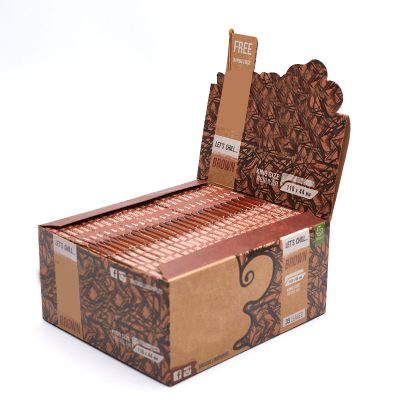
Brown Smoking Rolling Paper Unbleached Paper for Smoking Cigarette
$0.1026 - $0.1231
MOQ: 2500 Minimum
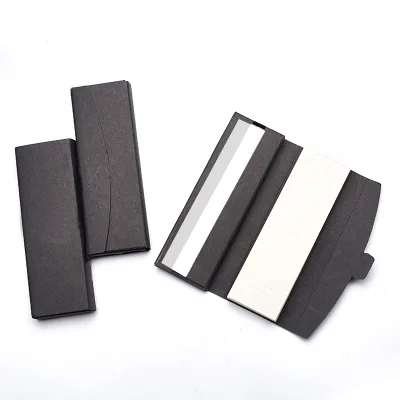
Black Night Package Custom logo Printed Rice Rolling Papers with Filter Paper
$0.1858 - $0.2891
MOQ: 2000 Minimum
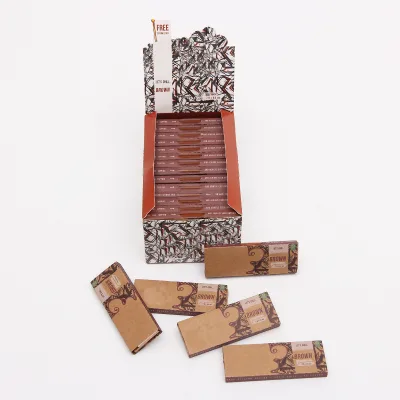
Dragon Brown Unbleached Cigarette Smoking Rolling Paper with Tips Filters
$0.1141 - $0.2082
MOQ: 2500 Minimum
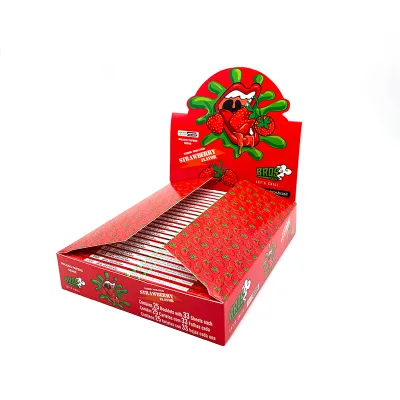
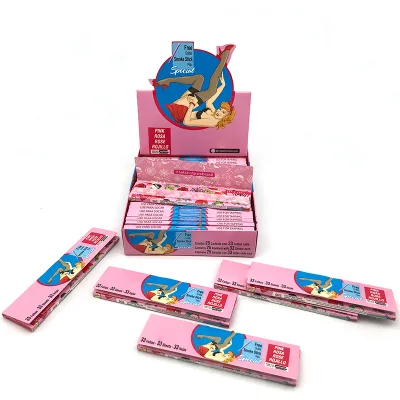
Rolling Paper Smoking Custom Design Natural Gum king Size Unbleached
$1.0291 - $5.1411

- Trading Company
- China Shanghai
- Lead time0 days
- Avg. response≤ 10h
Main productsRolling Paper, Rolling Tray, Grinder, Cone, Filter, Smoke Accessories

HK MAIRUN INDUSTRIAL CO., LIMITED
- Trading Company
- Hong Kong S.A.R.
- Lead time30 days
- Avg. response≤ 6h
Main productsMetal card,PVC Card,Metal bookmark,Metal badge,Metal Label
Main marketsNorth America(42.00%), Western Europe(28.00%), Northern Europe(14.00%), South Asia(14.00%), South America(2.00%), Eastern Europe(2.00%), Southeast Asia(2.00%), Africa(2.00%), Mid East(2.00%), Eastern Asia(2.00%), Central America(2.00%), Southern Europe(2.00%)
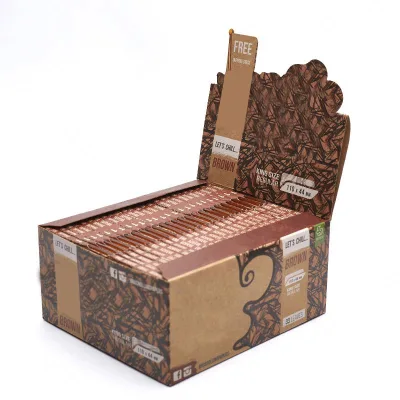
Brown Smoking Rolling Paper Unbleached Paper for Smoking Cigarette
$0.1037 - $0.1244
MOQ: 2500 Minimum
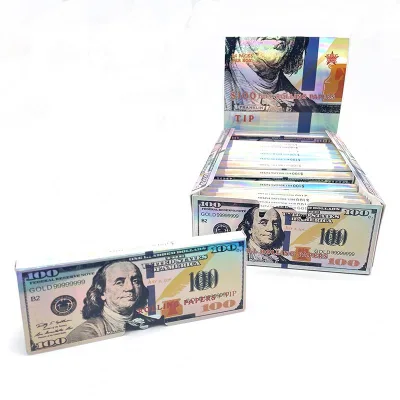
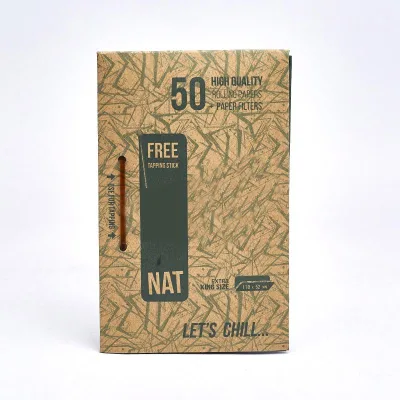
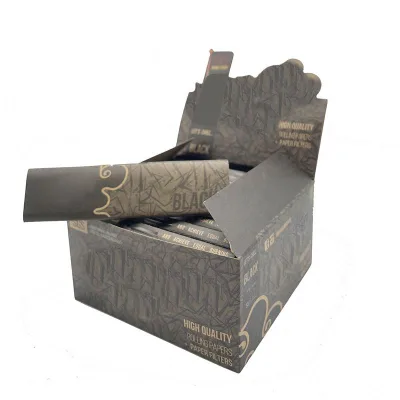
Natural Slow Burning Unbleached Rolling Paper Wood Pulp Manufacture Brown Paper king Size Slim
$0.1348 - $0.1663
MOQ: 2500 Minimum
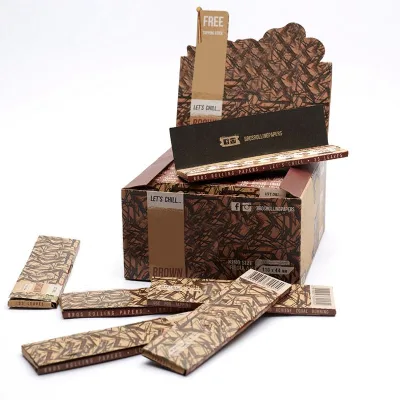
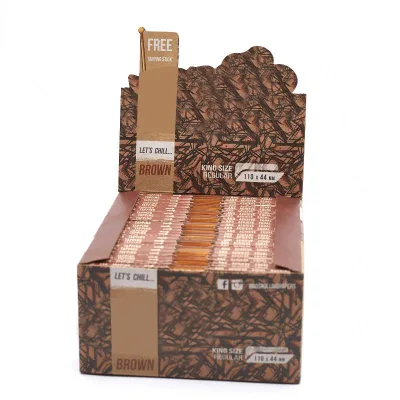
Premium King Size Slim Rice Unbleached Dragon Rolling Paper OBM Brand Wholesale
$0.1124 - $0.2052
MOQ: 2500 Minimum

Cangnan Shengju Smoking Factory
- Verified by SGS
- Combined
- China Zhejiang
- Lead time23 days
- Avg. response≤ 11h
Main productsCigarette Roling Paper, Olling Trays, Grinder, Cigar Cutter, Metal Pipes, Water Pipe, Asthrays, Cigarette Rolling Machine, Metal Smoking Pipe, Lighter
Main marketsDomestic

Richer Industry (Shanghai) Co., Ltd.
- Verified by SGS
- Trading Company,Manufacturer/Factory
- China Shanghai
- Lead time23 days
- Avg. response≤ 5h
Main productsRolling Paper, White Mf/Mg Colored Tissue Paper, Custom Printed Tissue Paper, Gift Bag Gift Box, Thermal Label, Kraft Paper Bag, Release Paper, Silicone Paper
Main marketsSouth America,Eastern Europe,North America,Southeast Asia,Eastern Asia,Oceania,Western Europe,Africa
- Verified by SGS Group
- Trading Company
- Lead time30 days
- Avg. response≤ 2h
Main productsRolling paper, Pre roll packaging, Herb grinder, Rolling tray, Smoking accessories
Main marketsNorth America(30%), Eastern Europe(30%), South America(15%)

Mudanjiang Hengfeng Paper Co., Ltd.
- Verified by TUVRHEINLAND
- Combined
- China Heilongjiang
- Lead time30 days
- Avg. response≤ 3h
Main productsBible Paper, Thin Printing Paper, Ryo Paper, Gummed Paper, Rolling Paper, Straw Paper, Straw Base Paper, Food Wrapping Paper, Mg Paper, Decorative Base Paper
Main marketsAfrica,Southeast Asia/ Mideast,Europe,North America
- Trading Company
- Hong Kong S.A.R.
- Lead time30 days
- Avg. response≤ 11h
Main productsrolling paper,smoking paper,cigarette paper,hemp paper,flavor paper
Main marketsEastern Europe(30.00%), Western Europe(30.00%), Northern Europe(20.00%), North America(20.00%)

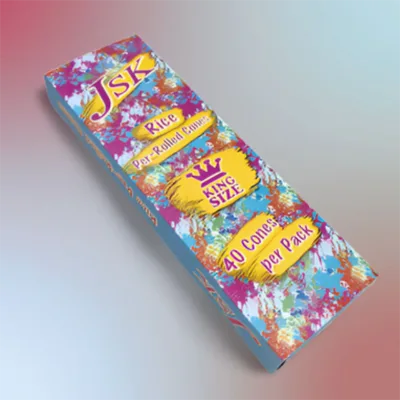

Hot Selling Rolling Paper Natural Rice Paper Cone With Overwrap Filter Pack 109*3Pcs
$0.041 - $0.1026
MOQ: 2 Minimum


LONG JIANG INDUSTRIAL COMPANY LIMITED
- Trading Company
- Hong Kong S.A.R.
- Lead time15 days
- Avg. response≤ 3h
Main productsrolling paper,paper products,paper in rolls,paper processing
Main marketsAfrica(50.00%), South America(20.00%), Northern Europe(10.00%), North America(10.00%), Eastern Europe(10.00%)
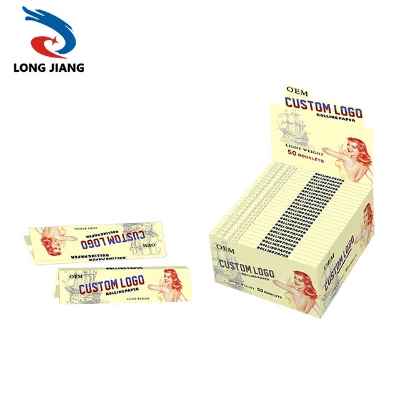
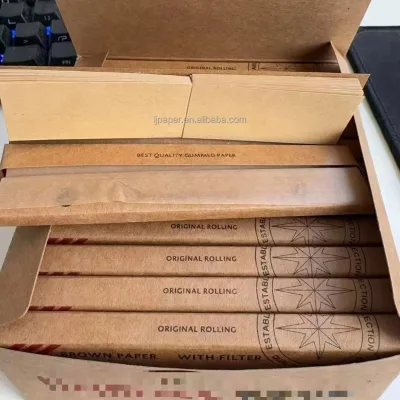
110mm Length Custom Rolling Smoking Paper with Unrolled Paper Filter Tip
$0.0513 - $0.1543
MOQ: 10 Minimum
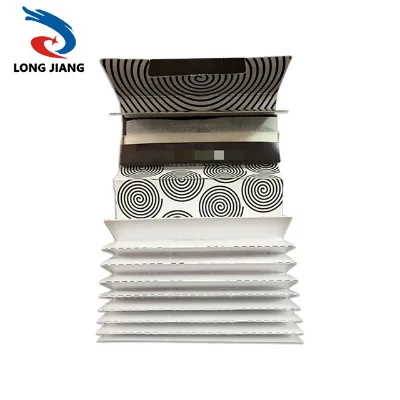
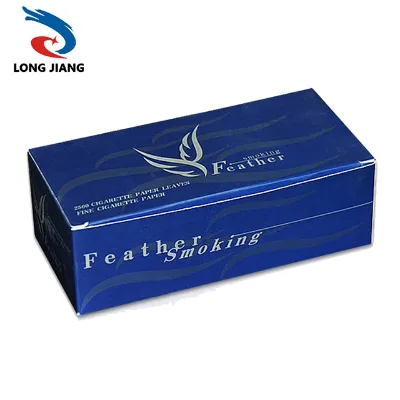
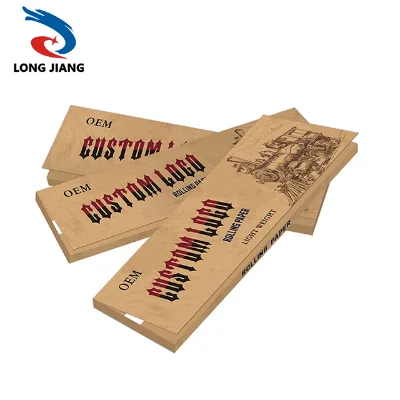
OEM 1 1/4 Premium Slim Slow Burning Light Weight Rolling Paper Hemp Paper Rice Paper
$0.0823 - $0.1543
MOQ: 100 Minimum
Shanghai Cailyn Industrial Co., Ltd.
- Verified by TüVRheinland
- Manufacturer, Trading Company
- Shanghai, China
- Lead time12 days
- Avg. response≤ 3h
Main productsCoffee Packaging, Food Packaging, Gift Packaging, Supplement Packaging, Coffee Filter
Main marketsNorth America(40%), Mid East(20%), Western Europe(20%)

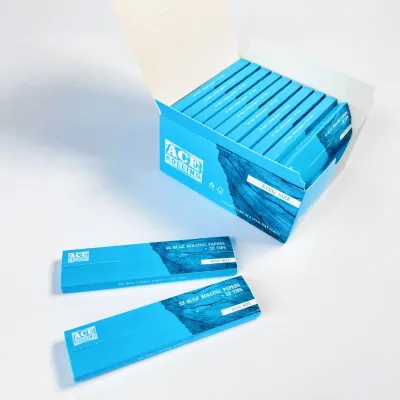
Cailyn Customized 32 Sheets Natural Rice Paper Tips Rolling Paper Booklets on a Paper Tube
$0.2876 - $0.412
MOQ: 6000 boxes
Higher Manufacturing Co., Limited
- Verified by SGS Group
- Trading Company
- Lead time25 days
- Avg. response≤ 3h
Main productsRolling Paper, Filter Tips
Main marketsNorth America(30%), Western Europe(15%), South America(10%)
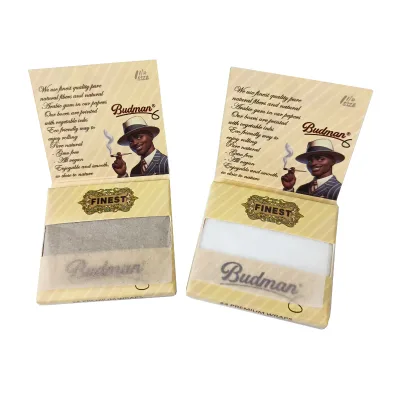
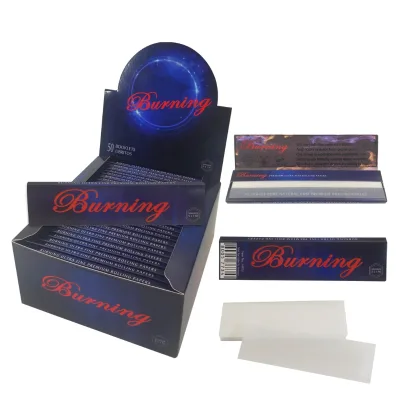
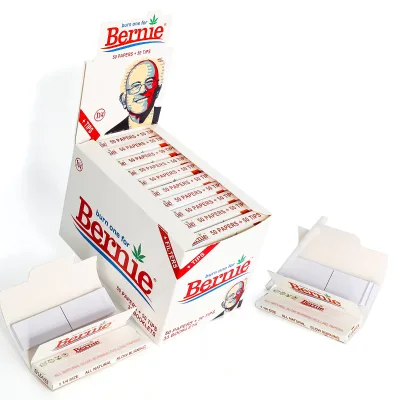
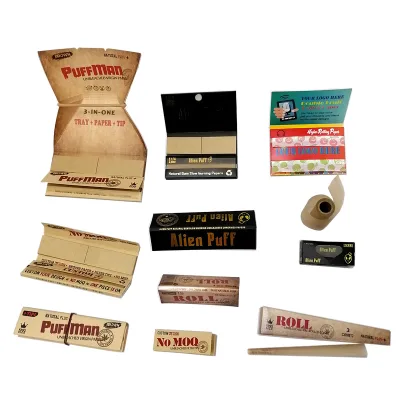
High Quality 100 % Natural Arabic Gum Regular Queen Size Premium Ultra White Rice Solling Papers
$0.0564 - $0.123
MOQ: 1 packs
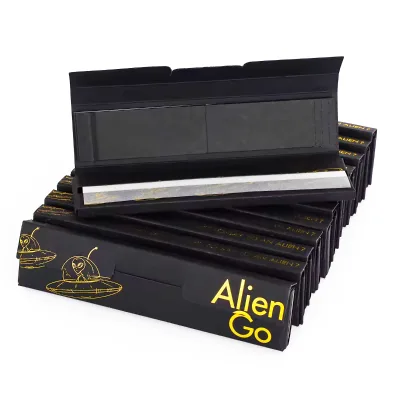
Shenzhen Youli Iot Technology Co., Ltd.
- Manufacturer, Trading Company
- Guangdong, China
- Lead time0 days
- Avg. response≤ 5h
Main productssmoking pipe,glass pipe,bongs,grinder,rolling paper
Main marketsNorth America(50.00%), Western Europe(20.00%), South America(20.00%), South Asia(10.00%)




Ultra Fine Smooth Rolling Papers for Perfect Rolls Premium Quality Ultra Thin Design
$0.0523
MOQ: 1000 Minimum


Richer Paper (Shenzhen) Co.,Ltd.
- Verified by BV
- Trading Company,Manufacturer/Factory
- China Guangdong
- Lead time45 days
- Avg. response≤ 3h
Main productsThermal Paper Jumbo Roll, Thermal Paper, Cash Register Paper, ATM Paper, Medical Recording Paper, Fax Paper, Thermal Label, Carbonless Paper
Main marketsSouth America,Eastern Europe,Mid East,North America,Southeast Asia,Eastern Asia,Oceania,Western Europe,Africa

Unbleached Brown Rolling Papers for a Pure and Natural Smoking Experience
$0.50 - $0.80
MOQ: 5000 Pieces




Comprehensive Sourcing Guide
Unbleached Rice Paper Rolling Papers Supplier Concentration and Factory Types
The current supplier landscape for Unbleached Rice Paper Rolling Papers reveals a distinct geographic concentration in China, specifically within the Guangdong province. This region serves as a primary manufacturing hub for these specialized paper products, offering buyers access to established industrial clusters that support large-scale production. The presence of suppliers in this location suggests a mature supply chain infrastructure capable of handling the specific demands of cigarette paper manufacturing, including pulp processing and precision coating. Buyers evaluating options should prioritize suppliers located in this verified region, as the concentration of factories often correlates with competitive pricing and reliable material sourcing. Additionally, some results indicate operations in Hong Kong S.A.R., which may function as a trading or logistical node rather than a direct manufacturing site. Understanding this geographic distribution helps buyers assess the authenticity of factory claims and the potential for direct factory engagement versus intermediary trading arrangements.
Supplier types in this category are diverse, encompassing both trading companies and manufacturer/factory entities. This mix provides buyers with flexibility in how they engage with the supply chain, depending on their volume requirements and need for direct technical support. Trading companies may offer broader product assortments and streamlined communication, while manufacturers often provide deeper customization capabilities and direct oversight of the production process. The data shows that many suppliers identify as both, indicating a hybrid model where trading arms handle sales while factories manage production. This structure can be advantageous for buyers seeking OEM or ODM services, as it allows for tailored branding and specification adjustments. However, it also requires careful verification to ensure that the entity handling the order has direct control over quality standards. Buyers should clarify whether they are dealing with a pure trader or a manufacturer with a trading division to understand the true source of their products and the level of control they have over the manufacturing process.
How to Verify Unbleached Rice Paper Rolling Papers Suppliers
Verification is a critical step when sourcing Unbleached Rice Paper Rolling Papers, as the market includes both verified manufacturers and trading companies. Buyers should prioritize suppliers who hold recognized system certifications, such as ISO 9001, which indicates a standardized approach to quality management. Additionally, third-party verification services like SGS provide an external layer of trust, confirming that the supplier’s claims about their capabilities and products are accurate. The presence of SGS verification on supplier profiles suggests that their facilities have undergone rigorous inspection, reducing the risk of engaging with unqualified entities. Buyers should look for these badges prominently displayed on supplier pages and request copies of the actual certificates to ensure they are current and relevant to the specific products being ordered. This due diligence helps mitigate the risk of fraud and ensures that the supplier meets international quality standards.
Beyond certifications, buyers should verify the supplier’s response time and lead times as indicators of operational efficiency. A response time of around 5.20 hours suggests a responsive sales team capable of addressing inquiries promptly, which is crucial for resolving technical questions or negotiating terms. Lead times, such as the 45 days observed for some manufacturers, provide insight into production capacity and scheduling reliability. Buyers should compare these metrics across different suppliers to identify those with the most efficient workflows. It is also important to verify the supplier’s main products to ensure they specialize in rolling papers rather than offering them as a minor line item. Suppliers listing white cigarette rolling paper, machine glazed paper, and kraft paper as main products demonstrate a focused expertise in paper manufacturing. This specialization often translates to better quality control and more competitive pricing for Unbleached Rice Paper Rolling Papers.
What to Compare Across Unbleached Rice Paper Rolling Papers Suppliers
When comparing suppliers, buyers should evaluate key operational metrics such as minimum order quantities (MOQ), pricing structures, and customization options. MOQs vary significantly, with some suppliers requiring as few as 10,000 units while others demand 50,000 booklets or more. This variation allows buyers to select suppliers that align with their inventory capacity and sales volume. Pricing also differs, with ranges observed from $0.05 to $0.35 per unit, depending on specifications like GSM, size, and packaging. Buyers should request detailed quotes that break down costs by these variables to ensure accurate comparisons. Customization availability is another critical factor, as many suppliers offer options for custom sizes, watermarks, and packaging designs. This flexibility is essential for brands looking to differentiate their products in the market. Buyers should confirm the extent of customization allowed and any associated costs or MOQ adjustments.
Response times and lead times are also vital comparison points. Suppliers with faster response times, such as those under 6 hours, can facilitate quicker decision-making and problem resolution. Lead times, ranging from 20 to 45 days, impact inventory planning and cash flow. Buyers should assess whether the lead time is realistic for their needs and whether expedited options are available. Additionally, comparing the range of main products offered can reveal a supplier’s versatility. Some suppliers focus exclusively on rolling papers and related accessories like filter tips, while others offer a broader range of paper products. This breadth can be advantageous for buyers seeking a single-source solution for multiple packaging needs. By systematically comparing these attributes, buyers can identify suppliers that offer the best balance of cost, speed, and flexibility for their specific requirements.
Common Unbleached Rice Paper Rolling Papers Sourcing Risks
One significant risk in sourcing Unbleached Rice Paper Rolling Papers is the potential for misrepresentation of product specifications. Buyers must carefully verify attributes such as GSM, pulp material, and coating side, as these directly impact the performance of the rolling paper. For instance, some products are listed as having mixed pulp, while others specify virgin wood pulp. These differences affect burn rate, texture, and environmental impact. Buyers should request detailed product data sheets and, if possible, samples to test the paper’s quality before committing to large orders. Another risk is the variability in certification claims. While some suppliers list FSC and FDA certifications, others may only provide SGS verification. Buyers should confirm the validity of these certifications and ensure they meet the regulatory requirements of their target markets. Failure to do so can result in compliance issues and product recalls.
Logistical risks are also prevalent, particularly when dealing with suppliers in different regions. The distance between manufacturing hubs in Guangdong and end markets can lead to longer transit times and higher shipping costs. Buyers should factor in these variables when calculating total landed costs. Additionally, the reliance on trading companies can introduce communication gaps and delays. If a trading company is the primary point of contact, there is a risk that technical issues may not be resolved quickly if the factory is not directly involved. Buyers should establish clear communication channels with both the trading and manufacturing entities to ensure smooth operations. Furthermore, the risk of quality inconsistency across batches is a concern. Buyers should implement strict quality control measures, including pre-shipment inspections, to ensure that each batch meets the agreed-upon standards. This proactive approach helps mitigate the risk of receiving substandard products.
Unbleached Rice Paper Rolling Papers Regional Sourcing and Logistics
Sourcing from China, particularly Guangdong, offers logistical advantages due to the region’s well-developed infrastructure and proximity to major shipping ports. This location facilitates efficient export processes, reducing the time and cost associated with international shipping. Buyers should leverage this geographic benefit by coordinating with suppliers who have experience in exporting to their specific region. Understanding the local logistics landscape can help buyers negotiate better freight terms and optimize supply chain efficiency. Additionally, the concentration of suppliers in this area allows for easier comparison and selection, as buyers can evaluate multiple options within a short timeframe. This proximity also supports faster sample delivery and more frequent factory visits, which can enhance quality control and relationship building. Buyers should consider the logistical implications of sourcing from this region when planning their procurement strategy.
For buyers sourcing from Hong Kong S.A.R., the logistics may differ slightly, as these entities often function as trading hubs rather than manufacturing centers. This can result in shorter lead times for certain products but may also involve higher costs due to the intermediary layer. Buyers should assess whether the convenience of trading company logistics outweighs the potential cost savings of direct factory sourcing. Additionally, buyers should consider the impact of regional trade policies and tariffs on their total costs. Understanding these factors helps buyers make informed decisions about their sourcing locations. Buyers should also evaluate the supplier’s ability to handle customs documentation and compliance requirements, as this can affect the smoothness of the import process. By carefully considering these logistical aspects, buyers can optimize their supply chain for efficiency and cost-effectiveness.
Unbleached Rice Paper Rolling Papers Commercial Terms and Order Planning
Commercial terms play a crucial role in the procurement of Unbleached Rice Paper Rolling Papers, with pricing and payment conditions varying widely among suppliers. Buyers should negotiate clear terms that include price breaks for higher volumes, as this can significantly reduce unit costs. The observed price range of $0.05 to $0.35 per unit provides a baseline for negotiations, but buyers should aim for competitive rates based on their order volume and long-term partnership potential. Payment terms, such as letters of credit or advance payments, should be structured to balance risk and cash flow. Buyers should also clarify any additional costs, such as tooling fees for custom designs or shipping charges, to avoid unexpected expenses. Transparent commercial terms help build trust and ensure a smooth transaction process.
Order planning requires careful consideration of lead times and inventory management. With lead times ranging from 20 to 45 days, buyers must plan their orders well in advance to avoid stockouts. This is particularly important for seasonal products or those with high demand volatility. Buyers should establish a reorder point based on their sales velocity and lead time to maintain optimal inventory levels. Additionally, buyers should consider the MOQ requirements when planning orders, as ordering below the minimum may result in higher unit costs or rejection of the order. By aligning their order planning with supplier capabilities and market demand, buyers can optimize their inventory turnover and reduce holding costs. Effective order planning also involves regular communication with suppliers to stay updated on production schedules and potential delays, ensuring a resilient supply chain.
FAQs
What is the price range for Unbleached Rice Paper Rolling Papers?
Prices typically range from $0.05 to $0.35 per unit depending on specifications. Specific listings show costs as low as $0.05 for watermark options and up to $0.35 for premium unbleached varieties. Buyers should verify exact pricing based on order volume and customization requirements before finalizing procurement decisions.
What is the minimum order quantity for these rolling papers?
Minimum order quantities vary significantly by supplier and product type. Some manufacturers require a minimum of 10,000 units, while others set the threshold at 30,000 or 50,000 booklets. Buyers must check individual product listings to confirm the specific MOQ applicable to their desired paper weight and packaging style.
How long does production and delivery take?
Lead times generally range from 20 to 45 days depending on the supplier location and order complexity. Suppliers in Guangdong may require up to 45 days, while those in Hong Kong often offer faster turnaround times around 20 days. Buyers should confirm specific schedules with suppliers to ensure timely delivery.
Are these rolling papers certified for safety and quality?
Many suppliers hold ISO 9001 certification and offer products verified by SGS. Additional certifications such as FSC and FDA are available for specific unbleached rice paper lines. Buyers should request current certification documents to ensure compliance with international standards and specific regulatory requirements for their target markets.
What paper weights and sizes are available?
Common weights include 14GSM, ranging up to 27GSM for thicker options. Standard sizes include King Size at 108x44mm and King Slim at 107x44mm. Custom dimensions are often available upon request. Buyers should specify their preferred weight and size to receive accurate quotes and sample availability from manufacturers.
Can I customize the rolling paper packaging or branding?
Customization is widely available, including custom booklets, boxes, watermarks, and filter tips. Suppliers offer OEM and ODM services to meet specific branding needs. Buyers should discuss their design requirements and minimum order quantities for custom packaging directly with manufacturers to ensure feasibility and cost-effectiveness for their specific project.