Source 3D Kneading Massage Pillow for Neck, Back, and Shoulder Relief
Compare 30 listings of 3D Kneading Massage Pillow options from China suppliers. Buyers can evaluate models like JY-N312 and FW-S188 based on functions, power, and customization availability for neck, back, and shoulder applications; compare the available evidence and request quotations based on your requirements.
Updated
Key considerations
Products List
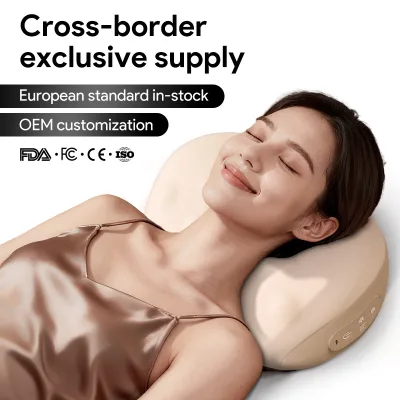


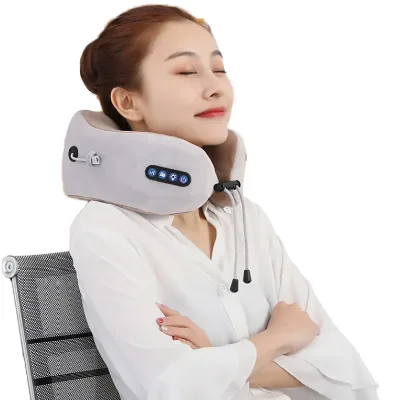
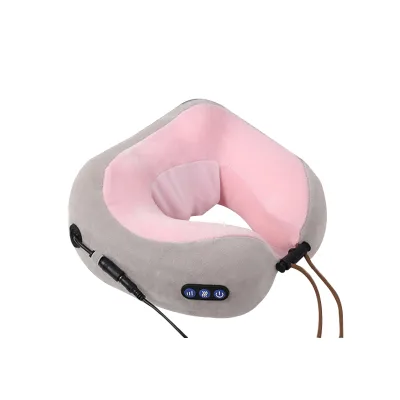
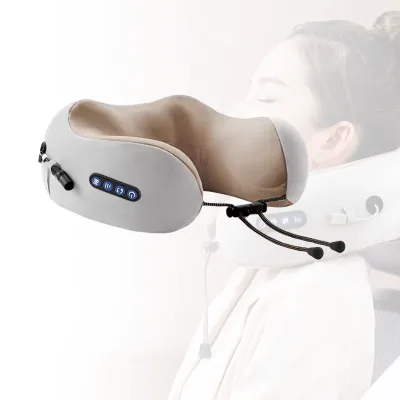
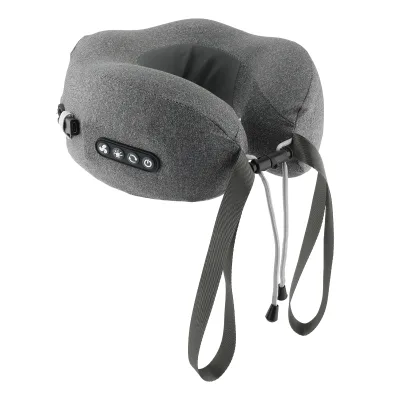
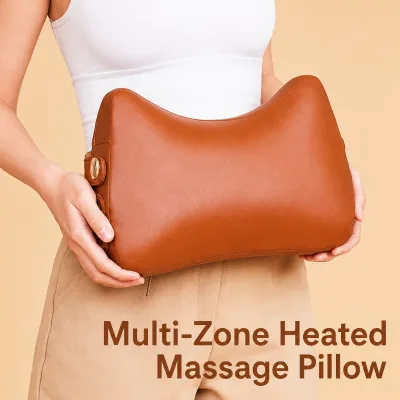
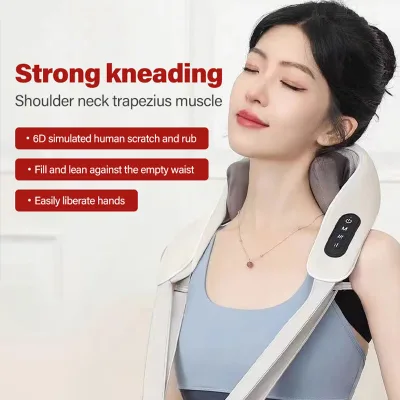
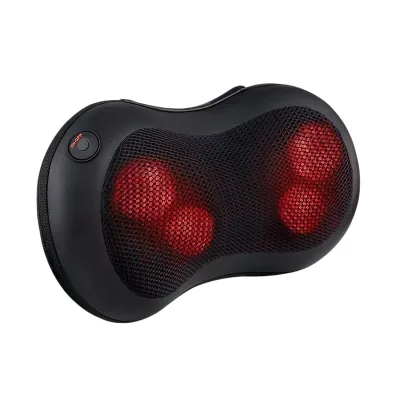
OEM Portable Massage Pillow Heated 3D Shiatsu Kneading Neck Back Massager
$21.18 - $22.99
MOQ: 2 Pieces





Comprehensive Sourcing Guide
3D Kneading Massage Pillow Sourcing Guide
Sourcing a 3D Kneading Massage Pillow requires careful evaluation of mechanical complexity and thermal safety features. Buyers must distinguish between basic mechanical kneading and advanced 3D mechanisms that simulate human hand movements. The observed product data indicates a strong presence of infrared physiotherapy functions, which are often paired with kneading heads to enhance muscle relaxation. Procurement teams should verify whether the "3D" designation refers to the movement range of the massage nodes or the structural design of the pillow itself. Understanding this distinction is critical for aligning product capabilities with specific therapeutic claims and end-user expectations in the wellness market.
Commercial listings reveal a wide variance in technical specifications, from simple mechanical controls to electric models with battery integration. Some observed units feature a 36W power rating with 24V input, while others rely on standard 5V/2A charging via USB. This diversity necessitates a rigorous verification process to ensure compatibility with target market electrical standards. Buyers should prioritize suppliers who provide clear documentation on motor durability and heat dissipation, as these factors directly impact product longevity and user safety. The presence of auto-timer functions, such as a 15-minute cutoff, is a common safety feature that should be confirmed during the technical review phase to prevent overheating risks.
Product Scope and Observed Listing Signals
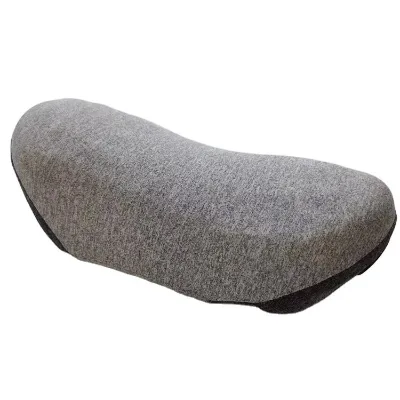
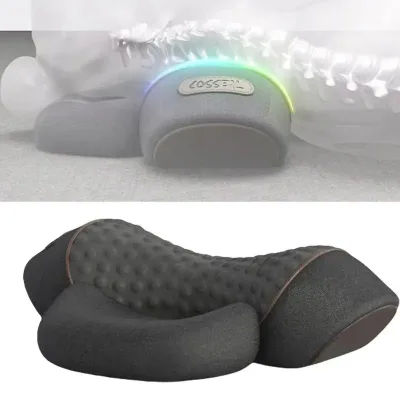
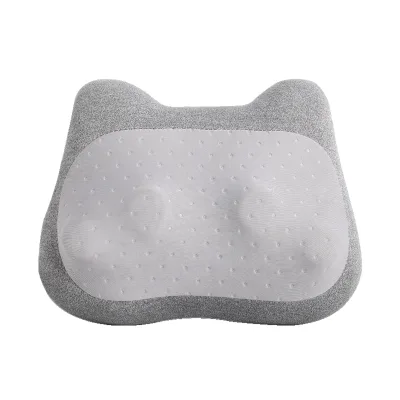
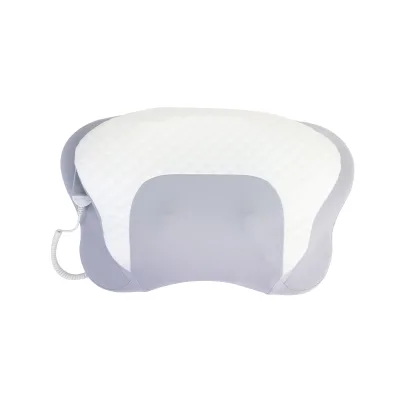
The current market landscape for massage pillows includes a variety of form factors, ranging from rectangular laddwe shapes to near-square designs. Observed listings highlight applications primarily focused on neck and back relief, with some units explicitly targeting fatigue elimination and metabolism increasing. The color options vary from standard ivory to customizable customer-specific hues, indicating flexibility in branding opportunities for private label buyers. These visual and functional attributes suggest that the product category is versatile, catering to both personal home use and professional physiotherapy settings. Procurement teams should assess which shape and application align best with their target demographic’s ergonomic needs.
Supply chain signals indicate that manufacturers in Fujian, China, are active suppliers, with model numbers such as JY-N312, FW-S188, and uCosy-6890 appearing in recent data. The single package sizes vary significantly, from compact dimensions like 38x31x17 cm to larger boxes measuring 51x53x78 cm, which impacts logistics and shipping costs. Buyers must consider these packaging dimensions when calculating landed costs and warehouse storage requirements. The availability of customization options suggests that suppliers are open to modifying product features, such as color or specific massage methods, to meet unique brand requirements. This flexibility can be leveraged to create differentiated products in a competitive market.
Technical Specifications to Verify
Electrical specifications are a primary area of verification, as observed data shows inputs ranging from 5V/2A to 24V systems. Buyers must confirm the battery capacity, with some models featuring a 2200mAh battery providing up to 120 minutes of working time. It is essential to verify the charging interface and compatibility with global power adapters to ensure ease of use for international customers. Additionally, the temperature control mechanism should be examined, with some units maintaining a working temperature of 42°C. Ensuring that the heating element is stable and does not exceed safe thermal limits is crucial for preventing user discomfort or injury during extended use sessions.
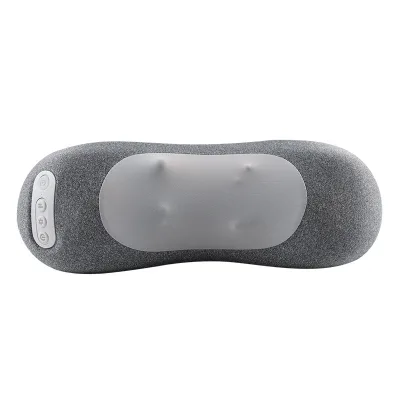
The mechanical structure of the massage head is another critical specification to audit. Observed products list varying numbers of massage heads, with some featuring five nodes for comprehensive coverage. The massage method, described as kneading or backward massage, should be tested for smoothness and consistency. Buyers should request detailed diagrams of the internal gear mechanism to assess durability and potential points of failure. The control method, whether mechanical or electronic, also influences the user experience and maintenance requirements. Verifying the auto-timer function, typically set at 15 minutes, ensures that the device operates safely without manual intervention, reducing the risk of overuse.
Compliance and Safety Documentation
Regulatory compliance is non-negotiable for importing massage devices, particularly those involving electrical components and heat generation. Buyers must ensure that suppliers provide relevant certifications for the target markets, such as CE for Europe or FCC for the United States. The H.S Code 90191010.00 indicates that these products are classified under physiotherapy appliances, which may subject them to specific medical device regulations depending on the jurisdiction. Procurement teams should verify that the supplier has a robust quality management system in place to maintain consistent compliance across production batches. Failure to secure proper documentation can lead to customs delays or product recalls.
Safety testing reports are essential to validate the electrical and thermal performance of the massage pillows. Buyers should request test results for leakage current, insulation resistance, and temperature rise under normal and fault conditions. The warranty period, observed to be 12 months for some models, reflects the manufacturer’s confidence in product durability. However, buyers should not rely solely on warranty terms but should instead verify the actual failure rates through sample testing. Ensuring that the product meets all relevant safety standards protects the brand from liability issues and enhances consumer trust in the product’s reliability and safety profile.
Cost Drivers and Commercial Terms
Pricing for massage pillows is influenced by the complexity of the mechanical and electrical components. Models with advanced 3D kneading mechanisms, infrared heating, and larger battery capacities typically command higher prices. The observed price range of 1-99 USD suggests a broad spectrum of quality and feature sets. Buyers should analyze the cost breakdown to understand the value proposition of each model. Higher-priced units may offer better durability, more sophisticated control systems, or enhanced safety features. It is important to balance cost with performance to ensure that the final product meets market expectations without compromising on quality.
Commercial terms such as MOQ and lead times vary among suppliers, with observed MOQs ranging from 2 to 500 units. Sample times are typically around 7 days, while mass production can take up to 25 days. Buyers should plan their inventory accordingly to avoid stockouts or excess inventory. Payment terms like T/T and L/C are common, and buyers should negotiate favorable conditions based on order volume and relationship history. Understanding these commercial dynamics helps in forecasting cash flow and managing supply chain risks effectively. Clear communication of requirements and expectations with suppliers is key to ensuring smooth transactions and timely delivery.
Supplier Qualification and Quality Control
Supplier qualification involves assessing the manufacturer’s production capabilities and quality control processes. Buyers should verify the supplier’s experience in manufacturing massage devices and their ability to handle customization requests. The availability of online technical support is a positive indicator of after-sales service commitment. However, buyers should also evaluate the supplier’s response time and technical expertise to ensure they can resolve issues promptly. Conducting factory audits or requesting third-party inspection reports can provide additional assurance of the supplier’s reliability and adherence to quality standards.
Quality control measures should be implemented at various stages of production, from raw material inspection to final product testing. Buyers should define clear acceptance criteria for mechanical performance, electrical safety, and aesthetic quality. Regular sampling and testing during mass production can help identify and rectify defects early. Establishing a robust feedback loop with the supplier ensures that any quality issues are addressed systematically. By prioritizing supplier qualification and rigorous quality control, buyers can minimize the risk of receiving substandard products and maintain a high level of customer satisfaction in the market.
Long-Term Procurement Checks
Long-term procurement success depends on continuous monitoring of supplier performance and market trends. Buyers should regularly review supplier metrics such as on-time delivery rates, defect rates, and responsiveness to issues. Maintaining open communication channels with suppliers facilitates collaborative problem-solving and innovation. Staying informed about advancements in massage technology, such as new kneading mechanisms or energy-efficient designs, allows buyers to stay competitive. Regularly updating product specifications based on customer feedback and market demands ensures that the product line remains relevant and appealing to consumers.
Risk management strategies should include diversifying the supplier base to mitigate supply chain disruptions. Building relationships with multiple suppliers provides flexibility in sourcing and negotiating power. Buyers should also monitor regulatory changes in target markets to ensure ongoing compliance. Developing a contingency plan for potential supply chain issues, such as raw material shortages or logistical delays, enhances resilience. By adopting a proactive approach to long-term procurement, buyers can secure a stable supply of high-quality massage pillows and sustain business growth in a dynamic market environment.
FAQs
How is the massage pillow controlled?
The massage pillow uses mechanical control methods for operation. This design allows users to adjust settings easily without complex electronics. The system supports functions like heating and kneading to provide effective relief for neck and back fatigue.
What is the warranty period for this product?
This product comes with a standard warranty period of 12 months. Buyers can rely on this coverage for peace of mind regarding product durability. Online technical support is also available to assist with any issues that may arise during the warranty term.
Can I customize the color of the massage pillow?
Yes, customization is available for the color of the massage pillow. Buyers can request specific colors like Ivory or other options to match their branding needs. This flexibility allows for tailored solutions while maintaining the core functionality of the device.
What is the lead time for mass production?
The mass production time for this item is 25 days. This timeline applies after sample approval and order confirmation. Buyers should plan their inventory accordingly to ensure timely delivery of the ordered quantity to their destination.
Which payment terms are accepted for this order?
Accepted payment terms include T/T and L/C for this transaction. These methods provide secure financial handling for both buyers and suppliers. Buyers should coordinate with their finance team to ensure compliance with these standard international trade payment requirements.
How long does it take to get a sample?
It takes 7 days to prepare a sample for this product. This sample time allows for quality verification before committing to a larger order. Buyers can use this period to test the mechanical kneading and infrared features of the device.
What is the power specification of the massage pillow?
The power specification is 36W at 24V for the electric model. Some variants operate with a 2200mAh battery and 5V input voltage. This ensures efficient energy usage while delivering consistent heating and mechanical kneading performance for users.