Timing Control Foot Massager Suppliers and Manufacturers
Compare 25 verified suppliers offering Timing Control Foot Massager units with varying lead times, certifications, and response speeds. Review product attributes like heating modes and customization options before requesting quotes; review the available evidence before requesting comparable quotations from suitable candidates.
Updated
Suppliers List

Xiamen Comfortlife Electronics Co., Ltd.
- Verified by SGS
- Manufacturer
- China Fujian
- Lead time30 days
- Avg. response≤ 8h
Main productsAnti Snore Device, Foot Massage, Personal Care Products
Main marketsSouth America,Australia,North America

Yongkang Zhengqi Fitness Equipment Co., Ltd.
- Verified by TUVRHEINLAND
- Combined
- China Zhejiang
- Lead time15 days
- Avg. response≤ 9h
Main productsMassager, Foot Massage, Foot Massager, Health Product, Air Foot Massage, SPA Foot Massage, Body Massage, Massage Belt, Leg Massage
Main marketsSoutheast Asia/ Mideast

Zhejiang Todo Hardware Manufacture Co., Ltd.
- Verified by BV
- Manufacturer/Factory
- China Zhejiang
- Lead time120 days
- Avg. response≤ 7h
Main productsIndoor Fitness Equipment, Body Massager, Sports Equipment, Outdoor Fitness Equipment, Massage Tools, Slimming Equipment, Health & Care Equipment, Rehabilization Equipment, Electric & Electronics
Main marketsSouth America,Eastern Europe,Mid East,North America,Southeast Asia,Eastern Asia,Oceania,Western Europe,Africa


Remote Control Newest Electric Leg Calf Foot Massager with Handle Air Pressure
$50.40 - $51.50
MOQ: 100 Pieces

$16.85 - $17.58
MOQ: 500 Pieces


Factory Wholesale Full Air Compression Foot Massager with Remote Controller
$25.00 - $27.00
MOQ: 10 Pieces

XIAMEN DORRELLA HEALTH TECHNOLOGY CO.,LTD
- Verified by SGS
- Trading Company,Manufacturer/Factory,Group Corporation
- China Fujian
- Lead time23 days
- Avg. response≤ 6h
Main productsOrthotic Brace, Ankle Brace, Arm Brace, Back Brace, Cervical Collar, Finger Splint, Hip Abduction Braces, Hand and Wrist Brace, Post-Op Shoes, Orthopedic Waiking Boot
Main marketsSouth America,Eastern Europe,Mid East,North America,Southeast Asia,Eastern Asia,Oceania,Western Europe,Africa
Shenzhen Meyur Technology Co., Ltd.
- Verified by Intertek
- Trading Company
- Lead time30 days
- Avg. response≤ 5h
Main productsMassage, Pillow, Air Purifier, SPA Shower Head, Massage Gun
Main marketsNorth America(30%), Western Europe(15%), South America(10%)
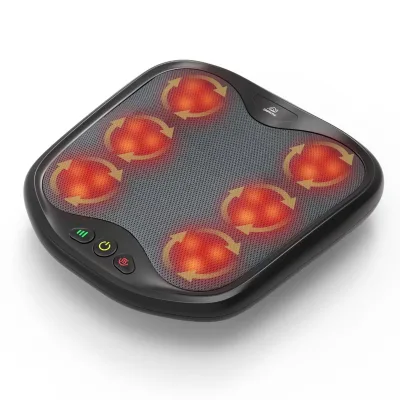
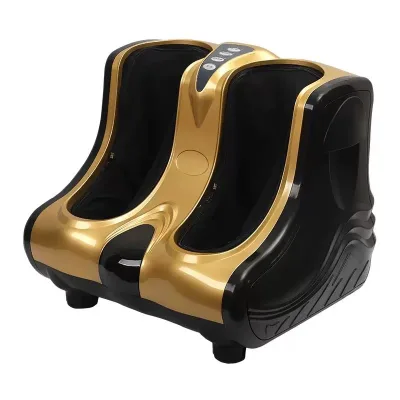
$46.08 - $51.8353
MOQ: 1 pieces
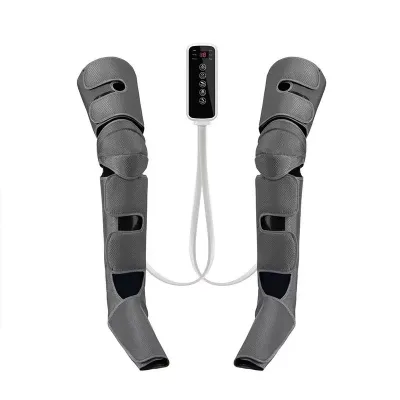
Shenzhen Kingstar Electronic Commerce Co., Ltd.
- Manufacturer, Trading Company
- Guangdong, China
- Lead time15 days
- Avg. response≤ 4h
Main productsEarphone,Personal Care,Massage Gun,Speaker,Smart Watch
Main marketsNorth America(50.00%), Northern Europe(20.00%), Eastern Europe(10.00%), Eastern Asia(10.00%), Oceania(10.00%)
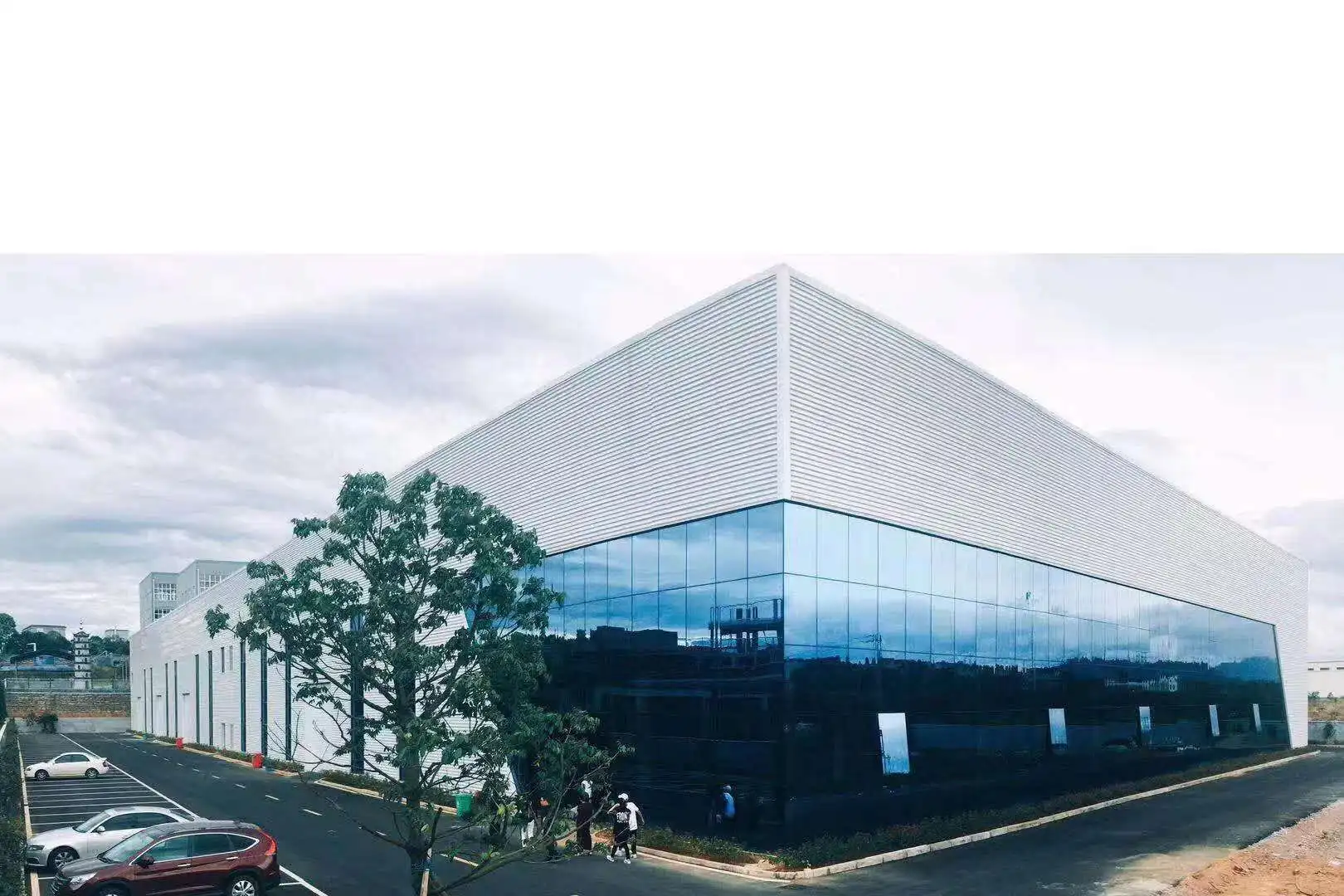
Zhejiang Boncare Healthcare Equipment Co., Ltd.
- Manufacturer, Trading Company
- Zhejiang, China
- Lead time10 days
- Avg. response≤ 1h
Main productsMassage Chair,Massage Pillow,Foot Massager
Main marketsNorth America(60.00%), Western Europe(28.00%), Southeast Asia(12.00%)

Fujian Yitaikang Electronics Co., Ltd.
- Combined
- China Fujian
- Lead time60 days
- Avg. response≤ 8h
Main productsFoot Massager
Main marketsSoutheast Asia/ Mideast,East Asia(Japan/ South Korea),Domestic,Europe,Australia,North America

Ningde Crius Electronic Co., Ltd.
- Verified by TUVRHEINLAND
- Combined
- China Fujian
- Lead time30 days
- Avg. response≤ 4h
Main productsMassage Chair, Jade Massage Bed, Massage Pillow, Tourmaline Bracelet, Foot Massager, Jade Mattress, Massage Cushion, Massage Belt, Eye Massager, Neck and Shoulder Massager
Main marketsAustralia

Ningde Crius Electronic Co., Ltd.
- Manufacturer, Trading Company
- Fujian, China
- Lead time15 days
- Avg. response≤ 2h
Main productsFoot Massager,Leg and Foot Massager
Main marketsSoutheast Asia(30.00%), Mid East(25.00%), Western Europe(25.00%), North America(10.00%), Oceania(5.00%), South Asia(5.00%)
Ningde Crius Electronic Co., Ltd.
- Manufacturer, Trading Company
- Lead time旺季: "1 - 1":7,"> 1":"To be negotiated", 淡季: "1 - 1":7,"> 1":"To be negotiated"
- Avg. response≤ 1h
Main productsLeg And Foot Massager, Massage Chair, Eye Massager, Massage Belt, Massage Pillow
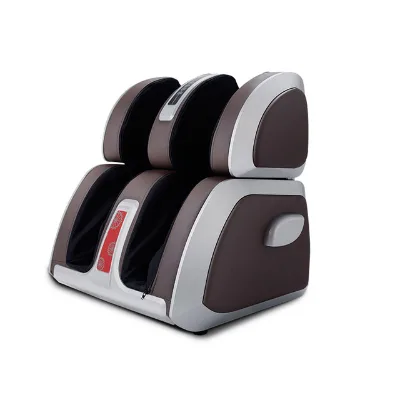
Hot Vibrating Leg and Foot Massager with Heating 55W Timing Control
$155.00 - $200.00

- Verified by BV
- Combined
- China Guangdong
- Lead time30 days
- Avg. response≤ 9h
Main productsMedical Air Mattress, Nebulizer, Air Compression Leg Massager, Humidifier, Oxygen Concentrators, Air Mattress, Blood Pressure Monitor, Suction Machine, Therometer, Face Mask
Main marketsSouth America,Africa,Southeast Asia/ Mideast,East Asia(Japan/ South Korea),Europe,Australia,North America
- Verified by TüVRheinland
- Manufacturer, Trading Company
- Lead time30 days
- Avg. response≤ 6h
Main productsMedical Air Mattress, Compressor Nebulizer, Blood Pressure Monitor, Compression Therapy Machine, Water Bed
Main marketsNorth America(28%), Eastern Europe(20%), South America(14%)
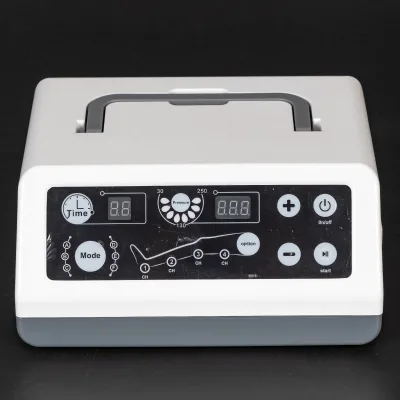
Foot Massager with Intermittent Pressure Compression and Timing Control for Body Use
$135.00 - $150.00
MOQ: 100
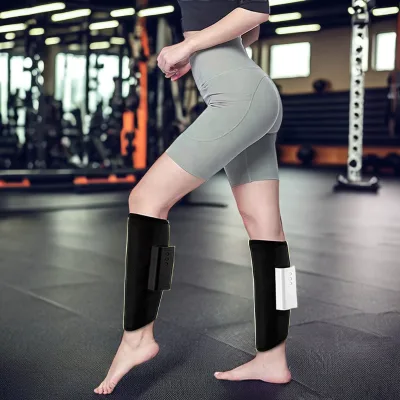
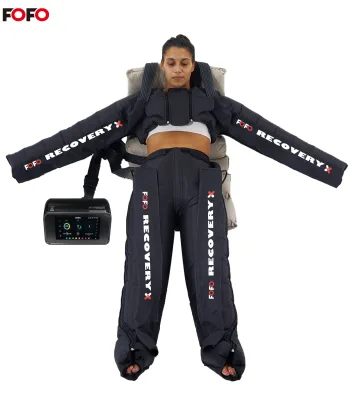
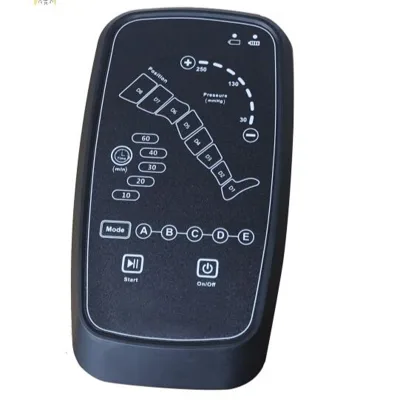
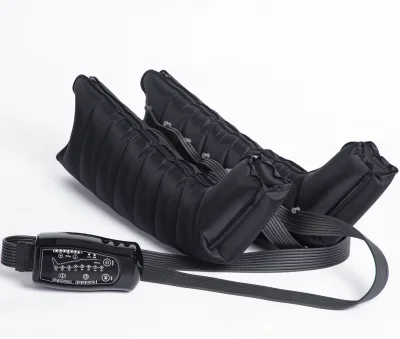
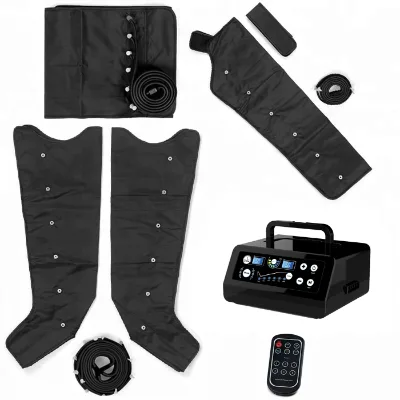
Air Compression Leg and Foot Massager Machine Air Compression Therapy
$225.3726 - $227.4398
MOQ: 1 pieces
Puyang Degren Medical Instrument Co., Ltd.
- Manufacturer, Trading Company
- Henan, China
- Lead time25 days
- Avg. response≤ 9h
Main productsPhysical Therapy Equipment,Rehab Therapy Supplies,Dental Apparatus,Dental Consumables,Medical Surgical Supplies
Main marketsEastern Europe(30.00%), North America(30.00%), Domestic Market(10.00%), Mid East(10.00%), South America(10.00%), Southern Europe(3.00%), Western Europe(3.00%), Oceania(1.00%), Eastern Asia(1.00%), Northern Europe(1.00%), Africa(1.00%)
Shenzhen Chalk Art Tech Co., Ltd.
- Verified by TüVRheinland
- Trading Company
- Lead time15 days
- Avg. response≤ 5h
Main productsMassage Gun, Neck And Shoulder Massager, Knee Massager, Foot Massager, Electric Body Massager
Main marketsNorth America(30%), Western Europe(20%), Southern Europe(15%)
Shenzhen Huayu Electronics Technology Co., Ltd.
- Manufacturer, Trading Company
- Guangdong, China
- Lead time15 days
- Avg. response≤ 3h
Main productsMenstrual Heating Pad, EMS Massage Belt, Light Shading Eye Mask, Heated Eye Massager Mask
Main marketsNorth America(30.00%), Western Europe(30.00%), Oceania(20.00%), Africa(10.00%), Southeast Asia(10.00%)
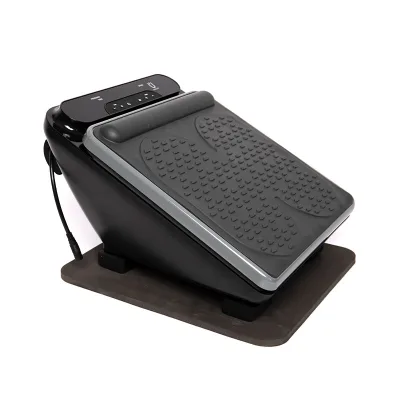
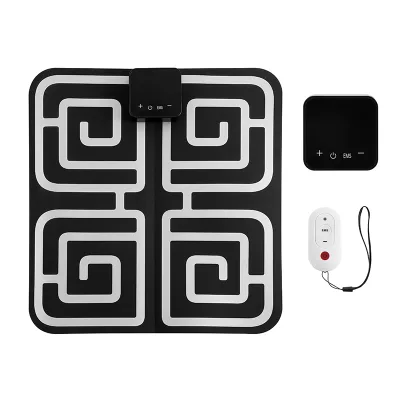
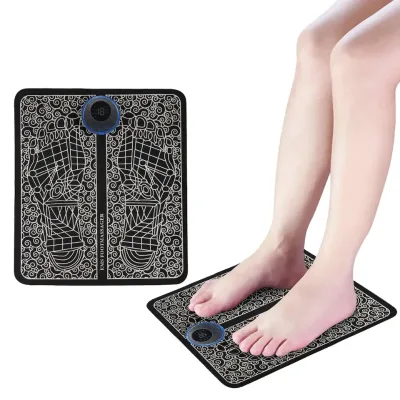
Wholesale Foot Massager Wireless Foot Muscle Stimulator Foot Massager Mat Machine
$9.00 - $10.00
MOQ: 2 pieces

Fujian Jingtuo Health Technology Co., Ltd.
- Verified by TUVRHEINLAND
- Combined
- China Fujian
- Lead time15 days
- Avg. response≤ 5h
Main productsMassage Chair, Rocking Chair, Foot Massager, Kneading Shawl, Head Massager, Bra Massager, Eye Massager, Massage Mattress, Sofa Massage Chair, Vending Massage Chair
Main marketsOthers(foreignTradeCapacity.exportBusinessCapacityMarketOther)


Jingtop Factory Direct New Design Infrared Smart Timing Foot Health Massager
$36.00 - $41.00
MOQ: 1 PC

Adjustable Intensity Feet Legs Muscle Stress Relief Electrical Vibrating Foot Massager
$61.00 - $65.00
MOQ: 1 PC

Air Compression Foot Massager Vibrating and Heating Shiatsu Massage Function Massager for Feet
$36.00 - $41.00
MOQ: 1 PC

Air Compression Foot Massager Vibrating and Heating Function Massager for Feet
$36.00 - $41.00
MOQ: 1 PC

Jingtop Best Selling Style Factory Custom High Quality Comfortable Foot Massager
$30.00 - $34.00
MOQ: 1 PC
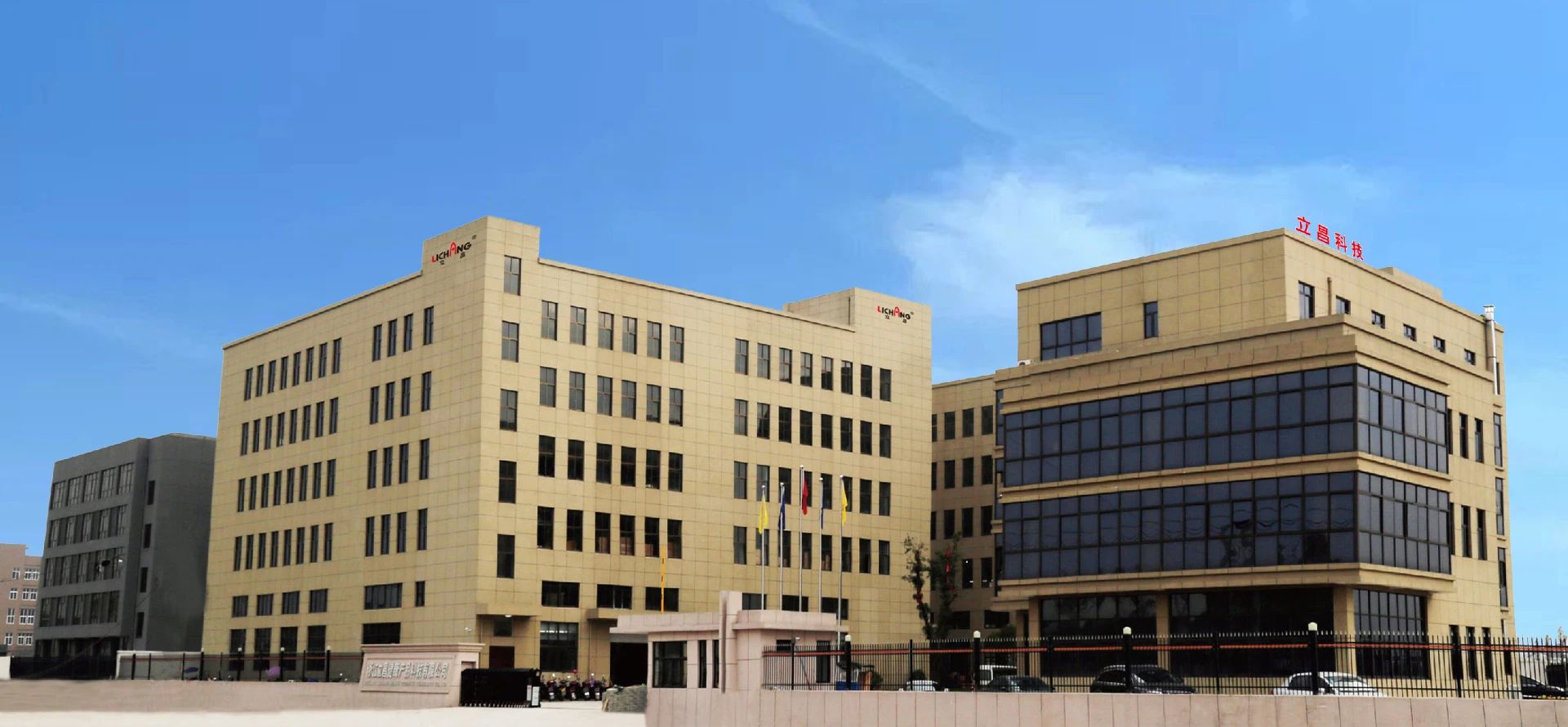
Zhejiang Lichang Health Products Technology Co., Ltd.
- Manufacturer, Trading Company
- Zhejiang, China
- Lead time20 days
- Avg. response≤ 2h
Main productsHandheld massager,Massage pillow,Neck and shoulder massager,Foot massager,knee and leg massager
Main marketsNorth America(35.00%), Western Europe(25.00%), Eastern Asia(10.00%), Southeast Asia(10.00%), South Asia(5.00%), Southern Europe(5.00%), South America(5.00%), Northern Europe(5.00%)
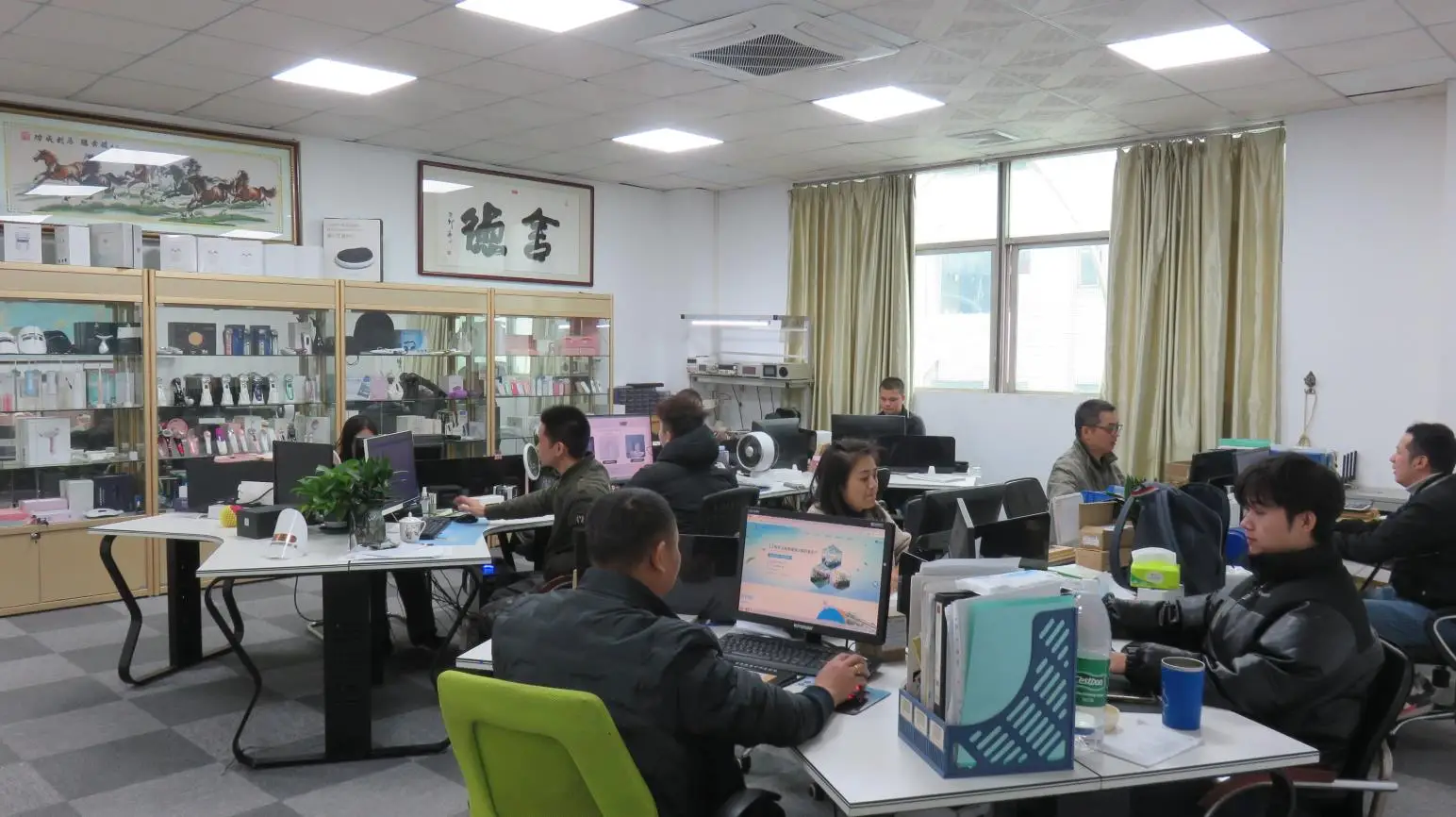
Shandong Chengchang Health Technology Co., Ltd.
- Trading Company
- Shandong, China
- Lead time15 days
- Avg. response≤ 4h
Main productsBeauty equipment,Massager,A protector,medical equipment,Health care equipment
Main marketsSoutheast Asia(20.00%), Domestic Market(15.00%), Mid East(10.00%), South America(5.00%), South Asia(5.00%), Southern Europe(5.00%), Northern Europe(5.00%), Central America(5.00%), Western Europe(5.00%), Eastern Asia(5.00%), Eastern Europe(5.00%), Oceania(5.00%), Africa(5.00%), North America(5.00%)
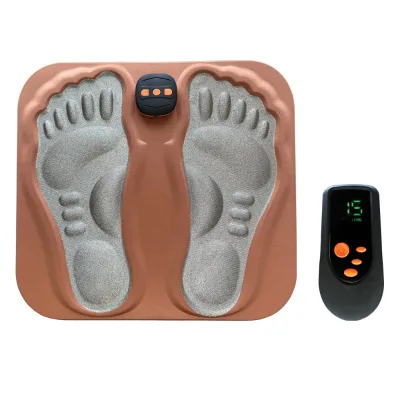
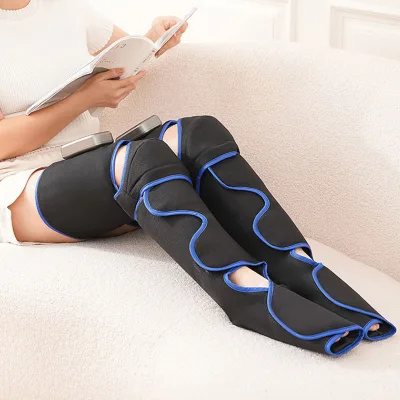
$14.2924 - $16.3477
MOQ: 1 pieces
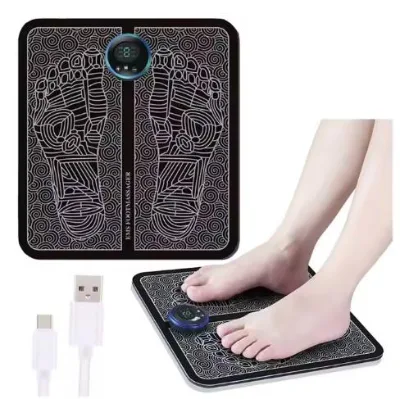
Tens Foot Mat for Electronic Pulse Vibrating Ems Foot Massage Machine Good Price Massage Tool
$0.7011 - $1.0097
MOQ: 10 pieces
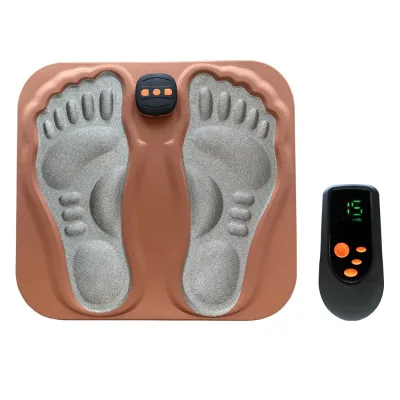
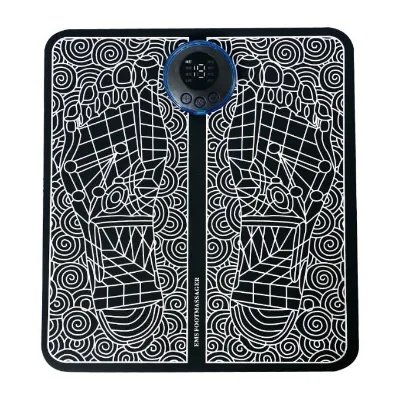
Foot Massage Foot Pad with Multiple-level Switching and Vibration Function to Relieve Pressure
$0.7011 - $1.0097
MOQ: 1 pieces
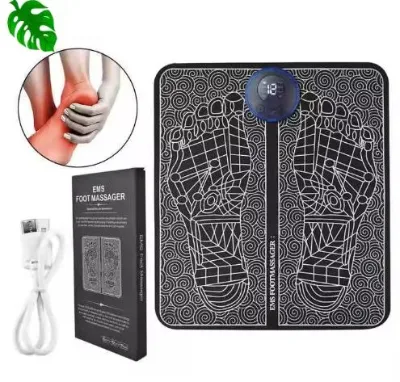
$0.7011 - $1.0112
MOQ: 10 pieces
Shenzhen Youmei Electronics Co., Ltd.
- Manufacturer, Trading Company
- Lead time旺季: "1 - 10000":15,"> 10000":"To be negotiated", 淡季: "1 - 10000":15,"> 10000":"To be negotiated"
- Avg. response≤ 14h
Main productsMassage Gun,High speed hair dryer,Health care,Fitness Accessories,Home Use Beauty Equipment
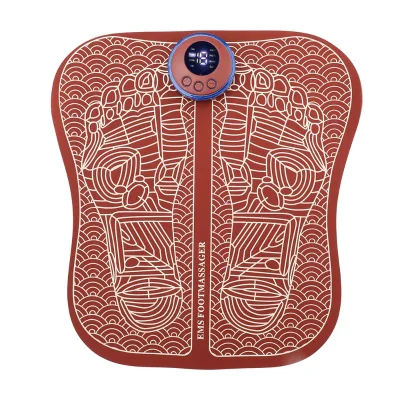
$1.85 - $1.95
MOQ: 1000 pieces
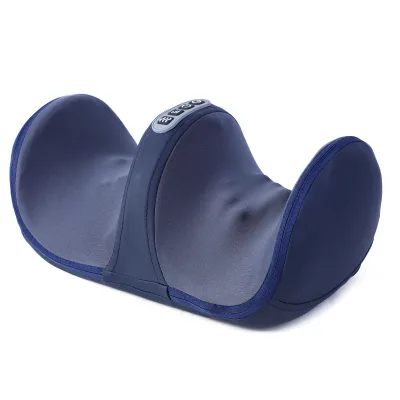
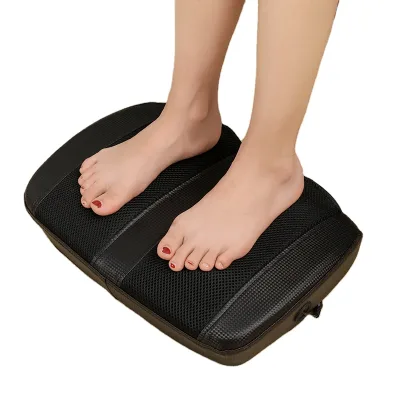
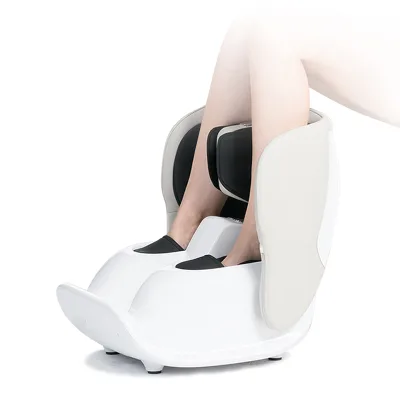
New Foot Leg Massager Strap Shaping Leg Massager Strap Leg Massager Strap
$123.00 - $125.00
MOQ: 500 pieces
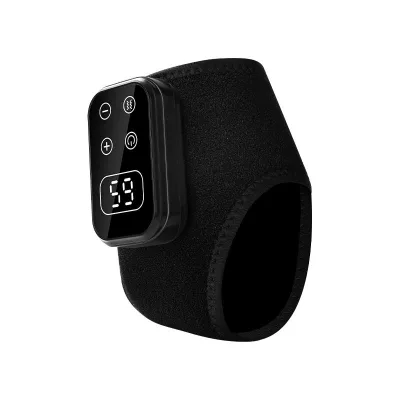
$4.6183 - $5.5411
MOQ: 2 pieces

Wuxi Healthpro Technology Co., Ltd.
- Verified by SGS
- Trading Company,Manufacturer/Factory
- China Jiangsu
- Lead time23 days
- Avg. response≤ 9h
Main productsFoot Massager, Leg Massager, Massager, Hand Massager, Knee Massager, Sauna Dome, Foot and Leg Massager, Sauna Room, Arm Massager, Neck Massager
Main marketsSouth America,Eastern Europe,Mid East,North America,Southeast Asia,Western Europe,Africa

- Trading Company
- China Zhejiang
- Lead time30 days
- Avg. response≤ 13h
Main productsHome Appliance, Cookware Set, Thermos, Home Storage, Furniture, Pet Supplies, Garden Tools, Outdoor Supplies, Baby Supplies, Houesehold Items
Main marketsSouth America,Africa,Southeast Asia/ Mideast,East Asia(Japan/ South Korea),Domestic,Europe,Australia,North America
Hefei Morningstar Healthmate Fitness Co., Ltd.
- Verified by SGS Group
- Manufacturer, Trading Company
- Lead time25 days
- Avg. response≤ 1h
Main productsMassage Chair, Sauna Room, Calf Foot Massager, Massage Gun, Neck Massager
Main marketsNorth America(54%), Western Europe(8%), Eastern Europe(6%)
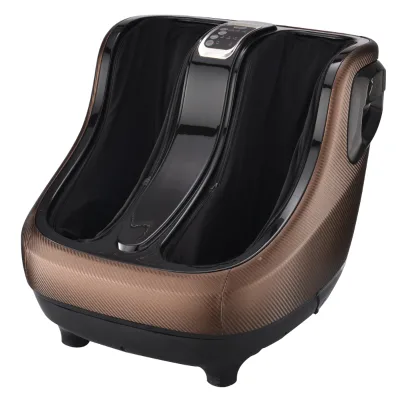
Timing Control Deep Kneading Foot Massager with Vibration & Compression
$101.1749 - $111.4991
MOQ: 1 pieces
Shenzhen Kingstar Mould Co., Ltd.
- Verified by SGS Group
- Manufacturer, Trading Company
- Lead time15 days
- Avg. response≤ 9h
Main productsPlastic Product, Wireless Speaker, Massage Gun, Wireless Earbuds, Smart Watch
Main marketsNorth America(35%), Southern Europe(30%), Domestic Market(20%)
Ningbo Innohut Import & Export Co., Ltd.
- Trading Company
- Zhejiang, China
- Lead time0 days
- Avg. response≤ 16h
Main productsmassager,EMS device,Air compression Device,Sport Device
Main marketsWestern Europe(25.00%), Domestic Market(20.00%), Northern Europe(10.00%), Eastern Europe(10.00%), North America(10.00%), Southern Europe(10.00%), Eastern Asia(5.00%), Southeast Asia(5.00%), South Asia(5.00%)
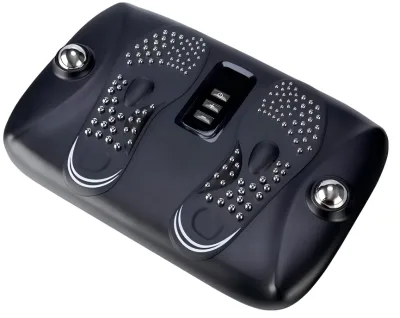
EMS Foot Stimulator Muscle Performance Enhancer and Temporary Pain Relief Foot Massager
$15.9956 - $16.4061
MOQ: 1000 sets






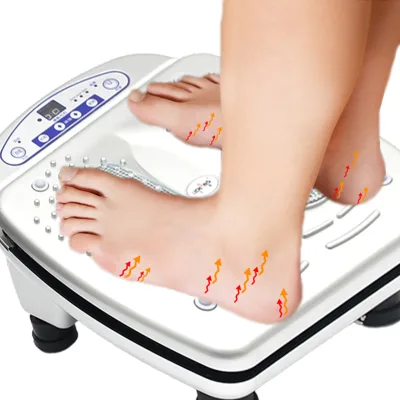


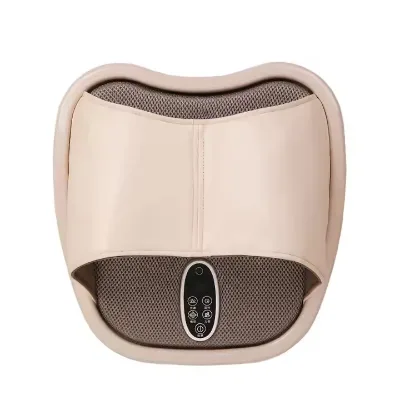
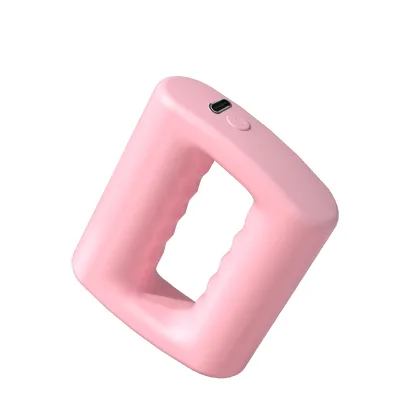
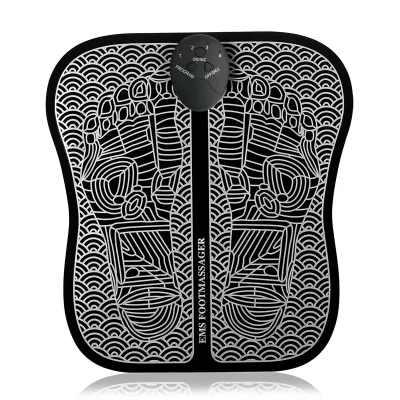
Comprehensive Sourcing Guide
Timing Control Foot Massager Supplier Concentration and Factory Types
The sourcing landscape for timing control foot massagers reveals distinct manufacturing clusters primarily located in China, with significant activity in Fujian and Zhejiang provinces. Suppliers in Fujian often specialize in personal care products, including anti-snore devices and foot massage equipment, indicating a regional focus on health-oriented consumer electronics. These manufacturers frequently offer OEM, ODM, and own-brand capabilities, suggesting a mature supply chain ready to support private label projects. In contrast, suppliers in Zhejiang, such as those in Yongkang and Jinhua, tend to operate as combined entities that may blend manufacturing with trading functions. This structural difference is critical for buyers, as factory types influence production flexibility, quality control processes, and communication efficiency. Understanding whether a supplier is a pure manufacturer or a combined entity helps buyers anticipate lead times and customization options.
Factory types also dictate the range of main products offered, which can signal a supplier’s core competency. Some suppliers list massagers, foot massage, and body massage belts as their primary outputs, demonstrating a broad portfolio in the health care sector. Others focus more narrowly on specific devices like air compression foot and leg massagers or vibrating foot massagers. This specialization often correlates with the technical complexity of the timing control mechanisms integrated into the devices. Buyers should assess whether the supplier’s main products align with their specific needs for features like infrared physiotherapy, electric heating, or mechanical massaging principles. A supplier with a diverse range of massage products may have more robust R&D capabilities, whereas a specialized factory might offer deeper expertise in a single product line. This distinction is vital for ensuring that the timing control features meet specific performance standards.
How to Verify Timing Control Foot Massager Suppliers
Verification is a critical step in mitigating risk when sourcing timing control foot massagers, as not all suppliers present the same level of credibility. Buyers should prioritize suppliers who have undergone third-party verification processes, such as those conducted by SGS or TÜV Rheinland. These verifications provide an external validation of the supplier’s business legitimacy and operational capabilities, offering a layer of trust that self-declared claims cannot match. Additionally, system certifications like ISO9001:2015 indicate a structured approach to quality management, which is essential for maintaining consistency in electronic health products. While some suppliers may display NIL for system certifications, the presence of product-specific certificates like CE and RoHS is a positive indicator of compliance with international safety and environmental standards. Buyers must carefully review these credentials to ensure they are current and relevant to the target markets.
Beyond certifications, buyers should evaluate the supplier’s response time and verification status to gauge their professionalism and reliability. A response time metric, such as 7.77 or 8.78, can serve as a proxy for the supplier’s operational efficiency and customer service quality. Faster response times often correlate with better communication throughout the sourcing process, reducing the risk of misunderstandings regarding product specifications or order details. Furthermore, the presence of specific product attributes, such as customized options or standardized models, can help buyers assess the supplier’s flexibility. For instance, a supplier offering both customized and non-customized options may be more adaptable to different buyer needs. Buyers should also look for evidence of product testing and compliance, ensuring that the timing control mechanisms function as advertised and meet safety requirements.
What to Compare Across Timing Control Foot Massager Suppliers
When evaluating multiple suppliers, buyers must compare key operational metrics to identify the most suitable partner for their needs. Lead time is a crucial factor, with some suppliers offering a 15-day turnaround while others may require up to 30 days. This difference can significantly impact inventory management and time-to-market strategies, especially for buyers with tight deadlines. Minimum Order Quantity (MOQ) is another critical dimension, ranging from 100 pieces to 470 pieces or more. Buyers with smaller initial orders may find suppliers with lower MOQs more attractive, while those planning large-scale production might negotiate better terms with suppliers offering higher volume discounts. Comparing these metrics across suppliers helps buyers balance cost, speed, and volume requirements effectively.
Price and customization options are also essential comparison points. Prices for timing control foot massagers can vary widely, from as low as $17.00 to over $145.00, depending on features, materials, and complexity. Buyers should analyze the price-to-feature ratio to ensure they are getting value for money. Additionally, the availability of customization services, such as OEM branding or specific design modifications, can differentiate suppliers. Some suppliers offer fully customized products, while others provide non-customized options with limited color or model variations. Buyers should also consider the supplier’s main products and whether they align with their broader sourcing strategy. A supplier with a diverse range of health care products may offer better cross-selling opportunities or bundled pricing.
Common Timing Control Foot Massager Sourcing Risks
One of the primary risks in sourcing timing control foot massagers is the potential discrepancy between advertised features and actual product performance. Buyers must be cautious of suppliers who claim advanced features like infrared physiotherapy or electric heating without providing clear evidence or certifications. The absence of detailed product attributes or unclear specifications can lead to misunderstandings and dissatisfaction upon delivery. Additionally, the variability in lead times and MOQs can pose logistical challenges, especially if buyers are not prepared for potential delays or minimum order constraints. Suppliers with longer lead times may struggle to meet urgent demands, while those with high MOQs may require significant capital investment upfront. Buyers should mitigate these risks by requesting detailed product samples and verifying specifications before placing large orders.
Another significant risk is the lack of transparency regarding supplier credentials and quality control processes. Some suppliers may display NIL for system certifications or lack third-party verification, raising concerns about their operational standards. Buyers should be wary of suppliers who do not provide clear information about their manufacturing processes or quality assurance measures. Furthermore, the diversity of product types, from vibrating foot massagers to air compression models, can complicate the evaluation process. Buyers must ensure that the supplier’s expertise aligns with their specific product requirements. For instance, a supplier specializing in mechanical massagers may not have the same level of expertise in electronic timing control systems. Buyers should conduct thorough due diligence to identify and mitigate these risks, ensuring a smooth sourcing experience.
Timing Control Foot Massager Regional Sourcing and Logistics
Sourcing timing control foot massagers from China involves navigating distinct regional logistics and supply chain dynamics. Suppliers in Fujian and Zhejiang provinces offer different logistical advantages based on their proximity to major ports and manufacturing hubs. Fujian suppliers, often focused on personal care products, may benefit from established export channels for health-related electronics. Zhejiang suppliers, particularly those in Yongkang and Jinhua, may have access to robust industrial clusters that support efficient production and distribution. Buyers should consider the origin of the products, as indicated by attributes like "Fujian, China" or "Yongkang, Jinhua, Zhejiang," to assess potential shipping costs and transit times. Understanding these regional differences helps buyers optimize their logistics strategy and reduce overall procurement costs.
Logistics planning also involves considering the packaging and standard dimensions of the products, which can impact shipping efficiency. Suppliers often provide specific packing details, such as carton or box packages, along with standard dimensions like 543644.5cm or 63.538.530cm. These details are crucial for calculating container loading quantities and freight costs. Buyers should work closely with suppliers to ensure that packaging meets international shipping standards and protects the products during transit. Additionally, the availability of OEM branding and customization options can influence logistics, as customized products may require special handling or labeling. Buyers should factor these logistical considerations into their overall sourcing strategy to ensure timely and cost-effective delivery of timing control foot massagers.
Timing Control Foot Massager Commercial Terms and Order Planning
Commercial terms and order planning are essential components of a successful sourcing strategy for timing control foot massagers. Buyers must carefully review pricing structures, which can range from $17.00 to $145.00 per unit, depending on the product’s features and complexity. Understanding the price range helps buyers budget effectively and negotiate favorable terms. Additionally, buyers should consider the supplier’s warranty policies, such as the 12-month warranty offered by some suppliers, which provides assurance of product quality and after-sales support. Payment terms, delivery schedules, and return policies are also critical factors that influence the overall commercial agreement. Buyers should ensure that these terms are clearly defined and mutually agreed upon to avoid disputes.
Order planning involves aligning production schedules with market demand and inventory requirements. Buyers should consider the supplier’s lead time, which can vary from 15 to 30 days, and plan their orders accordingly to avoid stockouts or excess inventory. The MOQ, ranging from 100 to 470 pieces, also plays a significant role in order planning, as it determines the minimum investment required. Buyers with fluctuating demand may prefer suppliers with flexible MOQs or those who offer partial shipments. Furthermore, the availability of customization services, such as OEM branding, can impact order planning, as customized products may require longer lead times. Buyers should develop a comprehensive order plan that accounts for these variables, ensuring a smooth and efficient sourcing process for timing control foot massagers.
FAQs
What is the price range for timing control foot massagers?
Prices for these devices typically range from $17 to $145 per unit depending on features. Basic vibrating models start around $17, while advanced shiatsu units with air compression can reach $145. Buyers should check specific model listings for exact pricing tiers and bulk discounts.
What is the minimum order quantity for these products?
Minimum order quantities vary by supplier and model, generally ranging from 100 to 470 units. Some manufacturers accept orders as low as 100 pieces, while others require higher volumes like 220 or 470 units. Always verify the specific MOQ for your chosen model before placing an order.
How long does production take for these massagers?
Lead times for manufacturing these foot massagers typically range from 15 to 30 days. Suppliers in Zhejiang often offer faster turnaround times around 15 days, while those in Fujian may require up to 30 days. Confirm the exact schedule with your supplier based on order volume.
Are these foot massagers customizable for branding?
Customization options are available for many models, including OEM and ODM services. Some suppliers offer customized packaging and branding, while others provide non-customized standard units. Check product attributes to see if customization is listed as available or if the unit is non-customized for your specific needs.
What certifications do these foot massagers have?
Common certifications include CE, RoHS, and ISO9001:2015 for quality management. Some models also carry UL certification for safety standards. Buyers should verify specific certificate details for each product listing to ensure compliance with their local market regulations and import requirements.
Where are these foot massagers manufactured?
These products are primarily manufactured in China, specifically in Fujian and Zhejiang provinces. Suppliers in Yongkang, Jinhua, Zhejiang, and Fujian are common sources. The origin location can impact shipping logistics and lead times, so verify the specific factory location for your selected supplier.