Manual Gua Sha Facial Massager Suppliers and Manufacturers
Source 28 verified suppliers for Manual Gua Sha Facial Massager products. Compare key dimensions including location, lead time, MOQ, response time, and certifications. Review product specifications and pricing to identify suitable partners for your procurement needs; review the available evidence before requesting comparable quotations from suitable candidates.
Updated
Suppliers List
Guangxi Nanning Jiansu Technology Co., Ltd.
- Manufacturer, Trading Company
- Guangxi, China
- Lead time0 days
- Avg. response≤ 4h
Main productsGua Sha Tool
Main marketsNorth America(25.00%), Western Europe(25.00%), Eastern Asia(25.00%), South America(10.00%), Eastern Europe(10.00%), Mid East(5.00%)
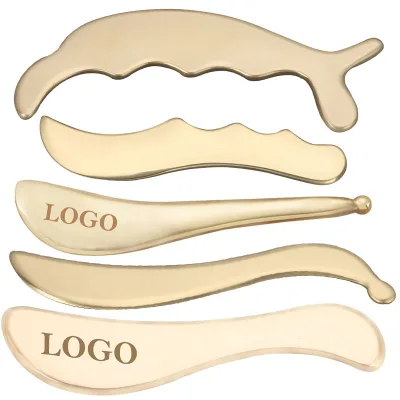
Gua Sha Facial Massager Facial Gua Sha Treatment Face Massager Facial Guasha Tools Guasha Msaager
$2.5522 - $4.0826
MOQ: 10 pieces
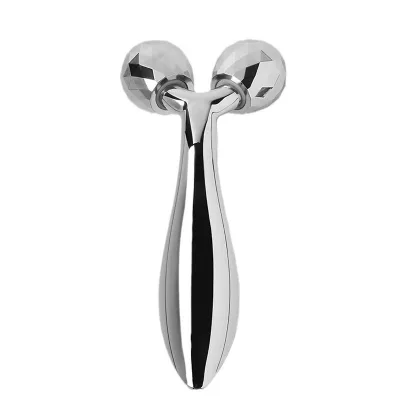
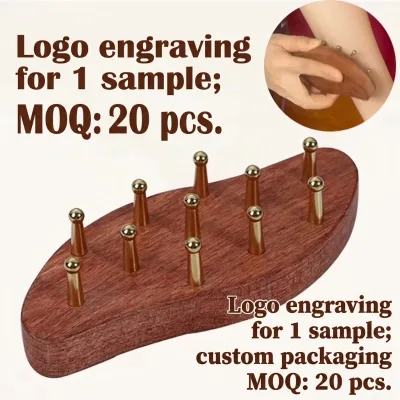
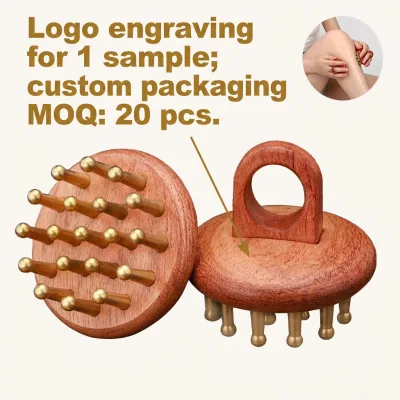
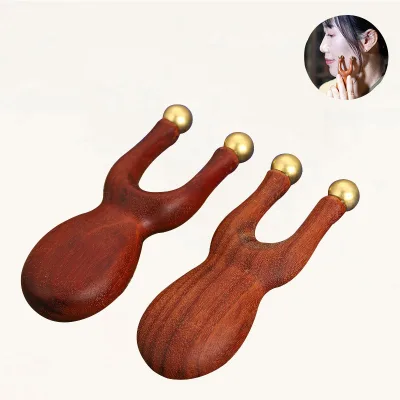
Massager 2024 Wellness and Relaxation Wood Nose and Eye Gua Sha Tool With logo Massage Face
$4.00 - $6.00
MOQ: 1 pieces
Dongguan Kinwong Technology CO., Ltd.
- Verified by SGS Group
- Manufacturer, Trading Company
- Lead time10 days
- Avg. response≤ 3h
Main productsCosmetic Spatula, 3D Face Roller, Beauty Device, Gua Sha, Ice Globe
Main marketsWestern Europe(30%), North America(23%), Eastern Asia(11%)

Anshan Jiwan Jade Mattress Co., Ltd
- Verified by SGS
- Combined
- China Liaoning
- Lead time23 days
- Avg. response≤ 3h
Main productsJade Mattress, Jade Roller, Face Roller, Jade Mat
Main marketsSoutheast Asia/ Mideast,East Asia(Japan/ South Korea),Domestic,Europe,Australia

Guangzhou Fuluo Trading Co. Ltd
- Verified by SGS
- Trading Company
- China Guangdong
- Lead time30 days
- Avg. response≤ 2h
Main productsSauna, SPA
Main marketsAfrica,Southeast Asia/ Mideast,Europe,North America


Face Neck Massage-Facial Skin Care Jade Roller Acupoint Massager Gua Sha Tool
$0.99 - $3.99
MOQ: 100 pc

- Verified by SGS Group
- Manufacturer, Trading Company
- Lead time15 days
- Avg. response≤ 2h
Main productsJade Roller, Jade Guasha, Hardware Massager, Jade Accessories, Jade Round Beads
Main marketsWestern Europe(25%), Domestic Market(25%), North America(20%)
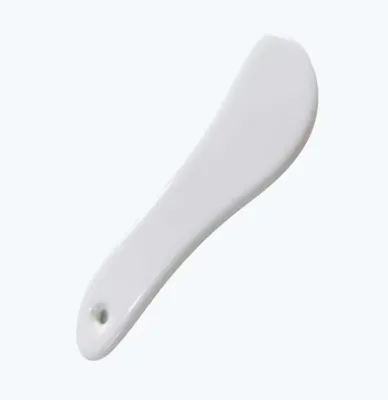
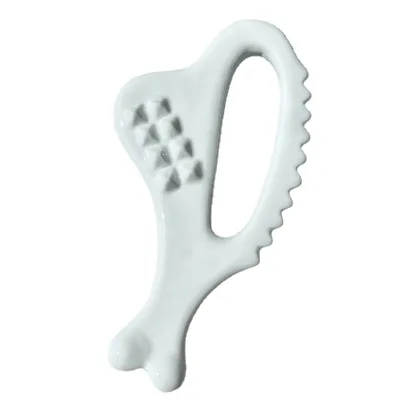
facial massage ceramic gua sha
$1.20 - $2.00
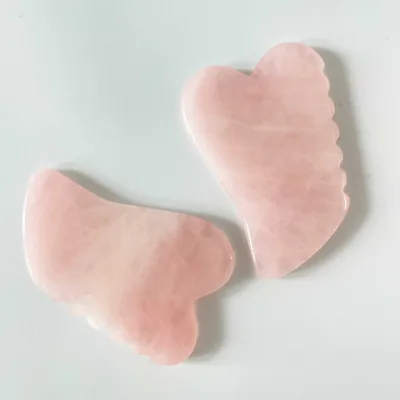
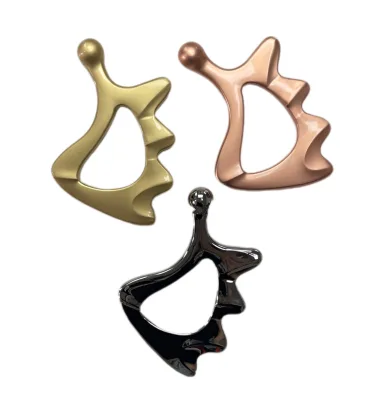
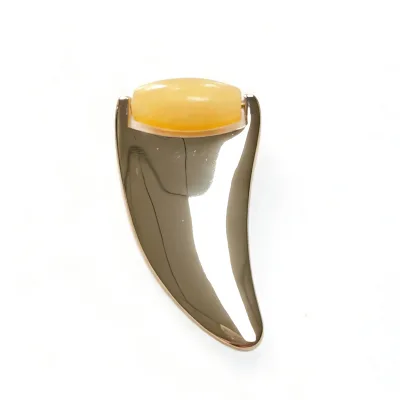
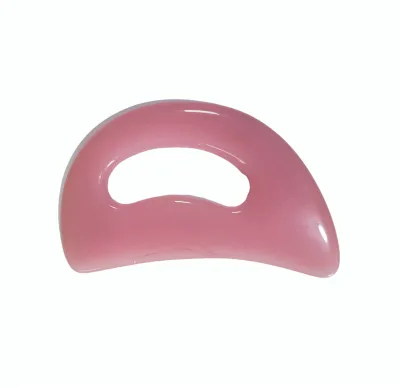
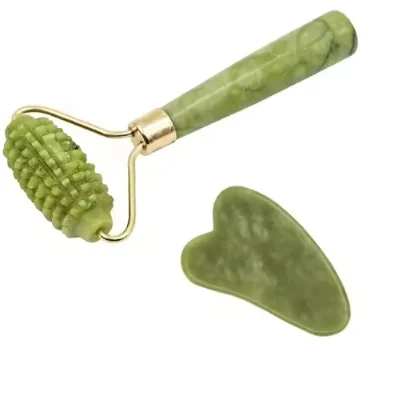
Portable Handheld Manual 2-in-1 Gua Sha Board and Yellow Roller Massager for Facial Slimming Massage
$4.6152 - $6.153
MOQ: 5 pieces

Xiamen Folover Import &Export Co., Ltd.
- Verified by TUVRHEINLAND
- Trading Company
- China Fujian
- Lead time23 days
- Avg. response≤ 4h
Main productsCoaster, Cork Bulletin Board, Cork Furniture, Cork Toys, Cork Houseware, Cork Fitness, Cork Package, Cork Coasters
Main marketsEurope

Stainless Steel Gua Sha Comb Facial Lifting Tool Metal Gua Sha Scalp Massager
$0.64 - $2.80
MOQ: 100 Bags

JIANGSU FIST SPECIAL CERAMIC CO., LTD.
- Verified by TüVRheinland
- Manufacturer, Trading Company
- Lead time15 days
- Avg. response≤ 2h
Main productsAlumina Ceramic, Zirconia Ceramic, Steatite Ceramic, Daily Ceramics, Special Ceramic
Main marketsDomestic Market(30%), North America(20%), Eastern Asia(20%)
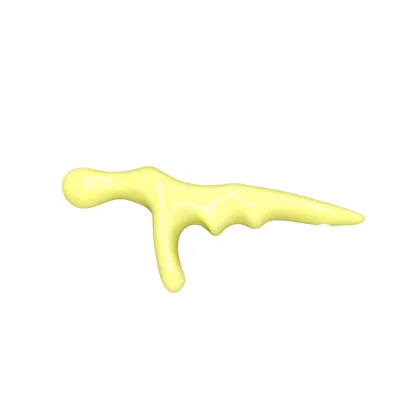
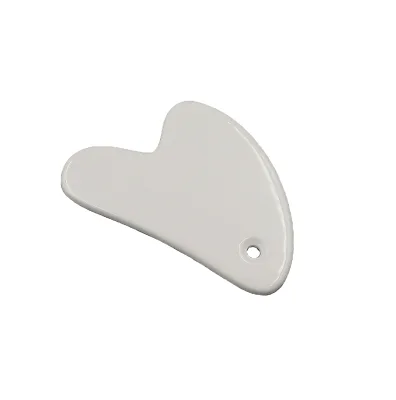
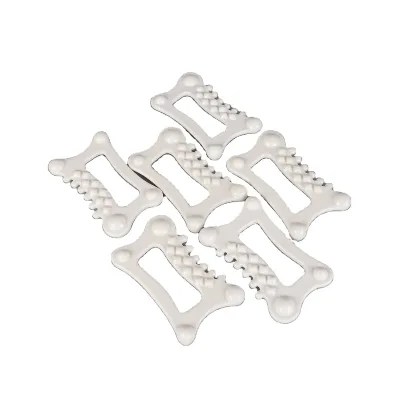
Hot Sale Customized Facial Ceramic Gua Sha Massager for Lymphatic Drainage
$2.80 - $3.50
MOQ: 100 pieces
- Trading Company
- Zhejiang, China
- Lead time0 days
- Avg. response≤ 3h
Main productsceramic massager,ceramic gua sha,guasha,scraping,massager products
Main marketsDomestic Market(10.00%), South Asia(10.00%), Northern Europe(10.00%), Central America(10.00%), Eastern Asia(10.00%), Mid East(10.00%), Africa(10.00%), Southeast Asia(10.00%), South America(10.00%), North America(10.00%)

Ganzhou Pengzhan Trading Co.,LTD
- Verified by BV
- Trading Company
- China Jiangxi
- Lead time15 days
- Avg. response≤ 1h
Main productsHair Removal Device, Beauty Device, Face Massager, Beauty Ice Roller, LED Mask
Main marketsOthers(foreignTradeCapacity.exportBusinessCapacityMarketOther),Europe,Australia,North America

Portable Facial Massage Electric Face Body Guasha Natural Stone Massager
$6.90 - $8.36
MOQ: 100 Pieces


Shinylink (Shanghai) Industrial Inc.
- Trading Company
- China Shanghai
- Lead time15 days
- Avg. response≤ 10h
Main productsAcupuncture Needles, Moxa Products, Guasha Boards, Jade Roller /Finger Massage Ring/Dermal Needles, Tdp Lamp, Cupping Jards, Acupuncture Model, Acupuncture Accessories
Main marketsSouth America,Africa,Southeast Asia/ Mideast,East Asia(Japan/ South Korea),Europe,Australia,North America
Shanghai GESS Industrial Co., Ltd.
- Trading Company
- Lead time旺季: "1 - 500":31,"> 500":"To be negotiated", 淡季: "1 - 500":31,"> 500":"To be negotiated"
- Avg. response≤ 5h
Main productsLED Facial Mask, Ultrasonic Skin Scrubber, Cold & Hot Massager, Beauty Device, Silicone Facial Cleansing Brush
Puyang Degren Medical Instrument Co., Ltd.
- Manufacturer, Trading Company
- Henan, China
- Lead time25 days
- Avg. response≤ 9h
Main productsPhysical Therapy Equipment,Rehab Therapy Supplies,Dental Apparatus,Dental Consumables,Medical Surgical Supplies
Main marketsEastern Europe(30.00%), North America(30.00%), Domestic Market(10.00%), Mid East(10.00%), South America(10.00%), Southern Europe(3.00%), Western Europe(3.00%), Oceania(1.00%), Eastern Asia(1.00%), Northern Europe(1.00%), Africa(1.00%)

- Verified by TUVRHEINLAND
- Trading Company
- China Guangdong
- Lead time15 days
- Avg. response≤ 3h
Main productsBeauty Tools, Tweezer, Eyelash Curler, Manicure Set, Cosmetic Mirror, Implement, Pedicure, Make up
Main marketsEurope

Natural Jade Ceramic Gua Sha Stone Massage Tool Facial Massager Skincare Jade Guasha Tools
$1.33 - $2.23
MOQ: 100 Pieces

Natural Handheld Massager Face Massage Roller Guasha Obsidian Jade Facial Gua Sha Stone Tool Set
$0.85 - $1.58
MOQ: 100 Pieces

Handheld Face Massager Jade Ball Bead Foot Beauty Tool Gua Sha Natural Face Massage Facial Roller
$1.60 - $3.50
MOQ: 100 Pieces

Natural Gua Sha Stone Facial Scraping Massage Plate Tool for Face and Body Guasha Board Beauty Tools
$0.18 - $1.23
MOQ: 200 Pieces

Wenzhou Liyang Beauty Trade Co., Ltd.
- Verified by BV
- Trading Company
- China Zhejiang
- Lead time23 days
- Avg. response≤ 6h
Main productsHair Brush, Bath Items, Beauty Instruments, Makeup Brushes, Makeup Sponge, Jade Craft, Makeup Mirror, Cotton Pads, Silicone Accessories, False Nails
Main marketsSouth America,Eastern Europe,Mid East,North America,Western Europe

NINGBO AOVEA IMPORT & EXPORT CO., LTD.
- Verified by TUVRHEINLAND
- Trading Company
- China Zhejiang
- Lead time30 days
- Avg. response≤ 6h
Main productsMakeup Brush, Cosmetic Brush, Make up Brush, Cosmetic Bag Case, Makeup Tools, Jade Roller and Gua Sha, Hair Brush, Body Brush, Hair Accessories, Makeup Sponge
Main marketsSouth America,Africa,Southeast Asia/ Mideast,Europe,Australia,North America

Hot Selling Massage Tools Natural Jade Gua Sha Facial Massage Beauty Scraping
$3.69 - $4.55
MOQ: 1000 Pieces

Wholesale Natural Facial Jade Roller Gua Sha Massage Tools Jade Face Massage Gua Sha
$4.15 - $4.55
MOQ: 100 Pieces

$9.22 - $10.22
MOQ: 100 Pieces



Tianjin Xiangchuang International Technology Development Co., Ltd.
- Trading Company
- Tianjin, China
- Lead time5 days
- Avg. response≤ 4h
Main productsJade roller/Jade Gua Sha/Iastm Tool,Beauty tools,massager tools,Jewelry eyewear watches and accessories,gua sha
Main marketsNorth America(50.00%), Oceania(20.00%), Western Europe(10.00%), South America(10.00%), Africa(10.00%)
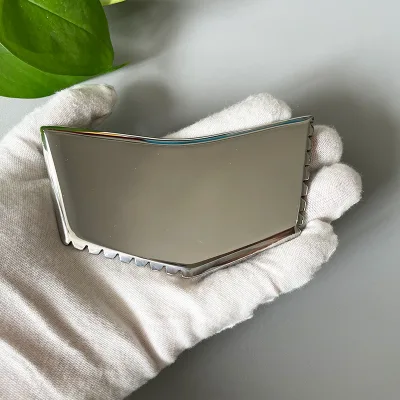
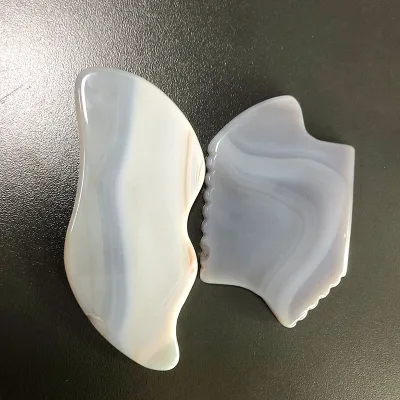
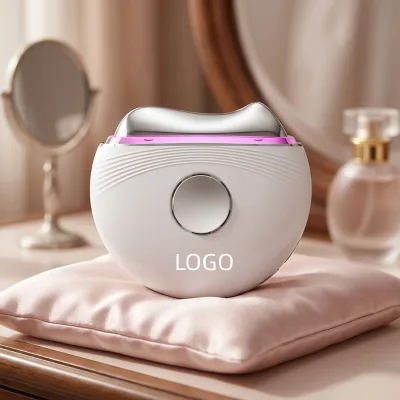
Natural Agate Jade Luxury Gua Sha Face Massager with Anti-wrinkle & Musical Function High Quality
$7.7388 - $9.2857
MOQ: 2 pieces
Dongguan Define Beauty Electronic Technology Co., Ltd.
- Manufacturer, Trading Company
- Guangdong, China
- Lead time15 days
- Avg. response≤ 2h
Main productsneck beauty instrument,Facial Scraping Beauty Device,Blackhead Suction Device,Face Massager,Face Cleaning Brush
Main marketsNorth America(38.00%), Domestic Market(10.00%), Eastern Asia(10.00%), South America(10.00%), South Asia(5.00%), Southern Europe(5.00%), Northern Europe(5.00%), Central America(5.00%), Western Europe(5.00%), Eastern Europe(5.00%), Southeast Asia(2.00%)
Shenzhen Easter Technology Co., Ltd.
- Verified by TüVRheinland
- Manufacturer, Trading Company
- Lead time5 days
- Avg. response≤ 3h
Main productsJade Roller, Gua Sha, Beauty Products, Facial Massage Tool, Eye Massager
Main marketsNorth America(34%), Western Europe(15%), Southeast Asia(14%)
Lining (Fujian) Health Technology Co., LTD.
- Verified by TüVRheinland
- Manufacturer, Trading Company
- Fujian, China
- Lead time15 days
- Avg. response≤ 2h
Main productsSmall Pieces Massage Equipment, Massage Chair
Main marketsSoutheast Asia(25%), Northern Europe(25%), Eastern Asia(15%)

Jiangsu Fist Special Ceramic Co., Ltd.
- Verified by TUVRHEINLAND
- Combined
- China Jiangsu
- Lead time15 days
- Avg. response≤ 4h
Main productsCeramic Ignition Electrode, Alumina Ceramic, Zirconia Ceramic, Steatite Ceramic, Electrical Ceramics, Cordierite & Mullite Ceramic, Sin Sic &Other Special Material, Boron Nitride & Alumina Nitride Others
Main marketsSouth America,Africa,East Asia(Japan/ South Korea),Domestic,Europe,Australia,North America

Popular Cutomized Facial Ceramic Gua Sha Massager for Lymphatic Drainage
$3.50 - $4.50
MOQ: 500 Pieces

Abarke (tianjin) Technology Co., Ltd.
- Manufacturer, Trading Company
- Lead time旺季: "1 - 1":7,"2 - 50":15,"51 - 200":30,"> 200":"To be negotiated", 淡季: "1 - 1":7,"2 - 50":15,"51 - 200":30,"> 200":"To be negotiated"
- Avg. response≤ 8h
Main productsJade Eggs,Guasha Tools,Jade Rollers,Jade Crafts,Ice Globe
Dongguan Xuanyi Technology Co., Ltd.
- Trading Company
- Guangdong, China
- Lead time15 days
- Avg. response≤ 4h
Main productsOEM & ODM,Professional Home Use Beauty Equipment,Face & Neck Lifting Device,Facial Cleansing Device,Beauty Tools
Main marketsEastern Europe(20.00%), North America(20.00%), Western Europe(15.00%), South America(10.00%), Oceania(10.00%), Southern Europe(5.00%), Northern Europe(5.00%), Africa(5.00%), Mid East(5.00%), Southeast Asia(5.00%)

Shaoxing Hengjin Metal Co., Ltd.
- Verified by CTI
- Combined
- China Zhejiang
- Lead time30 days
- Avg. response≤ 8h
Main productsBeauty tool stick
Main marketsSouth America,East Asia(Japan/ South Korea),Europe,Australia,North America

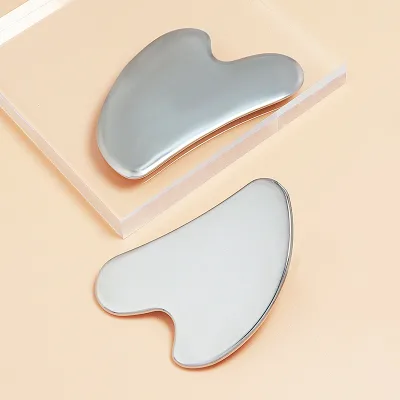
Skin Care Massage Beauty Tool Facial Gua Sha Metal Zinc Alloy Face Guasha Massager with Hole
$1.36 - $1.383
MOQ: 3000 pieces


Gua Sha Facial Tools Silicone Resin Guasha Board Scraping Massager for Body Face
$1.30 - $2.00
MOQ: 1000 pieces



Shenzhen Lig Technology Co., Ltd.
- Manufacturer
- Guangdong, China
- Lead time0 days
- Avg. response≤ 3h
Main productsEMS muscle,tens unit,therapy machine,tens electrodes,facial massager
Main marketsNorth America(50.00%), Western Europe(20.00%), Southern Europe(20.00%), Africa(5.00%)

Yiwu Hongzhuo Art&crafts Factory
- Manufacturer, Trading Company
- Zhejiang, China
- Lead time30 days
- Avg. response≤ 6h
Main productsCrystal Crafts,Beauty Tools,Massage Tools,Gemstone Carving,Jewelry & Accessories
Main marketsDomestic Market(100.00%)
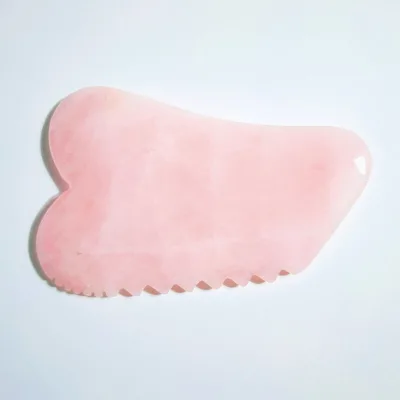
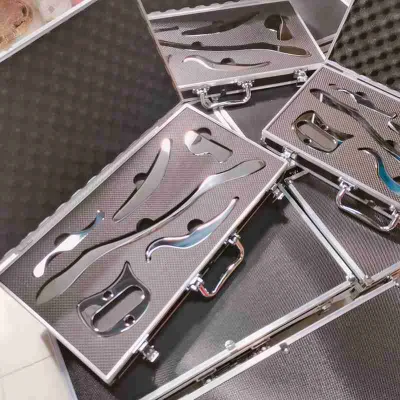
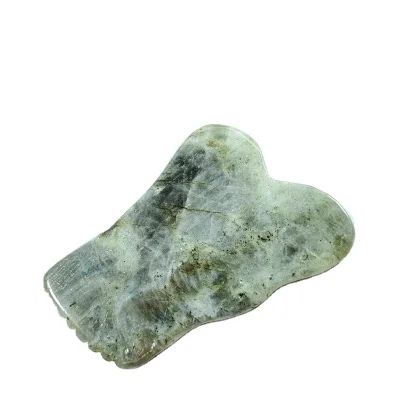
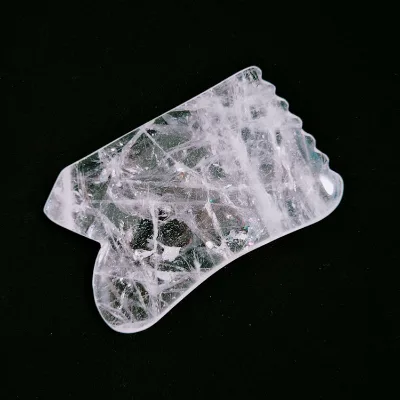
$4.0601 - $7.1838
MOQ: 50 pieces
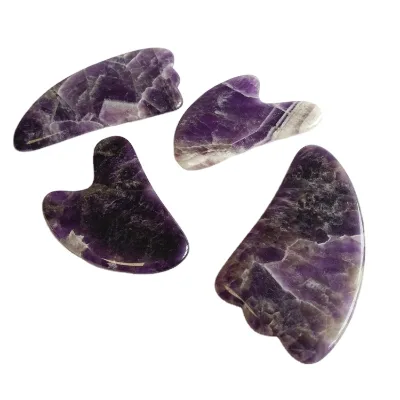
HZ Handheld Massage Tools Beauty Face Reface Gua Sha Massager Amethyst Gua Sha Tool
$6.59 - $6.99
MOQ: 200
Shandong Chengchang Health Technology Co., Ltd.
- Trading Company
- Shandong, China
- Lead time15 days
- Avg. response≤ 4h
Main productsBeauty equipment,Massager,A protector,medical equipment,Health care equipment
Main marketsSoutheast Asia(20.00%), Domestic Market(15.00%), Mid East(10.00%), South America(5.00%), South Asia(5.00%), Southern Europe(5.00%), Northern Europe(5.00%), Central America(5.00%), Western Europe(5.00%), Eastern Asia(5.00%), Eastern Europe(5.00%), Oceania(5.00%), Africa(5.00%), North America(5.00%)

Changzhou Dawson I. A. E. Co., Ltd.
- Trading Company
- China Jiangsu
- Lead time23 days
- Avg. response≤ 7h
Main productsFishing Tackle, Contact Juggling Ball, Carbon Fiber Fabric, Diabolo, Wrist Power Ball, Fishing Soft Lure, Solar Water Heater, Bearing Diabolo, Hourglass, Wall Covering
Main marketsOthers(foreignTradeCapacity.exportBusinessCapacityMarketOther),East Asia(Japan/ South Korea),Europe,North America

Easy Clean Soft Portable Body Cervical Gua Sha Massager for Muscle Relaxation
$1.99 - $9.99
MOQ: 300 Pieces


Multifunctional Portable Body Shoulder Gua Sha Massager for Back Pain Relief
$1.99 - $9.99
MOQ: 300 Pieces
Shenzhen Belen Electronic Technology Co., Ltd.
- Verified by TüVRheinland
- Manufacturer, Trading Company
- Lead time5 days
- Avg. response≤ 2h
Main productsMassage Scraper, Muscle Scraping Tool, Massage Gun, Beauty Device, Skin Scrubber
Main marketsEastern Asia(60%), North America(30%), South America(3%)







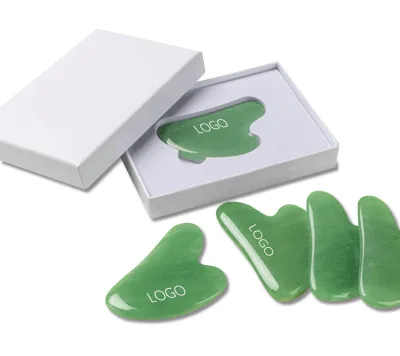
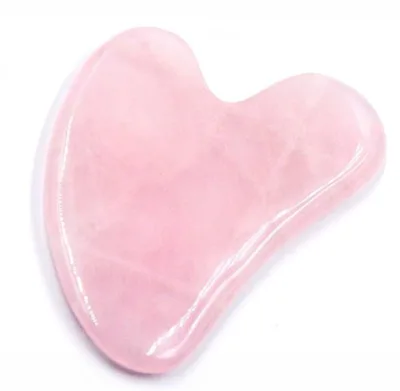
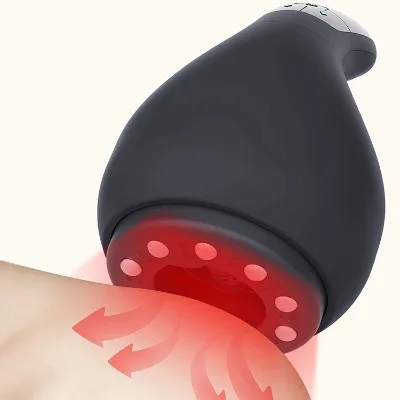
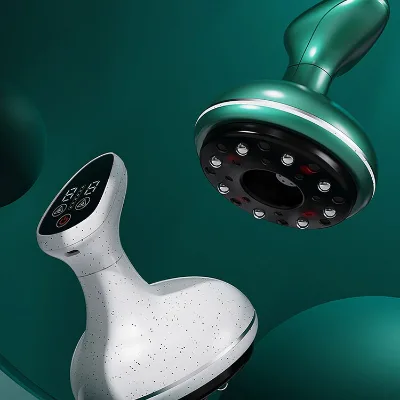



Comprehensive Sourcing Guide
Manual Gua Sha Facial Massager Supplier Concentration and Factory Types
Suppliers of the Manual Gua Sha Facial Massager in current results cluster strongly in Guangxi, China, with additional listings originating in Guangdong. Guangxi suppliers dominate the visible listings and tend to operate as combined manufacturer-and-trading-company entities, offering both brass-based gua sha combs and facial massager tools. Product evidence from these listings shows supply capability around 500 pieces per month for one brass item, small per-unit package sizes, and MOQs as low as a single piece, which signals small-batch workshop production rather than high-volume automation. Buyers should recognize that this concentration means many competing listings may trace back to overlapping workshops, so distinguishing true makers from resellers requires direct verification.
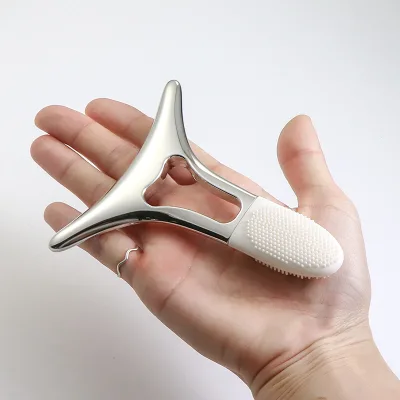
Beyond the observed Guangxi and Guangdong origins, buyers without a confirmed cluster should identify manufacturing regions themselves by filtering marketplace results by province, comparing supplier type labels, and noting where multiple factories list the same tool forms—gua sha combs, Y-shape rollers, eye and nose massagers, and facial scrapers. Company type matters in this category: a manufacturer can adjust material (brass, zinc alloy, stainless steel, wood) and nail counts on a comb, while a trading company may aggregate several workshops and offer wider style variety but less control over finishing. Before shortlisting, ask each supplier which models they produce in-house and which they resell, since manual tools with polished edges demand hands-on quality control best done at the producing facility.
How to Verify Manual Gua Sha Facial Massager Suppliers
Verification should begin with the credentials displayed on supplier profiles and extend to what those credentials actually cover. In the current results, at least one supplier carries system certifications including CE and RoHS and is verified by SGS Group, which is meaningful third-party evidence, though buyers must confirm which certificate scope applies to manual facial massagers rather than adjacent electronic beauty devices. Response time is another verifiable behavior: observed suppliers show response times of roughly three to four hours, and a buyer can test this directly by sending identical technical inquiries to several suppliers and comparing reply speed, specificity, and willingness to discuss production details.
Deeper verification requires first-hand evidence tied to this category's risks. Request photographs or videos of edge polishing on gua sha plates and comb teeth, since burrs and casting seams are the most common defect in brass and zinc alloy tools. Ask for the stated place of origin on product attributes and check consistency with the company's registered location; listings in these results cite Guangxi, Guangdong, or simply China, and mismatches can indicate reselling. For any supplier claiming sample support, confirm whether samples are genuinely provided—some listings state "Sample Provided" explicitly—and pay for a sample run before committing. Finally, verify the brand-name situation: many observed listings carry in-house brand names, so clarify ownership and whether your own logo can replace it under OEM terms.
What to Compare Across Manual Gua Sha Facial Massager Suppliers
Build a comparison matrix using the attributes suppliers actually display, without assuming every field is populated. Useful dimensions from the current results include lead time, MOQ, response speed, location, main product lines, and customization capacity. One observed supplier lists a ten-day lead time alongside light customization, sample processing, graphic processing, and customized-on-demand services, while another shows a zero lead-time value—likely a data gap rather than instant delivery—so flag missing values for direct inquiry rather than comparing them as facts. MOQs in evidence range from one piece on a brass gua sha comb to ten pieces on a pure brass facial massager, and price ranges on listed items span roughly $1.99 to $6.00 depending on material and design.
Compare main product lines to judge specialization: some suppliers list gua sha tools as their core category, while others spread across cosmetic spatulas, 3D face rollers, beauty devices, and ice globes, which affects how much attention your order receives. For a Manual Gua Sha Facial Massager, weight finishing consistency against specialization. Also compare after-sale terms, since observed listings mention online technical support on some products and N/A on others, and note material variety within a single supplier's catalog—brass, brass-and-rosewood combinations, zinc alloy, and stainless steel—because a supplier fluent in multiple materials is better positioned to quote alternatives if your first choice has supply issues. Establish establishment-year data where displayed; where absent, verify company age through registration documents.
Common Manual Gua Sha Facial Massager Sourcing Risks
The most frequent risk in this category is edge and surface quality. Brass and zinc alloy tools are cast and then polished; inadequate deburring leaves sharp seams that scratch skin and trigger returns. Because observed MOQs are very low—one to ten pieces—buyers may skip sampling and order small trial lots directly, discovering polishing problems only after resale. Counter this by inspecting samples under raking light and running a fingernail along every edge and comb tooth. A second risk is material misrepresentation: listings identify model numbers with material names such as "zinc alloy" in place of a model code, which suggests loose attribute discipline and makes it essential to specify alloy composition, plating thickness, and wood treatment in writing.
Another risk is capacity mismatch. A stated supply ability of around 500 pieces per month on one observed item is modest, so a growing retailer could outstrip a single workshop quickly; confirm current capacity against your projected volumes and ask how overtime or subcontracting would be handled. Reseller risk also matters—suppliers combining manufacturer and trading roles may pass your order to an unnamed workshop, weakening quality control. Watch for attribute inconsistencies such as a plug-in power source listed on a manual tool, which indicates copied listing data. Finally, supply-ability values, prices, and MOQs shown on marketplaces change frequently; treat every displayed figure as a starting point for confirmation, not a contractual term, and lock final values in a signed quotation before production.
Manual Gua Sha Facial Massager Regional Sourcing and Logistics
The evidence available places this category's visible supply in two Chinese provinces: Guangxi, which accounts for most listed gua sha tools, and Guangdong, home to at least one newer portable gua sha massager listing. Guangdong's broader export infrastructure generally supports mature logistics for small beauty tools, while Guangxi's cluster proximity can shorten factory-to-port transit, though actual routing depends on each factory's location and chosen forwarder. Because brass, zinc alloy, stainless steel, and wood tools are compact and heavy relative to value—observed gross weights run from 0.08 to 0.20 kilograms per unit—air freight remains viable for samples and small trial orders, while sea freight consolidations suit replenishment once volumes grow.
Plan logistics around the category's packing profile. Observed single package sizes range from roughly 12.5×3.5×2 cm to 14×11×9 cm, and some items ship in cloth bags rather than boxes, which affects retail readiness and carton density. Ask each supplier for carton dimensions, units per carton, and gross weight so freight quotes are accurate; do not assume the listing data is current. When sourcing from the Guangxi cluster, build in time for pre-shipment inspection, since polished metal tools are vulnerable to oxidation in humid storage—request sealed polybags and, for brass items, confirm whether a lacquer or anti-tarnish coating is applied. For mixed orders combining gua sha combs and facial massagers from different workshops, consolidate at a forwarder warehouse to reduce per-shipment costs.
Manual Gua Sha Facial Massager Commercial Terms and Order Planning
Commercial planning for this category benefits from the unusually low entry thresholds visible in current evidence: MOQs of one to ten pieces and listed unit prices roughly between $1.99 and $6.00 allow inexpensive market testing before scale commitment. Use this to structure a staged plan—first a paid sample set covering your candidate materials (brass comb, stainless steel plate, zinc alloy roller), then a small pilot order, then volume pricing negotiation once defect rates are known. When negotiating, quote-tier language matters: listed price ranges are typically volume-banded, so ask which quantity unlocks each tier and whether tooling or logo charges apply for OEM branding, since some listings advertise customized logos and OEM logo services.
Order planning should also fix the details marketplaces leave ambiguous. Observed lead-time data ranges from a plausible ten days to a blank or zero value, so obtain a written lead time covering production, quality inspection, and dispatch—not just production. Confirm payment protection preferences early: while marketplace escrow arrangements exist, terms vary by supplier and transaction, so verify what protection the supplier will accept before discussing deposits. Specify after-sale handling in writing; observed listings range from online technical support to N/A, which is inadequate for retail commitments. Finally, align reorders with stated supply ability—around 500 pieces per month on one observed item—by placing rolling orders rather than one large annual purchase, keeping stock fresh while avoiding overruns against workshop capacity.
Word count check: sections ≈ 232 + 232 + 234 + 232 + 232 + 226 = ~1388 words. ✓
FAQs
What is the typical price range for manual gua sha facial massagers?
Manual gua sha facial massagers typically range from 1.99 to 6.00 USD per unit. Specific prices depend on the material used, such as brass, zinc alloy, or stainless steel. Buyers should verify the exact cost based on the selected model and quantity to ensure accurate budgeting for their procurement needs.
Where are these manual gua sha massagers manufactured?
Most manual gua sha massagers listed originate from Guangxi, China, with some products sourced from Guangdong, China. The place of origin is a key factor for logistics planning. Buyers should confirm the specific manufacturing location for each supplier to understand shipping times and potential import regulations for their region.
What is the minimum order quantity for these facial massagers?
Minimum order quantities vary significantly, ranging from 1 piece to 10 pieces depending on the supplier and product type. Some listings allow single-item purchases, while others require a batch of ten. Buyers must check the specific MOQ for their chosen item to ensure it aligns with their inventory requirements.
How quickly do suppliers typically respond to inquiries?
Supplier response times generally range between 3 to 4 hours for manual gua sha facial massagers. Fast communication is crucial for negotiating terms and clarifying product details. Buyers should expect a prompt reply but should verify the current response status directly with the supplier before placing an order.
What certifications do these suppliers hold for their products?
Selected suppliers for these massagers hold CE and RoHS certifications, ensuring compliance with safety and environmental standards. Verification by SGS Group is also noted for some entities. Buyers should request current certification documents to confirm that the products meet the specific regulatory requirements of their target market.
What materials are commonly used for these facial massagers?
Common materials include pure brass, zinc alloy, stainless steel, and combinations of brass with rosewood. The material choice affects the weight, durability, and price of the massager. Buyers should specify their preferred material to ensure the product meets their quality expectations and functional needs for facial massage.
What is the lead time for shipping these products?
Lead times for these products vary, with some suppliers offering immediate availability while others require up to 10 days for processing. Supply ability is noted at 500 pieces per month for certain manufacturers. Buyers should confirm the specific lead time with the supplier to plan their inventory replenishment schedule effectively.