Source 3D Printed Knitted Tank Top for Gym, Yoga, and Cycling
Compare 30 listings for 3D Printed Knitted Tank Top options suitable for gym, yoga, and cycling. Buyers can review features like breathability, custom logos, and MOQs ranging from 2 to 600 pieces across various models; compare the available evidence and request quotations based on your requirements.
Updated
Key considerations
Products List


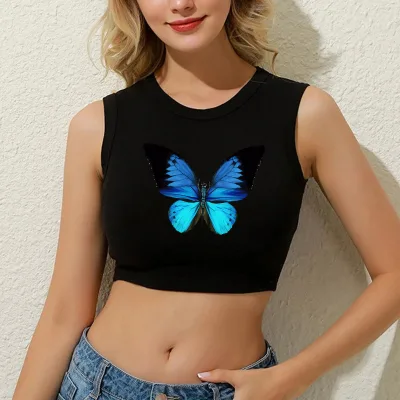
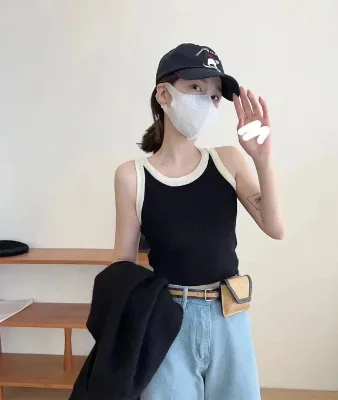
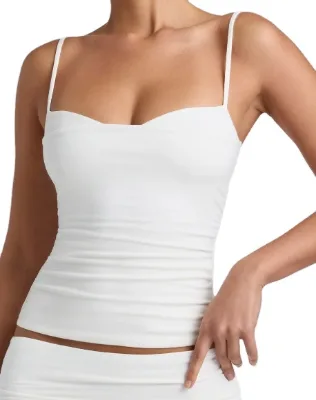

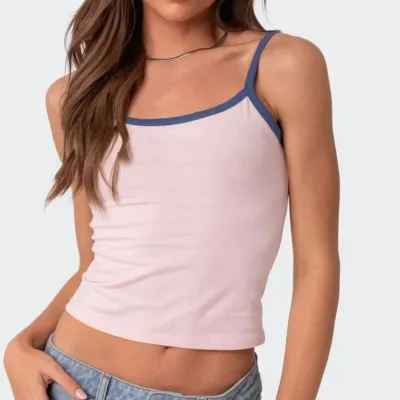
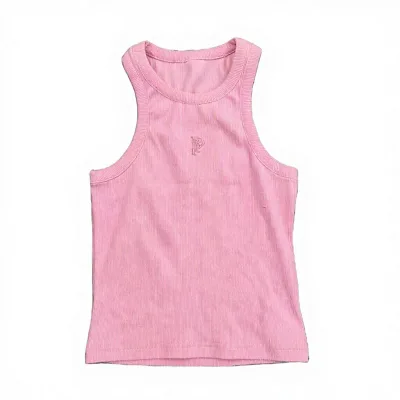
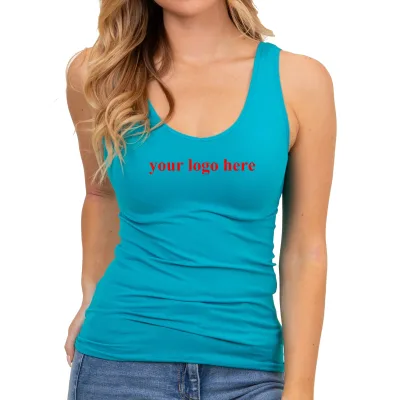

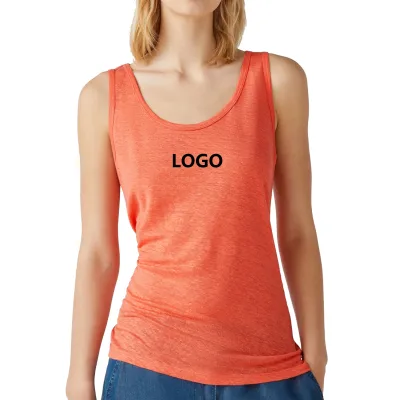
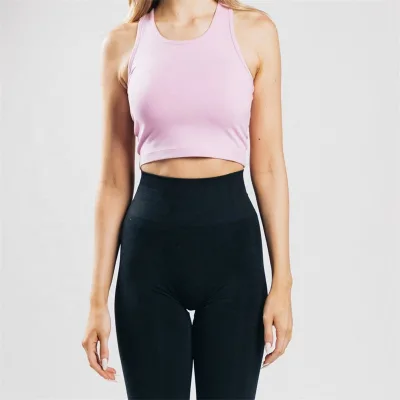


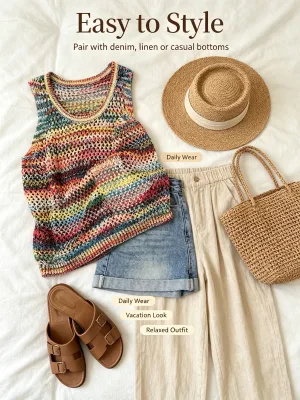
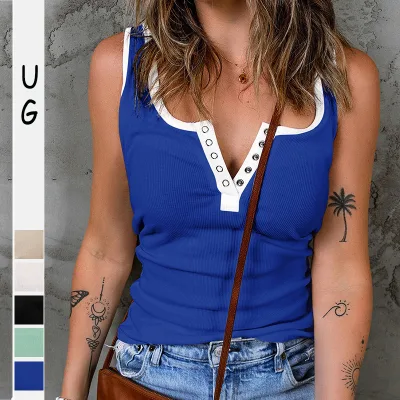
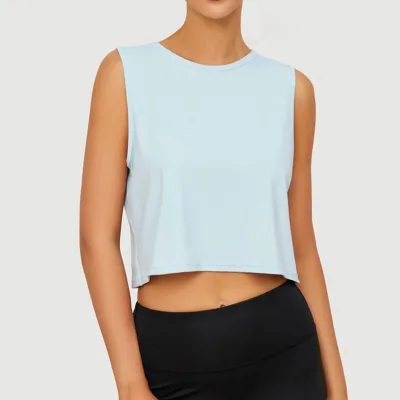
Custom Summer Colorful Button Knitted Sweater Vest Patchwork tank Crop Top
$4.2456 - $4.66
MOQ: 2 pieces



Comprehensive Sourcing Guide
3D Printed Knitted Tank Top Sourcing Guide
Sourcing 3D printed knitted tank tops requires a nuanced understanding of modern textile manufacturing, blending traditional knit structures with advanced digital printing techniques. Buyers must recognize that while the core product is a tank top, the "3D printed" descriptor often refers to complex, textured, or multi-layered visual effects achieved through specialized printing on knitted substrates rather than literal three-dimensional object fabrication. This distinction is critical when evaluating supplier capabilities, as it demands expertise in both fabric handling and high-resolution digital application. The market offers a variety of styles, including gym fitness tank tops and custom women’s tops, which often feature breathable, quick-dry, and moisture-wicking properties. These functional attributes are essential for active wear, ensuring comfort during high-intensity activities such as cycling, yoga, or gym workouts. Procurement teams should prioritize suppliers who can demonstrate consistent quality in both the knit structure and the print durability, as these elements directly impact the final product’s performance and aesthetic appeal.
The procurement landscape for these items is characterized by significant customization options, allowing brands to tailor designs to specific market needs. Suppliers frequently offer OEM and ODM services, enabling the creation of custom logos, labels, and tags, which are vital for brand identity. The observed product range includes various models, such as FY-0399 and P20201209, indicating a diverse inventory of base styles available for customization. Buyers should note that materials often include polyester/spandex blends or cotton, each offering different benefits in terms of stretch, breathability, and eco-friendliness. The availability of custom colors and designs further expands the potential for unique product lines. However, this flexibility comes with the need for rigorous specification management. Buyers must clearly define their requirements for fabric weight, seam type, and print area to avoid misunderstandings. Understanding these variables is the first step in building a successful supply chain for 3D printed knitted apparel.
Product Scope and Observed Listing Signals
The current market listings for 3D printed knitted tank tops reveal a broad spectrum of product types, ranging from basic gym fitness tanks to more specialized athletic wear. Observed product names highlight features such as "Custom Top Quality Breathable Women Custom Printed" and "Custom Women Dri-Fit Elastic Nylon Tank Tops," indicating a strong focus on performance and personalization. These listings often emphasize key attributes like anti-pilling, anti-shrink, and eco-friendly materials, which are increasingly important to modern consumers. The seasonality of these products is noted as suitable for spring, summer, autumn, and winter, suggesting versatility in fabric weight and construction. Buyers should pay close attention to the specific product models listed, such as S20122204 and V20122205, as these may correspond to different base fabrics or printing techniques. The presence of multiple models suggests that suppliers have a standardized catalog of base items that can be rapidly customized, reducing lead times for new designs.
Listing signals also indicate a high degree of logistical flexibility, with options for shipping by express, air, or sea. This variety allows buyers to choose the most cost-effective or time-sensitive delivery method based on their inventory needs. The packaging details, such as polybags and cartons, are standardized, with some listings specifying 1PC/Polybag and 60-80 PCS in a Carton. This standardization simplifies the receiving process for buyers. Additionally, the availability of free samples, which are acceptable and negotiable, provides a crucial opportunity for quality verification before committing to large orders. Buyers should leverage this by requesting samples of different models to assess print quality, fabric feel, and overall construction. The observed price range of 1.2-15 USD suggests a wide variance in quality and complexity, with higher prices likely corresponding to more intricate 3D printing effects or premium materials. Understanding these signals helps buyers set realistic expectations and budget accordingly.
Technical Specifications to Verify
Verifying technical specifications is paramount when sourcing 3D printed knitted tank tops, as the interplay between fabric and print can significantly affect durability and appearance. Buyers must confirm the material composition, as listings mention polyester/spandex blends and cotton. The choice of material impacts breathability, elasticity, and how well the fabric accepts 3D prints. For instance, synthetic blends often offer better moisture-wicking and quick-dry properties, making them ideal for fitness applications. The GSM (grams per square meter) is another critical specification, with some listings noting 180gsm, which indicates a medium-weight fabric suitable for year-round wear. Buyers should also verify the seam construction, with flatlock seams being a common feature that reduces chafing and enhances comfort during physical activity. The size range, from XS to XXXL and custom options, must be aligned with the target demographic’s sizing standards.
The printing technique itself requires careful scrutiny. While "3D printed" is a marketing term, buyers should inquire about the specific technology used, such as direct-to-garment (DTG) or sublimation, and how it achieves the textured or layered effect. The durability of the print against washing and wear is a key concern, so asking for test results or guarantees on print longevity is essential. Additionally, the color fastness of the inks should be verified, especially for vibrant or multi-colored designs. The product standards, such as SGS certification, provide a baseline for quality and safety, but buyers should confirm if these standards apply specifically to the printing process and not just the fabric. Understanding these technical details ensures that the final product meets both aesthetic and functional requirements, reducing the risk of post-production issues.
Compliance and Safety Documentation
Compliance and safety documentation are non-negotiable aspects of sourcing apparel, particularly when dealing with printed textiles that involve chemical inks and dyes. Buyers must ensure that suppliers provide relevant certifications, such as SGS, which indicates adherence to international quality and safety standards. These certifications often cover aspects like the absence of harmful substances, such as azo dyes or heavy metals, which is crucial for consumer safety. For eco-friendly products, additional certifications like OEKO-TEX or GRS may be relevant, although these are not explicitly mentioned in the provided facts. Buyers should request copies of these certificates and verify their validity with the issuing bodies. The origin of the products, often listed as Nanchang, Jiangxi Province or generally China, may also influence compliance requirements, especially if exporting to markets with strict environmental or labor regulations.
In addition to product safety, buyers should consider the broader regulatory landscape, including labeling requirements and care instructions. Accurate labeling is essential for consumer trust and legal compliance, so verifying that the custom labels provided by suppliers meet destination market standards is important. The use of custom tags and labels allows for brand-specific information, but it must also include mandatory details like fiber content, country of origin, and care instructions. Buyers should also inquire about the supplier’s environmental policies, such as waste management and energy usage, as these can impact the overall sustainability profile of the product. By prioritizing compliance and safety, buyers not only protect their brand reputation but also ensure that their products can be sold in diverse global markets without legal hurdles.
Cost Drivers and Commercial Terms
Understanding the cost drivers and commercial terms is essential for effective budgeting and negotiation in the sourcing of 3D printed knitted tank tops. The observed MOQ range of 2-600 pieces indicates flexibility, but higher customization levels, such as unique 3D prints or custom colors, may increase the MOQ and unit cost. The price range of 1.2-15 USD reflects this variability, with lower prices likely corresponding to simpler designs and higher volumes. Buyers should analyze the cost breakdown, including material, labor, printing, and overhead, to identify areas for potential savings. The payment terms, typically 40% deposit and 60% balance before shipping, are standard but should be negotiated based on order size and relationship history. Sample times of 10-15 days also impact the overall timeline and cost, as expedited services may incur additional fees.
Shipping costs are another significant factor, with options for express, air, or sea freight. The choice of shipping method depends on the urgency of the order and the total volume. For large orders, sea freight is more cost-effective, while express shipping is suitable for samples or urgent replenishments. Buyers should also consider the packaging costs, as custom bags and cartons add to the overall expense. The availability of free samples is a valuable cost-saving feature, but buyers should clarify if shipping costs for samples are covered. By carefully managing these commercial terms, buyers can optimize their total cost of ownership. It is also important to factor in potential tariffs and duties, which can vary based on the country of origin and the specific product classification.
Supplier Qualification and Quality Control
Supplier qualification is a critical step in ensuring the reliability and consistency of 3D printed knitted tank tops. Buyers should assess suppliers based on their production capacity, technological capabilities, and quality control processes. The acceptance of OEM and ODM services indicates a level of flexibility and expertise, but buyers should verify the supplier’s track record in delivering similar products. Requesting references or case studies can provide insights into the supplier’s performance and reliability. Quality control should be integrated into the production process, with regular inspections at various stages, from fabric sourcing to final packaging. Buyers should inquire about the supplier’s defect rate and their procedures for handling non-conforming products.
The customization options, including custom logos, labels, and tags, require precise execution to maintain brand integrity. Buyers should establish clear quality standards for these elements, including color matching, placement, and durability. Pre-production samples are essential for verifying these details before mass production begins. Additionally, buyers should consider conducting third-party inspections for large orders to ensure compliance with agreed-upon specifications. The supplier’s location, such as Nanchang, Jiangxi Province, may also impact communication and logistics, so establishing a strong relationship with the supplier’s team is important. By prioritizing supplier qualification and rigorous quality control, buyers can minimize risks and ensure a smooth procurement process.
Long-Term Procurement Checks
Long-term procurement checks are necessary to maintain the quality and competitiveness of 3D printed knitted tank tops over time. Buyers should regularly review supplier performance metrics, such as on-time delivery, defect rates, and responsiveness to issues. Continuous improvement initiatives, such as feedback loops and joint problem-solving sessions, can help address any emerging challenges. The market for customized apparel is dynamic, so buyers should stay informed about trends in design, materials, and printing technologies. This awareness can help in identifying opportunities for innovation and differentiation. Additionally, buyers should monitor changes in regulatory requirements and sustainability standards, ensuring that their supply chain remains compliant and responsible.
Building a resilient supply chain involves diversifying suppliers and maintaining open communication channels. Regular audits and site visits can provide valuable insights into the supplier’s operations and help identify potential risks. Buyers should also consider the long-term cost implications of their sourcing decisions, including the impact of currency fluctuations and raw material price changes. By fostering strong relationships with suppliers and staying proactive in quality management, buyers can ensure a steady supply of high-quality 3D printed knitted tank tops. This approach not only supports current business needs but also positions the brand for future growth and success in the competitive apparel market.
FAQs
Can I customize the logo and label on the tank tops?
Yes, customization is available for logos, labels, and tags. The supplier welcomes OEM and ODM requests, allowing you to design custom colors and prints. This service supports unique branding needs for your specific product line or corporate identity requirements.
What is the minimum order quantity for these tank tops?
The minimum order quantity varies by design, typically ranging from 100 to 200 pieces per design. Some listings specify 200 PCS per design, while others accept 100 PCS. You should confirm the exact MOQ with the supplier based on your specific customization needs.
What materials are used for the breathable tank tops?
The tank tops are made from polyester/spandex blends or cotton, depending on the specific model. These materials offer features like quick-drying, moisture-wicking, and breathability. The fabric ensures comfort during various sports activities, including gym fitness, yoga, and cycling.
How long does it take to produce a sample?
The sample time is typically 10-15 days. Free samples are acceptable and negotiable. This timeline allows for the creation of custom designs, logos, and labels before proceeding to bulk production, ensuring the final product meets your quality and design expectations.
What payment terms are required for bulk orders?
The standard payment term is a 40% deposit and a 60% balance before shipping. This structure secures the production order while ensuring the supplier is compensated before dispatch. You can arrange shipping by express, air, or sea after the balance is settled.
Which certifications do the tank tops meet?
The products meet SGS standards, ensuring quality and safety compliance. This certification provides assurance regarding the material integrity and manufacturing processes. It is a key factor for buyers requiring verified product standards for international trade and specific market entry requirements.