Source 5-htp melatonin gummies for Sleep, Memory, and Mood
Source 5-htp melatonin gummies from 30 verified suppliers offering OEM and private label services. Compare customization options, dosage forms, and packaging specs to find the right fit for your brand.
Key considerations
Products List


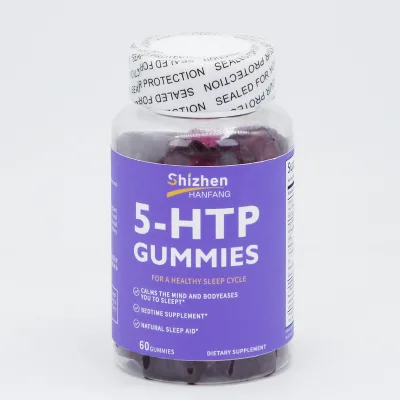
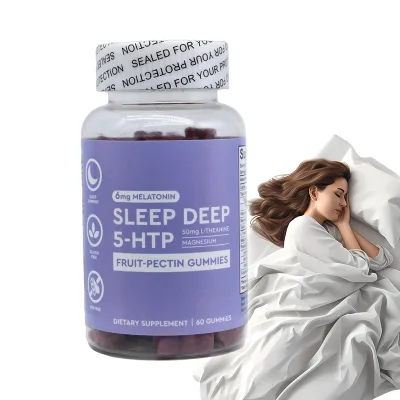
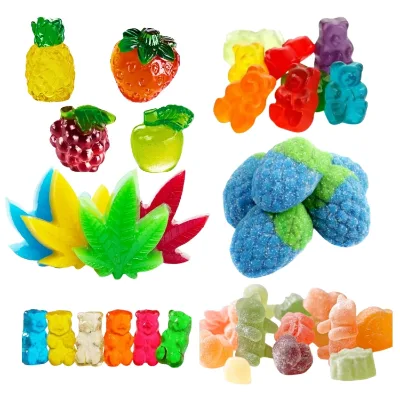
Wholesale OEM melatonin gummies-5mg melatonin 5 mg gummy melatonine gummies
$45.00 - $75.00
MOQ: 1 kilograms





Comprehensive Sourcing Guide
5-htp Melatonin Gummies Sourcing Guide
Product Scope and Observed Listing Signals
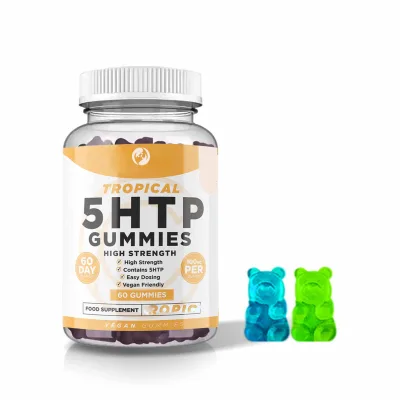
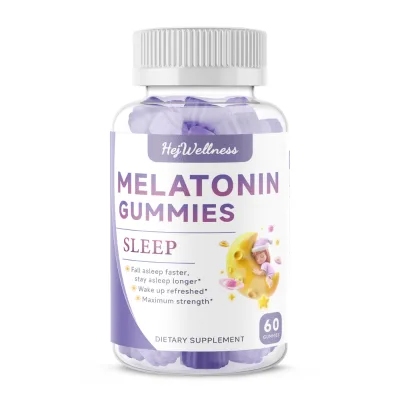
The market for 5-HTP and melatonin gummies is characterized by a high degree of customization, with suppliers offering OEM, ODM, and private label services to meet diverse brand requirements. Buyers will observe that the dosage form is consistently identified as gummy candy, allowing for flexible flavor profiles such as fruity options or fully customized tastes to align with target demographic preferences. The product is primarily marketed toward adults, including men, women, teenagers, and the middle-aged and elderly, while explicitly excluding newborns and pregnant women from the applicable user base. This segmentation ensures that marketing claims and safety warnings are appropriately targeted to the intended consumer groups.
Supply chain observations indicate that manufacturers are located in key production hubs within China, specifically in Henan and Shaanxi provinces, with some listings noting artificial planting methods for botanical ingredients. The physical product attributes vary across listings, with single gross weights ranging from 0.100 kg to 1.500 kg and package sizes differing between 10x5x5 cm and 18x9.5x12 cm configurations. These variations suggest that buyers must carefully verify the specific packaging and weight specifications for their orders, as the "single item" selling unit may refer to a bottle or a case depending on the supplier's definition. The presence of stock items and free sample availability provides an opportunity for buyers to evaluate product quality before committing to larger volumes.
Technical Specifications to Verify
When evaluating technical specifications, buyers must confirm the exact dosage form and active ingredient composition, as listings frequently highlight 5-Hydroxytryptophan (5-HTP) extract and melatonin as the main functional components. The intended functions are generally categorized around improving memory or sleep, with some products specifically branded for sleep support. It is critical to verify the dose recommendations, which may range from 1-2 gummies per day, and to ensure that the model numbers or product names, such as "sleep gummies" or "Melatonin," accurately reflect the formulation being purchased. Misalignment between the ordered model number and the actual ingredient profile can lead to compliance issues or customer dissatisfaction.
Packaging and storage requirements are equally important technical considerations that require explicit verification. Products are typically stored in cool, dry places to maintain stability, with shelf lives ranging from 18 months to 24 months depending on the specific formulation and preservative systems used. Buyers should confirm the packaging type, which is often bottle packing, and verify the single package size and gross weight to calculate accurate freight costs. Additionally, the cultivation method for any botanical ingredients, such as artificial planting, should be documented to ensure consistency in raw material quality. The availability of customization for effectiveness and flavor allows for tailored formulations, but these customizations must be clearly defined in the technical specification sheet to avoid production errors.
Compliance and Safety Documentation
Compliance and safety documentation form the backbone of a reliable procurement strategy for dietary supplements. Buyers should request and verify certificates such as ISO9001, Halal, HACCP, and COA (Certificate of Analysis) to ensure that the manufacturing facility adheres to recognized quality management and food safety standards. The availability of a COA is a critical indicator of product transparency, allowing buyers to verify that the final product matches the declared ingredient profile and potency. Without these certifications, the risk of receiving non-compliant or substandard products increases significantly, potentially leading to regulatory hurdles in the destination market.
Safety warnings and applicable user demographics must be clearly documented in the product labeling and technical data sheets. Since the products are not applicable to newborns and pregnant women, the labeling must include appropriate contraindications to prevent adverse health outcomes. Buyers should also verify the grade of the ingredients, which are often classified as "Supplements Grade," to ensure they meet the purity and safety standards required for human consumption. The presence of specific keywords like "melatonin gummies" in product descriptions should be cross-referenced with the actual ingredient list to ensure accurate marketing and regulatory compliance.
Cost Drivers and Commercial Terms
Cost drivers in the 5-HTP and melatonin gummies market are influenced by customization levels, packaging complexity, and order volume. The observed MOQ (Minimum Order Quantity) ranges from 1 to 1000 units, with some suppliers specifying MOQs of 100 bottles, which can impact the initial investment required for new brands. Buyers should note that while some listings indicate a price range of $1.25 to $75, these figures likely represent different packaging configurations or bulk pricing tiers rather than a single unit price. Understanding the cost structure requires a detailed breakdown of raw material costs, manufacturing fees, and packaging expenses, which can vary significantly based on the chosen flavor, dosage, and bottle design.
Commercial terms such as sample availability and stock status play a crucial role in the procurement process. Many suppliers offer free samples, which can help buyers assess product quality and taste before placing a large order. The availability of stock items can reduce lead times, but buyers should confirm whether the stock is for standard products or if custom orders are required. Payment terms and shipping costs should be negotiated based on the order volume and packaging specifications, as the single gross weight and package dimensions directly affect freight charges. Buyers should also consider the potential for price fluctuations due to changes in raw material costs, particularly for 5-HTP extract and melatonin.
Supplier Qualification and Quality Control
Supplier qualification involves a thorough assessment of manufacturing capabilities, quality control processes, and customer service responsiveness. Buyers should prioritize suppliers that offer OEM, ODM, and private label services, as these providers typically have the infrastructure to support custom formulations and branding requirements. The brand names observed, such as "shizhenhanfang" and "Backvita," indicate that some suppliers operate with established brand identities, which can be leveraged for co-branding opportunities. It is essential to verify the supplier's ability to handle customization requests, including flavor and effectiveness adjustments, to ensure that the final product meets specific market demands.
Quality control measures should be integrated into the procurement process through regular audits and sample testing. Buyers should request detailed information about the supplier's quality management systems, including how they handle batch-to-batch consistency and ingredient verification. The availability of COAs for each batch is a key indicator of a supplier's commitment to quality control. Additionally, buyers should establish clear communication channels with customer service to address any issues related to product specifications, packaging, or delivery. Regular follow-ups and feedback loops can help maintain high standards and ensure that the supplier continues to meet the buyer's expectations over time.
Long-Term Procurement Checks
Long-term procurement success depends on continuous monitoring of product performance, supplier reliability, and market trends. Buyers should establish a system for tracking customer feedback and sales data to identify any issues related to product efficacy, taste, or packaging. This feedback can be used to refine future orders, such as adjusting flavors or dosages to better meet consumer preferences. Regular reviews of supplier performance, including delivery times, product quality, and responsiveness, are essential for maintaining a strong supply chain relationship. Buyers should also stay informed about regulatory changes in their target markets to ensure ongoing compliance.
Strategic planning for future orders should include evaluating the potential for expanding product lines or entering new markets. The customization options available, such as different flavors and effectiveness profiles, provide opportunities to diversify the product portfolio. Buyers should also consider the scalability of their supply chain, ensuring that suppliers can handle increased order volumes as demand grows. Regular communication with suppliers about upcoming trends and new ingredient technologies can help buyers stay ahead of the competition. By maintaining a proactive approach to procurement, buyers can build a resilient and adaptable supply chain that supports long-term business growth.
FAQs
Can I customize the flavor and function of these gummies?
Yes, customization is available for both flavor and function. You can request specific flavors like fruity or ask customer service to adjust the effectiveness to improve memory or sleep based on your needs.
What is the minimum order quantity for these supplements?
The minimum order quantity is 100 bottles for this product. However, general sourcing options may range from 1 to 1000 units depending on the specific supplier and their individual policies for bulk orders.
Which certifications do the manufacturers hold for production?
Manufacturers hold ISO9001, Halal, HACCP, and COA certifications. These documents confirm that the production process meets international quality and safety standards for dietary supplements and gummy candies.
How should I store the 5-HTP melatonin gummies?
Store the gummies in a cool and dry place to maintain their quality. The product has a shelf life of 24 months when kept under these recommended storage conditions to ensure effectiveness.
Who are the applicable people for this melatonin gummy product?
This product is suitable for adults, men, women, teenagers, and middle-aged to elderly people. It is not applicable for newborns or pregnant women due to safety considerations regarding the dosage and ingredients.
What is the main ingredient used in these sleep gummies?
The main ingredient is 5 Hydroxytryptophan Extract. This component is designed to support sleep improvement and is formulated into a gummy candy dosage form for convenient daily consumption.