Source 6s 70c RC Lithium Battery for Drone, RC Car, and Helicopter
Compare 30 available 6s 70c RC Lithium Battery options from verified suppliers. Review detailed specifications including voltage, capacity, discharge rates, and cycle life to select the best power source for drones, RC cars, and helicopters. Evaluate different models to ensure optimal performance for your specific remote control vehicle needs.
Updated
Key considerations
Products List


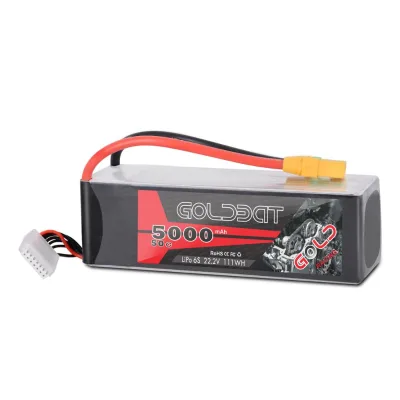

Rechargeable 6s Lithium Battery Pack for High Performance RC Vehicles
$172.00 - $191.00
MOQ: 10 Pieces

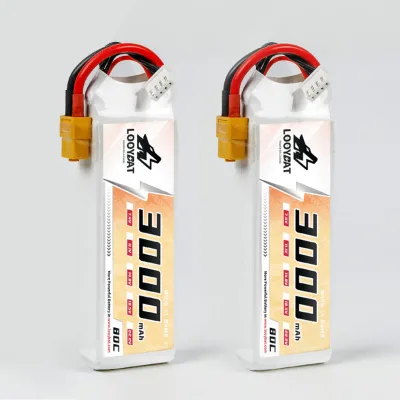
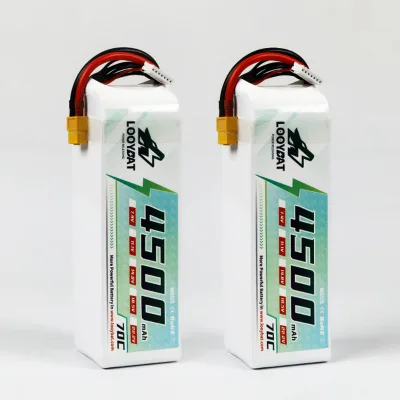
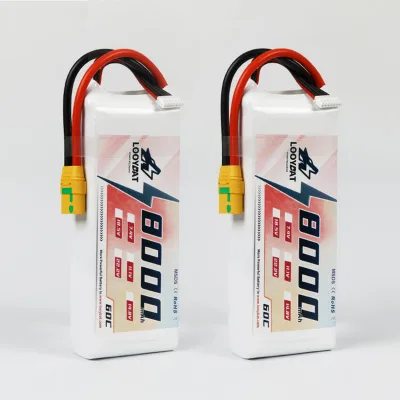
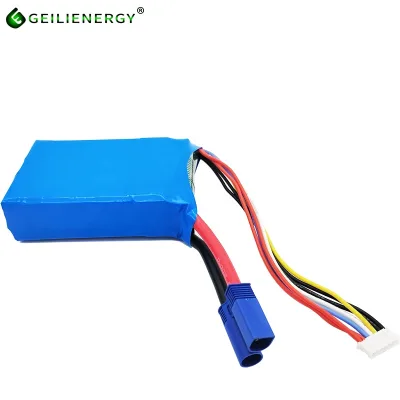
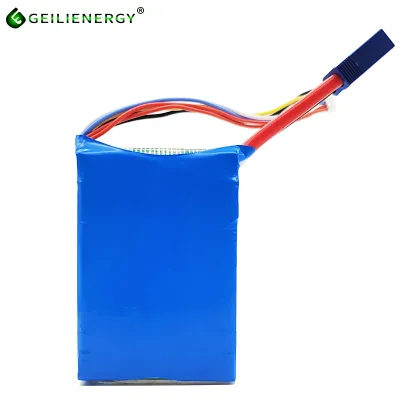


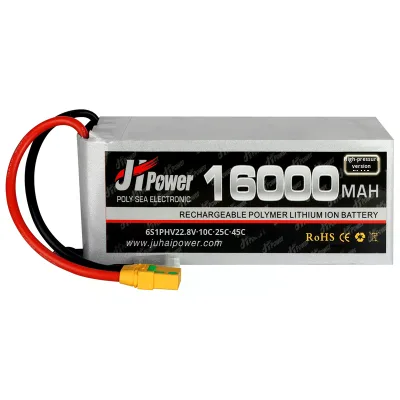
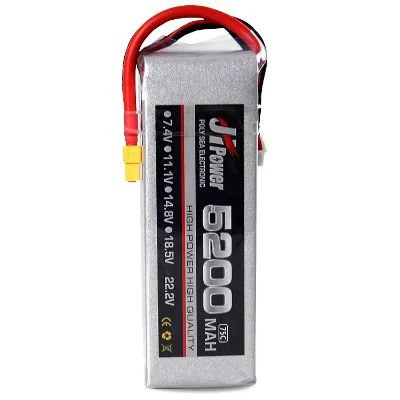
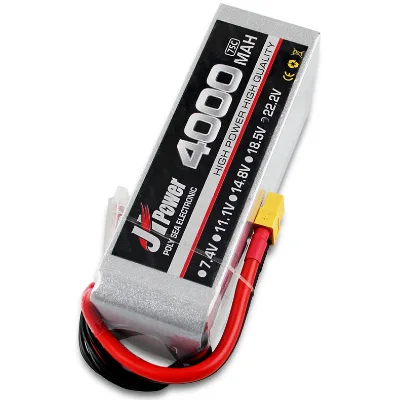
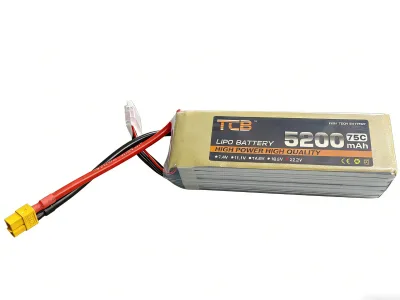
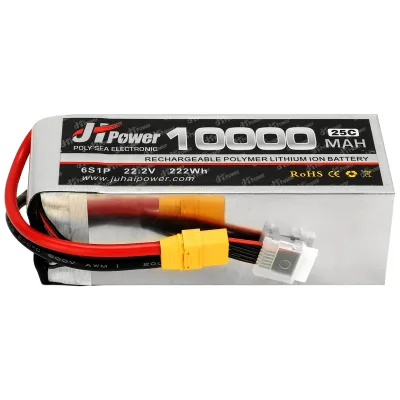

Comprehensive Sourcing Guide
6s 70c RC Lithium Battery Sourcing Guide
Procuring high-discharge lithium batteries for remote-controlled applications requires careful alignment of electrical specifications with mechanical constraints. Buyers must prioritize cells capable of sustaining high continuous discharge rates, such as the 50C rates observed in available inventory, to ensure optimal performance in dynamic RC environments. The market offers various configurations, including 6S setups with nominal voltages around 22.2V, which are standard for powering demanding UAVs, helicopters, and FPV drones. Understanding the distinction between polymer and cylindrical cell types is essential, as each offers different trade-offs in energy density, physical form factor, and thermal management capabilities.
Commercial availability varies significantly in terms of capacity and physical dimensions, ranging from compact 5000mAh units to larger 16000mAh packs. Sourcing decisions should be guided by the specific power requirements of the target vehicle, ensuring that the selected battery does not exceed the weight or spatial limits of the chassis. Observations indicate that manufacturers in regions like Taizhou and Guangdong provide diverse options, but buyers must verify that the listed model numbers, such as SY-6S-22.2V-16Ah or Cw 16000mAh 6s1p, accurately reflect the intended capacity and cell configuration for their specific project needs.
Product Scope and Observed Listing Signals
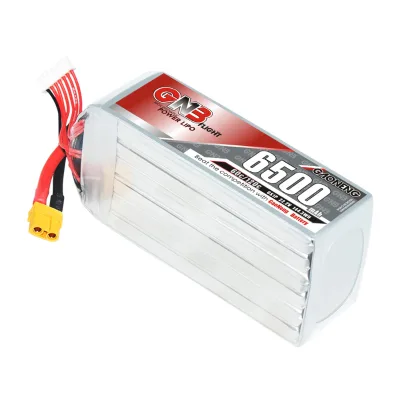
The current market landscape for 6S lithium batteries includes a wide array of product types, primarily focusing on lithium polymer and pure lithium cobalt oxide chemistries. Listings frequently highlight nominal capacities such as 5000mAh, 6500mAh, and 16000mAh, paired with nominal voltages of 22.2V. These products are often marketed for specific applications including drone FPV systems, RC cars, boats, and helicopters. Buyers should note that while some listings claim high discharge rates like 50C, others may specify lower rates, necessitating a direct verification of the discharge capability against the motor and ESC requirements of the RC model.
Physical attributes vary considerably across suppliers, with battery sizes ranging from small form factors like 1384945mm to larger dimensions such as 195mm in length. Weight is another critical differentiator, with observed values spanning from 558g for smaller packs to 1850g for higher capacity units. The cell configuration is typically 6S1P or similar, but some listings mention up to 8 cells in a pack, which may indicate different internal arrangements or parallel branches. Buyers must carefully cross-reference the stated dimensions and weight with their vehicle’s payload capacity to avoid compromising flight time or vehicle handling characteristics.
Technical Specifications to Verify
Voltage and capacity are the primary technical parameters that define the energy storage and delivery profile of the battery. Buyers should verify the nominal voltage, which is commonly 22.2V for 6S configurations, and the charging voltage, often listed as 25.2V. Capacity ratings such as 5000mAh or 16000mAh directly impact runtime, but the actual usable energy depends on the discharge rate and efficiency. It is crucial to confirm the charging current, which may be specified as 3.25A for certain models, to ensure compatibility with existing chargers and to prevent overcharging or excessive heat generation during the charging cycle.
Discharge characteristics and cycle life are vital for long-term reliability in high-stress RC applications. While some products advertise discharge rates of 50C, others may have lower continuous discharge capabilities, which must be matched to the peak power demands of the RC vehicle. Cycle life estimates vary, with observed ranges including 300, 500, and 800 cycles, indicating differences in cell quality and management systems. Operating temperature ranges also differ, with some batteries rated for -40-70℃ and others for 0-60℃, so buyers must select units suitable for their local climate and operational conditions to maintain performance and safety.
Compliance and Safety Documentation
Safety certifications are non-negotiable for lithium batteries, particularly those used in mobile and aerial applications. Buyers should insist on documentation proving compliance with international standards such as CE, RoHS, UN38.3, and MSDS. These certifications indicate that the battery has undergone rigorous testing for transport safety, chemical composition, and environmental impact. The presence of these documents is a strong indicator of a manufacturer’s commitment to quality and regulatory adherence, reducing the risk of shipping delays or legal issues associated with non-compliant products.
Recyclability and proper disposal protocols are also important considerations for sustainable procurement. Many listed products are marked as recyclable, reflecting an awareness of environmental responsibilities. Buyers should verify that the supplier provides clear instructions for end-of-life disposal and recycling. Additionally, warranty terms, often listed as one year, provide a layer of protection against premature failure. Understanding the scope of the warranty, including what constitutes valid claims versus misuse, is essential for managing long-term costs and ensuring that defective units are replaced promptly without additional expense.
Cost Drivers and Commercial Terms
Pricing for 6S lithium batteries is influenced by capacity, cell chemistry, and discharge capabilities. Observed price ranges in the market span from $1 to $191, reflecting the diversity of products from basic 5000mAh packs to high-capacity 16000mAh units. Buyers should analyze the cost per watt-hour to compare value across different models. Higher discharge rates and longer cycle lives typically command premium prices, but these investments can reduce long-term replacement costs. It is important to request detailed quotes that break down costs by component, such as cells, protection circuits, and packaging, to identify potential areas for negotiation or cost optimization.
Minimum order quantities (MOQ) and lead times are critical factors for inventory management and cash flow. MOQs can range from single items to 500 units, allowing flexibility for both small-scale hobbyists and large-scale commercial buyers. Lead times may vary based on production schedules and shipping logistics, so buyers should confirm estimated delivery dates before placing orders. Customization options are available for many suppliers, enabling buyers to tailor battery dimensions, connectors, or branding to their specific needs. However, customized orders may incur additional costs and longer lead times, so these trade-offs should be carefully evaluated against project requirements.
Supplier Qualification and Quality Control
Evaluating supplier reliability is essential for securing consistent quality and timely delivery. Buyers should prioritize manufacturers with verifiable origins in established industrial hubs like Taizhou, Jiangsu, or Guangdong, China, where supply chain infrastructure is robust. Requesting samples before bulk ordering allows for physical inspection of build quality, connector integrity, and labeling accuracy. Suppliers who provide detailed product specifications, including model numbers and standard dimensions, demonstrate a higher level of professionalism and transparency, which correlates with better overall product consistency.
Quality control processes should include routine testing of capacity, internal resistance, and safety features. Buyers should inquire about the supplier’s testing protocols and whether they conduct batch testing or only sample testing. Certifications like CE and UN38.3 should be backed by valid test reports from accredited laboratories. Additionally, suppliers with clear return policies and responsive customer support are better equipped to handle any issues that may arise post-purchase. Building a relationship with a supplier who values quality and communication can lead to better pricing, priority support, and access to new product developments in the future.
Long-Term Procurement Checks
Regularly reviewing supplier performance and product consistency is key to maintaining a reliable supply chain. Buyers should track metrics such as defect rates, delivery punctuality, and responsiveness to inquiries to identify potential issues early. Periodic re-verification of certifications ensures that suppliers remain compliant with evolving regulatory standards. Maintaining open communication with suppliers about future needs and market trends can also facilitate better planning and potential cost savings through volume commitments or long-term agreements.
Staying informed about advancements in battery technology and materials can provide competitive advantages. New cell chemistries or improved management systems may offer better performance or safety profiles. Buyers should periodically reassess their technical requirements against the latest market offerings to ensure they are not missing out on superior products. Additionally, monitoring industry trends regarding sustainability and recycling can help align procurement strategies with corporate social responsibility goals. By maintaining a proactive approach to supplier management and technology evaluation, buyers can secure high-quality 6S lithium batteries that meet their operational needs effectively.
FAQs
What is the nominal voltage of a 6s rc lithium battery?
The nominal voltage is 22.2V. This configuration uses six cells in series to achieve the required potential for high-performance RC applications. It ensures consistent power delivery for drones and helicopters during flight operations.
Can a 6s 70c RC Lithium Battery be customized?
Yes, customization is available for these battery packs. Buyers can request specific dimensions or capacity adjustments to fit unique RC vehicle designs. This flexibility allows for optimized weight distribution and space utilization in custom builds.
Which certifications are required for shipping these batteries?
The batteries typically hold CE, RoHS, UN38.3, and MSDS certifications. These documents verify safety standards and compliance for international transport. They are essential for clearing customs and ensuring safe handling during global logistics operations.
How many cycles can a 6s lithium polymer battery endure?
Cycle life ranges from 300 to 800 cycles depending on the specific model. Higher quality packs often achieve 500 cycles or more. Proper charging habits extend longevity, ensuring reliable performance over many flight sessions for RC enthusiasts.
What is the operating temperature range for these batteries?
Operating temperatures generally span from 0 to 60 degrees Celsius. Some variants withstand wider ranges, including lower storage temperatures. Maintaining optimal thermal conditions prevents capacity loss and ensures safe discharge rates during intense RC activities.
What is the typical weight of a 6s 22.2V battery?
Weights vary by capacity, with some models around 558g and others near 1850g. Lighter packs suit small drones, while heavier ones provide longer flight times for larger UAVs. Selecting the right weight balances performance and agility.