Plant Protection Remote Control Drone Suppliers and Manufacturers
Compare 13 verified Plant Protection Remote Control Drone suppliers in China based on response times, lead times, and certifications. Review product specs like payload and flight duration, then request quotes to verify pricing and warranty terms; review the available evidence before requesting comparable quotations from suitable candidates.
Updated
Suppliers List

Qingdao Zhongfei Intelligent Technology Co., Ltd.
- Verified by SGS
- Combined
- China Shandong
- Lead time15 days
- Avg. response≤ 5h
Main productsDrone, Uav, Camera Drone, Agricultural Uav, Drone Sprayer, Crop Sprayer, Uav Sprayer, Pesticide Uav, Plant Drone, Crop Drone
Main marketsSouth America,East Asia(Japan/ South Korea),Domestic,Europe,North America


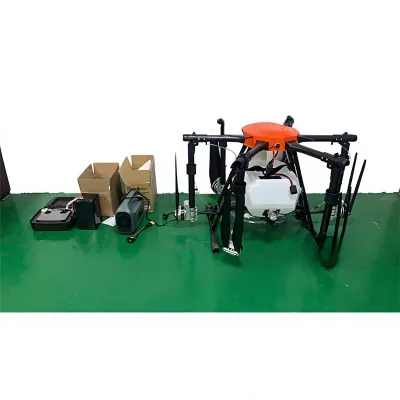
Crop Protection Spraying Drone Agricultural Sprayer Drone with Remote Control and Large Payload
$7500.00 - $8000.00
MOQ: 1 Pieces
Hong Kong Global Intelligence Technology Group Limited
- Verified by SGS Group
- Trading Company
- Lead time15 days
- Avg. response≤ 4h
Main productsDrones, Prosumer Drones, Beginner Drones, Racing Drones, Drone Sprayers
Main marketsNorth America(22%), South America(18%), Southeast Asia(15%)
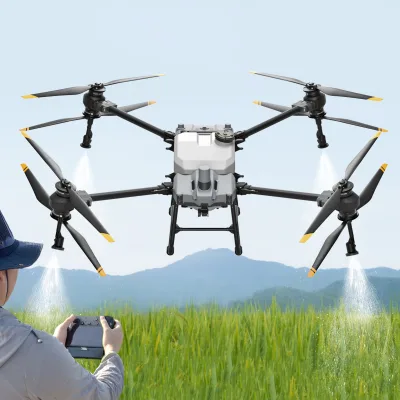
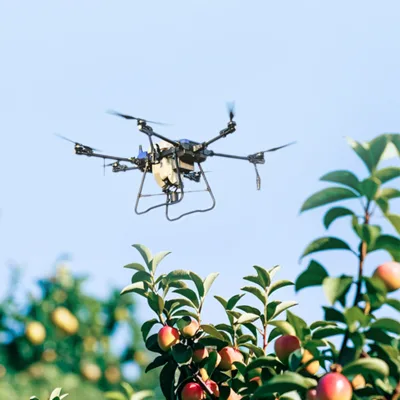
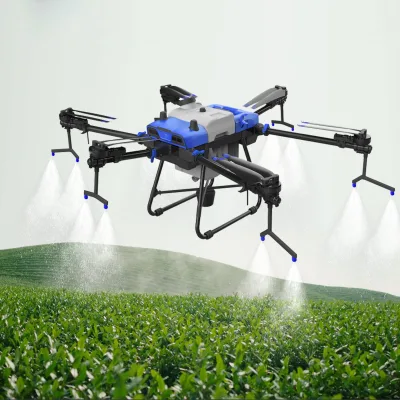
$5989.56 - $6985.16
MOQ: 1 pieces

Beijing TT Aviation Technology Co., Ltd.
- Verified by BV
- Combined
- China Beijing
- Lead time30 days
- Avg. response≤ 16h
Main productsAgricultural Drone, Crop Spray Drone, Mapping Drones, Training, Aopa Exam, Logistics Drones, Photography Drones, Security Drones, Drone Octocopter, RC Drone Octocopter
Main marketsSouth America,Africa,Others(foreignTradeCapacity.exportBusinessCapacityMarketOther),Southeast Asia/ Mideast,East Asia(Japan/ South Korea),Europe


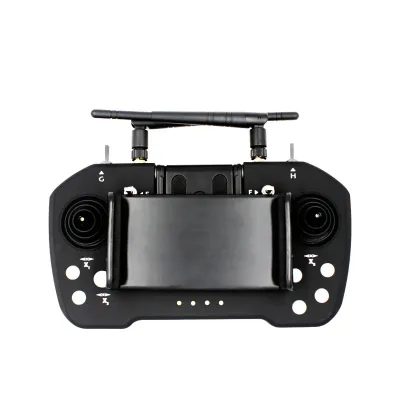
Tta High Quality Remote Control Automatic Flight Pest Control Autopilot GPS Drone
$9999.00
MOQ: 1 Pieces
Liaocheng Jingwei Laser Equipment Co., Ltd.
- Verified by TüVRheinland
- Manufacturer, Trading Company
- Lead time7 days
- Avg. response≤ 5h
Main productsFiber Laser Marking Machine, Laser Engraving Machine, Laser Welding Machine
Main marketsDomestic Market(40%), South America(30%), North America(5%)
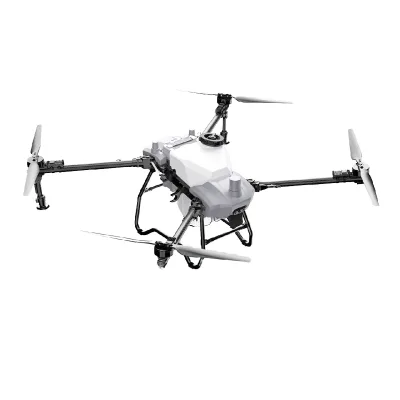
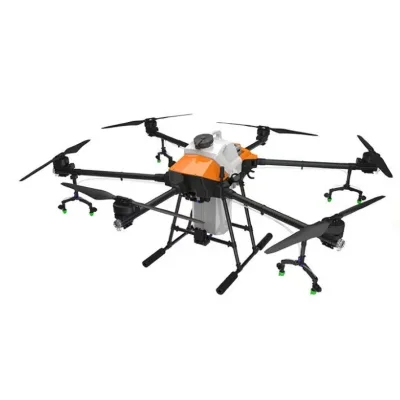
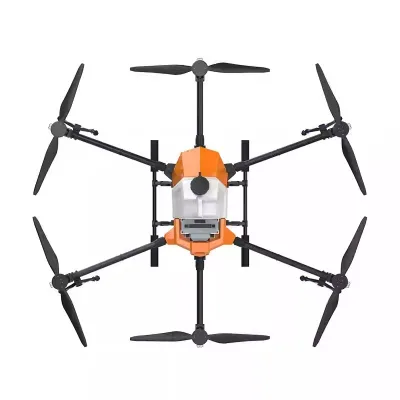
Agriculture Drone Sprayer Crop Protection UAV for Farm Agricultural Drone for Fumigation Drone
$2462.5476 - $14631.6385
MOQ: 1 Minimum

Shandong Honest Intelligent Technology Co., Ltd
- Verified by CTI
- Manufacturer/Factory
- China Shandong
- Lead time0 days
- Avg. response≤ 3h
Main productsDrone, Agricultural Drone, Cleaning & Painting Drone, Delivery Drone, Lifiting Drone
Linyi Yuequn International Trading Co., Ltd.
- Manufacturer, Trading Company
- Lead time旺季: "1 - 10":20,"> 10":"To be negotiated", 淡季: "1 - 10":20,"> 10":"To be negotiated"
- Avg. response≤ 3h
Main productsAgriculture Drone,Solar panel cleaning drone,solar panel cleaning robot,solar panel cleaning machine
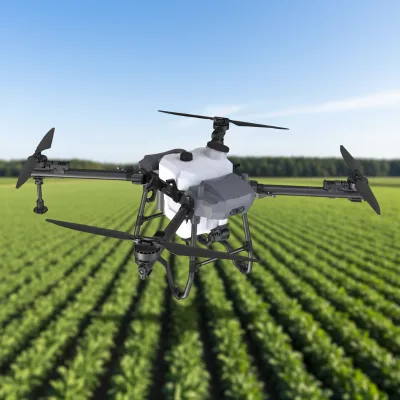
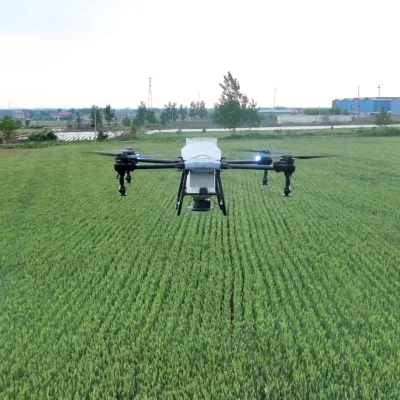
$3000.00 - $8000.00
MOQ: 1 sets
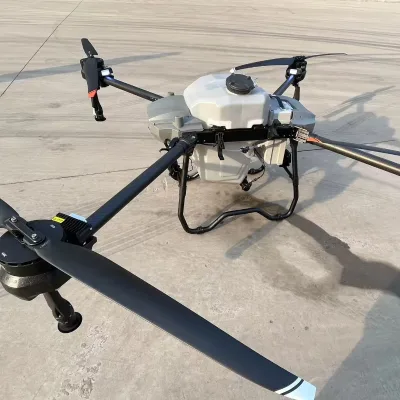
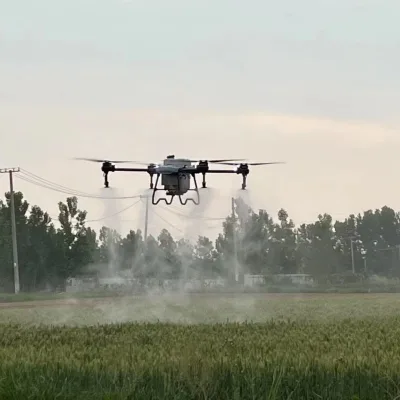
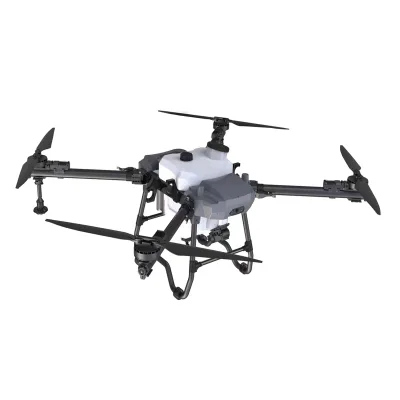
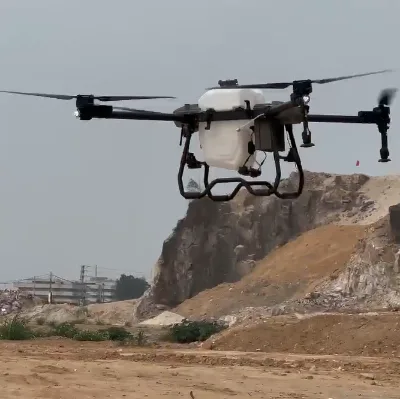
Multi-function Auxdrone Farm Drone Sprayer Training Drone Remote Control Camera Detect
$3500.00
MOQ: 1 Minimum
Shenzhen Jiuhang Electronic Technology Co., Ltd.
- Verified by Intertek
- Trading Company
- Lead time7 days
- Avg. response≤ 3h
Main productsBattery Charger, Electronic Speed Controller, Motor
Main marketsSouth Asia(40%), Eastern Asia(30%), North America(20%)
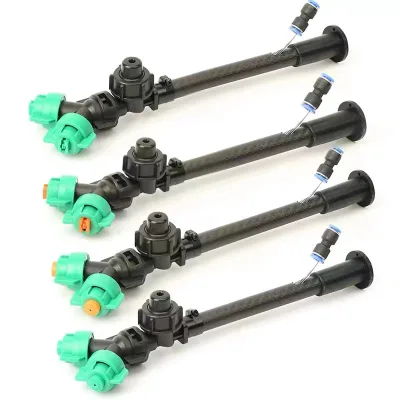
$8.2265 - $10.282
MOQ: 1 pieces
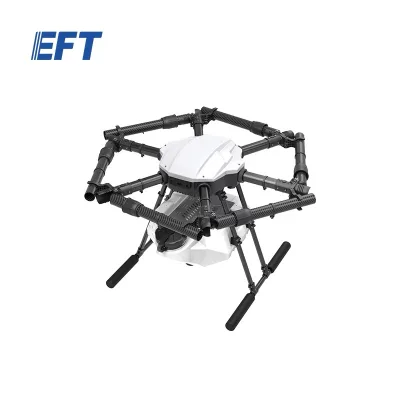
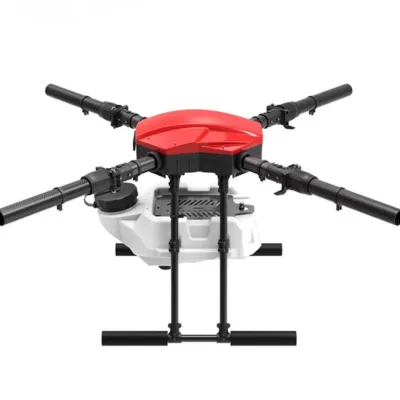
E620P 6-Axis Carbon Fiber Single Frame Easy Assembly Wingfit Unpowered Plant Protection Drone
$415.00 - $507.00
MOQ: 1 pieces
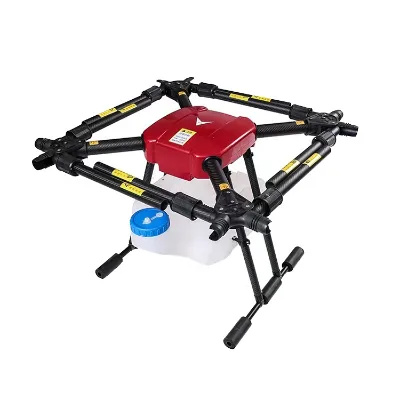
$379.00 - $419.00
MOQ: 1 pieces
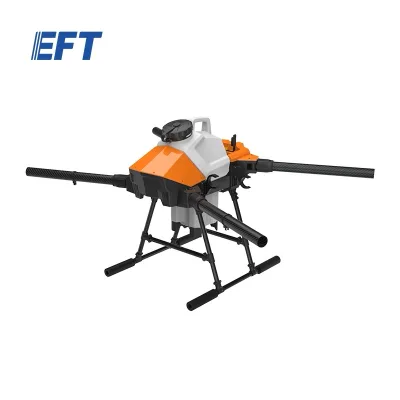
PNP's New Upgraded Plant protection Drone Ten Kilograms Load Quadcopter Frame EFTG410
$485.00 - $505.00
MOQ: 2 pieces
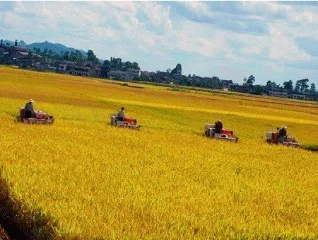
Jiangsu Lihua Agricultural Machinery Chain Co., Ltd.
- Manufacturer, Trading Company
- Jiangsu, China
- Lead time0 days
- Avg. response≤ 2h
Main productsTractor, Harvester, Excavator, Agricultural Drone, Rotary Tiller
Main marketsDomestic Market(70.00%), Africa(10.00%), Southeast Asia(8.00%), South Asia(3.00%), South America(2.00%), North America(2.00%), Eastern Asia(2.00%), Mid East(2.00%), Central America(1.00%)
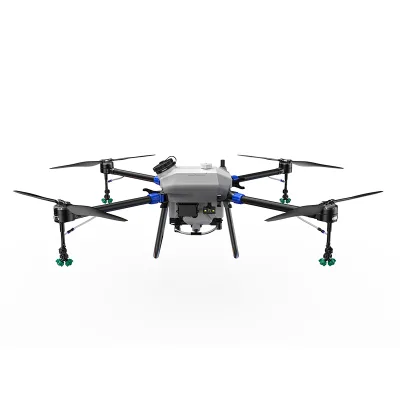
Factory Supply Remote Control Big Agricultural Spraying Drone New
$6000.00 - $6050.00
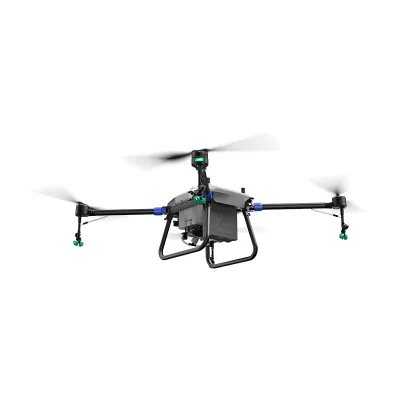
China Wholesale 15l 8 Nozzles Agriculture Sprayer Drones for Farm Crops Rice
$6000.00 - $6050.00
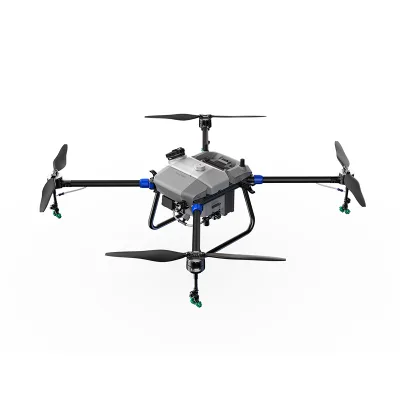
High Pressure Farm Large Agricultural Sprayer Drone for Cocoa Bean Spraying
$6000.00 - $6050.00
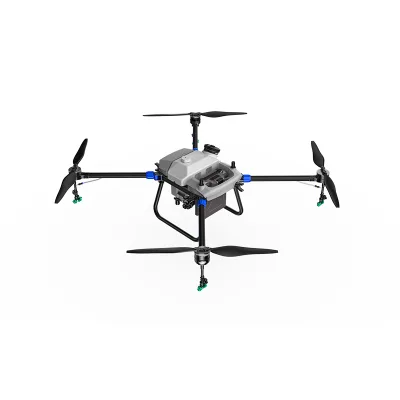
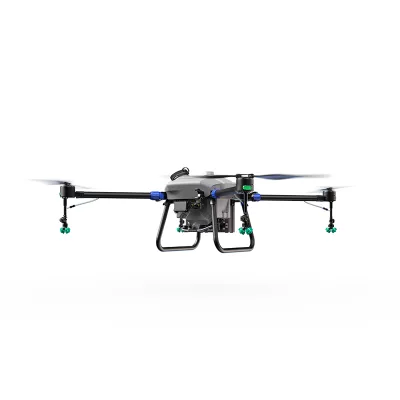
High Pressure Large Farm Drone Sprayer Agriculture Spraying for Sale
$6000.00 - $6050.00
Wuhu Levitate Technology Co., Ltd.
- Trading Company
- Anhui, China
- Lead time0 days
- Avg. response≤ 1h
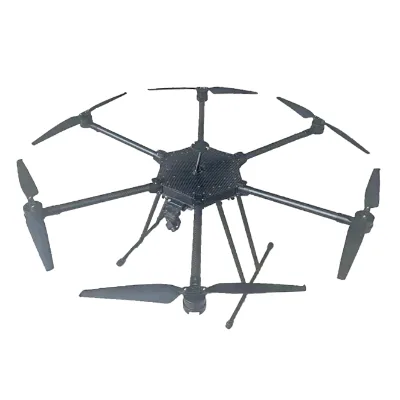
New Designs Widely Used Drone Agr Delivery Remote Control Agricultural Drone Kit
$4347.1905
MOQ: 1 Minimum
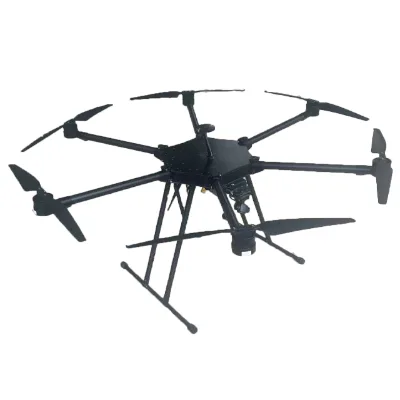
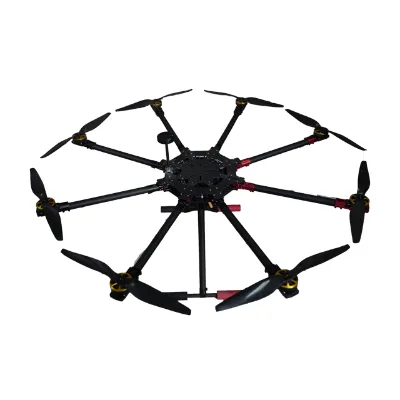
Durable Using Cheap Price Heavy Load Drone With Camera Agriculture Spraying Drone for Sale
$2771.2383
MOQ: 1 Minimum
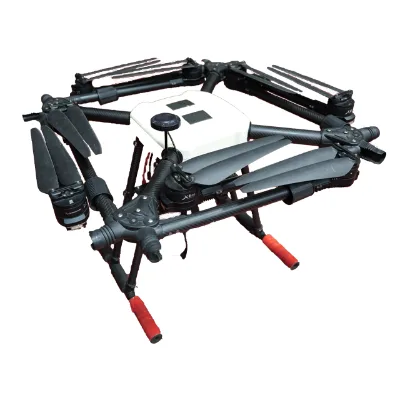
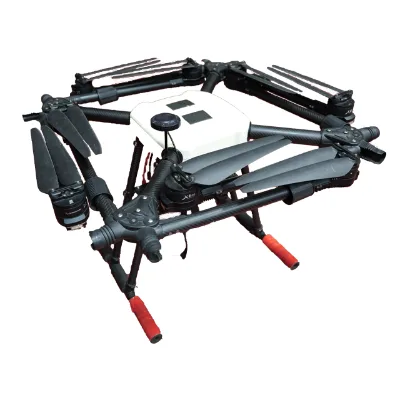
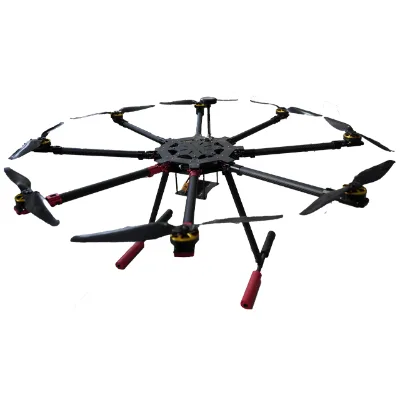
Factory Sale Various Widely Used Drone Remote Control Heavy Payload Agricultural Drone Kit
$2788.4797
MOQ: 1 Minimum
Shandong Joyance Intelligence Technology Co., Ltd.
- Verified by SGS Group
- Manufacturer, Trading Company
- Lead time7 days
- Avg. response≤ 1h
Main productsAgriculture Drone, Cleaning Drone, Seeding Drone, Lawn Mover, Pressure Washing Drone
Main marketsSouth America(40%), North America(20%), Mid East(12%)
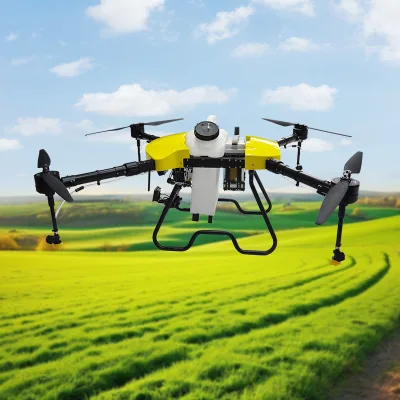
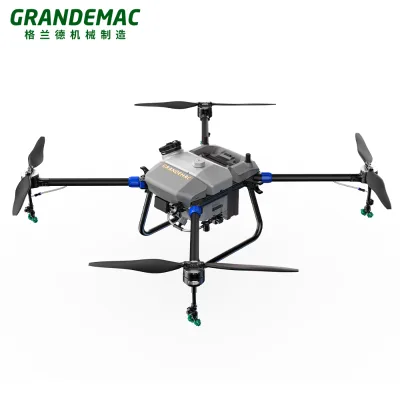
Joyance Antena Remote Drone Sprayer Best Drone for Agriculture Chemical Fumigant Agricultural Drone
$2566.9116 - $3080.2939
MOQ: 1 sets
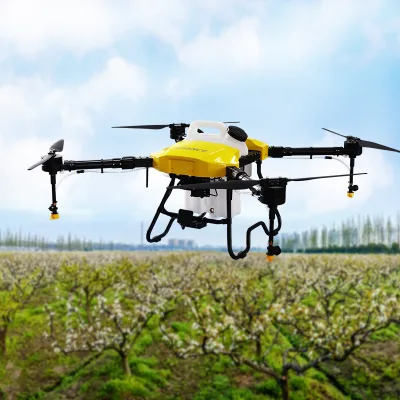
Hot Selling Agri Drone for Farm Plant Waterproof Uav RC Multirotor Agriculture Drone
$2500.00 - $3000.00
MOQ: 1 sets
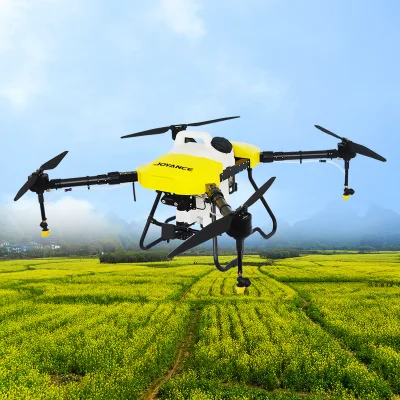
Remote Control Drone Spraying Agriculture Hybrid to Fumigate Ecuador Price
$2500.00 - $3000.00
MOQ: 1 sets
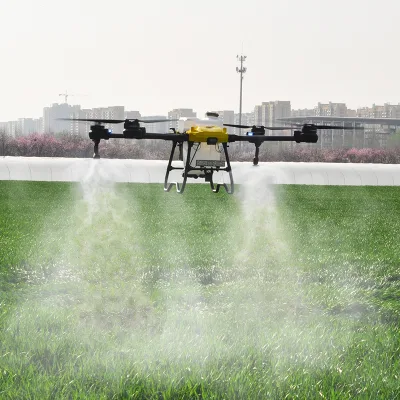
Foldable Agri Drone for Efficient Pesticide Spraying in Orchards Large Fields
$3696.3527 - $6981.9996
MOQ: 1 units
- Trading Company
- Chongqing, China
- Lead time0 days
- Avg. response≤ 1h
Main productsCasting Products,Lab furniture,Garbage process,oil filtration,Gasification system
Main marketsEastern Asia(30.00%), Eastern Europe(20.00%), Central America(10.00%), Western Europe(10.00%), Southern Europe(10.00%), Africa(10.00%), Southeast Asia(5.00%), Northern Europe(5.00%)
Wuhan Huinong UAV Technology Co., Ltd.
- Verified by SGS Group
- Manufacturer, Trading Company
- Lead time7 days
- Avg. response≤ 2h
Main productsPayload Drone, Agricultural Drone, Drone Accessories, Brushless Motor, FPV Drone
Main marketsEastern Europe(30%), North America(30%), Southeast Asia(10%)
Jiangsu Grande Machinery Manufacturing Co., Ltd.
- Verified by SGS Group
- Manufacturer, Trading Company
- Lead time15 days
- Avg. response≤ 2h
Main productsRotary Cultivator, Disc Plough, Paddy Field Rotary Tiller
Main marketsSouth America(40%), Africa(30%), Domestic Market(20%)


Comprehensive Sourcing Guide
Plant Protection Remote Control Drone Supplier Concentration and Factory Types
The current supplier landscape for plant protection remote control drones reveals a distinct concentration of manufacturing activity within China, specifically in the Shandong region. This geographic clustering suggests a mature industrial ecosystem where supply chains for aviation carbon fiber, aviation aluminum, and electronic components are likely optimized for cost and efficiency. Buyers evaluating these suppliers should recognize that this regional focus often correlates with specialized expertise in agricultural machinery, allowing for rapid iteration of drone sprayer designs. The presence of combined company types indicates that some entities may handle both trading and manufacturing functions, which can streamline communication but requires careful verification of actual production capabilities. Understanding this geographic distribution helps buyers assess the logistical feasibility of sourcing, as proximity to major ports in Shandong can influence shipping times and costs for heavy machinery like agricultural drones.
In addition to manufacturing hubs, the supplier base includes trading companies that specialize in aggregating products from various factories. These trading entities often offer a broader range of main products, including prosumer drones, beginner drones, and racing drones, alongside specialized agricultural sprayers. This diversity allows buyers to potentially consolidate orders for different types of unmanned aerial vehicles, though it may introduce complexity in quality control if the trading company does not directly manage production. The distinction between combined companies and pure trading companies is critical for buyers seeking direct factory pricing versus the convenience of a single point of contact. Trading companies may provide better customer service and flexible order structures, but they might also add a margin that affects the final price. Buyers must therefore evaluate whether the value added by a trading company justifies the potential increase in cost compared to sourcing directly from a manufacturer in a concentrated industrial region.
How to Verify Plant Protection Remote Control Drone Suppliers
Verification of suppliers is a critical step in mitigating risk when sourcing plant protection remote control drones, particularly given the technical complexity of these agricultural machines. Buyers should prioritize suppliers that display third-party verification badges, such as SGS, which indicates that an independent agency has assessed the company’s legitimacy and operational capabilities. This verification serves as a foundational trust signal, confirming that the supplier exists and operates within legal frameworks. However, verification alone is not sufficient; buyers must also examine the specific certifications listed, such as RoHS, FCC, and CE, which are essential for ensuring that the electronic components and electrical systems of the drones comply with international safety and environmental standards. These certifications are particularly important for drones intended for export to markets with strict regulatory requirements, as non-compliant equipment can face customs delays or legal penalties.
Beyond certifications, buyers should scrutinize the product evidence provided by suppliers to assess technical credibility. Detailed product attributes, such as the use of aviation carbon fiber and aviation aluminum for production materials, indicate a focus on durability and weight reduction, which are crucial for flight efficiency and payload capacity. Buyers should look for specific technical specifications, such as a diagonal wheelbase of 2330mm or a max pesticide load of 55kg, as these details demonstrate a supplier’s ability to provide precise, high-performance equipment. Additionally, the availability of machinery test reports and video outgoing-inspection services provides tangible proof of quality control processes. Suppliers that offer these reports allow buyers to verify the condition and functionality of the drones before shipment, reducing the risk of receiving defective or substandard products. This level of transparency is a strong indicator of a supplier’s commitment to quality and customer satisfaction.
What to Compare Across Plant Protection Remote Control Drone Suppliers
When comparing suppliers, buyers should focus on key operational metrics that directly impact procurement efficiency and cost-effectiveness. Lead time is a primary factor, with some suppliers offering a lead time of 15 days, which is relatively fast for custom agricultural machinery. This speed can be advantageous for buyers who need to replenish inventory quickly or respond to seasonal farming demands. Alongside lead time, buyers should evaluate the minimum order quantity (MOQ), which is often set at 1 unit for many suppliers. This low MOQ allows buyers to test the market or purchase small batches for specific projects without committing to large volumes, reducing financial risk. However, buyers should also consider the price range, which varies from approximately $7,000 to $9,500 per unit, depending on the model and specifications. Comparing these prices against the included features, such as remote control systems and large payloads, helps buyers determine the true value proposition of each supplier.
Response time is another critical metric for assessing supplier reliability and communication efficiency. A response time of 4.89 or lower indicates that suppliers are likely to provide timely answers to inquiries, which is essential for resolving technical questions or negotiating terms. Buyers should also compare the customization options available, such as OEM and ODM capabilities, which allow for tailored solutions that meet specific agricultural needs. The availability of customization is particularly important for buyers who require specific branding or modified features for their operations. Additionally, buyers should examine the warranty terms, with many suppliers offering a 12-month warranty for main parts. This warranty coverage provides a safety net against early failures, but buyers should clarify the scope of coverage and the process for claiming repairs or replacements. By systematically comparing these operational metrics, buyers can identify suppliers that best align with their operational requirements and budget constraints.
Common Plant Protection Remote Control Drone Sourcing Risks
One significant risk in sourcing plant protection remote control drones is the variability in product quality and performance, which can be exacerbated by the complexity of the technology. Drones used for agricultural spraying must withstand harsh environmental conditions, including exposure to pesticides and varying weather patterns. Buyers should be cautious of suppliers that do not provide detailed specifications on waterproof ratings, such as IP67, which is essential for protecting internal components from moisture and dust. Without such protections, drones may suffer from premature failure, leading to costly downtime during critical farming seasons. Additionally, the flight duration of these drones, which typically ranges from 6 to 20 minutes, is a limiting factor that buyers must account for in their operational planning. Short flight times require frequent battery changes or refueling, which can reduce overall efficiency and increase labor costs. Buyers should verify these performance metrics with suppliers to ensure they meet the demands of their specific agricultural applications.
Another risk is the potential for miscommunication regarding product specifications and customization capabilities. While some suppliers offer customization, the extent of this customization may be limited by their manufacturing processes. Buyers who require highly specialized features may find that their requests are not fully met, leading to dissatisfaction and potential project delays. Furthermore, the use of used or refurbished drones, as indicated by some product listings, introduces additional risks related to reliability and warranty coverage. Suppliers offering used drones may have limited or unavailable warranties, leaving buyers responsible for any repairs or replacements. Buyers should clearly distinguish between new and used equipment when evaluating suppliers, as the price difference may not always justify the increased risk associated with older models. By identifying these risks early in the sourcing process, buyers can take proactive steps to mitigate them through careful supplier selection and contract negotiation.
Plant Protection Remote Control Drone Regional Sourcing and Logistics
Sourcing plant protection remote control drones from China, particularly from the Shandong region, offers logistical advantages due to the area’s established infrastructure for heavy machinery export. The proximity to major ports facilitates efficient shipping, which is crucial for transporting large and heavy items like agricultural drones. Buyers should consider the packaging standards provided by suppliers, such as professional package boxes and standard dimensions like 1 CBM or 1620mm980mm1010mm, as these details impact shipping costs and handling requirements. Efficient packaging not only protects the drones during transit but also optimizes container space, reducing overall freight expenses. Additionally, the origin of the products, clearly stated as China, allows buyers to calculate tariffs and import duties accurately, which is essential for budgeting and cost control. Understanding the logistical landscape helps buyers plan their supply chain more effectively, ensuring timely delivery and minimizing disruptions.
However, buyers must also account for the potential challenges associated with international shipping, such as customs clearance and regulatory compliance. Agricultural drones may be subject to specific import regulations in the buyer’s country, including restrictions on unmanned aerial vehicles and pesticide application equipment. Buyers should verify these regulations with local authorities and ensure that their suppliers provide all necessary documentation, such as machinery test reports and certification certificates. Failure to comply with these regulations can result in delays, fines, or the seizure of goods. Furthermore, buyers should consider the after-sales support available from suppliers, including the provision of spare parts and technical assistance. Suppliers that offer comprehensive support can help buyers maintain their drones and resolve issues quickly, minimizing downtime. By carefully planning for these logistical and regulatory aspects, buyers can ensure a smooth sourcing process and successful deployment of their plant protection remote control drones.
Plant Protection Remote Control Drone Commercial Terms and Order Planning
Commercial terms and order planning are essential components of a successful sourcing strategy for plant protection remote control drones. Buyers should negotiate clear payment terms that protect their interests, such as using escrow services to ensure that funds are only released upon satisfactory delivery and inspection of the goods. This approach minimizes the risk of fraud and ensures that suppliers fulfill their obligations. Additionally, buyers should clarify the warranty terms, which typically cover main parts for 12 months, and understand the process for claiming repairs or replacements. A clear warranty policy provides peace of mind and reduces the financial impact of potential equipment failures. Buyers should also consider the total cost of ownership, including maintenance, spare parts, and training, when evaluating the price quotes provided by suppliers. This holistic view of costs helps buyers make informed decisions that align with their long-term operational goals.
Order planning should also take into account the scalability of the supplier’s production capacity and their ability to meet future demand. Suppliers with OEM and ODM capabilities can offer customized solutions that grow with the buyer’s business, providing flexibility and competitive advantage. Buyers should establish a long-term relationship with their suppliers to benefit from preferential pricing and priority service. Regular communication and feedback can help improve product quality and service levels over time. Additionally, buyers should plan for the integration of the drones into their existing agricultural operations, considering factors such as pilot training and maintenance schedules. By carefully planning their orders and commercial terms, buyers can maximize the value of their investment in plant protection remote control drones and achieve greater efficiency in their farming operations. This strategic approach ensures that the sourcing process supports the buyer’s broader business objectives.
FAQs
What is the price range for agricultural spray drones?
Prices typically range from $7,000 to $9,500 per unit. This range covers various models with different payload capacities and features. Buyers should verify specific pricing for bulk orders or customized configurations directly with suppliers to ensure accurate quotes.
What is the minimum order quantity for these drones?
The minimum order quantity is generally one unit. This allows buyers to test performance before committing to larger purchases. Suppliers often support both single-unit trials and larger OEM or ODM orders for customized agricultural solutions.
How long does delivery usually take?
Standard lead times are approximately 15 days. This duration covers production, quality checks, and packaging. Buyers should confirm exact delivery schedules with suppliers, as expedited options or regional logistics may affect the final arrival date.
What certifications do these drones have?
Many suppliers hold RoHS, FCC, and CE certifications. These ensure compliance with international safety and electromagnetic standards. Buyers should request valid certificates for specific models to verify regulatory compliance for their target markets.
What is the warranty period for main parts?
Warranty coverage is typically 12 months for main parts. This protects against manufacturing defects in critical components. Buyers should review specific warranty terms with suppliers to understand coverage limits and claim procedures.
What is the maximum pesticide load capacity?
Maximum payload capacities reach up to 55kg. This allows for efficient coverage of large agricultural fields. Buyers should select models based on their specific crop requirements and field size to optimize operational efficiency.
Where are these drones manufactured?
Manufacturing locations include China, specifically Shandong and Guangdong provinces. These regions are known for advanced drone production capabilities. Buyers can verify specific factory locations and production standards during the supplier evaluation process.