MMCX Antenna FPV VTX Suppliers and Manufacturers in China
Compare 18 verified suppliers offering MMCX Antenna FPV VTX with response times, lead times, and certifications like ISO 9001. Review product specs and MOQs to select a factory or trading company for your drone needs; review the available evidence before requesting comparable quotations from suitable candidates.
Updated
Suppliers List

Shenzhen Nereus Industrial Co., Ltd.
- Verified by TUVRHEINLAND
- Trading Company
- China Guangdong
- Lead time15 days
- Avg. response≤ 2h
Main productsDrone, Electronic Speed Controller, Flight Controller, Brushless Motor, Servo Motor, Video Transmission System, Drone Camera Module, Fpv Camera Module
Main marketsNorth America

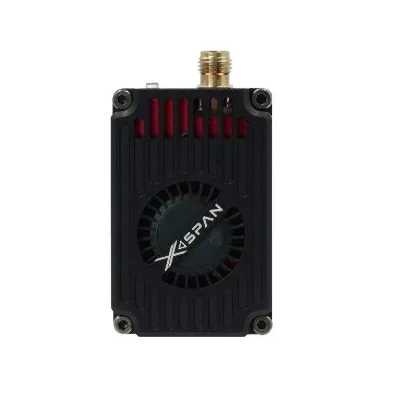
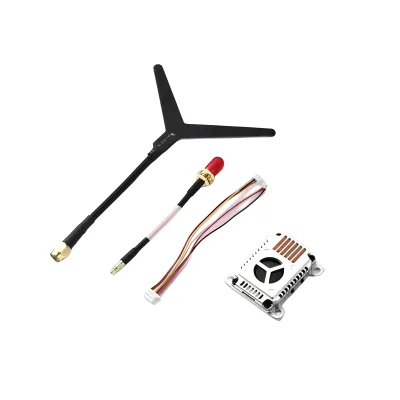
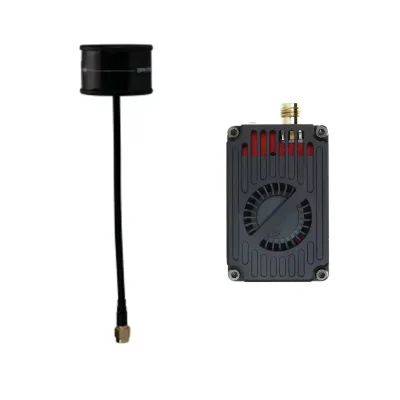
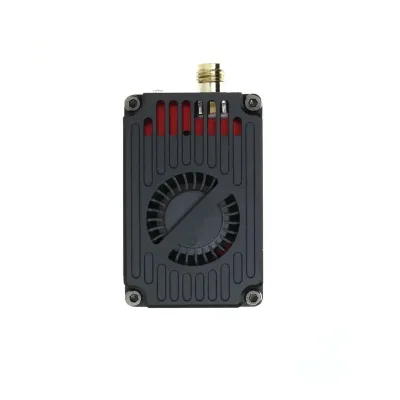
Fpv Video Transmitter 1.2g 9CH 1600MW-2000MW Compatible Quadrotor Multirotor Fpv Long Range Vtx
$33.80 - $42.65
MOQ: 3 Pieces

1.2g 3W Vtx Video Transmitter Special Frequency Band High Sensitivity Fpv Vtx for Long Range Drone
$36.00 - $45.00
MOQ: 3 Pieces

High-Power 4.9GHz Fpv Vtx with 1600MW Output and Smartaudio for Long Range Fixed Wing
$28.00 - $35.60
MOQ: 3 Pieces

Ultra-High Power 5.8GHz Fpv Vtx with 4000MW Output and Smartaudio for Long Range Fixed Wing
$53.00 - $62.00
MOQ: 3 Pieces

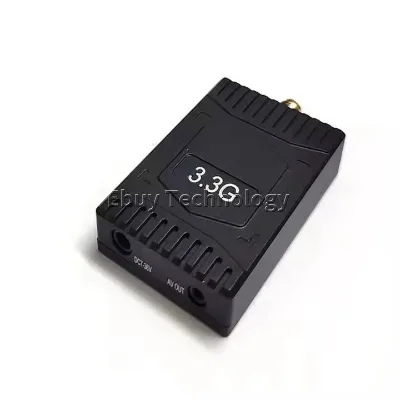
High-Power 3.3GHz Fpv Vtx with 4000MW Output and Smartaudio for Long Range Fixed Wing
$34.00 - $44.85
MOQ: 3 Pieces

Shenzhen Xingkai Technology Co., Ltd
- Verified by SGS
- Manufacturer/Factory
- China Guangdong
- Lead time15 days
- Avg. response≤ 6h
Main productsMimos Mesh WiFi Mesh Networks MIMO Mesh Systems, Definition Cofdm Video Transmitter, RF Tactical Radio Communication Video Radio Link, Ptt Military Wireless Mesh Network, Flight Controller RC Telemetry Video Data Link, Drone Shield Drone Detection RF Power Amplifier, Anti Drone System Counter Uav System Counter, Drone Shop Uav Drones for Sale Vtol Uav, Quadcopter Unmanned Aerial Vehicle Helicopter, Long Range RC Drone
Main marketsSouth America,Eastern Europe,Mid East,North America,Southeast Asia,Eastern Asia,Oceania,Western Europe,Africa
Shenzhen Fengfei Electronics Co., Ltd.
- Manufacturer, Trading Company, Distributor/Wholesaler
- Guangdong, China
- Lead time10 days
- Avg. response≤ 13h
Main productsElectronics,Drone accessories,FPV accessories,battery
Main marketsEastern Europe(50.00%), South Asia(5.00%), Southern Europe(5.00%), North America(5.00%), Northern Europe(5.00%), Western Europe(5.00%), Eastern Asia(5.00%), Mid East(5.00%), Africa(5.00%), Southeast Asia(5.00%), South America(5.00%)
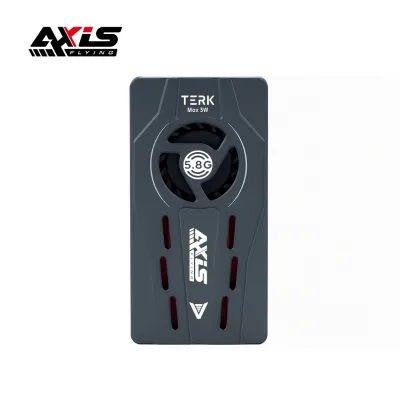
Axisflying 5.8G 3W VTX Fpv Fixed-wing Rc Drones Accessories 2500mw Image Transmission
$36.90 - $86.90
MOQ: 1 Minimum
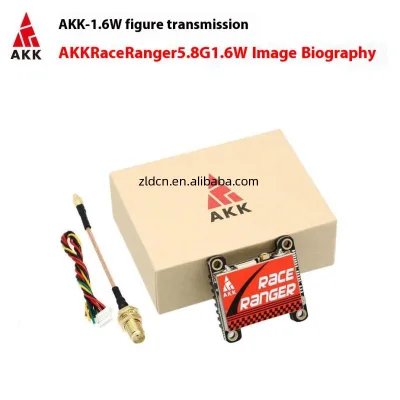
AKK RACE VTX 1.6W 5.8G Drone Traverser Antenna Long Range VTX Model ZLD
$24.97 - $26.35
MOQ: 10 pieces

SunLipo Energy (Shenzhen) Co., Ltd.
- Verified by BV
- Manufacturer/Factory
- China Guangdong
- Lead time15 days
- Avg. response≤ 3h
Main productsFpv Drone Batteries, Solid State Uav Batteries, Lipo Batteries for Drones, Molicel Battery Pack 6s2p, Fpv Drones Parts, Fpv Motors, Fpv Stack, Fpv Vtx, Fpv Frame, Fpv Optic Fiber
Main marketsWestern Europe

Hubei ZQ Yun Technology Co.,Ltd
- Verified by BV
- Trading Company,Manufacturer/Factory
- China Hubei
- Lead time45 days
- Avg. response≤ 6h
Main productsDelta Wing Drone, Vtol Drone, Fixed Wing Drone, Agricultural Drone, Agriculture Drone, Delivery Drone, Cargo Drone, Fpv Drone, Drone Battery, Drone Accessories
Main marketsSouth America,Eastern Europe,Mid East,North America,Southeast Asia,Eastern Asia,Oceania,Western Europe,Africa
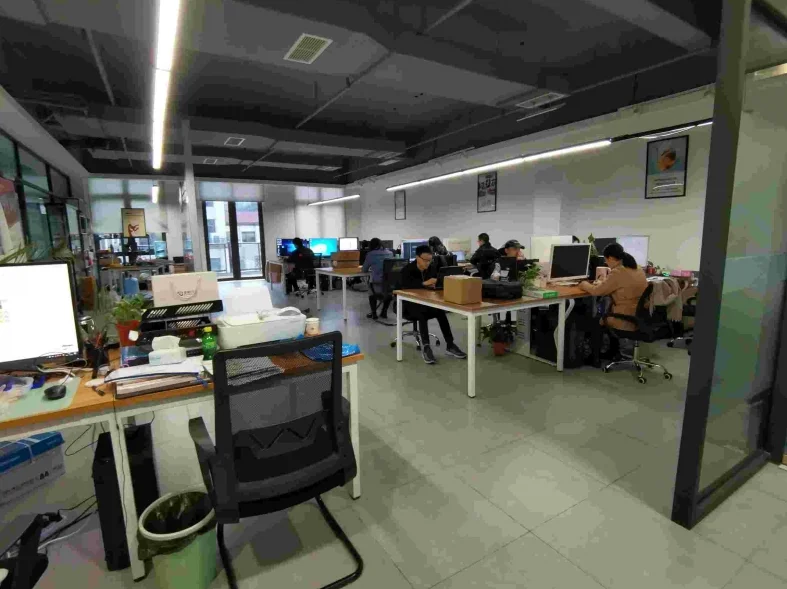
Wuhan Darmi Technology Co., Ltd.
- Trading Company
- Hubei, China
- Lead time0 days
- Avg. response≤ 6h
Main productsDrones Accessories,Flight controller,remote controller,motor and ESC,Battery and charger
Main marketsEastern Europe(30.00%), Western Europe(20.00%), Southern Europe(10.00%), North America(10.00%), South Asia(5.00%), Southeast Asia(5.00%), Central America(5.00%), South America(5.00%), Mid East(5.00%), Africa(5.00%)
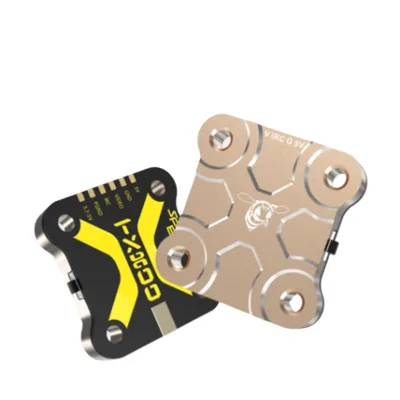
SpeedyBee TX800 VTX RunCam Maximum Output Long Range Transmitter 200mW / 400mW / 800mW
$24.6076 - $29.8581
MOQ: 2 Minimum
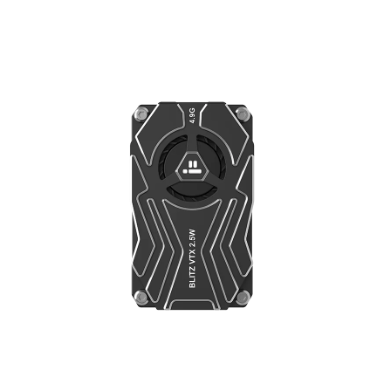

Shenzhen Gorrwix Electronics Co., Ltd.
- Verified by SGS
- Trading Company
- China Guangdong
- Lead time15 days
- Avg. response≤ 2h
Main productsCommunication Antenna, Fpv Antenna, Fpv Motor, Drone Accessories, 4G/5g Antenna
Main marketsNorth America


Vtx Crossing Machine MMCX Long Range Fpv Vtx Video Transmitter for RC Drone
$40.00 - $50.00
MOQ: 10 Pieces


Shenzhen Flying Feather World Technology Co., Ltd.
- Manufacturer, Trading Company, Agent, Distributor/Wholesaler
- Guangdong, China
- Lead time7 days
- Avg. response≤ 1h
Main productsDrone,FPV,Commercial drone,Agriculture drone,FPV frame
Main marketsEastern Europe(20.00%), Domestic Market(20.00%), North America(18.00%), Western Europe(15.00%), Northern Europe(10.00%), South America(7.00%), Southeast Asia(5.00%), Africa(5.00%)
Shenzhen Yimai Technology Limited
- Manufacturer, Trading Company, Distributor/Wholesaler
- Guangdong, China
- Lead time7 days
- Avg. response≤ 3h
Main productsDRONE,DRONE ACCESORIES
Main marketsDomestic Market(10.00%), South Asia(10.00%), Southern Europe(10.00%), Northern Europe(10.00%), Central America(10.00%), Western Europe(10.00%), Eastern Asia(10.00%), Mid East(10.00%), Oceania(10.00%), Africa(10.00%), Southeast Asia(10.00%), Eastern Europe(10.00%), South America(10.00%), North America(10.00%)
Shenzhen Huaxunneng Technology Co., Ltd.
- Manufacturer, Trading Company, Distributor/Wholesaler
- Lead time旺季: "1 - 1000":15,"> 1000":"To be negotiated", 淡季: "1 - 1000":15,"> 1000":"To be negotiated"
- Avg. response≤ 14h
Main productsFPV drone kits,Blushless motor,FPV camera,FPV Transmitter&Receiver,Flight Controller
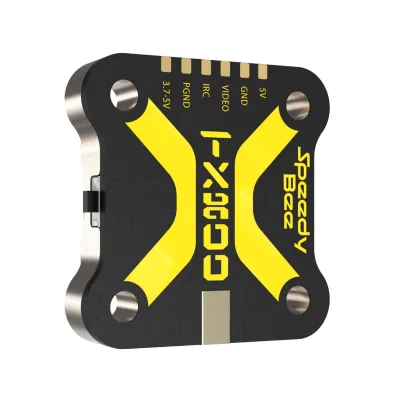
Speedybee Vtx Tx800 Maximum 800mw Output 5.8 Ghz Antenna V2 Rc Fpv Racing Drone
$26.9176
MOQ: 10 Minimum
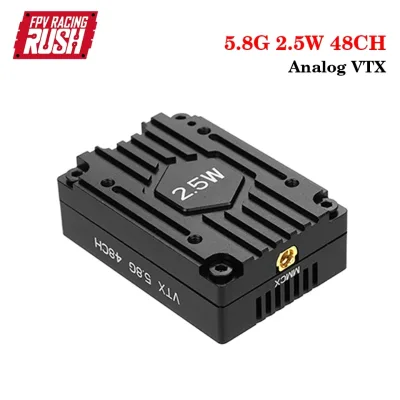
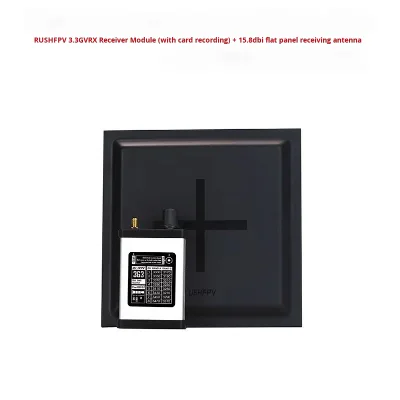
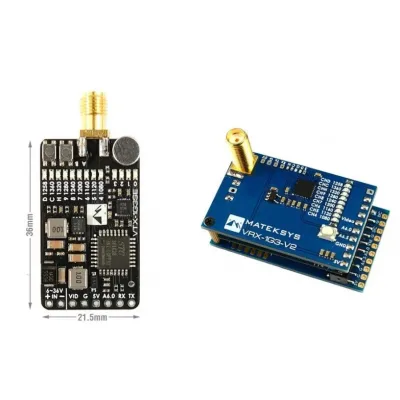
For MATEK 1.2/1.3GHZ VTX-1G3SE Crossing Machine Transmitter Module
$21.5472 - $36.9377
MOQ: 10 Minimum
Shenzhen DroView Technology Co Ltd
- Verified by TüVRheinland
- Trading Company
- Guangdong, China
- Lead time0 days
- Avg. response≤ 3h
Main productsFPV Racing Drones, FPV Motors, FPV VTX & Stacks, Carbon Fibre FPV Frame, FPV Drone Batteries
Main marketsEastern Europe(25%), Western Europe(15%), Northern Europe(15%)
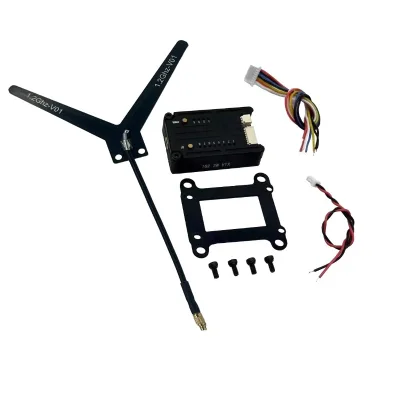
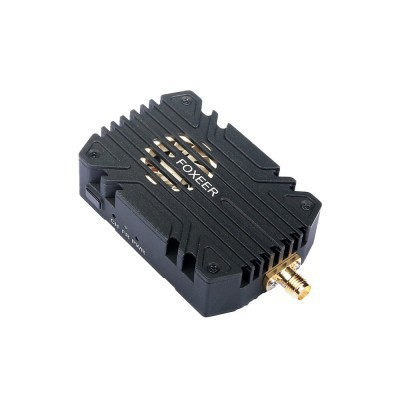
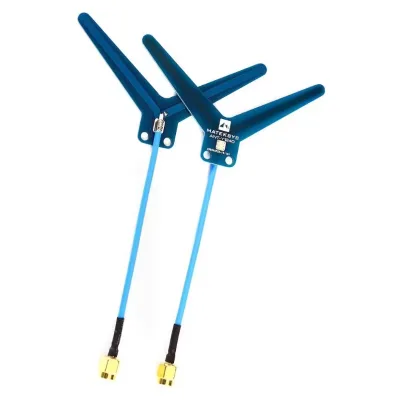
$7.7222 - $8.2375
MOQ: 10 pieces
SHENZHEN EASTERN FOREST CO.,LTD.
- Manufacturer, Trading Company
- Guangdong, China
- Lead time7 days
- Avg. response≤ 17h
Main productsFPV Drone, Anti Drone, Drone Accessories
Main marketsMid East(30.00%), Southeast Asia(20.00%), North America(10.00%), Africa(10.00%), Western Europe(6.00%), Eastern Asia(5.00%), Domestic Market(5.00%), Oceania(3.00%), Eastern Europe(3.00%), South America(2.00%), Southern Europe(2.00%), Northern Europe(2.00%), South Asia(1.00%), Central America(1.00%)

Xuzhou Jiadi Network Technology Co., Ltd.
- Trading Company
- Jiangsu, China
- Lead time3 days
- Avg. response≤ 3h
Main productsDrones,Drones Fittings
Main marketsSouthern Europe(9.00%), Central America(8.00%), Eastern Europe(8.00%), Oceania(8.00%), Africa(7.00%), South America(6.00%), Northern Europe(5.00%), North America(5.00%), Mid East(4.00%), Southeast Asia(3.00%), Eastern Asia(2.00%), Domestic Market(1.00%), South Asia(1.00%), Western Europe(1.00%)
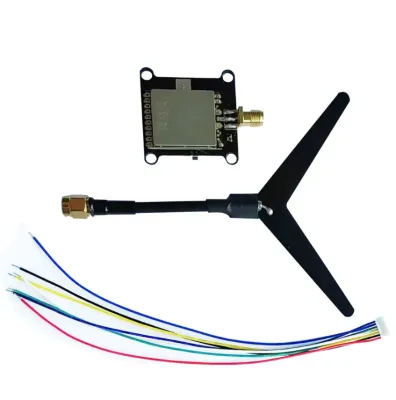
$31.1374 - $33.3575
MOQ: 10 Minimum
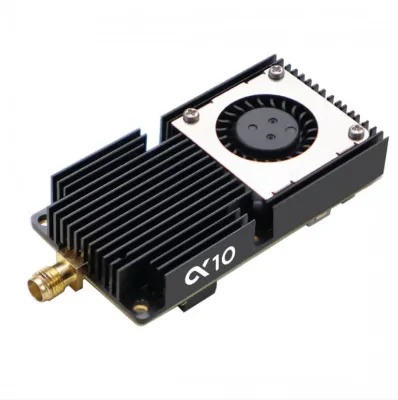
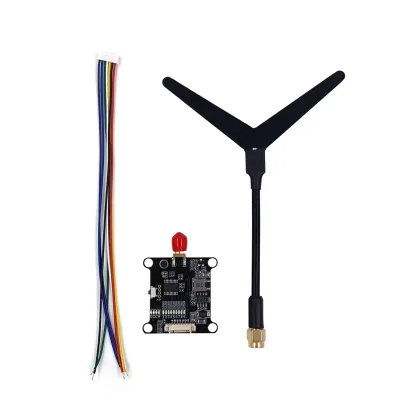
$32.50 - $69.90
MOQ: 2 Minimum
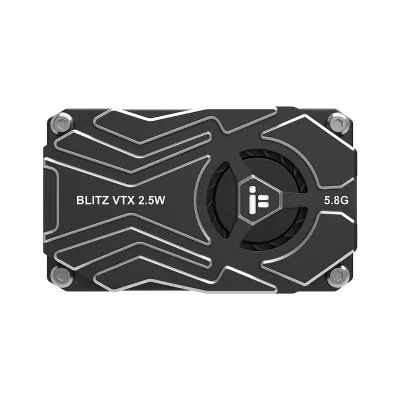

Guangzhou Shangyang Trading Co., Ltd.
- Trading Company,Manufacturer/Factory
- China Guangdong
- Lead time45 days
- Avg. response≤ 24h
Main productsMotorcycles, Engines, Second-Hand Motorcycles, Used Car, Motorcycle Parts, Lubricating Oil
Main marketsSouth America,Eastern Europe,Mid East,North America,Southeast Asia,Eastern Asia,Oceania,Western Europe,Africa
Shenzhen Xinke Xincheng Technology Co., Ltd.
- Verified by TüVRheinland
- Trading Company
- Lead time2 days
- Avg. response≤ 1h
Main productsIC, MCU, Capacitor, Resistor, Drone Accessories
Main marketsEastern Europe(30%), South Asia(30%), North America(20%)
Chengdu Kemanzhuo Technology Co., Ltd.
- Verified by SGS Group
- Trading Company
- Lead time10 days
- Avg. response≤ 5h
Main productsFPV Motor, Flight Controller, Brushless ESC, FPV VTX, FPV Camera
Main marketsEastern Europe(50%), Domestic Market(30%), Southeast Asia(10%)
Dongguan Lanyi Communication Technology Co., Ltd.
- Verified by SGS Group
- Manufacturer, Trading Company
- Lead time20 days
- Avg. response≤ 2h
Main productsWireless Communication Antenna/Lora Antenna/GPS Antenna, Wifi Repeater, TV Antenna
Main marketsNorth America(15%), South America(15%), Eastern Europe(15%)
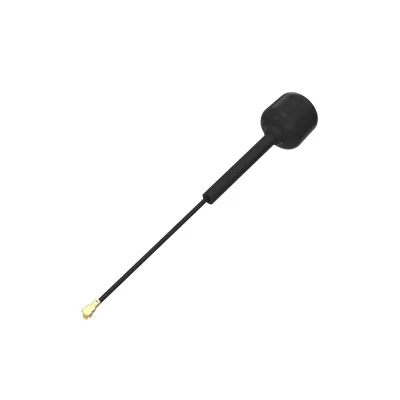
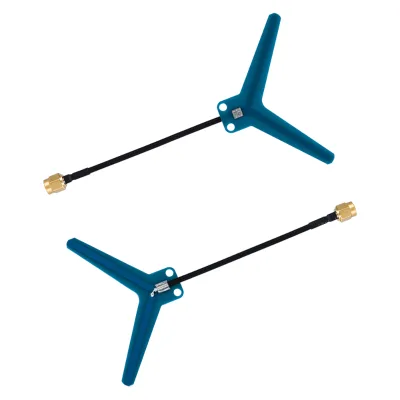
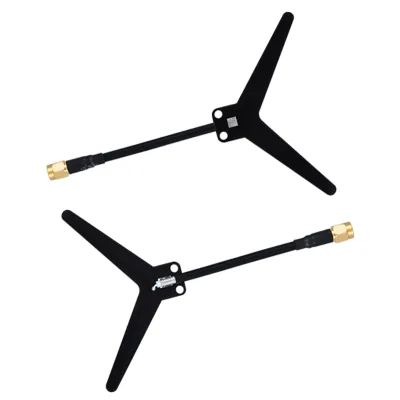
Drone UAV Antenna Transmitter VTX Receiver 1.2GHz 1.3GHz 3dBi Antenna DIPOLE FPV for RC Drone
$1.88 - $3.38
MOQ: 10 pieces
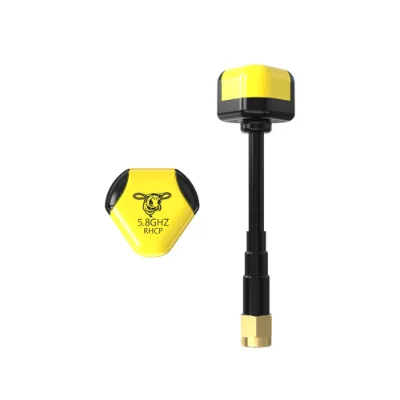
Shenzhen Hailongwang Model Technology Co., Ltd.
- Trading Company, Agent, Distributor/Wholesaler
- Guangdong, China
- Lead time0 days
- Avg. response≤ 4h
Main productsFPV Motor,Flight Control,FPV VTX,FPV TX&RX,Remote Control
Main marketsEastern Europe(35.00%), Western Europe(30.00%), Southeast Asia(15.00%), Mid East(10.00%), North America(10.00%)




Comprehensive Sourcing Guide
MMCX Antenna FPV VTX Supplier Concentration and Factory Types
The current supplier landscape for MMCX Antenna FPV VTX components reveals a distinct split between trading companies and direct manufacturers, primarily concentrated in China. Many suppliers listing drone accessories and electronic speed controllers operate as trading entities, which can offer a broader catalog of compatible parts but may introduce additional layers in the supply chain. These trading companies often source from various factories, meaning the buyer interacts with a middleman rather than the production facility. This structure can simplify communication for small orders but might complicate technical support or custom engineering requests. In contrast, other suppliers in the results identify explicitly as manufacturers or factories, holding certifications such as ISO 9001 and undergoing verification by bodies like SGS. These entities typically possess in-house research and development capabilities, offering OEM and ODM services for specialized video transmission modules. The presence of both types allows buyers to choose based on their need for volume customization versus immediate product availability. Understanding this distinction is crucial for determining who holds the actual technical knowledge of the mmcx interface and power output specifications.
Location data indicates that a significant portion of these suppliers are based in Guangdong, China, a region known for its robust electronics manufacturing ecosystem. This concentration facilitates rapid prototyping and access to component supply chains, which is vital for high-frequency devices like FPV transmitters. Some results also point to origins in Jiangxi, suggesting a broader geographic spread of manufacturing capabilities within China. Buyers should note that while Guangdong offers established infrastructure, the specific factory type dictates the level of direct engagement possible. Trading companies may provide faster response times for general inquiries, whereas manufacturers might require more time for technical validation but offer greater control over production quality. The verification status, such as TÜV Rheinland or SGS, serves as a proxy for operational maturity, helping buyers distinguish between established factories and smaller trading operations. This geographic and structural diversity requires careful filtering to align supplier capabilities with specific project requirements for mmcx antenna integration.
How to Verify MMCX Antenna FPV VTX Suppliers
Verifying the legitimacy and capability of suppliers requires a multi-layered approach that goes beyond simple profile reviews. Buyers should prioritize suppliers with third-party verification badges, such as SGS or TÜV Rheinland, as these indicate that an independent body has assessed the company’s business license and operational status. For manufacturers, checking for system certifications like ISO 9001 is essential, as it confirms adherence to standardized quality management processes. This is particularly important for electronic components where consistency in power output and signal integrity is critical. Additionally, buyers should examine the supplier’s response time metrics, which are displayed in the search results. A faster response time, such as under two hours, often correlates with a more active sales team and better customer service infrastructure. However, response speed alone does not guarantee technical competence, so it must be paired with verification status. Buyers should also look for clear indications of the company type, distinguishing between trading companies and manufacturers, as this affects the depth of technical support available for mmcx antenna compatibility issues.
Beyond verification badges, buyers must scrutinize the product evidence provided in the supplier listings to ensure technical accuracy. The presence of detailed product attributes, such as input voltage ranges, power output levels, and physical dimensions, indicates a supplier that understands the technical nuances of FPV video transmitters. For instance, listings that specify mmcx connectors alongside power ratings like 1.6W or 4W demonstrate a focus on high-performance components. Buyers should verify that the supplier’s main products align with their specific needs, whether they are looking for standard off-the-shelf units or custom solutions. The availability of customization options, marked as "Available" in product properties, suggests that the supplier can adapt products to specific antenna or frequency requirements. Furthermore, checking the origin of the products, consistently listed as China in the current results, helps buyers assess logistics and potential tariffs. By combining verification status, response metrics, and detailed product evidence, buyers can build a reliable profile of each supplier’s reliability and technical expertise.
What to Compare Across MMCX Antenna FPV VTX Suppliers
When evaluating multiple suppliers, buyers should compare key operational metrics such as lead time, minimum order quantity (MOQ), and pricing structures to find the best fit for their procurement strategy. Lead times vary significantly, with some suppliers offering as little as 10 to 15 days for production, while others may have longer cycles depending on stock levels. This difference is crucial for projects with tight deadlines, as it impacts inventory planning and delivery schedules. Similarly, MOQs can range from single units for sampling purposes to higher quantities for bulk orders. Suppliers with an MOQ of one or three units are ideal for prototyping and small-batch testing, allowing buyers to validate the mmcx antenna performance before committing to larger purchases. Pricing should also be analyzed in conjunction with these factors, as lower prices might be associated with higher MOQs or longer lead times. Buyers should look for transparent pricing ranges, such as those listed for specific transmitter models, to understand the cost implications of different power outputs and features.
In addition to operational metrics, buyers should compare the technical specifications and customization capabilities offered by each supplier. The product evidence shows variations in power output, ranging from 1.6W to 4W, and different frequency bands, which directly affect the range and performance of the FPV system. Suppliers that offer detailed attributes, such as input voltage ranges of 7-36V or specific dimensions like 383818mm, provide better data for integration planning. Customization availability is another key differentiator, with some suppliers explicitly stating that they can modify products for specific applications. Buyers should also consider the supplier’s main product focus, as those specializing in drone accessories may have deeper expertise in mmcx antenna compatibility than general electronics traders. Response time is another comparative factor, with some suppliers responding within hours while others take longer. By systematically comparing these dimensions, buyers can identify suppliers that offer the best balance of cost, speed, and technical support for their specific MMCX Antenna FPV VTX requirements.
Common MMCX Antenna FPV VTX Sourcing Risks
One of the primary risks in sourcing MMCX Antenna FPV VTX components is the potential mismatch between supplier claims and actual product performance. Trading companies may list products they do not directly manufacture, leading to gaps in technical support if issues arise during integration. Buyers must ensure that the supplier can provide accurate information about connector types, power consumption, and signal stability. Another risk is the variability in quality control, especially when dealing with multiple factories through a single trading entity. Without direct oversight, inconsistencies in component sourcing or assembly processes can lead to defective units. This is particularly concerning for high-power transmitters where thermal management and electrical safety are critical. Buyers should mitigate this risk by requesting detailed product specifications and verifying the supplier’s ability to provide consistent quality. Additionally, the lack of standardized testing protocols in some regions can result in products that do not meet international safety or performance standards.
Logistical and communication risks also pose significant challenges in the sourcing process. Delays in production or shipping can disrupt project timelines, especially if the supplier has a history of longer lead times. Buyers should carefully review the stated lead times and confirm them with the supplier before placing orders. Communication barriers can also lead to misunderstandings regarding technical requirements, such as the specific mmcx connector variant or frequency band needed. To address this, buyers should maintain clear and documented communication channels, requesting written confirmations of all technical specifications. Furthermore, the risk of intellectual property infringement exists if suppliers use unauthorized designs or branding. Buyers should verify that the supplier has the right to produce and sell the products, especially if custom branding is involved. By identifying these risks early and implementing verification steps, buyers can reduce the likelihood of costly errors and ensure a smoother sourcing experience for their MMCX Antenna FPV VTX needs.
MMCX Antenna FPV VTX Regional Sourcing and Logistics
Sourcing MMCX Antenna FPV VTX components from China offers access to a mature electronics manufacturing ecosystem, but it also introduces specific logistical considerations. The concentration of suppliers in Guangdong provides advantages in terms of supply chain efficiency and component availability, but buyers must account for international shipping times and customs procedures. Lead times listed by suppliers, such as 10 to 15 days, typically refer to production time and do not include shipping duration. Buyers should plan for additional time for freight forwarding, customs clearance, and last-mile delivery. This is particularly important for urgent projects where delays can have significant consequences. Additionally, the geographic location of the supplier can impact shipping costs, with some regions offering better access to major ports. Buyers should work with their freight forwarders to optimize logistics routes and minimize transit times. Understanding these logistical factors is essential for accurate project planning and budgeting.
Another aspect of regional sourcing is the impact of local regulations and export controls on electronic components. Suppliers in China must comply with export regulations, which can affect the availability of certain high-frequency devices. Buyers should ensure that their suppliers are aware of the destination country’s import requirements, particularly regarding radio frequency equipment. This includes verifying that the products meet local spectrum allocation rules and safety standards. Communication with the supplier regarding compliance documentation is crucial to avoid customs holds or product seizures. Furthermore, buyers should consider the environmental and social responsibility practices of the suppliers, as these can affect brand reputation and long-term partnership viability. By addressing these logistical and regulatory challenges proactively, buyers can ensure a smooth and compliant sourcing process for their MMCX Antenna FPV VTX components.
MMCX Antenna FPV VTX Commercial Terms and Order Planning
Effective order planning for MMCX Antenna FPV VTX components requires a clear understanding of commercial terms, including payment methods, warranty policies, and after-sales support. Buyers should negotiate terms that protect their interests, such as using secure payment platforms that offer buyer protection. This is particularly important when dealing with new suppliers or large orders. Additionally, buyers should clarify the warranty period and return policy for defective products, ensuring that they have recourse if the components fail to meet specifications. Clear communication regarding these terms helps prevent disputes and ensures a smooth transaction process. Buyers should also consider the total cost of ownership, including shipping, taxes, and potential return costs, when evaluating supplier quotes. This holistic view allows for more accurate budgeting and financial planning.
Furthermore, buyers should plan for scalability and future orders when selecting suppliers. Establishing a relationship with a reliable supplier can facilitate smoother transactions for subsequent purchases, including faster lead times and better pricing. Buyers should document all technical specifications and agreements to ensure consistency across orders. Regular communication with the supplier can also help in staying updated on new product developments or improvements in mmcx antenna technology. By focusing on strong commercial terms and strategic order planning, buyers can build a resilient supply chain that supports their long-term business goals. This approach minimizes risks and maximizes the value derived from sourcing high-quality fpv vtx components.
FAQs
What is the price range for MMCX FPV VTX modules?
Prices for these video transmitters typically range from $28 to $62 per unit. The cost varies based on output power, frequency band, and channel count. Buyers should check specific product listings for exact pricing tiers and bulk discounts available from verified suppliers.
What is the minimum order quantity for FPV transmitters?
The minimum order quantity is generally low, often starting at just one piece for sample orders. Some suppliers require a minimum of three units for standard wholesale transactions. This flexibility allows buyers to test product quality before committing to larger bulk purchases.
How long does delivery take for these drone accessories?
Standard lead times for manufacturing and shipping are approximately 10 to 15 days. This timeframe covers production and preparation for dispatch. Buyers should confirm specific delivery windows with the supplier, as expedited options may be available for urgent project requirements.
Are these video transmitters customizable for specific drone builds?
Yes, customization is available for many of these FPV video transmitter models. Suppliers offer OEM and ODM services to tailor products to specific requirements. Buyers can request custom branding, packaging, or technical specifications to ensure compatibility with their unique drone configurations.
What power output options are available for long-range drones?
Available power outputs range from 1.6W to 4W, supporting various long-range applications. Options include 1600MW, 2000MW, 3000MW, and 4000MW configurations. Higher power outputs provide extended transmission ranges, making them suitable for heavy-lift drones and fixed-wing aircraft requiring reliable signal integrity.
What input voltage ranges do these VTX modules support?
Most modules support a wide input voltage range of 7-36V DC. This compatibility allows use with 2S to 8S battery configurations. Buyers should verify the specific voltage requirements of their power systems to ensure safe and efficient operation of the video transmission equipment.