Source t-bar mini video switcher for E-commerce, Vlogs, and Gaming
Find and compare 30 t-bar mini video switcher options from China. Evaluate features like HDMI inputs, SDI transmission, and portable designs for live streaming, vlogs, and gaming applications. These devices support multiple inputs and outputs, ensuring high-quality video mixing for various professional and personal broadcasting needs.
Updated
Key considerations
Products List
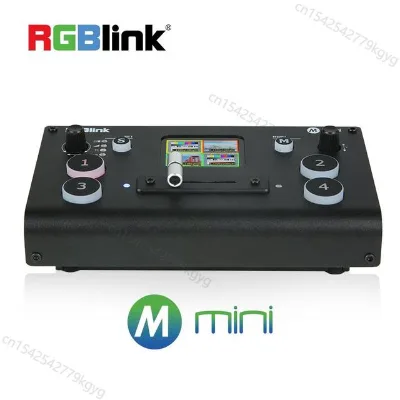
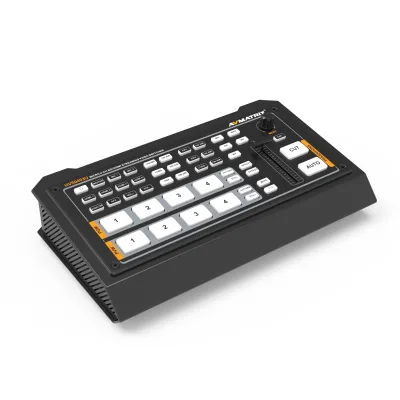
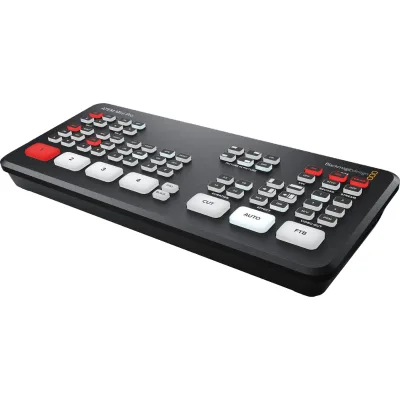
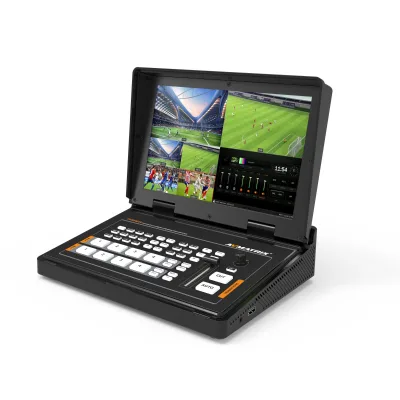
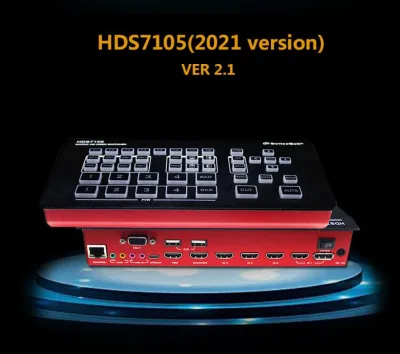
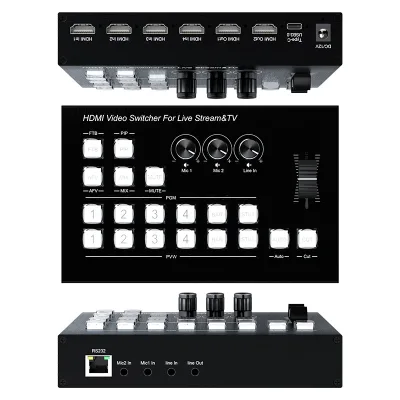
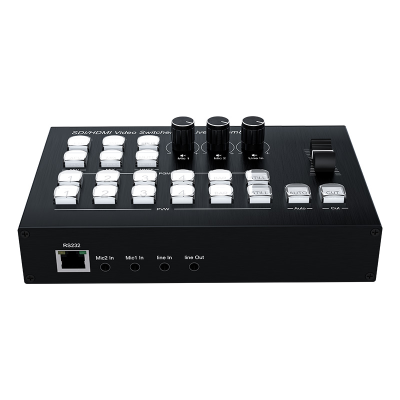
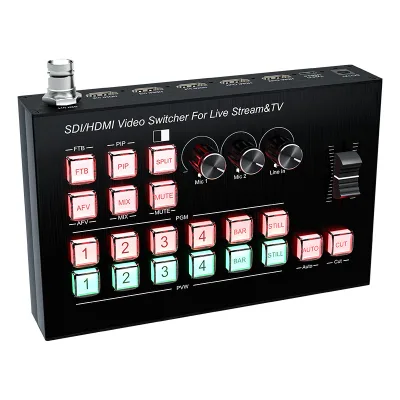
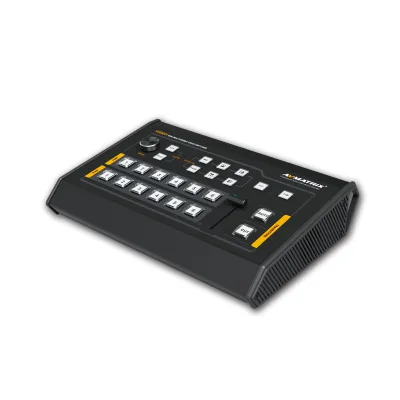
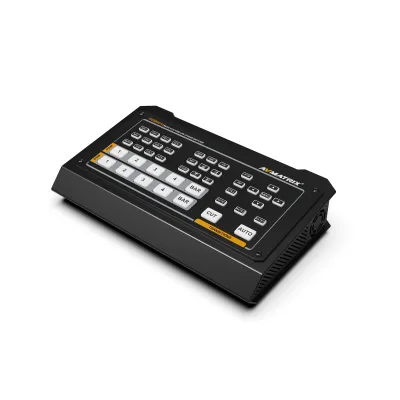
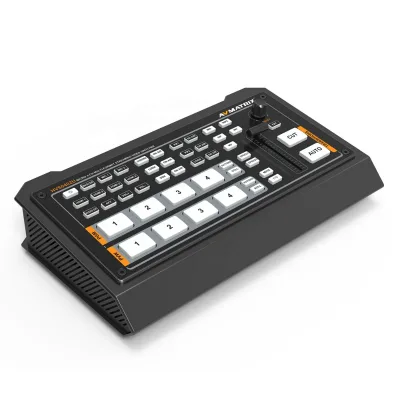
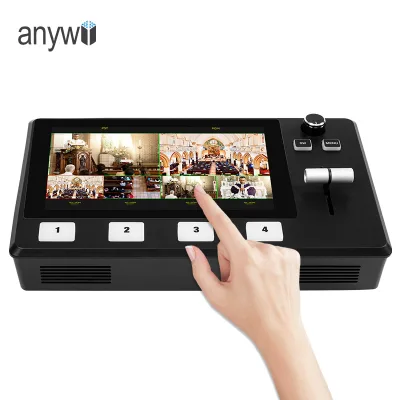

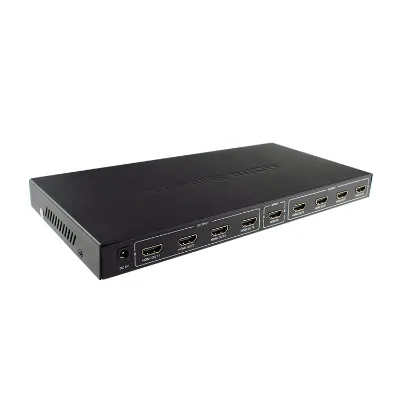
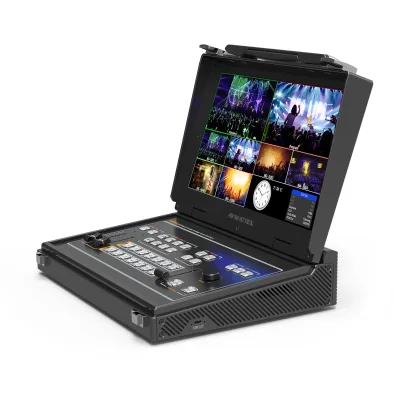
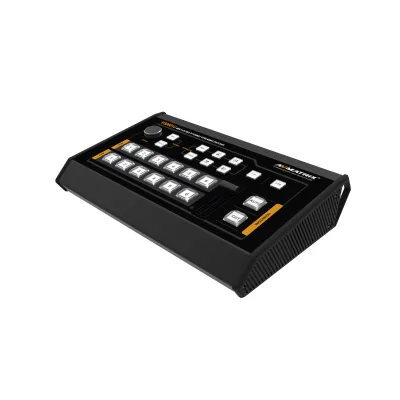
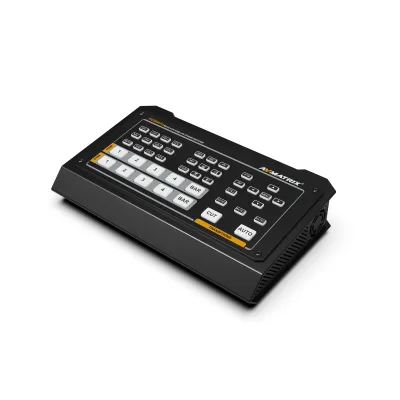

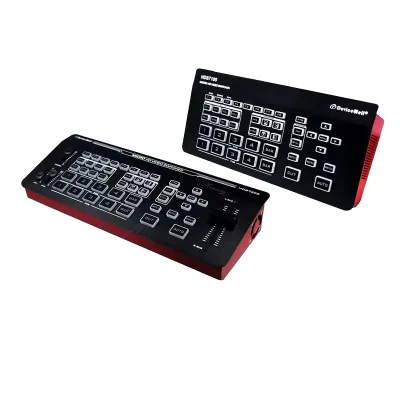
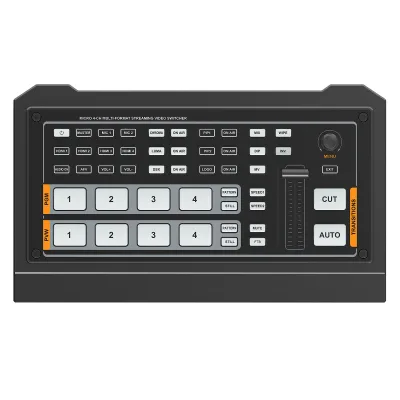
4X1 Multi Viewer Video Scaler Switcher with Kvm Control for Video / Animation
$10.00 - $9999.00
MOQ: 1 Pieces


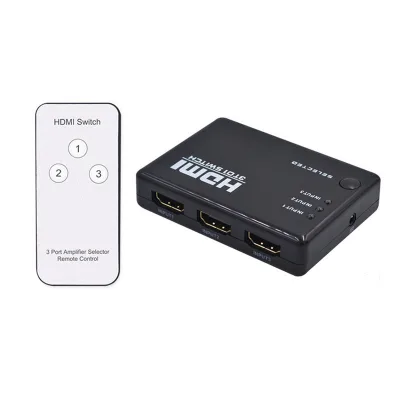


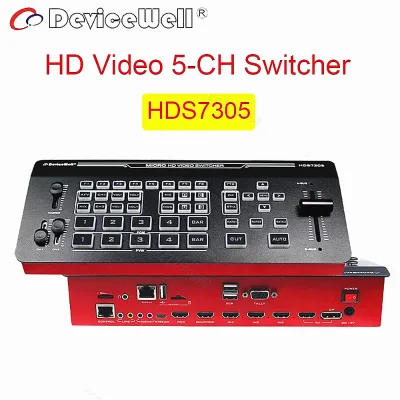
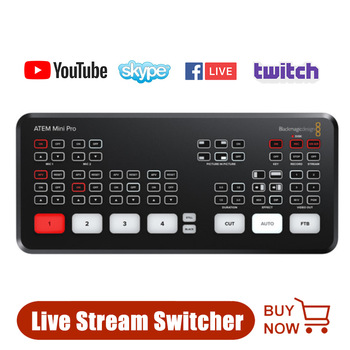


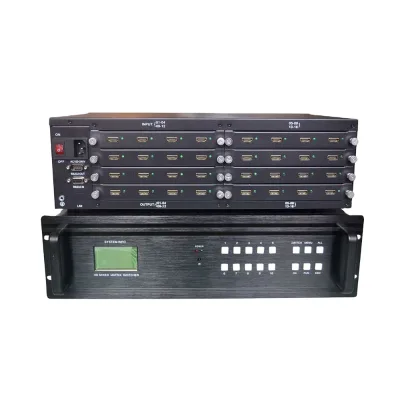
Comprehensive Sourcing Guide
T-Bar Mini Video Switcher Sourcing Guide
Procuring a t-bar mini video switcher requires a clear understanding of the compact form factor and the specific operational needs of live production environments. These devices are designed to handle multiple video inputs while providing a tactile interface for seamless scene transitions, making them ideal for small studios, mobile broadcast units, and remote production setups. The "mini" designation typically refers to the physical footprint, allowing for placement on standard desks or small tripods without consuming excessive studio space. Buyers must evaluate whether the t-bar mechanism aligns with their workflow, as it offers precise manual control over crossfades and wipes, which is critical for dynamic live events.
The market offers a variety of brands and models, ranging from professional-grade units to more affordable options suitable for content creators. It is essential to distinguish between pure video switchers and hybrid systems that may include audio mixing or streaming capabilities. The decision should be driven by the number of inputs required, the desired output formats, and the need for features like picture-in-picture or keying. Understanding these core distinctions helps in filtering the vast array of available products to find a solution that matches the technical requirements of the specific production environment.
Product Scope and Observed Listing Signals
Current market listings indicate a diverse range of video switchers, with observed prices spanning from approximately $2.08 to $9,999 USD, reflecting significant variations in build quality, feature sets, and brand positioning. The minimum order quantity (MOQ) typically ranges from 1 to 1,000 units, suggesting that both individual buyers and bulk purchasers can find suitable options. Many products are listed with a place of origin in China, particularly Guangdong, which is a major hub for electronics manufacturing. Buyers should note that while some listings highlight specific brands like RGBlink, Blackmagic, or Avmatrix, others may be generic or white-label products, requiring careful verification of the manufacturer's reputation and support infrastructure.
Observed product attributes reveal a mix of materials, including plastic and aluminum alloy, which impact durability and heat dissipation. Single gross weights vary considerably, from 2.0 kg to 6.0 kg, indicating differences in internal components and chassis construction. Some listings specify detailed dimensions, such as 180x115x52 mm or 180x130x52 mm, which are crucial for rack mounting or desk space planning. Additionally, features like noise cancellation, portability, and specific input/output configurations, such as HDMI or SDI, are commonly highlighted. Buyers must cross-reference these listed attributes with their actual technical needs, as marketing descriptions may not always reflect the full capabilities of the device.
Technical Specifications to Verify
When evaluating technical specifications, the number and type of inputs are paramount. Listings often mention 4 HDMI inputs, but buyers must verify the supported resolutions and refresh rates, such as 1080P@60Hz or higher. It is also critical to check for SDI inputs, which are standard in professional broadcast environments, and confirm the transmission rate, which may be up to 2.97Gbps. The output configuration should be clearly defined, with many units offering 2 HDMI outputs for program and preview signals. Buyers should also inquire about additional outputs, such as USB for streaming or network connectivity for remote control, as these can significantly enhance the versatility of the switcher in a live production workflow.
Power requirements and operating conditions are another key area for verification. Some devices support a wide input voltage range, such as AC 100V-240V, 50Hz/60Hz, with a DC output of 12V 2A, ensuring compatibility with global power standards. The working temperature range, often specified as -15℃ to +55℃, indicates the device's robustness in varying environmental conditions. Buyers should also check the maximum working current, which may be around 0.85A, to ensure that the power supply unit is adequate. Additionally, the presence of features like power-off save settings can be beneficial for maintaining user configurations across restarts, reducing setup time for recurring events.
Compliance and Safety Documentation
Ensuring that the video switcher meets relevant safety and electromagnetic compatibility standards is essential for professional use. Buyers should request documentation confirming compliance with regional regulations, such as CE for Europe, FCC for the United States, or other local standards. These certifications indicate that the device has undergone testing for electrical safety, radio frequency interference, and environmental impact. Without proper certification, the device may pose risks to users or interfere with other electronic equipment in the studio. It is advisable to ask the supplier for test reports or certificates of conformity to verify that the product meets these mandatory requirements before placing an order.
In addition to safety certifications, buyers should inquire about warranty terms and after-sales support. A comprehensive warranty should cover defects in materials and workmanship for a specified period, typically one to three years. It is important to clarify whether the warranty includes repair, replacement, or refund options, and who bears the cost of shipping for returns. Suppliers based in China may offer different support structures, so buyers should establish clear communication channels for technical assistance. Understanding the support process is crucial for minimizing downtime in case of equipment failure, especially for live events where reliability is paramount.
Cost Drivers and Commercial Terms
The cost of a t-bar mini video switcher is influenced by several factors, including the brand, build quality, and feature set. Premium brands like Blackmagic Design or RGBlink may command higher prices due to their reputation for reliability and advanced features. Conversely, generic or lesser-known brands may offer lower prices but could lack the same level of support or durability. Buyers should consider the total cost of ownership, which includes not only the purchase price but also the cost of accessories, such as cables, power adapters, and mounting brackets. Some listings may bundle these items, while others may require separate purchases, so it is important to clarify what is included in the quoted price.
Commercial terms, such as payment methods, shipping options, and lead times, also impact the overall cost and logistics. Buyers should negotiate favorable payment terms, such as partial upfront payment and the balance upon shipment, to mitigate financial risk. Shipping costs can vary significantly depending on the weight and dimensions of the package, as well as the chosen carrier. For bulk orders, buyers may be able to negotiate discounts or free shipping. It is also important to confirm the lead time, which can range from a few days to several weeks, depending on the supplier's inventory and production schedule. Clear communication regarding these terms helps in planning the procurement process effectively.
Supplier Qualification and Quality Control
Selecting a reliable supplier is critical to ensuring the quality and consistency of the video switchers. Buyers should verify the supplier's business license, manufacturing capabilities, and quality control processes. Suppliers with private molds, as indicated in some listings, may have greater control over the design and production process, potentially leading to higher quality and customization options. It is advisable to request samples before placing a large order to evaluate the build quality, functionality, and user interface of the device. This hands-on testing can reveal any potential issues that may not be apparent from product descriptions or specifications.
Quality control measures should be clearly defined and agreed upon with the supplier. This may include incoming material inspections, in-process quality checks, and final product testing before shipment. Buyers should inquire about the supplier's defect rate and their process for handling non-conforming products. Establishing a clear quality agreement can help prevent disputes and ensure that the delivered products meet the specified standards. Additionally, buyers should consider the supplier's reputation and track record in the industry, as this can provide insights into their reliability and commitment to customer satisfaction. Building a strong relationship with a qualified supplier can lead to better pricing, support, and collaboration in the long term.
Long-Term Procurement Checks
Long-term procurement success depends on continuous monitoring of supplier performance and product reliability. Buyers should establish key performance indicators (KPIs) to track metrics such as on-time delivery, product quality, and responsiveness to issues. Regular reviews of these metrics can help identify potential problems early and allow for corrective actions. It is also important to stay updated on technological advancements in video switching, as new features and standards may emerge that could impact the relevance of the current products. Buyers should maintain open communication with suppliers to discuss future needs and potential upgrades, ensuring that the procurement strategy remains aligned with evolving business requirements.
Additionally, buyers should consider the lifecycle of the product and the availability of spare parts or upgrades. As technology evolves, older models may become obsolete, leading to difficulties in finding compatible accessories or software updates. Buyers should inquire about the supplier's roadmap for product development and their commitment to supporting existing products. This information can help in planning for future replacements or expansions of the video production infrastructure. By maintaining a proactive approach to supplier management and product lifecycle planning, buyers can ensure a sustainable and efficient procurement process for their t-bar mini video switchers.
FAQs
What brands offer t-bar mini video switchers?
Several brands provide these devices, including RGBlink, Avmatrix, Blackmagic, and DEVICEWELL. These manufacturers produce compact units suitable for various live streaming needs. Buyers can choose from different model numbers such as MINI, HVS0403U, or HDLS01 depending on specific feature requirements and budget constraints.
How many HDMI inputs do these switchers support?
Many models support four HDMI inputs for connecting multiple video sources. Some advanced units also include SDI inputs for professional broadcast signals. This configuration allows users to mix various feeds seamlessly during live events, ensuring smooth transitions between different camera angles or content sources.
Can I use a t-bar mini video switcher for live streaming?
Yes, these devices are ideal for e-commerce, personal vlogs, and game streaming. They support power-off settings and offer HD mixing outputs. The compact design makes them portable, while features like noise cancellation and wired communication ensure stable performance during extended broadcasting sessions.
What is the typical weight of a mini video switcher?
Weights vary by model, ranging from approximately 510 grams to 6 kilograms. Lighter units like the SOFLY model weigh around 557 grams, while heavier metal chassis models may reach 6 kg. This variation allows buyers to select devices based on portability needs versus structural durability.
What power supply options are available for these switchers?
Most units accept AC input ranging from 100V to 240V at 50Hz or 60Hz. They typically output DC 12V at 2A for operation. This wide voltage range ensures compatibility with global power standards, making them suitable for international use without requiring additional voltage converters.
Where are these video switchers manufactured?
These products are primarily manufactured in China, with many originating from Guangdong province. This region is known for its robust electronics manufacturing infrastructure. Buyers can expect consistent quality and competitive pricing due to the established supply chains and production capabilities in this area.