Source anti-dandruff nourish hair serum for repair styling care
Find 30 verified options for anti-dandruff nourish hair serum designed for damaged hair repair, daily styling, and scalp care. Compare specifications, certifications, and pricing from suppliers in Guangdong to find the right fit for your business needs; compare the available evidence and request quotations based on your requirements.
Updated
Key considerations
Products List


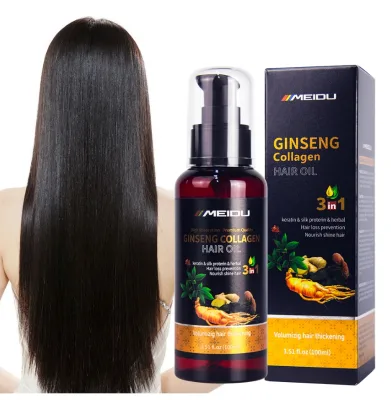
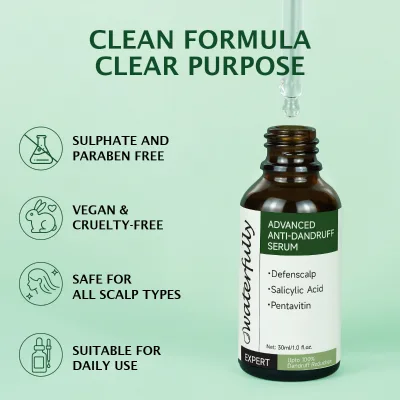
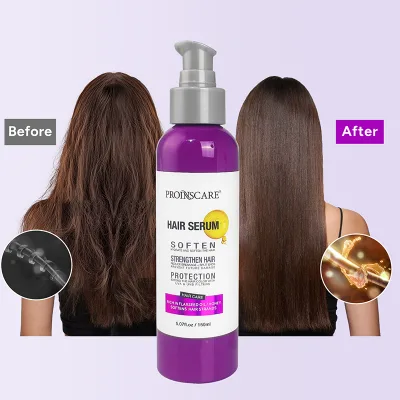
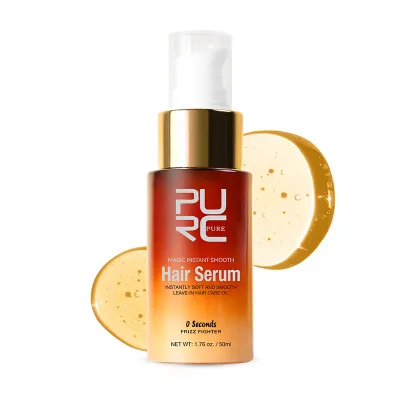
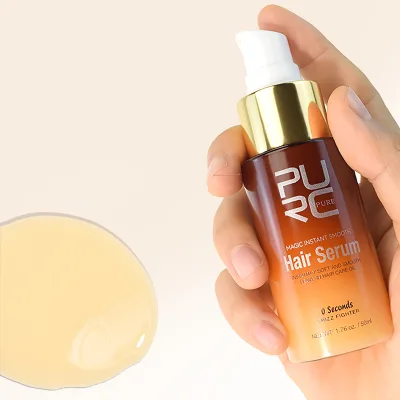
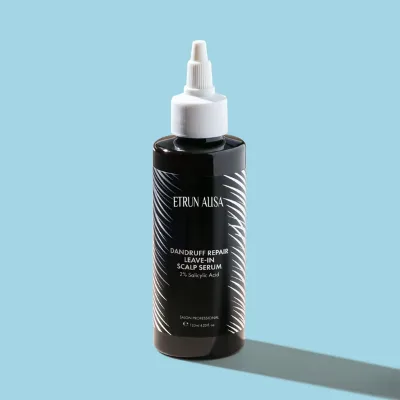
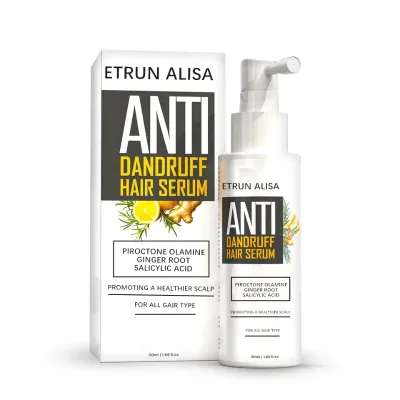
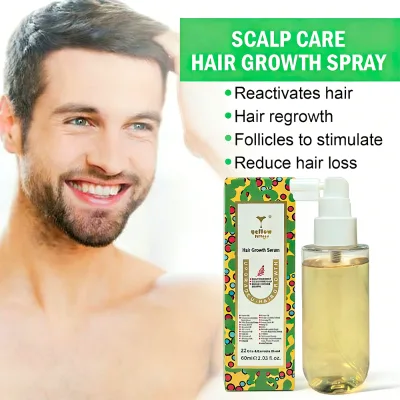
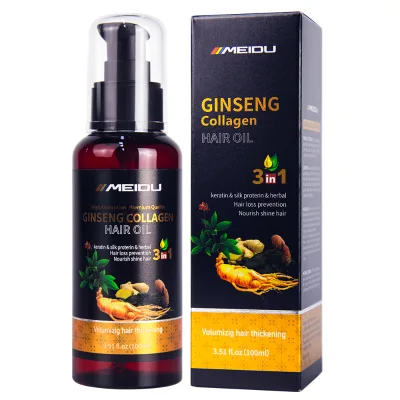
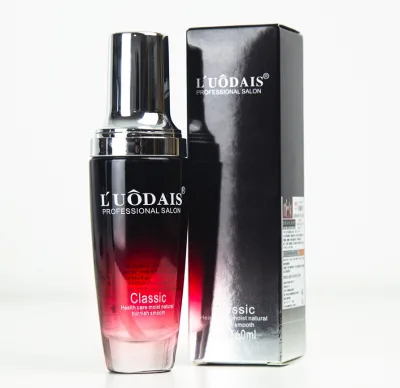


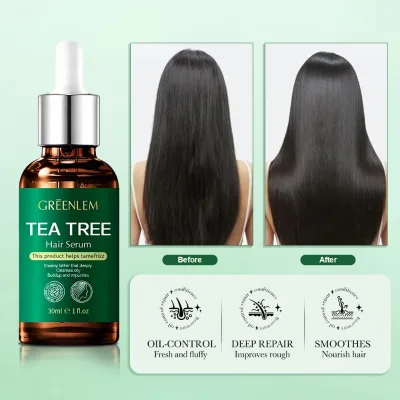


Professional Anti Hair Loss & Hair Regrowth Treatment Hair Growth Serum
$2.01 - $2.56
MOQ: 1000 Pieces


OEM Root Strengthening Anti Alopecia Scalp Care Essence Hair Growth Serum
$2.40 - $3.00
MOQ: 5000 Pieces

OEM Multi-Patented Herbal Anti Hair Loss Serum Hair Growth Anti Shedding
$2.40 - $3.00
MOQ: 5000 Pieces

Comprehensive Sourcing Guide
Anti-Dandruff Nourish Hair Serum Sourcing Guide
Procuring anti-dandruff nourish hair serum requires a strategic approach that balances cosmetic efficacy with rigorous supply chain verification. Buyers must navigate a market where product claims often overlap, necessitating clear differentiation between standard conditioning agents and specialized treatments for scalp health. The core challenge lies in identifying suppliers who can consistently deliver formulations that address both hair repair and dandruff control without compromising safety or stability. This guide outlines the essential steps for evaluating product scope, technical specifications, and commercial terms to ensure a successful sourcing outcome.
Successful procurement begins with understanding the specific functional attributes required for your target demographic. Observations from current listings indicate a strong emphasis on natural ingredients, such as keratin and ginseng, alongside chemical components designed for intensive repair. Buyers should prioritize products that explicitly state suitability for damaged hair while maintaining a unisex appeal. Verifying the presence of key features like oil control, anti-itching properties, and moisturizing effects is critical to meeting consumer expectations for a comprehensive hair care solution that delivers visible results.
Product Scope and Observed Listing Signals
The observed product landscape for hair serums reveals a diverse range of formulations targeting various hair types and concerns. Listings frequently highlight attributes such as nourishing, refreshing, and hair styling capabilities, often combined with specific benefits like color protection and thickening. Buyers should note that while many products claim to be silicone-free and cruelty-free, these are not universal standards across all suppliers. It is essential to verify these claims individually, as the presence of chemical ingredients alongside natural extracts suggests a hybrid formulation approach that may vary significantly between manufacturers.
Packaging and volume specifications also play a crucial role in defining the product scope for procurement decisions. Common observations include volumes of 100ml and 150ml, packed in cartons containing varying quantities such as 36, 48, or 96 pieces. These variations impact logistics and storage requirements, making it vital to align packaging choices with your distribution strategy. Additionally, the availability of customization options and OEM services indicates that many suppliers are prepared to tailor products to specific brand identities, allowing for greater flexibility in product development and market positioning.
Technical Specifications to Verify
Technical verification must begin with the precise model numbers and product identifiers provided by suppliers. Listings often cite specific models such as C27 or Qst, along with unique identifiers like 14-054257, which serve as critical reference points for quality consistency. Buyers should request detailed technical data sheets that outline the exact concentration of active ingredients, particularly for key components like keratin and ginseng. Understanding the formula concentration is essential for ensuring that the serum delivers the promised therapeutic effects, such as hair repair and root strengthening, without causing adverse reactions.
Physical specifications and shelf life parameters are equally important for long-term inventory management. Standard observations indicate a single gross weight of approximately 0.35 kg and a shelf life of three years, which supports extended storage capabilities. However, buyers must confirm the stability of the serum under various temperature conditions, especially if distribution involves regions with extreme climates. Verifying the single package dimensions, typically around 10x10x15 cm, helps in optimizing palletization and reducing shipping costs, ensuring that the product remains intact and effective throughout the supply chain.
Compliance and Safety Documentation
Compliance with international standards is non-negotiable for hair care products, particularly those making specific health-related claims. Suppliers should provide comprehensive documentation including Certificates of Free Sale (CFS), Letters of Authorization (LOA), and Material Safety Data Sheets (MSDS). These documents are essential for customs clearance and regulatory approval in target markets. Buyers must ensure that the supplier holds valid certifications such as ISO, FDA, SGS, GMP, and GMPC, which demonstrate adherence to good manufacturing practices and quality management systems.
Beyond basic certifications, buyers should verify the specific standards applied to the product formulation and packaging. Observations indicate that products may comply with GMPC/GMP/ISO or GMPC/GMP/SGS standards, but these can vary by batch or supplier. It is crucial to request evidence of recent audit reports to confirm that the manufacturing facility maintains consistent compliance. Additionally, verifying that the product is suitable for all hair types and does not contain prohibited substances is vital for avoiding regulatory hurdles and ensuring consumer safety across diverse demographic groups.
Cost Drivers and Commercial Terms
Cost structures for hair serums are influenced by several key factors, including ingredient quality, packaging complexity, and order volume. The observed price range of $0.47 to $5.00 USD reflects significant variation based on formulation sophistication and brand positioning. Buyers should analyze the cost breakdown to understand the value proposition, particularly when comparing products with similar feature sets. High MOQs, ranging from 2 to 10,000 pieces, can impact cash flow, so negotiating flexible terms based on initial trial orders is advisable for new product introductions.
Commercial terms also encompass supply abilities and shipment timelines, which directly affect inventory planning. Suppliers typically offer monthly supply capacities of up to 1,000,000 pieces, with shipment lead times around 15 days. These metrics are critical for maintaining stock levels and meeting market demand. Buyers should also consider the availability of samples, which are often available for quality assessment before committing to large orders. Understanding these commercial dynamics allows for more accurate forecasting and risk mitigation in the procurement process.
Supplier Qualification and Quality Control
Supplier qualification requires a thorough assessment of their manufacturing capabilities and quality control processes. Buyers should verify the supplier’s origin, with many products originating from Guangdong or Guangzhou, China, regions known for their cosmetic manufacturing expertise. It is essential to conduct on-site audits or request third-party inspection reports to confirm that the facility adheres to the claimed certifications. Evaluating the supplier’s ability to handle OEM/ODM requests is also crucial, as it indicates their flexibility and commitment to customizing products to meet specific brand requirements.
Quality control measures must be integrated into the procurement contract to ensure consistent product performance. Buyers should specify acceptance criteria for key attributes such as viscosity, scent, and active ingredient concentration. Regular quality checks during production and pre-shipment inspections are recommended to detect any deviations from the agreed specifications. Additionally, establishing a clear protocol for handling defective goods or non-conforming batches is vital for maintaining brand reputation and ensuring customer satisfaction in the final market.
Long-Term Procurement Checks
Long-term procurement success depends on continuous monitoring of supplier performance and market trends. Buyers should establish key performance indicators (KPIs) related to delivery reliability, product quality, and responsiveness to issues. Regular reviews of supplier audits and certification renewals are necessary to ensure ongoing compliance with regulatory standards. Building a strong relationship with suppliers can also facilitate better pricing and priority treatment during periods of high demand or supply chain disruptions.
Market dynamics in the hair care sector are evolving, with increasing consumer demand for natural and sustainable products. Buyers should stay informed about emerging ingredients and formulation technologies that could enhance product efficacy. Periodic reassessment of product specifications and packaging designs is recommended to align with changing consumer preferences. By maintaining a proactive approach to supplier management and market analysis, buyers can ensure that their anti-dandruff nourish hair serum offerings remain competitive and relevant in the long term.
FAQs
What certifications do the hair serum products hold?
The products hold ISO, FDA, SGS, GMP, and GMPC certifications. These credentials ensure compliance with international manufacturing standards. Buyers can request supporting documents such as Cfs, Loa, and MSDS for verification. This documentation supports regulatory requirements for global distribution and ensures product safety and quality assurance for all clients.
Can the brand name be customized for private label?
Yes, OEM and ODM customization is welcome for private label orders. Buyers can customize the brand name, packaging, and formula to meet specific market needs. The supplier accepts custom requests to align with unique branding strategies. This flexibility allows businesses to establish distinct market identities while leveraging established manufacturing capabilities and quality standards.
What is the minimum order quantity for bulk purchases?
The minimum order quantity is set at 10 cartons. Each carton typically contains 48 pieces, depending on the specific model. This MOQ structure supports efficient logistics and production planning. Buyers should verify the exact piece count per carton for their selected model to ensure accurate inventory planning and cost estimation for initial orders.
How long does production and shipment take?
The supply ability is 1,000,000 pieces per month. Shipment typically takes 15 days after order confirmation. This lead time ensures timely delivery for most bulk orders. Buyers should account for this duration when planning inventory replenishment. The high monthly capacity supports large-scale orders without significant delays in production scheduling.
What are the key features of the hair serum?
The serum offers nourishing, refreshing, and smoothing effects. It targets damaged hair with anti-dandruff and moisturizing properties. Additional features include color protection, hair repair, and oil control. The formula is silicone-free and cruelty-free. These attributes make it suitable for all hair types, providing comprehensive care for adult users seeking natural hair solutions.
Where are these hair care products manufactured?
The products originate from Guangdong, China, specifically Guangzhou. This region is known for its robust manufacturing infrastructure. Buyers can rely on established supply chains in this location. The origin ensures consistent quality control and efficient logistics for international shipping. This geographic advantage supports reliable production schedules and competitive pricing for global buyers.