Source Oil Control Fluffy Dry Shampoo for Oily, Oily Hair, and Oily and Dirty Hair
Find 30 verified suppliers offering Oil Control Fluffy Dry Shampoo designed for oily, oily hair, and oily and dirty hair types. Compare features like oil control, refreshing, and fluffy effects with customizable OEM/ODM options available; compare the available evidence and request quotations based on your requirements.
Updated
Key considerations
Products List
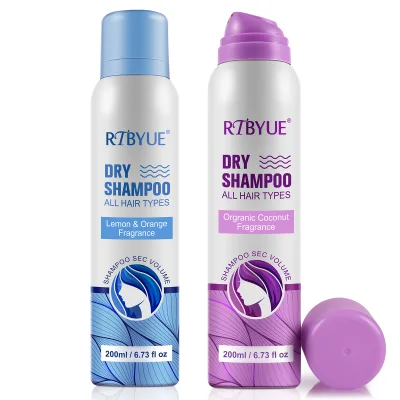

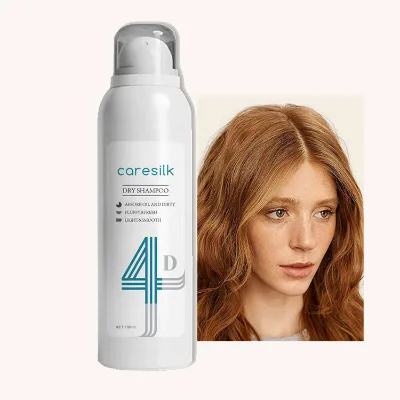
4 OEM ODM Hot Sale No-Wash Air-Feeling Fluffy Spray Remove Oil Dry Shampoo
$0.90 - $1.00
MOQ: 10000 Pieces


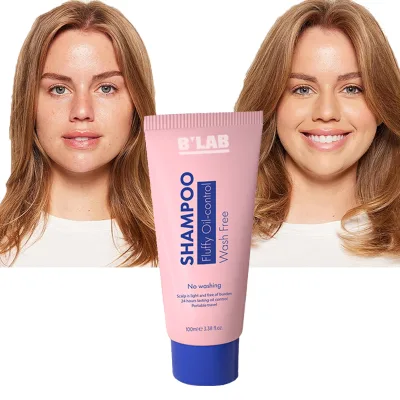

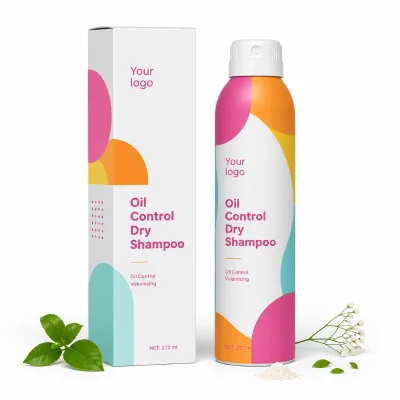
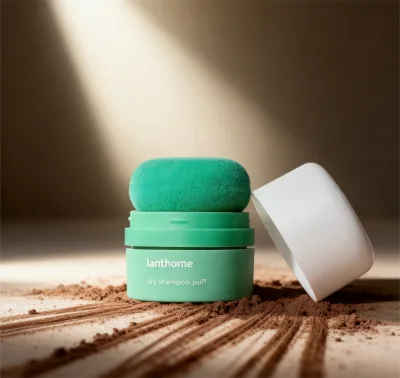
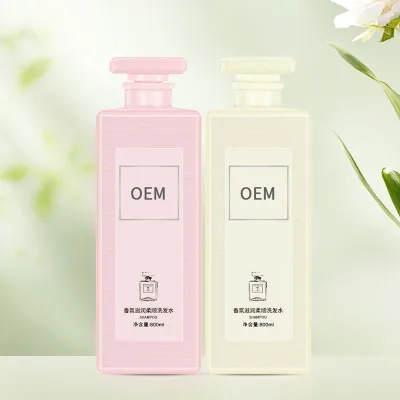
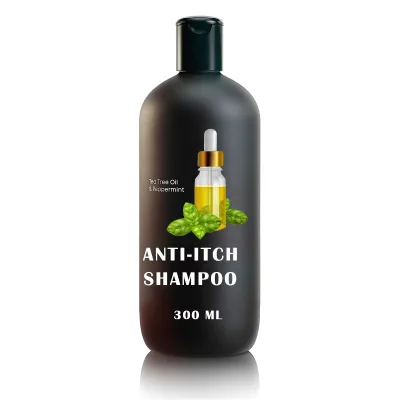


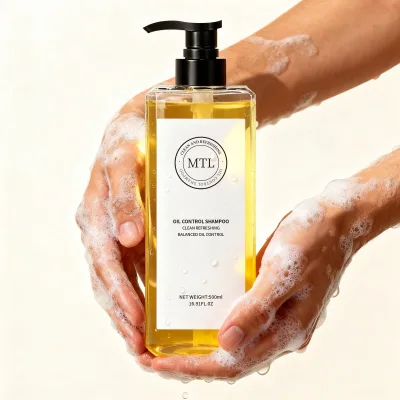
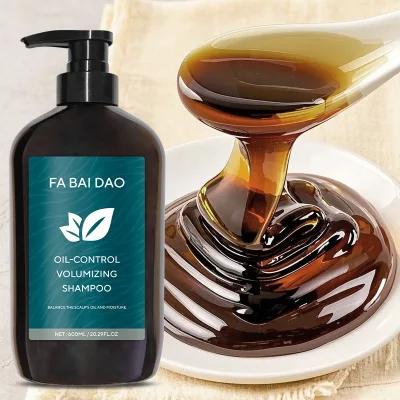


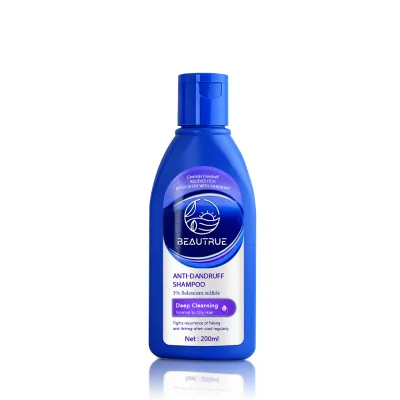
Comprehensive Sourcing Guide
Oil Control Fluffy Dry Shampoo Sourcing Guide
Procuring Oil Control Fluffy Dry Shampoo requires a strategic approach to balancing functional efficacy with supply chain reliability. Buyers must prioritize suppliers who demonstrate consistent performance in oil absorption and volume enhancement, as these are the primary value drivers for end-users. The market offers various formulations, ranging from powder-based solutions to aerosol alternatives, each presenting distinct logistical and regulatory challenges. Understanding the specific ingredient profiles, such as the presence of ethanol or herbal extracts, is critical for ensuring the product aligns with target demographic preferences and safety standards.
This guide outlines the essential verification steps for sourcing these products from manufacturers, particularly those based in key production hubs like Guangdong, China. It focuses on technical specifications, compliance documentation, and commercial terms that directly impact procurement success. By adhering to these evidence-based criteria, buyers can mitigate risks associated with inconsistent product quality, regulatory non-compliance, and supply chain disruptions. The following sections provide a structured framework for evaluating suppliers and selecting the most suitable partners for long-term business growth.
Product Scope and Observed Listing Signals
The observed product landscape for dry shampoo reveals a strong emphasis on oil control and texturizing benefits, with listings frequently highlighting attributes such as "fluffy," "fresh," and "natural" hair appearance. Common features include anti-itching properties and thickening effects, catering specifically to consumers with oily or dirty hair types. Ingredients often cited in these listings include limonene, fragrance, ethanol, and natural extracts like aloe vera and argan oil, indicating a diverse range of formulation strategies aimed at achieving immediate visual and sensory improvements.
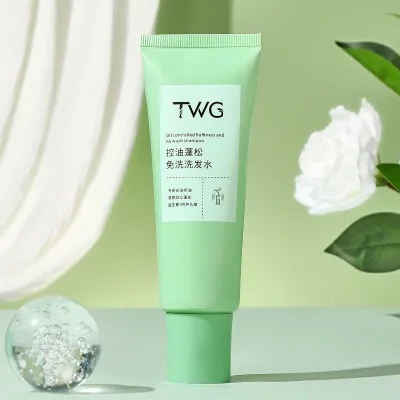
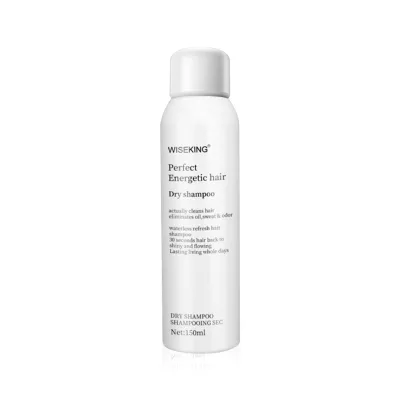
Supply types are predominantly OEM and ODM, allowing brands to customize products with their own branding while leveraging manufacturer expertise. Packaging options vary, with plastic and aluminum bottles being common, and sizes ranging from 80ml to 200ml, alongside specific volume indicators like 100ml and 150ml. The presence of free samples and customization availability suggests a flexible supply chain, but buyers must verify the actual material composition and scent profiles, such as herbal or floral notes, to ensure they match their brand identity and customer expectations.
Technical Specifications to Verify
Verifying technical specifications is crucial for ensuring product consistency and performance. Buyers should confirm the physical form of the dry shampoo, whether it is a powder or liquid-based solution, as this impacts application method and user experience. Key attributes to validate include the single package size, which may vary from 12x8x6 cm to 20x5x5 cm, and the gross weight, typically around 0.150 kg per unit. These dimensions are essential for calculating shipping costs and optimizing warehouse storage efficiency.
Additionally, the model number and bottle material must be clearly defined to avoid production errors. Specifications such as FB31920 or general "Dry shampoo" models should be cross-referenced with the actual product samples. Buyers must also verify the capacity and weight claims, ensuring that products labeled as 200ml or 6.73 fl oz meet these standards. Consistency in these technical details is vital for maintaining brand integrity and preventing customer dissatisfaction due to discrepancies between marketing claims and actual product attributes.
Compliance and Safety Documentation
Compliance with international safety standards is non-negotiable for dry shampoo products, especially those containing volatile ingredients like ethanol and fragrances. Buyers must request detailed ingredient lists and safety data sheets to verify the absence of prohibited substances and ensure accurate labeling. The presence of allergens such as limonene and parfum/fragrance requires clear disclosure to comply with regulations in target markets, protecting consumers and mitigating legal risks for the brand.
Furthermore, manufacturers should provide evidence of adherence to relevant cosmetic regulations, such as those enforced by the FDA or EU authorities, depending on the destination market. Documentation should include proof of good manufacturing practices and any third-party testing results that confirm product safety and efficacy. Buyers should also verify that the supplier has the necessary certifications to handle and export cosmetic products, ensuring that the supply chain remains compliant from production to delivery.
Cost Drivers and Commercial Terms
Cost structures for dry shampoo are influenced by several factors, including raw material quality, packaging complexity, and order volume. The observed price range of $0.24 to $10.2 USD reflects significant variation based on formulation sophistication and brand positioning. Buyers should analyze the cost breakdown to understand the impact of ingredients like argan oil or herbal extracts on the final price. Higher-priced items may offer superior quality or unique benefits, but they must be justified by clear value propositions.
Minimum order quantities (MOQs) typically range from 1 to 30,000 units, offering flexibility for both small startups and large enterprises. Buyers should negotiate terms that align with their inventory management strategies, considering the trade-offs between lower unit prices at higher volumes and the risks of overstocking. Additionally, payment terms, lead times, and shipping costs should be clearly defined to avoid unexpected expenses. Understanding these commercial dynamics is essential for maintaining healthy profit margins and ensuring sustainable business operations.
Supplier Qualification and Quality Control
Supplier qualification involves a thorough assessment of manufacturing capabilities, quality control processes, and past performance. Buyers should prioritize suppliers with established OEM/ODM experience, as indicated by the widespread acceptance of customization in the market. Verifying the supplier's location, such as Guangdong, China, can provide insights into their logistical advantages and supply chain resilience. It is also important to assess their ability to maintain consistent product quality across large production runs.
Quality control measures should include rigorous testing for product stability, ingredient consistency, and packaging integrity. Buyers should request samples to evaluate the product's performance in terms of oil absorption, freshness, and fluffiness. Additionally, suppliers should have robust systems in place for handling defects and customer complaints. Establishing clear communication channels and regular quality audits can help maintain high standards and ensure that the final product meets the buyer's expectations and regulatory requirements.
Long-Term Procurement Checks
Long-term procurement success depends on continuous monitoring of supplier performance and market trends. Buyers should regularly review supplier metrics, including on-time delivery rates, product quality consistency, and responsiveness to issues. Establishing key performance indicators (KPIs) can help track these metrics and identify areas for improvement. Regular communication with suppliers can also foster stronger relationships and facilitate collaborative problem-solving.
Additionally, buyers should stay informed about changes in regulatory requirements and consumer preferences, which can impact product demand and compliance needs. Adapting to these changes requires flexibility and proactive planning. By maintaining a strategic approach to supplier management and quality assurance, buyers can ensure a stable and reliable supply of Oil Control Fluffy Dry Shampoo, supporting their brand's growth and market competitiveness in the long run.
FAQs
How does this dry shampoo control oil and keep hair fluffy?
It controls oil and keeps hair fluffy by absorbing excess sebum and dirt quickly. The formula contains ingredients like limonene and ethanol to refresh hair. It leaves hair feeling natural, dry, and flexible. This makes it ideal for oily hair types needing a quick, effective refresh without washing.
What is the minimum order quantity for bulk purchases?
The minimum order quantity ranges from 1 to 30,000 units depending on the supplier. Buyers can often start with a single item for sampling. Bulk orders allow for significant cost savings. Check specific supplier listings for exact MOQ requirements tailored to your volume needs and customization requests.
Can I get custom branding or OEM services for this product?
Yes, OEM and ODM services are accepted and warmly welcomed by many suppliers. You can customize the brand, packaging, and formula. The product is available in various sizes like 100ml, 150ml, and 200ml. This flexibility allows businesses to create unique products that meet specific market demands and branding goals.
Where are these dry shampoo products manufactured?
These products are primarily manufactured in Guangdong, China. Suppliers in this region offer competitive pricing and reliable production capabilities. The origin is clearly stated as China for most listings. Buyers can source directly from these factories to ensure quality control and efficient logistics for international shipping needs.
What ingredients are used in the oil control formula?
Common ingredients include limonene, fragrance, and ethanol for oil absorption. Some variants feature herbal, organic, aloe vera, or argan oil components. These ingredients help clarify and deep cleanse hair. The formula is designed to be refreshing and anti-itching, suitable for adults with oily or dirty hair types seeking a natural look.
What packaging options are available for this dry shampoo?
Packaging options include plastic and aluminum bottles with carton outer packaging. Single package sizes vary, such as 20x5x5 cm or 12x8x6 cm. Standard volumes include 100ml, 150ml, and 200ml. Buyers can choose regular sizes or request custom packaging solutions to suit their retail requirements and branding strategies effectively.