Source Organic Vegan Rosemary Shampoo and Conditioner Set for home, salon, retail
Explore 30 listings for the Organic Vegan Rosemary Shampoo and Conditioner Set, featuring customizable OEM options and diverse formulations like tea tree and coconut oil. Buyers can compare specifications, pricing, and lead times to find suitable suppliers for home, commercial, or private label needs.
Updated
Key considerations
Products List
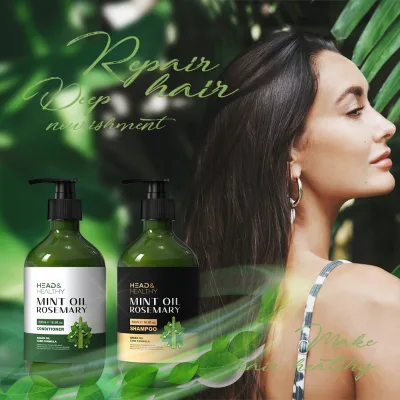
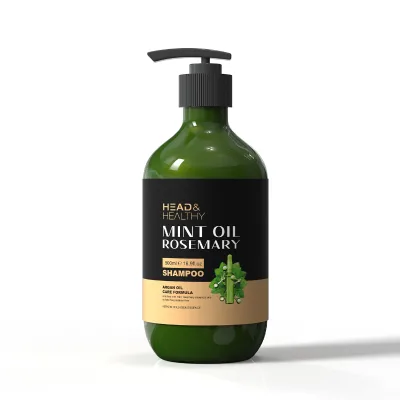


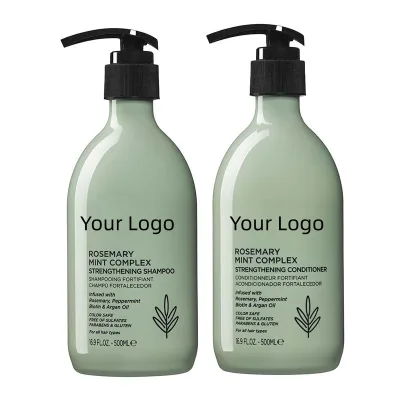

Organic Hair Care Essentials: Nourishing Gel, Shampoo & Conditioner Set
$0.04 - $0.22
MOQ: 5000 Pieces


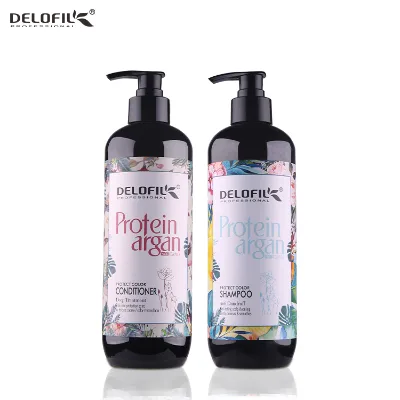
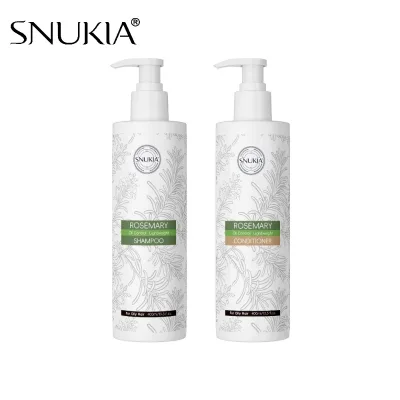


Factory Price Color Protection L Sulphate Free Hair Shampoo and Conditioner Set
$1.40 - $2.00
MOQ: 100 Pieces


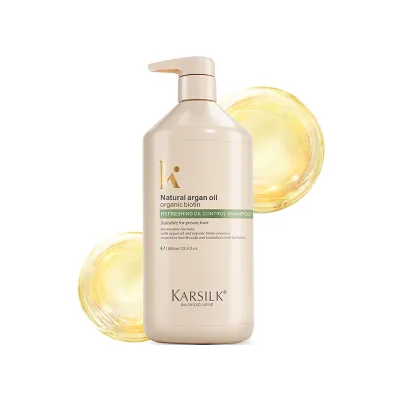

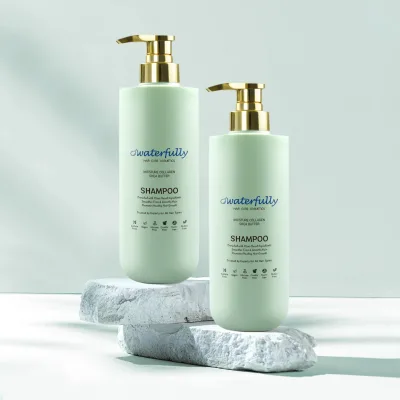
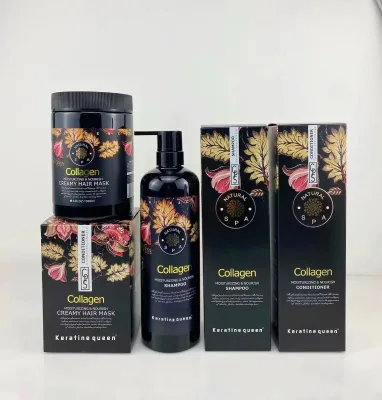
Comprehensive Sourcing Guide
Organic Vegan Rosemary Shampoo and Conditioner Set Sourcing Guide
Sourcing an Organic Vegan Rosemary Shampoo and Conditioner Set requires careful alignment of ingredient integrity with manufacturing capabilities. The market offers OEM and ODM services that allow brands to customize formulations while maintaining specific ethical standards. Buyers must verify that the "vegan" and "organic" claims are substantiated by the supplier’s actual ingredient sourcing and processing methods. This guide focuses on the technical and commercial realities of procuring these specialized hair care products from manufacturers, primarily located in regions like Guangdong, China, where such production ecosystems are established.
Procurement teams should prioritize suppliers who explicitly offer private label services for rinse-off hair care products. The observed product landscape includes 2-in-1 formulas and separate sets, often targeting adult consumers with all hair types. Key features observed in listings include color protection, anti-dandruff properties, and oil control, which must be balanced with the core rosemary and herbal profile. Understanding these functional overlaps helps buyers define precise specifications that meet both marketing promises and regulatory requirements for organic and cruelty-free products.
Product Scope and Observed Listing Signals
The current market signals indicate a strong presence of 2-in-1 shampoo and conditioner formulations that combine cleansing and conditioning benefits. These products are frequently marketed with features such as hair-loss prevention, nourishing effects, and anti-frizz properties, appealing to a broad adult demographic. The observed listings often highlight ingredients like tea tree oil, coconut oil, and peppermint alongside rosemary, suggesting a complex herbal blend rather than a single-ingredient focus. Buyers should expect formulations that are silicone-free and sulfate-free, aligning with modern clean beauty trends.
Volume and packaging specifications vary, with common sizes including 500ml options and customized capacities ranging up to 1000ml. The physical product form is typically observed as a cream or liquid, though some solid variants exist in the broader category. Packaging often involves cartons with specific single package dimensions, such as 30x30x30 cm for bulk shipments or smaller units for retail. These logistical details are critical for calculating freight costs and storage requirements, especially when ordering mixed SKUs or large MOQs that can range from 1 to 5000 units.
Technical Specifications to Verify
Verifying the exact model numbers and production standards is essential for maintaining consistency across batches. Suppliers may use internal model codes such as SHN-A11, XFS011, or XFS004 to denote specific formulations or packaging configurations. Buyers must confirm that the selected model aligns with the desired volume, whether it is 500ml, 800ml, or 1000ml, and that the formula matches the claimed 2-in-1 or separate set structure. The ingredient list should explicitly confirm the presence of rosemary oil, argan oil, and other plant essential oils, ensuring the "organic" claim is technically supported by the formulation.
The production timeline and trade terms also form part of the technical specification framework. Typical production times range from 7 to 30 days, depending on customization levels and order volume. Buyers should clarify whether the supplier operates under EXW, FOB, CIF, CFR, DAP, or DDP terms, as this impacts risk allocation and logistics planning. Additionally, confirming the single gross weight and package dimensions helps in accurate freight calculation. Ensuring that the product is labeled as rinse-off and suitable for home or commercial use prevents downstream compliance issues.
Compliance and Safety Documentation
Ensuring that the product meets international safety and ethical standards is a non-negotiable aspect of sourcing organic hair care. Buyers must request documentation that verifies the cruelty-free and vegan status of the ingredients, particularly for rosemary and herbal extracts. While specific certification bodies are not listed in the observed data, suppliers should be able to provide evidence of their compliance with relevant cosmetic regulations in target markets. This includes verifying that the product does not contain prohibited substances and that the "sulfate-free" and "silicone-free" claims are accurate through laboratory analysis.
Documentation should also cover the origin of raw materials, especially for organic claims. Buyers need to confirm that the plant essential oils and herbal ingredients are sourced from certified organic farms or suppliers. The place of origin, often Guangdong, China, should be transparently declared, and any additional processing steps should be documented. Ensuring that the product meets the standards for its intended market, whether for home use or commercial application, requires a thorough review of the supplier’s quality management systems and safety data sheets.
Cost Drivers and Commercial Terms
The cost of organic vegan rosemary shampoo and conditioner sets is influenced by several key factors, including ingredient quality, packaging complexity, and order volume. The observed price range of $0.02 to $8 per unit suggests significant variation based on formulation sophistication and branding requirements. Buyers should anticipate higher costs for products with extensive herbal blends, such as those containing rosemary, argan oil, and tea tree oil, compared to simpler formulations. Customization options, such as private labeling and unique packaging designs, also add to the overall cost structure.
Commercial terms play a crucial role in the final landed cost. Suppliers typically offer flexible trade terms like EXW, FOB, CIF, CFR, DAP, or DDP, each affecting the buyer’s responsibility for shipping and insurance. The minimum order quantity (MOQ) can range from 1 to 5000 units, impacting per-unit pricing through economies of scale. Buyers should negotiate clearly on production lead times, which typically span 7 to 30 days, to align with their inventory planning. Understanding these cost drivers helps in budgeting accurately and avoiding unexpected expenses during the procurement process.
Supplier Qualification and Quality Control
Qualifying suppliers for organic and vegan hair care products requires a rigorous assessment of their manufacturing capabilities and quality control processes. Buyers should verify the supplier’s experience in producing OEM and ODM products, particularly those with herbal and organic formulations. Checking for past performance in similar categories, such as anti-dandruff or hair-loss prevention shampoos, can provide insights into their technical expertise. It is also important to assess their ability to handle custom ingredients and maintain consistency in product quality across different batches.
Quality control measures should include regular testing of raw materials and finished products to ensure compliance with safety and efficacy standards. Buyers should request samples to evaluate the product’s texture, scent, and performance, particularly for features like moisturizing, smoothing, and color protection. Establishing clear communication channels for feedback and issue resolution is essential for long-term partnerships. Additionally, verifying the supplier’s ability to meet production timelines and handle logistics efficiently ensures a smooth procurement experience and minimizes supply chain disruptions.
Long-Term Procurement Checks
Long-term procurement success depends on continuous monitoring of supplier performance and market trends. Buyers should regularly review product quality, delivery times, and customer feedback to identify areas for improvement. Staying updated on regulatory changes in target markets is crucial, especially for claims related to organic, vegan, and cruelty-free products. Regular audits of the supplier’s facilities and processes can help maintain high standards and ensure ongoing compliance with ethical and safety requirements.
Building a resilient supply chain involves diversifying suppliers and negotiating favorable long-term contracts. Buyers should explore opportunities for volume discounts and improved payment terms as order quantities increase. Maintaining open communication with suppliers regarding new ingredient trends and formulation innovations can help keep products competitive. By proactively managing these relationships and monitoring key performance indicators, buyers can ensure a steady supply of high-quality organic vegan rosemary shampoo and conditioner sets that meet their brand’s standards and customer expectations.
FAQs
Can I get a custom logo on the Organic Vegan Rosemary Shampoo and Conditioner Set?
Yes, the product supports OEM, ODM, and private label services for custom branding. Buyers can apply their own logo to the packaging or product. This customization is available for the SHIHUANUO brand and other models. It allows businesses to create unique market identities while leveraging established manufacturing capabilities and flexible production timelines.
What is the minimum order quantity for the Organic Vegan Rosemary Shampoo and Conditioner Set?
The minimum order quantity ranges from 1 to 5000 units depending on the specific model and customization requirements. This flexibility accommodates both small trial orders and large-scale commercial purchases. Buyers should verify the exact MOQ for their chosen specification, such as the 500ml volume or specific model numbers like SHN-A11, during negotiation.
What ingredients are used in the Organic Vegan Rosemary Shampoo and Conditioner Set?
The formula includes herbal extracts, organic components, tea tree oil, coconut oil, and rosemary. It is silicone-free, sulfate-free, and cruelty-free. Additional ingredients may include peppermint, ginger, and salicylic acid. These plant-based essential oils provide nourishing and moisturizing benefits, making the product suitable for all hair types and adult users seeking natural care solutions.
How long does production take for the Organic Vegan Rosemary Shampoo and Conditioner Set?
Production time typically ranges from 7 to 30 days after order confirmation. This duration allows for quality control and customization processes. Buyers should account for this lead time when planning inventory. The timeline may vary based on the order volume and specific packaging requirements, such as the standard carton packing or single item units.
What certifications or standards apply to the Organic Vegan Rosemary Shampoo and Conditioner Set?
The product is manufactured in Guangdong, China, and adheres to standard trade terms like EXW, FOB, and CIF. While specific certification documents are not listed, the ingredients are noted as organic, vegan, and cruelty-free. Buyers should request detailed compliance documentation from suppliers to ensure alignment with their local regulatory requirements and market standards.
What volume options are available for the Organic Vegan Rosemary Shampoo and Conditioner Set?
Standard volume options include 500ml, 800ml, and 1000ml, with customization available for specific needs. The product is designed for home use and commercial applications. Buyers can select the appropriate size based on their target market preferences. The packaging dimensions vary, with some models measuring 30x30x30 cm or 9x9x20 cm for efficient shipping and storage.