Source LCD Display Hair Curling Iron for Salon, SPA, and Commercial Use
Compare 30 LCD Display Hair Curling Iron options featuring PTC heaters, ceramic barrels, and LED or LCD displays. Buyers can evaluate temperature settings, barrel sizes, and customization services for salon, SPA, and commercial applications; compare the available evidence and request quotations based on your requirements.
Updated
Key considerations
Products List


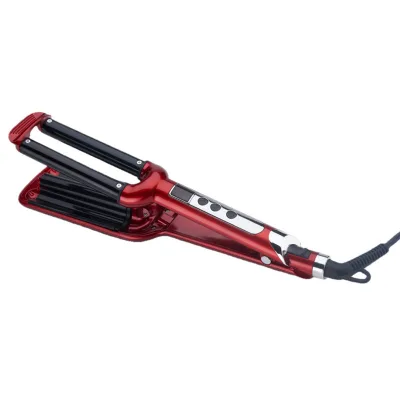
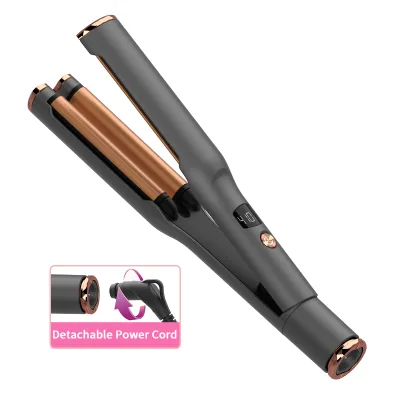
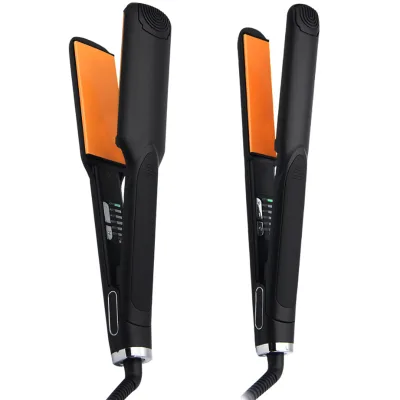


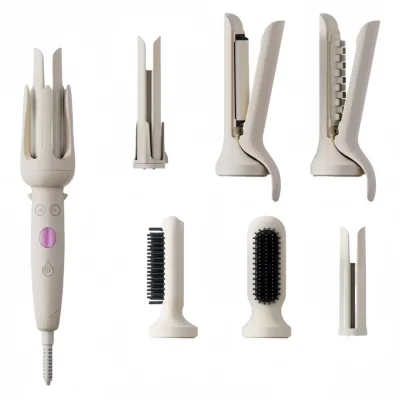
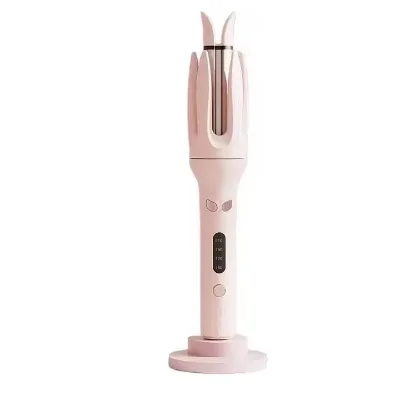
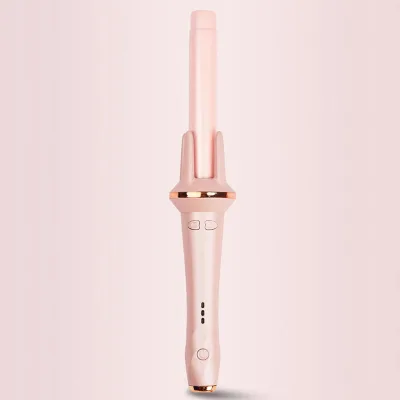
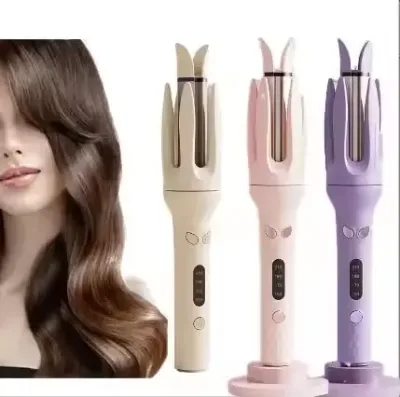
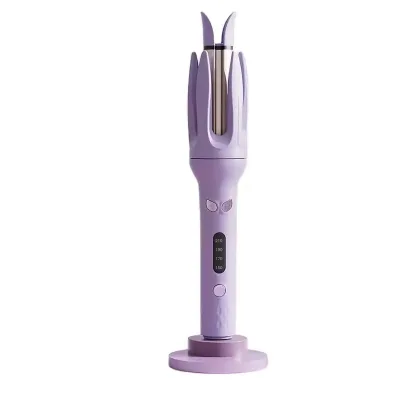
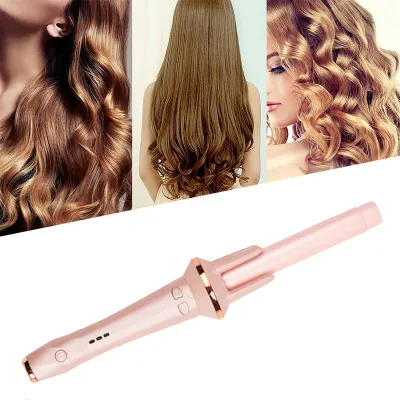


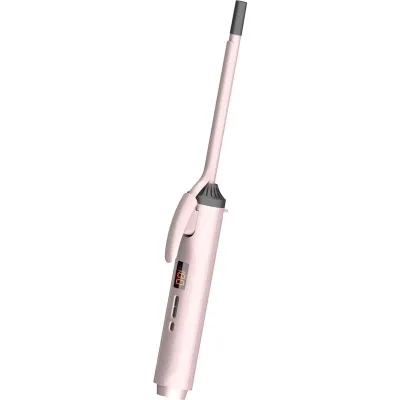
Automatic Curling Iron Electric Rotating High Value Doesn't Damage Hair Automatic Curling Iron
$6.87 - $7.05
MOQ: 1000 Pieces


Comprehensive Sourcing Guide
LCD Display Hair Curling Iron Sourcing Guide
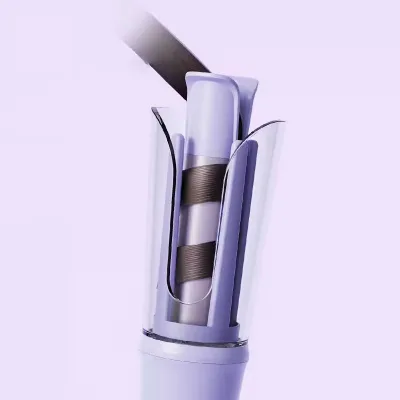
Procurement professionals evaluating LCD display hair curling irons must first distinguish between semi-automatic and fully automatic variants, as the supplied data indicates both types exist in the current market. The presence of LED and LCD display types suggests varying levels of user interface sophistication, where buyers should verify if the digital readout provides precise temperature feedback or merely status indicators. Understanding this distinction is critical for selecting equipment that matches the operational speed and training requirements of commercial salon environments versus high-end spa settings.
Buyers must also scrutinize the customization capabilities listed in product attributes, specifically the availability of private labeling and custom packaging options. The observed data confirms that suppliers offer services for custom labels and packing, which is essential for brands seeking to differentiate their product lines in competitive retail channels. However, procurement teams should treat these customization claims as observations of supplier capability rather than guaranteed outcomes for every listed unit, requiring direct confirmation of minimum order quantities and design turnaround times before finalizing agreements.
Product Scope and Observed Listing Signals
The observed product range includes specific barrel diameters such as 19mm, 22mm, 25mm, 28mm, 32mm, and 38mm, alongside barrel lengths of 130mm, 150mm, and 180mm. These dimensions directly influence the curl style achievable, with smaller diameters creating tighter curls and larger barrels producing loose waves. Sourcing teams should map these physical specifications to their target customer demographics, ensuring the inventory mix aligns with the specific styling needs of their salon clients or retail end-users.
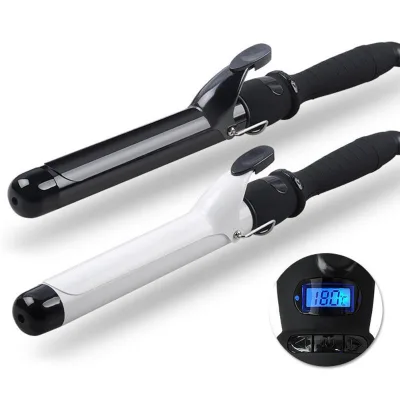
Temperature settings observed in the listings vary significantly, with ranges noted from 80°C to 220°C, though some conflicting data points suggest specific minimums and maximums that require clarification. The power consumption is consistently listed around 65W, which is a key factor for energy efficiency in commercial settings. Buyers must verify the actual operational temperature range for each specific model, as the discrepancy between observed settings like 80-200°C and 180-220°C indicates potential model variations that could impact hair safety and styling efficacy.
Technical Specifications to Verify
Verification of the heating element type is paramount, as the supplied facts explicitly identify PTC (Positive Temperature Coefficient) heaters as the standard technology. PTC heaters offer self-regulating properties that can prevent overheating, but buyers must confirm the stability of the temperature control system across the full range of 80°C to 220°C. It is essential to request test data demonstrating how quickly the barrel reaches the set temperature and how consistently it maintains that heat during continuous commercial use.
The material composition of the barrel and housing requires careful assessment, with ceramic and PBT materials cited in the product attributes. Ceramic barrels are often preferred for even heat distribution, while PBT materials may be used for the handle or internal components to ensure durability. Procurement teams should inspect samples to confirm the "wear and tear" resistance and scratch prevention features claimed for the bare barrel, ensuring the physical construction can withstand the rigors of daily professional styling without degrading the finish or performance.
Compliance and Safety Documentation
Safety compliance is a non-negotiable aspect of sourcing, with the supplied context listing a broad array of potential certifications including CE, RoHS, PSE, ETL, CETL, SAA, SASO, BS, CB, and KC. Buyers must not assume that a single listing satisfies all these standards; instead, they should request specific test reports for the target export markets to verify that the unit meets the local regulatory requirements. The presence of multiple certification codes in the data suggests a supplier's capability to meet various international standards, but each shipment must be backed by valid, current documentation.
Electrical safety and voltage compatibility are critical verification points, as the observed voltage range spans from 100V to 240V. This wide range suggests universal voltage capability, which is advantageous for global distribution, yet buyers must confirm the plug type and internal wiring safety for their specific destination. Additionally, the warranty period of two years mentioned in the data should be validated against the supplier's actual terms, ensuring that the coverage includes both the heating element and the electronic display components against manufacturing defects.
Cost Drivers and Commercial Terms
Pricing in the observed market ranges from 1 to 22 USD, a wide variance that likely reflects differences in material quality, certification levels, and order volume. Buyers should analyze the cost drivers behind this range, noting that models with LCD displays and private labeling capabilities may command higher prices than basic LED or standard units. Understanding the correlation between price and features is essential for budgeting, as the lowest price points may not include the necessary safety certifications or customization services required for a premium brand launch.
Commercial terms such as Minimum Order Quantity (MOQ) and lead times are significant factors in the procurement strategy, with observed MOQs ranging from 1 to 1000 units. The sample delivery time is noted as 3 to 6 days, while production time for bulk orders is estimated at 25 days. Procurement teams must negotiate these timelines carefully, considering that custom packaging and private labeling services may extend the production schedule. Clear agreements on payment terms and shipping responsibilities are necessary to mitigate risks associated with these variable lead times.
Supplier Qualification and Quality Control
Supplier qualification should focus on the origin of the products, which is consistently listed as Mainland, China. Buyers must verify the specific manufacturing facility's capacity to handle the required customization and quality control processes, rather than relying solely on the general origin statement. It is advisable to conduct on-site audits or third-party inspections to ensure that the production line can consistently deliver units that meet the specified barrel dimensions, temperature settings, and material standards.
Quality control protocols must address the specific features listed, such as the "stand wear and tear" capability and the specific barrel colors like white, black, and dark jade green. Buyers should establish clear acceptance criteria for these visual and functional attributes before production begins. Implementing a rigorous inspection plan that includes functional testing of the LCD display and temperature accuracy will help prevent the receipt of non-compliant goods, ensuring that the final product matches the detailed specifications provided in the initial product data.
Long-Term Procurement Checks
Long-term procurement success depends on maintaining a consistent supply chain for replacement parts and accessories, such as the comb set with a 31mm diameter. Buyers should verify the supplier's ability to provide these components over the product's lifecycle, especially given the two-year warranty period. Ensuring that the supply chain can support after-sales service and spare parts availability is crucial for maintaining customer satisfaction and protecting the brand's reputation in the competitive salon and spa market.
Continuous monitoring of market trends and product evolution is necessary, as the data shows multiple model numbers like A725, Q16, and A732. Buyers should establish a feedback loop with the supplier to stay informed about new features, such as updated temperature ranges or improved display technologies. Regularly reviewing the supplier's performance against the initial specifications and warranty claims will help identify any drift in quality or service levels, allowing for proactive adjustments to the procurement strategy to ensure long-term value and reliability.
FAQs
What certifications are available for these hair curling irons?
The products hold CE, RoHS, PSE, ETL, CETL, SAA, SASO, BS, CB, and KC certificates. These approvals ensure compliance with international safety and environmental standards for global distribution. Buyers can verify specific documentation based on their target region's regulatory requirements before placing bulk orders.
Can I customize the packaging and branding for this product?
Yes, private labeling and custom packaging services are available for bulk orders. The supplier offers options such as common gift boxes or fully customized packing solutions. This allows businesses to brand the LCD hair curling iron with their own logo and design elements for retail distribution.
What are the available barrel sizes and lengths for these irons?
Barrel diameters range from 19mm to 38mm, including 25mm and 32mm options. Barrel lengths are available in 130mm, 150mm, and 180mm configurations. These variations allow stylists to choose the appropriate tool size for different hair types and desired curl styles, ensuring versatility in salon applications.
What is the temperature range and power consumption of the device?
The device operates at 65W with an LED display for precise temperature control. Settings typically range from 80°C to 220°C, accommodating various hair textures. Some models feature specific settings like 180°C or 200°C. This wide range ensures safe styling without damaging hair while providing efficient heat-up performance.
What is the sample delivery time and production lead time?
Sample delivery takes approximately 3 to 6 days, allowing for quick evaluation of product quality. For bulk production, the lead time is around 25 days. This timeline helps buyers plan inventory replenishment and manage supply chain logistics effectively while ensuring timely delivery for seasonal salon demands.
What is the minimum order quantity for these hair curling irons?
The minimum order quantity ranges from 1 to 1000 units, offering flexibility for different business sizes. Small buyers can order samples or small batches, while larger retailers can place substantial orders. This scalable MOQ structure supports both emerging brands and established salon supply chains in sourcing efficiently.