Source anti-wrinkle zipper polo shirts for Golf, Business, and Daily Wear
Compare 30 listings for anti-wrinkle zipper polo shirts from verified suppliers. Explore options in cotton and blended fabrics with short or long sleeves, available in custom colors and sizes for men and unisex use; compare the available evidence and request quotations based on your requirements.
Updated
Key considerations
Products List


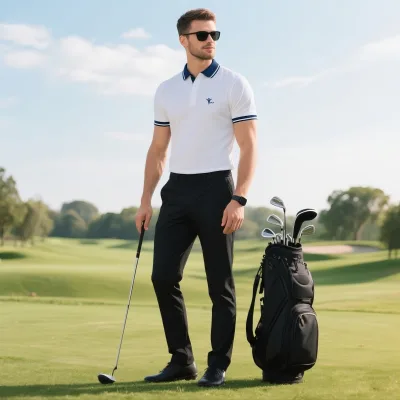

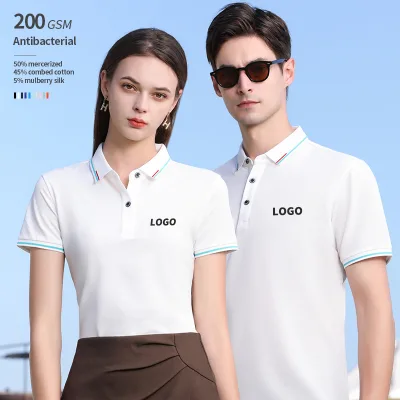
Premium Anti-Wrinkle Cotton-Polyester Polo Shirt for Daily Wear Polo Shirt
$12.90 - $15.80
MOQ: 20 Pieces


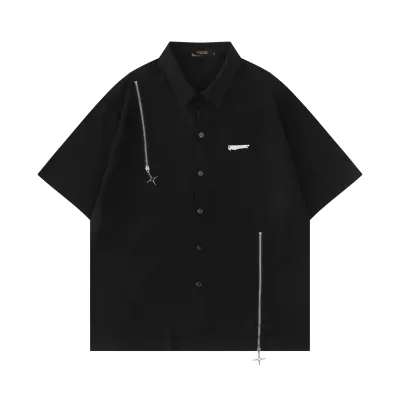
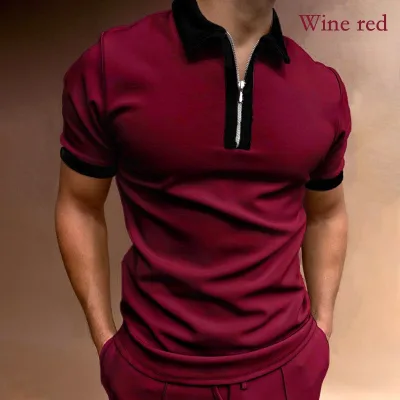


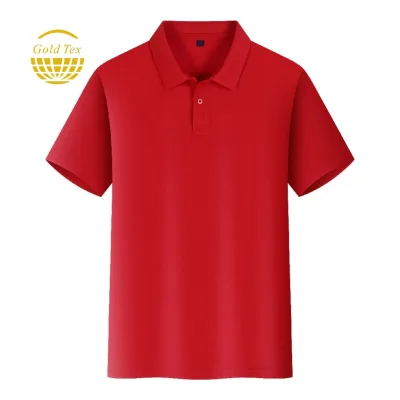
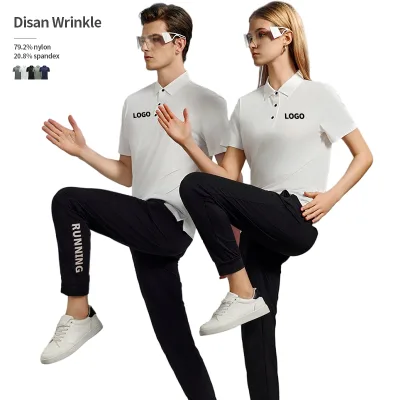


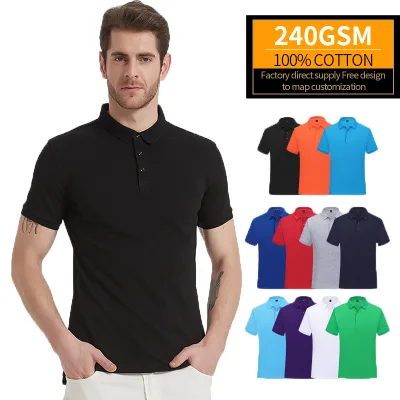
Gray Soft Wrinkle-Resistant Side-Slit Pure Wool Short-Sleeve T-Shirt Polo Shirt
$5.00 - $18.00
MOQ: 100 Pieces

Comprehensive Sourcing Guide
Anti-Wrinkle Zipper Polo Shirts Sourcing Guide
Sourcing anti-wrinkle zipper polo shirts requires a nuanced understanding of fabric blends and construction techniques that balance durability with aesthetic appeal. Buyers must recognize that while the core keyword emphasizes specific features, the actual market listings reveal a diverse range of products that may not strictly adhere to every attribute in the title. The observed product count of thirty items indicates a active supply base, yet the variation in models such as OFFR3036, Molly0903, and GJ56-2801 suggests that buyers should not assume uniformity across all suppliers. It is critical to distinguish between marketing titles and the actual technical specifications provided in the product data to avoid procurement mismatches.
The presence of customization options, including OEM services and custom labeling, highlights the flexibility available in this segment. However, buyers must verify if the "anti-wrinkle" claim is supported by specific fabric treatments or inherent material properties, as the supplied facts list materials like cotton and specific blends without explicitly confirming wrinkle-resistant finishes for every item. The observed price range of 1.8 to 18 USD and MOQs from 1 to 500 pieces offer significant flexibility for different order sizes. Procurement teams should leverage this range to test samples from multiple suppliers, ensuring that the zipper quality and fabric performance meet their specific operational needs before committing to larger volumes.
Product Scope and Observed Listing Signals
The product scope encompasses a variety of polo shirt styles, ranging from casual outdoor wear to business-appropriate attire, as indicated by the listed occasions such as daily use, going out, and business settings. The observed listings include models with short sleeves, long sleeves, and specific collar styles like the polo neck, demonstrating the breadth of the category. Buyers should note that while some items are explicitly labeled as golf polo shirts, others are described with generic terms like "casual" or "solid color," which may imply different levels of formality and performance. This diversity requires buyers to carefully match product attributes to their intended end-use, ensuring that the selected style aligns with the brand's identity and customer expectations.
Key attributes such as gender, age group, and sleeve shape provide further segmentation within the product scope. The data shows options for men, unisex, and adults, with sizes ranging from S to 4XL, indicating a broad target market. However, the absence of explicit "anti-wrinkle" certification in the supplied facts means buyers must treat this as a potential feature rather than a guaranteed standard for all listed items. The inclusion of digital printing, screen printing, and embroidery options suggests that customization extends beyond fabric to include branding elements. Procurement teams should evaluate these decorative options alongside the base garment quality to ensure a cohesive final product that meets both functional and aesthetic requirements.
Technical Specifications to Verify
Technical verification begins with the fabric composition, as the supplied facts list materials such as cotton and specific blends like 67.6% cotton, 24.1% polyester, and 8.3% spandex. These blends influence the garment's drape, stretch, and resistance to wrinkling, making it essential for buyers to request detailed fabric specifications for each model. The knitting technique is noted as a key attribute, which affects the texture and durability of the polo shirt. Buyers should confirm whether the fabric is treated with any chemical finishes to enhance wrinkle resistance, as this is not explicitly stated in the general product attributes. Understanding the interplay between fiber content and construction is vital for predicting the garment's performance in real-world conditions.
Zipper quality and construction details are critical technical aspects that require close inspection. While the core keyword mentions zipper polos, the supplied facts do not specify the type or grade of zipper used in each model. Buyers should verify the zipper material, such as metal or plastic, and its durability under repeated use. Additionally, the packing standards, which vary from CTN to poly bags and boxes, impact the product's presentation and protection during shipping. The observed standard dimensions, such as 26165 and 40X30X2 cm, provide insight into the packaging efficiency. Procurement teams should ensure that the technical specifications align with their quality control protocols to prevent defects in the final product.
Compliance and Safety Documentation
Compliance and safety documentation are foundational for importing apparel, particularly when dealing with international suppliers from China. Buyers must ensure that all products meet the regulatory requirements of their target markets, including fiber content labeling, care instructions, and safety standards for textiles. The supplied facts mention accessories like labels, hangtags, and packaging, which must comply with local labeling laws regarding material composition and country of origin. It is the buyer's responsibility to verify that the supplier provides accurate and compliant documentation, as non-compliance can lead to customs delays or product recalls. Establishing a clear communication channel for documentation requests is essential to maintain supply chain integrity.
Environmental and social compliance standards may also be relevant, depending on the buyer's corporate policies and market expectations. While the supplied facts do not explicitly mention certifications, buyers should inquire about the supplier's adherence to international standards such as OEKO-TEX or ISO certifications. These certifications can provide assurance regarding the safety of chemical treatments used in the fabric and the ethical conditions of production. The ability to support OEM/ODM services suggests that suppliers may be flexible in meeting specific compliance requirements. Buyers should include compliance checks in their supplier qualification process to mitigate risks associated with regulatory non-compliance and ensure that the products are safe for end consumers.
Cost Drivers and Commercial Terms
Cost drivers in the polo shirt market are influenced by fabric quality, customization complexity, and order volume. The observed price range of 1.8 to 18 USD reflects significant variation, likely due to differences in material costs, labor, and design intricacies. Buyers should analyze the cost structure to understand how factors such as sleeve length, collar style, and printing methods impact the final price. The availability of custom packing and labeling services may add to the cost but can enhance brand value. Understanding these drivers allows buyers to negotiate more effectively and allocate their budget efficiently, ensuring that they receive the best value for their specific requirements without compromising on quality.
Commercial terms, including MOQs and shipping options, play a crucial role in the procurement process. The observed MOQ range of 1 to 500 pieces offers flexibility for small and large orders, allowing buyers to scale their purchases based on demand. Shipping methods such as express, air, and sea freight provide options for different delivery timelines and cost constraints. Buyers should consider the total landed cost, including shipping and duties, when evaluating supplier quotes. The support for ODM services indicates that suppliers may offer additional value through design assistance. Establishing clear commercial terms and payment conditions is essential to avoid disputes and ensure a smooth transaction process.
Supplier Qualification and Quality Control
Supplier qualification is a critical step in ensuring the reliability and consistency of the supply chain. Buyers should conduct thorough due diligence on potential suppliers, verifying their business licenses, production capabilities, and past performance. The presence of OEM and ODM services suggests that suppliers have the technical expertise to handle custom orders. However, buyers must assess the supplier's ability to maintain quality standards across different product models. Requesting references and conducting site visits, if possible, can provide valuable insights into the supplier's operations. A robust supplier qualification process helps mitigate risks and builds a foundation for a long-term partnership.
Quality control measures should be implemented at various stages of production to ensure product consistency. Buyers should define clear quality standards and inspection criteria, covering aspects such as fabric quality, stitching, and finishing. The observed variations in packing and labeling highlight the need for strict control over these details. Implementing pre-production samples and in-line inspections can help identify and address issues early in the process. Buyers should also establish a feedback loop with the supplier to continuously improve quality. Regular audits and performance reviews can help maintain high standards and ensure that the supplier meets the buyer's expectations consistently.
Long-Term Procurement Checks
Long-term procurement checks involve monitoring supplier performance and adapting to market changes. Buyers should establish key performance indicators (KPIs) to track metrics such as on-time delivery, product quality, and responsiveness. Regular communication with suppliers is essential to address any issues promptly and to explore opportunities for improvement. The dynamic nature of the apparel market requires buyers to stay informed about trends and innovations in fabric technology and design. By maintaining a proactive approach, buyers can ensure that their supply chain remains competitive and resilient. Continuous evaluation and adjustment of procurement strategies are vital for long-term success.
Sustainability and ethical sourcing are increasingly important considerations for long-term procurement. Buyers should assess their suppliers' commitment to sustainable practices and ethical labor conditions. The ability to customize products and support OEM/ODM services suggests that suppliers may be open to adopting new sustainability initiatives. Buyers should encourage suppliers to adopt eco-friendly materials and processes to align with global trends and consumer preferences. By integrating sustainability into their procurement strategy, buyers can enhance their brand reputation and contribute to a more responsible supply chain. Long-term checks should include regular reviews of sustainability metrics to ensure ongoing compliance and improvement.
FAQs
Can I get custom labels and packing for these polo shirts?
Yes, custom labels and custom packing are available for these polo shirts. The products support OEM services and allow buyers to specify unique packaging requirements. This flexibility ensures the final goods match your brand identity while maintaining the standard cotton material and short sleeve design features.
What is the minimum order quantity for these polo shirts?
The minimum order quantity is 100 pieces for these polo shirts. Some listings indicate an MOQ of 1 piece, but the standard requirement is 100. Buyers should verify specific supplier terms as the range observed spans from 1 to 500 pieces depending on the product model and customization level requested.
Which materials are used to make these polo shirts?
These polo shirts are primarily made from cotton. One specific model features a blend of 67.6% cotton, 24.1% polyester, and 8.3% spandex. The fabric is knitted to ensure comfort, softness, and breathability, making it suitable for summer wear and various outdoor occasions.
How are these polo shirts packed for shipping?
The polo shirts are packed in cartons or individual polybags fitting into boxes. Specific models use one piece per polybag, while others utilize standard carton packing. The dimensions for some cartons are 40x30x2 cm, ensuring safe transport via express, air, or sea shipping methods.
What sizes are available for these polo shirts?
Available sizes range from Small to 4XL for these polo shirts. Specific models offer sizes including M, L, XL, 2XL, 3XL, and 4XL. This wide size range accommodates adult buyers and ensures a proper fit for various body types across different styles like casual or business polo shirts.
Can these polo shirts be customized for different occasions?
Yes, these polo shirts can be customized for outdoor, daily, and business occasions. The products support ODM and OEM services with options for custom colors and digital printing. Buyers can select specific styles like golf polo shirts or casual wear to match their intended use cases.
Where are these polo shirts manufactured?
These polo shirts are manufactured in China. The origin is clearly stated as China for the listed models. Buyers can expect products to be sourced from Chinese factories that offer various customization options and shipping methods including air and sea delivery.