Source Automatic Hydraulic Grease Making Machine for Chemical, Paint, Lubricating
Compare 14 automatic hydraulic grease making machines from verified Chinese suppliers. These units support mixing, coating, and processing of viscous fluids, powders, and liquids with suspended solids for industrial applications; compare the available evidence and request quotations based on your requirements.
Updated
Key considerations
Products List

$480.00 - $500.00
MOQ: 1 Pieces


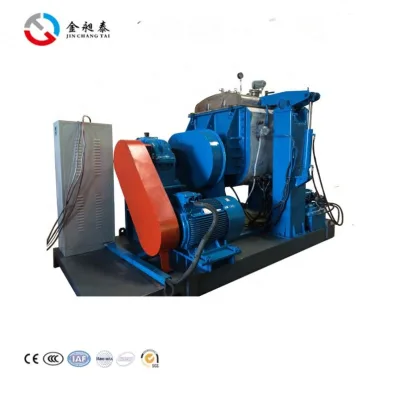
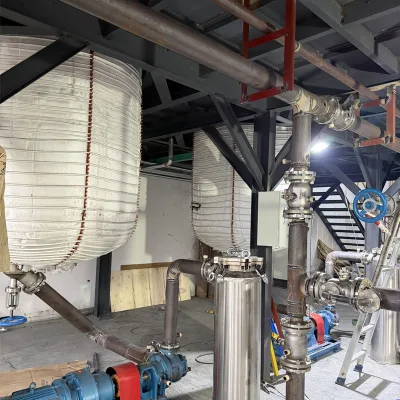
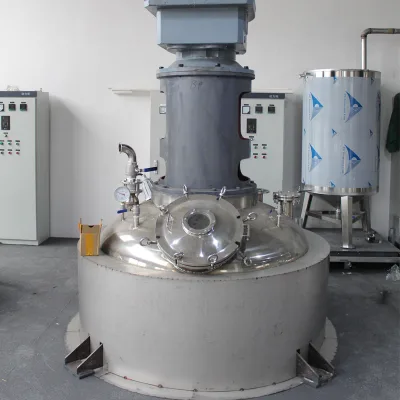
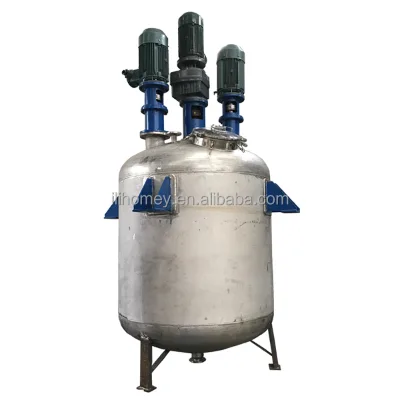
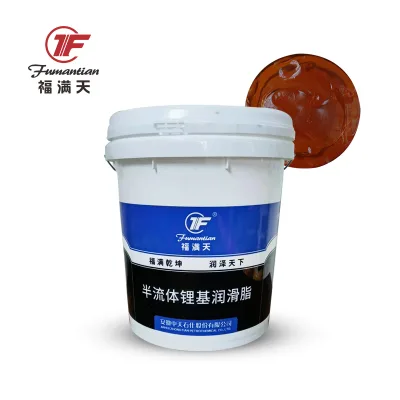
Hot Selling Grease Making Plant Manufacturers High Quality Semi-fluid Lithium-based Grease
$2.2485 - $2.7642
MOQ: 10 kilograms

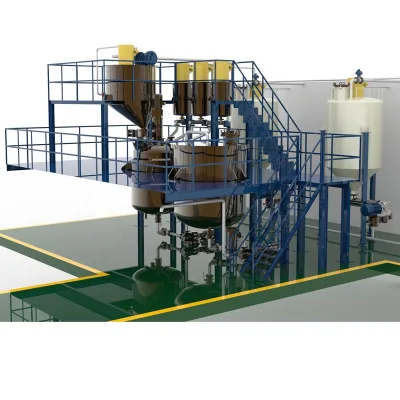
Industrial Grease Making Machine Adhesive-reactor Hot Melt Glue Making Machine
$19708.9539 - $24895.7937
MOQ: 1 sets


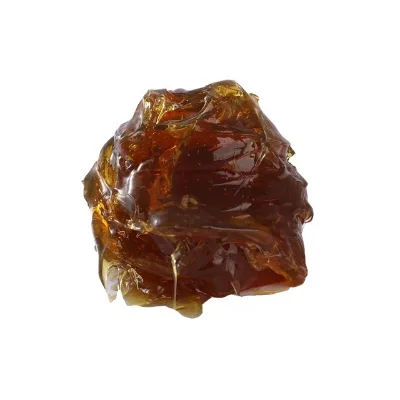

Comprehensive Sourcing Guide
Automatic Hydraulic Grease Making Machine Sourcing Guide
Procuring an Automatic Hydraulic Grease Making Machine requires a careful evaluation of industrial-grade mixing and heating capabilities. Buyers must prioritize equipment that supports semi-automatic operations with electric heating structures to ensure consistent product quality. The observed market data indicates a strong presence of stainless steel construction, specifically SUS 304L and 316L grades, which are essential for maintaining hygiene and resisting corrosion in chemical environments. These material choices directly impact the longevity of the machinery and the purity of the final lubricating grease or paint products.
The sourcing landscape reveals a wide variance in capacity and power requirements, ranging from small 20-liter units to large industrial systems exceeding 1000 liters. This diversity necessitates a precise alignment between the buyer’s production volume and the machine’s agitator model and mixing drum shape. High-speed dispersing and mixing machines are frequently cited, suggesting that buyers should verify the specific stirring type, such as spiral agitators, to match the viscosity of their raw materials. Understanding these technical nuances is critical for selecting a machine that delivers efficient homogenization without excessive energy consumption.
Product Scope and Observed Listing Signals
The current market listings demonstrate a broad spectrum of industrial mixing solutions, with prices ranging from approximately $2.25 to over $39,000 USD. This significant price disparity reflects differences in automation levels, material thickness, and brand reputation, such as JCT high-speed dispersing machines. Buyers should note that many suppliers offer customization options, allowing for tailored solutions that fit specific facility layouts. The observed minimum order quantities vary from single units to batches of 1,000, indicating flexibility for both pilot projects and large-scale industrial deployments.
Product origins are predominantly centered in China, with specific manufacturing hubs identified in Laizhou and Guangzhou. These regions are known for their robust machinery manufacturing ecosystems, offering competitive pricing and rapid production cycles. The listings frequently highlight features like positive pressure systems and vertical layout types, which are crucial for handling viscous fluids and powders with suspended solids. Buyers must carefully review the packing methods, which range from nude shipping to standard exported wooden cases, to ensure safe transit and proper installation upon arrival.
Technical Specifications to Verify
Verifying the power and speed parameters is essential for ensuring the machine can handle the intended workload. Observed specifications include power ratings from 1.5 kW to 75 kW, with voltage configurations typically at 380V. The mixing speed often ranges from 0 to 65 revolutions per minute, which is critical for achieving the desired consistency in grease or paint formulations. Buyers should confirm the electric parts brand, such as Schneider, to ensure reliability and ease of maintenance. Additionally, the pressure range, observed between -0.098 and 0.2 Mpa, must be compatible with the hydraulic systems used in the grease making process.
The volume capacity and agitator design are equally important technical considerations. Listings show volumes ranging from 20 liters to over 5,000 liters, with agitator models like combined agitators and spiral stirrers. The mixing drum shape, often a double cone, influences the efficiency of the mixing process. Buyers must verify the heating method, whether steam or electric, to align with their facility’s utility infrastructure. The weight of the machinery, observed at around 550 kg for certain models, impacts the structural requirements of the installation site and the logistics involved in transportation.
Compliance and Safety Documentation
Ensuring that the machinery meets international safety and quality standards is a non-negotiable aspect of the procurement process. The observed certifications include SONCAP, ISO, GOST, CE, CCC, and API, which provide varying levels of assurance depending on the target market. Buyers must verify which specific certifications are valid for their region and industry sector. For instance, CE marking is crucial for European markets, while API certification may be required for oil and gas applications. The absence of machinery test reports in some listings highlights the need for buyers to request detailed performance data before finalizing purchases.
Documentation regarding the core components, such as pumps and other critical parts, should be thoroughly reviewed. Buyers should insist on clear warranties and after-sales service provisions, including video technical support, to mitigate operational risks. The operating type, described as cycle operating, implies specific maintenance schedules that must be understood in advance. Ensuring that all electrical and mechanical components comply with local safety regulations prevents costly downtime and potential legal liabilities during operation.
Cost Drivers and Commercial Terms
The total cost of ownership for an Automatic Hydraulic Grease Making Machine is influenced by several key factors, including material quality, automation level, and capacity. Stainless steel construction, particularly SUS 316L, commands a higher price due to its superior corrosion resistance and durability. Buyers should also consider the power consumption, as higher kW ratings lead to increased operational costs over time. The inclusion of premium electrical components, such as those from Schneider, adds to the initial investment but offers long-term reliability benefits.
Commercial terms, including payment methods and shipping arrangements, vary significantly among suppliers. The observed MOQ ranges from 1 to 1,000 units, allowing for flexible purchasing strategies. Buyers should negotiate clear terms for customization, as many suppliers offer tailored solutions that may incur additional costs. Shipping methods, ranging from nude packing to wooden cases, affect insurance and handling fees. Understanding these commercial nuances helps buyers budget accurately and avoid unexpected expenses during the procurement process.
Supplier Qualification and Quality Control
Evaluating supplier qualifications is critical to ensuring the reliability of the purchased machinery. Buyers should verify the supplier’s manufacturing capabilities, including their experience with stainless steel fabrication and electrical assembly. The presence of certifications like ISO and API indicates a commitment to quality management systems. However, buyers must also assess the supplier’s ability to provide comprehensive after-sales support, such as video technical assistance and spare parts availability. This support is vital for maintaining operational continuity and addressing any technical issues that may arise.
Quality control measures should be rigorously enforced throughout the manufacturing and delivery process. Buyers should request detailed specifications for core components, such as pumps and agitators, to ensure they meet the required performance standards. Inspecting the machinery test reports, even if marked as not available in some listings, is essential for verifying performance. Establishing clear acceptance criteria based on observed specifications, such as power ratings and mixing speeds, helps ensure that the delivered machine meets the buyer’s operational requirements.
Long-Term Procurement Checks
Long-term procurement success depends on establishing strong relationships with suppliers who can provide consistent quality and support. Buyers should monitor supplier performance over time, tracking metrics such as delivery times, product quality, and responsiveness to service requests. Regular audits of the machinery’s performance, including checks on heating efficiency and mixing consistency, help identify potential issues early. Maintaining detailed records of maintenance and repairs facilitates better planning for future upgrades or replacements.
Continuous improvement in the procurement process involves staying informed about industry trends and technological advancements. Buyers should regularly review market offerings to identify new features or improvements that could enhance their operations. Engaging with suppliers for feedback on machine performance can lead to valuable insights for future purchases. By maintaining a proactive approach to supplier management and quality assurance, buyers can ensure that their automatic hydraulic grease making machines continue to meet evolving production needs.
FAQs
Can I get customization for the Automatic Hydraulic Grease Making Machine?
Yes, customization is available for this Automatic Hydraulic Grease Making Machine. The product supports combined heat transfer structures and electric heating methods. You can select from various agitator models and mixing drum shapes to fit your specific industrial needs for lubricating grease or paint production.
What materials are used in the Automatic Hydraulic Grease Making Machine?
The Automatic Hydraulic Grease Making Machine is constructed from stainless steel, specifically SUS 304L and 316L grades. This material ensures durability and resistance to corrosion during the mixing of viscous fluids, powders, and liquids with suspended solids in chemical application areas.
Which certifications does the Automatic Hydraulic Grease Making Machine hold?
The Automatic Hydraulic Grease Making Machine holds multiple certifications including SONCAP, ISO, GOST, CE, CCC, and API. These credentials verify that the equipment meets international safety and quality standards for industrial mixing applications involving high-speed operations and positive pressure environments.
How is the Automatic Hydraulic Grease Making Machine packed for shipping?
Packaging options for the Automatic Hydraulic Grease Making Machine include being shipped in a nude state or packed in a standard exported wooden case. Some units may also be wrapped in film. The specific packing method depends on the model and the requirements of the buyer.
What is the capacity range of the Automatic Hydraulic Grease Making Machine?
The Automatic Hydraulic Grease Making Machine offers a volume range from 20 liters up to 5000 liters. Specific models can exceed 1000 liters, making them suitable for large-scale industrial production of lubricating grease, paint, and other viscous fluids requiring high-speed mixing capabilities.
Can the Automatic Hydraulic Grease Making Machine operate at high speeds?
Yes, the Automatic Hydraulic Grease Making Machine operates as a high-speed mixer with speeds ranging from 0 to 65 revolutions per minute. It features a spiral stirring type and can be configured with vertical layouts to efficiently handle granules, liquids, and powders in chemical processing.