Source Automatic Silk Screen Printing Machine for Paper, Label, and Card
Find 30 Automatic Silk Screen Printing Machine options for paper, label, and card applications. Compare specifications including print areas up to 500x700mm, speeds up to 15 m/min, and voltage requirements to select the right equipment for your production needs.
Updated
Key considerations
Products List
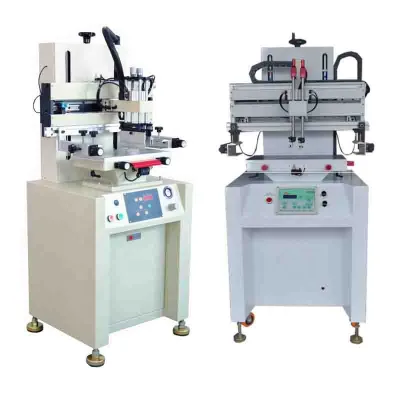
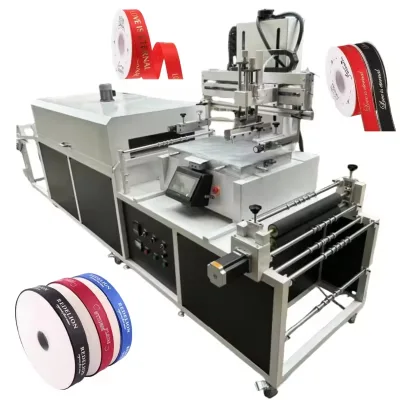
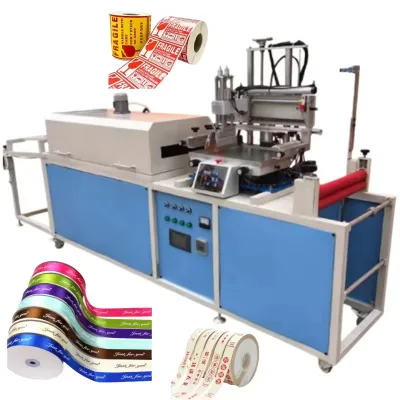
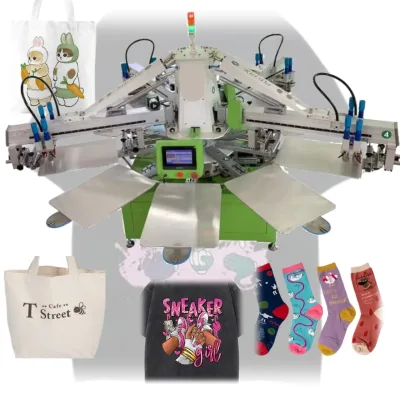
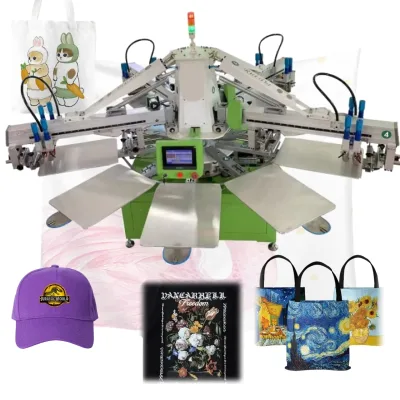


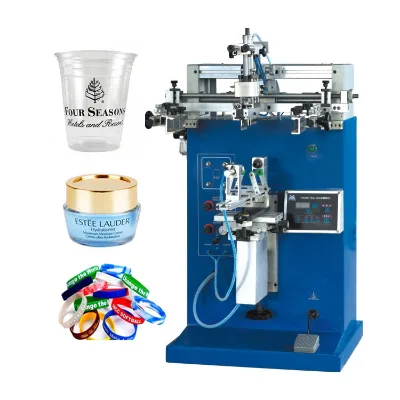
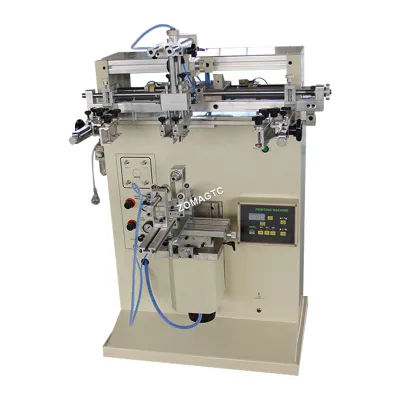
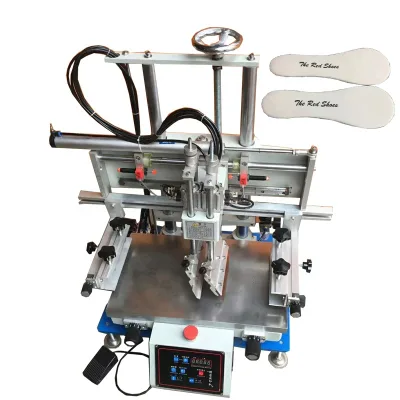
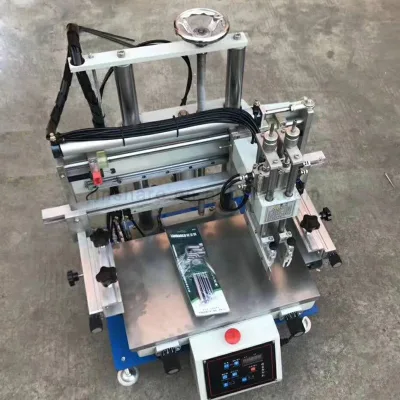
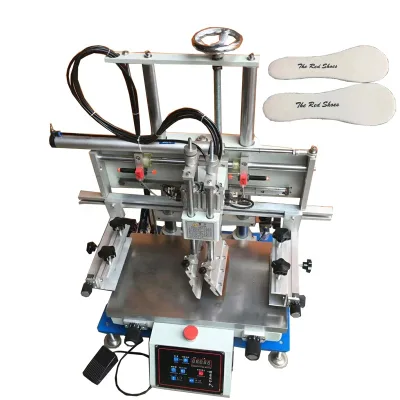
Automatic CNC Controlled Silk Screen Printing Machine with Easy Operation
$150000.00 - $160000.00
MOQ: 1 Pieces




Comprehensive Sourcing Guide
Automatic Silk Screen Printing Machine Sourcing Guide
Procuring an Automatic Silk Screen Printing Machine requires a clear understanding of the diverse capabilities available in the current market. Buyers must distinguish between semi-automatic and fully automatic systems, as the choice directly impacts production throughput and labor requirements. The observed listings indicate a wide range of configurations, from compact units suitable for small-scale label printing to large industrial machines designed for textile and glass applications. Understanding these distinctions is the first step in aligning machinery with specific operational needs.
The core keyword highlights a segment of equipment that emphasizes automation to reduce manual intervention. Listings show that these machines are often marketed for multi-color printing, with some supporting up to six colors and fourteen stations. This capability allows for complex designs on various substrates, including paper, cards, and textiles. Buyers should carefully evaluate the specific usage claims against their actual production volume to ensure the selected machine offers the necessary efficiency without unnecessary complexity or cost.
Product Scope and Observed Listing Signals
The product scope for automatic silk screen printing machines is broad, encompassing devices for paper, labels, cards, and textiles. Observed listings reveal that some units are specifically designed for roll-to-roll applications, while others are flatbed systems suitable for rigid materials like glass or thick cards. The presence of keywords such as "uv ink" and "multi-color" suggests that modern iterations often integrate UV curing technologies for faster drying and higher durability. Buyers must verify the specific substrate compatibility, as a machine optimized for thin paper may not handle the thickness or texture of heavy textiles or glass panels effectively.
Listing signals also indicate significant variation in physical dimensions and weight, reflecting the diversity in machine size and power. Some units are compact, with dimensions around 430x225x160 cm, while others are substantially larger, reaching 4450x4450x2000 mm for high-capacity operations. The weight of these machines varies from 110 kg to 2000 kg, which has direct implications for factory floor planning and foundation requirements. Buyers should use these observed physical attributes to assess whether their facility can accommodate the machine’s spatial and structural demands before finalizing a purchase.
Technical Specifications to Verify
Technical verification must begin with the maximum print area and printing speed, which are critical for production planning. Listings show max print areas ranging from 250x350 mm to 500x700 mm, with speeds varying from 15 meters per minute to 500 pieces per hour. Buyers need to match these specifications to their required output volume, ensuring that the machine’s speed does not become a bottleneck in the production line. Additionally, the thickness range of printable materials, observed from 0.2 mm to 100 mm, must be confirmed to ensure the machine can handle the specific product thicknesses required by the buyer’s business.
Electrical and control specifications are equally important for operational integration. Most observed units operate on 220V power, with peak power consumption around 6KW, which must be compatible with the buyer’s facility infrastructure. The control type is predominantly automatic, but buyers should verify the interface and ease of programming for color registration and screen alignment. It is also essential to confirm the number of colors and stations supported, as some machines offer multi-color capabilities while others are limited to monochrome printing, which affects the complexity of designs that can be produced.
Compliance and Safety Documentation
Compliance and safety documentation are non-negotiable for industrial machinery procurement, even when specific certification details are not explicitly listed in initial product descriptions. Buyers must request evidence of electrical safety compliance, such as CE or local equivalent standards, to ensure the machine meets the regulatory requirements of the destination country. The absence of explicit certification mentions in listings does not imply non-compliance, but it places the burden on the buyer to verify that the supplier can provide the necessary test reports and safety certificates before shipment.
Safety features should also be scrutinized, particularly regarding moving parts and UV light exposure if applicable. Machines with high-speed automated functions require proper guarding and emergency stop mechanisms to protect operators. Buyers should inquire about the availability of safety manuals and training materials, which are crucial for ensuring that staff can operate the equipment safely. Verifying that the machine includes necessary interlocks and protective covers is a key step in mitigating workplace risks and ensuring long-term operational safety.
Cost Drivers and Commercial Terms
Cost drivers for automatic silk screen printing machines include the level of automation, the number of printing stations, and the complexity of the control system. Fully automatic units with multi-color capabilities and UV curing options typically command higher prices than semi-automatic or monochrome models. The observed price range of 1050 to 160000 USD reflects this disparity, with basic or smaller units at the lower end and large, high-capacity industrial machines at the higher end. Buyers should align their budget with the specific features required, avoiding over-specification that does not contribute to their production goals.
Commercial terms such as MOQ and warranty are also significant factors in the total cost of ownership. While some listings show an MOQ of 1, indicating flexibility for single-unit purchases, buyers should negotiate for favorable warranty terms, typically one year as observed. It is important to clarify what the warranty covers, including parts and labor, and to understand the lead time for spare parts availability. Additionally, buyers should consider the cost of consumables like screens and inks, which can vary significantly depending on the machine’s specific requirements and the supplier’s pricing structure.
Supplier Qualification and Quality Control
Supplier qualification is critical when sourcing automatic silk screen printing machines, as the quality of construction directly impacts machine longevity and print precision. Buyers should verify the supplier’s manufacturing capabilities, including their experience with automatic screen printing technology and their ability to customize machines for specific applications. The observed place of origin, Henan, China, indicates a concentration of manufacturers in this region, but buyers must assess each supplier’s reputation, production capacity, and quality control processes to ensure consistent product quality.
Quality control measures should include pre-shipment inspections to verify that the machine meets the agreed-upon specifications for print area, speed, and electrical performance. Buyers should request detailed technical drawings and component lists to ensure that key parts, such as motors and control systems, are from reputable manufacturers. Establishing a clear communication channel for technical support and after-sales service is also essential, as any issues with the machine’s automation or registration will require prompt expert assistance to minimize production downtime.
Long-Term Procurement Checks
Long-term procurement checks focus on the sustainability of the supply relationship and the machine’s performance over time. Buyers should monitor the machine’s operational stability, paying attention to any recurring issues with color registration or screen alignment, which are common challenges in screen printing. Regular maintenance schedules should be established, and buyers should ensure that the supplier provides clear guidelines for cleaning and servicing the machine to prevent premature wear of critical components like squeegees and screens.
It is also important to stay updated on technological advancements in silk screen printing, as newer models may offer improved efficiency or additional features. Buyers should periodically review their production needs to ensure that the machine remains suitable for their evolving product mix. Building a strong relationship with the supplier can facilitate access to upgrades, spare parts, and technical support, ensuring that the investment in the Automatic Silk Screen Printing Machine continues to deliver value over its operational lifespan.
FAQs
What is the maximum print area for automatic silk screen printing machines?
The maximum print area varies by model, with common sizes including 500x700mm and 450x600mm. Some units support a smaller area of 250x350mm for precise label or card printing. Buyers should verify the specific workbench size to ensure compatibility with their substrate dimensions and production requirements.
Can automatic silk screen printing machines handle different material thicknesses?
Yes, these machines are designed to accommodate a wide range of material thicknesses, typically from 0.2mm to 100mm. This versatility allows for printing on diverse substrates such as paper, textiles, and glass. The adjustable features ensure proper alignment and pressure for consistent print quality across varying material profiles.
What is the typical voltage requirement for these printing machines?
Most automatic silk screen printing machines operate on a standard voltage of 220V. This electrical specification is common for industrial equipment in many regions. Buyers should confirm the voltage compatibility with their local power supply to ensure safe and efficient operation without requiring additional transformers or adapters.
How fast can an Automatic Silk Screen Printing Machine operate?
Printing speeds vary significantly based on the model and configuration. Some machines achieve speeds up to 15 meters per minute, while others process approximately 500 pieces per hour. The actual speed depends on factors such as ink drying time, color stations, and the complexity of the print design.
What is the warranty period for automatic silk screen printing machines?
The standard warranty period for these machines is typically one year. This coverage generally includes parts and labor for manufacturing defects. Buyers should review the specific warranty terms provided by the manufacturer to understand the scope of support and any conditions that might affect the validity of the warranty.
Which applications are suitable for automatic silk screen printing machines?
These machines are suitable for various applications including paper, labels, cards, textiles, and glass printing. They support multi-color printing for complex designs and are used in industries ranging from packaging to apparel. The specific usage depends on the machine's configuration, such as the number of color stations and print area.