Source Manual Electric Corner Rounding Machine for Bookbinding
Find and compare 30 Manual Electric Corner Rounding Machine options from Henan, China. Evaluate models like JFD-DF57 and JFD-D120 based on power, speed, and automation levels to find the right fit for your production needs; compare the available evidence and request quotations based on your requirements.
Updated
Key considerations
Products List
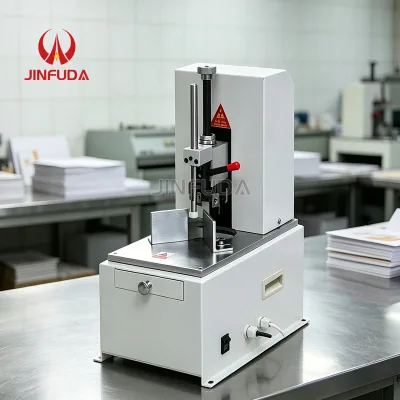
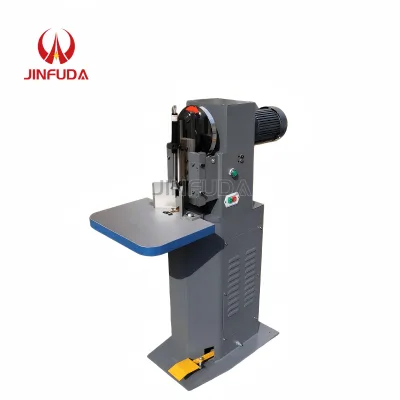


Automatic Book Corner Rounding Machine Notebook Corner Cutting Machine
$28800.00 - $29000.00
MOQ: 1 Pieces


Hardcover Case Corner Rounding Machine Manual Book Cover Corner Rounding Machine
$5800.00 - $6400.00
MOQ: 1 Pieces

Automatic Pressing Corner Rounding Machine Book Case Make Round Corner Machine
$2500.00 - $3100.00
MOQ: 1 Pieces
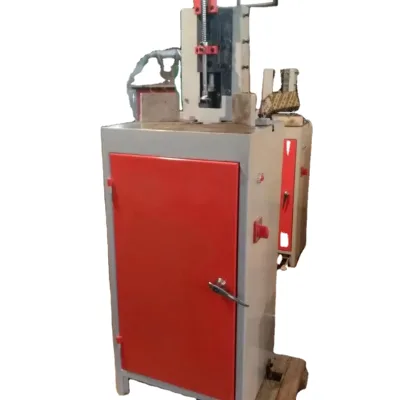


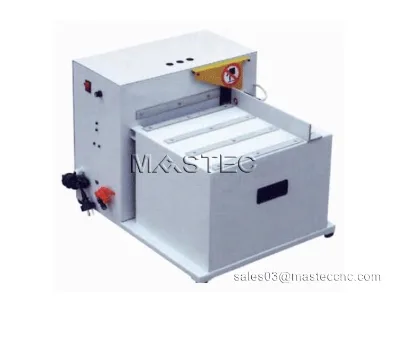


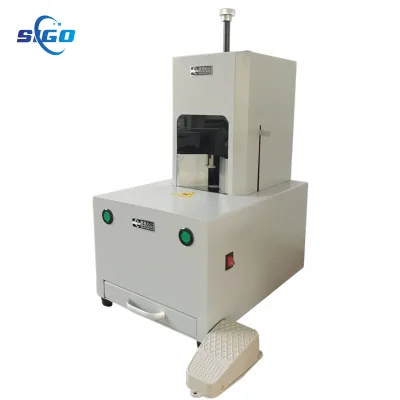
SG-H08 High Quality Cardboard Manual Edge Banding Corner Rounding Machine
$414.1167 - $486.5875
MOQ: 1 pieces

Tt-60A Electric Manual Corner Rounding Machine for MDF Board Edge Banding
$230.00 - $300.00
MOQ: 1 Pieces


Comprehensive Sourcing Guide
Manual Electric Corner Rounding Machine Sourcing Guide
Procuring a Manual Electric Corner Rounding Machine requires careful evaluation of both mechanical precision and operational safety. Buyers must distinguish between fully automated systems and semi-automatic units that rely on manual feeding for specific tasks. The observed market data indicates a wide variance in machine capabilities, ranging from compact desktop units to heavy-duty industrial models. Understanding these distinctions is critical for aligning equipment selection with production volume and material thickness requirements.
This guide focuses on verifying technical specifications, compliance documentation, and supplier qualifications to mitigate procurement risks. By analyzing observed listing signals such as motor speed, working width, and power consumption, buyers can make informed decisions. The following sections provide a structured approach to evaluating potential suppliers, ensuring that the selected machinery meets specific operational needs while adhering to safety and quality standards.
Product Scope and Observed Listing Signals
The observed product range includes various models of corner rounding machines, with key attributes such as working widths of 50 mm and 100 mm, and corner cutting thicknesses up to 50 mm. These machines are typically classified by their automation level, with some featuring computerized controls and others operating without them. The presence of core components like motors and PLCs indicates a reliance on electrical systems for consistent performance, with motor speeds observed at 1400 rpm for certain models.
Listing signals also reveal significant variations in physical dimensions and weight, ranging from lightweight units of 37 kg to heavy industrial machines weighing up to 800 kg. Power consumption varies widely, with some models requiring only 120 watts while others demand up to 2 kilowatts. Buyers should note that voltage requirements differ, with options for 220 V, 110 V, and 380 V, necessitating careful verification of electrical infrastructure compatibility before purchase.
Technical Specifications to Verify
Buyers must verify critical technical parameters such as working width, corner cutting thickness, and maximum case size to ensure compatibility with their specific materials. For instance, some models support a working width of 100 mm and a corner cutting thickness of 50 mm, while others may have different limits. It is essential to confirm the machine’s ability to handle the desired material thickness, which can range from 20 to 50 mm, and to check the maximum and minimum case dimensions to avoid operational bottlenecks.
Additionally, the verification of motor specifications, including power rating and speed, is crucial for assessing productivity and energy efficiency. Observed data shows power ratings from 120 watts to 2 kilowatts, with production capacities varying from 56 to 90 times per minute. Buyers should also check the tool configuration, such as the availability of R3-R9 tool types, and ensure that the machine’s dimensions and weight align with their available workspace and handling capabilities.
Compliance and Safety Documentation
Ensuring that the corner rounding machine complies with relevant safety and quality standards is paramount for operational integrity. Buyers should request machinery test reports, which are provided by some suppliers, to verify the machine’s performance and reliability. These reports can offer insights into the machine’s durability and safety features, helping to mitigate risks associated with high-speed cutting operations and electrical components.
Furthermore, buyers must verify the warranty terms and after-sales support provided by the supplier. A standard one-year warranty is observed in some listings, but it is essential to confirm the scope of coverage and the availability of spare parts. Ensuring that the supplier offers comprehensive technical support and clear maintenance guidelines is crucial for minimizing downtime and extending the machine’s operational lifespan.
Cost Drivers and Commercial Terms
The cost of a corner rounding machine is influenced by several factors, including its automation level, power consumption, and material construction. Models with computerized controls and higher power ratings tend to be more expensive due to their advanced features and increased productivity. Buyers should also consider the cost of additional tools, such as the R3-R9 tool types, which may be sold separately or included in the base price.
Commercial terms, such as minimum order quantity (MOQ) and lead time, also impact the overall procurement cost. Observed data indicates an MOQ of 1 unit for many suppliers, but buyers should negotiate for bulk discounts if purchasing multiple units. Additionally, lead times can vary based on the supplier’s production capacity and inventory levels, so it is advisable to confirm delivery schedules early in the procurement process to avoid production delays.
Supplier Qualification and Quality Control
Evaluating supplier qualifications is essential to ensure the reliability and quality of the corner rounding machine. Buyers should verify the supplier’s production capacity, which can range from 56 to 90 times per minute, to assess their ability to meet demand. Additionally, checking the supplier’s location, such as Henan, China, can provide insights into their manufacturing capabilities and logistical advantages.
Quality control measures, such as the provision of machinery test reports and the use of reputable PLC brands like GIPENG, are indicators of a supplier’s commitment to quality. Buyers should also inquire about the supplier’s quality assurance processes, including inspection protocols and defect resolution procedures. Ensuring that the supplier has a robust quality control system in place is crucial for minimizing the risk of receiving defective or substandard machinery.
Long-Term Procurement Checks
Long-term procurement success depends on the supplier’s ability to provide consistent support and maintenance services. Buyers should establish clear communication channels with the supplier to address any technical issues or maintenance needs promptly. Regularly reviewing the machine’s performance and conducting preventive maintenance can help extend its lifespan and ensure optimal productivity.
Additionally, buyers should stay informed about updates in technology and industry standards that may impact the machine’s operation. Keeping abreast of new tool configurations, software updates, or safety regulations can help buyers make informed decisions about upgrades or replacements. By maintaining a proactive approach to supplier management and machine maintenance, buyers can maximize the value and longevity of their corner rounding machine investment.
FAQs
What is the working width of the JFD-DF57 model?
The JFD-DF57 model features a working width of 50 mm. This specification allows for precise corner cutting on smaller materials. The machine also supports a 100 mm working width variant. It operates at 1400 rpm with a 120w motor. The unit weighs 37 kg and includes a one-year warranty.
Can the machine handle different corner cutting thicknesses?
Yes, the equipment supports a corner cutting thickness of up to 50 mm. It accommodates material thicknesses ranging from 20 to 50 mm. The system utilizes seven types of tool configurations from R3 to R9. This flexibility ensures compatibility with various binding and corner rounding requirements.
What are the key selling points of this corner rounding machine?
Key selling points include high accuracy, easy operation, and high productivity. The machine is designed to be eco-friendly and energy-saving. It also offers a high safety level and digital control features. These attributes make it suitable for efficient industrial environments requiring reliable performance and minimal downtime.
What is the production capacity of the automatic version?
The automatic version achieves a production capacity of 90 times per minute. This high speed supports efficient large-scale operations. The machine is classified as an automatic financial binding machine. It features a 2kw power rating and operates at a fastest speed of 60m/min for related processes.
Is customization available for the corner rounding machine?
Customization is available for this corner rounding machine. Buyers can request specific modifications to meet unique operational needs. The product page explicitly states that customization options are open. This allows for tailored solutions regarding dimensions, tool configurations, or other functional requirements.
What is the voltage requirement for the JFD-D120 model?
The JFD-D120 model requires a 380V voltage supply. This industrial voltage ensures stable operation for the 750w motor. The machine weighs 190 kg and includes core components like a PLC and motor. It is designed for robust performance in commercial settings requiring consistent power delivery.