Source Automatic Underwear Coating Machine for Bras, Textiles, and Apparel
Find 10 Automatic Underwear Coating Machine options from Dongguan suppliers. Compare models like DH-CM02 and DH-SM02 for bra underware silicone coating, circle coating, and textile applications. Verify CE certification, voltage, and warranty details to select the right transfer injection molding or revolving coating equipment for your manufacturing plant.
Key considerations
Products List


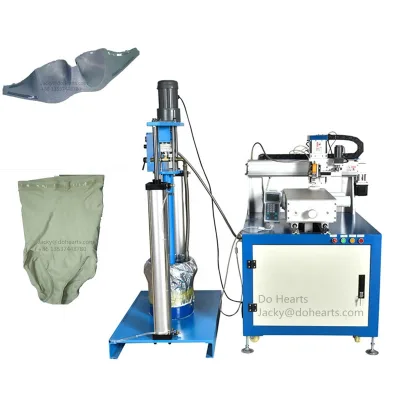
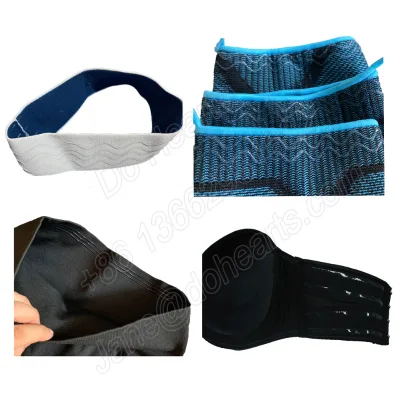
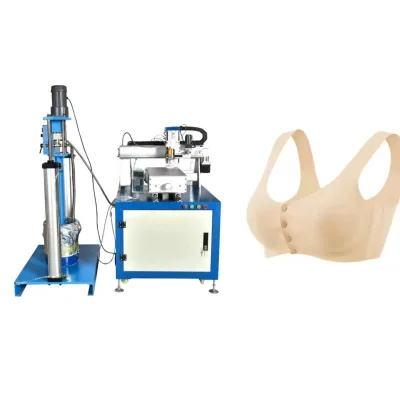
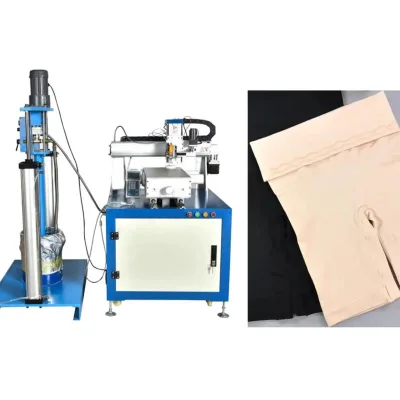
Comprehensive Sourcing Guide
Automatic Underwear Coating Machine Sourcing Guide
Procuring an Automatic Underwear Coating Machine requires a strategic approach to align technical capabilities with production volume and quality standards. These machines are primarily designed for the textile and clothing industries, specifically for applying gel or liquid silicone coatings to bra underware and similar garments. Buyers must evaluate whether the equipment supports vertical or transfer injection molding processes, as this dictates the final product finish and operational efficiency. The core functionality often revolves around revolving coating methods, ensuring uniform application across complex fabric geometries.
The market offers various models, such as the DH-CM02 and DH-SM02, each with distinct dimensional and operational parameters. Sourcing decisions should be guided by observed listing signals, including voltage requirements like 220/380V or 380V, and air pressure specifications around 6 Kg/Cm2. Understanding these baseline technical attributes helps buyers filter suppliers effectively. It is crucial to verify if the machine’s working table size and coating speed, such as 6m/min*2, match your specific throughput needs. This initial assessment prevents mismatches between machine capabilities and factory floor constraints.
Product Scope and Observed Listing Signals
The observed product range indicates a focus on new condition machinery, often marketed as new products from 2020 or later. Listings frequently highlight customization availability, allowing buyers to tailor specific features to their unique manufacturing workflows. The machines are typically described as automatic grade, emphasizing reduced manual intervention and increased consistency in the coating process. Buyers should note that while many listings claim easy operation, the actual user interface complexity can vary significantly between different model numbers and supplier configurations.
Packaging and origin details provide additional context for logistics planning. Most units originate from Dongguan, Guangdong, China, and are shipped in wooden cases or wooden box packing to ensure safe transit. The supply ability is often cited as 100 sets per month, suggesting a moderate production capacity for suppliers. Buyers must verify if the listed dimensions, such as 180010001500 mm or 8809001380 mm, correspond to the specific model they are considering. These physical constraints are critical for factory layout planning and ensuring adequate space for installation and maintenance access.
Technical Specifications to Verify
Voltage and power requirements are fundamental technical specifications that must be verified before purchase. Machines may operate on 220/380V or 380V systems, requiring compatibility with your facility’s electrical infrastructure. The core components typically include engines, motors, and pressure vessels, or PLCs and motors, depending on the model. Buyers should confirm the weight of the unit, which ranges from 170 KG to 350 KG, to determine handling equipment needs. Incorrect voltage assumptions can lead to costly retrofitting or operational failures upon installation.
Air pressure and coating speed are also critical performance indicators. An air pressure requirement of 6 Kg/Cm2 is common, necessitating a robust compressed air system. Coating speeds, such as 6m/min*2, directly impact production throughput and must align with your output targets. The working table size, ranging from 0-400, affects the maximum garment dimensions that can be processed. Buyers should request detailed technical datasheets to verify these parameters against their specific production requirements, ensuring the machine can handle the intended fabric types and coating materials effectively.
Compliance and Safety Documentation
CE certification is a key compliance indicator observed in many listings, suggesting adherence to European safety standards. Buyers must verify the validity and scope of this certification, ensuring it covers all operational aspects of the machine. Documentation should include machinery test reports, which are often provided by suppliers to demonstrate performance and safety compliance. These reports are essential for internal risk assessments and may be required for customs clearance in certain jurisdictions.
Warranty and after-sales service provisions are critical components of the compliance and support framework. A standard one-year warranty is commonly offered, but buyers should clarify the extent of coverage for core components like motors and PLCs. After-sales services often include free spare parts, field installation, commissioning, training, and maintenance. Online and video technical support are also frequently available. Buyers must ensure these services are clearly defined in the contract to avoid unexpected costs during the machine’s operational life.
Cost Drivers and Commercial Terms
The price range for automatic underwear coating machines varies significantly, typically spanning from 1888 to 12688 USD. This variation is driven by factors such as model complexity, customization options, and included accessories. Buyers should analyze the cost structure to understand what is included in the quoted price, such as packaging, shipping, and initial training. The minimum order quantity is often one unit, allowing for flexible procurement strategies for small to medium-sized enterprises.
Commercial terms also include supply ability and lead times, which impact production planning. A supply ability of 100 sets per month suggests that bulk orders may require scheduling. Buyers should negotiate clear delivery terms and payment conditions to mitigate financial risk. The selling unit is typically a single item, but volume discounts may be available for larger orders. Understanding these commercial dynamics helps buyers budget accurately and plan their procurement timeline effectively, avoiding delays that could disrupt production schedules.
Supplier Qualification and Quality Control
Supplier qualification involves verifying the manufacturer’s reputation and technical expertise. Buyers should assess the supplier’s ability to provide customized solutions, as indicated by the available customization options. The brand name, such as Do Hearts, may indicate a specific manufacturer with established market presence. Buyers should request references or case studies to validate the supplier’s track record in delivering reliable machinery. Due diligence on the supplier’s financial stability and operational capacity is also recommended.
Quality control measures should be integrated into the procurement process. Buyers must ensure that the machine undergoes rigorous testing before shipment, as evidenced by the provision of machinery test reports. Inspecting the core components, such as the engine, motor, and PLC, is essential to verify quality. Buyers should also consider third-party inspection services for high-value orders. Establishing clear quality acceptance criteria in the contract ensures that the delivered machine meets the specified technical and performance standards, reducing the risk of post-purchase disputes.
Long-Term Procurement Checks
Long-term procurement success depends on ongoing supplier relationship management and machine performance monitoring. Buyers should establish regular communication channels with the supplier for technical support and spare parts ordering. The availability of online and video technical support is crucial for troubleshooting issues without immediate on-site assistance. Maintaining a record of machine performance data, including coating speed and quality consistency, helps identify potential maintenance needs early.
Regular maintenance and calibration are essential for sustaining machine efficiency and product quality. Buyers should develop a preventive maintenance schedule based on the manufacturer’s recommendations. Tracking the consumption of coating materials, such as gel or liquid silicone, can also provide insights into machine health. Periodic reviews of the machine’s operational parameters against initial specifications ensure that performance degradation is addressed promptly. This proactive approach minimizes downtime and extends the machine’s operational lifespan, protecting the initial investment.
FAQs
What is the voltage requirement for the Automatic Underwear Coating Machine?
The machine operates on 380V or 220/380V power supply options. This flexibility allows integration into various factory electrical systems. Ensure your facility matches the selected voltage to prevent equipment damage. The system includes a motor and PLC for stable operation. Always verify the specific model's electrical rating before installation to maintain safety standards and optimal performance during the coating process.
Can the Automatic Underwear Coating Machine be customized for specific needs?
Yes, customization is available for this Automatic Underwear Coating Machine. Buyers can request specific dimensions or functional adjustments to fit their production line. The manufacturer offers field installation and commissioning services to ensure proper setup. Customized solutions help optimize workflow efficiency. Contact the supplier directly to discuss your unique requirements and ensure the machine meets your exact operational standards.
What is the warranty period for the Automatic Underwear Coating Machine?
The Automatic Underwear Coating Machine comes with a one-year warranty. This coverage protects against manufacturing defects and ensures initial operational reliability. The warranty includes free spare parts and online technical support. Field maintenance and repair services are also provided. This comprehensive support package helps minimize downtime and ensures long-term performance for your manufacturing plant operations.
How fast does the Automatic Underwear Coating Machine operate?
The machine features a coating speed of 6 meters per minute for two lines. This revolving coating method ensures consistent application of gel or liquid silicone. The vertical structure supports efficient workflow and easy operation. The working table size ranges from 0 to 400 mm. This speed balances quality and throughput for bra underware silicone coating applications in manufacturing environments.
What certifications does the Automatic Underwear Coating Machine hold?
The Automatic Underwear Coating Machine holds CE certification. This confirms compliance with European safety and quality standards. The certification ensures the equipment meets rigorous industrial requirements. It also includes a machinery test report for verification. This documentation provides buyers with confidence in the machine's safety and operational reliability for global sourcing and deployment.
What is the packaging method for the Automatic Underwear Coating Machine?
The machine is packed in a wooden case or wooden box packing. This robust packaging protects the equipment during international shipping. The dimensions are approximately 1800 by 1000 by 1500 mm. Secure packaging prevents damage to sensitive components like the motor and pressure vessel. This method ensures the machine arrives in new condition, ready for immediate installation and commissioning at your facility.