Source Automobile Electronic Throttle Connector for Audio, Auto, and Motorcycle
Find and compare 30 Automobile Electronic Throttle Connector options from China. These customizable wiring harnesses feature PBT insulation, tinned copper conductors, and RoHS/CE compliance for reliable low-voltage automotive applications; compare the available evidence and request quotations based on your requirements.
Updated
Key considerations
Products List


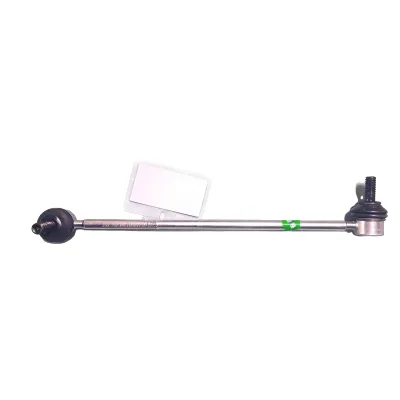
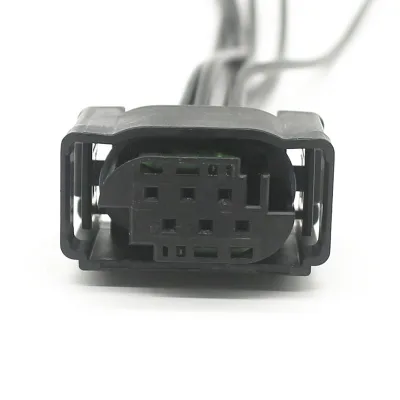


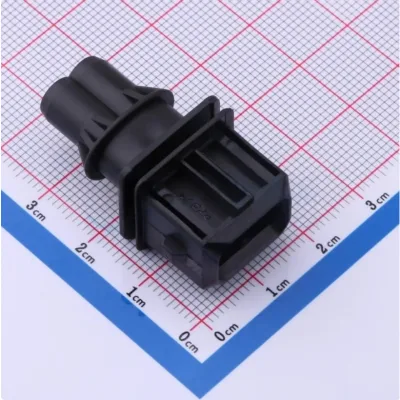


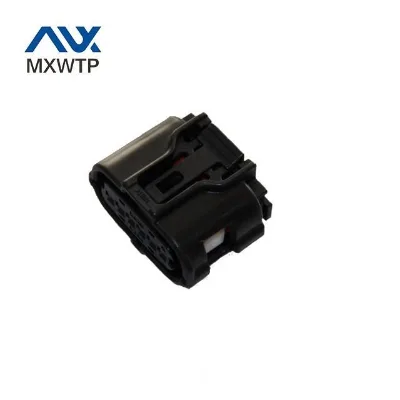
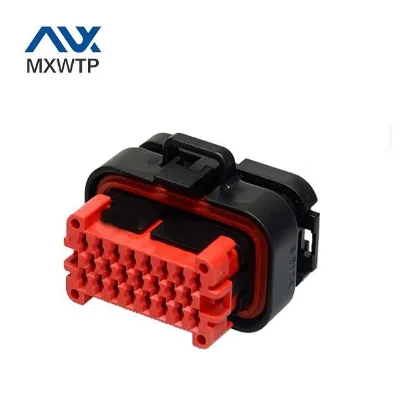
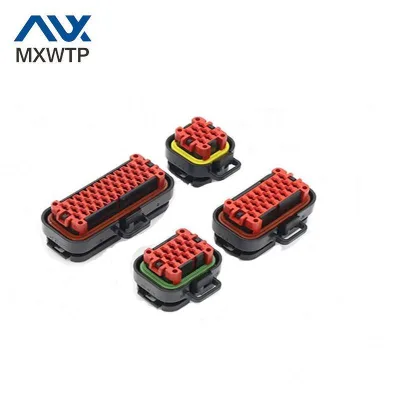
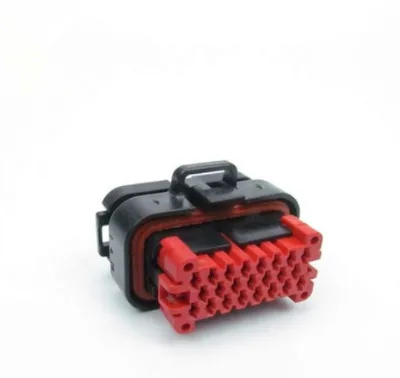
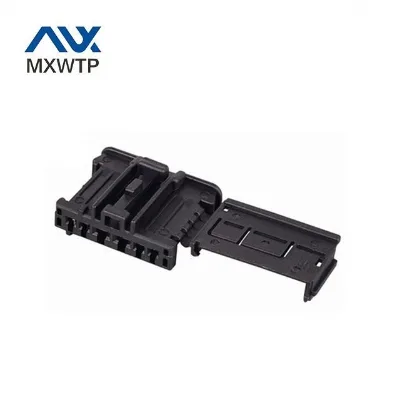
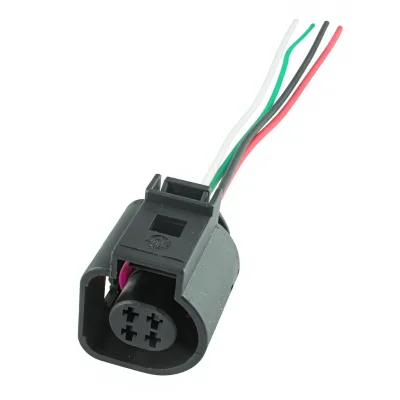


Durable Auto Electrical Connectors with Quality Auto Connector Solutions
$0.062 - $0.073
MOQ: 3000 Pieces

Superior Terminals: Durable Auto Electrical Connectors for Quality Connections
$0.062 - $0.073
MOQ: 3000 Pieces

Durable Auto Electrical Connectors: Superior Terminals for Efficient Performance
$0.062 - $0.073
MOQ: 3000 Pieces

Reliable Auto Electrical Connectors for Long-Lasting and Efficient Connections
$0.012 - $0.015
MOQ: 5000 Pieces

High-Quality Auto Electrical Connectors for Reliable Electrical Connections
$0.062 - $0.073
MOQ: 500 Pieces

Quality Auto Connector Solutions for High-Quality Electrical Connections
$0.062 - $0.073
MOQ: 3000 Pieces
Comprehensive Sourcing Guide
Automobile Electronic Throttle Connector Sourcing Guide
Procuring automobile electronic throttle connectors requires a disciplined approach to component verification, as these parts serve as critical interfaces within the vehicle’s powertrain management system. Buyers must prioritize connectors that demonstrate robust sealing capabilities, given the exposure to moisture, dust, and temperature fluctuations inherent in engine bay environments. The observed market data indicates a strong presence of waterproof automotive connectors, with specific models designed to withstand harsh operational conditions. Sourcing teams should focus on suppliers who explicitly list waterproofing features, such as IP-rated seals, to ensure long-term reliability and prevent signal interruption due to environmental ingress.
Beyond physical durability, the electrical integrity of the connector is paramount for maintaining precise throttle control signals. The available product listings highlight the use of high-conductivity materials, including tinned copper conductors and PBT insulation, which offer excellent resistance to corrosion and thermal degradation. Buyers should verify that the selected connectors support low-voltage wiring harness applications, ensuring compatibility with modern electronic control units. It is essential to confirm that the connector’s rated voltage and current capacity align with the specific demands of the electronic throttle body, preventing overheating or voltage drop during peak load operations.
Product Scope and Observed Listing Signals
The current supply landscape for automobile electronic throttle connectors reveals a diverse range of configurations tailored to specific automotive needs. Listings frequently feature multi-pin configurations, such as 6-pin and 10-pin variants, which are essential for transmitting complex data and power signals between the throttle body and the engine control module. The observed product models include specialized wiring harness connectors and custom-designed housings, indicating that suppliers offer flexible solutions for different vehicle architectures. Buyers should note that many listings emphasize customization options, allowing for tailored pin counts and housing shapes to fit unique assembly requirements.
Material composition is a key differentiator among the observed listings, with a strong emphasis on high-performance polymers and metals. Common insulation materials include PBT and TEFZEL, chosen for their thermal stability and chemical resistance, while conductors are typically made from tinned copper to ensure reliable electrical contact. The packaging and shipping details suggest that suppliers operate with standardized bulk packaging, often using cartons or bags to protect components during transit. Understanding these material specifications helps buyers assess the potential lifespan of the connectors under high-temperature engine conditions, ensuring that the selected components meet the rigorous demands of modern automotive electronics.
Technical Specifications to Verify
When evaluating technical specifications, buyers must prioritize the connector’s physical dimensions and pin configuration to ensure seamless integration into existing wiring harnesses. The observed listings provide specific model numbers and pin counts, such as 6-core or 10-pin designs, which directly impact the connector’s ability to handle multiple signals simultaneously. It is crucial to verify the wire gauge compatibility, with some listings specifying 18AWG as a standard, though customizable options are available. Buyers should confirm that the connector’s housing dimensions and terminal spacing match the mating components in their assembly line to prevent fitment issues during production.
Electrical performance metrics, including rated voltage and maximum operating temperature, are critical for ensuring safe and reliable operation. The observed data indicates a rated voltage of 12V, which is standard for many automotive applications, but buyers must verify if higher voltage ratings are required for specific electronic throttle systems. Additionally, the maximum working temperature should exceed 105°C to withstand the heat generated in engine compartments, with some suppliers offering customizable thermal ratings. Verifying these electrical parameters against the vehicle’s design specifications ensures that the connectors will not fail under extreme thermal or electrical stress, maintaining signal integrity throughout the vehicle’s service life.
Compliance and Safety Documentation
Compliance with international standards is non-negotiable for automotive connectors, as these components must meet stringent safety and environmental regulations. The observed listings frequently cite certifications such as RoHS, CE, and UL, which indicate adherence to restrictions on hazardous substances and electrical safety requirements. Buyers should request valid certification documents from suppliers to verify that the connectors meet the specific regulatory standards of their target markets. Ensuring compliance with these standards not only mitigates legal risks but also enhances the overall safety profile of the assembled vehicle, protecting both the manufacturer and the end-user.
In addition to regulatory certifications, buyers should inquire about industry-specific quality standards and testing protocols that suppliers employ. While some listings mention CCC and ISO certifications, it is essential to confirm that these certifications are current and applicable to the specific connector models being procured. Buyers should also verify that the suppliers conduct rigorous testing for waterproofing, vibration resistance, and electrical continuity, as these tests are critical for validating the connector’s performance in real-world automotive environments. Requesting test reports or quality assurance documentation provides additional confidence in the supplier’s ability to deliver consistent, high-quality components that meet automotive industry expectations.
Cost Drivers and Commercial Terms
Understanding the cost drivers associated with automobile electronic throttle connectors is essential for effective budgeting and negotiation. The observed price range of $0.01 to $20 USD reflects significant variation based on material quality, pin count, and customization levels. Buyers should recognize that higher-priced connectors often feature superior materials, such as TEFZEL insulation or gold-plated terminals, which offer enhanced durability and conductivity. Additionally, customized connectors, which require specific tooling or design modifications, typically command higher prices due to the increased manufacturing complexity and setup costs involved.
Commercial terms, including minimum order quantities (MOQ) and lead times, also play a significant role in the total cost of ownership. The observed MOQ ranges from 100 to 5,000 units, allowing for flexibility depending on production volume and inventory strategy. Buyers should negotiate favorable lead times, with some suppliers offering delivery within 7-10 working days, to ensure timely replenishment of stock. It is also important to clarify payment terms and shipping costs, as these factors can impact the overall expense. By carefully evaluating these commercial terms, buyers can optimize their procurement strategy to balance cost efficiency with supply chain reliability.
Supplier Qualification and Quality Control
Supplier qualification is a critical step in ensuring the reliability and consistency of automobile electronic throttle connectors. Buyers should assess suppliers based on their manufacturing capabilities, quality management systems, and track record in the automotive industry. The observed listings indicate that many suppliers are located in China, with specific origins in Zhejiang province, a hub for automotive component manufacturing. Buyers should verify the supplier’s production capacity and quality control processes to ensure they can meet the required volume and quality standards consistently.
Quality control measures, such as incoming material inspections, in-process testing, and final product verification, are essential for maintaining high standards. Buyers should inquire about the supplier’s defect rate and their procedures for handling non-conforming products. Additionally, it is advisable to request samples for thorough testing before placing large orders, as some listings indicate that samples are available. Establishing a strong relationship with a qualified supplier, supported by regular audits and performance reviews, helps mitigate risks and ensures a steady supply of high-quality connectors for automotive assembly operations.
Long-Term Procurement Checks
Long-term procurement success depends on establishing robust mechanisms for continuous supplier evaluation and performance monitoring. Buyers should implement regular audits to assess the supplier’s adherence to quality standards, delivery reliability, and responsiveness to issues. The dynamic nature of the automotive industry requires suppliers to stay updated with evolving regulations and technological advancements, so buyers should verify that their suppliers are committed to ongoing improvement and innovation. Maintaining open communication channels and fostering a collaborative partnership helps address potential challenges proactively, ensuring a stable supply chain.
Additionally, buyers should monitor market trends and technological developments to anticipate changes in connector requirements, such as increased demand for waterproofing or higher pin counts. Regularly reviewing the supplier’s product portfolio and offering feedback on performance can drive continuous improvement and alignment with buyer needs. By staying informed about industry shifts and maintaining a proactive approach to supplier management, buyers can secure a reliable source of high-quality automobile electronic throttle connectors, supporting the long-term success of their automotive assembly operations.
FAQs
What certifications are available for these automotive connectors?
These automotive connectors are available with RoHS, CE, CCC, ISO, and VDE certifications. The products comply with strict environmental and safety standards required for global markets. Buyers can select specific certified options based on their regional regulatory requirements and industry compliance needs.
Can the wire gauge be customized for specific applications?
Yes, the wire gauge is customizable, with 18AWG being a standard option. This flexibility allows engineers to tailor the harness to specific current requirements. Customization ensures optimal performance and safety for various electronic throttle and automotive wiring applications across different vehicle models.
What is the typical lead time for delivery?
The typical delivery time is within 7-10 working days. This rapid turnaround supports urgent production schedules and just-in-time manufacturing processes. Buyers can rely on this consistent lead time for planning inventory levels and managing supply chain logistics effectively without significant delays.
Which materials are used for insulation and conductors?
Insulation materials include PBT and TEFZEL for durability and heat resistance. Conductors are made from tinned copper to ensure reliable electrical conductivity and corrosion resistance. These material choices provide robust performance in harsh automotive environments, ensuring long-term reliability and stable signal transmission.
What is the minimum order quantity for these connectors?
The minimum order quantity ranges from 100 to 5000 units. This flexible MOQ accommodates both small prototype batches and large-scale production runs. Buyers can choose quantities that best fit their budget and inventory strategy while maintaining access to high-quality automotive wiring components.
Are these connectors suitable for low voltage applications?
Yes, these connectors are designed for low voltage wiring harness applications. They feature a rated voltage of 12V, making them ideal for standard automotive electronic systems. The design ensures secure connections and reliable performance in various automobile and motorcycle electronic throttle control circuits.